Copeland Oaks

Save

  • Interior

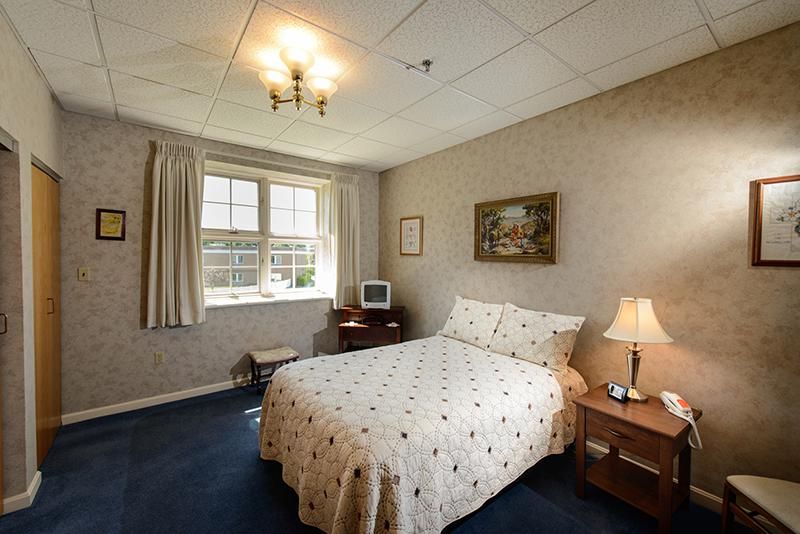
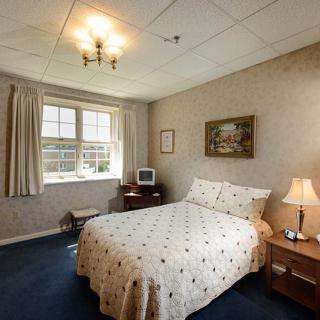
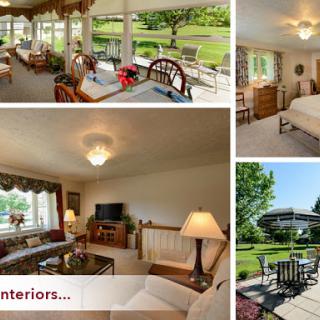
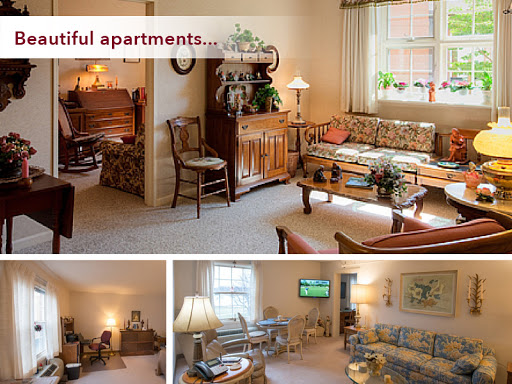
    A cozy bedroom with a double bed, bedside lamp, and a bright window.
  • Decor

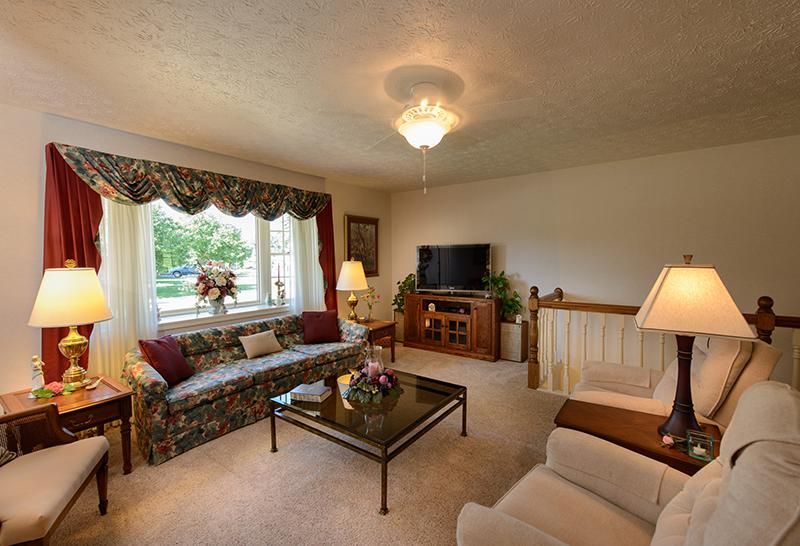
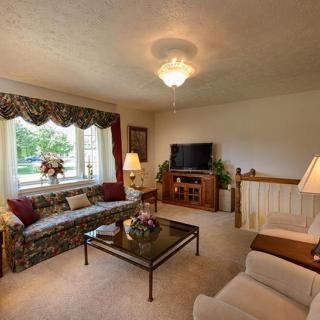
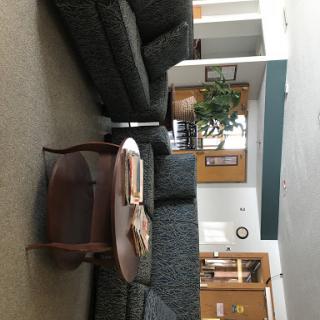
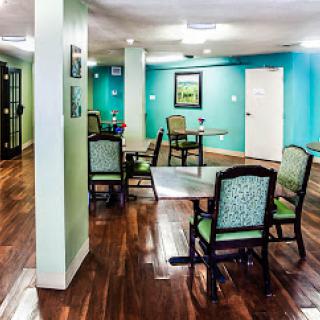
    Cozy living room with a sofa, coffee table, and television, featuring elegant decor and large windows.
  • Living Room

    A cozy living room interior showcasing beautiful apartment design with inviting furniture and warm lighting.
  • Building

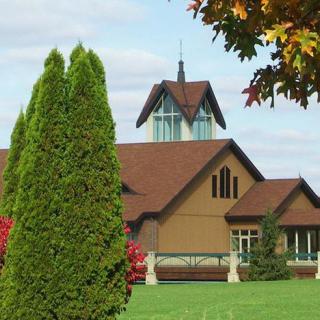
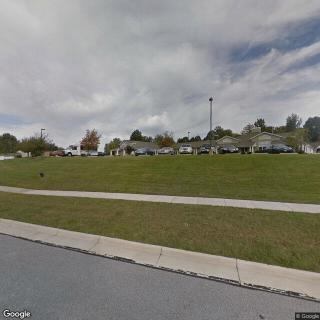
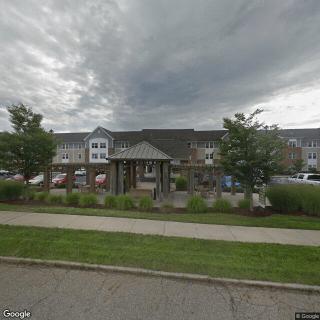
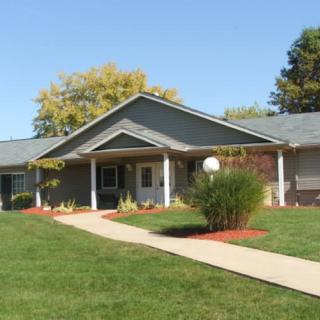
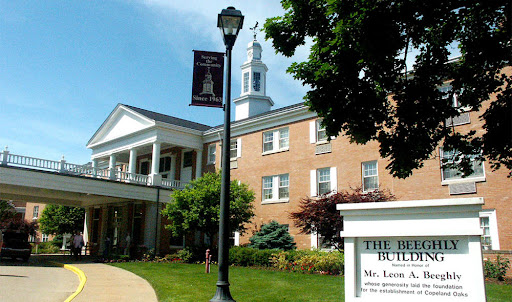
    A picturesque building surrounded by lush greenery and trees under a partly cloudy sky.
  • Architecture

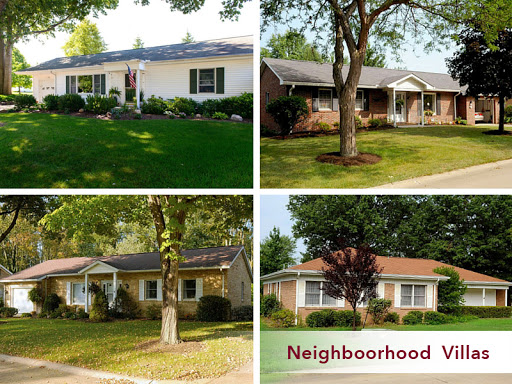
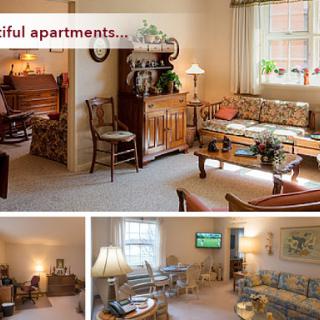
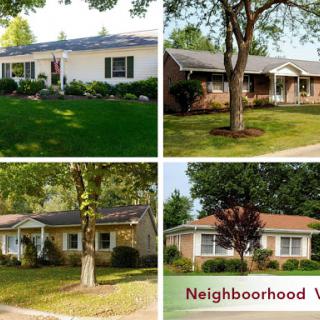
    A collage showcasing a variety of homes in a suburban neighborhood.
  • Bedroom

    A glimpse into beautifully designed interiors with serene outdoor views.
  • Trees

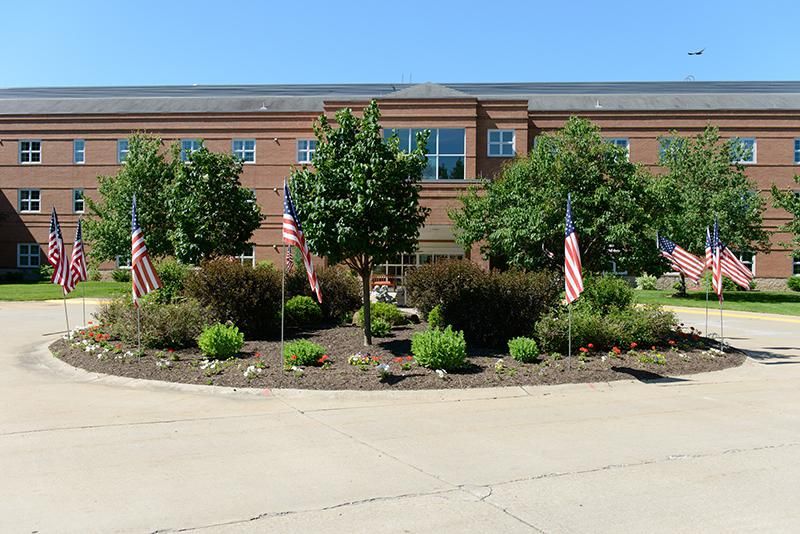
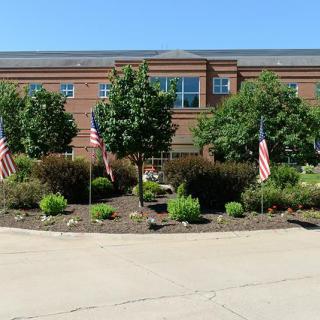
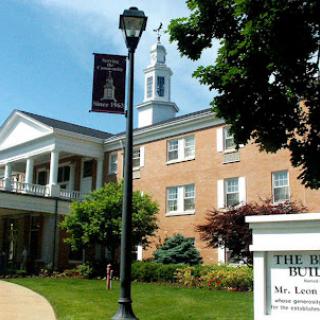
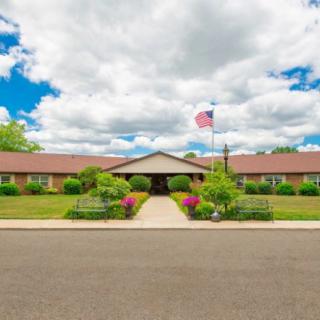
    A brick building with neatly landscaped surroundings and American flags.
  • Landscaping

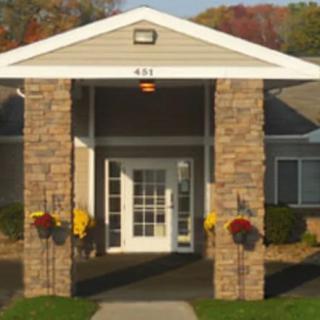
    The exterior view of a charming hotel with a welcoming entrance and greenery.
  • Nature

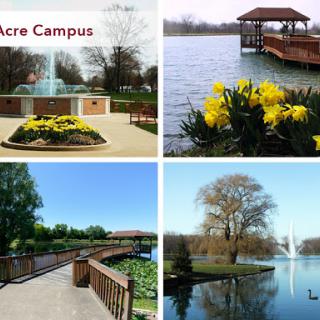
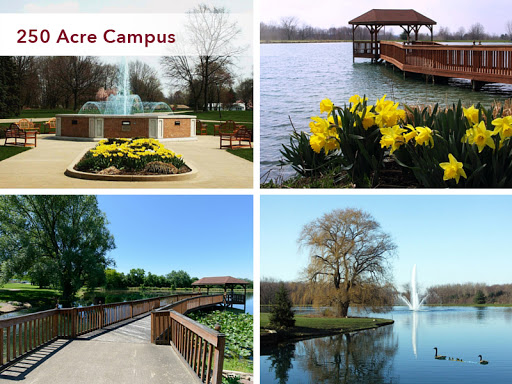
    A collection of beautiful scenic spots on a serene campus.
  • Rehabilitation

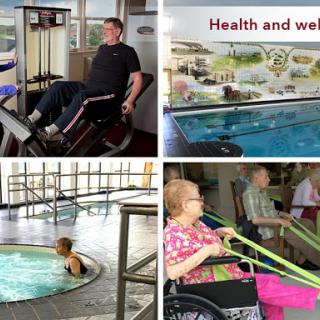
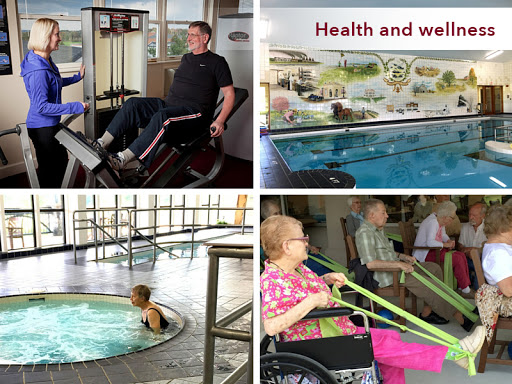
    Exploring various health and wellness activities for seniors, including exercise machines, aquatic therapy, and strength training.
  • Gardening

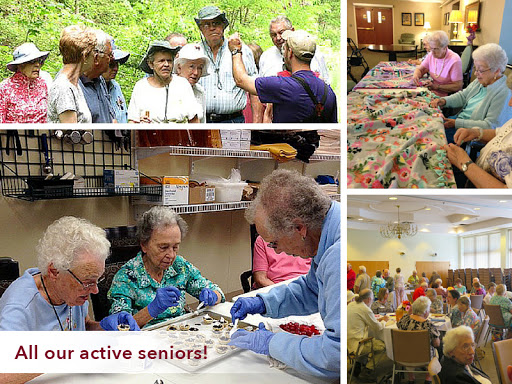
    Always something to engage in for every interest!
  • Golf

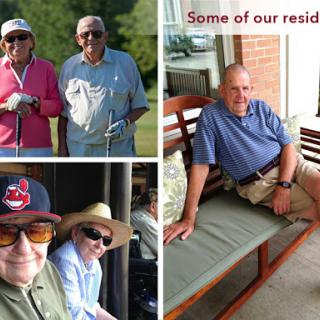
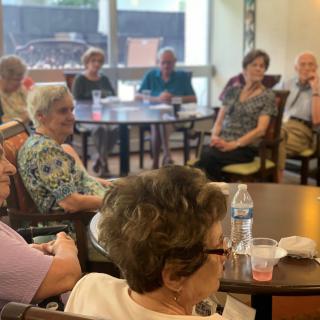
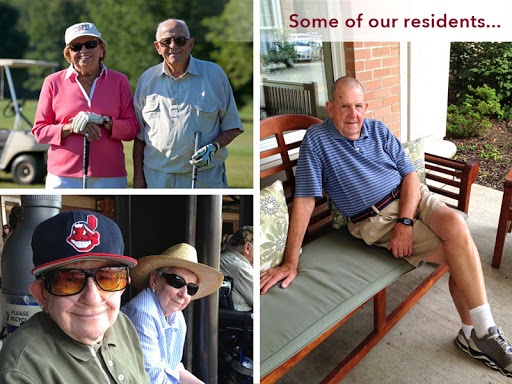
    A glimpse into the joyful lives of our residents engaging in fun activities.

Copeland Oaks

800 South 15th Street, Sebring, OH 44672

For more information about senior living options: (844) 490-3973

4.5 from 121 reviews
5 stars
85
4 stars
21
3 stars
7
2 stars
4
1 stars
4

Assisted Living Continuing Care Retirement Community (CCRC) Independent Living Memory Care Skilled Nursing Facility

Copeland Oaks Costs & Pricing

Copeland Oaks offers competitive pricing across various room types when compared to Mahoning County and the broader state of Ohio. For instance, a studio at Copeland Oaks is priced at $1,448, significantly lower than the county average of $3,570 and the state average of $3,727. Similarly, a one-bedroom unit costs $1,894 at Copeland Oaks, which again undercuts both the county's $3,657 and Ohio's $3,712 averages. Even in larger accommodations like two-bedroom apartments, Copeland Oaks remains an attractive option at $2,995 compared to Mahoning County's average of $3,090 and Ohio's statewide average of $3,501. The solitary private room does stand out with a rate of $5,760; nevertheless, it still maintains a competitive edge against the county's average of $4,883 and the state's average of $4,771. Overall, Copeland Oaks presents an appealing choice for those seeking affordability without sacrificing quality within these geographic comparisons.

Floor plansCopeland OaksMahoning CountyOhio
Studio$1,448$3,570$3,727
1 Bedroom$1,894$3,657$3,712
2 Bedrooms$2,995$3,090$3,501
Private$5,760$4,883$4,771

What level of care are you interested in?

Assisted Living

Memory Care

Independent Living

Skilled Nursing Facility

Continuing Care Retirement Community (CCRC)CCRC

Other


Request a tour at Copeland Oaks

    Overall Review of Copeland Oaks

    Pros

    • pro Copeland Oaks is a beautiful place for retired assisted living with friendly staff.
    • pro The community is known for fantastic care, friendliness, activities, safety, facilities, and assistance.
    • pro The kitchen offers tasty sandwiches at a great price.
    • pro The facility is very clean with nice, spacious rooms and a campus-like layout.
    • pro The grounds feature a pond, walking/hiking paths, and are scooter-friendly.
    • pro Copeland Oaks provides multiple levels of living and a wide range of amenities, including a pool, exercise room, art and woodworking studios, a library, and a chapel.

    Cons

    • pro They never called back after the reviewer requested information following her mother's severe stroke.
    • pro Except for the way family members are dismissed and treated poorly, Copeland Oaks is a beautiful place to live.
    • pro Copeland Oaks is a very large place, and the reviewer has gotten lost during visits.
    • pro The room was very small, likely to cause claustrophobia for a relative.
    • pro Administration shamefully discontinued providing accommodations for out-of-town family members, making visits difficult.

    Review

    Copeland Oaks emerges in these impressions as a retirement community that many residents and families genuinely value for what it offers. Numerous reviewers highlight great customer service and strong support for loved ones, describing the campus as a beautiful, welcoming place for aging in place. The sentiment is consistently warm: people speak of friendly staff, responsive care, and a sense that their family members are treated with care and respect. One reviewer even notes how the kitchen turns out "a mean sandwich" and appreciates the affordable, straightforward pricing that makes meals part of the overall package.

    Beyond personnel, reviewers emphasize the practical comforts of daily life at Copeland Oaks. A recurring theme is the combination of the facility's beauty and its accessibility. Several accounts mention a pleasant walking trail at the back of the property, with one person noting that the grounds are lit at night - good for evening strolls and personal safety. There is also a sense that residents can enjoy outdoor time without undue worry, including a preference for the surrounding nature that helps create a calm, secure environment. While one commenter hesitates about what is officially allowed, others describe the area as welcoming and conducive to a relaxed, active lifestyle.

    Many of the most positive testimonials focus on enduring residency and the breadth of care options. Families report that Copeland Oaks can support residents from independent living through assisted living and even skilled nursing, with the option to transition gradually between levels. A standout detail is the "graduate slowly" approach - different steps and pathways that let someone move up in care without a sudden move into a more intensive setting. There are heartfelt stories of long-time residents - one mother who spent 19 years on campus, another aunt who lived there at age 104 - who benefited from caring staff, robust activities, safety protocols, and a sense of stability. The grounds, activities, and facilities are repeatedly described as clean, well-maintained, and equipped with variety.

    Yet no community is without its criticisms, and one reviewer candidly describes a breakdown in communication after a family member suffered a severe stroke. The complaint that "they NEVER CALLED BACK" when information was requested serves as a sobering counterpoint to otherwise consistently positive remarks. It's a reminder that, even in well-regarded settings, timely responsiveness matters deeply to families navigating difficult health events. This dissenting note is not the majority - many praise the organization - but it does underscore the importance of reliable communication in elder care.

    The campus at Copeland Oaks is pictured as expansive and wonderfully equipped, with a wide array of amenities. Reviewers describe spacious rooms, a campus feel with "a lot to offer," and the convenience of a single price that includes two meals daily along with the living arrangement. The site is likened to a campus with multiple levels of living in one place, including independent living, several intermediate steps, and assisted living. The reviewer's perspective underscores the value of choice and continuity of care, allowing families to keep loved ones in a familiar environment even as needs evolve. The grounds themselves are said to hold a lake, hiking paths, a pond, and other scenic features that contribute to a sense of place and well-being.

    In addition to indoor amenities, the property is praised for its social and cultural offerings. Reviewers mention pools, exercise rooms, art and woodworking studios, a library, a chapel, and frequent outings or day trips. There are multiple mentions of abundant activities and programs - music, art, fitness - and the sense that residents can pursue personal interests in a stimulating, supportive setting. Even the dining experience gets praise, with some noting restaurant-style options alongside the traditional dining room, and an overall impression of high-quality meals and generous portions. A recurring thread is the feeling of a full, active life on campus, where options abound for social engagement and personal growth.

    Personal anecdotes reinforce the generally positive tone with warmth and specificity. One reviewer recalls a great-grandmother living healthily and dying peacefully at 101 due to the care received, accompanied by a memorable 90th birthday party in the dining hall. Another speaks warmly about a cousin who moved from independent living to assisted living and who, in their view, has benefited from attentive staff and a thriving, well-kept environment. Reviewers describe the setting as country-ish and tranquil, with a lake, walking trails, and a small-town feel that still offers plenty of activity and convenience. Some readers note that the campus is so expansive that navigation can be challenging, and a few describe rooms as smaller or more dorm-like, but these logistical notes are generally outweighed by the sense of security, community, and care.

    Despite the abundance of positives, some comments acknowledge the reality that big campuses can be overwhelming. A few reviewers point out that Copeland Oaks is very large, which can make it easy to get lost or feel distant from a loved one's day-to-day routines. There are also mentions of cosmetic decisions that may affect the resident experience, such as earlier COVID-era measures like Plexiglas shields, and the occasional impression that room size may be tighter than expected for some. Still, the prevailing impression is that the overall environment remains welcoming, with staff who are friendly and responsive, and an atmosphere that many find conducive to an enjoyable, dignified retirement.

    In the end, the collective voice about Copeland Oaks leans heavily toward endorsement: it is described as one of the best options for retirement living, with a broad spectrum of care, ample on-site amenities, active social life, and a beautiful natural setting. The most cautionary notes concern communication with families and the need to ensure consistent access for out-of-town relatives. Still, many reviewers highlight strong leadership, dedicated caregivers, and a community that feels like home - where meals, activities, and daily routines fit together in a way that supports independence, safety, and long-term well-being. For prospective residents and their families, Copeland Oaks presents as a compelling choice, with the caveat to verify visitation accommodations and confirm responsiveness in times of medical need.

    Features

    Housing

    • 188 resident community capacity 188 resident community capacity
    • 1-bedroom apartments 1-bedroom apartments1-bedroom apartments are important for seniors because they provide a sense of independence, privacy, and autonomy while still offering the necessary space for comfortable living. These apartments allow seniors to maintain their own personal space and lifestyle preferences in a supportive community setting.
    • 2-bedroom apartments 2-bedroom apartments2-bedroom apartments are important for seniors because they provide extra space for guests, hobbies, and caregivers, as well as potential for additional income through roommates or rental.
    • Detached homes Detached homesDetached homes are important for seniors because they provide independence and privacy, allowing them to maintain a sense of autonomy in their living space. Additionally, detached homes often offer more space for hobbies and activities, as well as outdoor areas for gardening or relaxation. This can contribute to a better quality of life and overall well-being for seniors.
    • Studio apartments Studio apartmentsStudio apartments are important for seniors because they offer a smaller, more manageable living space that is easier to navigate and maintain as physical abilities decline. Additionally, studio apartments provide seniors with independence and privacy while still being part of a community that offers support and social opportunities.

    Types of Care

    • Assisted Living Assisted LivingAssisted living facilities provide crucial support and care for seniors who may need help with daily tasks such as medication management, bathing, and meal preparation. These communities offer a safe and comfortable environment where seniors can maintain their independence while receiving the assistance they need to thrive in their golden years.
    • Continuing Care Retirement Community (CCRC) Continuing Care Retirement Community (CCRC)Continuing Care Retirement Communities (CCRCs) are important for seniors because they provide a range of housing options and care services all in one location. This allows seniors to age in place and receive the level of care they need as their health changes, without having to move to a new facility. CCRCs provide a sense of security and peace of mind for seniors and their families, knowing that they will be taken care of no matter what the future holds.
    • Independent Living Independent LivingIndependent living communities are important for seniors because they offer a safe and supportive environment where older adults can live independently while still having access to amenities and services that enhance their quality of life. These communities provide social opportunities, recreational activities, and assistance with daily tasks, promoting overall well-being and allowing seniors to maintain their independence for as long as possible.
    • Memory Care Memory CareMemory care is crucial for seniors as it provides specialized support and services for individuals with dementia or Alzheimer's disease. These programs offer a safe and secure environment where residents receive personalized care, cognitive stimulation, and help with daily activities. Memory care helps seniors maintain their independence, quality of life, and dignity while also providing peace of mind for their families.
    • Skilled Nursing Facility Skilled Nursing FacilitySkilled Nursing Facilities are crucial for seniors as they provide round-the-clock medical care, rehabilitation services, and assistance with daily activities. These facilities ensure that seniors receive the specialized care they need to maintain their health and well-being as they age.

    Pets

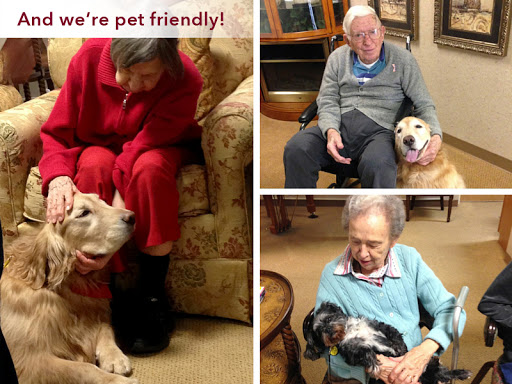
    • Cats allowed Cats allowed"Pet friendly" senior living communities are important for seniors because pets provide companionship, reduce feelings of loneliness and depression, promote physical activity and mental stimulation, and offer a sense of purpose and responsibility. Pets can improve overall well-being and quality of life for seniors in many ways.
    • Dogs allowed Dogs allowed"Pet friendly" senior living communities are important for seniors because pets provide companionship, reduce feelings of loneliness and depression, promote physical activity and mental stimulation, and offer a sense of purpose and responsibility. Pets can improve overall well-being and quality of life for seniors in many ways.

    Amenities

    • Activities on-site Activities on-siteActivities on-site are important for seniors because they provide opportunities for socialization, mental stimulation, physical activity, and overall well-being. Engaging in activities can help seniors stay active, maintain their independence, and improve their quality of life.
    • Air-conditioning Air-conditioningAir conditioning is important for seniors as they are more vulnerable to heat-related illnesses and may have underlying health conditions that make it difficult for them to regulate their body temperature. It helps to keep them comfortable, safe, and healthy in hot weather.
    • Beautician on-site Beautician on-siteHaving a beautician on-site at a senior living community is important for seniors as it allows them to easily access grooming and personal care services, boosting their self-esteem and overall well-being. It also provides convenience and helps seniors maintain their sense of independence and personal style.
    • Beauty salon Beauty salonBeauty salons are important for seniors because they provide a space for them to feel pampered, socialize, and maintain their personal grooming and hygiene. Regular visits to a beauty salon can help boost seniors' self-esteem and overall well-being.
    • Cable or satellite TV Cable or satellite TVCable or satellite TV is important for seniors because it provides entertainment, news, and companionship, helping to combat loneliness and boredom. It also offers a wide range of programming options tailored to different interests and preferences.
    • Computer center Computer centerA computer center is essential for seniors as it provides access to technology, communication tools, and resources that can enhance their daily lives. It allows them to stay connected with loved ones, engage in online activities, and learn new skills, ultimately promoting socialization and mental stimulation.
    • Devotional services off-site Devotional services off-siteDevotional services off-site are important for seniors as they provide spiritual nourishment, social engagement, and a sense of community outside of the senior living facility. This can enhance overall well-being and help combat feelings of isolation and loneliness often experienced by older adults.
    • Dining room Dining roomDining rooms are important for seniors as they provide a space for socialization, connection, and nutritious meals. They offer opportunities for residents to bond over shared meals, foster a sense of community, and promote healthy eating habits. Dining rooms also ensure that seniors have access to well-balanced meals tailored to their dietary needs and preferences.
    • Fitness room Fitness roomHaving a fitness room in a senior living community is essential for seniors to stay active, maintain their physical health, and improve their overall well-being. Regular exercise can help prevent falls, reduce the risk of chronic diseases, and promote mental sharpness. It also provides social opportunities for residents to connect with others and enjoy a sense of community.
    • Fully furnished Fully furnishedFully furnished senior living communities are important for seniors because they provide convenience, comfort, and a hassle-free moving experience. Seniors can easily settle into their new living space without the stress of having to buy and move furniture. This allows them to focus on enjoying their new home and community.
    • Gaming room Gaming roomGaming rooms are important for seniors as they provide a fun and engaging environment for socializing, cognitive stimulation, and physical activity. Games can improve memory, problem-solving skills, and overall mental well-being while fostering friendships and reducing feelings of isolation.
    • Garden GardenGardens are important for seniors as they provide a peaceful and therapeutic environment for relaxation, physical activity, and socialization. Being in nature has been shown to reduce stress, improve mood, and promote overall well-being. Gardens also offer opportunities for seniors to engage in gardening activities, which can improve mobility, flexibility, and cognitive function. Additionally, gardens create a sense of community and connection with others who share a passion for plants and outdoor spaces.
    • Housekeeping services Housekeeping servicesHousekeeping services are important for seniors because they help maintain a clean and safe living environment, promote independence, and reduce the risk of accidents or illnesses. Additionally, having assistance with household chores can alleviate physical strain and allow seniors to focus on other aspects of their well-being.
    • Indoor common areas Indoor common areasIndoor common areas are crucial for seniors as they provide a space for socialization, recreation, and community engagement, promoting overall well-being and reducing feelings of isolation and loneliness.
    • Kitchenette KitchenetteKitchenettes are important for seniors living in senior living communities because they provide the convenience and independence of being able to prepare simple meals and snacks in the comfort of their own living space. This can help promote a sense of autonomy and well-being for seniors, allowing them to maintain some level of control over their dietary choices and daily routines.
    • Laundry LaundryLaundry services are important for seniors as they may have difficulty with physical tasks such as bending, lifting, or carrying heavy loads. Having access to laundry services can help seniors maintain personal hygiene, cleanliness, and independence in their daily lives.
    • Move-in coordination Move-in coordinationMove-in coordination is important for seniors because it helps ease the transition into their new living environment. It ensures that all logistics, such as packing, organizing movers, and setting up utilities are taken care of, allowing seniors to focus on settling in and adjusting to their new home. Having a smooth move-in process can alleviate stress and anxiety, making the transition smoother and more enjoyable for seniors.
    • Outdoor space Outdoor spaceOutdoor spaces are important for seniors as they provide opportunities for physical activity, social interaction, exposure to natural light and fresh air, and a sense of connection to nature. Having access to outdoor spaces can improve overall well-being and quality of life for older adults living in senior communities.
    • Overnight guests Overnight guestsOvernight guests provide companionship, social engagement, and emotional support for seniors in senior living communities. They can help reduce feelings of loneliness, isolation, and boredom, while also promoting mental well-being and overall quality of life. Additionally, overnight guests can offer a sense of familiarity and comfort for seniors who may be transitioning into a new living environment.
    • Private PrivatePrivacy is important for seniors as it allows them to maintain their independence, dignity, and sense of control over their own lives. It also gives them the space and freedom to relax, reflect, and engage in activities that bring them joy and fulfillment. Creating private spaces within senior living facilities is crucial for promoting overall well-being and quality of life.
    • Private bathrooms Private bathroomsPrivate bathrooms are important for seniors in senior living communities because they provide independence, dignity, and comfort. Having a private bathroom allows seniors to maintain their personal hygiene routines without the need for assistance, promoting a sense of autonomy and privacy. Additionally, private bathrooms help prevent the spread of infections and provide a safe and clean environment for seniors to navigate safely.
    • Resident parking Resident parkingResident parking is crucial for seniors in a senior living community as it provides convenience, accessibility, and safety for residents who may have limited mobility or rely on personal vehicles for transportation. Having designated parking spaces ensures that seniors can easily access their homes without having to walk long distances or navigate crowded parking lots, ultimately enhancing their overall quality of life and sense of independence.
    • Restaurant-style dining Restaurant-style diningRestaurant-style dining is important for seniors because it allows them to enjoy delicious, nutritious meals in a social and upscale setting. This enhances their dining experience, promotes healthy eating habits, and fosters socialization with fellow residents, ultimately contributing to their overall well-being and quality of life.
    • Security gate Security gateSecurity gates provide an added layer of protection and peace of mind for seniors living in a community. They help prevent unauthorized entry, deter potential intruders, and create a sense of security for residents. This extra security measure can make seniors feel safe and secure in their living environment.
    • Small library Small librarySmall libraries are important for seniors as they provide access to a variety of reading materials, including books, newspapers, and magazines. This can help stimulate their minds, keep them engaged, and provide a sense of community through book clubs and other social activities. Additionally, reading has been shown to improve cognitive function and overall mental well-being in older adults.
    • Swimming pool Swimming poolSwimming pools are important for seniors as they provide a low-impact form of exercise that can improve cardiovascular health, increase muscle strength and flexibility, and help maintain mental well-being. Additionally, swimming can relieve joint pain and stiffness associated with conditions such as arthritis, making it an ideal activity for older adults looking to stay active and healthy.
    • Telephone TelephoneTelephones are important for seniors as they provide a lifeline for communication with loved ones, emergency services, and healthcare providers. They offer a sense of security and independence, enabling seniors to stay connected and access assistance when needed.
    • Wellness center Wellness centerWellness centers are important for seniors because they offer a variety of programs and services that promote physical, mental, and emotional well-being. These centers provide opportunities for exercise, socialization, education, and relaxation, helping seniors maintain their overall health and quality of life.
    • Wi-Fi/high-speed internet available Wi-Fi/high-speed internet availableWi-Fi/high-speed internet is important for seniors to stay connected with loved ones, access online resources, and participate in virtual activities to combat feelings of loneliness and isolation. It also allows them to easily manage healthcare needs, access entertainment, and engage in lifelong learning opportunities.

    Transportation

    • Akron-Canton Regional (22 miles away) Akron-Canton Regional (22 miles away)
    • Community operated transportation Community operated transportationCommunity operated transportation is crucial for seniors as it provides them with the means to access essential services, social activities, and medical appointments. It allows seniors to maintain their independence and quality of life by ensuring they can participate in activities outside of their homes. Additionally, community-operated transportation services offer a safe and reliable way for seniors to travel without having to rely on family or friends for assistance.
    • Transportation & parking Transportation & parkingTransportation and parking are vital for seniors as they offer access to essential services, activities, and social interactions. Reliable transportation options can help seniors maintain independence, stay connected within their community, and enjoy a higher quality of life. Additionally, convenient parking facilities ensure that seniors can easily access necessary resources and amenities without added stress or difficulty.
    • Transportation arrangement Transportation arrangementTransportation arrangements are crucial for seniors as they may face challenges with driving, mobility, or access to public transportation. Having reliable transportation services ensures that seniors can easily attend appointments, social activities, and maintain their independence and quality of life.
    • Transportation arrangement (non-medical) Transportation arrangement (non-medical)Transportation arrangements are essential for seniors as they provide access to essential services, activities, and social interactions outside the home. This service helps maintain independence, mobility, and overall well-being for seniors who may have limited transportation options.
    • Transportation to doctors appointments Transportation to doctors appointmentsTransportation to doctors appointments is crucial for seniors as it ensures they have access to necessary medical care and support, promoting their health and well-being. It allows them to receive timely treatment, monitor existing conditions, and address any new health concerns efficiently. Additionally, transportation services can help seniors maintain their independence and quality of life by enabling them to stay connected with their healthcare providers.

    Care Services

    • 12-16 hour nursing 12-16 hour nursing12-16 hour nursing care is crucial for seniors in order to ensure around-the-clock monitoring, timely medication administration, and prompt response to any health concerns or emergencies. This level of care helps to promote the overall well-being and safety of seniors living in senior living communities.
    • 24-hour call system 24-hour call system24-hour call systems are important for seniors because they provide peace of mind and immediate assistance in case of emergencies. This technology ensures that help is always available, promoting safety and security for elderly individuals living alone or in assisted living facilities.
    • 24-hour supervision 24-hour supervision24-hour supervision is important for seniors to ensure their safety, well-being, and access to immediate assistance in case of emergencies or health issues. This constant support provides peace of mind for both seniors and their loved ones, allowing them to age in place with dignity and security.
    • Activities of daily living assistance Activities of daily living assistanceActivities of daily living assistance are important for seniors because they provide essential support with tasks such as eating, bathing, dressing, and mobility. This assistance helps seniors maintain their independence, dignity, and overall quality of life as they age.
    • Ambulatory care Ambulatory care"Ambulatory care services provide essential medical support and treatment to seniors without requiring hospitalization, allowing them to maintain their independence and quality of life while managing chronic conditions or receiving routine medical care."
    • Assistance with bathing Assistance with bathingAssistance with bathing is crucial for seniors as it helps maintain personal hygiene, prevents infections, and ensures their overall well-being and comfort. It also provides a sense of dignity and independence for seniors who may struggle with this task on their own.
    • Assistance with dressing Assistance with dressingAssistance with dressing is important for seniors because it helps maintain their independence, promotes personal hygiene, prevents accidents and injuries, and improves overall quality of life. This service ensures that seniors can continue to dress comfortably and confidently, despite any physical limitations they may have.
    • Assistance with transfers Assistance with transfersAssistance with transfers is crucial for seniors as it helps prevent falls and injuries, maintains their independence, and ensures they can safely navigate their living environment. It also provides peace of mind for both seniors and their loved ones.
    • Diabetes diet Diabetes dietA diabetes diet is crucial for seniors as it helps manage blood sugar levels, reduce risks of complications, and improve overall health and well-being. By following a balanced and nutritious diet tailored to their specific needs, seniors can better control their diabetes and enhance their quality of life.
    • Diabetic care Diabetic careDiabetic care is crucial for seniors as they are more susceptible to developing diabetes due to aging and other health conditions. Proper management of diabetes can help prevent complications such as heart disease, vision loss, and nerve damage, improving the overall quality of life for seniors in senior living communities.
    • Meal preparation and service Meal preparation and serviceMeal preparation and service are crucial for seniors as they may have limited mobility or energy to cook nutritious meals. Having access to healthy and convenient food options can ensure they are getting the proper nutrition needed to maintain their overall health and well-being.
    • Medication management Medication managementMedication management is crucial for seniors to ensure they are taking the right medications at the correct dosages and times. This helps prevent adverse drug interactions, reduces the risk of medication errors, and promotes overall health and well-being. Proactive management also allows for adjustments as needed based on changing health conditions or new prescriptions.
    • Mental wellness program Mental wellness programMental wellness programs are essential for seniors as they promote cognitive stimulation, emotional support, and social engagement. These programs help prevent isolation, depression, and cognitive decline, ultimately enhancing the overall quality of life for older adults.
    • Special dietary restrictions Special dietary restrictionsSpecial dietary restrictions are important for seniors because age-related changes in metabolism and health conditions can make it difficult for their bodies to process certain foods. By following a diet tailored to their specific needs, seniors can maintain their overall health and well-being, manage chronic conditions, and reduce the risk of complications such as malnutrition or food interactions with medications.

    Dining

    • Diabetes diet Diabetes dietA diabetes diet is crucial for seniors as it helps manage blood sugar levels, reduce risks of complications, and improve overall health and well-being. By following a balanced and nutritious diet tailored to their specific needs, seniors can better control their diabetes and enhance their quality of life.
    • Low / no sodium Low / no sodiumLow/no sodium options are important for seniors because excessive sodium intake can lead to high blood pressure, heart disease, and other health issues commonly experienced by older adults. By choosing low/no sodium foods, seniors can better manage their health and reduce their risk of developing these conditions.
    • Low fat Low fatLow fat diets are important for seniors because they can help reduce the risk of heart disease, stroke, and other health issues commonly faced by older adults. Consuming less fat can also help manage weight and improve overall health and well-being in the senior population.
    • Meals provided Meals provided"Meals provided" are crucial for seniors in assisted living communities as it ensures they have access to nutritious, balanced meals without the stress of meal planning and preparation. This can help promote overall health and well-being for seniors who may have limited mobility or cognitive abilities.
    • Renal RenalRenal health is crucial for seniors because the kidneys play a key role in filtering waste and toxins from the body. As we age, the risk of developing kidney problems increases, making it essential for seniors to prioritize their renal health through proper hydration, healthy eating habits, and regular check-ups with healthcare providers.
    • Special dietary restrictions Special dietary restrictionsSpecial dietary restrictions are important for seniors because age-related changes in metabolism and health conditions can make it difficult for their bodies to process certain foods. By following a diet tailored to their specific needs, seniors can maintain their overall health and well-being, manage chronic conditions, and reduce the risk of complications such as malnutrition or food interactions with medications.

    Activities

    • Activities on-site Activities on-siteActivities on-site are important for seniors because they provide opportunities for socialization, mental stimulation, physical activity, and overall well-being. Engaging in activities can help seniors stay active, maintain their independence, and improve their quality of life.
    • Community-sponsored activities Community-sponsored activitiesCommunity-sponsored activities are important for seniors as they provide opportunities for social interaction, mental stimulation, and physical activity. These activities can help improve overall well-being, combat loneliness and isolation, and promote a sense of belonging and purpose among older adults.
    • Concierge services Concierge servicesConcierge services are essential for seniors as they provide assistance with daily tasks and errands, enhance their quality of life by offering convenience and personalized care, and promote a sense of safety and security.
    • Devotional activities offsite Devotional activities offsiteDevotional activities offsite are important for seniors because they provide social engagement, spiritual growth, and a sense of community outside of their living environment. This can improve overall well-being, mental health, and combat feelings of isolation or loneliness.
    • Fitness programs Fitness programsFitness programs are crucial for seniors as they help improve strength, flexibility, balance, and overall well-being. Staying active can reduce the risk of chronic diseases, improve mental health, and enhance quality of life in older adults.
    • Planned day trips Planned day tripsPlanned day trips are important for seniors because they offer opportunities for socialization, mental stimulation, and physical activity. They provide a change of scenery and help seniors stay engaged and connected to their community, promoting overall well-being and quality of life.
    • Resident-run activities Resident-run activitiesResident-run activities are important for seniors as they encourage social interaction, creativity, and a sense of autonomy. These activities empower seniors to stay engaged and active in their community while fostering meaningful connections with their peers.
    • Scheduled daily activities Scheduled daily activitiesScheduled daily activities are important for seniors because they provide structure, socialization, mental stimulation, and physical activity. Engaging in regular activities can improve overall well-being and quality of life for seniors living in a community setting.

    Description

    Copeland Oaks is an assisted living community located in Sebring, OH. We offer a variety of housing options to suit individual preferences, including 2-bedroom apartments, detached homes, and studio apartments. Our community provides a range of care services to meet the unique needs of our residents, including continuing care retirement community(CCRC), independent living, memory care, and skilled nursing facility.

    At Copeland Oaks, residents can enjoy a wide range of amenities designed for comfort and convenience. Air-conditioned accommodations ensure a comfortable living environment, while a beautician on-site and beauty salon provide opportunities for personal grooming and pampering. Cable or satellite TV is available for entertainment purposes, and our community operates transportation services for easy access to nearby areas. A computer center allows residents to stay connected digitally, while devotional services off-site provide spiritual enrichment.

    Dining at Copeland Oaks is a delightful experience with restaurant-style dining offered in our well-appointed dining room. Residents can enjoy delicious meals prepared by our expert culinary team while adhering to specific dietary restrictions such as low/no sodium, low fat, renal diets. Meals are provided to ensure that nutritional needs are met.

    Engaging in various activities is an essential part of life at Copeland Oaks. Community-sponsored activities are organized to foster social interaction among residents while concierge services are available to assist with any specific needs or requests. Devotional activities offsite allow residents to explore their spirituality outside the premises. Fitness programs keep residents active and healthy, while planned day trips provide exciting adventures outside the community. Resident-run activities encourage engagement and participation from all individuals residing in Copeland Oaks.

    Located in Sebring, OH, we are conveniently situated near amenities such as cafes, parks, pharmacies, physicians' offices, restaurants and places of worship – ensuring that essential services and recreational opportunities are easily accessible for our residents.

    Overall, Copeland Oaks offers a vibrant assisted living community where residents can enjoy comfortable housing options, a wide range of amenities, personalized care services, and engaging activities to enhance their quality of life.

    Videos

    Nearby Places of Interest

    Physicians

    • Premier Health Associates (0.5 miles)
    • Medical Endocrinology (1.3 miles)
    • ONE Health Ohio at Alliance (4.1 miles)
    • Alliance Family Health Center : Women's Health Center (4.1 miles)
    • Carnation Clinic (4.1 miles)
    • Children's Clinic (4.1 miles)
    • S C Pediatric Associates (4.1 miles)

    Pharmacies

    • Gromoll Drug Store (0.8 miles)
    • Rite Aid (4.1 miles)
    • Walgreens (4.3 miles)
    • Marc's Stores (10.4 miles)
    • Rite Aid (13.2 miles)
    • Rite Aid (13.7 miles)
    • Medicine Shoppe (13.7 miles)

    Restaurants

    • McDonald's (3.9 miles)
    • Burger Hut (4.5 miles)
    • Rey's Route 62 Bar & Grill (6.2 miles)
    • Pizza Hut (6.3 miles)
    • Circle Restaurant (7.9 miles)
    • Ben's Restaurant & Bar (7.9 miles)
    • Pizza Hut (8.5 miles)

    Cafes

    • Java Town Cade (4 miles)
    • Panera Bread (5.6 miles)
    • LiBs Market (8.9 miles)

    Places of Worship

    • Christ United Methodist Church (4 miles)
    • Allegheny Wesleyan Methodist Church (8.2 miles)
    • First United Methodist Church (8.8 miles)
    • Church Of God Camp Grounds Neo (10.7 miles)
    • Bayard United Methodist Church (11.3 miles)
    • First Presbyterian Church (12.8 miles)
    • First Church of God (13.2 miles)

    Parks

    • Silver Park (4.5 miles)
    • Alliance Dog Park (6 miles)
    • Butler Rodman Park (6.5 miles)
    • Waterworth Memorial Park (9 miles)
    • Guilford State Park (10.6 miles)
    • Coy Park (11.3 miles)
    • Metzger Park (13.1 miles)

    Hospitals

    • Surgery Alliance (5.8 miles)
    • Immediate Medical Services (6.8 miles)
    • Salem Regional Medical Center (10 miles)
    • Gary D Becker (12.1 miles)

    Frequently Asked Questions

    How much does it cost to live at Copeland Oaks in Sebring, OH?
    What floor plans and room types does Copeland Oaks offer?
    Where is Copeland Oaks?
    Does Copeland Oaks provide care for residents with dementia or Alzheimer's disease?
    Does Copeland Oaks allow residents to have pets?
    What photos are available for Copeland Oaks in Sebring, Ohio?

    Nearby Communities

    Related Resources

    • caregiver support group22 Remarkable Caregiver Support Groups Available Online and In-Person

      Caregiver support groups are crucial for providing emotional and practical assistance to those caring for loved ones, offering resources, coping strategies, and a sense of community through various organizations and platforms. These groups help alleviate isolation and burnout while addressing the unique challenges faced by caregivers of individuals with specific conditions.

    • does medicaid pay for assisted livingUnderstanding Medicaid Coverage for Assisted Living: A Comprehensive Guide

      The guide outlines the complexities of Medicaid coverage for assisted living, highlighting significant state-to-state variations, limited coverage often restricted to personal care services, and the existence of specialized waivers for certain needs like memory care. It advises families to consult local Medicaid offices for options while emphasizing the importance of understanding state-specific regulations and facility policies.

    • does medicaid pay for assisted livingHow and When Medicaid May Cover Assisted Living Costs

      Medicaid coverage for assisted living varies by state and is primarily available to low-income individuals, with eligibility dependent on strict income and asset limits. Some states offer HCBS waivers for specific services in assisted living, but families must generally cover room and board costs, and should verify facility acceptance of Medicaid while considering potential waiting lists.


    Get Pricing Ask A Question Schedule A Tour Contact Senior Advisor