
200 East State Street, Alliance, OH 44601
For more information about senior living options: (866) 208-4318
Overall Review of Community Care Center - Alliance
Pros
 The nursing staff has some excellent members.
- The physical therapy department is outstanding!
- They helped me immensly.
- The other therapy department helped me to use my hands and arms correctly again!!
Cons
 The facility needs some serious upgrading.
- The staff are nice but seem overworked.
- The facility appears short-handed.
Review
This community is best suited for seniors who need skilled nursing care with a focused, results-driven rehabilitation program, especially those aiming to regain mobility and fine motor function. The facility serves residents who will benefit from aggressive physical therapy and occupational therapy that translate into practical gains in daily living. In Alliance, OH, this is a setting where post-acute rehab and ongoing therapy can drive meaningful improvement, often after a hospital stay or a period of decline.
Those weighing alternatives should consider options that emphasize newer facility infrastructure, broader on-site programming, and steadier overall staffing levels. If modernized spaces, more expansive common areas, and reliably uninterrupted care are top priorities, other communities may better fit. Families should also assess settings with less intensive rehab focus or with a different balance between clinical acuity and social programming. In short, this community shines for rehab-first care, but may not be the best match for those who want a newer footprint or a broader daily activity schedule.
The strongest positives here are clear and tightly aligned with recovery goals. The nursing team contains several standout practitioners, delivering hands-on attention and specialized care when it is most needed. More compelling still is the physical therapy department, described as outstanding, with tangible, meaningful progress reported by residents. The rehab episodes have produced notable improvements in mobility and coordination, and the occupational therapy work has helped residents reclaim the use of their hands and arms, translating into greater independence in daily tasks. Across the board, the care experience is anchored by competent clinicians who demonstrate expertise and commitment.
However, these strengths exist alongside a substantive caveat: the facility needs upgrading, and staff appear to be somewhat overextended. While the team is personable and responsive, the impression is that staffing levels are stretched, with recent feedback suggesting short staffing at times. That tension between high-quality clinical care and the realities of resource strain can influence how smoothly daily routines run, how quickly requests are fulfilled, and how consistently services are staffed on evenings and weekends. The rebalance between rehabilitation intensity and routine caregiving may shift depending on staff availability, which is a critical consideration for families prioritizing predictable, around-the-clock support.
From a practical standpoint, families should prioritize a few concrete questions and observations during a visit. First, confirm current nurse-to-resident ratios and what coverage looks like after hours. Second, map out the therapy schedule: how many sessions per week, what therapists specialize in, and how therapy goals are tracked and adjusted. Third, request a behind-the-scenes tour of therapy spaces and equipment to gauge whether the environment feels modern enough to support continued recovery. Finally, discuss discharge planning and post-discharge support, how transitions are managed if recovery plateaus or if longer-term care becomes necessary. These steps illuminate how the rehab strengths translate into sustained function amid the backdrop of facility modernization needs.
In the end, this community delivers a compelling package for residents whose priority is rehabilitative recovery driven by skilled nurses and top-tier physical and occupational therapy. The documented outcomes point to real, practical gains that can restore independence and confidence. The main trade-off centers on the facility’s aging infrastructure and the strain on staff capacity; these factors can temper otherwise excellent care, particularly during peak demand. For families prioritizing aggressive rehab results and expert therapy teams, the choice is a strong one, with the caveat that ongoing upgrades and staffing stability should be clearly monitored. For those who value a newer facility and steadier day-to-day operations, exploring alternatives may be prudent.
 73 resident community capacity
 Skilled Nursing Facility
 Air-conditioning
 Beauty salon
 Cable or satellite TV
 Computer center
 Dining room
 Fitness room
 Fully furnished
 Gaming room
 Garden
 Housekeeping services
 Kitchenette
 Move-in coordination
 Outdoor space
 Private bathrooms
 Restaurant-style dining
 Small library
 Telephone
 Wellness center
 Wi-Fi/high-speed internet available
 Akron-Canton Regional (18 miles away)
 Community operated transportation
 12-16 hour nursing
 24-hour call system
 Activities of daily living assistance
 Assistance with bathing
 Assistance with dressing
 Assistance with transfers
 Diabetes diet
 Medication management
 Mental wellness program
 Special dietary restrictions
 Concierge services
 Planned day trips

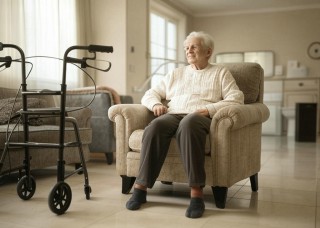 8 Essential Assistive Devices for Older Adults
 Navigating the Financial Road to Nursing Home Care: In-Depth Guidance and Resources
 Supportive Employee Benefits That Help Caregivers Attain Better Work-Life Harmony