
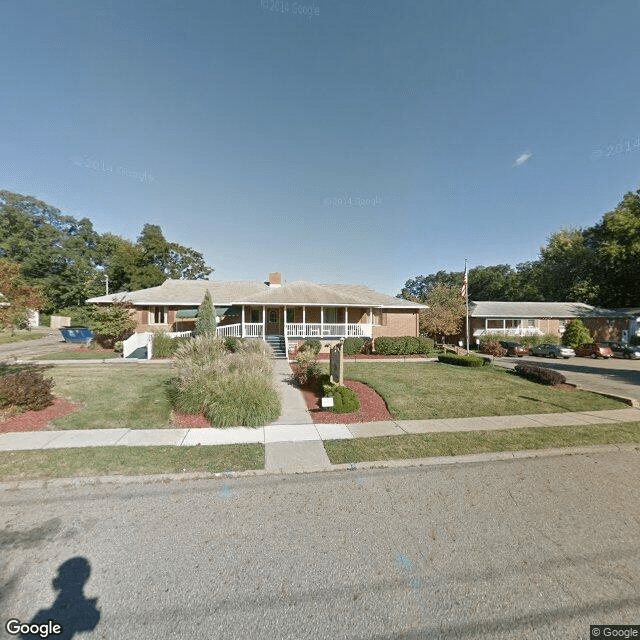
2350 S Cherry Avenue, Alliance, OH 44601
To contact a resident: (330) 821-3939
For more information about senior living options: (866) 208-4318
Overall Review of Hunters Run Of Bel Air
Pros
 Bel Air is a great place to call home.
- The rehab and nursing staff are fantastic.
- The staff are kind, loving, and attentive to residents.
- The facility has a low staff-to-resident ratio, enabling one-on-one care.
- The dedicated staff go above and beyond, blending professionalism with warmth and humor.
- Bel Air is a five-star facility that goes above and beyond for residents and families.
- Residents are happy and engaged in activities like runway shows and karaoke.
- The activity director coordinates outings and meals, keeping residents socially engaged.
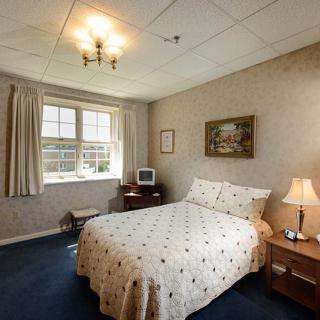
- The rooms are nice, clean, and the community feels like a big family.
Cons
 Some staff members are nasty.
- The phone system is awful.
- Communication is terrible, and belongings dropped off during COVID have gone missing.
- There are no bathrooms in residents' rooms, creating safety hazards and causing falls.
- The care of a dementia patient was described as unacceptable and abhorrent.
- There were concerns about insufficient staff and inadequate safety monitoring.
Review
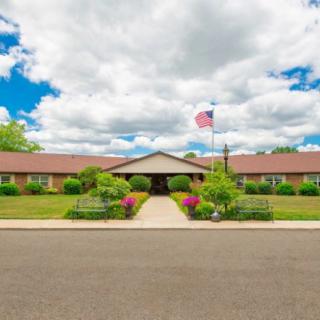
Hunters Run of Bel Air is best suited for families seeking a warm, small-community atmosphere where residents are known by name and care happens with a personal touch. The setting favors a low-staff-to-resident dynamic, which translates into meaningful, one-on-one attention, steady routines, and a sense of being truly cared for rather than processed through a large campus. It works especially well for residents who value hands-on rehab and nursing support delivered with consistency, and for families who want visible engagement from caregivers, activities that feel purposeful, and a home-like environment over a clinical, impersonal feel.
On the strength side, the care teams at Bel Air earn high marks for professionalism, empathy, and reliability. The rehab department and nursing staff frequently go beyond the basics, with residents and families noting attentive, compassionate treatment and a genuine commitment to progress and comfort. Cleanliness and safety are repeatedly highlighted, alongside a community-wide emphasis on respectful, person-centered care. The facility’s intimate size and thoughtful design, paired with a low resident-to-staff ratio, support a sense of family, where staff appear unhurried enough to learn each resident’s preferences and quirks.
Another standout is the culture of engagement. Residents are reported to participate in meaningful activities, shop trips, social events, and even light-hearted performances, that create a lively, enjoyable daily rhythm. The aroma of home-cooked meals and the impression that staff truly enjoy interactions with residents contribute to a positive atmosphere. A notable design feature is the centralized bathroom strategy intended to reduce falls; while unconventional, it has produced a tangible safety benefit, a priority echoed by families concerned about mobility and independence. In short, the overall environment tends to reinforce comfort, safety, and social vitality.
Yet several drawbacks surface in the mix of reviews. A subset of critics describe inconsistent staff attitudes and responsiveness, with a few phrases like “nasty” or “not always helpful” appearing in feedback. Communication gaps also show up in some accounts, including complaints about phone access and call-light responsiveness, reminding that even excellent caregivers can be hamstrung by operational hiccups. There are cautions about the in-room bathroom configuration, which, while reducing falls, may be less convenient for residents who prioritize en-suite facilities. A few families also recount unsettling experiences around transitions or limits on back-and-forth changes, underscoring the need for transparent, proactive communication.
These pros offset the cons to a degree, but the balance will tilt based on individual priorities. The strongest offset comes from the proven warmth and capability of the care team, the robust rehab options, and a genuine sense that residents are treated like family. The low-stress, engaged environment can mitigate concerns about occasional communication gaps, because direct, ongoing interactions with trusted staff often help families stay in the loop. The fall-reduction design, though not universally beloved, aligns with the priorities of parents and spouses seeking safety over the convenience of in-room amenities, making it easier to overlook some inconveniences when safety and everyday attentiveness are delivering real peace of mind.
Families considering alternatives should weigh three realities. First, if consistent, high-frequency communication is non-negotiable, or if in-room bathrooms and a broader continuum of care are essential, exploring larger or more policy-driven communities may be a better fit. Second, for residents who require more extensive memory-care support or more intensive medical oversight, other facilities with dedicated memory-care wings or stronger on-site medical teams could be preferable. Third, if smooth, drama-free transitions and guaranteed responsiveness matter most, ask specific questions about call-light turnaround times, phone access, and how staff turnover is managed. Those needs point to touring competitors with more formalized communication protocols and broader care ladders.
In sum, Hunters Run of Bel Air stands out for families prioritizing a compassionate, engaged, safety-forward home where staff money the value of relationships and everyday happenings. It is a compelling choice for residents who thrive on individualized attention, enjoy social programming, and can live with the in-room bathroom trade-off in exchange for a calmer, safer environment. Those who require flawless communication systems, consistent staff demeanor across shifts, or extensive in-room conveniences should approach with targeted questions and, if needed, compare with other communities that place a heavier emphasis on these specifics. A deliberate visit, speaking with Rehab staff, dining with residents, and shadowing a few shifts, will reveal whether the balance favors comfort and connection over rare operational frictions.
 Assisted Living
 Activities on-site
 Devotional services off-site
 Indoor common areas
 Akron-Canton Regional (18 miles away)
 Ambulatory care
 Diabetic care
 Meals provided



 8 Key Indicators That Suggest It May Be Time to Transition from Assisted Living to Skilled Nursing Care
 Vibrant Senior Living: A Comprehensive Guide for Active Older Adults
 When to Transition from Assisted Living to Memory Care: Key Indicators, Steps, and Finding the Right Community