
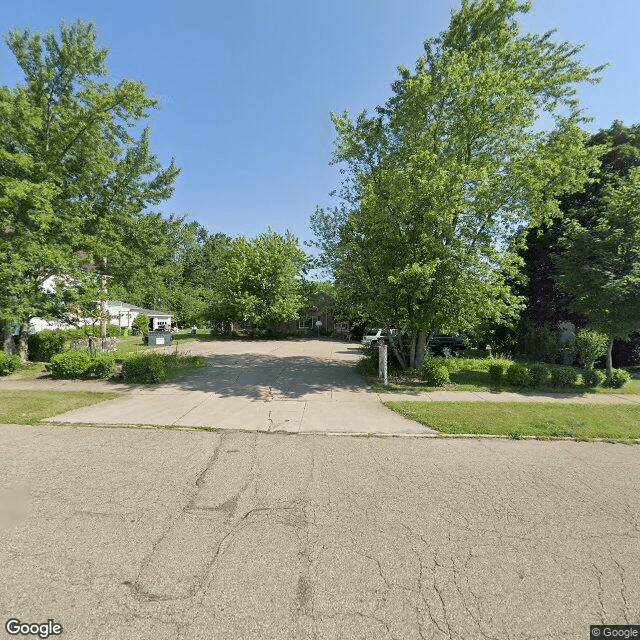
122 E College St, Alliance, OH 44601
To contact a resident: (330) 829-1071
For more information about senior living options: (866) 208-4318
Villa Maria Costs & Pricing
Villa Maria offers a competitive pricing structure for its studio accommodations, with monthly costs set at $2,400. This figure is notably lower than both the average rates in Stark County, which stand at $3,162, and the broader state average of $3,727 for similar living arrangements. By positioning itself as a more cost-effective option without compromising on quality, Villa Maria provides a valuable alternative for individuals seeking comfortable housing solutions in the region. This strategic pricing not only reflects a commitment to accessibility but also highlights Villa Maria's dedication to serving the community effectively within the local market.
| Floor plans | Villa Maria | Stark County | Ohio |
|---|---|---|---|
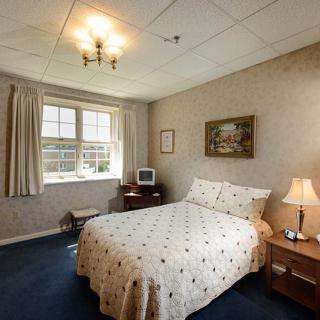
| Studio | $2,400 | $3,162 | $3,727 |
Memory care communities with a similar price nearby
-
from -$330 / mo
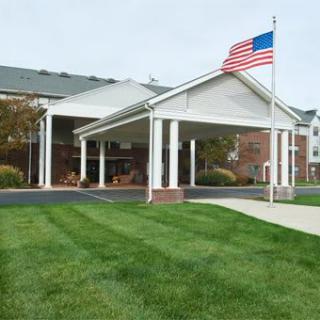
Canton Regency
$2,070 to $2,705 / month17.8 miles away -
from +$195 / mo
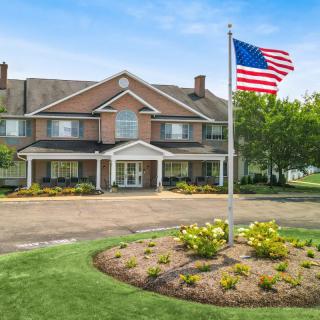
Aviva Hills
$2,595 to $4,195 / month17.7 miles away -
from +$157 / mo
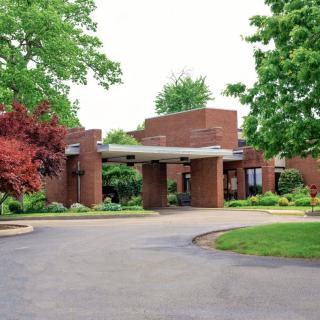
Chapel Hill Community
$2,557 to $4,140 / month24.8 miles away
Overall Review of Villa Maria
Pros
 The community is nice.
- The staff are nice and caring in all ways.
- The menu is outstanding with good variety.
- Activities are offered for those who want to participate.
- The staff are wonderful people and a pleasure to work for.
Cons
 The facility received zero stars and was described as basically a mental health facility.
- The review suggested it would only be acceptable if one’s parent had paranoid schizophrenia.
Review
Villa Maria in Alliance, Ohio is best suited for families seeking a warm, staff-driven environment where daily life centers on attentive care, reliable meal service, and accessible social activities. The community appears to shine for residents who value kindness from caregivers and appreciate a varied menu that keeps dining engaging. For families prioritizing companionship, predictable routines, and staff who are consistently described as caring in multiple reviews, Villa Maria offers a practical, welcoming home base. Those whose expectations tilt toward a highly medicalized setting, or who want a facility that feels more like a hospital than a senior living home, may want to consider alternatives. The upside is clear: a friendly, participatory culture that delivers on daily quality of life, with less emphasis on clinical polish.
On the positive side, the strongest recurring theme is the character of the staff. Reviews repeatedly describe caregivers as nice and caring in all interactions, signaling dependable, approachable support for daily needs, transfers, and activities. The dining program stands out as well, with several accounts praising the menu as outstanding and diverse enough to satisfy different tastes. The availability of activities for residents who want to participate adds a layer of engagement that can sustain social connection and purpose. Taken together, these elements translate into reliable daytime satisfaction: residents feel attended to, fed well, and offered chances to socialize or pursue interests as they wish.
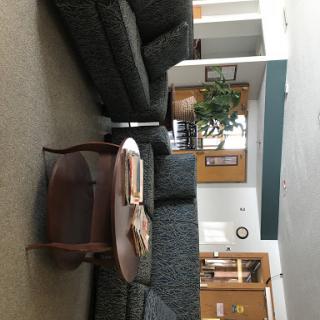
Yet the community carries a notable caveat. A subset of reviewers characterized Villa Maria in stark terms, suggesting the environment can feel like a mental health facility. The language used by those critics conveys concerns about atmosphere and the impression that the setting may be more clinical or institutional than some families expect from an assisted living option. While these views are not universal, they are persistent enough to merit sober consideration. For families prioritizing a homelike ambiance, memory-care style programming, or a setting that avoids any sense of clinical rigidity, these impressions could weigh more heavily than the positive staffing and dining notes.
The key question becomes whether the positives sufficiently offset the concerns. For many, the answer rests on what matters most in daily life. Strong, compassionate staffing and a well-regarded menu directly impact daily happiness and comfort, while flexible activity options help prevent boredom and maintain social ties. For residents whose needs are mostly routine, with occasional help, Villa Maria’s strengths may easily outweigh the critics’ cautions. However, for those with significant medical complexity, memory-care needs, or a heightened sensitivity to environment, the risk that the facility’s vibe feels clinical may temper enthusiasm and prompt comparisons with other communities that emphasize specialized programs and a more home-like milieu.
Practical guidance follows from this balance. Prospective families should foreground a visit focused on staff interactions across shifts, gauging response times, warmth, and the level of personalized attention. Inquire specifically about memory-care offerings, behavioral health support, and how care plans adapt to changing needs. Schedule time with the dining team to sample the menu and observe kitchen-to-table service during peak hours. And insist on a candid tour or conversation about the facility’s atmosphere, does it feel welcoming and homey, or does it lean toward a clinical ambiance? The activity calendar should also be reviewed to confirm that the anticipated interests of the resident, social clubs, outings, or cognitive programs, are actively maintained.
In the end, Villa Maria stands as a practical, solid option for a particular resident profile. It delivers reliable caregiver warmth, a commendable dining program, and accessible activities, all anchored by a staff culture that families repeatedly praise. If these elements align with what matters most, daily comfort, nutrition, and social engagement, Villa Maria offers clear value. Conversely, families seeking a more overtly medicalized setting, stronger specialized memory-care infrastructure, or a consistently homelike atmosphere may prefer to explore other communities with a lower likelihood of perceived institutional tone. The bottom line is decisive: match expectations to environment, and Villa Maria can be a dependable, well-regarded choice for the right senior.
 Assisted Living
 Independent Living
 Memory Care
 Cats allowed
 Dogs allowed
 Activities off-site
 Bath tubs
 Devotional services off-site
 Indoor common areas
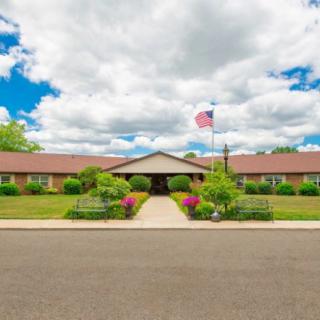
 Outdoor common areas
 Respite or short term stays offered
 Wheelchair accessible showers
 Akron-Canton Regional (18 miles away)
 Diabetic care
 High acuity care
 Incontinence care
 Kosher

 When Dementia Sparks Anger and Aggression: Understanding the Connection and Ways to Cope
 Dementia Behaviors: In-Depth Understanding and Effective Coping Strategies
 5 Early Indicators of Dementia and What You Can Do