








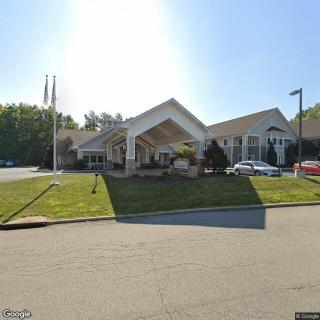
1985 East Pershing Street, Salem, OH 44460
For more information about senior living options: (866) 208-4318
Overall Review of Circle Of Care
Pros
 The staff were attentive to residents' needs and to the needs of their families, and they took very good care of them.
- The staff were friendly and very supportive.
- The food was good and offered a nice variety.
- The facility offers a family-based atmosphere with knowledgeable staff who advocate for their residents.
- The staff have a genuine love for their residents and their families, and they work as a team to build and carry out the best care plans.
- They have a ventilator and onsite dialysis unit, a rare find in the community.
Cons
 The facility smells strongly of black mold.
- The staff are largely stand-offish and rude toward residents.
- There are only one or two staff members who are actually nice.
- The reviewer would not recommend this nursing home for a loved one.
- Residents have had ongoing infections and repeated hospitalizations due to improper care.
- The staff are unprofessional and judgmental toward residents and their families, and they do not provide adequate health care.
- Some workers fail to clean residents properly, resulting in bed sores.
- Call buttons are not answered promptly, leaving residents waiting for assistance.
- Some aides are rude and engage in inappropriate conversations, with very few consistently helpful staff.
- Some reviewers describe the facility as Circle of Death and claim it refused to hospitalize a patient, calling for the facility to be shut down.
Review
Circle of Care in Salem, OH is best suited for families that want a home-like, caregiver-led atmosphere and that require or value advanced on-site medical capabilities, such as vent support and dialysis, paired with active family involvement. This community stands out for those who are prepared to advocate for their loved one and monitor care closely, because real quality appears to depend on how well staff coordinate with families and manage evolving medical needs. The presence of an on-site dialysis unit and vent capability suggests a level of medical infrastructure that isn’t common in every small-town facility, making Circle of Care a potential fit for residents needing substantial professional support rather than purely custodial care.
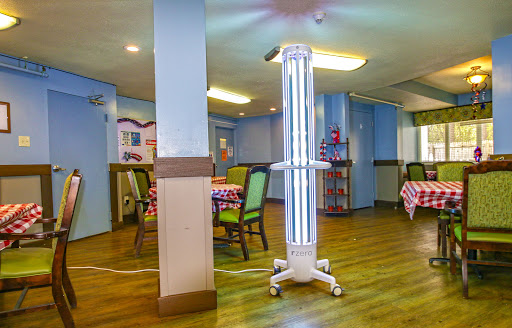
Those who should consider alternatives are families prioritizing pristine cleanliness, consistently respectful interactions, and rapid, reliable responsiveness to emergencies. Across reviews, grave concerns about odors, odor-related mold, and alleged lapses in hygiene recur, along with reports of bedsores and recurrent infections. When care gaps appear, the infections and hospitalizations pile up, and tensions rise around call-button responsiveness and staff professionalism. If a loved one depends on timely, compassionate staff and a consistently clean, dignified environment, Circle of Care may not meet those baseline expectations.
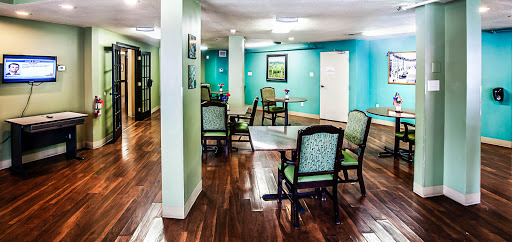
On the positive side, several accounts emphasize a genuine, family-centered ethos and staff who advocate for residents’ needs, working collaboratively to tailor care plans. In favorable impressions, the facility’s team is described as attentive, skilled, and supportive, able to coordinate complex requirements and respond to family concerns with empathy. The combination of a convivial dining experience and the opportunity for in-house medical services adds practical value for families who want strong clinical capabilities without relocating a loved one far from home. When the culture aligns with a family’s expectations, these strengths can translate into meaningful daily life for residents.
Yet the negatives are consistently meaningful enough to overshadow the bright spots for many families. The most serious red flags involve cleanliness and infection control, persistent foul odors, untreated bedsores, and frequent hospitalizations for infections. Multiple reviewers allege that some aides are rude, that conversations outside the living space verge on inappropriate, and that call-button responses can be unacceptably slow, leaving residents waiting in need. Leadership dynamics also surface as a concern in some reflections, with descriptions of a director who is loud or dismissive. Taken together, these elements feed a perception of instability and risk.
For families weighing the decision, the evaluation plan must be rigorous. Demand current documentation on inspection outcomes, infection-control metrics, and incident reports. Tour at different times of day to observe staff responsiveness to call bells, ask to speak with multiple frontline workers, and talk with several residents and family members about day-to-day experiences. Inquire specifically about wound care protocols, how quickly a medical escalation is initiated when a condition worsens, and who oversees care coordination between the in-house medical team and external physicians. If the facility cannot provide clear, consistent answers and measurable improvement plans, it is prudent to look elsewhere.
Bottom line: Circle of Care can serve a niche for families seeking substantial on-site medical services within a warm, family-forward setting, provided there is reliable oversight and active advocacy. For those prioritizing consistently high cleanliness standards, prompt and respectful staff interactions, and rigorous, transparent medical escalation, alternatives with stronger track records are safer bets. The balancing act hinges on whether the value derived from in-house dialysis and ventilator support, paired with a truly supportive care culture, is enough to offset ongoing concerns about cleanliness, responsiveness, and staff demeanor. When a decision is made to pursue this community, enter with explicit expectations, a clear care plan, and a ready set of accountability measures to ensure the loved one receives the highest possible standard of care.
 62 resident community capacity
 Skilled Nursing Facility
 Air-conditioning
 Beauty salon
 Cable or satellite TV
 Computer center
 Dining room
 Fitness room
 Fully furnished
 Gaming room
 Garden
 Housekeeping services
 Kitchenette
 Move-in coordination
 Outdoor space
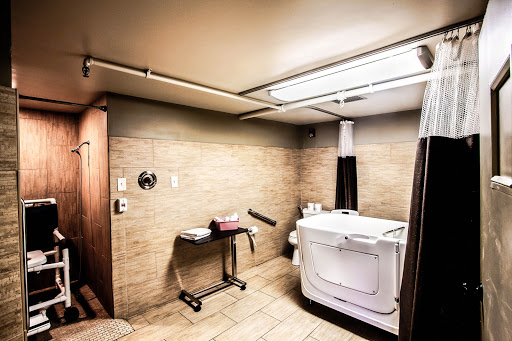
 Private bathrooms
 Restaurant-style dining
 Small library
 Telephone
 Wellness center
 Wi-Fi/high-speed internet available
 Community operated transportation
 12-16 hour nursing
 24-hour call system
 Activities of daily living assistance
 Assistance with bathing
 Assistance with dressing
 Assistance with transfers
 Diabetes diet
 Medication management
 Mental wellness program
 Special dietary restrictions
 Concierge services
 Planned day trips





 8 Essential Assistive Devices for Older Adults
 Navigating the Financial Road to Nursing Home Care: In-Depth Guidance and Resources
 Supportive Employee Benefits That Help Caregivers Attain Better Work-Life Harmony