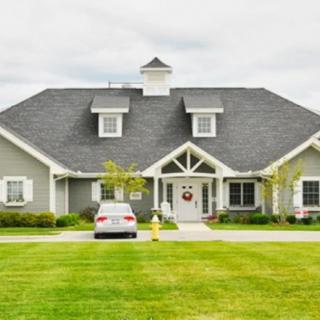
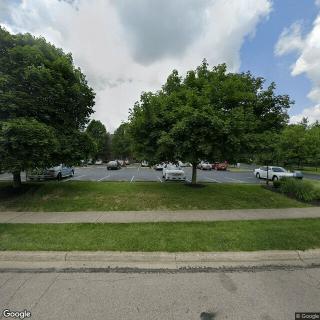
Pristine Retirement Living Of Middletown

Save
Pristine Retirement Living Of Middletown Pristine Retirement Living Of Middletown

Pristine Retirement Living Of Middletown

4400 Vannest Avenue, Middletown, OH 45042

For more information about senior living options: (844) 490-3973

3.5 from 46 reviews
5 stars
24
4 stars
4
3 stars
2
2 stars
1
1 stars
15

Assisted Living Continuing Care Retirement Community (CCRC) Skilled Nursing Facility

Overall Review of Pristine Retirement Living Of Middletown

Pros

  • pro Alexa is fantastic.
  • pro Ray is praised for his quick response and great attitude.
  • pro The staff are very kind to residents.
  • pro The facilities are clean and well-maintained.
  • pro Care at Willow Knoll is described as compassionate and thorough.
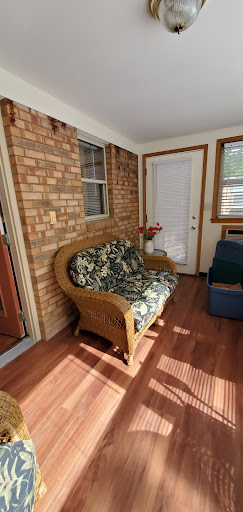
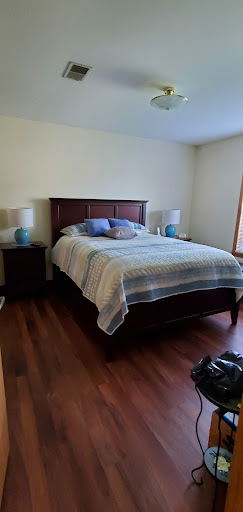
  • pro The independent living apartments are renovated and feel like brand new.
  • pro Willow Knoll is a quiet and safe community.

Cons

  • pro They ignore residents who disagree with staff.
  • pro A nurse claimed the ostomy supplies wouldn't work, despite having no idea.
  • pro It hurt his independence and hindered his transition back home.
  • pro The staff were unprofessional and harassed residents.
  • pro They nearly double-dosed medications, risking serious harm.
  • pro A staff member refused to provide her name and secretly recorded the resident in bed.
  • pro There was poor communication between staff and health care, leaving the patient and family frustrated.
  • pro They did not inform the family about a relative's death for four days.
  • pro The phones were never answered and staff often seemed angry or dismissive.

Review

This Middletown community is best suited for families seeking a rehab-to-home pathway and residents who prize a clean, quiet environment with visible maintenance and accessible care when things go right. When a loved one needs rehabilitation that can translate into a smoother discharge, the facility's strongest moments come from attentive staff, on-point care during a stay, and a therapy gym that helps people regain independence. The place also works for seniors who want independent living options - well-kept one-level apartments or cottages with practical layouts - and who appreciate prompt maintenance and a front desk that appears responsive in favorable moments. In short, it serves well when rehab, clean surroundings, and a contained, manageable setting are the top priorities and there is a capable advocate on the family side to coordinate care.

Those who may want to consider alternatives are families that require consistently reliable communication and a uniformly high standard of day-to-day care. The reviews reveal troubling gaps: inconsistent responses to questions, some staff attitudes, and serious allegations about medication handling and neglect. Several families report feeling unheard, delays in updates or calls, and even life-threatening lapses in care. If a loved one depends on predictable, attentive nursing oversight or if the ability to verify every treatment and medication order without chasing staff is essential, this community may not meet those baseline expectations. For a family unwilling or unable to monitor daily operations closely, exploring other options with steadier governance and more transparent family communication is wise.

The positives consistently highlighted - cleanliness, maintenance responsiveness, and compassionate moments - do offset some of the downsides, but not universally. Review perspectives point to a facility that keeps rooms and common areas tidy, that responds quickly to maintenance needs, and that can deliver meaningful rehab outcomes when therapy is accessible and staff members such as front-desk personnel and maintenance leads go the extra mile. Residents and families praise specific staff who treat residents like people, provide extra attention, and coordinate care when possible. The care environment can feel personal and family-like at times, with residents praising the quiet, safe atmosphere and the willingness of certain team members to go above and beyond.

However, the main concerns cannot be glossed over. The most recurring red flags center on communication failures and inconsistent care delivery. Several accounts describe missed or delayed medication administration, confusion about treatments, and insufficient notice to families about critical changes. There are claims of neglect, poor handling of privacy (including an incident involving unauthorized recording and HIPAA concerns), and reports that family members were not informed about serious events or mortality in a timely manner. These incidents severely undermine trust and must be weighed heavily by anyone considering placement, especially for residents with complex medical needs or those who rely on dependable, regular nursing oversight.

For a practical decision, prospective families should approach as a two-tier due diligence. First, verify the current leadership and care governance - request a direct meeting with the administrator and the head of nursing or rehabilitation - to understand workflows, accountability, and how communication will be managed for both daily updates and urgent concerns. Second, demand concrete, written care protocols: a sample daily medication administration record, a medication reconciliation process, and a clear escalation path for issues. Ask to speak with the therapy director, and request a trial period or observation of a therapy session to gauge responsiveness and compatibility with the loved one's needs. If independent living or short rehab stays are contemplated, obtain a transparent plan for transition back home, including transportation, follow-up therapies, and post-discharge support.

In the end, this community can be a strong fit for families who can advocate effectively and who value a clean, well-maintained environment with solid rehab potential. The best-fit residents will be those who can align with a responsive front-office culture and a maintenance team that acts quickly, while maintaining realistic expectations about variability in day-to-day nursing care. For others, especially those who require unwavering consistency, proactive communication, and meticulous medication management, it is prudent to compare alternatives that offer steadier oversight and fewer opportunities for gaps in care. The choice should hinge on whether the family is ready to invest time in establishing robust communication channels and whether the current staff's demonstrated strengths outweigh the documented risks.

Features

Housing

  • 21 resident community capacity 21 resident community capacity

Types of Care

  • Assisted Living Assisted LivingAssisted living facilities provide crucial support and care for seniors who may need help with daily tasks such as medication management, bathing, and meal preparation. These communities offer a safe and comfortable environment where seniors can maintain their independence while receiving the assistance they need to thrive in their golden years.
  • Continuing Care Retirement Community (CCRC) Continuing Care Retirement Community (CCRC)Continuing Care Retirement Communities (CCRCs) are important for seniors because they provide a range of housing options and care services all in one location. This allows seniors to age in place and receive the level of care they need as their health changes, without having to move to a new facility. CCRCs provide a sense of security and peace of mind for seniors and their families, knowing that they will be taken care of no matter what the future holds.
  • Skilled Nursing Facility Skilled Nursing FacilitySkilled Nursing Facilities are crucial for seniors as they provide round-the-clock medical care, rehabilitation services, and assistance with daily activities. These facilities ensure that seniors receive the specialized care they need to maintain their health and well-being as they age.

Amenities

  • Beauty salon Beauty salonBeauty salons are important for seniors because they provide a space for them to feel pampered, socialize, and maintain their personal grooming and hygiene. Regular visits to a beauty salon can help boost seniors' self-esteem and overall well-being.
  • Cable or satellite TV Cable or satellite TVCable or satellite TV is important for seniors because it provides entertainment, news, and companionship, helping to combat loneliness and boredom. It also offers a wide range of programming options tailored to different interests and preferences.
  • Dining room Dining roomDining rooms are important for seniors as they provide a space for socialization, connection, and nutritious meals. They offer opportunities for residents to bond over shared meals, foster a sense of community, and promote healthy eating habits. Dining rooms also ensure that seniors have access to well-balanced meals tailored to their dietary needs and preferences.
  • Fully furnished Fully furnishedFully furnished senior living communities are important for seniors because they provide convenience, comfort, and a hassle-free moving experience. Seniors can easily settle into their new living space without the stress of having to buy and move furniture. This allows them to focus on enjoying their new home and community.
  • Garden GardenGardens are important for seniors as they provide a peaceful and therapeutic environment for relaxation, physical activity, and socialization. Being in nature has been shown to reduce stress, improve mood, and promote overall well-being. Gardens also offer opportunities for seniors to engage in gardening activities, which can improve mobility, flexibility, and cognitive function. Additionally, gardens create a sense of community and connection with others who share a passion for plants and outdoor spaces.
  • Housekeeping services Housekeeping servicesHousekeeping services are important for seniors because they help maintain a clean and safe living environment, promote independence, and reduce the risk of accidents or illnesses. Additionally, having assistance with household chores can alleviate physical strain and allow seniors to focus on other aspects of their well-being.
  • Kitchenette KitchenetteKitchenettes are important for seniors living in senior living communities because they provide the convenience and independence of being able to prepare simple meals and snacks in the comfort of their own living space. This can help promote a sense of autonomy and well-being for seniors, allowing them to maintain some level of control over their dietary choices and daily routines.
  • Move-in coordination Move-in coordinationMove-in coordination is important for seniors because it helps ease the transition into their new living environment. It ensures that all logistics, such as packing, organizing movers, and setting up utilities are taken care of, allowing seniors to focus on settling in and adjusting to their new home. Having a smooth move-in process can alleviate stress and anxiety, making the transition smoother and more enjoyable for seniors.
  • Outdoor space Outdoor spaceOutdoor spaces are important for seniors as they provide opportunities for physical activity, social interaction, exposure to natural light and fresh air, and a sense of connection to nature. Having access to outdoor spaces can improve overall well-being and quality of life for older adults living in senior communities.
  • Restaurant-style dining Restaurant-style diningRestaurant-style dining is important for seniors because it allows them to enjoy delicious, nutritious meals in a social and upscale setting. This enhances their dining experience, promotes healthy eating habits, and fosters socialization with fellow residents, ultimately contributing to their overall well-being and quality of life.
  • Small library Small librarySmall libraries are important for seniors as they provide access to a variety of reading materials, including books, newspapers, and magazines. This can help stimulate their minds, keep them engaged, and provide a sense of community through book clubs and other social activities. Additionally, reading has been shown to improve cognitive function and overall mental well-being in older adults.
  • Telephone TelephoneTelephones are important for seniors as they provide a lifeline for communication with loved ones, emergency services, and healthcare providers. They offer a sense of security and independence, enabling seniors to stay connected and access assistance when needed.
  • Wi-Fi/high-speed internet available Wi-Fi/high-speed internet availableWi-Fi/high-speed internet is important for seniors to stay connected with loved ones, access online resources, and participate in virtual activities to combat feelings of loneliness and isolation. It also allows them to easily manage healthcare needs, access entertainment, and engage in lifelong learning opportunities.

Care Services

  • 24-hour call system 24-hour call system24-hour call systems are important for seniors because they provide peace of mind and immediate assistance in case of emergencies. This technology ensures that help is always available, promoting safety and security for elderly individuals living alone or in assisted living facilities.
  • 24-hour supervision 24-hour supervision24-hour supervision is important for seniors to ensure their safety, well-being, and access to immediate assistance in case of emergencies or health issues. This constant support provides peace of mind for both seniors and their loved ones, allowing them to age in place with dignity and security.
  • Activities of daily living assistance Activities of daily living assistanceActivities of daily living assistance are important for seniors because they provide essential support with tasks such as eating, bathing, dressing, and mobility. This assistance helps seniors maintain their independence, dignity, and overall quality of life as they age.
  • Assistance with bathing Assistance with bathingAssistance with bathing is crucial for seniors as it helps maintain personal hygiene, prevents infections, and ensures their overall well-being and comfort. It also provides a sense of dignity and independence for seniors who may struggle with this task on their own.
  • Assistance with dressing Assistance with dressingAssistance with dressing is important for seniors because it helps maintain their independence, promotes personal hygiene, prevents accidents and injuries, and improves overall quality of life. This service ensures that seniors can continue to dress comfortably and confidently, despite any physical limitations they may have.
  • Assistance with transfers Assistance with transfersAssistance with transfers is crucial for seniors as it helps prevent falls and injuries, maintains their independence, and ensures they can safely navigate their living environment. It also provides peace of mind for both seniors and their loved ones.
  • Diabetes diet Diabetes dietA diabetes diet is crucial for seniors as it helps manage blood sugar levels, reduce risks of complications, and improve overall health and well-being. By following a balanced and nutritious diet tailored to their specific needs, seniors can better control their diabetes and enhance their quality of life.
  • Meal preparation and service Meal preparation and serviceMeal preparation and service are crucial for seniors as they may have limited mobility or energy to cook nutritious meals. Having access to healthy and convenient food options can ensure they are getting the proper nutrition needed to maintain their overall health and well-being.
  • Medication management Medication managementMedication management is crucial for seniors to ensure they are taking the right medications at the correct dosages and times. This helps prevent adverse drug interactions, reduces the risk of medication errors, and promotes overall health and well-being. Proactive management also allows for adjustments as needed based on changing health conditions or new prescriptions.
  • Mental wellness program Mental wellness programMental wellness programs are essential for seniors as they promote cognitive stimulation, emotional support, and social engagement. These programs help prevent isolation, depression, and cognitive decline, ultimately enhancing the overall quality of life for older adults.
  • Special dietary restrictions Special dietary restrictionsSpecial dietary restrictions are important for seniors because age-related changes in metabolism and health conditions can make it difficult for their bodies to process certain foods. By following a diet tailored to their specific needs, seniors can maintain their overall health and well-being, manage chronic conditions, and reduce the risk of complications such as malnutrition or food interactions with medications.

Dining

  • Diabetes diet Diabetes dietA diabetes diet is crucial for seniors as it helps manage blood sugar levels, reduce risks of complications, and improve overall health and well-being. By following a balanced and nutritious diet tailored to their specific needs, seniors can better control their diabetes and enhance their quality of life.
  • Special dietary restrictions Special dietary restrictionsSpecial dietary restrictions are important for seniors because age-related changes in metabolism and health conditions can make it difficult for their bodies to process certain foods. By following a diet tailored to their specific needs, seniors can maintain their overall health and well-being, manage chronic conditions, and reduce the risk of complications such as malnutrition or food interactions with medications.

Activities

  • Community-sponsored activities Community-sponsored activitiesCommunity-sponsored activities are important for seniors as they provide opportunities for social interaction, mental stimulation, and physical activity. These activities can help improve overall well-being, combat loneliness and isolation, and promote a sense of belonging and purpose among older adults.
  • Resident-run activities Resident-run activitiesResident-run activities are important for seniors as they encourage social interaction, creativity, and a sense of autonomy. These activities empower seniors to stay engaged and active in their community while fostering meaningful connections with their peers.
  • Scheduled daily activities Scheduled daily activitiesScheduled daily activities are important for seniors because they provide structure, socialization, mental stimulation, and physical activity. Engaging in regular activities can improve overall well-being and quality of life for seniors living in a community setting.

Description

Pristine Retirement Living of Middletown in Middletown, OH is a Continuing Care Retirement Community (CCRC) that also offers Skilled Nursing Facility services. This community provides a wide range of amenities to ensure the comfort and convenience of its residents. Each living space is fully furnished and includes cable or satellite TV, telephone, and Wi-Fi/high-speed internet access.

Residents can enjoy delicious meals in the dining room with restaurant-style dining and special dietary restrictions are accommodated. Housekeeping services are provided to maintain cleanliness and outdoor spaces, including a garden, offer opportunities for relaxation and enjoyment.

The care services at Pristine Retirement Living include 24-hour supervision to ensure the safety and well-being of all residents. Assistance with activities of daily living, such as bathing, dressing, and transfers, is readily available. The community also offers support for diabetes diets, medication management, and mental wellness programs.

Residents can participate in a variety of activities that are organized by both fellow residents as well as the staff. Scheduled daily activities provide social engagement and entertainment options for everyone.

For added convenience, there are several nearby amenities including cafes, pharmacies, physicians' offices, restaurants, places of worship, and hospitals.

Pristine Retirement Living of Middletown is committed to providing a comfortable and supportive environment where seniors can enjoy their retirement years while receiving the care they need.

Nearby Places of Interest

Physicians

  • Ear Nose and Throat Specialists (1 miles)
  • Middletown Cardiovascular (2.5 miles)
  • Cincinnati Eye Institute (3.1 miles)
  • The Urology Group (3.4 miles)
  • Kidney & Hyertension Center (3.4 miles)
  • Middletown Cardiology Associates (4.1 miles)
  • Obstetrics & Gynecology South (5.1 miles)

Pharmacies

  • Walgreens (2.5 miles)
  • CVS Pharmacy (2.7 miles)
  • CVS Pharmacy (3.7 miles)
  • Walgreens (4.2 miles)
  • The Medicine Shoppe Pharmacy (6 miles)
  • CVS Pharmacy (6.9 miles)
  • Walgreens (8.2 miles)

Restaurants

  • Arby's (2.7 miles)
  • McDonald's (3.4 miles)
  • McDonald's (4.4 miles)
  • Tres Amigos (7 miles)
  • BJ's Restaurant & Brewhouse (7.4 miles)
  • Chipotle Mexican Grill (7.5 miles)
  • El Barzon (7.8 miles)

Hospitals

  • Children's Medical Center of Dayton (3.1 miles)
  • Atrium Medical Center (3.5 miles)
  • Conover Health Plus (3.9 miles)
  • Dayton Children's Outpatient (6.9 miles)
  • Kettering Health Breast Center (8.7 miles)
  • Life Care Hospitals-Dayton (9.5 miles)
  • Cincinnati Children's Hospital Medical Center Liberty Campus (11.3 miles)

Cafes

  • Triple Moon Coffee Company (3.3 miles)
  • Panera Bread (7.5 miles)
  • Starbucks (8.3 miles)
  • Starbucks (10.5 miles)

Places of Worship

  • Oasis Church (3.7 miles)
  • West Carrollton Church of the Nazarene (10.3 miles)
  • Slifers Presbyterian Church (11.3 miles)
  • Four Corners Church (12.1 miles)

Parks

  • Armco Park (6.8 miles)
  • Rosewood Park (10.2 miles)
  • Cox Arboretum MetroPark (10.4 miles)
  • Fleckenstein Park (10.9 miles)
  • Rentschler Forest Preserve Ranger Sta (11.4 miles)
  • Voice of America Park (12 miles)

Theaters

  • Cinemark Dayton South 16 + XD (9.7 miles)

Frequently Asked Questions

Where is Pristine Retirement Living Of Middletown?

Nearby Communities

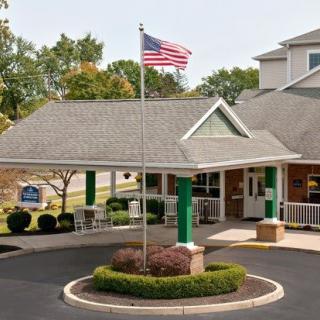
  • Willow Knoll

    Willow Knoll

    Middletown, OH

    3.5 from 46 reviews
     

    pro Independent living with diabetic care and off-site devotional services.

  • The Woodlands Of Middletown

    The Woodlands Of Middletown

    Middletown, OH

    3.3 from 7 reviews
     

    pro Specialized memory care with 24/7 supervision, engaging activities, and restaurant-style dining.

  • The Winfield at Middletown

    The Winfield at Middletown

    Middletown, OH

    3.9 from 44 reviews
    $3,570 to $4,170 / month

    pro Caring staff and engaging activities create a warm, home-like environment.

  • The Laurels Of Middletown

    The Laurels Of Middletown

    Middletown, OH

    4.6 from 100 reviews
     

    pro Extensive on-site amenities and activities with dining options and transportation.

  • Bickford Of Middletown

    Bickford Of Middletown

    Franklin, OH

    4.5 from 124 reviews
     

    pro Attentive staff, clean welcoming atmosphere, and restaurant-style dining with engaging activities.

  • Spring Hills Middletown

    Spring Hills Middletown

    Franklin, OH

    4.5 from 75 reviews
    $3,000 to $3,900 / month

    pro Caring staff in a bright, welcoming environment with engaging activities.

  • Otterbein Middletown

    Otterbein Middletown

    Franklin, OH

    4.3 from 90 reviews
     

    pro Friendly, attentive staff and a home-like cottage setting with on-site homemade meals.

  • Sherman Glen Retirement Villa

    Sherman Glen Retirement Villa

    Franklin, OH

    1 from 1 review
     

    pro Excellent proximity to healthcare, pharmacies, and dining options

  • Otterbein Lebanon

    Otterbein Lebanon

    Lebanon, OH


    pro Multiple care levels (CCRC, Independent Living, Memory Care) with comprehensive amenities and services.

Related Resources

  • va benefits for assisted livingAssisted Living Support for Veterans: A Complete and Detailed Overview

    The guide highlights the importance of assisted living facilities for aging veterans needing daily support, discusses unique challenges they face, and outlines available financial assistance from the VA, including the Aid and Attendance program. It emphasizes understanding eligibility criteria and navigating the VA system to access necessary benefits effectively.

  • assisted living vs skilled nursingExploring the Contrasts Between Assisted Living and Skilled Nursing

    The article compares assisted living and skilled nursing facilities, detailing their differing levels of assistance, medical support, cost structures, and day-to-day experiences. It emphasizes that assisted living is for those needing help with daily activities while maintaining independence, whereas skilled nursing facilities provide intensive medical care with 24-hour staff supervision.

  • when to move from assisted living to nursing home8 Key Indicators That Suggest It May Be Time to Transition from Assisted Living to Skilled Nursing Care
    The transition from assisted living to skilled nursing care is often prompted by complex medical needs that assisted living cannot meet, with key indicators including frequent health declines, increased falls, severe memory issues, and caregiver burnout. Families should recognize these signs early to discuss options with healthcare providers and prepare for the emotional and logistical aspects of moving to a facility that offers comprehensive medical support.