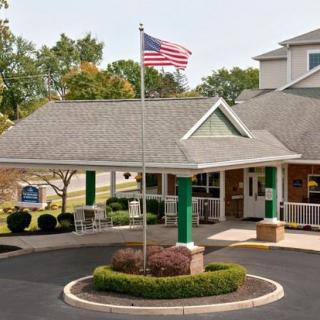
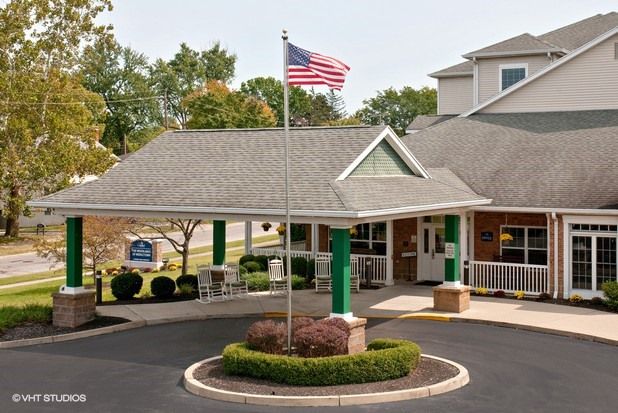
3000 Mc Gee Avenue, Middletown, OH 45044
For more information about senior living options: (866) 208-4318
Overall Review of The Woodlands Of Middletown
Pros
 The facility is described as a great place with great staff.
- The staff are praised for their love and care toward residents and employees, with laughter and smiles evident.
- The property is considered wonderful, with aides and management actively enhancing residents' overall experience and care.
- The staff are approachable and responsive to needs when they are raised.
- Visitors note reassuring, cheerful smiles on residents' faces.
Cons
 The contractor has not been paid for nearly 60 days after completing the first unit, despite three different payment dates being provided.
 - The staff listed the grandfather as self-care when he was not, resulting in inadequate bathing and poor hygiene.
- Even after a doctor’s order to bathe him regularly, including shampooing his scalp, no improvement occurred.
- They continued to leave him to shower himself with minimal assistance, only occasionally helping wash his back.
- They did not assist with shampooing or other hygiene needs, even after a doctor’s order was issued.
Review
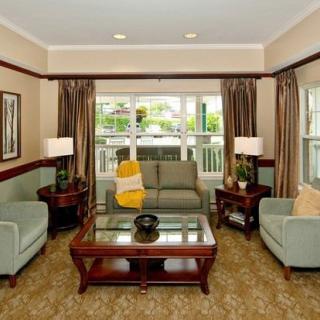
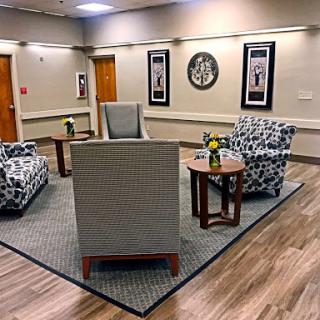
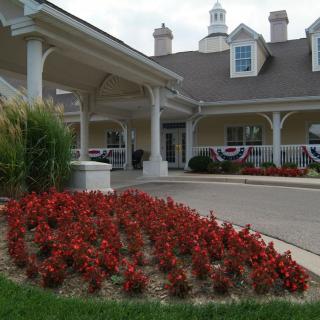
The Woodlands Of Middletown is best suited for seniors who want a warm, home-like environment where staff interactions feel personal and daily life centers on social connection and visible warmth. It appeals to families seeking a setting that emphasizes smiles, laughter, and an engaged caregiving culture over sterile precision alone. In short, this community rewards those who prioritize a positive, resident-focused atmosphere and are comfortable balancing that with vigilance around care consistency and administrative reliability.
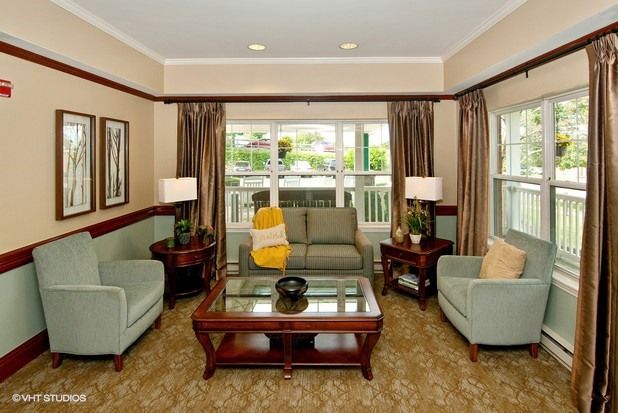
From the strongest vantage, the facility earns praise for its people. Reviewers consistently describe a genuine tone of care from staff and a culture of kindness that shows up in everyday moments, staff who seem invested in resident happiness, and a management team that fosters a home-style experience rather than a cold, institutional feel. The sentiment that residents, friends, and family receive attention and warmth is repeated across multiple accounts, and the atmosphere is depicted as one where residents appear content and engaged. For families that want a community where care is delivered with heart and where the environment feels welcoming rather than clinical, this is a compelling fit.
That said, the lived experience is not without notable red flags. A core concern centers on reliability and accountability, most starkly illustrated by a vendor who reports being unpaid for work completed, with a delay that stretches into months. Financial and operational firmness matters; when payments to contractors slip, the underlying message to families is that oversight and timeliness can falter at the margins. More troubling still is a serious care-lapse account in which a grandfather with full-care needs was misclassified as self-care, resulting in inadequate hygiene support despite medical direction and documented orders. The account describes staff not bathing the resident adequately, shampooing discarded, and supervision lapses that persisted even after external orders were issued. Taken together, these two threads highlight a risk posture: while the surface feels warm, there are credible concerns about how reliably care standards and administrative commitments are upheld.
The positive caregiving climate can, for some families, offset risks to a degree. Strong daily engagement, visible affection from aides, and a culture that celebrates resident happiness create a buffer against ennui and isolation, particularly for residents who thrive on social participation and routine. When management visibly collaborates with front-line staff to tailor resident experiences and when families are encouraged to speak up about needs, the environment can feel responsive and supportive. However, the severe hygiene lapse underscores that warmth alone cannot substitute for consistent clinical oversight, rigorous care protocols, and transparent, accountable operations. The challenge is determining whether the current levels of attentiveness and communication are reliably sustained across all shifts and all residents, especially for those with significant care needs.
For families weighing options, this community may still be worth investigating if the priority is a homey, people-first vibe and if confidence in care quality can be reinforced through proactive oversight. Alternatives should be considered for those who require guaranteed consistency in daily living assistance and a clear, verifiable track record of rapid problem resolution. Prospective residents should seek current, specific responses about staffing ratios, care-planning discipline, and how medical orders are implemented in real time. It is prudent to request recent state inspection notes, speak with multiple current residents or family references, and review how billing and vendor relationships are managed. If stability, predictability, and unambiguous accountability are non-negotiables, exploring options with stronger documented care governance might be warranted.
In the end, the decision hinges on what matters most to the family. If a bright, human-centered environment with attentive staff and a home-like feel is paramount, and there is confidence in ongoing close supervision and clear communication with the administration, The Woodlands Of Middletown can be a compelling choice. If, however, rigorous, consistently applied care standards and reliable operational discipline are non-negotiables, particularly for residents with significant hygiene and medical needs, alternatives with stronger evidence of stable care delivery and financial reliability are worth prioritizing. The right path balances the evident warmth and engagement against the imperative of dependable, comprehensive care.
 75 resident community capacity
 Assisted Living
 Memory Care
 Air-conditioning
 Beauty salon
 Cable or satellite TV
 Computer center
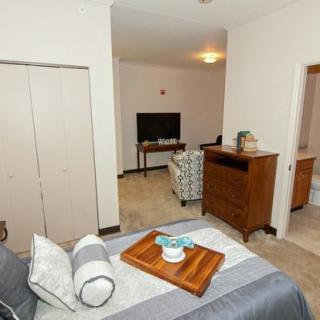
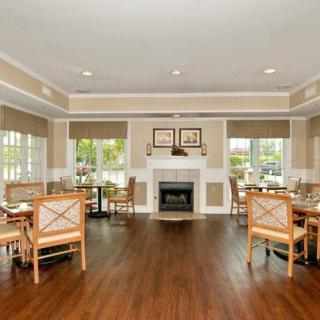
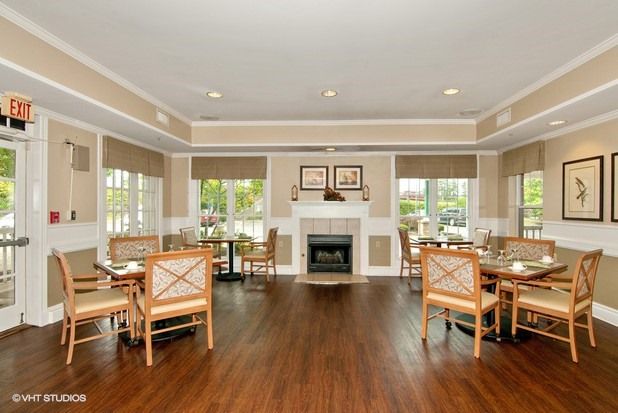
 Dining room
 Fitness room
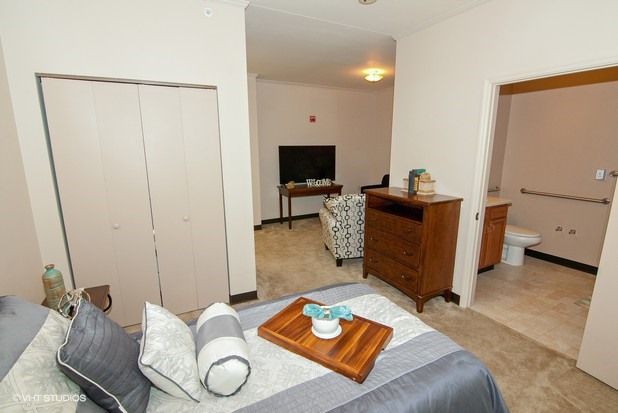
 Fully furnished
 Gaming room
 Garden
 Housekeeping services
 Kitchenette
 Move-in coordination
 Outdoor space
 Private bathrooms
 Restaurant-style dining
 Small library
 Telephone
 Wellness center
 Wi-Fi/high-speed internet available
 Community operated transportation
 12-16 hour nursing
 24-hour call system
 Activities of daily living assistance
 Assistance with bathing
 Assistance with dressing
 Assistance with transfers
 Diabetes diet
 Medication management
 Mental wellness program
 Special dietary restrictions
 Concierge services
 Planned day trips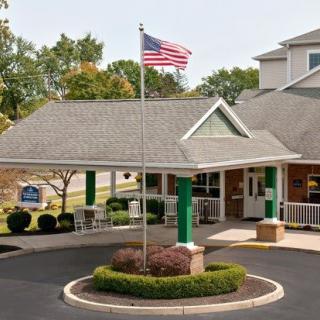

 Choosing the Right Senior Care: A Detailed Exploration of Assisted Living and Nursing Homes
 Safeguarding Your Memory Through the Golden Years: Eight Ways to Preserve Cognitive Health
 Comprehensive Insights into Activities of Daily Living (ADLs) and Their Assessment