
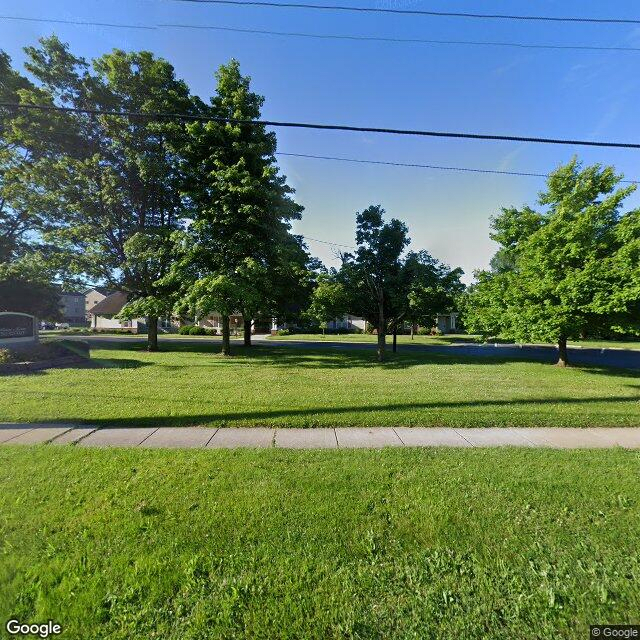
3712 Roosevelt Blvd, Middletown, OH 45042
To contact a resident: (513) 423-0111
For more information about senior living options: (866) 208-4318
Close to Home Costs & Pricing
Close to Home offers studio accommodations at a monthly cost of $6,000, significantly higher than the averages for both Warren County and the state of Ohio, which stand at approximately $3,601 and $3,727 respectively. This premium pricing reflects the unique services and amenities provided by Close to Home, catering to those seeking an elevated standard of living. While it is important to consider local options that may offer more affordable rates, Close to Home distinguishes itself with its specialized focus on comprehensive care and supportive resources tailored to foster community well-being.
| Floor plans | Close to Home | Warren County | Ohio |
|---|---|---|---|
| Studio | $6,000 | $3,601 | $3,727 |
Memory care communities with a similar price nearby
-
from -$400 / mo
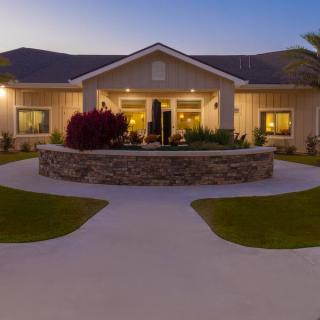
Preserve At Beavercreek
$5,600 to $6,800 / month24.3 miles away -
About the same

Serene Suites Premier Memory Care
$6,000 / month18.1 miles away -
from -$800 / mo
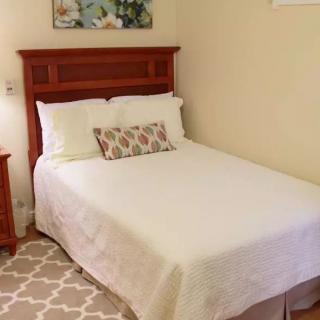
Artis Senior Living of Mason
$5,200 / month10.5 miles away -
from -$1000 / mo
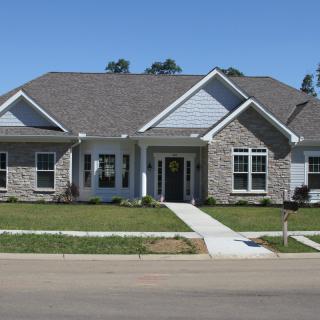
Angels Care Family Homes Loveland
$5,000 to $6,950 / month19.7 miles away -
from -$1050 / mo
Barrington Of Oakley
$4,950 to $7,800 / month23.6 miles away
Overall Review of Close to Home
Pros
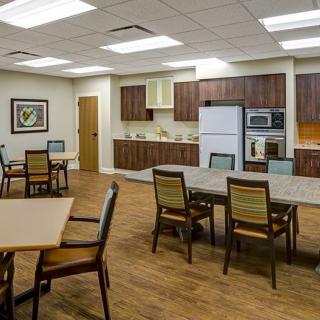
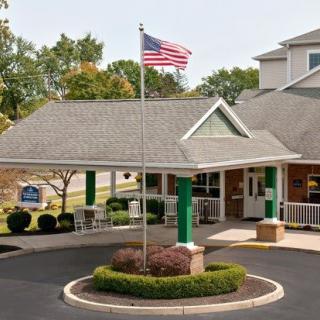
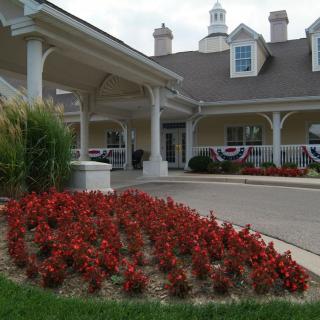
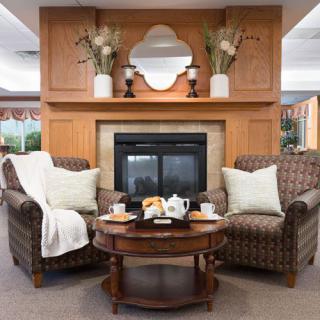
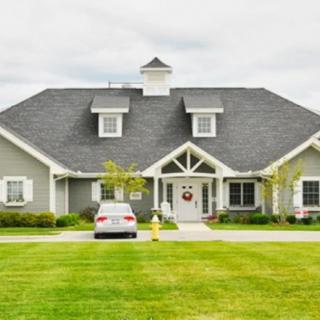
 The building at Aaron’s Garden is beautiful.
- The food is good.
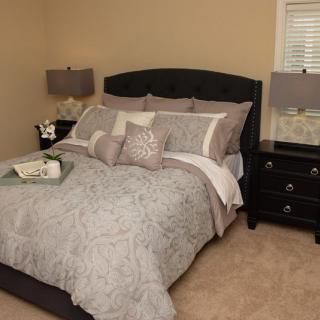
- The rooms are homey and comfortable.
- The staff are friendly and caring.
- It feels like a home rather than an institution.
- Angie gives 1000% to treat every resident like family.
- The facility is small and family-oriented.
- Residents are included in activities and enjoy decorative touches and plants.
- There are always engaging activities and events for residents.
- Aaron’s Garden is highly recommended as a caring place for loved ones.
Cons
 The laundry is missing, which is the only problem.
Review
Aaron’s Garden in Middletown, Ohio is best suited for families seeking a small, homelike assisted-living option where residents enjoy personal attention, a warm, family-oriented culture, and a steady stream of sociable activities. The building and rooms convey a lived-in, comfortable feel, with decor and plants that make each space feel like a residence rather than a clinical setting. Reviewers consistently note the intimate scale, a setting where staff know residents well and care is demonstrably hands-on. The privately owned model and the owner’s visible involvement contribute to a sense of accountability and warmth, translating into daily life that centers on belonging, not bureaucracy. This is a place where meals are competently prepared and where routines emphasize social connection, interaction, and a sense of safety.
Those weighing alternatives should consider whether a resident’s needs extend beyond a cozy, homelike environment. If a higher level of medical oversight, skilled nursing services, or structured memory-care programming is essential, a larger campus with more formalized care options may be a better fit. Families seeking a more institutional feel, a broader menu of on-site therapies, or a setting designed to accommodate complex clinical schedules may find Aaron’s Garden too small or too light on specialized offerings. Additionally, households prioritizing a campus with extensive transportation logistics, larger activity staffs, or more extensive on-site amenities might prefer a different scale of operation.
On the upside, the top advantages are clear and repeatedly reinforced by families. The facility’s aesthetic, and the way rooms are presented as homes, creates emotional comfort for residents and reduces the anxiety many new movers experience. The staff earns consistently high marks for kindness, compassion, and responsiveness; residents are described as being treated with genuine care, with nurses and aides who know their preferences and routines. The owner’s hands-on involvement translates into a culture of accountability where residents are viewed as family members rather than tenants. The social calendar feels robust: birthday celebrations, ice cream treats, musical guests, exercise sessions, and a steady stream of opportunities to connect with peers.
The strongest potential drawback is the limited scope that comes with a smaller, privately run community. One operational hiccup noted by a family member was laundry that occasionally went missing, a reminder that even well-regarded facilities have logistical rough spots. More broadly, the intimate size may mean fewer on-site specialty services, fewer choices for complex medical equipment, and less breadth in therapy or memory-care programming than larger systems. For families looking for a fortress of services in one place, Aaron’s Garden may feel leaner by comparison, even as it supplies ample social engagement and everyday warmth.
Nevertheless, the positive attributes largely compensate for the caveats. The combination of a home-like environment, attentive and compassionate staffing, and a truly personal ownership model creates a very tangible sense of security and community. Residents make friends, participate in accessible activities, and enjoy a dining experience that many families value as solid and satisfying rather than routine. For caregivers and families who prioritize emotional well-being, continuity of relationships, and a supportive, family-feel atmosphere, Aaron’s Garden delivers what matters most: dignity, companionship, and daily reassurance that mom or dad is cared for with heart.
Practical next steps for families are straightforward. Schedule a thoughtful tour, observe how staff interact with residents, and ask direct questions about staffing ratios, care levels offered, meal options, and housekeeping or laundry processes. Clarify whether memory-care or higher-acuity medical services are available on-site or via partnerships, and confirm what is included in the monthly cost. If a resident’s primary need is a nurturing, community-centered home with meaningful activities and predictable routines, Aaron’s Garden stands out as a compelling choice. If, however, advanced medical oversight or expansive on-site services are nonnegotiable, alternatives that scale to those needs should be pursued.
 Assisted Living
 Memory Care
 Activities on-site
 Devotional services off-site
 Indoor common areas
 Ambulatory care
 Diabetic care
 Meals provided


 Dementia-Related Hallucinations: Causes, Experiences, and Practical Approaches
 Illuminating Insights About Alzheimer's Disease: Ten Crucial Realities
 A Thorough Discussion of Medications Potentially Linked to Dementia Risk