Middletown Pavilion Residential Care in Middletown, OH
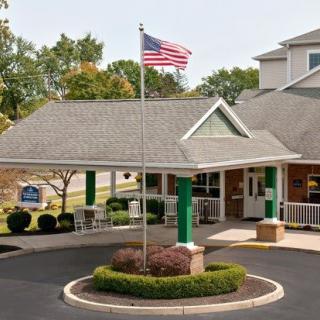
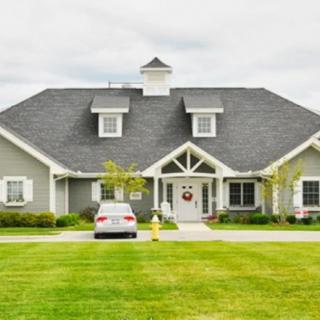
Middletown Pavilion Residential Care is an assisted living community in Middletown, OH.
Information last verified:
3100 South Main Street, Middletown, OH 45044
For more information about senior living options: (866) 208-4318
3.7 from 48 reviews
5 stars
31
4 stars
1
3 stars
1
2 stars
2
1 stars
13
Overall Review of Middletown Pavilion Residential Care
differentiator4 reviews mention this
Meals are a frequent highlight
Food quality and dining experience come up often in reviews.
Several families describe the meals as delicious and well prepared, including residents enjoying what they’re served. The dining experience is also discussed in the context of offering restaurant-style meals. A minority of reviews go the other direction, with complaints about food not matching needs or being served cold.
common20 reviews mention this
Staff are described as caring
Reviews repeatedly mention kind, attentive staff.
Across many reviews, residents and families describe staff as friendly, patient, respectful, and attentive to individual needs. Multiple reviewers also call out staff responsiveness to questions and changes to care, and several describe nurses and aides as compassionate. A smaller set of reviews contrasts that with frustration about rudeness and lack of help when call buttons are used.
common7 reviews mention this
Therapy quality varies by experience
Therapy experiences range from excellent to inadequate.
Many reviews praise physical and occupational therapy, describing it as top notch and helpful during rehab. At least a few other reviews are sharply negative, saying therapy was not provided as expected or that some therapy staff were rude. The mixed feedback suggests results may depend on the therapy experience a person receives.
common7 reviews mention this
Clean rooms are repeatedly noted
Cleaning and room condition are mentioned often.
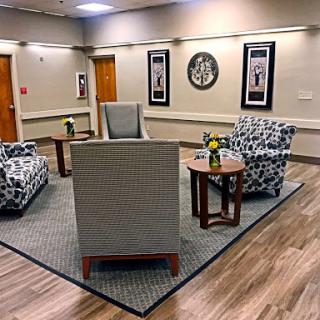
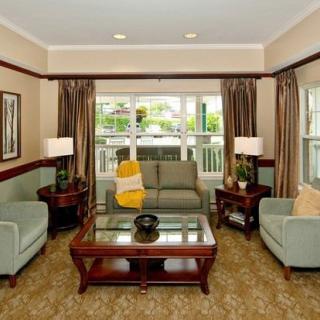
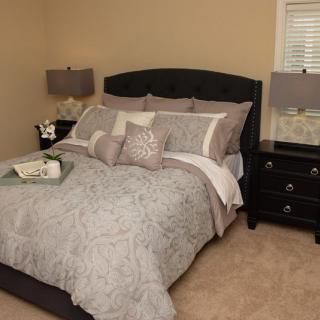
Several reviews say the facility is kept very clean and that rooms look nice and well maintained. A few reviewers also describe cleanliness alongside positive care experiences. Negative reviews still tend to acknowledge the place being clean or large, but then focus their criticism on care delivery or staff behavior.
caveat4 reviews mention this
Response times and staffing are concerns
Some residents and families report slow response to help requests.
A recurring concern in critical reviews is that call buttons take a long time to bring assistance, with reports of understaffing or residents being left unattended for hours. Related complaints include situations where medical needs were not handled on time and falls that the reviewer links to delayed help. While many other reviews describe attentive support, these issues show up strongly in a smaller set of experiences.
How we summarize
Counts show how many written reviews mention each theme; a review can touch several themes, and only frequently mentioned themes are displayed.
Features
Housing
24 resident community capacity
Types of Care
Assisted Living
Amenities
Beauty salon
Cable or satellite TV
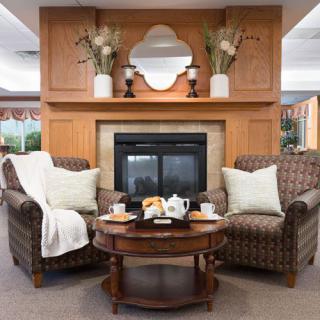
Dining room
Fully furnished
Garden
Housekeeping services
Kitchenette
Move-in coordination
Outdoor space
Restaurant-style dining
Small library
Telephone
Wi-Fi/high-speed internet available
Care Services
24-hour call system
24-hour supervision
Activities of daily living assistance
Assistance with bathing
Assistance with dressing
Assistance with transfers
Diabetes diet
Meal preparation and service
Medication management
Mental wellness program
Special dietary restrictions
Dining
Diabetes diet
Special dietary restrictions
Activities
Community-sponsored activities
Resident-run activities
Scheduled daily activities
Nearby Places of Interest
Cafes
Triple Moon Coffee Company (2.4 miles)
Starbucks (8.7 miles)
Starbucks (9.3 miles)
True West Coffee (9.7 miles)
Restaurants
El Barzon (3 miles)
Arby's (3.9 miles)
Tres Amigos (5.3 miles)
McDonald's (5.3 miles)
MacKenzie River Pizza, Grill & Pub (7.8 miles)
Culver's (8.1 miles)
Agave & Rye (8.1 miles)
Physicians
Middletown Cardiovascular (3 miles)
Monroe Medical Center (4.1 miles)
Ear Nose and Throat Specialists (4.7 miles)
The Urology Group (5.7 miles)
Kidney & Hyertension Center (5.8 miles)
Cincinnati Eye Institute (5.8 miles)
Middletown Cardiology Associates (6.3 miles)
Pharmacies
CVS Pharmacy (3.6 miles)
Walgreens (3.7 miles)
CVS Pharmacy (5.5 miles)
Walgreens (6.8 miles)
Walgreens (6.9 miles)
CVS Pharmacy (8.1 miles)
Walgreens (8.8 miles)
Places of Worship
Oasis Church (4.5 miles)
Four Corners Church (8.7 miles)
St Anne Episcopal Church (8.7 miles)
Axis Christian Church (10.3 miles)
Hospitals
Children's Medical Center of Dayton (5.7 miles)
Atrium Medical Center (5.8 miles)
Cincinnati Children's Hospital Medical Center Liberty Campus (7.9 miles)
Assisted living provides moderate support for seniors seeking independence, while memory care offers specialized support for individuals with dementia or cognitive impairments through structured routines and trained staff. Key differences include care approaches, environment security measures, staff training levels, activity types, and cost considerations.
Assisted living communities offer diverse activities beyond traditional games to enhance seniors' physical health, cognitive well-being, emotional enrichment, and social connections, including fitness classes, creative expression, and intergenerational interactions. These enriching programs foster community bonds and support residents' independence and happiness.
The article differentiates between assisted living and memory care, explaining that assisted living supports seniors with daily activities while promoting independence, whereas memory care provides specialized services for individuals with dementia, focusing on secure environments and cognitive support. It also addresses staff training, safety considerations, costs, family involvement, and transition strategies for families navigating these care options.
Get PricingAsk A QuestionSchedule A TourContact Senior Advisor
By clicking submit, you agree to our Partner's Terms of Use. You
also consent to receive calls and texts, which may be autodialed, from our Partner. Your consent is not a condition to
using our Partner's service. Please visit our Partner's Privacy Policy for information about their privacy practices.

 24 resident community capacity
 Assisted Living
 Beauty salon
 Cable or satellite TV
 Dining room
 Fully furnished
 Garden
 Housekeeping services
 Kitchenette
 Move-in coordination
 Outdoor space
 Restaurant-style dining
 Small library
 Telephone
 Wi-Fi/high-speed internet available
 24-hour call system
 Activities of daily living assistance
 Assistance with bathing
 Assistance with dressing
 Assistance with transfers
 Diabetes diet
 Medication management
 Mental wellness program
 Special dietary restrictions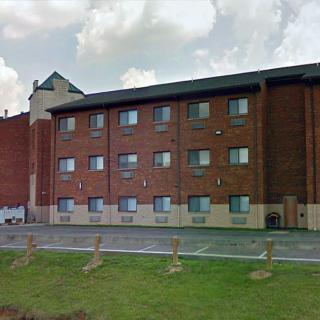
 Clean, odor-free environment with friendly, attentive staff.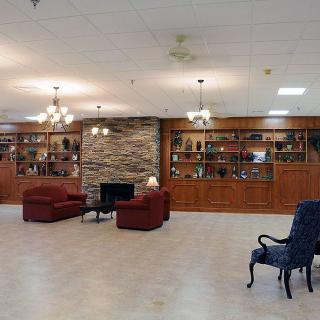
 Assisted Living and Memory Care: Understanding Their Core Differences
 Beyond the Bingo Hall: 50+ Enriching Activities for Seniors in Assisted Living
 Understanding the Distinctions: Assisted Living and Memory Care Explained