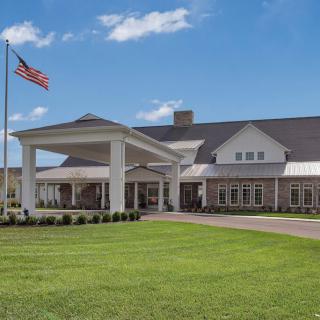
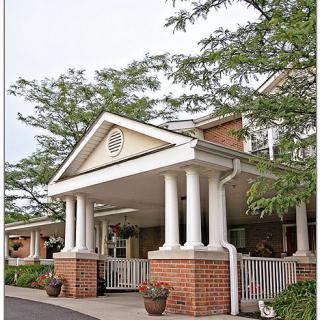
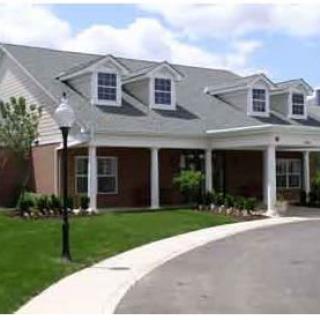
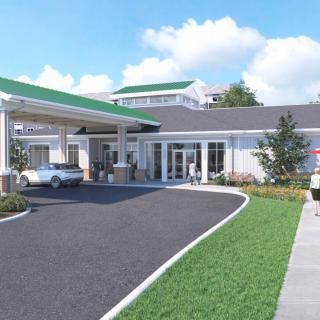
The Ashford at Sturbridge

Save

  • Interior

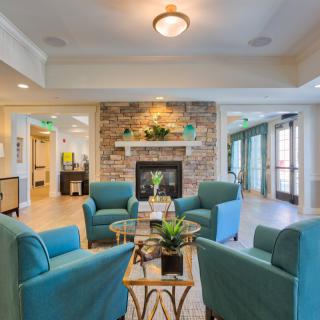
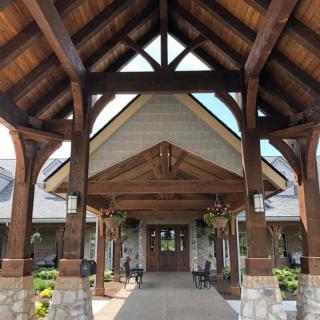
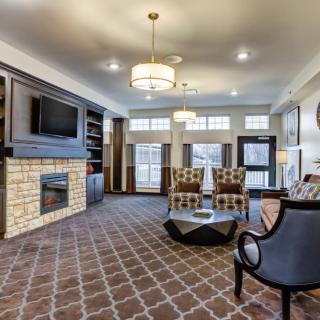
    A modern lobby area featuring comfortable seating, a fireplace, and a sign reading 'Ashford' on the wall.
  • Decor

    A cozy bedroom with a well-made bed and a nightstand with a lamp.
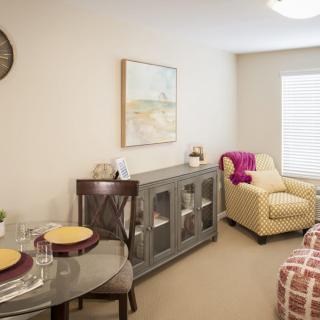
  • Living Room

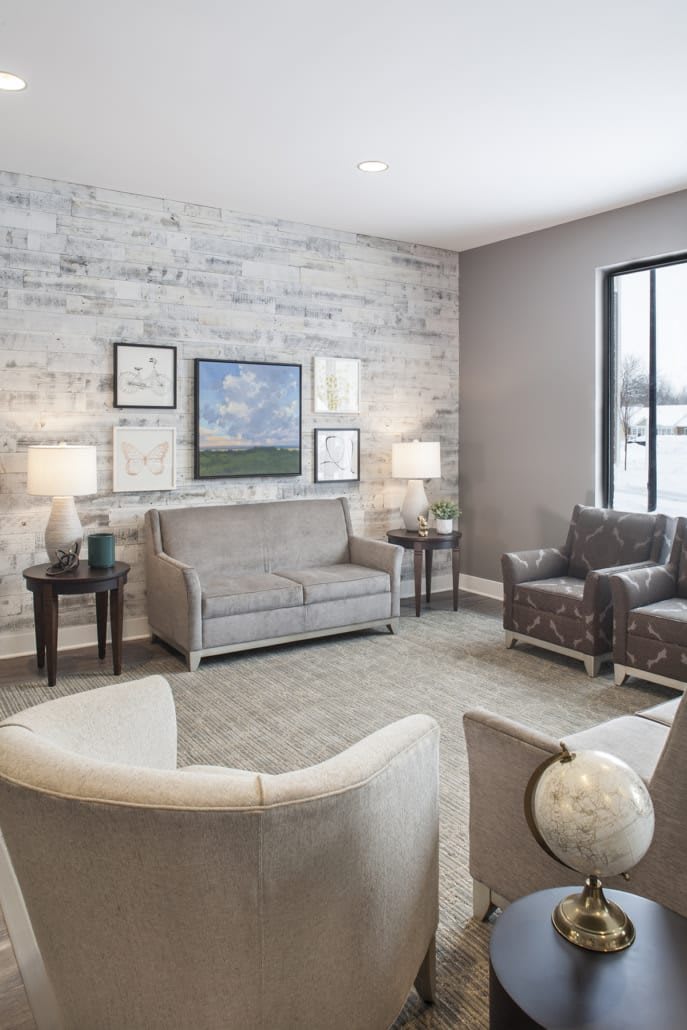
    A cozy and modern living room with neutral tones, featuring comfortable seating and elegant decor.
  • Windows

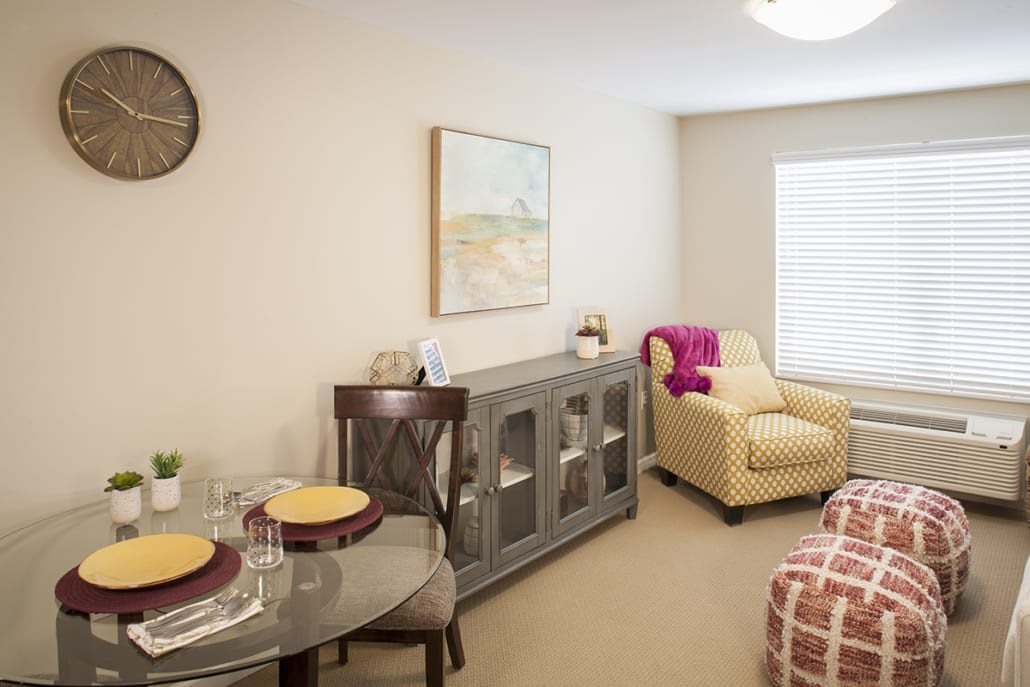
    Cozy living space with a dining area and comfortable seating.
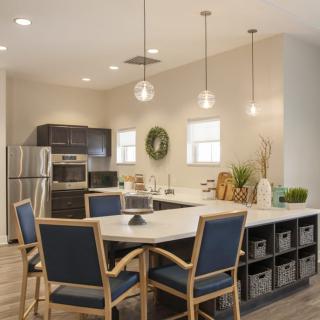
  • Dining

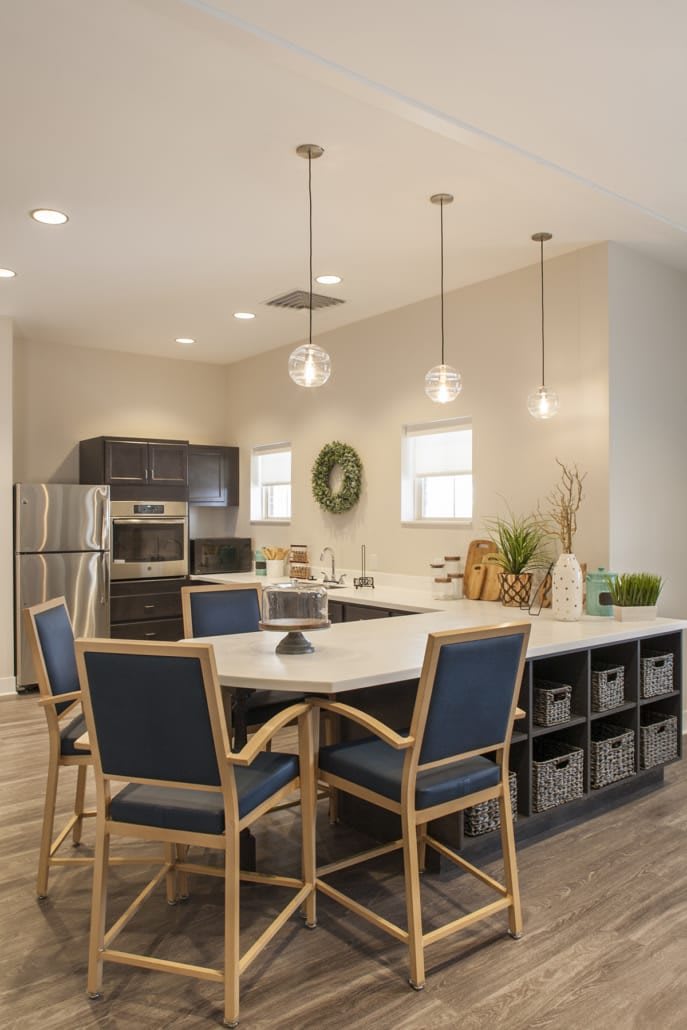
    A modern kitchen with a dining area featuring pendant lighting and stainless steel appliances.
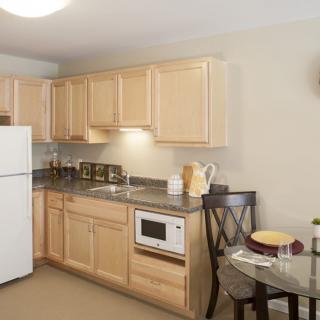
  • Kitchen

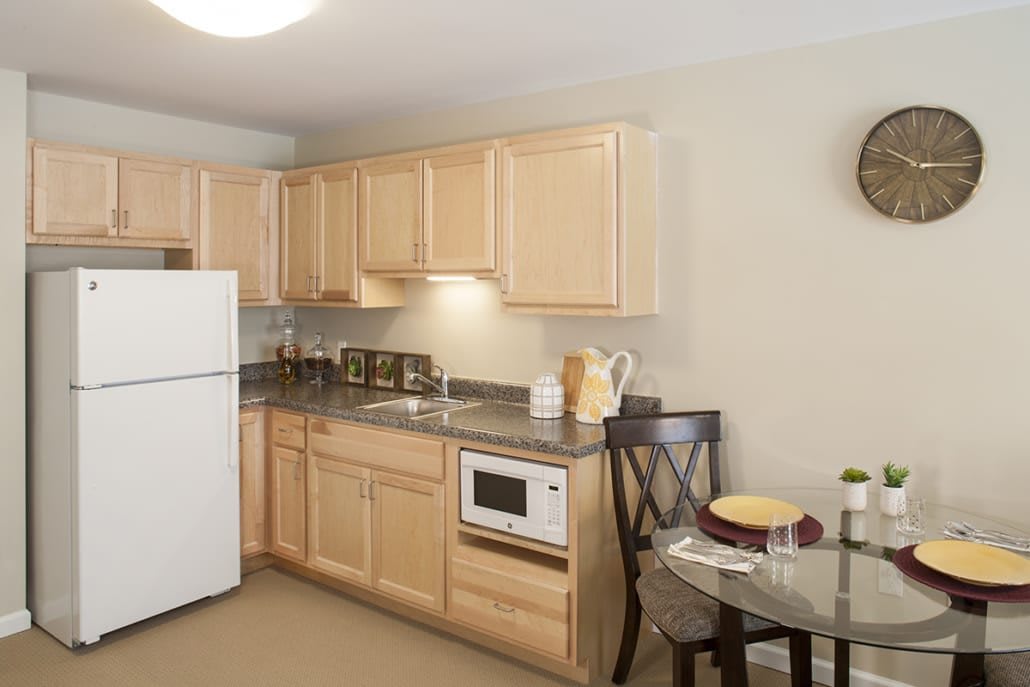
    A cozy kitchen with light wood cabinets, a white fridge, and a compact dining area.
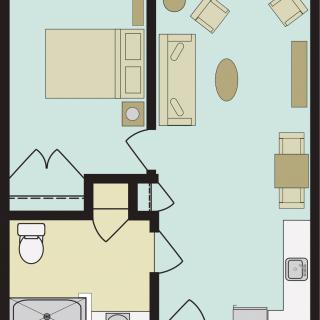
  • Floor Plan

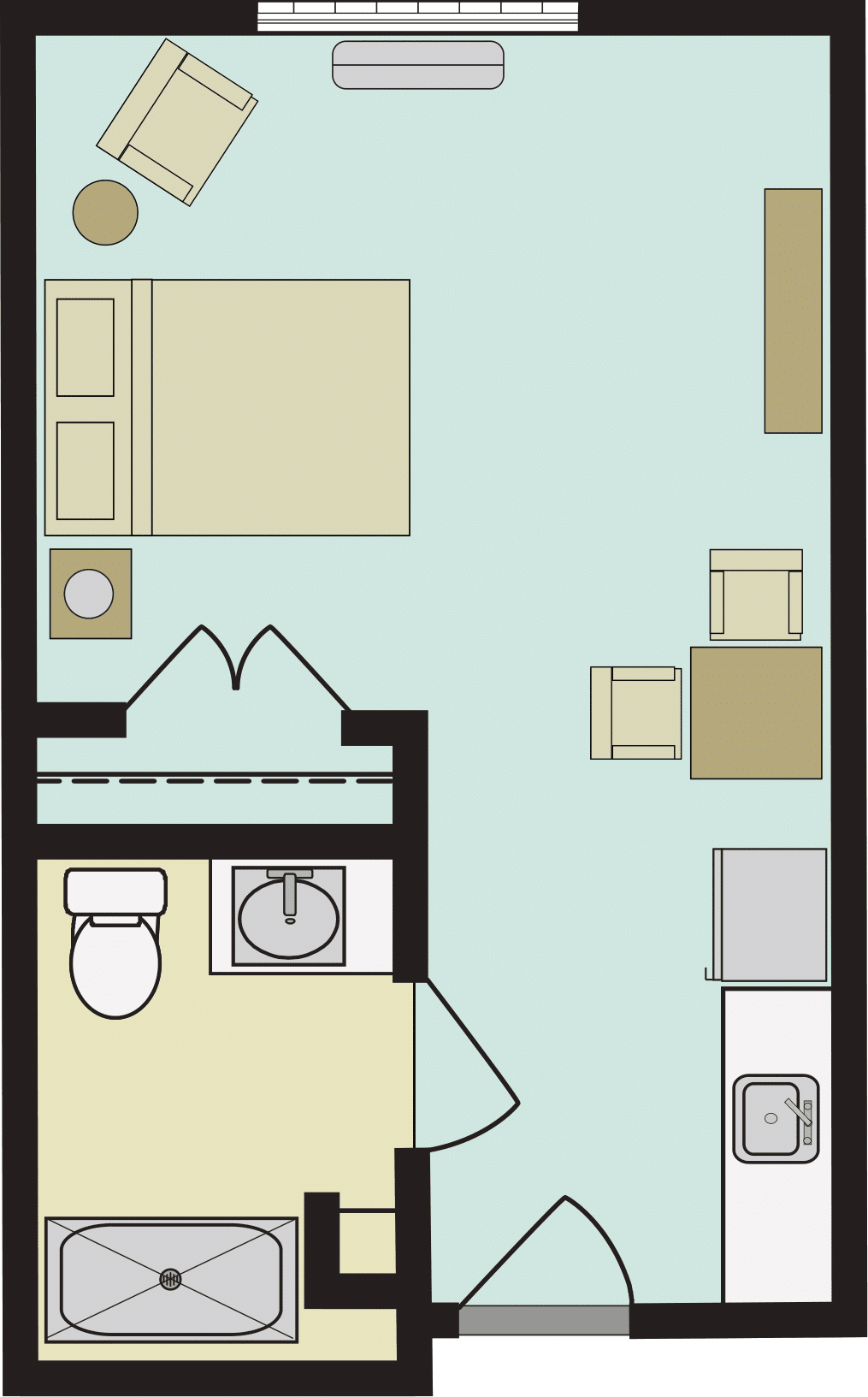
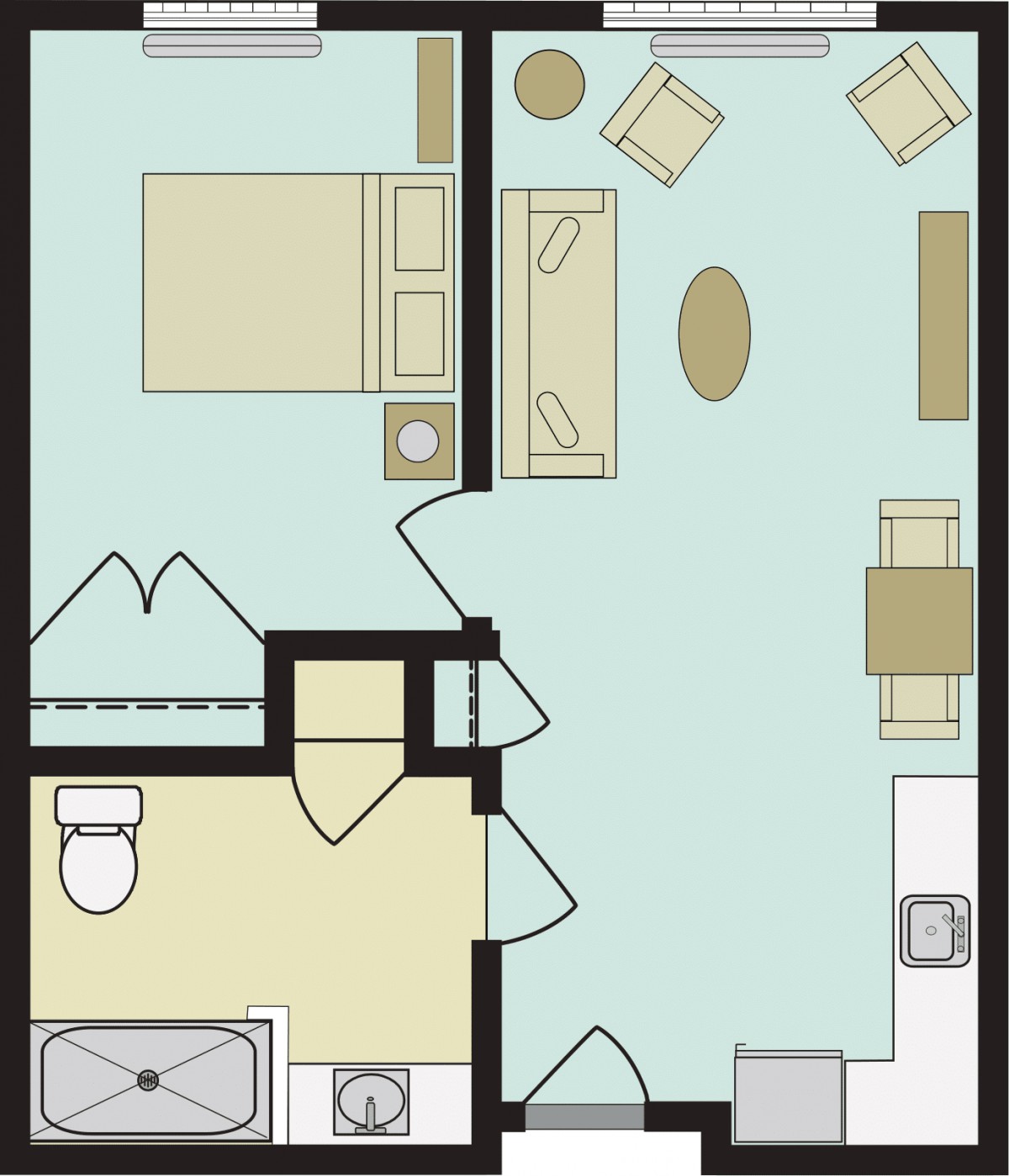
    An apartment floor plan featuring a bedroom, living area, kitchen, and bathroom.

The Ashford at Sturbridge

3700 Sturbridge Court, Hilliard, OH 43026

For more information about senior living options: (844) 490-3973

4.2 from 81 reviews
5 stars
46
4 stars
22
3 stars
3
2 stars
4
1 stars
6

Assisted Living Independent Living

The Ashford at Sturbridge Costs & Pricing

At The Ashford at Sturbridge, residents can expect to pay $3,545 per month for a studio apartment, which is competitively priced compared to the median costs in Madison County and across Ohio. In Madison County, the average cost for a studio is slightly higher at $3,738, while statewide, it stands at $3,727. For those considering a one-bedroom unit, The Ashford offers this option for $4,280 per month. While this figure exceeds the costs found in Madison County ($3,704) and across Ohio ($3,712), it reflects the premium services and amenities that The Ashford provides. Overall, The Ashford at Sturbridge presents an attractive choice within the regional market for those seeking quality senior living options.

Floor plansThe Ashford at SturbridgeMadison CountyOhio
Studio$3,545$3,738$3,727
1 Bedroom$4,280$3,704$3,712

Overall Review of The Ashford at Sturbridge

Pros

  • pro The staff at The Ashford at Sturbridge are kind, warm, respectful, and friendly.
  • pro Tammy, Christy, and the entire team are described as going above and beyond to make residents feel safe and included.
  • pro The facility has improved under the new director and chef, with meals that are now warm and offer more choices.
  • pro Christy is very knowledgeable about the Medicaid waiver and is exceptionally helpful.
  • pro The senior living advisor, Christy, is praised for compassion, knowledge, and genuine care.
  • pro The kitchen has restaurant-style ordering and personalized dietary support, improving meal service for residents.
  • pro Families feel that leadership changes have led to better care and happier residents, including loved ones at home in the community.
  • pro The community is described as beautiful and newer, with residents enjoying comfortable apartments they love.
  • pro Kareen and Sara are highlighted for their proactive communication and integral support in residents' health and care.

Cons

  • pro They attempted to charge the grandparents an unreasonable amount for time their grandmother wasn't living in the facility, claiming she needed a higher level of care than the facility could provide.
  • pro The reviewer stated that the food was terrible.
  • pro Medications were sometimes given incorrectly, and it took a while to straighten out.
  • pro There was no nurse on site overnight, according to one reviewer.
  • pro Staff did not provide the promised assists (showers three times a week, laundry, hearing aid assistance, getting to the dining room) and were often not on the floor when needed.
  • pro The nursing director wouldn't show up to scheduled meetings.
  • pro The reviewer felt the monthly cost equated to room and board with insufficient nursing care.
  • pro They allegedly lied about services during admission and hounded families for money, sometimes threatening collections.

Review

The Ashford at Sturbridge is clearly a place that inspires strong and varied responses. On the one hand, many families sing praises about the staff who care for their loved ones, pointing to Tammy as a responsive and present executive presence, along with Christy, Sara, Kareen, Ashley, and others who have become trusted points of contact. Several reviews emphasize that the team goes above and beyond to make residents feel safe, included, and well cared for. The sentiment often centers on the sense that, when things go well, the staff are warm, friendly, and genuinely attentive to both residents and their families.

Yet the path to that positive impression is not the same for everyone. A recurring concern across multiple accounts is a dispute over billing and level of care. One reviewer alleges that the community attempted to charge grandparents an unreasonable amount for time their grandmother wasn't even living in the facility, citing a decision by the director that implied a higher level of care was needed than the facility could provide. That frustration centers on the tension between financial expectations and the reality of what the community can deliver, and it stands in contrast to the many compliments about the care team's daily responsiveness.

There is also a strong current of improvement and renewal. Several reviews highlight a transition to a new director and a new chef, with palpable changes in the dining experience and overall atmosphere. The meals are described as warmer and more appealing since Tammy's leadership took the helm, with more variety and better service at the table. Beyond the kitchen, families note that Tammy has become more accessible and responsive to concerns, reinforcing the sense that a new era at the Ashford at Sturbridge is about greater engagement with families and a more resident-centered approach.

In a professional capacity, the community is often referenced by the perspective of a senior living referral agency. Christy, the senior living advisor, is repeatedly praised for her compassion, knowledge, and genuine care, with a strong emphasis on the idea that referrals to this community place families in reliable hands. A notable highlight across several reviews is the attention to Medicaid and waiver programs; one reviewer specifically mentions that the waiver is accepted on day one, which is described as a significant relief for families managing budgets and care needs.

There are also deeply personal testimonials about how the changes have affected individual residents. One family describes visiting their grandmother after a stretch of limited interaction and finding the building to be gorgeous and their grandmother's mood markedly improved - food, atmosphere, and staff interactions contributing to a renewed sense of happiness and belonging. In another luminous note, a long-term resident's family expresses gratitude for the kitchen's new restaurant-style ordering and for Sara, the kitchen director, who has begun to coordinate a dietary program tailored to a specific medical condition. That same account highlights Kareen as a steady communicator who helps coordinate health concerns and respond quickly when the resident isn't feeling well.

Despite the positives, several reviews do not shy away from the challenges. A few families point to issues with staff turnover, which can create a sense of inconsistency for residents who build relationships with caregivers. Others mention operational gaps, such as no nurse on site overnight and inconsistencies in daily routines that leave families feeling uncertain about whether a resident's needs are being met during off-peak hours. There are also critiques about the level of on-site support for activities, shower assistance, laundry, helping residents with hearing aids, and getting residents to the dining room - areas that some reviewers feel are not consistently addressed.

A more pointed critique describes ongoing problems with communication and accountability. One reviewer recounts a negative experience with the nursing director not showing up for scheduled meetings and concerns about hospice bridging being needed but not smoothly arranged. The cost versus care debate appears again in several accounts, with families feeling pressed by monthly charges that include room and board but may not always align with the level of hands-on care they expect. In an especially blunt assessment, one reviewer says they would give no stars if possible, accusing the facility of lying, pressing for money, and offering only evasive answers when questions arise.

Nevertheless, other families recount very positive experiences that underscore the community's strengths. A reviewer who engaged with a salesperson and toured with Christy recalls kindness, knowledge, and practical tips about discussing a move with a parent who is resistant to relocation. They highlight Tammy's accessibility and the sense that the community's care remains the most important priority for families. Another strong note comes from a family whose mom was admitted after a hospital stay; they describe a warm, respectful staff, with hospice support and a sense that their mother received attentive, compassionate care in her final days. A final evaluative thread emphasizes that, for the most part, the Ashford at Sturbridge has been a positive environment with clean facilities, helpful staff, and a community where residents and their families can build meaningful connections.

Taken together, the reviews present a balanced portrait of the Ashford at Sturbridge: a community that has made meaningful improvements and maintains a compassionate, capable team that many families trust and rely on, while also contending with real tensions around cost, care expectations, staffing consistency, and communication. The facility's strengths - responsive leadership, improved dining, strong engagement from Christy and other care coordinators, and an evident commitment to resident well-being - are repeatedly acknowledged. At the same time, the concerns raised about billing practices, overnight nursing coverage, and selective transparency remind readers that there is still work to be done to ensure every resident's needs are met reliably and with clear, open communication.

Features

Housing

  • 22 resident community capacity 22 resident community capacity

Types of Care

  • Assisted Living Assisted LivingAssisted living facilities provide crucial support and care for seniors who may need help with daily tasks such as medication management, bathing, and meal preparation. These communities offer a safe and comfortable environment where seniors can maintain their independence while receiving the assistance they need to thrive in their golden years.
  • Independent Living Independent LivingIndependent living communities are important for seniors because they offer a safe and supportive environment where older adults can live independently while still having access to amenities and services that enhance their quality of life. These communities provide social opportunities, recreational activities, and assistance with daily tasks, promoting overall well-being and allowing seniors to maintain their independence for as long as possible.

Pets

  • Cats allowed Cats allowed"Pet friendly" senior living communities are important for seniors because pets provide companionship, reduce feelings of loneliness and depression, promote physical activity and mental stimulation, and offer a sense of purpose and responsibility. Pets can improve overall well-being and quality of life for seniors in many ways.
  • Dogs allowed Dogs allowed"Pet friendly" senior living communities are important for seniors because pets provide companionship, reduce feelings of loneliness and depression, promote physical activity and mental stimulation, and offer a sense of purpose and responsibility. Pets can improve overall well-being and quality of life for seniors in many ways.

Amenities

  • Activities off-site Activities off-siteEngaging in off-site activities is crucial for seniors to maintain social connections, stay active, and stimulate their minds. It promotes overall well-being and helps combat feelings of isolation and loneliness.
  • Activities on-site Activities on-siteActivities on-site are important for seniors because they provide opportunities for socialization, mental stimulation, physical activity, and overall well-being. Engaging in activities can help seniors stay active, maintain their independence, and improve their quality of life.
  • Air-conditioning Air-conditioningAir conditioning is important for seniors as they are more vulnerable to heat-related illnesses and may have underlying health conditions that make it difficult for them to regulate their body temperature. It helps to keep them comfortable, safe, and healthy in hot weather.
  • Beautician on-site Beautician on-siteHaving a beautician on-site at a senior living community is important for seniors as it allows them to easily access grooming and personal care services, boosting their self-esteem and overall well-being. It also provides convenience and helps seniors maintain their sense of independence and personal style.
  • Beauty salon Beauty salonBeauty salons are important for seniors because they provide a space for them to feel pampered, socialize, and maintain their personal grooming and hygiene. Regular visits to a beauty salon can help boost seniors' self-esteem and overall well-being.
  • Cable or satellite TV Cable or satellite TVCable or satellite TV is important for seniors because it provides entertainment, news, and companionship, helping to combat loneliness and boredom. It also offers a wide range of programming options tailored to different interests and preferences.
  • Devotional services off-site Devotional services off-siteDevotional services off-site are important for seniors as they provide spiritual nourishment, social engagement, and a sense of community outside of the senior living facility. This can enhance overall well-being and help combat feelings of isolation and loneliness often experienced by older adults.
  • Devotional services on-site Devotional services on-siteDevotional services on-site provide seniors with spiritual support and a sense of community, as well as an opportunity for reflection and guidance during their senior living experience. This can promote emotional well-being and connection to others, leading to a more fulfilling and enriching lifestyle in their later years.
  • Dining room Dining roomDining rooms are important for seniors as they provide a space for socialization, connection, and nutritious meals. They offer opportunities for residents to bond over shared meals, foster a sense of community, and promote healthy eating habits. Dining rooms also ensure that seniors have access to well-balanced meals tailored to their dietary needs and preferences.
  • Fully furnished Fully furnishedFully furnished senior living communities are important for seniors because they provide convenience, comfort, and a hassle-free moving experience. Seniors can easily settle into their new living space without the stress of having to buy and move furniture. This allows them to focus on enjoying their new home and community.
  • Garden GardenGardens are important for seniors as they provide a peaceful and therapeutic environment for relaxation, physical activity, and socialization. Being in nature has been shown to reduce stress, improve mood, and promote overall well-being. Gardens also offer opportunities for seniors to engage in gardening activities, which can improve mobility, flexibility, and cognitive function. Additionally, gardens create a sense of community and connection with others who share a passion for plants and outdoor spaces.
  • Garden view Garden viewGarden views are important for seniors as they provide natural beauty and tranquility, promoting relaxation and overall well-being. Access to green spaces can also encourage outdoor activity and socialization, enhancing physical and mental health.
  • Ground floor units Ground floor unitsGround floor units are important for seniors because they provide easy accessibility, reduced risk of falls and injuries, and convenience for those with mobility issues. Seniors can avoid climbing stairs or using elevators, making daily tasks and activities more manageable and enjoyable.
  • Handicap accessible Handicap accessible"Handicap accessible" amenities are crucial for seniors to ensure they can easily navigate and access facilities, services, and activities without barriers or limitations due to physical impairments. This promotes independence, safety, and inclusivity for seniors in senior living communities.
  • Housekeeping services Housekeeping servicesHousekeeping services are important for seniors because they help maintain a clean and safe living environment, promote independence, and reduce the risk of accidents or illnesses. Additionally, having assistance with household chores can alleviate physical strain and allow seniors to focus on other aspects of their well-being.
  • Indoor common areas Indoor common areasIndoor common areas are crucial for seniors as they provide a space for socialization, recreation, and community engagement, promoting overall well-being and reducing feelings of isolation and loneliness.
  • Kitchenette KitchenetteKitchenettes are important for seniors living in senior living communities because they provide the convenience and independence of being able to prepare simple meals and snacks in the comfort of their own living space. This can help promote a sense of autonomy and well-being for seniors, allowing them to maintain some level of control over their dietary choices and daily routines.
  • Move-in coordination Move-in coordinationMove-in coordination is important for seniors because it helps ease the transition into their new living environment. It ensures that all logistics, such as packing, organizing movers, and setting up utilities are taken care of, allowing seniors to focus on settling in and adjusting to their new home. Having a smooth move-in process can alleviate stress and anxiety, making the transition smoother and more enjoyable for seniors.
  • Outdoor common areas Outdoor common areasOutdoor common areas are important for seniors as they provide a space for socialization, physical activity, and relaxation. Being outside in nature can improve mood and overall well-being, while also encouraging movement and engagement with others. These spaces can help combat feelings of isolation and promote a sense of community among residents.
  • Outdoor space Outdoor spaceOutdoor spaces are important for seniors as they provide opportunities for physical activity, social interaction, exposure to natural light and fresh air, and a sense of connection to nature. Having access to outdoor spaces can improve overall well-being and quality of life for older adults living in senior communities.
  • Respite or short term stays offered Respite or short term stays offeredRespite or short term stays provide seniors with a temporary solution when their regular caregiver is unavailable, offering them the opportunity to receive additional care and support during times of need, while also giving caregivers a chance to rest and recharge.
  • Restaurant-style dining Restaurant-style diningRestaurant-style dining is important for seniors because it allows them to enjoy delicious, nutritious meals in a social and upscale setting. This enhances their dining experience, promotes healthy eating habits, and fosters socialization with fellow residents, ultimately contributing to their overall well-being and quality of life.
  • Small library Small librarySmall libraries are important for seniors as they provide access to a variety of reading materials, including books, newspapers, and magazines. This can help stimulate their minds, keep them engaged, and provide a sense of community through book clubs and other social activities. Additionally, reading has been shown to improve cognitive function and overall mental well-being in older adults.
  • Telephone TelephoneTelephones are important for seniors as they provide a lifeline for communication with loved ones, emergency services, and healthcare providers. They offer a sense of security and independence, enabling seniors to stay connected and access assistance when needed.
  • Wheelchair accessible showers Wheelchair accessible showersWheelchair accessible showers are crucial for seniors as they provide a safe and independent bathing option for those with mobility challenges. These showers help prevent falls and allow seniors to maintain their dignity and autonomy while ensuring they can bathe comfortably.
  • Wi-Fi/high-speed internet available Wi-Fi/high-speed internet availableWi-Fi/high-speed internet is important for seniors to stay connected with loved ones, access online resources, and participate in virtual activities to combat feelings of loneliness and isolation. It also allows them to easily manage healthcare needs, access entertainment, and engage in lifelong learning opportunities.

Transportation

  • John Glenn Columbus International Airport (15 miles away) John Glenn Columbus International Airport (15 miles away)
  • Transportation arrangement (non-medical) Transportation arrangement (non-medical)Transportation arrangements are essential for seniors as they provide access to essential services, activities, and social interactions outside the home. This service helps maintain independence, mobility, and overall well-being for seniors who may have limited transportation options.
  • Transportation to doctors appointments Transportation to doctors appointmentsTransportation to doctors appointments is crucial for seniors as it ensures they have access to necessary medical care and support, promoting their health and well-being. It allows them to receive timely treatment, monitor existing conditions, and address any new health concerns efficiently. Additionally, transportation services can help seniors maintain their independence and quality of life by enabling them to stay connected with their healthcare providers.

Care Services

  • 12-16 hour nursing 12-16 hour nursing12-16 hour nursing care is crucial for seniors in order to ensure around-the-clock monitoring, timely medication administration, and prompt response to any health concerns or emergencies. This level of care helps to promote the overall well-being and safety of seniors living in senior living communities.
  • 24-hour call system 24-hour call system24-hour call systems are important for seniors because they provide peace of mind and immediate assistance in case of emergencies. This technology ensures that help is always available, promoting safety and security for elderly individuals living alone or in assisted living facilities.
  • 24-hour supervision 24-hour supervision24-hour supervision is important for seniors to ensure their safety, well-being, and access to immediate assistance in case of emergencies or health issues. This constant support provides peace of mind for both seniors and their loved ones, allowing them to age in place with dignity and security.
  • Activities of daily living assistance Activities of daily living assistanceActivities of daily living assistance are important for seniors because they provide essential support with tasks such as eating, bathing, dressing, and mobility. This assistance helps seniors maintain their independence, dignity, and overall quality of life as they age.
  • Assistance with bathing Assistance with bathingAssistance with bathing is crucial for seniors as it helps maintain personal hygiene, prevents infections, and ensures their overall well-being and comfort. It also provides a sense of dignity and independence for seniors who may struggle with this task on their own.
  • Assistance with dressing Assistance with dressingAssistance with dressing is important for seniors because it helps maintain their independence, promotes personal hygiene, prevents accidents and injuries, and improves overall quality of life. This service ensures that seniors can continue to dress comfortably and confidently, despite any physical limitations they may have.
  • Assistance with transfers Assistance with transfersAssistance with transfers is crucial for seniors as it helps prevent falls and injuries, maintains their independence, and ensures they can safely navigate their living environment. It also provides peace of mind for both seniors and their loved ones.
  • Diabetes diet Diabetes dietA diabetes diet is crucial for seniors as it helps manage blood sugar levels, reduce risks of complications, and improve overall health and well-being. By following a balanced and nutritious diet tailored to their specific needs, seniors can better control their diabetes and enhance their quality of life.
  • Diabetic care Diabetic careDiabetic care is crucial for seniors as they are more susceptible to developing diabetes due to aging and other health conditions. Proper management of diabetes can help prevent complications such as heart disease, vision loss, and nerve damage, improving the overall quality of life for seniors in senior living communities.
  • High acuity care High acuity careHigh acuity care is important for seniors because it provides specialized medical attention and support for individuals with complex medical needs. This level of care ensures that seniors receive the appropriate treatment and assistance to maintain their health and quality of life as they age.
  • Incontinence care Incontinence careIncontinence care is essential for seniors to maintain their dignity, hygiene, and overall quality of life. By addressing incontinence issues promptly and effectively, seniors can enjoy a sense of independence and comfort in their daily activities.
  • Meal preparation and service Meal preparation and serviceMeal preparation and service are crucial for seniors as they may have limited mobility or energy to cook nutritious meals. Having access to healthy and convenient food options can ensure they are getting the proper nutrition needed to maintain their overall health and well-being.
  • Medication management Medication managementMedication management is crucial for seniors to ensure they are taking the right medications at the correct dosages and times. This helps prevent adverse drug interactions, reduces the risk of medication errors, and promotes overall health and well-being. Proactive management also allows for adjustments as needed based on changing health conditions or new prescriptions.
  • Mental wellness program Mental wellness programMental wellness programs are essential for seniors as they promote cognitive stimulation, emotional support, and social engagement. These programs help prevent isolation, depression, and cognitive decline, ultimately enhancing the overall quality of life for older adults.
  • Special dietary restrictions Special dietary restrictionsSpecial dietary restrictions are important for seniors because age-related changes in metabolism and health conditions can make it difficult for their bodies to process certain foods. By following a diet tailored to their specific needs, seniors can maintain their overall health and well-being, manage chronic conditions, and reduce the risk of complications such as malnutrition or food interactions with medications.

Dining

  • Anytime dining Anytime diningAnytime dining is important for seniors because it allows them the flexibility to eat when they are hungry, rather than being restricted to set meal times. This can be especially beneficial for those with medical conditions or medications that affect their appetite, as well as those who may have difficulty adhering to a strict dining schedule. Overall, anytime dining promotes independence and overall well-being for seniors in senior living communities.
  • Diabetes diet Diabetes dietA diabetes diet is crucial for seniors as it helps manage blood sugar levels, reduce risks of complications, and improve overall health and well-being. By following a balanced and nutritious diet tailored to their specific needs, seniors can better control their diabetes and enhance their quality of life.
  • Guest meals Guest mealsGuest meals are important for seniors living in senior living communities because they provide an opportunity for socialization and companionship. Sharing a meal with friends, family, or new acquaintances can help combat feelings of loneliness and isolation, promote a sense of community, and enhance overall well-being. Additionally, guest meals allow seniors to enjoy delicious food in a comfortable setting without the hassle of cooking or cleaning up, making dining a pleasurable and stress-free experience.
  • Meals provided Meals provided"Meals provided" are crucial for seniors in assisted living communities as it ensures they have access to nutritious, balanced meals without the stress of meal planning and preparation. This can help promote overall health and well-being for seniors who may have limited mobility or cognitive abilities.
  • Professional chef Professional chefProfessional chefs are important for seniors living in senior living communities because they provide nutritious and delicious meals that cater to their dietary needs and preferences. A professional chef can ensure that seniors are receiving balanced, flavorful meals that support their overall health and well-being.
  • Restaurant style dining Restaurant style diningRestaurant style dining is important for seniors as it offers them a social and enjoyable dining experience, promotes healthy eating habits, and provides personalized menu options to cater to their dietary needs and preferences. This type of dining setting can enhance their overall quality of life and create a sense of community within the senior living facility.
  • Room service Room serviceRoom service is important for seniors in a senior living community because it provides convenience and allows them to have their meals delivered directly to their room. This can be especially beneficial for seniors who may have mobility issues or difficulty accessing the dining area. Room service ensures that seniors are able to receive nutritious meals without having to navigate through the facility, allowing them to maintain their independence and overall well-being.
  • Special dietary restrictions Special dietary restrictionsSpecial dietary restrictions are important for seniors because age-related changes in metabolism and health conditions can make it difficult for their bodies to process certain foods. By following a diet tailored to their specific needs, seniors can maintain their overall health and well-being, manage chronic conditions, and reduce the risk of complications such as malnutrition or food interactions with medications.

Activities

  • Art classes Art classesArt classes are important for seniors because they provide a creative outlet, improve cognitive function, reduce stress and anxiety, promote socialization, and enhance overall well-being and quality of life.
  • Bible study group Bible study groupBible study groups provide seniors with a sense of community, spiritual growth, and support during their later years. It helps them stay connected to their faith, find comfort in difficult times, and build meaningful relationships with others.
  • Catholic services Catholic servicesCatholic services are important for seniors because they provide spiritual support, a sense of community, and opportunities for social interaction that can enhance overall well-being and quality of life in their later years.
  • Community-sponsored activities Community-sponsored activitiesCommunity-sponsored activities are important for seniors as they provide opportunities for social interaction, mental stimulation, and physical activity. These activities can help improve overall well-being, combat loneliness and isolation, and promote a sense of belonging and purpose among older adults.
  • Cooking classes Cooking classesCooking classes are important for seniors as they provide opportunities for social interaction, enhance cognitive skills, promote healthy eating habits, and boost confidence in the kitchen.
  • Day trips and outings Day trips and outingsDay trips and outings are important for seniors as they provide opportunities for socialization, mental stimulation, physical activity, and a break from daily routines. These experiences can enhance overall well-being and quality of life for older adults living in senior communities.
  • Educational speakers / life long learning Educational speakers / life long learningEducational speakers and lifelong learning opportunities are crucial for seniors as they provide mental stimulation, promote social engagement, and contribute to overall well-being. Continuous learning helps seniors stay mentally sharp, build new skills, and maintain a sense of purpose and fulfillment in their lives. It also allows them to stay connected to the world around them and fosters a sense of community within senior living facilities.
  • Happy hour Happy hourHappy hour is important for seniors as it provides a social activity that promotes camaraderie and reduces feelings of loneliness or isolation. It also offers an opportunity for older adults to relax, unwind, and enjoy some drinks or snacks in a fun and welcoming atmosphere.
  • Karaoke KaraokeKaraoke provides seniors with a fun and social activity that can boost mood, confidence, and cognitive function. It encourages social interaction, physical movement, and creative expression, making it an important form of entertainment for senior living communities.
  • Live dance or theater performances Live dance or theater performancesLive dance or theater performances are important for seniors because they provide opportunities for socialization, mental stimulation, and emotional engagement. These performances can help combat feelings of isolation and loneliness, while also offering a sense of connection to the arts and culture. Additionally, watching live performances can bring joy and create lasting memories for seniors in their later years.
  • Live musical performances Live musical performancesLive musical performances can provide seniors with a sense of joy, nostalgia, and connection. Music has the power to evoke emotions and memories, improve mood and cognitive function, and foster social interaction among seniors. It can also serve as a form of therapy and stress relief for older adults, making it an important activity to include in senior living communities.
  • Resident-run activities Resident-run activitiesResident-run activities are important for seniors as they encourage social interaction, creativity, and a sense of autonomy. These activities empower seniors to stay engaged and active in their community while fostering meaningful connections with their peers.
  • Scheduled daily activities Scheduled daily activitiesScheduled daily activities are important for seniors because they provide structure, socialization, mental stimulation, and physical activity. Engaging in regular activities can improve overall well-being and quality of life for seniors living in a community setting.
  • Stretching classes Stretching classesStretching classes are important for seniors because they help improve flexibility, reduce the risk of injury, and promote overall health and well-being. Regular stretching can also help alleviate joint pain and stiffness, enhance balance and coordination, and increase range of motion.
  • Visiting chaplain or priest Visiting chaplain or priestHaving a visiting chaplain or priest at a senior living community is important for seniors because it provides spiritual support, comfort, and guidance during a time of life that can be challenging and uncertain. Their presence can help seniors feel connected to their faith, find peace of mind, and cope with the emotional and mental struggles they may face in their later years.
  • Wine tasting Wine tastingWine tasting can be a fun and social activity for seniors, allowing them to engage their senses, learn about different varieties of wine, and potentially meet new friends. It also offers health benefits such as improved cognitive function and reduced risk of heart disease when consumed in moderation.

Description

The Ashford at Sturbridge in Hilliard, OH is an independent living community that provides a range of care services for seniors. With a variety of amenities and activities, residents can enjoy a comfortable and active lifestyle.

The community offers fully furnished apartments with air-conditioning and cable or satellite TV. Residents can relax in the beautiful garden or spend time in the small library. Wi-Fi/high-speed internet is available throughout the common areas, allowing residents to stay connected with loved ones.

For dining options, there is a restaurant-style dining room where meals are provided by a professional chef. Special dietary restrictions can be accommodated, including diabetes diet options. Room service and guest meals are also available.

The Ashford at Sturbridge provides care services to assist residents with their daily needs. A 24-hour call system and supervision ensure that assistance is readily available whenever needed. The staff offers help with activities of daily living such as bathing, dressing, and transfers. Medication management and meal preparation services are provided as well.

In addition to these care services, the community promotes mental wellness through their mental wellness program. Various activities are organized on-site including stretching classes, cooking classes, and educational speakers/life long learning opportunities. There are also day trips and outings to explore the surrounding area.

Residents have access to transportation services for non-medical purposes as well as transportation arrangements for doctors' appointments. Wheelchair accessible showers make it easier for those with mobility challenges to maintain their independence.

The Ashford at Sturbridge is conveniently located near cafes, parks, pharmacies, physicians' offices, restaurants, places of worship, and theaters. This allows residents to easily access additional amenities outside of the community.

Overall, The Ashford at Sturbridge offers a pleasant and supportive environment where seniors can enjoy their retirement years while receiving necessary care services.

Videos

Nearby Places of Interest

This part of Hilliard, Ohio offers a convenient location with a variety of amenities within close proximity. Residents will find a range of dining options, from fast food chains like McDonald's and Taco Bell to more sit-down establishments like Nasty's Sports Bar & Grill and Rusty Bucket Restaurant and Tavern. There are also several healthcare facilities nearby, including Mount Carmel Medical Group and OhioHealth Laboratory Services. Pharmacies such as Walgreens and CVS are easily accessible for medication needs. For leisure activities, there are parks like Hilliard Municipal Park and Homestead Park for outdoor enjoyment. Additionally, places of worship like Scioto Ridge United Methodist Church and Saint Brendan Catholic Church provide spiritual support. Overall, this area offers a mix of conveniences and services that would cater well to those considering senior living in the Hilliard area.

Restaurants

  • McDonald's (0.2 miles)
  • Taco Bell (1.2 miles)
  • Nasty's Sports Bar & Grill (1.6 miles)
  • Rusty Bucket Restaurant and Tavern (1.7 miles)
  • Dave & Buster's (2.3 miles)
  • Roosters (2.4 miles)
  • Chick-Fil-A (2.7 miles)

Physicians

  • Mount Carmel Medical Group (0.2 miles)
  • Hilliard Family Medicine (1.4 miles)
  • OhioHealth Laboratory Services - Hilliard Health Center (1.7 miles)
  • Orthopedic One (2.5 miles)
  • Hilliard Pediatrics (2.5 miles)
  • Northwest Family Physicians (2.6 miles)
  • Internal Medicine Pediatrics Hilliard (2.7 miles)

Pharmacies

  • Walgreens (0.2 miles)
  • CVS Pharmacy (2.2 miles)
  • CVS Pharmacy (2.5 miles)
  • Walmart Pharmacy (3.3 miles)
  • CVS Pharmacy (4.5 miles)
  • Walgreens (5.1 miles)
  • Market District Supermarket (5.2 miles)

Parks

  • Hilliard Municipal Park (0.2 miles)
  • Homestead Park (1.9 miles)
  • Quarry Trails Metro Park (3.4 miles)
  • Carriage Place Park (4.8 miles)
  • Thompson Park (5 miles)
  • Coffman Park (5.6 miles)
  • Prairie Oaks Metro Park (6.2 miles)

Cafes

  • Panera Bread (3.2 miles)
  • Starbucks (3.8 miles)
  • Kona Craft Kitchen (6 miles)
  • Starbucks (6.8 miles)

Theaters

  • AMC Starplex Columbus 10 (3.2 miles)

Places of Worship

  • Scioto Ridge United Methodist Church (3.4 miles)
  • Saint Brendan Catholic Church (3.5 miles)
  • St Andrew Church (5.2 miles)
  • Grace Evangelical Church (5.4 miles)
  • St Simon & Jude Church (6.1 miles)
  • Saint Brigid of Kildare Catholic Church (6.2 miles)

Hospitals

  • Columbus Oncology Associates (5.2 miles)

Transportation

  • The Ohio State University Airport at Don Scott Field (OSU) (5.7 miles)

Frequently Asked Questions

How much does it cost to live at The Ashford at Sturbridge in Hilliard, OH?
Where is The Ashford at Sturbridge?
Does The Ashford at Sturbridge allow residents to have pets?
What photos are available for The Ashford at Sturbridge in Hilliard, Ohio?

Nearby Communities

Related Resources

  • assisted living costUnderstanding the True Cost of Assisted Living in 2025: A Comprehensive Guide

    Assisted living in 2025 offers a crucial balance of independence and support for seniors, with costs varying from $2,500 to over $7,000 per month based on factors such as location and care level. Understanding pricing complexities, including regional differences and potential hidden fees, is essential for families to plan financially while ensuring quality care for their loved ones.

  • does medicaid pay for assisted livingUnderstanding Medicaid Coverage for Assisted Living: A Comprehensive Guide

    The guide outlines the complexities of Medicaid coverage for assisted living, highlighting significant state-to-state variations, limited coverage often restricted to personal care services, and the existence of specialized waivers for certain needs like memory care. It advises families to consult local Medicaid offices for options while emphasizing the importance of understanding state-specific regulations and facility policies.

  • does medicaid pay for assisted livingHow and When Medicaid May Cover Assisted Living Costs
    Medicaid coverage for assisted living varies by state and is primarily available to low-income individuals, with eligibility dependent on strict income and asset limits. Some states offer HCBS waivers for specific services in assisted living, but families must generally cover room and board costs, and should verify facility acceptance of Medicaid while considering potential waiting lists.