For more information about senior living options: (866) 208-4318
3.9 from 73 reviews
5 stars
52
4 stars
0
3 stars
0
2 stars
1
1 stars
20
Overall Review of Norwich Springs Health Campus
common38 reviews mention this
Staff care is a major focus
Residents and families consistently describe staff as caring and attentive.
Across many reviews, families credit nurses, aides, and other team members for being kind, responsive, and focused on comfort and dignity. Multiple writers also mention teamwork and follow-through, including staff helping with day-to-day needs and coordinating around appointments or therapy. A smaller set of reviews, though, describe staff and communication as inconsistent, particularly during evenings or when call lights are used.
common15 reviews mention this
Activities keep residents engaged
Regular events and outings are a common bright spot in reviews.
Residents and families frequently mention lively scheduled activities, including themed events, adult day programming, parties, and outings. Several reviewers highlight specific staff members or activities coordinators for keeping people included and entertained. A few negative reviews contrast that with claims of limited or inadequate activity follow-through, especially when care staffing is strained.
common13 reviews mention this
Therapy support stands out
Physical and occupational therapy is frequently described as effective.
A number of reviews point to therapy—especially physical therapy—as a key reason they chose or would return to the community, describing encouragement, targeted exercises, and a plan that helps with recovery and mobility. Others add occupational therapy and speech therapy support as part of their loved one’s progress. Some critical reviews still raise concerns about the level of assistance and timeliness of care when residents need more hands-on support.
caveat18 reviews mention this
Care quality can feel inconsistent
Several reviews describe lapses in timely assistance and communication.
Alongside strong praise, multiple reviews report problems such as delayed help, limited check-ins, or breakdowns between nurses, therapists, and family. Several of the most serious complaints involve hygiene and incontinence care, including soiled linens or being left in soiled clothing, plus concerns about responsiveness when urgent needs arise. Reviewers also describe uneven experiences depending on shift or unit, with some describing better daytime care than night coverage.
caveat5 reviews mention this
Pricing and added charges raise concerns
Some families say the cost and extra fees weren’t worth the care provided.
A few reviews call out high pricing and situations where insurance coverage or the overall cost burden became a major issue. Others mention additional charges (including fees tied to bathing or higher levels of care) alongside claims that the promised help was not delivered consistently. These reviews frame the financial pressure as a driver of reduced care or failed expectations.
How we summarize
Counts show how many written reviews mention each theme; a review can touch several themes, and only frequently mentioned themes are displayed.
Features
Housing
21 resident community capacity
Types of Care
Assisted Living
Independent Living
Memory Care
Skilled Nursing Facility
Amenities
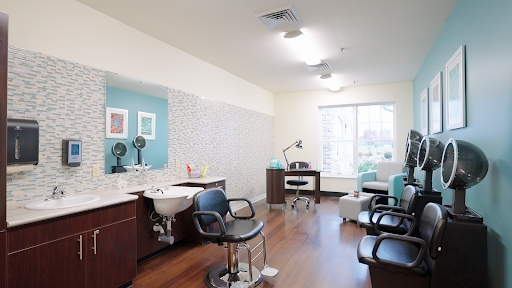
Beauty salon
Cable or satellite TV
Dining room
Fully furnished
Garden
Housekeeping services
Kitchenette
Move-in coordination
Outdoor patio
Outdoor space
Small library
Telephone
Wi-Fi/high-speed internet available
Transportation
John Glenn Columbus International Airport (13 miles away)
Care Services
24-hour call system
24-hour supervision
Activities of daily living assistance
Assistance with bathing
Assistance with dressing
Assistance with transfers
Coordination with health care providers
Dementia waiver
Diabetes diet
Hospice waiver
Meal preparation and service
Medication management
Mental wellness program
Mild cognitive impairment
Special dietary restrictions
Specialized memory care programming
Transportation arrangement (medical)
Transportation to doctors appointments
Dining
Diabetes diet
Special dietary restrictions
Activities
Community-sponsored activities
Resident-run activities
Scheduled daily activities
Nearby Places of Interest
Physicians
OhioHealth Laboratory Services - Hilliard Health Center (0.9 miles)
Hilliard Family Medicine (1 miles)
Hilliard Pediatrics (1.2 miles)
Orthopedic One (1.2 miles)
Samantha M Kinross O D (1.7 miles)
Internal Medicine Pediatrics Hilliard (1.9 miles)
Northwest Family Physicians (1.9 miles)
Restaurants
Rusty Bucket Restaurant and Tavern (1.1 miles)
Taco Bell (1.2 miles)
Dave & Buster's (1.7 miles)
Scene75 Entertainment Center (1.7 miles)
Bonefish Grill (1.8 miles)
BJ's Restaurant & Brewhouse (1.9 miles)
The Rail (1.9 miles)
Pharmacies
CVS Pharmacy (1.5 miles)
Walgreens (1.8 miles)
CVS Pharmacy (2.5 miles)
CVS Pharmacy (3.2 miles)
CVS Pharmacy (3.5 miles)
Marc's Stores (3.6 miles)
Market District Supermarket (3.9 miles)
Places of Worship
Saint Brendan Catholic Church (1.6 miles)
Scioto Ridge United Methodist Church (1.7 miles)
St Andrew Church (3.7 miles)
Saint Brigid of Kildare Catholic Church (4.9 miles)
Cafes
Starbucks (2 miles)
Kona Craft Kitchen (4.1 miles)
Panera Bread (4.6 miles)
Tim Hortons (5.5 miles)
Crimson Cup (6.2 miles)
Parks
Hilliard Municipal Park (2.1 miles)
Homestead Park (2.4 miles)
Carriage Place Park (2.8 miles)
Quarry Trails Metro Park (3.3 miles)
Thompson Park (3.4 miles)
Coffman Park (3.9 miles)
Avery Park (5.3 miles)
Transportation
The Ohio State University Airport at Don Scott Field (OSU) (3.7 miles)
Norwich Springs Health Campus incorporates a range of essential services designed to support residents at various stages of dementia or Alzheimer's disease, promoting their overall well-being and independence. Assistance with dressing and bathing helps maintain personal hygiene and dignity, while meal preparation ensures that nutritional needs are met in a safe environment. Medication management is critical for adhering to prescribed treatment plans, preventing potential health complications. Transportation arrangements facilitate access to medical appointments, further enhancing health continuity through coordination with healthcare providers. The focus on activities of daily living assistance allows residents to engage in routines that foster familiarity and comfort. With 24-hour supervision and specialized memory care programming, residents receive consistent monitoring tailored to their unique needs. Additionally, initiatives such as the dementia waiver, mental wellness program, and support for mild cognitive impairment create an enriching atmosphere that encourages mental engagement and stability throughout their care journey.
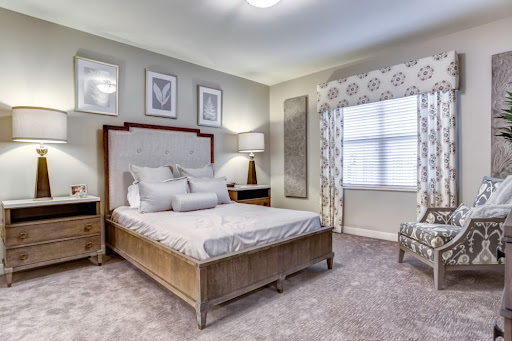
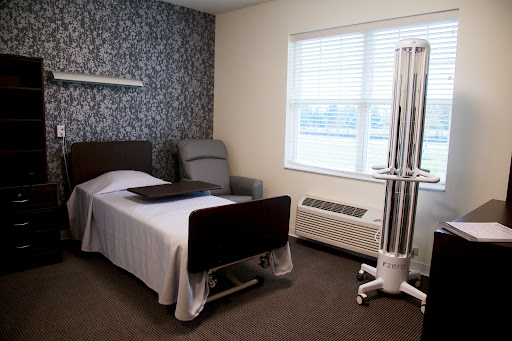
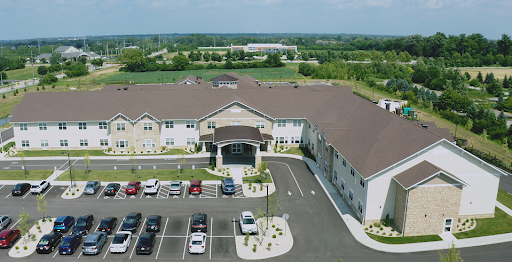
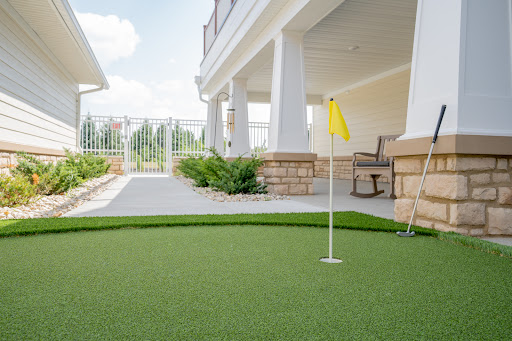
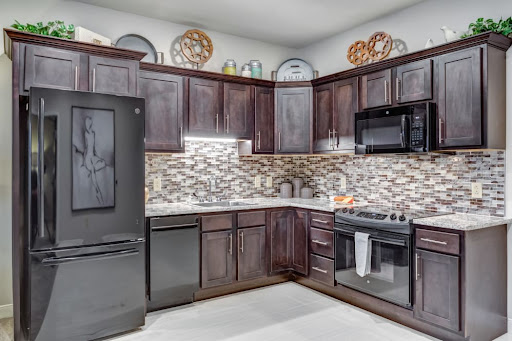
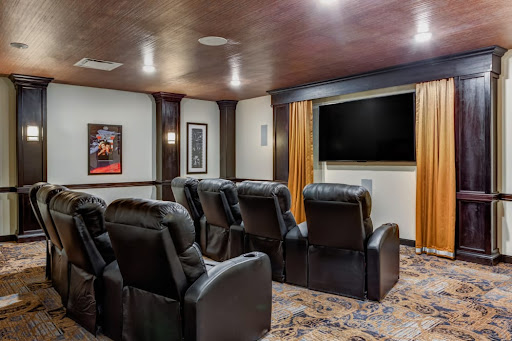
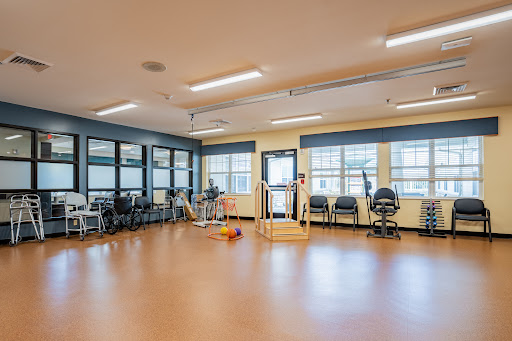
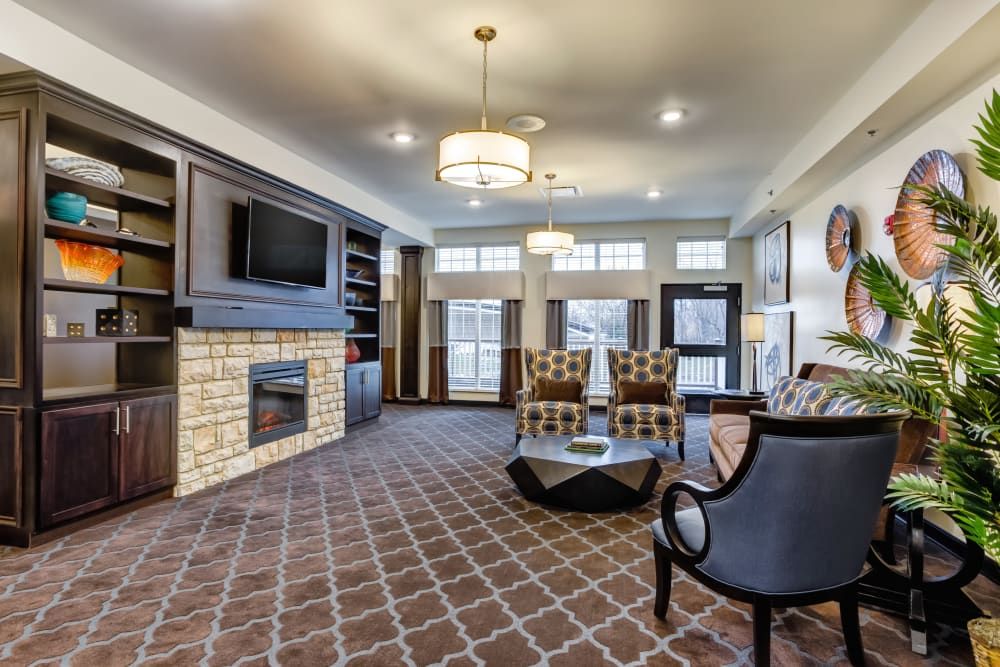
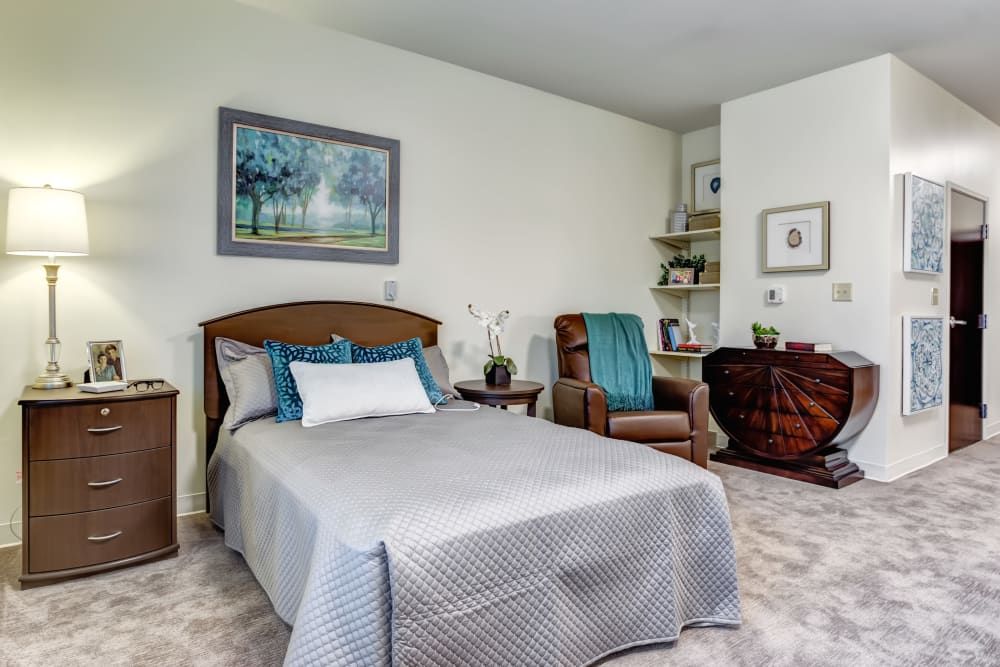
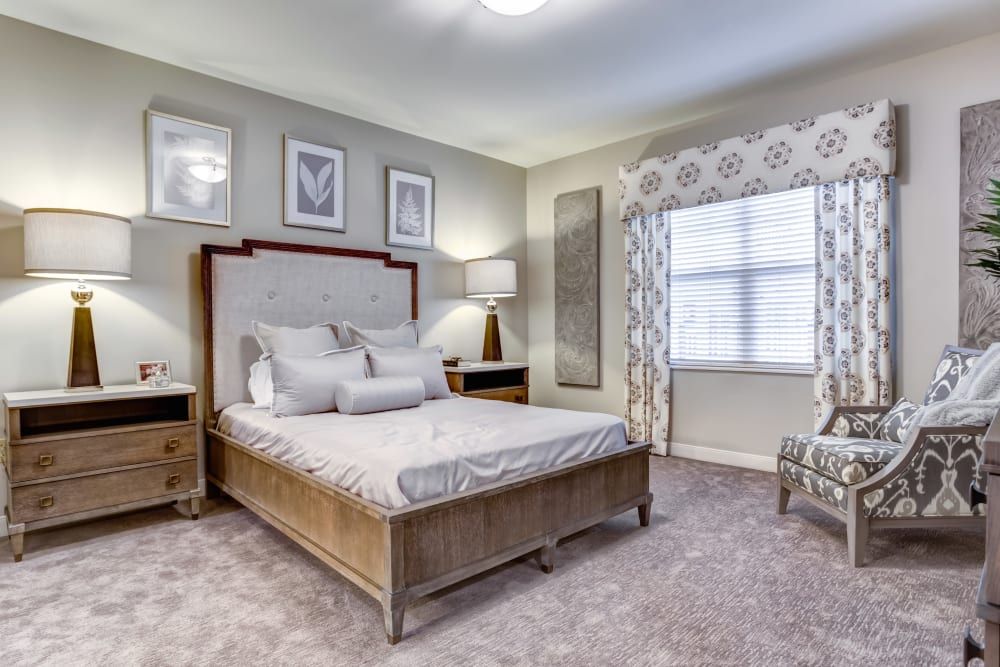
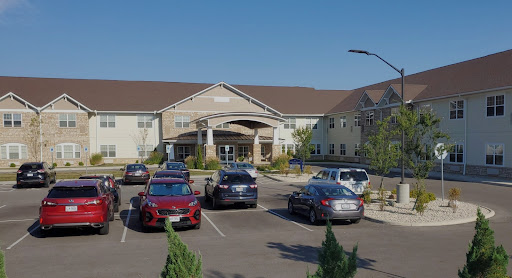
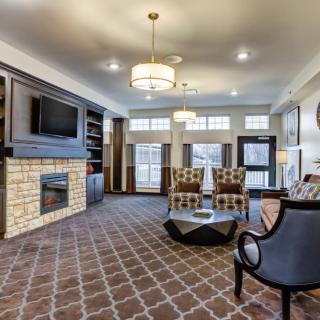
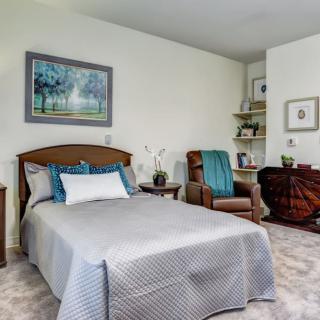
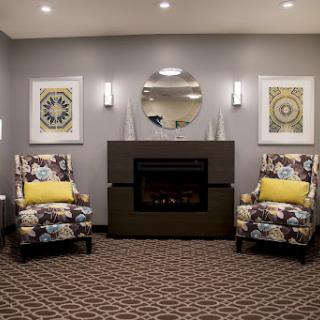
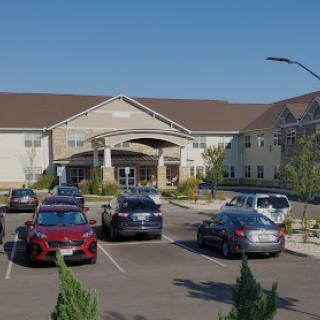
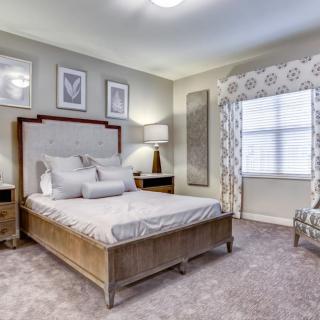
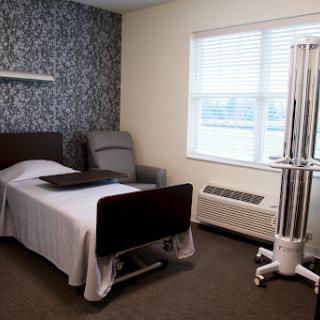
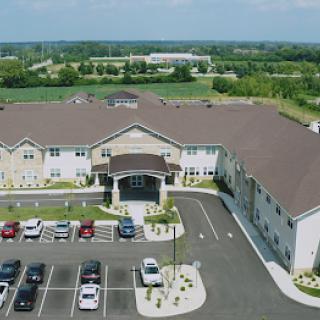
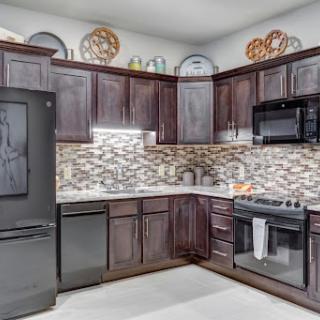
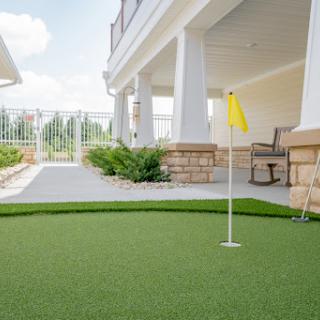
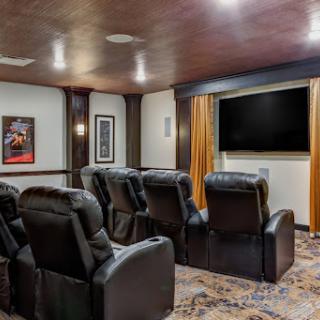
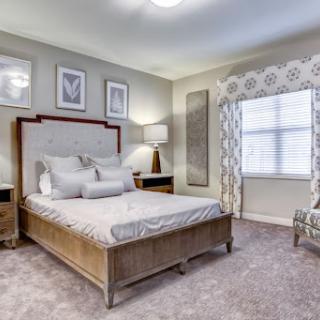
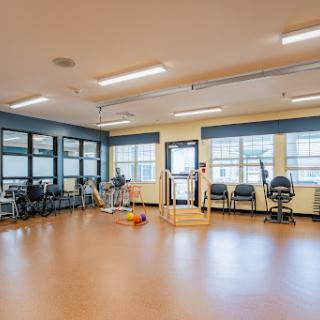
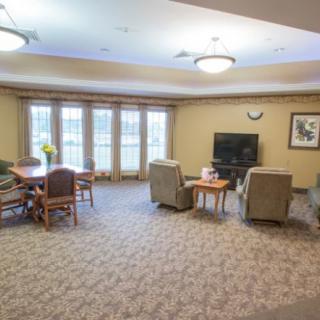
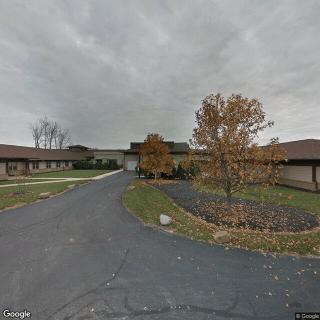
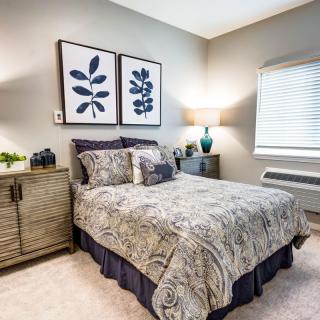
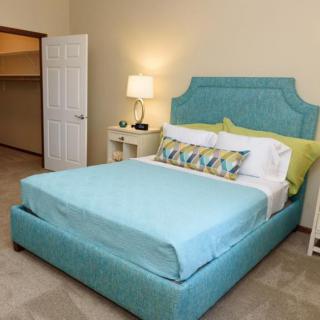
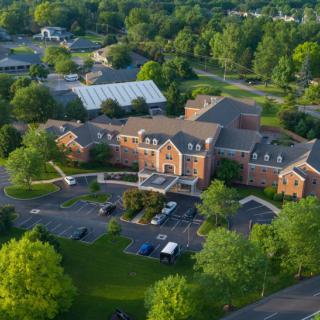
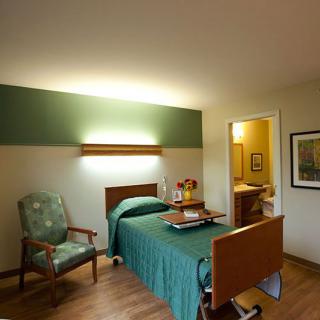
Norwich Springs Health Campus on seniors.fyi includes 13 photos including images showing bedroom, interior, decor, landscaping, fireplace, television, theater, windows, and more.
Nearby Communities
Inn at Library Way
Hilliard, OH
4.5 from 55 reviews
$3,150 to $4,950 / month
Beautiful, clean, one-floor community with friendly staff and engaging activities.
The Estates at Tremont Club
Hilliard, OH
4.3 from 51 reviews
Comprehensive care with on-site meal prep, medication management, flexible dining options, and Wi-Fi.
Darby Glenn Nursing And Rehabilitation Center
Hilliard, OH
3.9 from 122 reviews
Caring staff and a clean, modern facility with robust amenities.
Altercare Of Hilliard Post-Acute Center
Hilliard, OH
2.4 from 12 reviews
Strong rehabilitation services (PT/OT/SP) and a clean, well-maintained environment with good meals.
Hilliard Assisted Living & Memory Care
Hilliard, OH
4.2 from 49 reviews
$3,650 to $5,665 / month
Friendly, caring staff with engaging activities and good dining.
Stone Oak Retirement Community
Hilliard, OH
4.7 from 63 reviews
$3,520 to $5,300 / month
Friendly staff, active lifestyle, and well-maintained apartments.
The Ashford at Sturbridge
Hilliard, OH
4.2 from 85 reviews
$3,545 to $4,280 / month
Friendly staff and clean, well-maintained surroundings with engaging activities.
Harmony Trace
Hilliard, OH
4.5 from 20 reviews
$4,900 to $5,200 / month
Excellent tour experience with friendly, personalized care.
Mill Run Rehabilitation Center
Hilliard, OH
3.6 from 136 reviews
Home-like atmosphere with caring staff and engaging activities.
Dementia encompasses a range of cognitive impairments characterized by types such as Alzheimer's and vascular dementia, and follows a seven-stage progression model known as the Global Deterioration Scale (GDS), highlighting varying symptoms and decline timelines. Early detection allows for lifestyle adjustments to potentially slow progression, while caregivers need support and resources to manage the challenges involved in caring for affected individuals.
The guide on holistic dementia care outlines the complexity of dementia and stresses the need for individualized caregiver strategies that include medical treatment, psychological support, and environmental adaptations, while emphasizing early detection, various therapeutic options, and caregiver support to enhance quality of life and maintain dignity.
Activities of Daily Living (ADLs) are fundamental tasks vital for an individual's independence, particularly in older adults over 85, and include functions like bathing and dressing; assessing ADLs alongside Instrumental Activities of Daily Living (IADLs) helps determine the level of required assistance due to age-related health challenges. Tailored support plans, involving family and community resources, are essential for maintaining dignity and autonomy in assisted living environments.
Exercise Equipment, Rehabilitation, Physical Therapy, and Therapy Room
Exterior and Aerial View
Salon and Workspace
Wall Art
Healthcare
Painting
Theater
Golf and Putting Green
Get PricingAsk A QuestionSchedule A TourContact Senior Advisor
By clicking submit, you agree to our Partner's Terms of Use. You
also consent to receive calls and texts, which may be autodialed, from our Partner. Your consent is not a condition to
using our Partner's service. Please visit our Partner's Privacy Policy for information about their privacy practices.



 21 resident community capacity
 Assisted Living
 Independent Living
 Memory Care
 Skilled Nursing Facility
 Beauty salon
 Cable or satellite TV
 Dining room
 Fully furnished
 Garden
 Housekeeping services
 Kitchenette
 Move-in coordination
 Outdoor patio
 Outdoor space
 Small library
 Telephone
 Wi-Fi/high-speed internet available
 John Glenn Columbus International Airport (13 miles away)
 24-hour call system
 Activities of daily living assistance
 Assistance with bathing
 Assistance with dressing
 Assistance with transfers
 Diabetes diet
 Hospice waiver
 Meal preparation and service
 Medication management
 Mental wellness program
 Special dietary restrictions
 Transportation arrangement (medical)
 Transportation to doctors appointments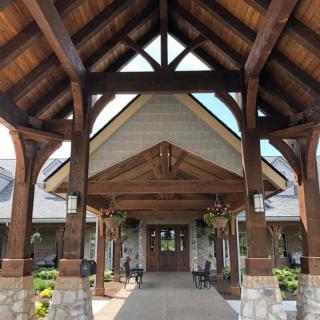
 Beautiful, clean, one-floor community with friendly staff and engaging activities.

 Understanding Dementia Through Its Seven Stages: A Comprehensive Look at Progression and Expectations
 A Holistic Dementia Care Guide: Effective Strategies for Memory Support
 Comprehensive Insights into Activities of Daily Living (ADLs) and Their Assessment