Overall Review of Mill Run Rehabilitation Center
common
14 reviews mention this
Clean, fresh-smelling facility
Many reviews mention a consistently clean, fresh-smelling building.
Residents and visitors frequently describe the building as clean and well maintained, including remarks about the overall smell and how good it feels when you walk in. Several reviews also connect cleanliness to specific parts of the experience, like rooms and housekeeping, rather than only common areas. A few critical reviews describe sanitation problems, such as urine-soaked floors or poor cleaning, which residents see as a serious gap on some stays.
common
18 reviews mention this
Staff support and communication
Reviews often highlight staff members as kind, supportive, and responsive.
A large share of reviews describe staff as caring, friendly, and willing to help, with repeated praise for specific nurses, aides, therapists, and social work support. Families also describe communication as a strength, including getting answers, sending updates, or responding quickly when questions come up. At the same time, a smaller set of reviews report the opposite—missed calls, delays, or poor follow-up—which creates an uneven experience when staffing and responsiveness fall short.
differentiator
7 reviews mention this
Therapy helps residents recover
Multiple reviews say therapy teams were effective and helpful.
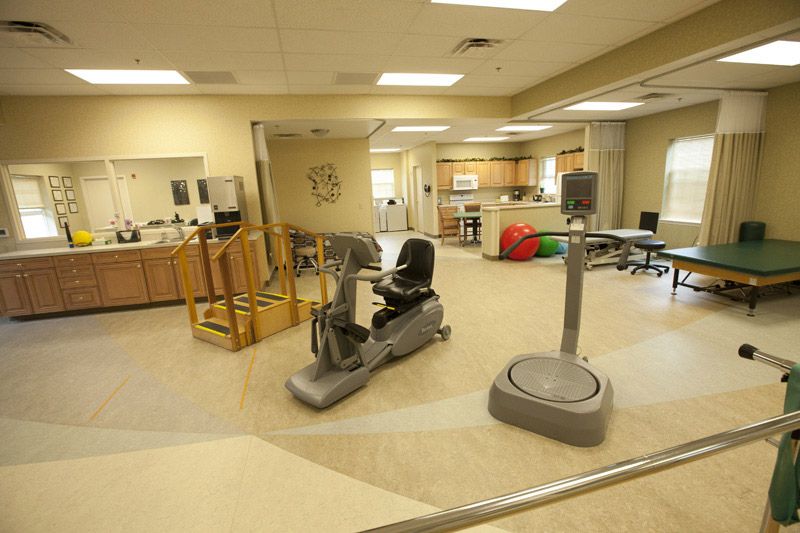
Several residents and family members describe physical and occupational therapy as a major part of recovery, with therapists working on mobility and daily activities. Reviews also mention therapists being knowledgeable and that therapy sessions made progress possible during short-term rehab. Some critical reviews tie poor outcomes to inadequate care, but the overall pattern in positive reviews is that therapy is one of the main reasons families recommend the facility.
common
10 reviews mention this
Meals are a frequent talking point
Dining shows up often in reviews, with praise for decent or improved meals.
Many reviews say the food is better than expected, describes it as tasty or home-cooked, and notes special menus or adjustments when preferences come up. The community also offers restaurant-style dining and room service, which aligns with residents mentioning meal quality and ordering options. A few reviews criticize dining as cold, poor, or unsatisfactory, including complaints about snacks or food not being handled correctly.
common
6 reviews mention this
Activities keep people engaged
Residents and families frequently mention on-site activities and events.
Reviews commonly describe activities that keep residents involved, including crafts, games, music events, and scheduled group time. Some families also mention special events like themed gatherings, which helped make the days feel more active rather than purely medical. There are also a few mixed mentions where engagement or support feels inconsistent depending on the shift or staffing situation.
caveat
12 reviews mention this
Care can feel uneven
A recurring concern is delayed care and inconsistent attention.
A significant number of critical reviews describe long wait times or unanswered call lights, along with issues like missed needs, delays with meds, or not getting help when assistance is required. Some families report sanitation and safety problems, including falls, wet or soiled conditions, or concerns about wounds and cleanliness. Positive experiences exist as well, but these negatives are frequent enough that residents and families appear to be weighing the risk of inconsistent staffing and responsiveness.
How we summarize
Counts show how many written reviews mention each theme; a review can touch several themes, and only frequently mentioned themes are displayed.

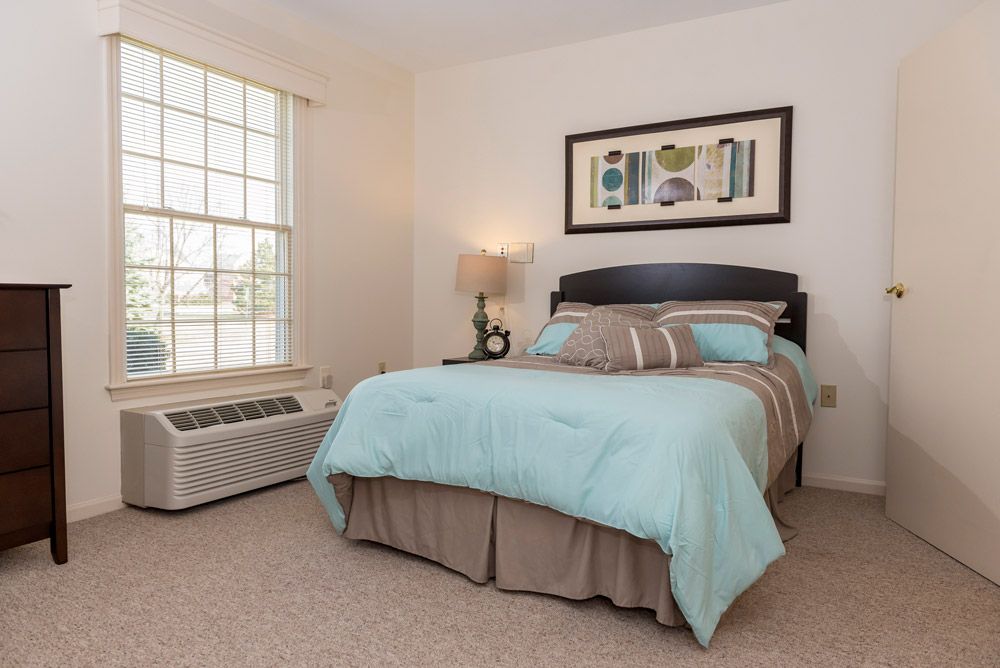
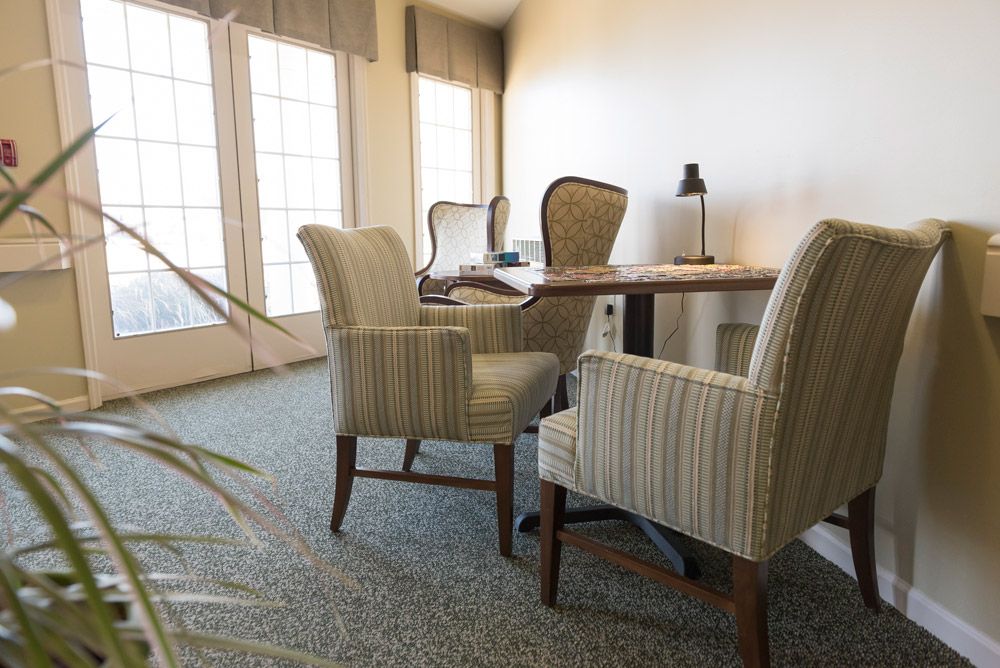

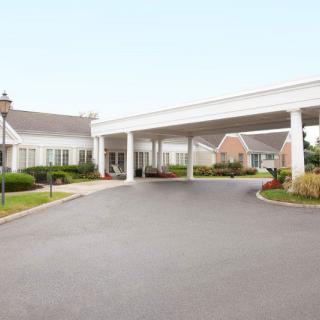
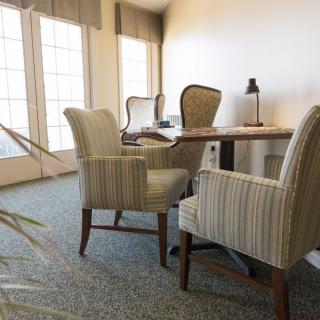
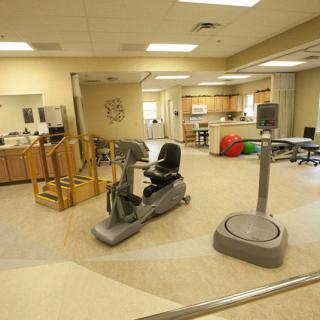
 42 resident community capacity
 1-bedroom apartments
 Assisted Living
 Skilled Nursing Facility
 Beautician on-site
 Cable or satellite TV
 Computer center
 Dining room
 Fully furnished
 Garden
 Guest parking
 Housekeeping services
 Kitchenette
 Laundry
 Move-in coordination
 Outdoor space
 Overnight guests
 Party space
 Restaurant-style dining
 Security gate
 Small library
 Telephone
 VA Benefits Consultation
 Wi-Fi/high-speed internet available
 John Glenn Columbus International Airport (12 miles away)
 Transportation & parking
 24-hour call system
 Activities of daily living assistance
 Assistance with bathing
 Assistance with dressing
 Assistance with transfers
 Diabetes diet
 Hospice care
 Medication management
 Mental wellness program
 Physical therapy
 Psychiatric care
 Special dietary restrictions
 Arts and crafts
 Book club
 Cooking club
 Fitness programs
 Games
Games Live musical performances
 Religious services
 Wii bowling
 English
 Excellent tour experience with friendly, personalized care.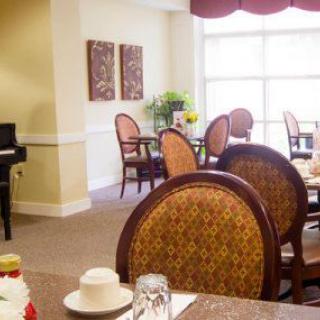
 Comprehensive Supportive Living Arrangements for Adults with Disabilities
 Funding and Affording Assisted Living: A Thorough Overview
 Assisted Living Expenses and Long-Term Care Insurance: A Comprehensive Exploration