For more information about senior living options: (866) 208-4318
4.2 from 49 reviews
5 stars
36
4 stars
3
3 stars
3
2 stars
0
1 stars
7
Hilliard Assisted Living & Memory Care Costs & Pricing
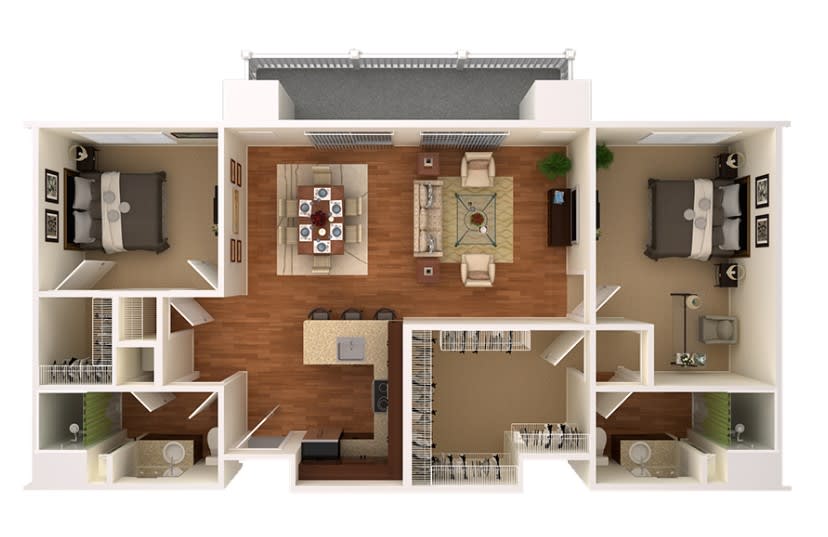
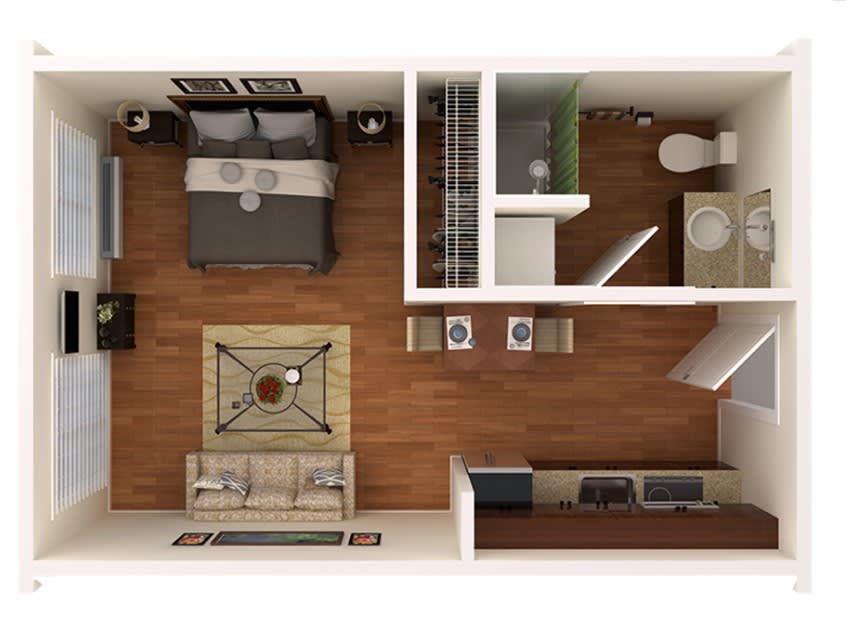
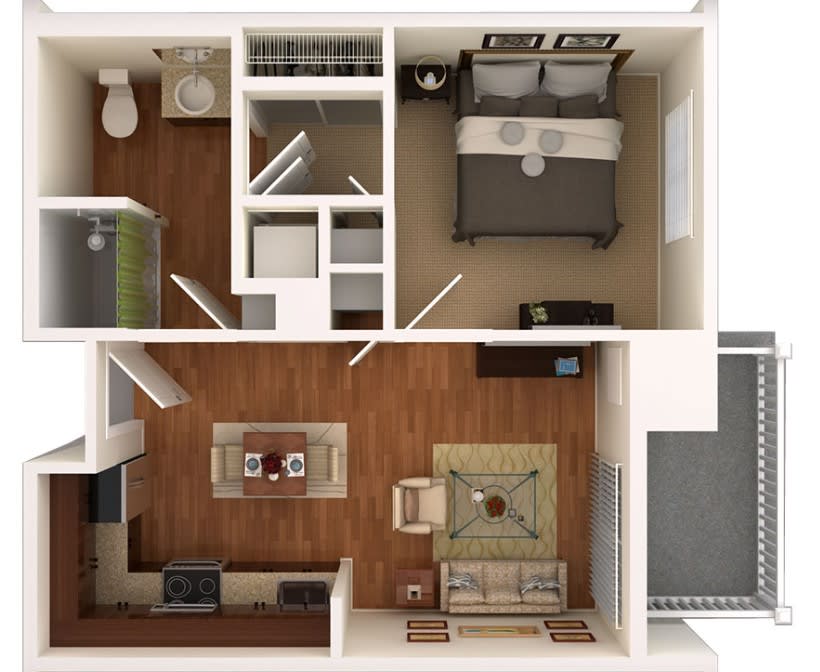
Hilliard Assisted Living & Memory Care offers competitive pricing for its services, particularly when compared to the surrounding county and state averages. For a studio, residents can expect to pay $3,650 per month, which is slightly more affordable than the Madison County average of $3,738 and the Ohio state average of $3,727. The one-bedroom option at Hilliard is priced at $4,180, which stands out as higher than both Madison County's average of $3,704 and the state average of $3,712. However, for those seeking a two-bedroom unit, Hilliard presents an exceptionally attractive rate of $5,665 per month - significantly higher than Madison County's average of $3,215 and even above Ohio's average of $3,501. Overall, while some options may exceed local benchmarks, especially in the larger living spaces, Hilliard Assisted Living & Memory Care maintains a strong value proposition within the assisted living landscape.
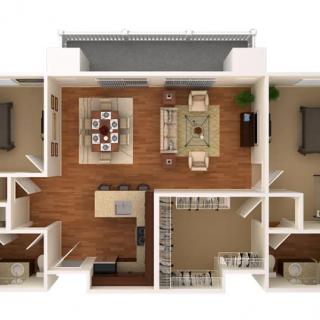
Floor plans
Hilliard Assisted Living & Memory Care
Madison County
Ohio
Studio
$3,650
$3,738
$3,727
1 Bedroom
$4,180
$3,704
$3,712
2 Bedrooms
$5,665
$3,215
$3,501
Memory care communities with a similar price nearby
Overall Review of Hilliard Assisted Living & Memory Care
caveat4 reviews mention this
Safety concerns come up
Several reviewers raise safety issues involving residents and facility operations.
A few reviews describe situations where safety felt inadequate, including a resident reportedly left in a dangerous location outside the building and other concerns tied to staff actions. Another reviewer describes an emergency situation involving what they believed to be cleanliness-related concerns. There are also accounts of wrongdoing involving residents’ belongings. While many reviews are positive, these safety-focused accounts are significant enough to affect how the experience is viewed.
common5 reviews mention this
Tours are often described
Many families describe the tour experience as positive or at least informative.
Several reviewers say their in-person tour experience was excellent or wonderful, and others mention helpful guidance from staff during the visit. A few notes also reflect limitations during earlier periods when visits were more restricted. Not every tour review is fully positive, but most still focus on the visit itself as a key part of deciding whether the community fit their needs. Overall, tour impressions appear to shape first impressions for many families.
common7 reviews mention this
Dining and meal quality
Food quality is a frequent topic, with both praise and complaints.
Many reviews highlight good meals, variety, and attention to food, including mentions of a new chef and specific favorites. Some families also comment on what they would like to see changed, such as menu requests and dietary preferences around vegetables and sweetness. On the other side, one memory care review makes a strong negative statement about food preparation and service. Taken together, dining is clearly important to residents and families—mostly as a strength, but with a few serious concerns.
caveat5 reviews mention this
Cost concerns and fees
Pricing and fee experiences are a recurring concern for some families.
Multiple reviews describe the community as expensive or indicate they could not afford it, even when the facility seemed otherwise appealing. Others mention billing- or refund-related frustration, including problems with how money was handled and how long it took to resolve. At the same time, at least one reviewer describes the overall pricing as reasonable for long-term needs, which helps explain why the cost feedback is mixed. Overall, cost shows up as a deciding factor for some families.
How we summarize
Counts show how many written reviews mention each theme; a review can touch several themes, and only frequently mentioned themes are displayed.
Features
Housing
115 resident community capacity
Types of Care
Assisted Living
Memory Care
Amenities
Activities off-site
Activities on-site
Air-conditioning
Beautician on-site
Beauty salon
Cable or satellite TV
Computer center
Devotional services off-site
Devotional services on-site
Dining room
Fitness room
Fully furnished
Gaming room
Garden
Ground floor units
Handicap accessible
Housekeeping services
Indoor common areas
Kitchenette
Move-in coordination
Outdoor common areas
Outdoor space
Private bathrooms
Restaurant-style dining
Small library
Telephone
Wellness center
Wheelchair accessible showers
Wi-Fi/high-speed internet available
Transportation
John Glenn Columbus International Airport (13 miles away)
Community operated transportation
Transportation arrangement
Transportation arrangement (non-medical)
Transportation to doctors appointments
Care Services
12-16 hour nursing
24-hour call system
24-hour supervision
Activities of daily living assistance
Ambulatory care
Assistance with bathing
Assistance with dressing
Assistance with transfers
Diabetes diet
Diabetic care
Incontinence care
Meal preparation and service
Medication management
Mental wellness program
Mild cognitive impairment
Special dietary restrictions
Specialized memory care programming
Dining
Anytime dining
Diabetes diet
Guest meals
International cuisine
Low / no sodium
Meals provided
No Sugar
Professional chef
Restaurant style dining
Room service
Special dietary restrictions
Special dining programs
Activities
Art classes
Community-sponsored activities
Concierge services
Cooking classes
Day trips and outings
Devotional activities offsite
Devotional activities on-site
Educational speakers / life long learning
Fitness programs
Happy hour
Karaoke
Live dance or theater performances
Live musical performances
Live well programs
Planned day trips
Resident-run activities
Scheduled daily activities
Wine tasting
Nearby Places of Interest
This part of Hilliard, Ohio, offers a variety of amenities that may be appealing for seniors looking to settle in the area. With several physicians' offices nearby such as Hilliard Pediatrics and Orthopedic One, residents have convenient access to medical care. There are also restaurants like Rusty Bucket Restaurant and Tavern and Dave & Buster's within close proximity for dining options. Additionally, pharmacies like CVS and Walgreens are available for easy access to medications. For those seeking spiritual fulfillment, there are places of worship such as Scioto Ridge United Methodist Church and Saint Brendan Catholic Church nearby. Parks like Hilliard Municipal Park and Carriage Place Park provide opportunities for outdoor recreation and relaxation. Overall, this part of Hilliard offers a good balance of healthcare services, dining options, religious institutions, and recreational facilities that may cater to seniors looking for a comfortable living environment.
Physicians
Hilliard Pediatrics (0.3 miles)
Orthopedic One (0.4 miles)
OhioHealth Laboratory Services - Hilliard Health Center (0.6 miles)
Hilliard Family Medicine (0.9 miles)
Internal Medicine Pediatrics Hilliard (1.1 miles)
Northwest Family Physicians (1.1 miles)
Arlington-Mill Run Internal Medicine (1.3 miles)
Restaurants
Rusty Bucket Restaurant and Tavern (0.7 miles)
Dave & Buster's (1 miles)
Taco Bell (1.1 miles)
Nasty's Sports Bar & Grill (1.8 miles)
Bonefish Grill (2 miles)
Arby's (2 miles)
Scene75 Entertainment Center (2.1 miles)
Pharmacies
CVS Pharmacy (0.7 miles)
Walgreens (2.1 miles)
CVS Pharmacy (2.3 miles)
CVS Pharmacy (2.8 miles)
Marc's Stores (3.1 miles)
Walgreens (3.6 miles)
CVS Pharmacy (3.7 miles)
Places of Worship
Scioto Ridge United Methodist Church (1.1 miles)
Saint Brendan Catholic Church (1.2 miles)
St Andrew Church (3 miles)
Saint Brigid of Kildare Catholic Church (5.6 miles)
Cafes
Starbucks (2.4 miles)
Panera Bread (4.3 miles)
Kona Craft Kitchen (4.4 miles)
Starbucks (5.5 miles)
Crimson Cup (5.6 miles)
Tim Hortons (5.7 miles)
Parks
Hilliard Municipal Park (2.5 miles)
Carriage Place Park (2.6 miles)
Quarry Trails Metro Park (2.6 miles)
Thompson Park (2.8 miles)
Homestead Park (3.2 miles)
Coffman Park (4.4 miles)
Antrim Park (5.2 miles)
Transportation
The Ohio State University Airport at Don Scott Field (OSU) (3.5 miles)
Hilliard Assisted Living & Memory Care offers competitive pricing for its services, particularly when compared to the surrounding county and state averages. For a studio, residents can expect to pay $3,650 per month, which is slightly more affordable than the Madison County average of $3,738 and the Ohio state average of $3,727. The one-bedroom option at Hilliard is priced at $4,180, which stands out as higher than both Madison County's average of $3,704 and the state average of $3,712. However, for those seeking a two-bedroom unit, Hilliard presents an exceptionally attractive rate of $5,665 per month - significantly higher than Madison County's average of $3,215 and even above Ohio's average of $3,501. Overall, while some options may exceed local benchmarks, especially in the larger living spaces, Hilliard Assisted Living & Memory Care maintains a strong value proposition within the assisted living landscape.
Hilliard Assisted Living & Memory Care's comprehensive offerings are designed to support residents with dementia or Alzheimer's disease effectively. The 24-hour supervision ensures a safe environment, allowing residents to engage in daily activities with peace of mind. Assistance with activities of daily living, including bathing, dressing, and transfers, fosters independence while addressing personal care needs sensitively. Incontinence care provides dignity and comfort, while meal preparation and service ensure that dietary needs are met consistently. Medication management is crucial for maintaining health and stability, preventing potential complications from missed doses. The mental wellness program and specialized memory care programming target cognitive challenges directly, enhancing the quality of life through tailored experiences that stimulate mental engagement and emotional well-being. Together, these features create a supportive atmosphere that respects individual needs while promoting overall wellness for those experiencing mild to advanced stages of dementia or Alzheimer's disease.
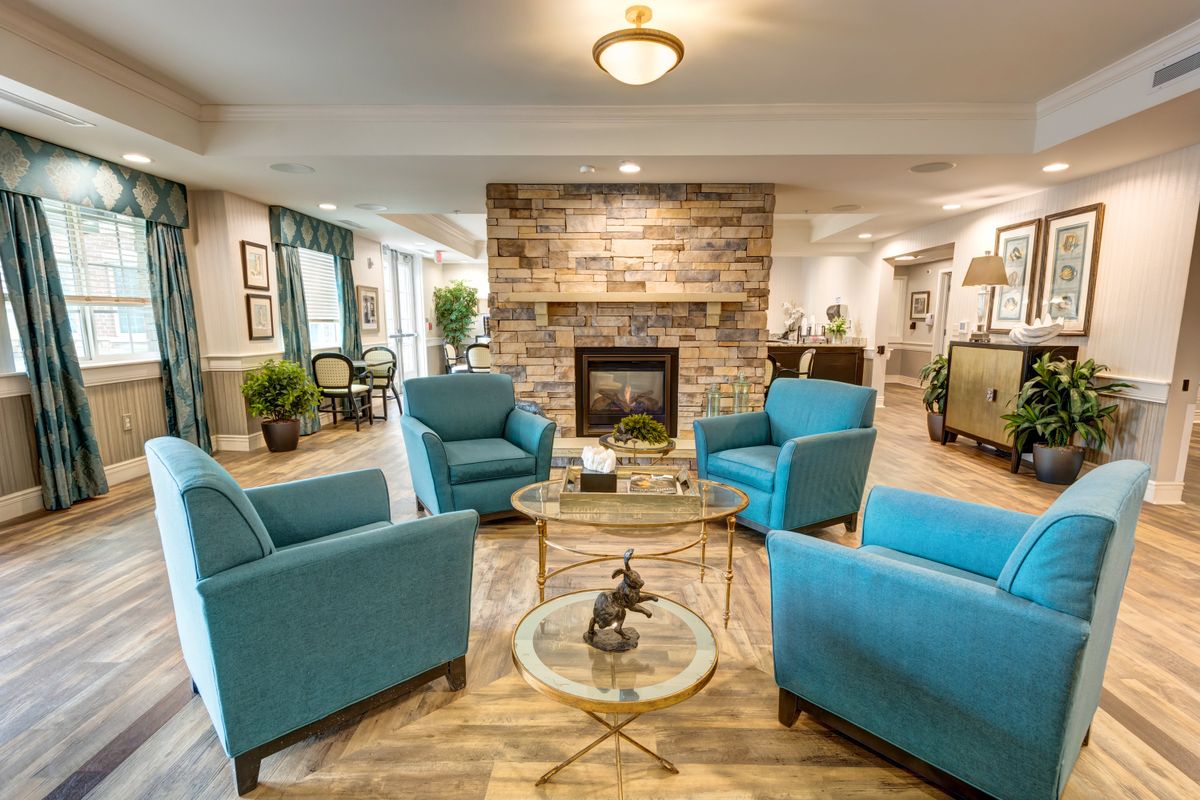
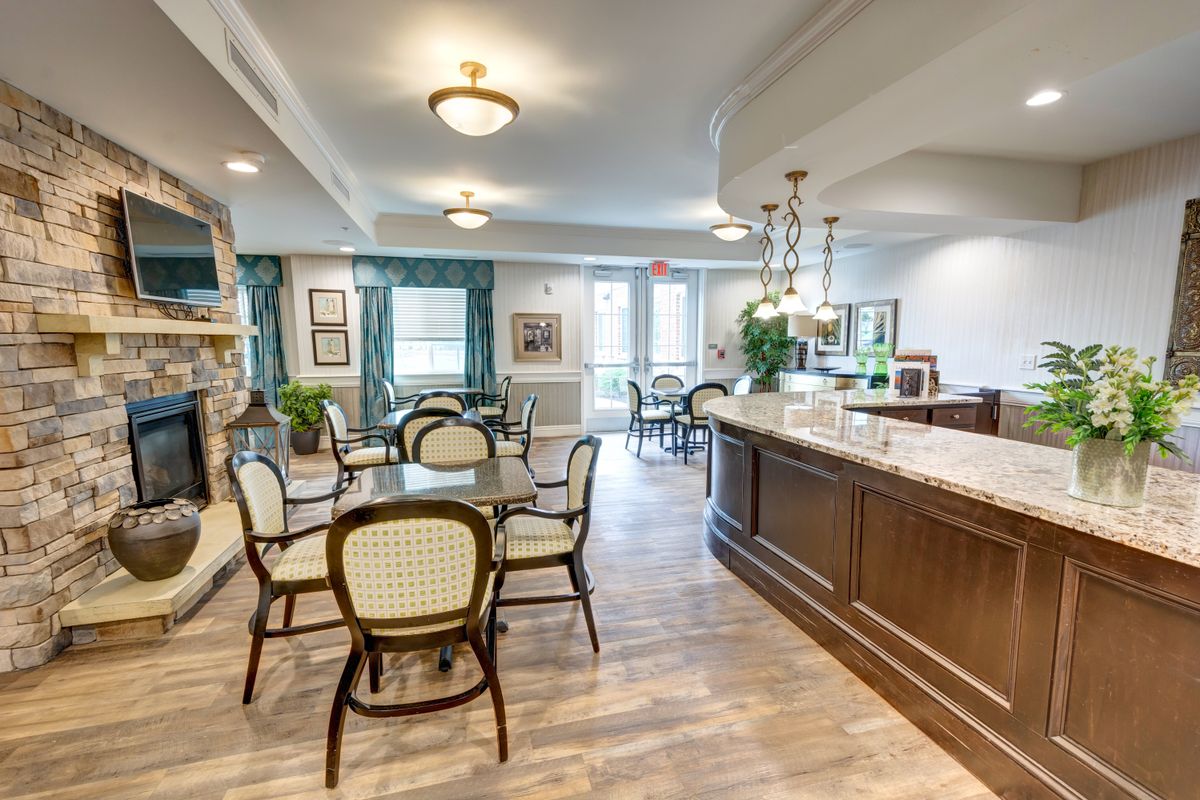
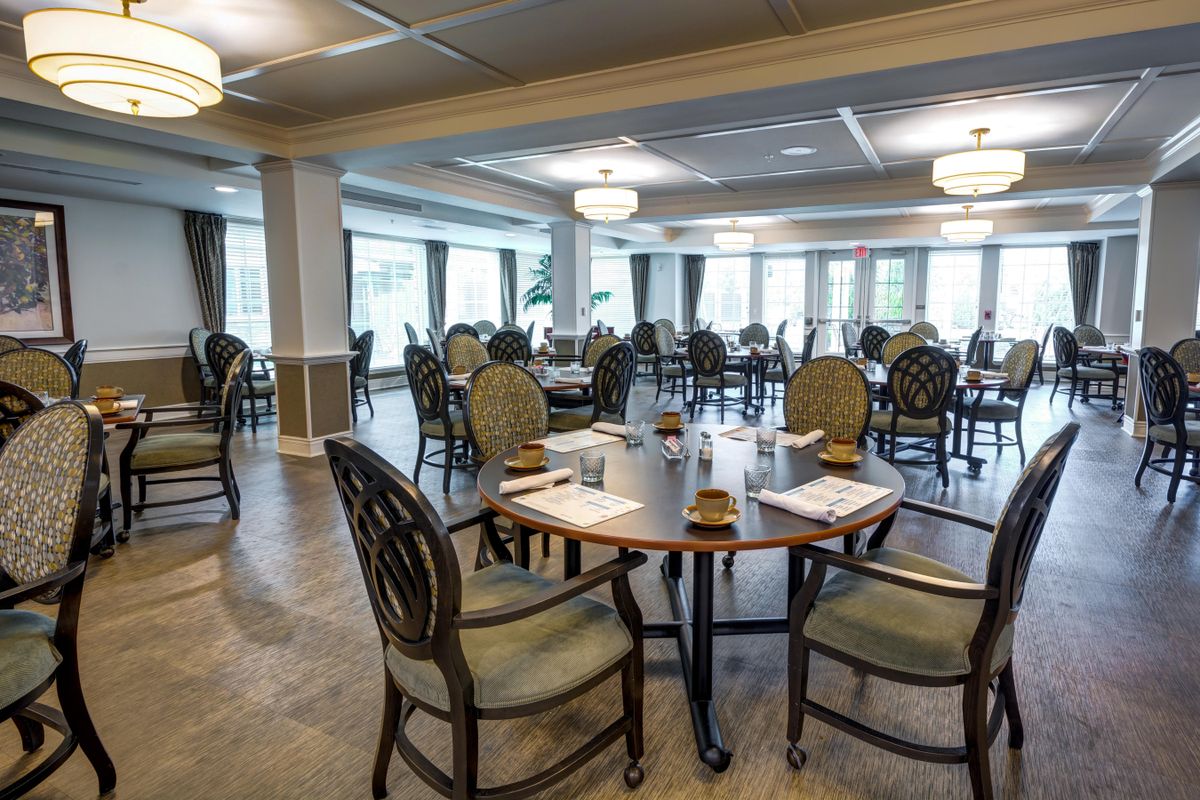
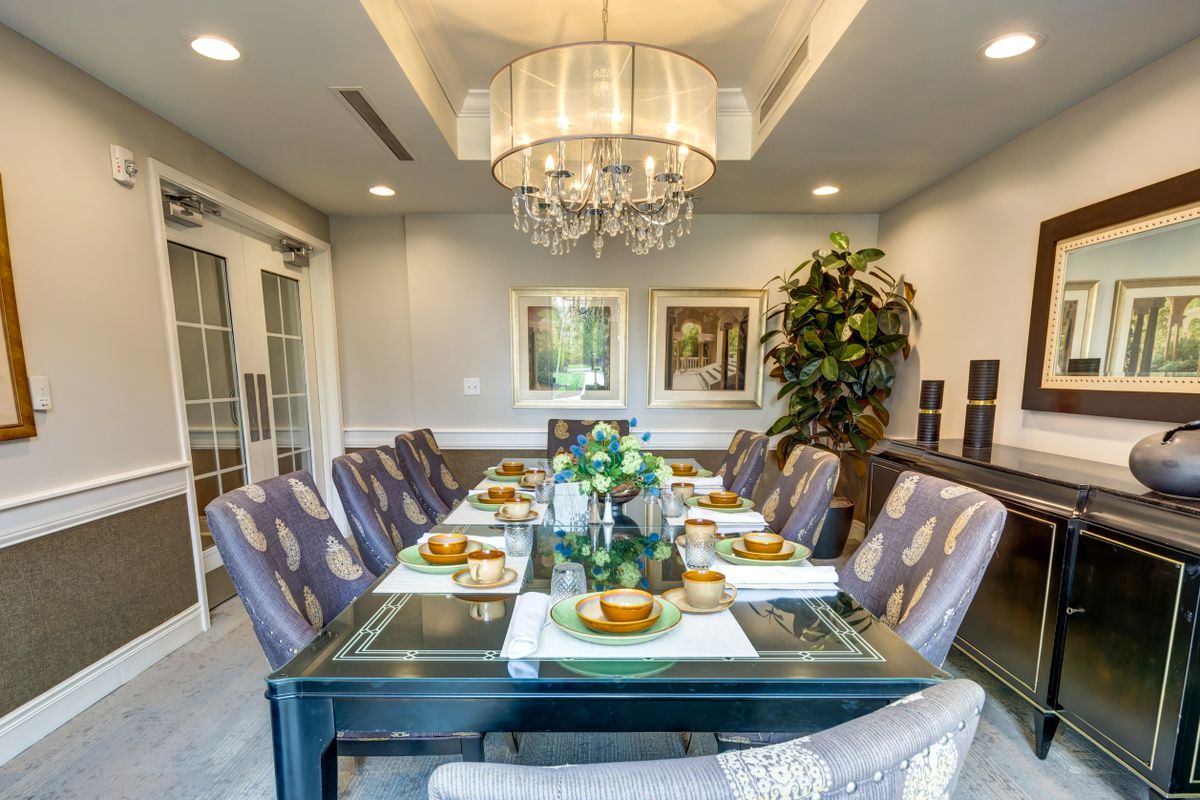
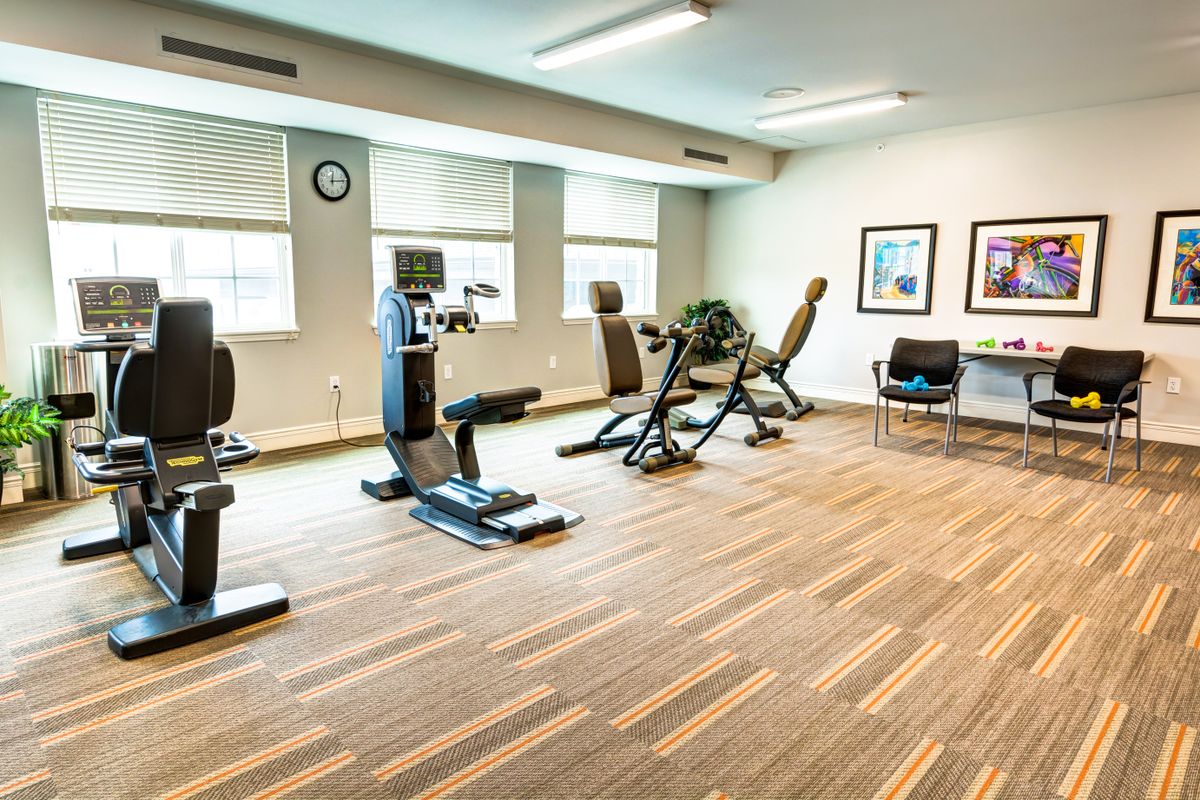
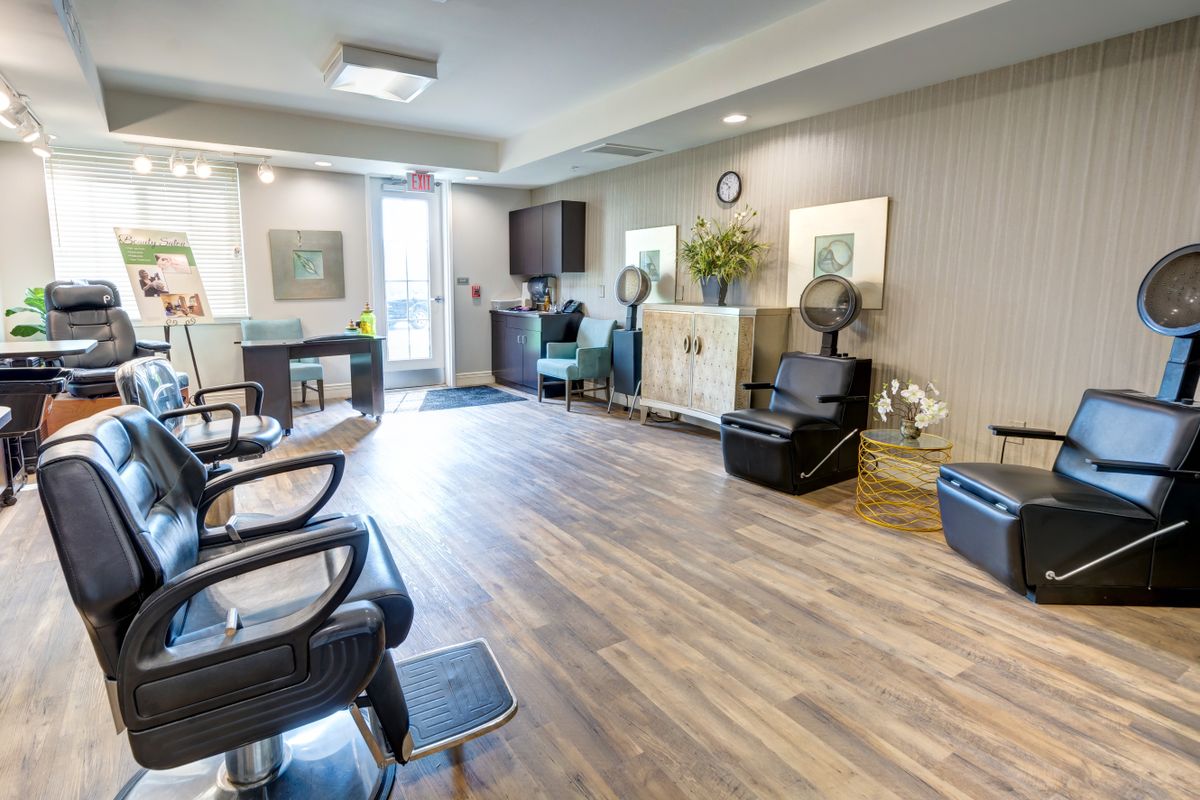
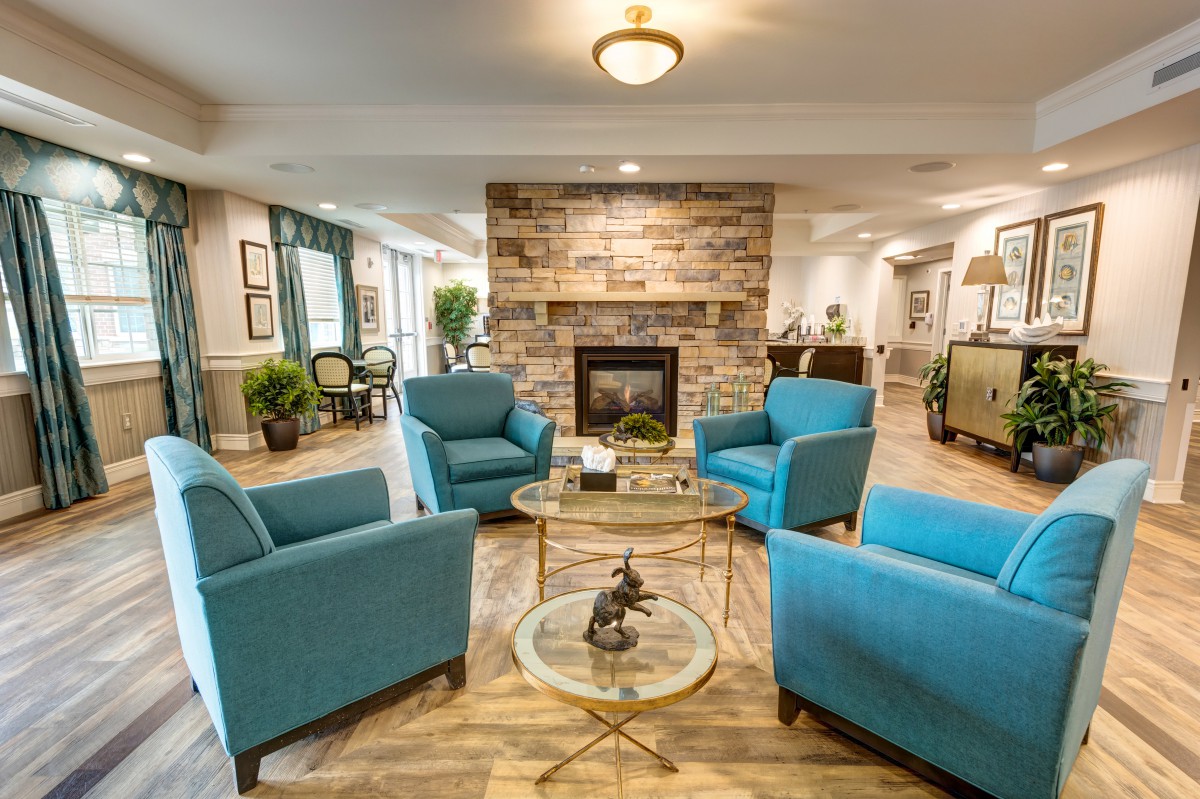
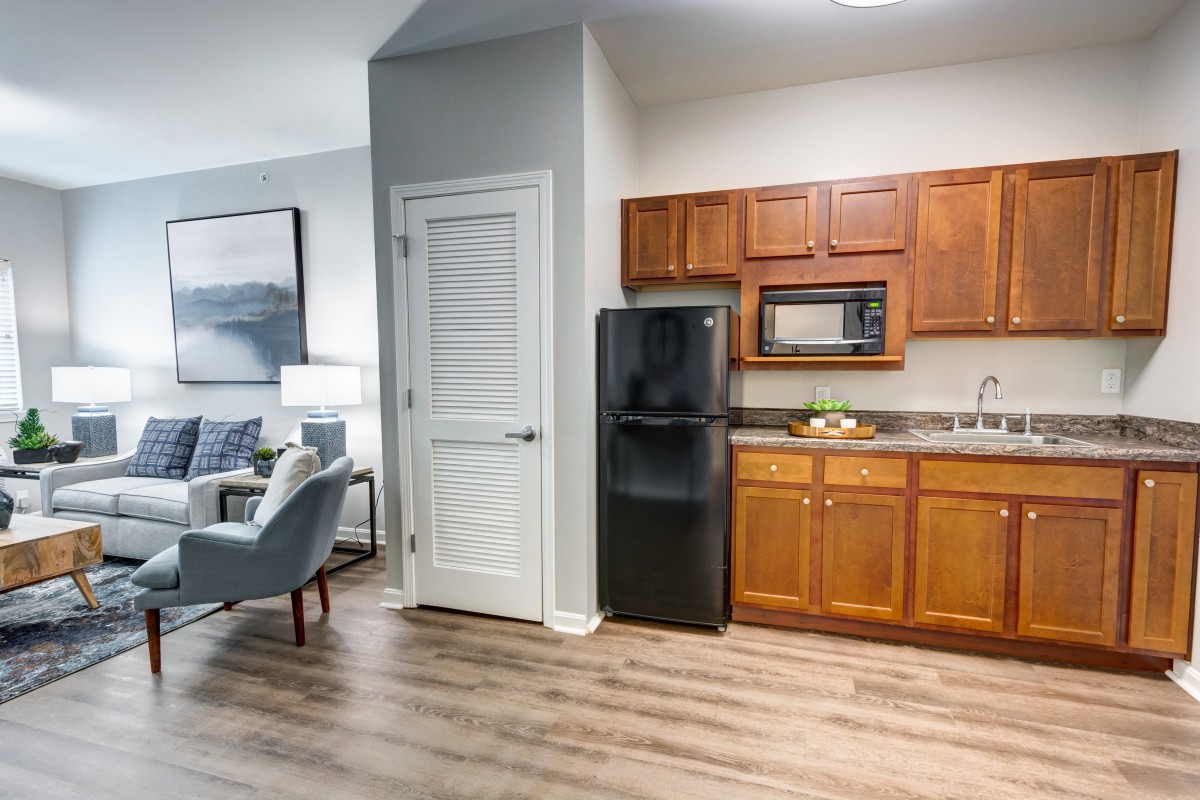
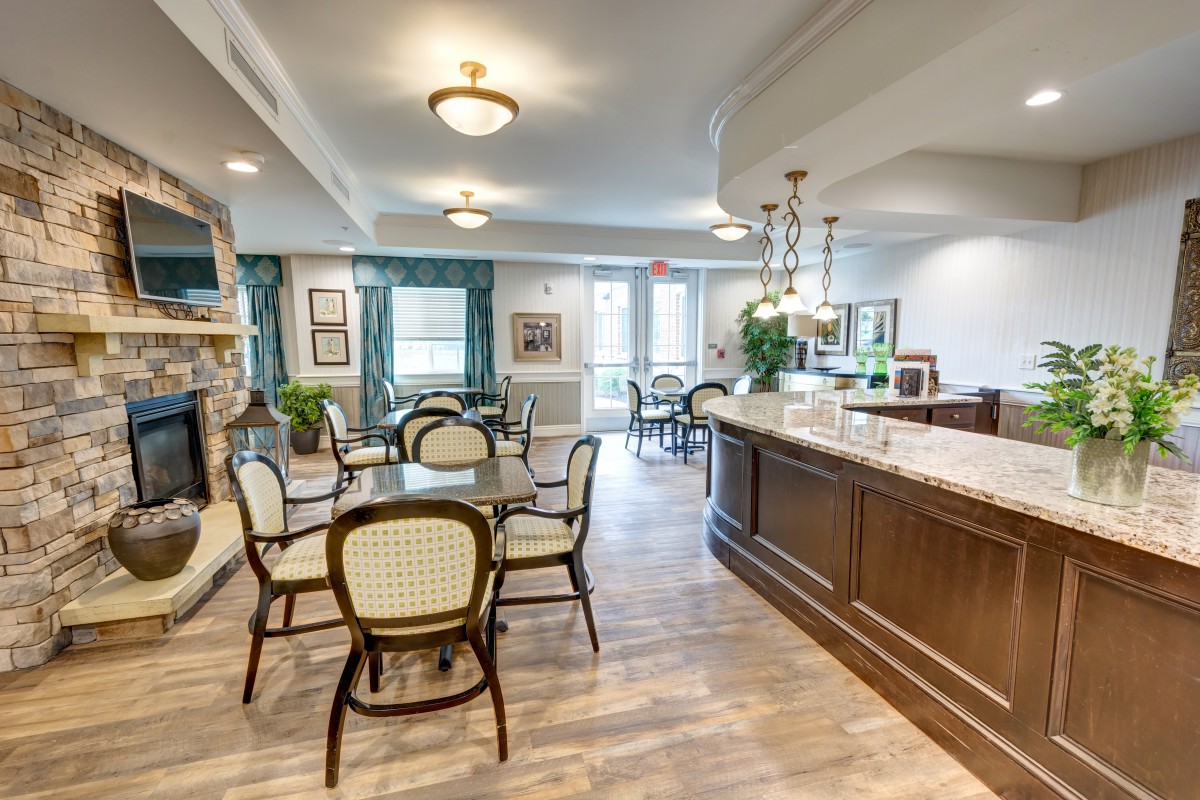
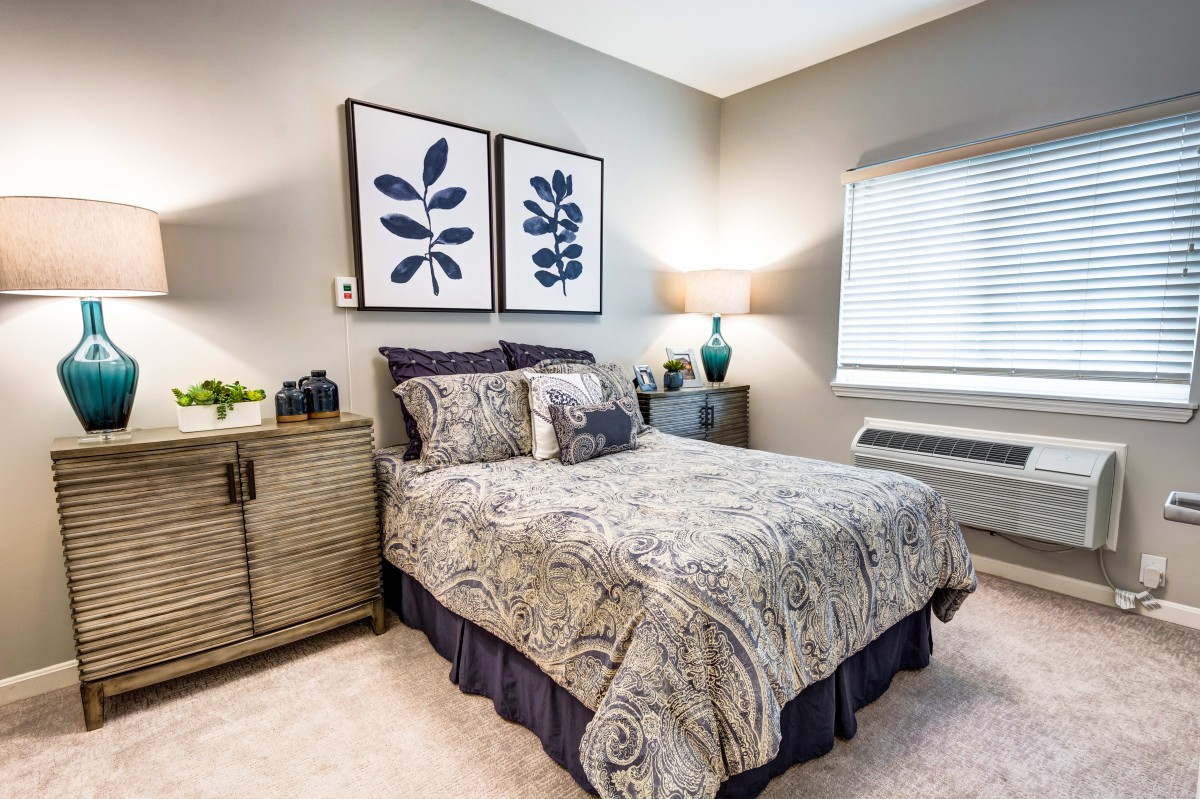
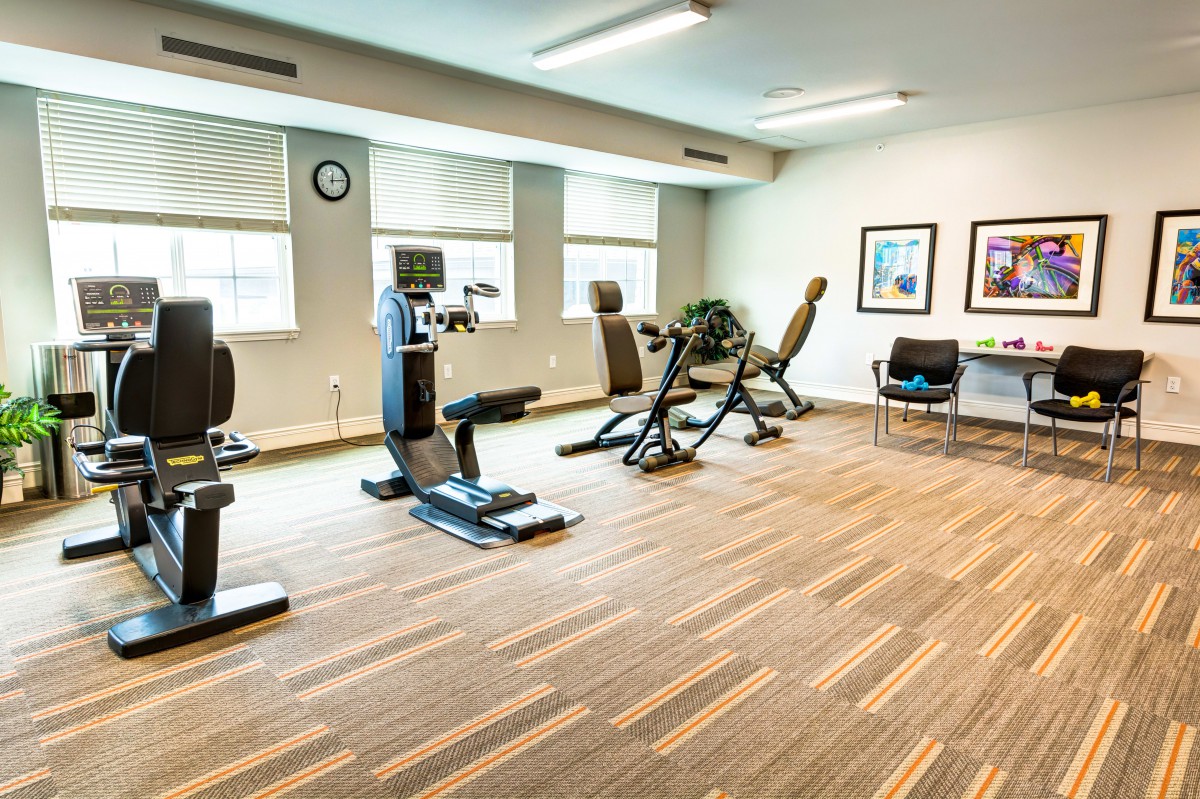
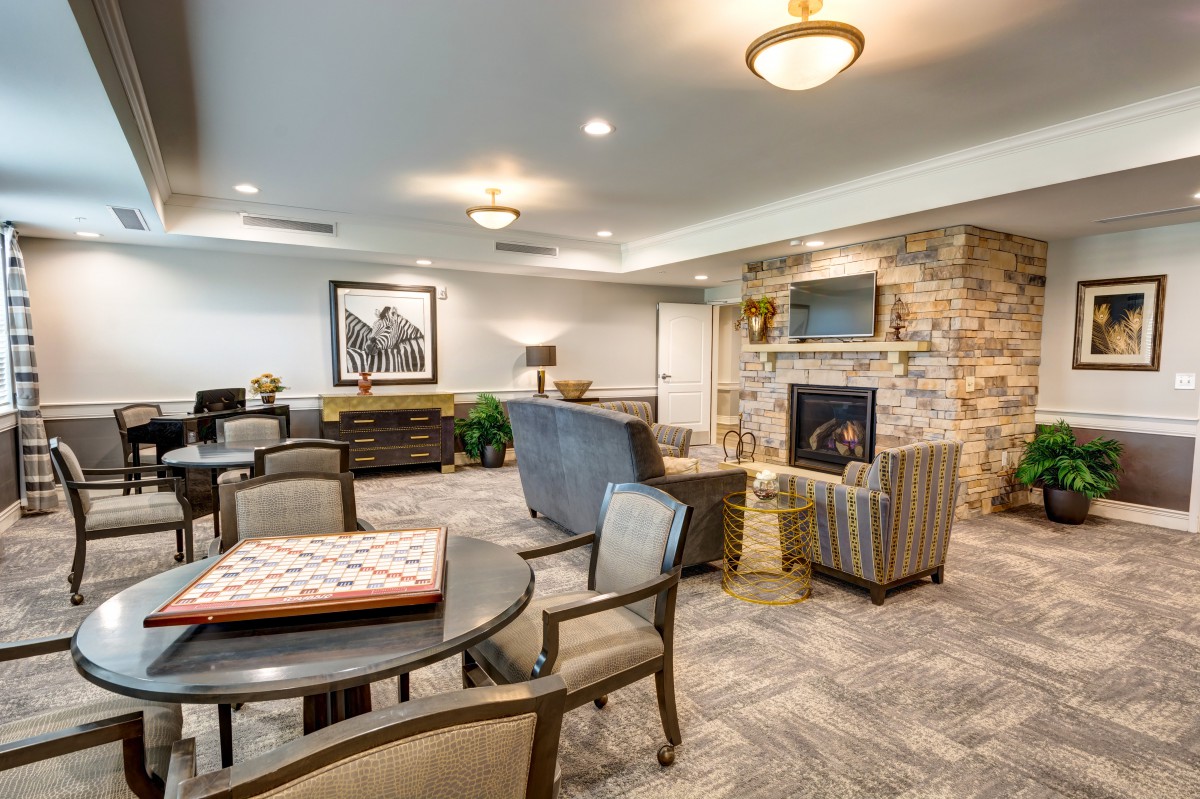
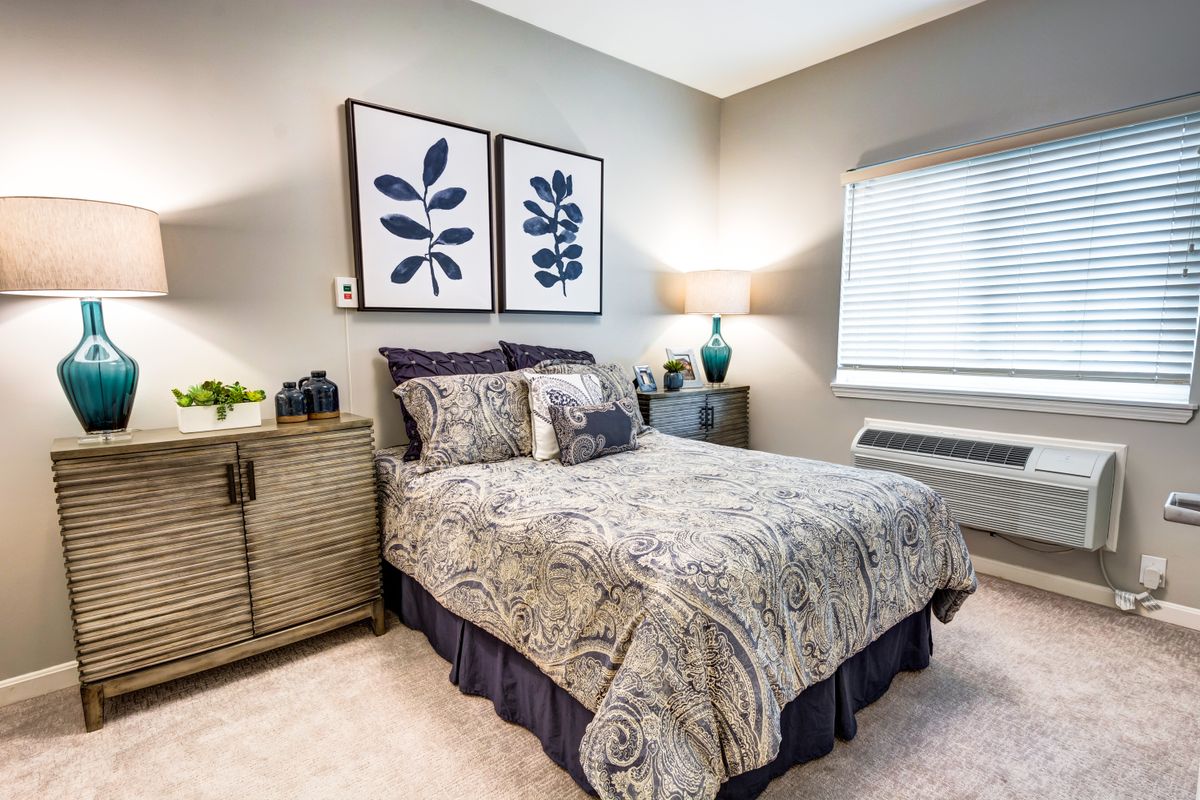
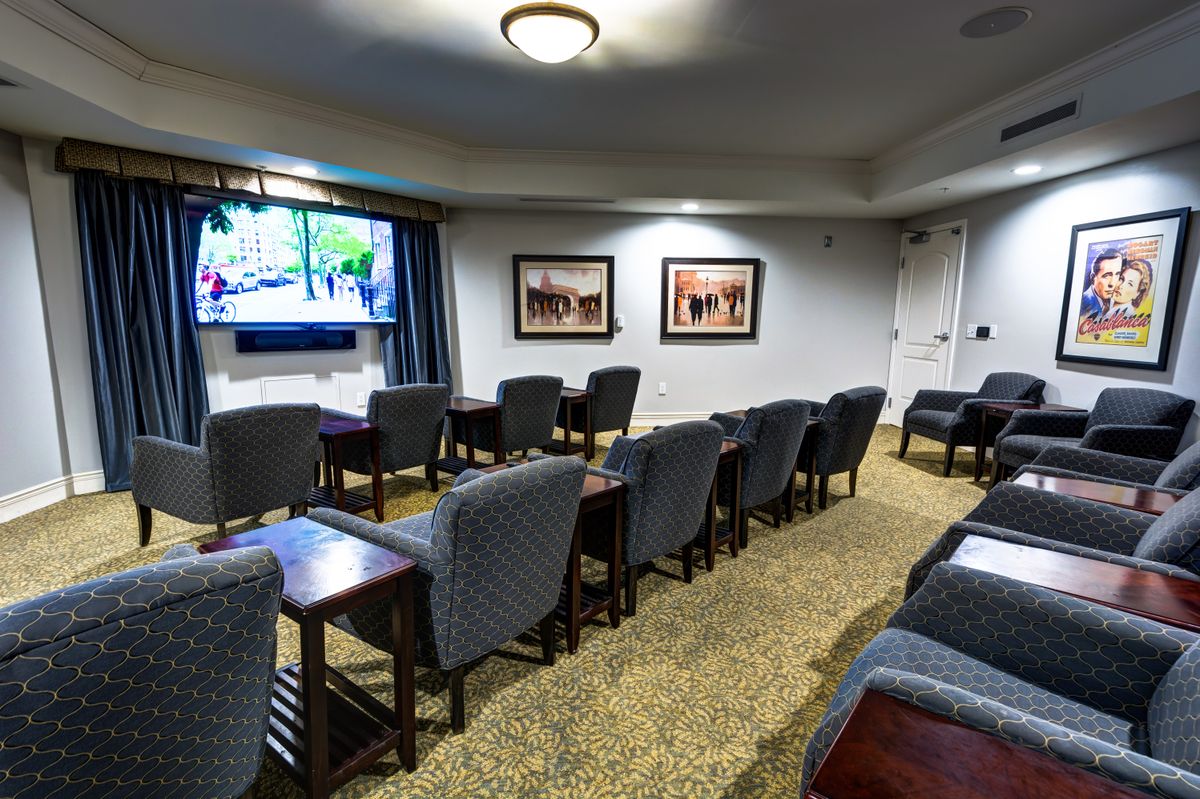
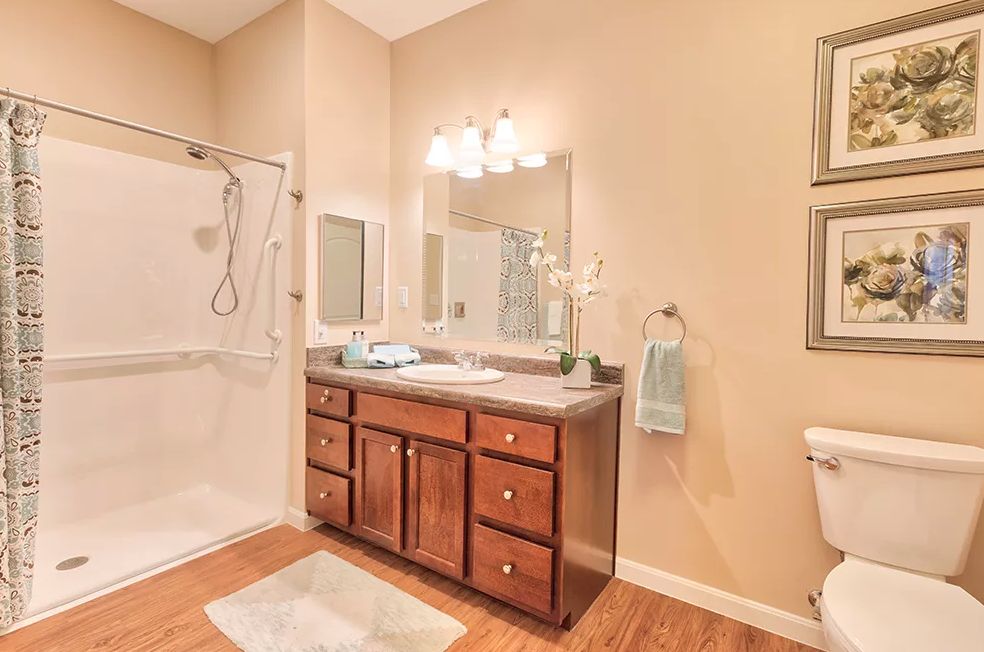
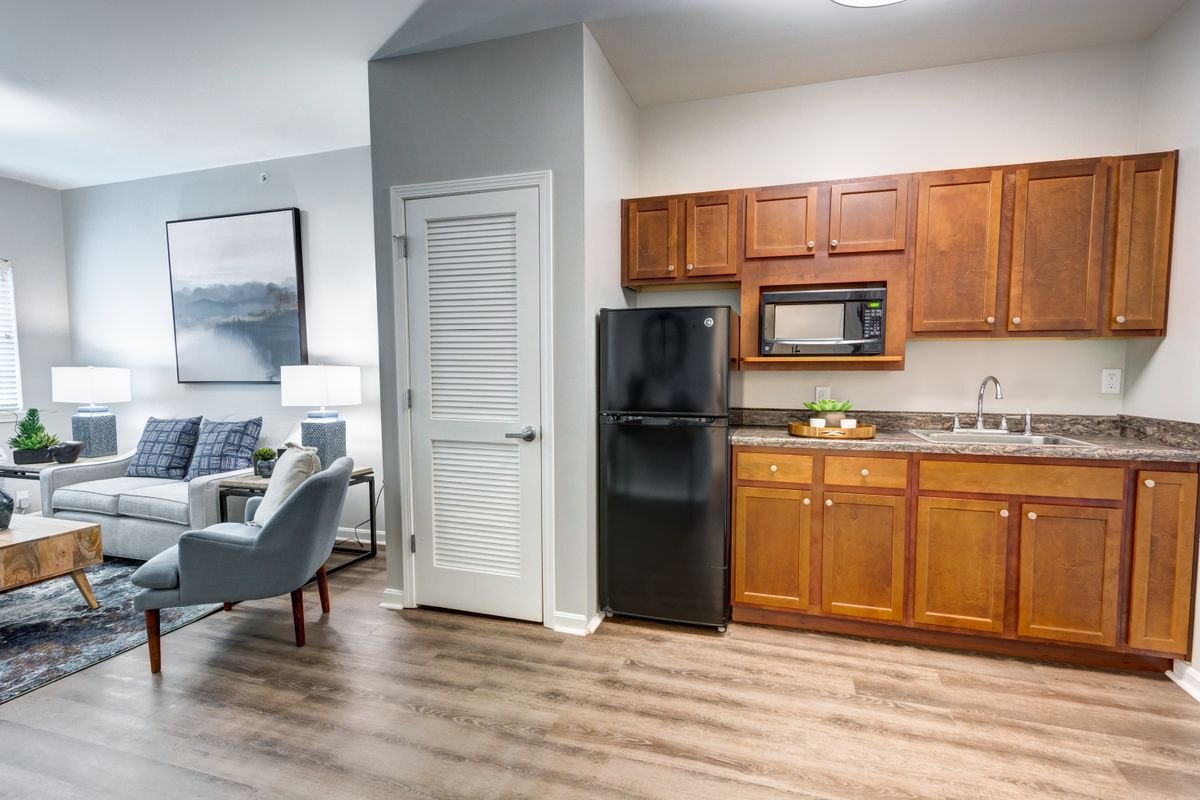
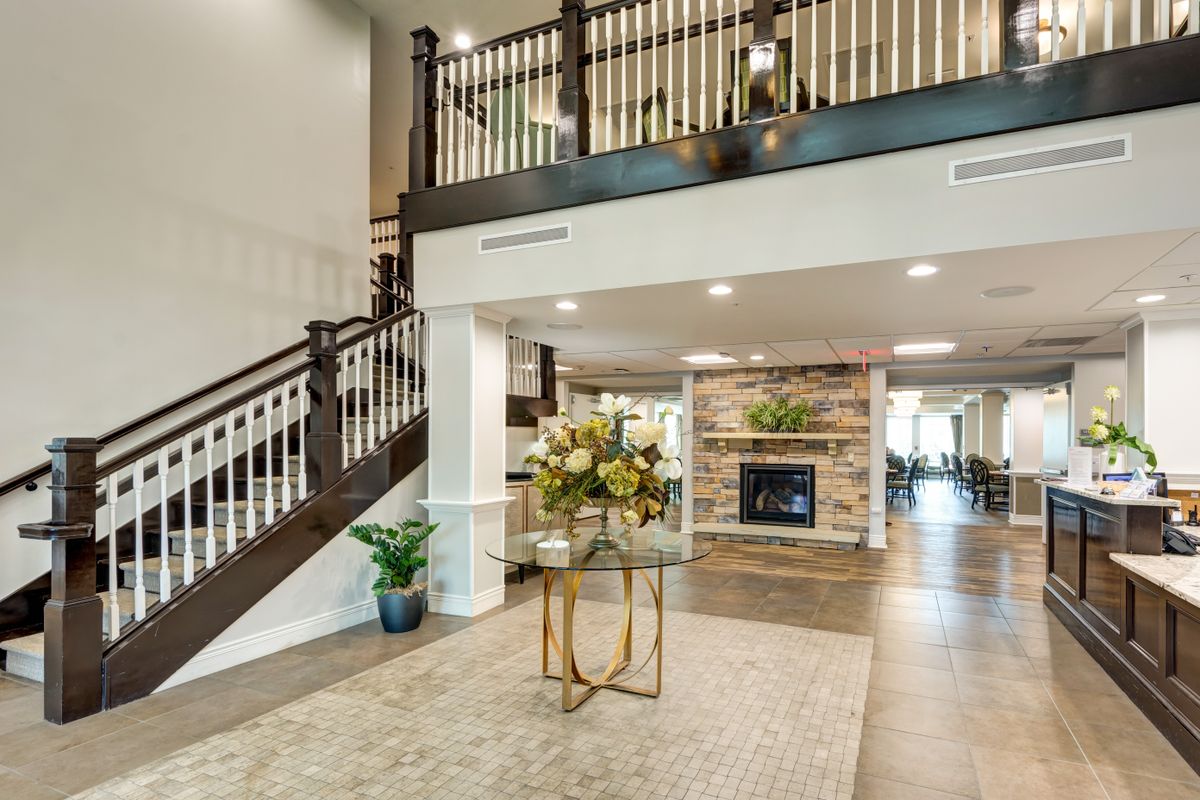
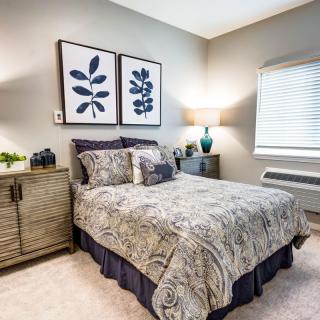
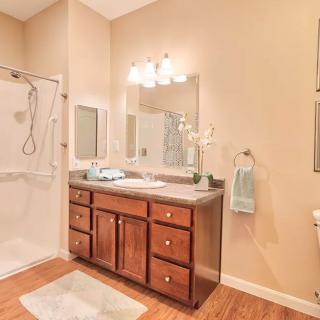
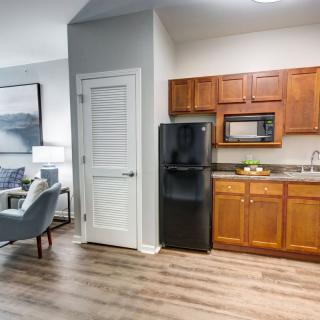
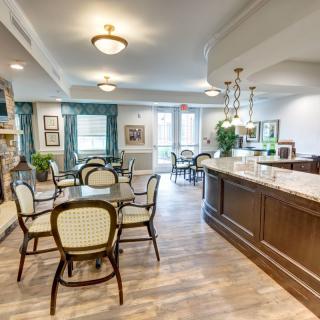
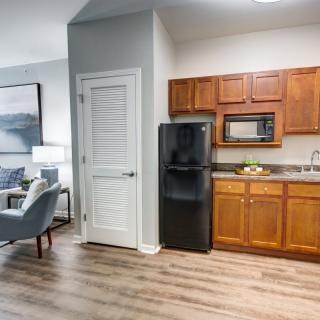
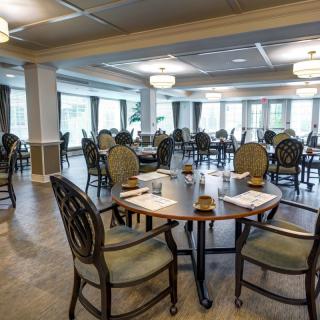
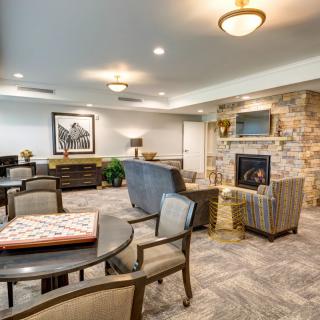
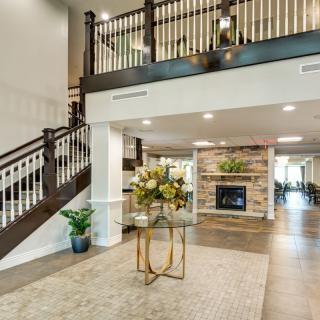
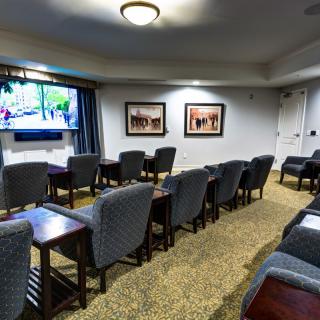
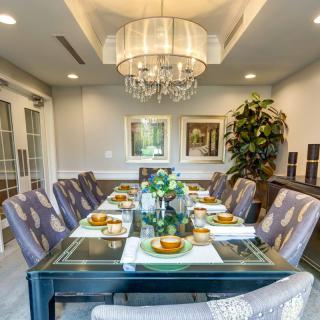
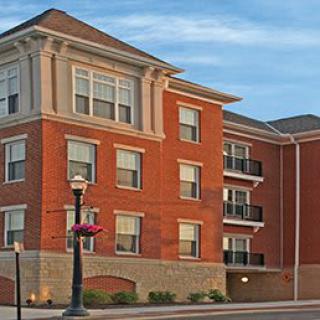
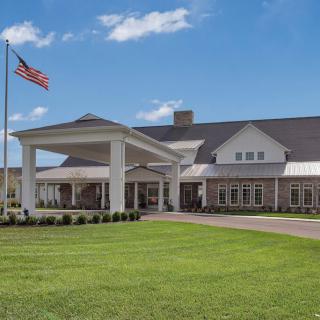
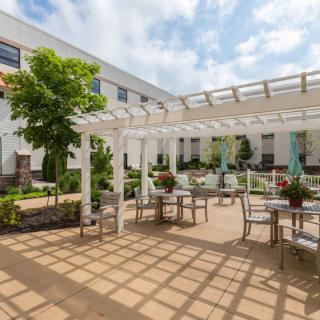
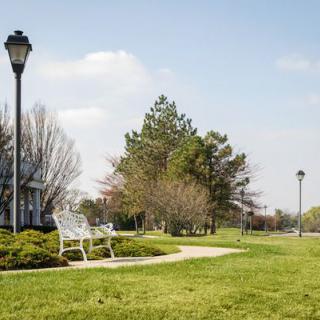
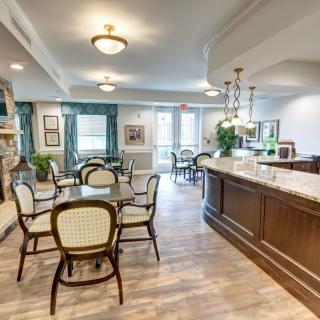
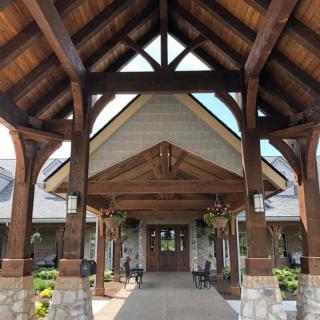
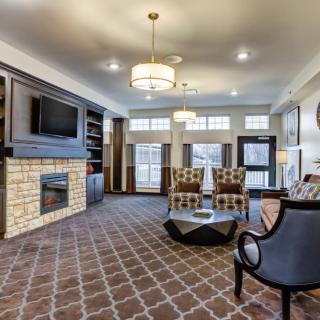
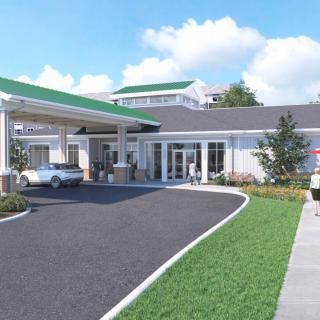
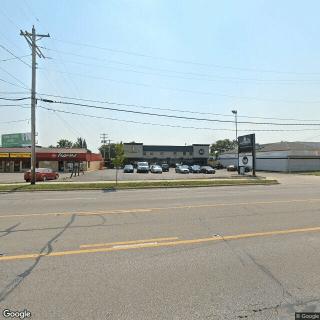
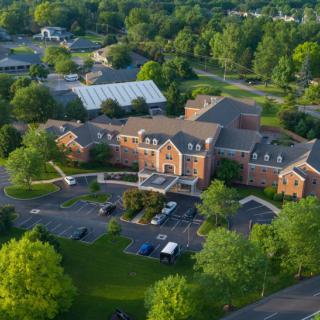
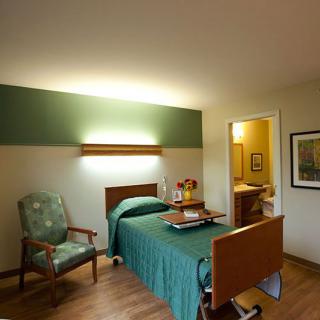
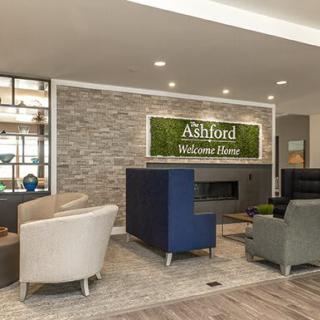
Hilliard Assisted Living & Memory Care on seniors.fyi includes 20 photos including images showing interior, decor, living room, dining, floor plan, bedroom, kitchen, fireplace, and more.
Nearby Communities
Stone Oak Retirement Community
Hilliard, OH
4.7 from 63 reviews
$3,520 to $5,300 / month
Friendly staff, active lifestyle, and well-maintained apartments.
Altercare Of Hilliard Post-Acute Center
Hilliard, OH
2.4 from 12 reviews
Strong rehabilitation services (PT/OT/SP) and a clean, well-maintained environment with good meals.
Inn at Library Way
Hilliard, OH
4.5 from 55 reviews
$3,150 to $4,950 / month
Beautiful, clean, one-floor community with friendly staff and engaging activities.
Norwich Springs Health Campus
Hilliard, OH
3.9 from 73 reviews
Modern, brand-new campus with exceptional cleanliness, attentive staff, well-appointed rooms, and refined dining.
Verena at Hilliard
Hilliard, OH
4.6 from 51 reviews
$2,999 to $4,099 / month
Strong sense of community with friendly staff, engaging activities, and high-quality dining.
Life Glow Care, LLC
Columbus, OH
5 from 3 reviews
Strong access to nearby amenities and services (cafes, restaurants, parks, healthcare, worship, theatre).
Harmony Trace
Hilliard, OH
4.5 from 20 reviews
$4,900 to $5,200 / month
Excellent tour experience with friendly, personalized care.
Mill Run Rehabilitation Center
Hilliard, OH
3.6 from 136 reviews
Home-like atmosphere with caring staff and engaging activities.
The Ashford at Sturbridge
Hilliard, OH
4.2 from 85 reviews
$3,545 to $4,280 / month
Friendly staff and clean, well-maintained surroundings with engaging activities.
Alzheimer’s disease is a progressive neurological disorder that significantly impacts memory and cognitive functions, accounting for 60-80% of dementia cases, with early diagnosis being crucial yet challenging. It involves brain changes like beta-amyloid plaques and tau tangles, influenced by genetic and lifestyle factors, and while there is no cure, symptom management and support for caregivers are essential.
Dementia, influenced by aging and certain medications, may be exacerbated by drug classes such as anticholinergics, benzodiazepines, and antipsychotics, which are associated with cognitive impairment. Regular medication reviews by healthcare professionals are crucial for older adults to manage risks and optimize cognitive health.
Dementia often results in disrupted sleep patterns, leading to excessive daytime sleeping due to factors like brain damage affecting circadian rhythms, medication side effects, and lack of structure in daily activities. Caregivers must monitor these changes closely, as oversleeping can increase risks such as malnutrition or dehydration, and provide necessary support and routines to enhance patient engagement and well-being.
Television, Wall Art, Conference Room, and Meeting Space
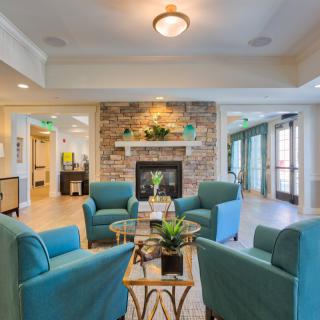
Chandelier
Fireplace
Seating Area
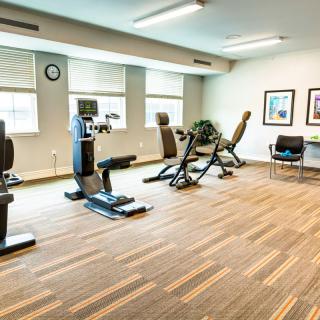
Exercise Equipment and Gym
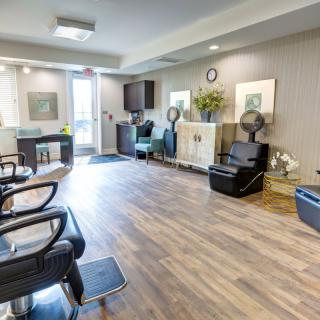
Salon, Waiting Area, and Mirrors
Shower
Open Space and Staircase
Spacious
Stone Wall
Lighting Fixtures
Exercise Room and Workout Space
Treadmills and Fitness Room
Fridge
Get PricingAsk A QuestionSchedule A TourContact Senior Advisor
By clicking submit, you agree to our Partner's Terms of Use. You
also consent to receive calls and texts, which may be autodialed, from our Partner. Your consent is not a condition to
using our Partner's service. Please visit our Partner's Privacy Policy for information about their privacy practices.

 115 resident community capacity
 Assisted Living
 Memory Care
 Activities off-site
 Air-conditioning
 Beautician on-site
 Cable or satellite TV
 Computer center
 Devotional services off-site
 Dining room
 Fitness room
 Fully furnished
 Gaming room
 Garden
 Ground floor units
 Handicap accessible
 Housekeeping services
 Indoor common areas
 Kitchenette
 Move-in coordination
 Outdoor common areas
 Private bathrooms
 Restaurant-style dining
 Small library
 Telephone
 Wellness center
 Wheelchair accessible showers
 Wi-Fi/high-speed internet available
 John Glenn Columbus International Airport (13 miles away)
 Community operated transportation
 12-16 hour nursing
 24-hour call system
 Ambulatory care
 Assistance with bathing
 Assistance with dressing
 Assistance with transfers
 Diabetes diet
 Diabetic care
 Incontinence care
 Medication management
 Mental wellness program
 Special dietary restrictions
 Art classes
 Concierge services
 Cooking classes
 Day trips and outings
 Educational speakers / life long learning
 Happy hour
 Karaoke
 Live dance or theater performances
 Live musical performances
 Wine tasting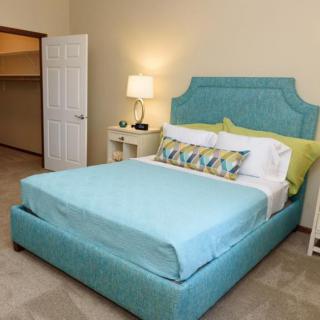
 Friendly staff, active lifestyle, and well-maintained apartments.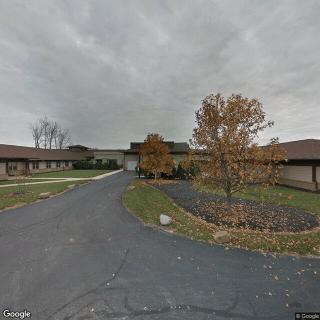
 Illuminating Insights About Alzheimer's Disease: Ten Crucial Realities
 A Thorough Discussion of Medications Potentially Linked to Dementia Risk
 Why Do Dementia Patients Sleep So Much? Understanding Oversleeping, Stages, and Care Approaches