
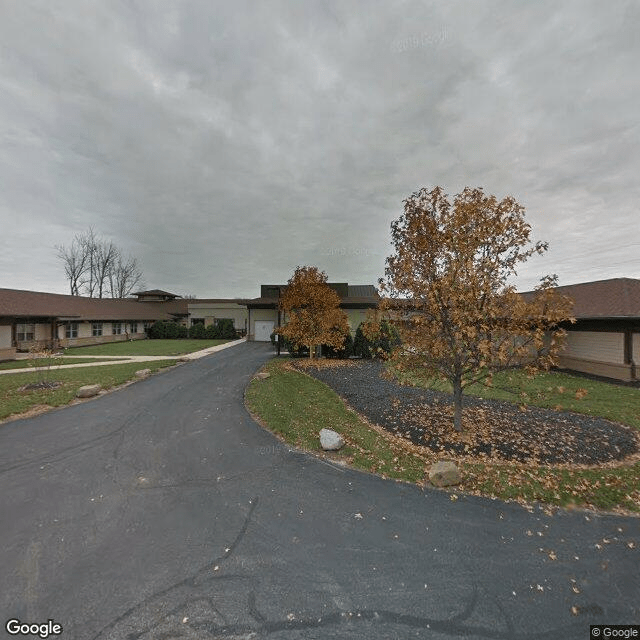
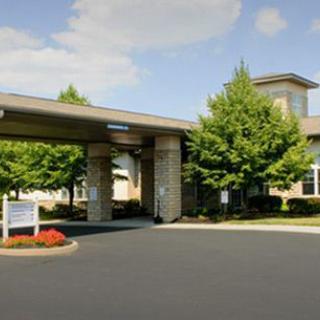
4660 Trueman Boulevard, Hilliard, OH 43026
For more information about senior living options: (866) 208-4318
Overall Review of Altercare Of Hilliard Post-Acute Center
Pros
 The staff are friendly, caring, and patient.
- The facility is clean and the rehabilitation rooms are private.
- The rehabilitation and speech therapy teams are good and dependable.
- The nursing staff and aides are dedicated and attentive.
- The food is tasty and meets various dietary needs.
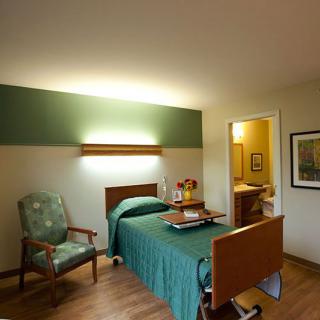
- The double rooms can accommodate married couples, a notable positive feature.
Cons
 The manager lied.
- The nurses knew nothing about the medications the patient was receiving, and the patient was given the wrong meds on several occasions.
- A nurse dropped a pill on the floor, picked it up, and gave it to the patient.
- There were concerns about sanitation.
- The facility was dirty, and supplies had to be bought by residents.
- The staffing relied heavily on temporary and agency workers, leading to inconsistent, unfamiliar care.
- Infection-control practices were severely lacking, including not changing gloves between tasks and using the same gloves for cleaning and touching clean clothes and equipment.
- The call button was out of reach, delaying assistance.
- Patients were left without adequate care, sometimes resulting in falls, dehydration, or worse, including a death attributed to neglect.
- The facility was described as pathetic and not recommended, with chronic short-staffing.
Review
Altercare of Hilliard Post-Acute Center is best suited for seniors who need skilled rehabilitation after a hospital stay or major surgery and who value accessible therapy, clean private rehab spaces, and predictable meal routines. The rehab team, particularly speech therapy, is repeatedly cited as a meaningful asset, and private rehab rooms with a solid dining program help create a sense of routine and comfort during recovery. The facility also offers a room configuration that allows married couples to stay together, a feature that matters to recovery-minded couples navigating transitions. It is not a fit for residents requiring robust dementia care or consistently high-level, 24/7 nursing supervision, where safety and specialized support are non-negotiable.
Those considering alternatives should weigh the realities of nursing oversight and safety. Several reviews describe medication errors, lapses in sanitation, and a heavy reliance on agency staff, which can translate into inconsistent daily care and variable clinical monitoring. Families that cannot tolerate long waits for assistance, frequent staff turnover, and gaps in communication will likely find better alignment elsewhere. For residents with moderate to severe dementia or wandering tendencies, the facility’s stated capabilities appear limited, making memory-care focused communities or facilities with specialized behavioral health support a safer option. In short, strong safety and memory-care capabilities point toward other choices.
The main positives, strong rehabilitation services and clean, privacy-conscious rehab spaces, do not fully offset the most significant drawbacks. Where the rehab and speech therapy shine, meaningful progress can occur, supported by a comfortable setting and dependable meal service. For families prioritizing therapy access and the ability to keep a spouse close during recovery, these factors carry real weight. Yet the consistency of care is undermined by medication management concerns, instances of sanitation lapses, and uneven nursing familiarity with patients’ medications. When safety and continuity of care are paramount, the benefits of rehab strength can be eclipsed by reliability risks.
Operational realities cited in reviews center on staffing and communication. The facility’s reliance on agency staff and notable turnover create a moving target for dependable, day-to-day care. Reports of delayed call-bell responses, uneven showers, and uneven personal attention erode trust in routine safety. Infection-control practices appear inconsistent in some accounts, and several families describe feeling outpaced or uninformed during critical moments. While some caregivers are praised for kindness and patience, other experiences reflect deeply troubling gaps that demand proactive oversight by families and the administration alike to prevent recurrence.
Practical evaluation steps can sharpen the decision. A prospective resident or family should request a candid tour focused on the therapy gym, dining operations, and private rehab rooms. Inquire about staffing patterns: the mix of full-time and agency personnel, and the nurse-to-patient ratio across shifts. Probe medication management procedures, including med reconciliation safeguards and how near-misses are tracked. Ask about infection-control training for aides and whether any dementia-care resources are available if needed. Confirm room layouts that affect privacy and the ability for couples to stay together, and verify call-system accessibility. Seek evidence of recent quality improvements and a credible, dated plan to address the most common concerns.
Ultimately, Altercare of Hilliard Post-Acute Center can deliver solid rehab results for residents who can tolerate some risk and who prize therapy access, privacy, and meal quality. Its strongest case rests with rehab-focused stays and with couples seeking shared rooms, not with residents who require steady, high-level nursing oversight or advanced dementia care. Families should enter with clear expectations: verify staffing stability, insist on robust medication-safety protocols, and demand transparent communication. When safety, consistent staffing, and dementia-capable care cannot be compromised, exploring alternatives with stronger track records in those domains is prudent. If a carefully supervised rehabilitation stay aligns with priorities, this community remains a viable option.
 72 resident community capacity
 Skilled Nursing Facility
 Air-conditioning
 Beauty salon
 Cable or satellite TV
 Computer center
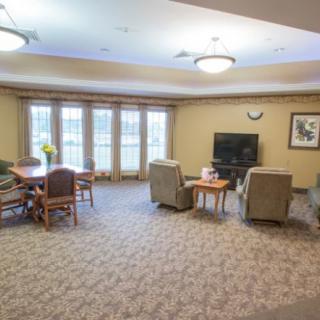
 Dining room
 Fitness room
 Fully furnished
 Gaming room
 Garden
 Housekeeping services
 Kitchenette
 Move-in coordination
 Outdoor space
 Private bathrooms
 Restaurant-style dining
 Small library
 Telephone
 Wellness center
 Wi-Fi/high-speed internet available
 John Glenn Columbus International Airport (13 miles away)
 Community operated transportation
 12-16 hour nursing
 24-hour call system
 Activities of daily living assistance
 Assistance with bathing
 Assistance with dressing
 Assistance with transfers
 Diabetes diet
 Medication management
 Mental wellness program
 Special dietary restrictions
 Concierge services
 Planned day trips


 Comprehensive Exploration of Living Wills and Other Advance Directives
 A Detailed Exploration of Living Wills and Advance Directives
 Comprehensive Guide to Medicare Coverage for Hospice Care