At the Inn at Library Way, the monthly accommodation costs reflect a competitive positioning relative to the regional market. For instance, a studio is priced at $3,150, which is notably lower than Madison County's average of $3,738 and Ohio's state average of $3,727. Similarly, the one-bedroom units are offered at $3,600 - slightly above both local and state averages but still within an appealing range given the overall amenities provided. In contrast, the two-bedroom suites are set at $4,950, which significantly exceeds both Madison County's average of $3,215 and Ohio's average of $3,501. This pricing structure could suggest a premium experience for larger accommodations at the Inn at Library Way while maintaining more attractive pricing for smaller units compared to nearby options.
Floor plans
Inn at Library Way
Madison County
Ohio
Studio
$3,150
$3,738
$3,727
1 Bedroom
$3,600
$3,704
$3,712
2 Bedrooms
$4,950
$3,215
$3,501
Memory care communities with a similar price nearby
Residents and families repeatedly describe attentive, caring staff who respond quickly.
Across reviews, families describe staff as compassionate and resident-focused, including nurses and aides who provide day-to-day support. Several also mention quick response times for call buttons and follow-up check-ins, and some describe communication like texts and pictures in memory care. A few reviews are negative about specific interactions, including difficulty getting answers or rude behavior, so experiences can vary by situation and individual.
common8 reviews mention this
Food quality is a frequent highlight
Dining is often praised, with residents and families calling out consistently good meals.
Multiple reviews mention the quality of the food, including descriptions of delicious, nutritious meals and “excellent” food. Some also discuss variety and sharing meals together in common areas. A few reviews note dislikes with specific food preferences or that sides were sometimes short, so food quality may not match every resident’s tastes.
common7 reviews mention this
Activities keep residents engaged
Residents and families describe a steady calendar of activities and outings.
Reviews highlight scheduled daily activities such as crafts, movies, baking, and walking, along with day trips and outings. Families also mention specific group events like wine tastings, happy hour, and seasonal gatherings. In memory care, some describe additional activities in assisted living with the resident pulled in at times, though the community’s “new” status shows up in a few tour impressions.
common25 reviews mention this
The facility feels clean and welcoming
The building’s cleanliness and warm atmosphere are repeatedly mentioned in reviews.
Many reviews describe the facility as beautiful, warm, and always clean, with comfortable common spaces and an inviting environment. Some families also comment on the layout, including large common areas and spacious rooms. There are a few caveats, such as one memory-unit review mentioning an odor, but overall cleanliness and appearance are a dominant theme.
caveat2 reviews mention this
Pricing feels high for some families
Several families feel the cost is expensive and can rise based on care needs.
One review calls the community expensive, while another says the cost increased after the resident needed a higher level of assistance for feeding. Even though the listing shows rates that fall below county and state benchmarks on the price range provided, review-level feedback still reflects affordability pressure for some households.
How we summarize
Counts show how many written reviews mention each theme; a review can touch several themes, and only frequently mentioned themes are displayed.
Features
Housing
22 resident community capacity
Types of Care
Assisted Living
Memory Care
Pets
Cats allowed
Dogs allowed
Amenities
Activities off-site
Activities on-site
Air-conditioning
Bath tubs
Beautician on-site
Beauty salon
Cable or satellite TV
Devotional services off-site
Devotional services on-site
Dining room
Fireplaces
Fully furnished
Garden
Garden view
Ground floor units
Handicap accessible
Housekeeping services
Indoor common areas
Kitchenette
Move-in coordination
Outdoor common areas
Outdoor space
Private bathrooms
Private patio, deck, or balcony
Respite or short term stays offered
Swimming pool / hot tub
Telephone
Wheelchair accessible showers
Wi-Fi/high-speed internet available
Transportation
John Glenn Columbus International Airport (13 miles away)
Care Services
24-hour call system
24-hour supervision
Activities of daily living assistance
Ambulatory care
Assistance with bathing
Assistance with dressing
Assistance with transfers
Coordination with health care providers
Diabetes diet
Diabetic care
High acuity care
Incontinence care
Meal preparation and service
Medication management
Mental wellness program
Special dietary restrictions
Transportation arrangement (medical)
Transportation to doctors appointments
Dining
Diabetes diet
Guest meals
Meals provided
Professional chef
Restaurant style dining
Special dietary restrictions
Special dining programs
Activities
Art classes
Bible study group
Catholic services
Community-sponsored activities
Cooking classes
Day trips and outings
Devotional activities offsite
Devotional activities on-site
Educational speakers / life long learning
Happy hour
Live musical performances
Resident-run activities
Scheduled daily activities
Visiting chaplain or priest
Wine tasting
Nearby Places of Interest
This part of Hilliard, Ohio provides convenient access to a variety of essential services for seniors. With multiple physicians, pharmacies, and hospitals within a few miles, residents can easily access healthcare when needed. There are also plenty of dining options nearby, ranging from casual fast food to sit-down restaurants. For recreation and relaxation, several parks offer opportunities for outdoor activities and enjoying nature. Additionally, the presence of places of worship caters to spiritual needs. The availability of cafes and entertainment venues like theaters ensure that residents have plenty of options for socializing and staying active. Overall, this area offers a well-rounded community with easy access to key amenities that would make it a suitable choice for senior living.
Physicians
OhioHealth Laboratory Services - Hilliard Health Center (0.8 miles)
Hilliard Family Medicine (0.9 miles)
Hilliard Pediatrics (1.1 miles)
Orthopedic One (1.2 miles)
Samantha M Kinross O D (1.8 miles)
Internal Medicine Pediatrics Hilliard (1.8 miles)
Northwest Family Physicians (1.9 miles)
Restaurants
Rusty Bucket Restaurant and Tavern (1 miles)
Taco Bell (1.1 miles)
Dave & Buster's (1.6 miles)
Scene75 Entertainment Center (1.8 miles)
McDonald's (1.9 miles)
Bonefish Grill (1.9 miles)
BJ's Restaurant & Brewhouse (2 miles)
Pharmacies
CVS Pharmacy (1.5 miles)
Walgreens (1.7 miles)
CVS Pharmacy (2.6 miles)
CVS Pharmacy (3.1 miles)
CVS Pharmacy (3.6 miles)
Marc's Stores (3.7 miles)
Market District Supermarket (4 miles)
Places of Worship
Saint Brendan Catholic Church (1.7 miles)
Scioto Ridge United Methodist Church (1.7 miles)
St Andrew Church (3.8 miles)
Saint Brigid of Kildare Catholic Church (5 miles)
Parks
Hilliard Municipal Park (2 miles)
Homestead Park (2.4 miles)
Carriage Place Park (2.9 miles)
Quarry Trails Metro Park (3.2 miles)
Thompson Park (3.5 miles)
Coffman Park (4 miles)
Avery Park (5.3 miles)
Cafes
Starbucks (2.1 miles)
Kona Craft Kitchen (4.2 miles)
Panera Bread (4.5 miles)
Tim Hortons (5.6 miles)
Crimson Cup (6.2 miles)
Starbucks (6.3 miles)
Transportation
The Ohio State University Airport at Don Scott Field (OSU) (3.8 miles)
At the Inn at Library Way, the monthly accommodation costs reflect a competitive positioning relative to the regional market. For instance, a studio is priced at $3,150, which is notably lower than Madison County's average of $3,738 and Ohio's state average of $3,727. Similarly, the one-bedroom units are offered at $3,600 - slightly above both local and state averages but still within an appealing range given the overall amenities provided. In contrast, the two-bedroom suites are set at $4,950, which significantly exceeds both Madison County's average of $3,215 and Ohio's average of $3,501. This pricing structure could suggest a premium experience for larger accommodations at the Inn at Library Way while maintaining more attractive pricing for smaller units compared to nearby options.
The Inn at Library Way's comprehensive features are specifically designed to support residents with dementia or Alzheimer's disease in several crucial areas of daily life. Continuous 24-hour supervision ensures safety and immediate assistance when needed, providing peace of mind for both residents and families. Personalized help with activities of daily living, including bathing, dressing, and transfers, fosters independence while maintaining dignity. Coordination with healthcare providers allows for tailored care plans that address both medical needs and personal preferences. Incontinence care is administered sensitively, which promotes comfort and respect for privacy. Meal preparation is handled thoughtfully to ensure nutritional needs are met without overwhelming the residents, while medication management reduces the risk of errors that can significantly impact health outcomes. Additionally, a mental wellness program engages residents cognitively and emotionally, offering them meaningful activities that enhance their quality of life. Finally, transportation arrangements for medical appointments simplify logistics for families while ensuring residents receive consistent access to necessary healthcare services. Each feature collectively addresses the unique challenges faced by individuals with cognitive impairments, enhancing their overall well-being in a supportive environment.
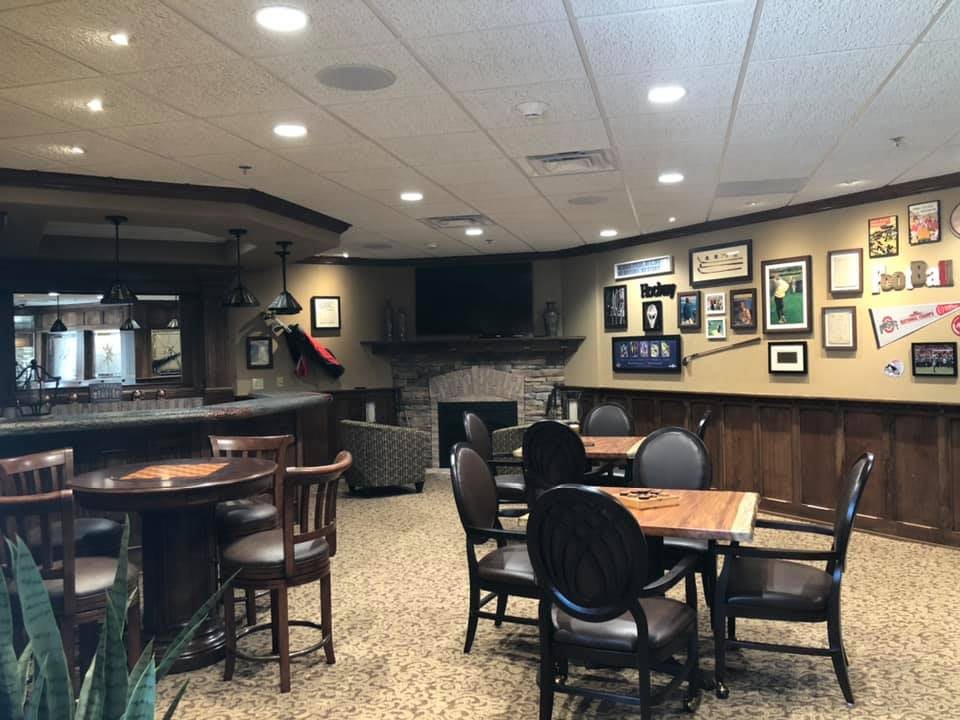
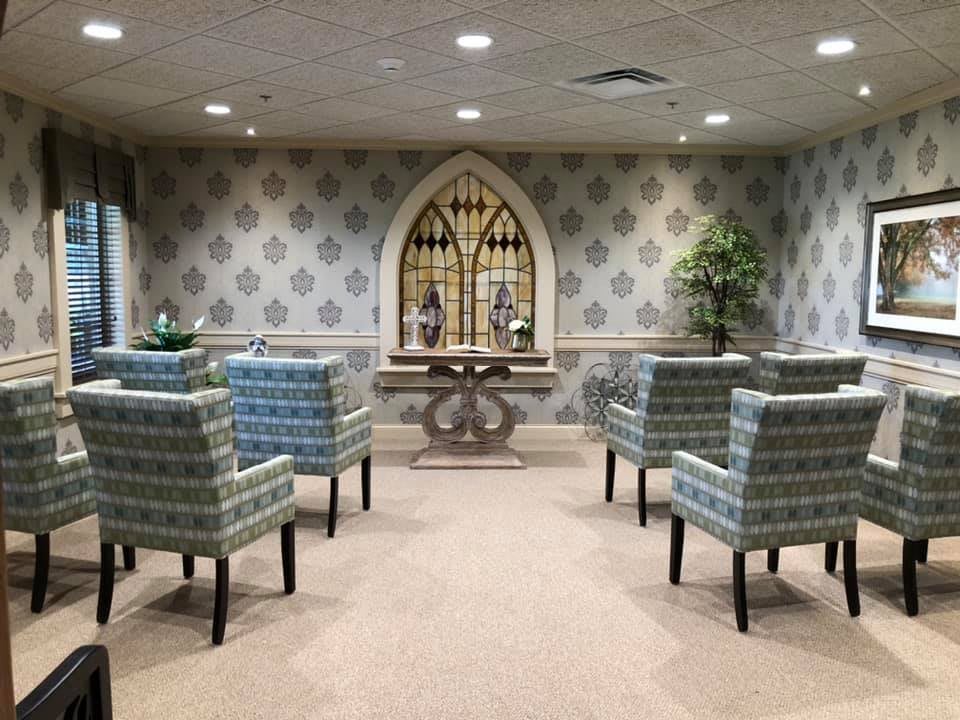
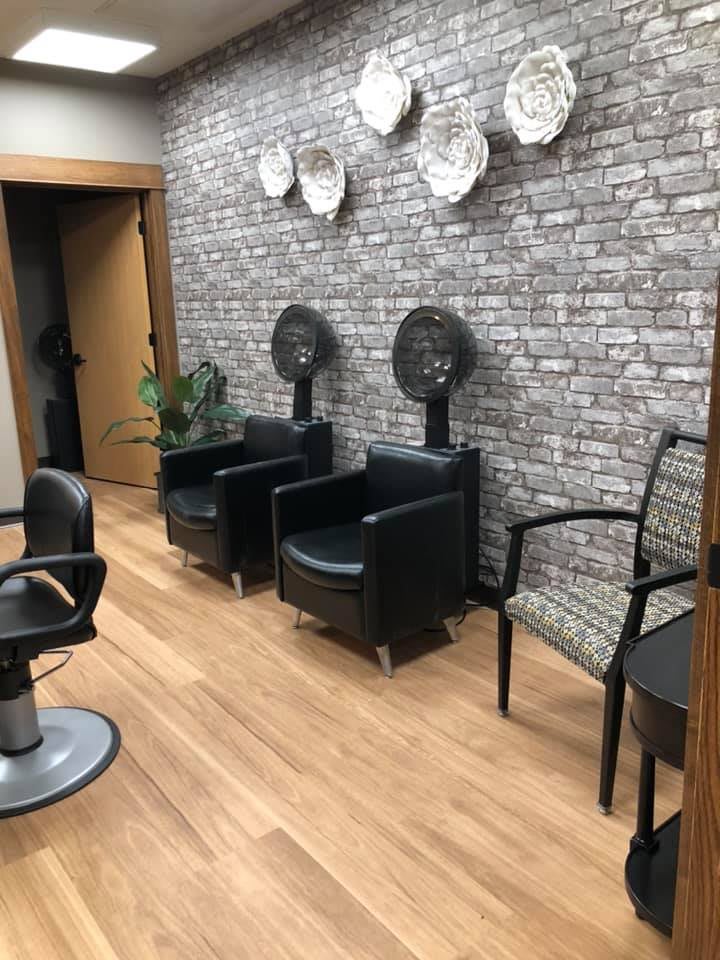
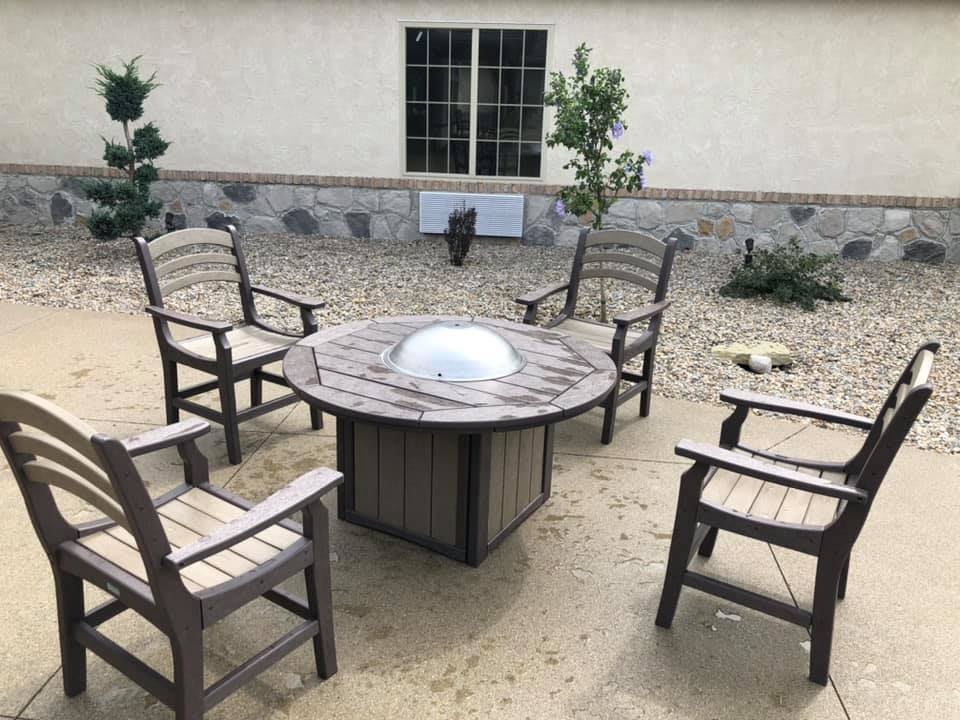
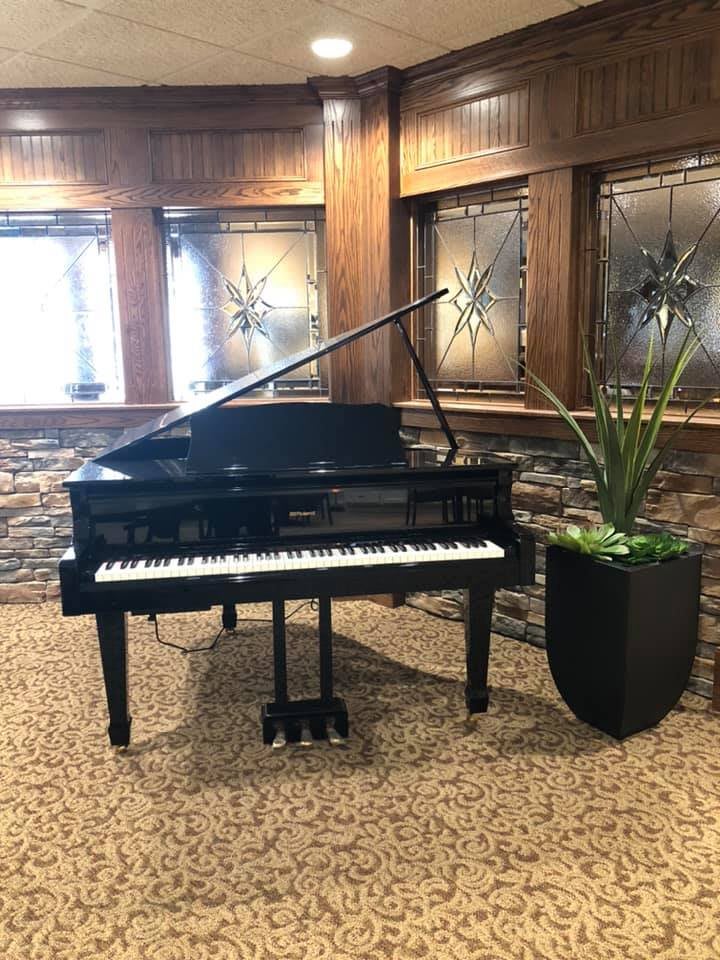
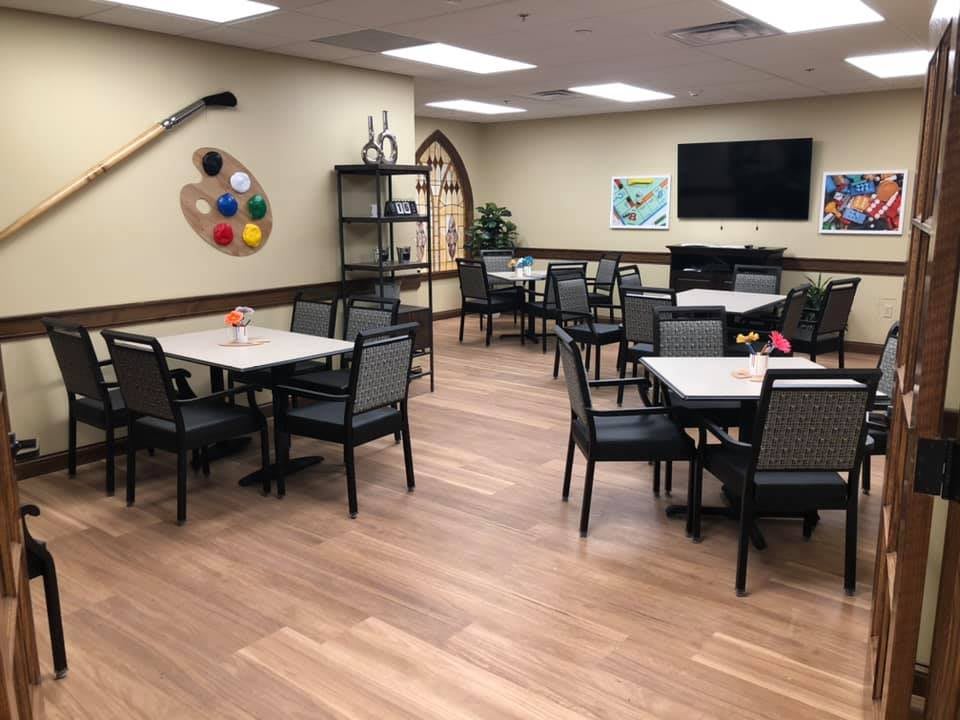
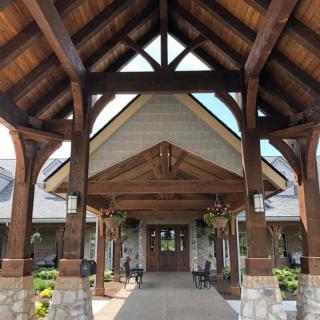
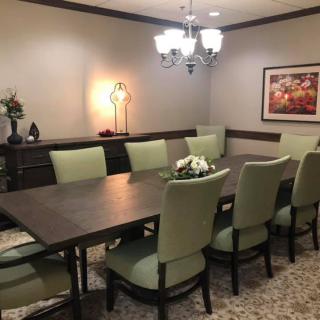
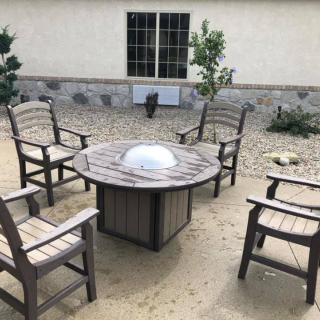
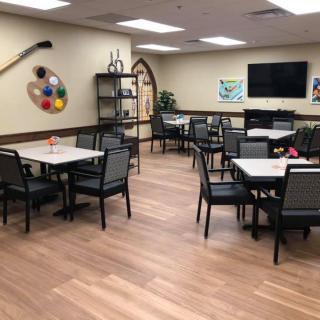
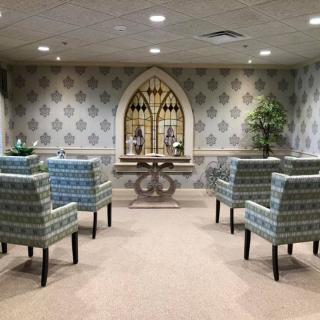
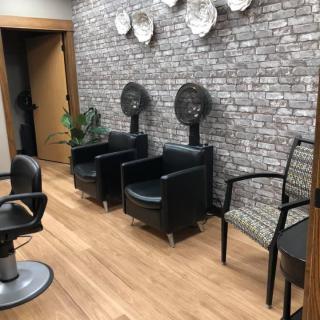
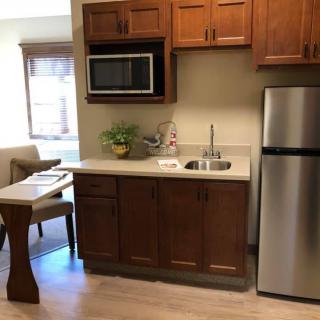
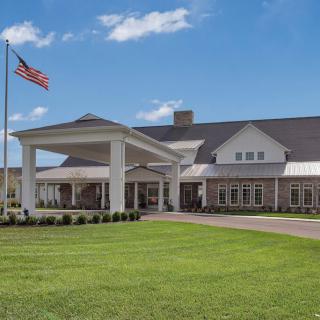
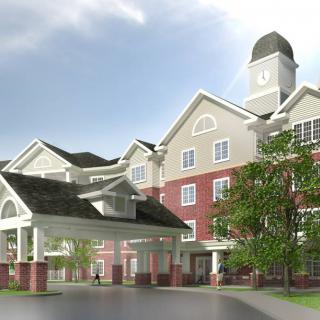
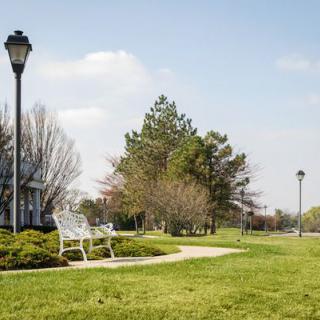
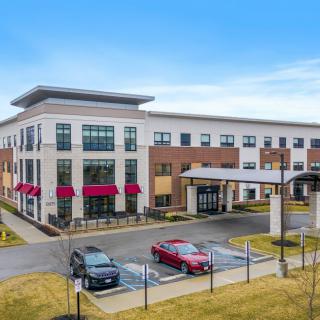
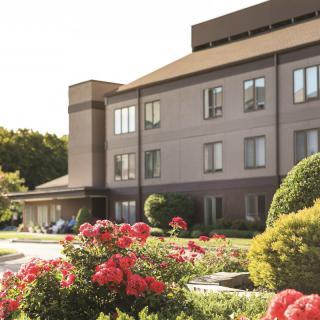
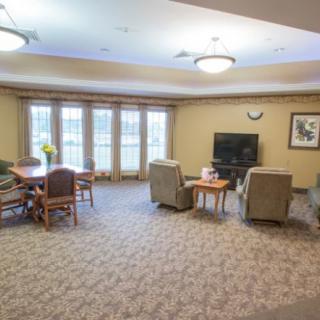
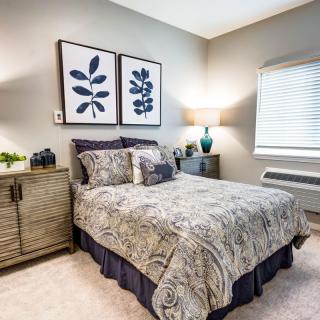
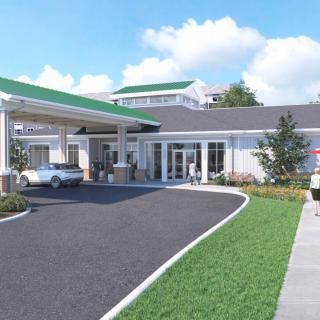
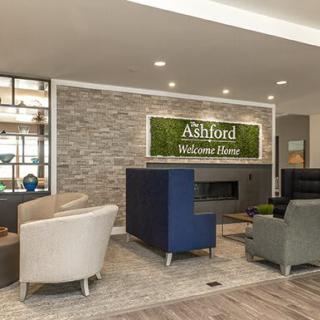
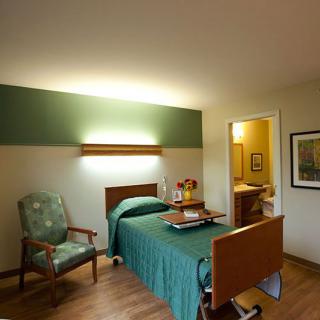
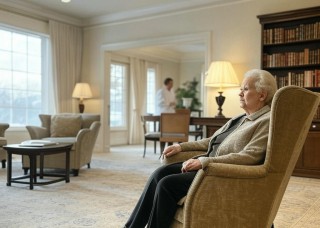
Inn at Library Way on seniors.fyi includes 11 photos including images showing interior, dining, decor, waiting area, windows, salon, brick wall, chandelier, and more.
Nearby Communities
Norwich Springs Health Campus
Hilliard, OH
3.9 from 73 reviews
Modern, brand-new campus with exceptional cleanliness, attentive staff, well-appointed rooms, and refined dining.
The Estates at Tremont Club
Hilliard, OH
4.3 from 51 reviews
Comprehensive care with on-site meal prep, medication management, flexible dining options, and Wi-Fi.
Darby Glenn Nursing And Rehabilitation Center
Hilliard, OH
3.9 from 122 reviews
Caring staff and a clean, modern facility with robust amenities.
Altercare Of Hilliard Post-Acute Center
Hilliard, OH
2.4 from 12 reviews
Strong rehabilitation services (PT/OT/SP) and a clean, well-maintained environment with good meals.
Hilliard Assisted Living & Memory Care
Hilliard, OH
4.2 from 49 reviews
$3,650 to $5,665 / month
Friendly, caring staff with engaging activities and good dining.
Verena at Hilliard
Hilliard, OH
4.6 from 51 reviews
$2,999 to $4,099 / month
Strong sense of community with friendly staff, engaging activities, and high-quality dining.
The Ashford at Sturbridge
Hilliard, OH
4.2 from 85 reviews
$3,545 to $4,280 / month
Friendly staff and clean, well-maintained surroundings with engaging activities.
Harmony Trace
Hilliard, OH
4.5 from 20 reviews
$4,900 to $5,200 / month
Excellent tour experience with friendly, personalized care.
Mill Run Rehabilitation Center
Hilliard, OH
3.6 from 136 reviews
Home-like atmosphere with caring staff and engaging activities.
Dementia, primarily caused by Alzheimer's disease but also linked to other conditions, leads to cognitive decline impacting memory and daily functioning, with individuals experiencing varied awareness of their impairments. Despite memory loss, emotional connections persist, enabling responses to familiar stimuli, highlighting the need for caregivers to provide compassionate support that recognizes both limitations and retained emotional depth.
The article presents five subtle indicators of dementia, such as memory lapses and mood swings, to help families assess cognitive decline in loved ones. It emphasizes early detection, open communication, and seeking professional help while providing practical support steps.
Dementia encompasses progressive neurological disorders that impair cognitive functions and can lead to paranoia due to cognitive decline and emotional changes. The article discusses the triggers of paranoia in dementia, caregiver strategies for managing it, and the importance of distinguishing between dementia-related paranoia and other psychiatric conditions.
Landscaping, Garden, Patio, Outdoor Furniture, and Fire Pit
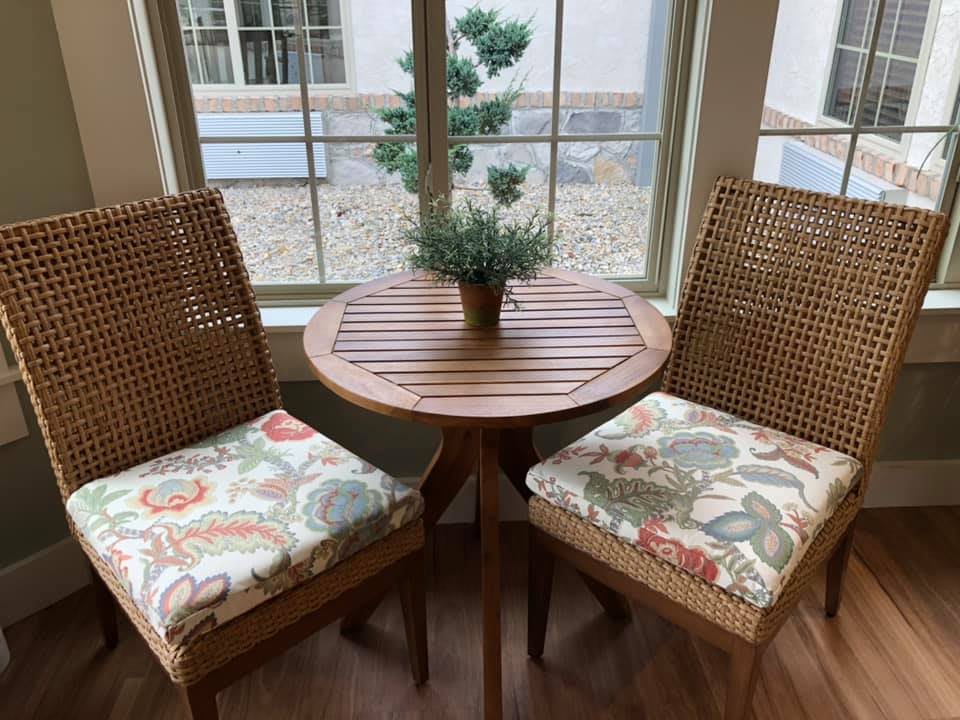
Windows and Plant
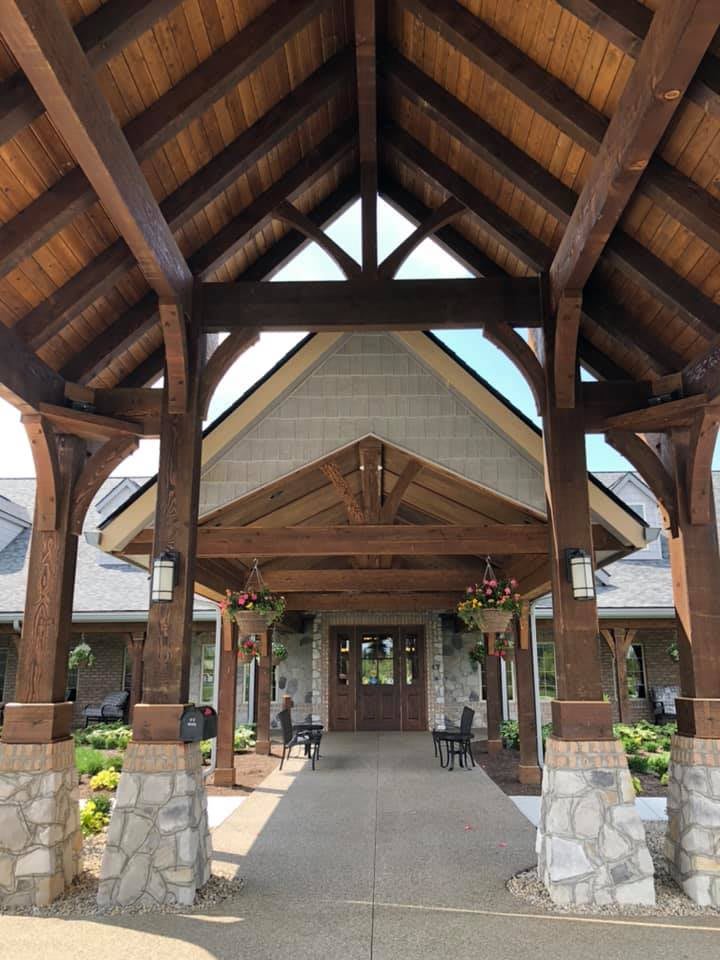
Architecture, Entrance, and Building Exterior
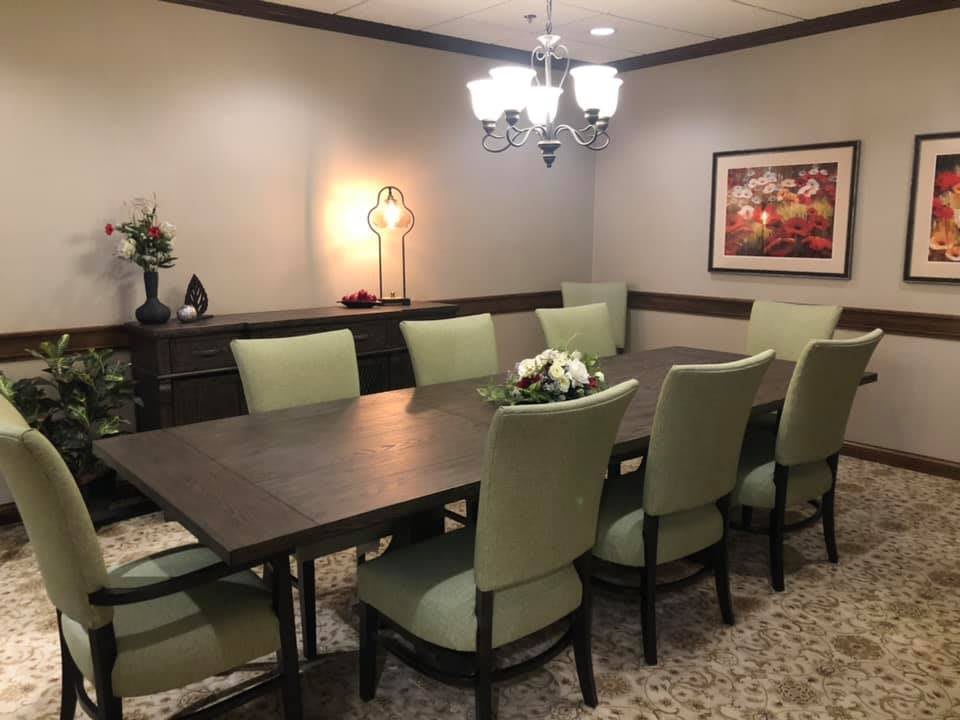
Artwork and Chandelier
Television
Salon and Brick Wall
Seating
Waiting Area
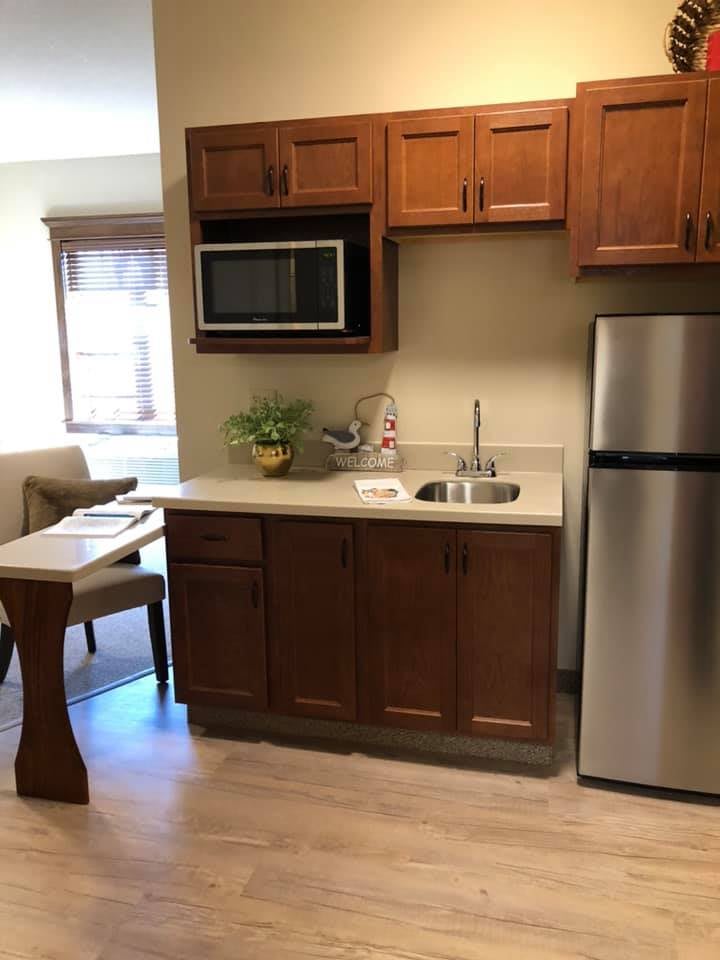
Kitchenette and Fridge
Bar
Get PricingAsk A QuestionSchedule A TourContact Senior Advisor
By clicking submit, you agree to our Partner's Terms of Use. You
also consent to receive calls and texts, which may be autodialed, from our Partner. Your consent is not a condition to
using our Partner's service. Please visit our Partner's Privacy Policy for information about their privacy practices.

 22 resident community capacity
 Assisted Living
 Memory Care
 Cats allowed
 Dogs allowed
 Activities off-site
 Air-conditioning
 Bath tubs
 Beautician on-site
 Cable or satellite TV
 Devotional services off-site
 Dining room
 Fireplaces
 Fully furnished
 Garden
 Ground floor units
 Handicap accessible
 Housekeeping services
 Indoor common areas
 Kitchenette
 Move-in coordination
 Outdoor common areas
 Private bathrooms
 Private patio, deck, or balcony
 Respite or short term stays offered
 Swimming pool / hot tub
 Telephone
 Wheelchair accessible showers
 Wi-Fi/high-speed internet available
 John Glenn Columbus International Airport (13 miles away)
 24-hour call system
 Ambulatory care
 Assistance with bathing
 Assistance with dressing
 Assistance with transfers
 Diabetes diet
 Diabetic care
 High acuity care
 Incontinence care
 Meal preparation and service
 Medication management
 Mental wellness program
 Special dietary restrictions
 Transportation arrangement (medical)
 Transportation to doctors appointments
 Art classes
 Bible study group
 Cooking classes
 Day trips and outings
 Educational speakers / life long learning
 Happy hour
 Live musical performances
 Wine tasting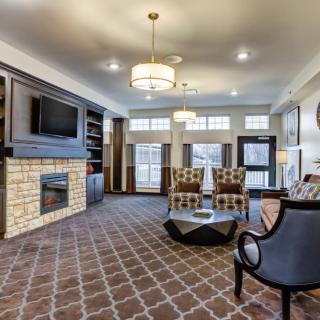
 Modern, brand-new campus with exceptional cleanliness, attentive staff, well-appointed rooms, and refined dining.

 Delving into the Inner World of Dementia: Insights into Thoughts and Awareness
 Five Subtle Dementia Indicators to Observe: An In-Depth Guide to Understanding “Does My Mom Have Dementia?”
 Dementia, Paranoia, and Caregiver Guidance: Understanding the Connection