3476 Fishinger Road, Columbus, OH 43221
To contact a resident: (614) 824-6111
For more information about senior living options: (866) 208-4318
The Jessie Mae Home - Mill Run Costs & Pricing
The Jessie Mae Home - Mill Run offers a compelling residential option for those seeking care, with room rates set at $6,000 per month for both one-bedroom and private accommodations. When compared to the average costs in Franklin County and across Ohio, it becomes evident that The Jessie Mae Home is positioned at a premium price point. Specifically, the county's average for a one-bedroom unit is approximately $3,645, while private rooms cost around $5,499. Statewide averages reflect similar trends - $3,712 for one-bedroom units and $4,771 for private rooms. This pricing indicates that residents can expect enhanced services or amenities at The Jessie Mae Home in exchange for the higher cost of living there.
| Floor plans | The Jessie Mae Home - Mill Run | Franklin County | Ohio |
|---|---|---|---|
| 1 Bedroom | $6,000 | $3,645 | $3,712 |
| Private | $6,000 | $5,499 | $4,771 |
Memory care communities with a similar price nearby
-
About the same
The Mitchell House of Westerville
$6,000 / month11.6 miles away -
from -$1000 / mo
Sapphire House
$5,000 / month10.9 miles away -
from -$840 / mo

Kemper House Worthington
$5,160 to $6,810 / month7.0 miles away -
About the same
Our Family Home at Johnstown Road
$6,000 / month14.5 miles away -
from -$1000 / mo
Galena Manor
$5,000 / month16.9 miles away
Overall Review of The Jessie Mae Home - Mill Run
Pros
 The Jessie Mae home is an excellent place for one-on-one care.
- The meals are homemade.
- The caregivers are very nice.
- The residents are very well taken care of.
- Quality of life is a high priority at Jessie Mae.
- People tell others about Jessie Mae and how they have helped the residents.
- Jessie Mae is described as home sweet home.
Review
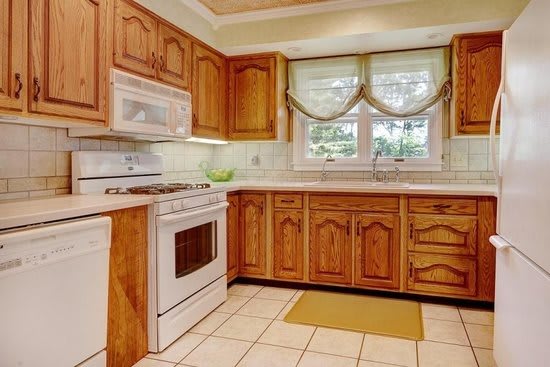
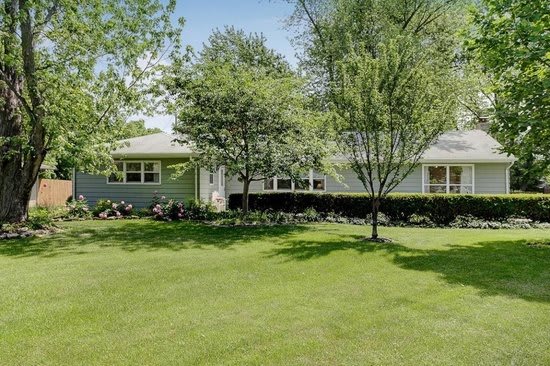
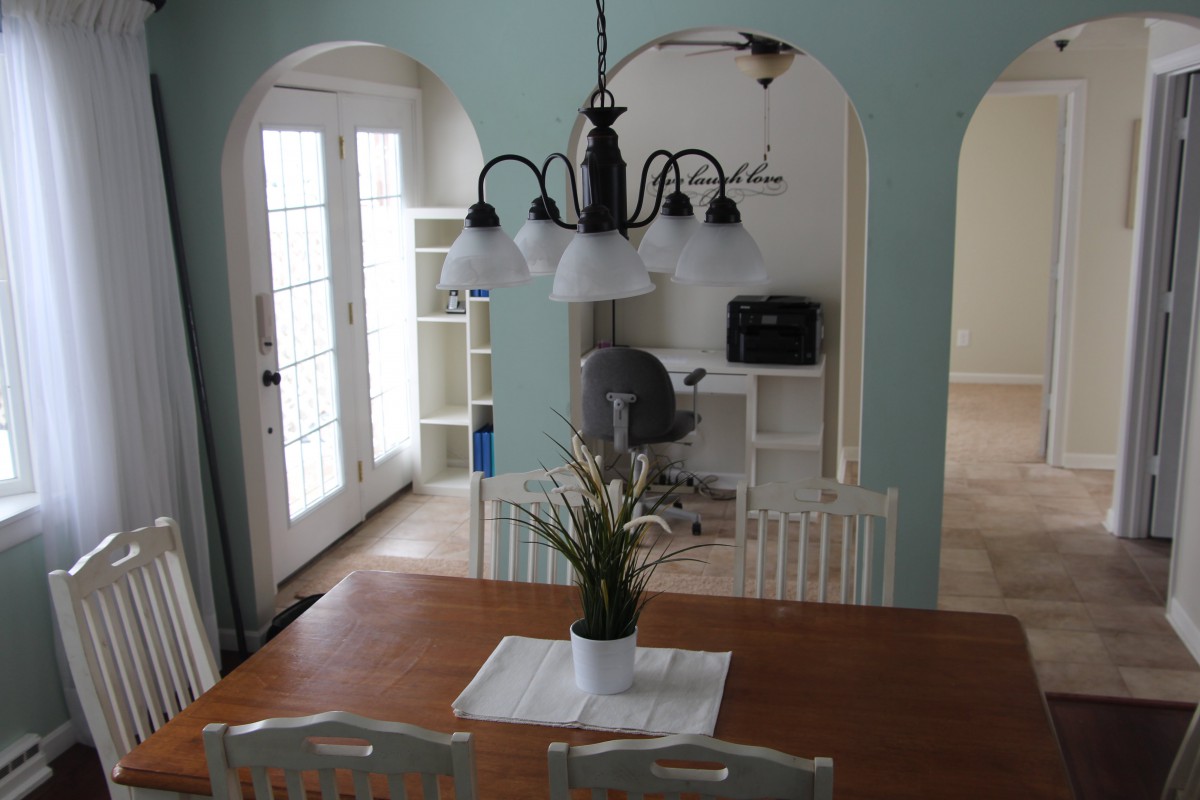
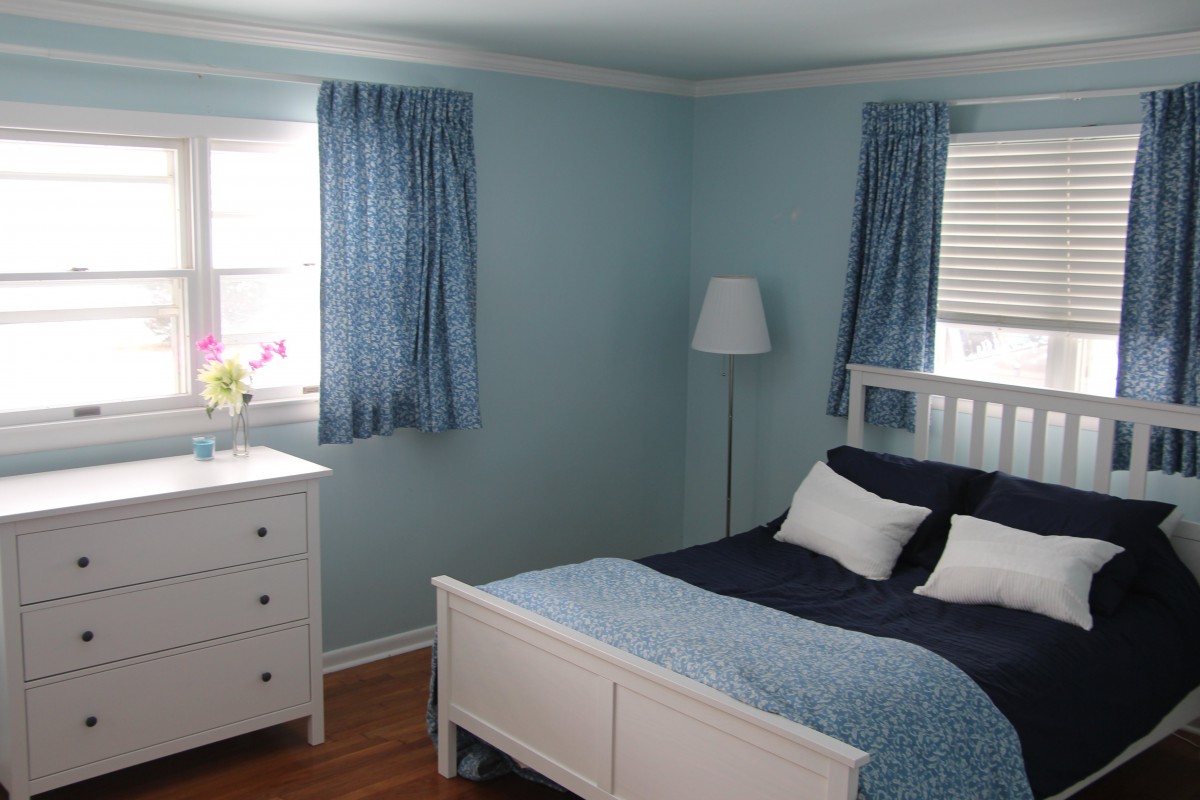
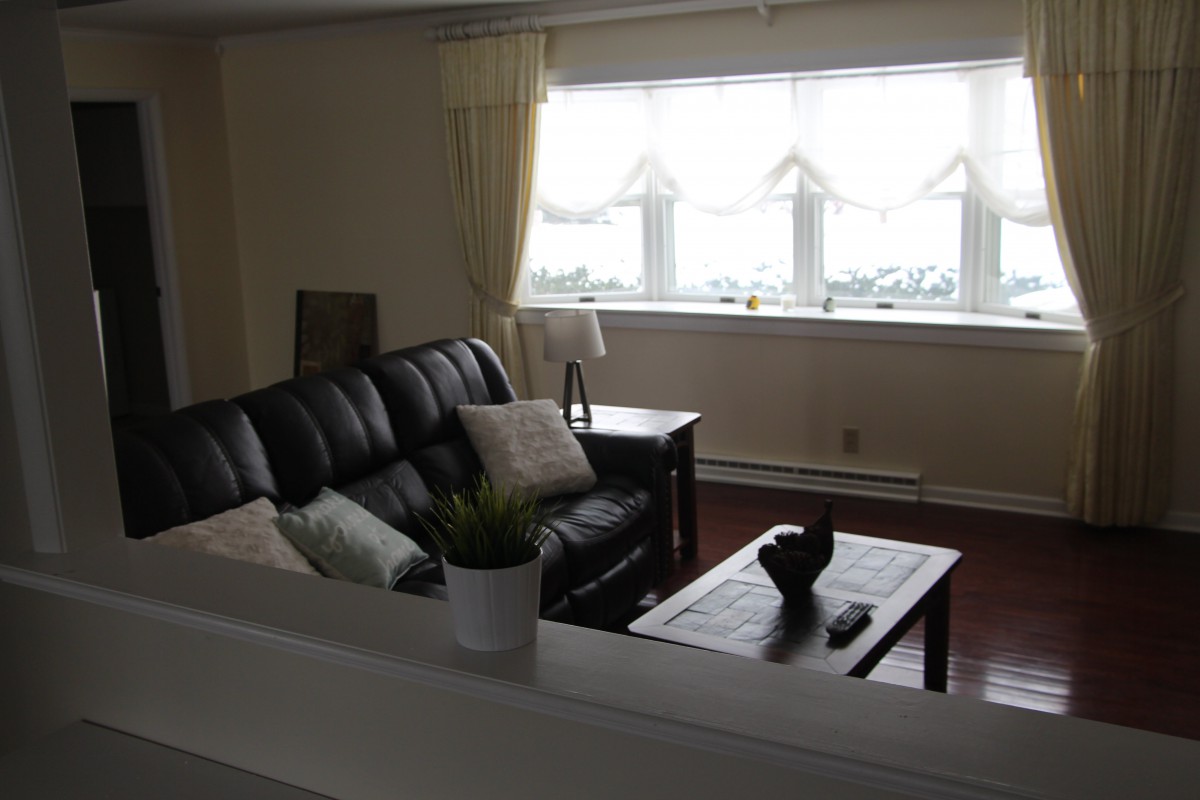
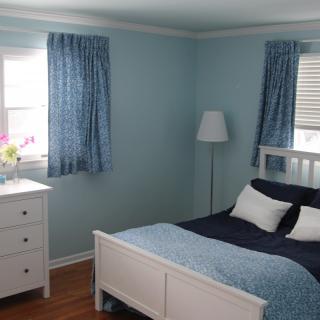
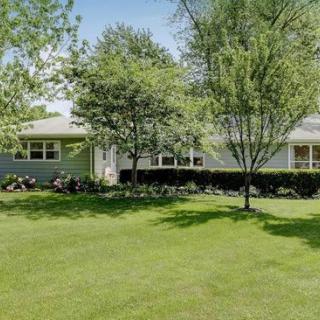
The Jessie Mae Home - Mill Run is best suited for seniors who want highly personalized, one-on-one care delivered in a warm, home-like setting. This community excels where a quiet, intimate atmosphere matters most, and where meals are homemade, staff are approachable, and daily life centers on comfort and dignity. It is a natural choice for residents who thrive with individualized routines, consistent caregiver attention, and a strong emphasis on quality of life over institutional efficiency. Families seeking a small, homelike environment where caregivers know residents well and respond with warmth will find this setting compelling. In short, it serves those who value personal connection, consistent companionship, and a residential feel over large-scale programming.
Those who may want to consider alternatives include families balancing medical complexity or memory-care needs with the desire for a more structured program. If 24/7 skilled nursing oversight, full-time memory-care specialization, or a robust calendar of intergenerational activities are non-negotiable, this may not be the strongest match. Similarly, if transportation, diverse social outings, or a broader range of on-site services are priorities, a larger community with more resources could be preferable. The Jessie Mae Home shines in intimacy and individualized attention; for some care profiles, that very focus may mean limited breadth in services and programming compared to bigger facilities.
The core advantages, one-on-one care, homemade meals, and consistently courteous, attentive staff, form a potent combination. The ability to tailor routines and responses to each resident’s preferences minimizes frustration and fosters a sense of security. Meals prepared on-site contribute to comfort and nutrition, reinforcing appetite and enjoyment in daily life. The caregivers’ warmth and the residents’ evident well-being create a lived-in atmosphere that reduces the stress often associated with aging transitions. When quality of life is the priority, these elements closely align with what families want most: dignity, familiarity, and steady, compassionate support.
That intimate, home-like environment also partially offsets the absence of broader programming. Personal attention can substitute for some social opportunities by creating meaningful daily interactions and predictable, reassuring routines. However, the absence of documented, wide-ranging activities or on-site medical programming means social variety and clinical oversight may be more limited than in larger communities. For residents who flourish with personalized contact and a peaceful, predictable day, these trade-offs feel manageable, even advantageous. For those whose needs include frequent structured activities or specialized care, the benefits may not completely compensate for the potential gaps.
Day-to-day life at Jessie Mae appears designed to feel less institutional and more like living with a close-knit, attentive family. The feedback centers on the notion that residents are well cared for, with caregivers who are pleasant and present, and meals that feel nourishing and homelike. The setting likely supports steady routines, assistance with daily tasks, regular meals, and consistent staffing, creating a sense of safety and belonging. Prospective movers should anticipate a calmer pace and a smaller community where every resident receives visible, individualized attention, rather than a bustling campus with a wide array of classes and amenities.
In making a decision, weight the extremely positive tone of the care relationships and the homey food culture against the lack of explicit information about medical staffing, memory-care options, and ongoing activity programming. For families prioritizing warmth, personalized attention, and a dignified, home-forward environment, Jessie Mae stands out as a strong, practical choice. For those whose loved one requires intensive medical support, memory-care specialization, or a calendar of structured activities and outings, it is prudent to explore alternatives in the Columbus area that offer broader clinical resources and a more expansive social ecosystem.
 Board and Care Home
 Memory Care
 Dogs allowed
 Activities off-site
 Air-conditioning
 Bath tubs
 Beautician on-site
 Devotional services off-site
 Ground floor units
 Indoor common areas
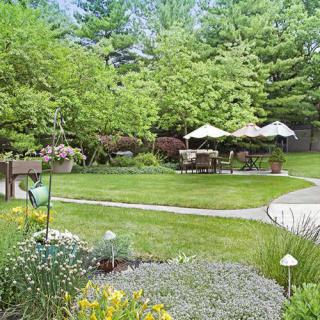
 Outdoor common areas
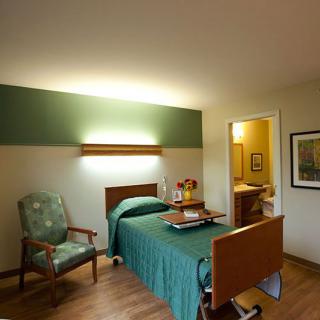
 Private
 Respite or short term stays offered
 Wheelchair accessible showers
 John Glenn Columbus International Airport (12 miles away)
 Ambulatory care
 Diabetic care
 High acuity care
 Incontinence care
 Medication management
 Anytime dining
 BBQs or picnics
 Birthday parties
 Day trips and outings
 Light therapy programs
 Pet-focused programs
 Sensory-based programs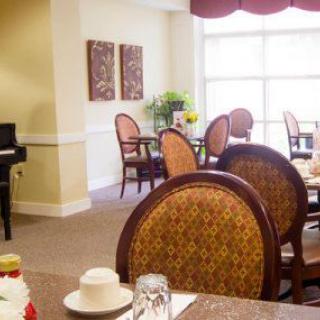

 Illuminating Insights About Alzheimer's Disease: Ten Crucial Realities
 A Thorough Discussion of Medications Potentially Linked to Dementia Risk
 Why Do Dementia Patients Sleep So Much? Understanding Oversleeping, Stages, and Care Approaches