
5471 Scioto Darby Road, Hilliard, OH 43026
For more information about senior living options: (866) 208-4318
Overall Review of The Laurels Of Hilliard
Pros
 The staff are professional and nice.
 - The rehab team is great at helping residents meet their goals.
- Laurels of Hilliard collaborates with outside providers and families and communicates residents' evolving needs clearly.
- Residents are treated as individuals and receive care tailored to each person.
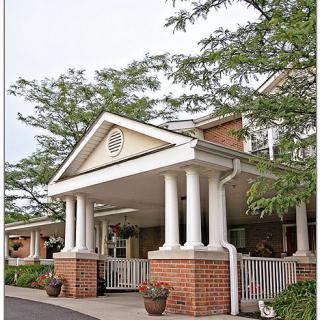
- The culture is uplifting and nurturing, creating a home-like environment where residents are engaged socially and medically.
- The therapy department is excellent and motivates residents to regain confidence and strength.
- The facility is very clean with strong continuity of care and attentive nursing staff.
Cons
 Call lights would take over 30 minutes to be answered, and staff wouldn’t assist him to the bathroom, often leaving him to rely on incontinence measures.
- He developed a bed sore that became infected, with the hospital shocked by its severity.
- Nurses were described as either overworked or not caring enough, and medications were not given on time and were sometimes forgotten.
- When concerns were raised, they were not acted on and no changes were made.
- A resident was heavily sedated with narcotics, movement and physical therapy were not provided, leading to dehydration and eventual death.
- The food was very bad, and the patient fridge was discarded mid-service, affecting availability of proper meals.
- One reviewer warned others not to place loved ones there, describing the facility as having a love/hate relationship.
- There were safety concerns, including patients attempting to escape.
Review
The Laurels of Hilliard is best suited for families seeking a short-term, therapy-forward rehabilitation environment where the emphasis is on getting residents back on their feet and into their routines quickly. This community can work well for someone who values a home-like atmosphere, clear collaboration with outside providers, and a care plan that is tailored to the individual. When the therapy team is functioning at peak, residents report meaningful progress, and families see a coordinated effort among nurses, aides, and therapists. Cleanliness and consistent social and therapeutic engagement also surface as practical strengths, making this a reasonable choice for those who want a rehabilitative stay with visible, goal-oriented therapy.
Those weighing alternatives should scrutinize long-term residency needs, chronic medical complexity, and memory-care requirements. Several reviews flag risks that would give pause to families seeking steady, reliable care over an extended period. If a loved one requires consistent, timely medication administration, rapid call-light responses, and prevention of complications like bedsores, dehydration, or unchecked infection over months or years, other facilities with stronger, more consistent staffing patterns may prove safer. Families facing similar concerns will want to compare staffing levels, weekend coverage, and the facility’s track record with serious medical issues before choosing Laurels of Hilliard for long-term placement.
The strongest pros, robust therapy, engaged nursing support on good days, and a patient-centered approach, partially offset the most serious drawbacks when the focus is rehabilitation. The therapy department is repeatedly praised for pushing goals, rebuilding confidence, and equipping residents for the next phase of recovery. When care teams communicate well with families and outside providers, and when the environment remains clean and orderly, residents feel cared for and motivated. In those moments, Laurels of Hilliard delivers on its promise of individualized care and a supportive, home-like culture that facilitates social engagement as part of recovery.
Across several accounts, the nursing and support staff can be responsive, attentive, and involved in discharge planning, which helps with continuity of care during a rehab stay. Families report administrators and social workers who are accessible and who try to coordinate services to move residents home or to the next level of care. Where these elements are strong, the experience feels cohesive: therapy, nursing, social work, and housekeeping align around clear goals and steady improvement. This is the kind of synergy that makes a rehab stint efficient and more likely to produce a successful return to daily life.
However, the negative experiences are alarming and cannot be dismissed. Complaints about delayed call lights, inconsistent medication administration, and perceived neglect point to serious safety and quality gaps that can derail recovery or cause harm during a stay. Reports of bedsores, dehydration, and inadequate physical therapy after hospital admission paint a troubling picture when they recur or persist. Concerns about staff disengagement, cells phone use during alarms, and variability in care quality between shifts or weekends undermine trust and raise questions about reliability over time, beyond a single rehab episode.
For families making a decision, the takeaway is practical and straightforward. The Laurels of Hilliard can be a strong choice for short-term rehab when the plan prioritizes aggressive therapy, individualized care, and an engaged care team, provided the current staffing environment is robust and consistent. Prospective residents should schedule a detailed tour, speak with the therapy director, and observe call-light response times and staffing levels at different times of day. If long-term care, complex medical needs, or memory care are primary concerns, or if a history of inconsistent med administration and care gaps worries the family, it is prudent to explore alternatives with steadier staffing and proven long-term safety records.
 84 resident community capacity
 Skilled Nursing Facility
 Air-conditioning
 Beauty salon
 Cable or satellite TV
 Computer center
 Dining room
 Fitness room
 Fully furnished
 Gaming room
 Garden
 Housekeeping services
 Kitchenette
 Move-in coordination
 Outdoor space
 Private bathrooms
 Restaurant-style dining
 Small library
 Telephone
 Wellness center
 Wi-Fi/high-speed internet available
 John Glenn Columbus International Airport (14 miles away)
 Community operated transportation
 12-16 hour nursing
 24-hour call system
 Activities of daily living assistance
 Assistance with bathing
 Assistance with dressing
 Assistance with transfers
 Diabetes diet
 Medication management
 Mental wellness program
 Special dietary restrictions
 Concierge services
 Planned day trips






 Nurturing Our Loved Ones: A Daughter's Journey in Caring for Her Mother
 Nurturing Our Elders: Linda's Journey of Supporting Her Mother
 A Comprehensive Exploration of Common Misunderstandings about Powers of Attorney