Carriage Court - Hilliard offers competitive pricing for its residential options compared to the broader market in Madison County and the state of Ohio. For studio apartments, Carriage Court's monthly rate stands at $2,848, which is notably lower than the county and state averages of $3,738 and $3,727, respectively. Similarly, the one-bedroom units are priced at $3,500, again positioning them favorably against Madison County's average of $3,704 and Ohio's at $3,712. However, it's worth noting that their semi-private accommodations are priced at $5,063 - a figure that exceeds both the county average of $4,371 and the statewide average of $3,965. Overall, Carriage Court - Hilliard provides a range of options that could appeal to various budgets while maintaining a focus on quality care and comfortable living environments.
Floor plans
Carriage Court - Hilliard
Madison County
Ohio
Studio
$2,848
$3,738
$3,727
1 Bedroom
$3,500
$3,704
$3,712
Semi-Private
$5,063
$4,371
$3,965
Memory care communities with a similar price nearby
Residents and families repeatedly describe staff who are friendly and quick to respond to concerns.
Across multiple reviews, families describe staff members who greet residents by name, make transitions easier, and follow up when needs come up. Several reviewers mention prompt help for day-to-day issues and communication about care plans, including during and after transitions. A few reviews also note that communication can break down at times, but the more frequent theme is that staff respond and work to address concerns.
common10 reviews mention this
Dining is a frequent bright spot
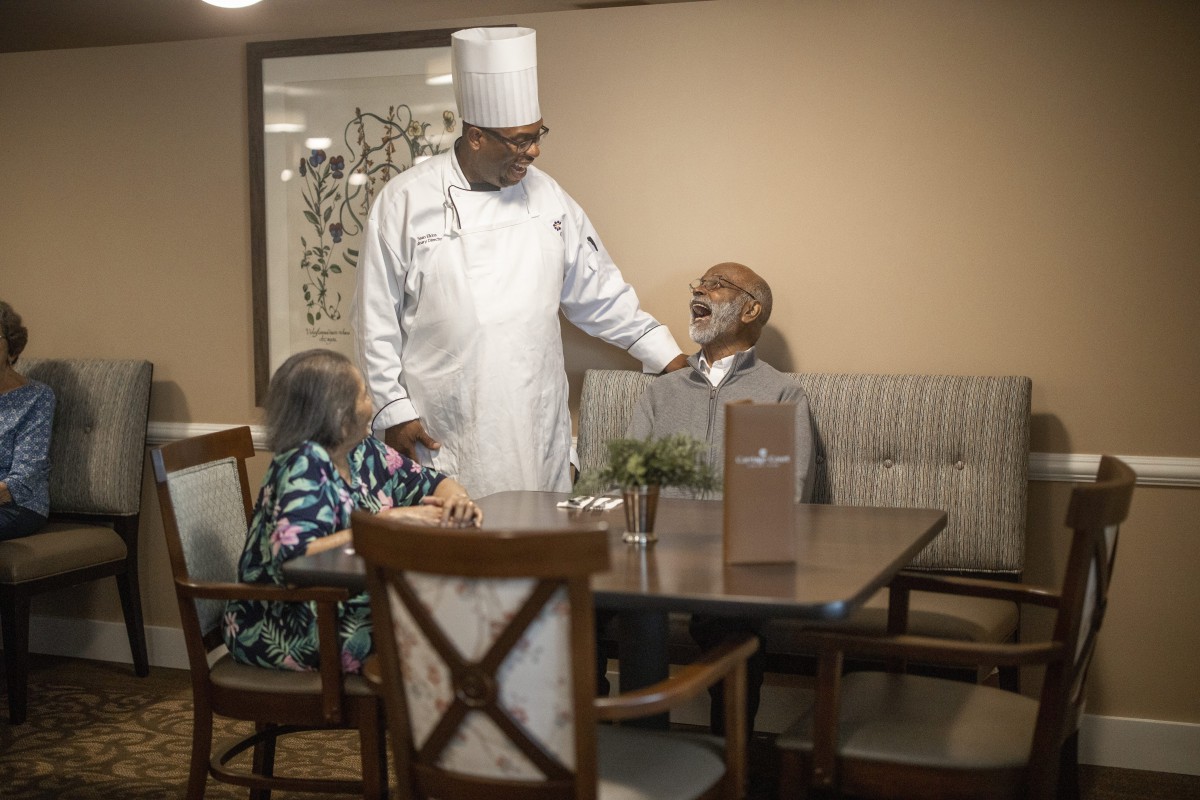
Food is commonly described as tasty and varied, with restaurant-style dining and meal options.
Multiple reviews call out the quality of meals and the variety available, including mentions of specific favorites like omelets. Families also describe the dining room experience as an area residents enjoy, and some note special meals and social events around food. This lines up with the community offering restaurant-style dining, room service, and special dining programs, plus a range of dietary choices.
differentiator2 reviews mention this
Pricing comes in below averages
Pricing is positioned notably below county and state benchmarks across multiple unit types.
Pricing stands out because the listed ranges for studios, one-bedrooms, and semi-private options are shown as below both the county and state benchmarks. This doesn’t address day-to-day quality by itself, but it can be a meaningful factor when comparing options during the move-in decision.
caveat6 reviews mention this
Some families flag staffing and communication gaps
A subset of reviews point to staffing shortages and communication problems that affect care follow-through.
Several reviews describe understaffing or limited coverage, with examples like delayed responses, communication breakdowns between departments, and difficulty getting help when needed. Others mention specific care gaps such as issues with showering schedules, meals running out during dining service, or concerns about how messages are returned. While many reviewers describe strong responsiveness, these themes show up often enough to be considered a real risk area.
caveat4 reviews mention this
Memory care experiences are mixed
Memory care reviews include both positive activity-focused support and serious concerns from some families.
Some reviewers describe memory care as providing knowledgeable support, activities, and individualized attention. At the same time, multiple negative reviews describe serious issues that include falls that were reportedly not handled promptly and concerns about care quality in the memory care unit. Taken together, the feedback suggests it’s important to ask detailed questions about how needs are monitored and responded to in memory care.
How we summarize
Counts show how many written reviews mention each theme; a review can touch several themes, and only frequently mentioned themes are displayed.
Features
Types of Care
Assisted Living
Memory Care
Pets
Cats allowed
Dogs allowed
Amenities
Activities off-site
Activities on-site
Air-conditioning
Beautician on-site
Cable or satellite TV
Devotional services off-site
Devotional services on-site
Ground floor units
Handicap accessible
Indoor common areas
Kitchenette
Outdoor common areas
Private bathrooms
Respite or short term stays offered
Wheelchair accessible showers
Wi-Fi/high-speed internet available
Transportation
John Glenn Columbus International Airport (14 miles away)
Care Services
Diabetic care
High acuity care
Incontinence care
Medication management
Dining
Anytime dining
Gluten-free
Guest meals
International cuisine
Kosher
Low / no sodium
Meals provided
No Sugar
Professional chef
Restaurant style dining
Room service
Special dining programs
Vegetarian
Activities
Art classes
Catholic services
Cooking classes
Day trips and outings
Devotional activities offsite
Devotional activities on-site
Educational speakers / life long learning
Karaoke
Live well programs
Other religious services
Visiting chaplain or priest
Wine tasting
Nearby Places of Interest
This part of Hilliard, Ohio offers a variety of amenities that may appeal to those considering senior living. There are several medical facilities nearby including Mount Carmel Medical Group and Hilliard Family Medicine for easy access to healthcare services. Additionally, there are numerous dining options such as McDonald's, Taco Bell, and Rusty Bucket Restaurant and Tavern for convenient dining choices. Pharmacies like Walgreens and CVS are also located within a short distance for medication needs. The area has several parks including Hilliard Municipal Park and Homestead Park for outdoor recreation opportunities. In terms of worship, there are several churches in the vicinity such as Scioto Ridge United Methodist Church and Saint Brendan Catholic Church. Overall, this part of Hilliard provides a well-rounded community with access to essential services for those considering senior living.
Physicians
Mount Carmel Medical Group (0.1 miles)
Hilliard Family Medicine (1.4 miles)
OhioHealth Laboratory Services - Hilliard Health Center (1.7 miles)
Orthopedic One (2.4 miles)
Hilliard Pediatrics (2.5 miles)
Northwest Family Physicians (2.5 miles)
Internal Medicine Pediatrics Hilliard (2.6 miles)
Restaurants
McDonald's (0.2 miles)
Taco Bell (1.2 miles)
Nasty's Sports Bar & Grill (1.4 miles)
Rusty Bucket Restaurant and Tavern (1.7 miles)
Roosters (2.1 miles)
Dave & Buster's (2.2 miles)
Chick-Fil-A (2.4 miles)
Pharmacies
Walgreens (0.4 miles)
CVS Pharmacy (1.9 miles)
CVS Pharmacy (2.4 miles)
Walmart Pharmacy (3 miles)
CVS Pharmacy (4.5 miles)
CVS Pharmacy (5.3 miles)
Walgreens (5.3 miles)
Parks
Hilliard Municipal Park (0.5 miles)
Homestead Park (2.2 miles)
Quarry Trails Metro Park (3.2 miles)
Carriage Place Park (4.8 miles)
Thompson Park (4.9 miles)
Coffman Park (5.8 miles)
Prairie Oaks Metro Park (6.1 miles)
Cafes
Panera Bread (2.9 miles)
Starbucks (4 miles)
Kona Craft Kitchen (6.2 miles)
Starbucks (6.6 miles)
Theaters
AMC Starplex Columbus 10 (3 miles)
Places of Worship
Scioto Ridge United Methodist Church (3.4 miles)
Saint Brendan Catholic Church (3.5 miles)
St Andrew Church (5.1 miles)
Grace Evangelical Church (5.3 miles)
St Simon & Jude Church (6 miles)
Saint Brigid of Kildare Catholic Church (6.4 miles)
Hospitals
Columbus Oncology Associates (5.4 miles)
Transportation
The Ohio State University Airport at Don Scott Field (OSU) (5.7 miles)
Carriage Court - Hilliard offers competitive pricing for its residential options compared to the broader market in Madison County and the state of Ohio. For studio apartments, Carriage Court's monthly rate stands at $2,848, which is notably lower than the county and state averages of $3,738 and $3,727, respectively. Similarly, the one-bedroom units are priced at $3,500, again positioning them favorably against Madison County's average of $3,704 and Ohio's at $3,712. However, it's worth noting that their semi-private accommodations are priced at $5,063 - a figure that exceeds both the county average of $4,371 and the statewide average of $3,965. Overall, Carriage Court - Hilliard provides a range of options that could appeal to various budgets while maintaining a focus on quality care and comfortable living environments.
Carriage Court - Hilliard's medication management services are crucial for residents with dementia or Alzheimer's disease, as these conditions often complicate the ability to remember and administer medications correctly. By ensuring timely doses of prescribed medications, the staff can effectively mitigate symptoms and support overall health, which is vital in maintaining cognitive function. Additionally, incontinence care plays a significant role in promoting dignity and comfort for residents. Specialized attention to this aspect not only addresses physical needs but also alleviates anxiety and distress associated with incontinence issues. This compassionate care fosters a supportive environment where residents can focus on their well-being and engage more fully with their surroundings, ultimately enhancing their quality of life.
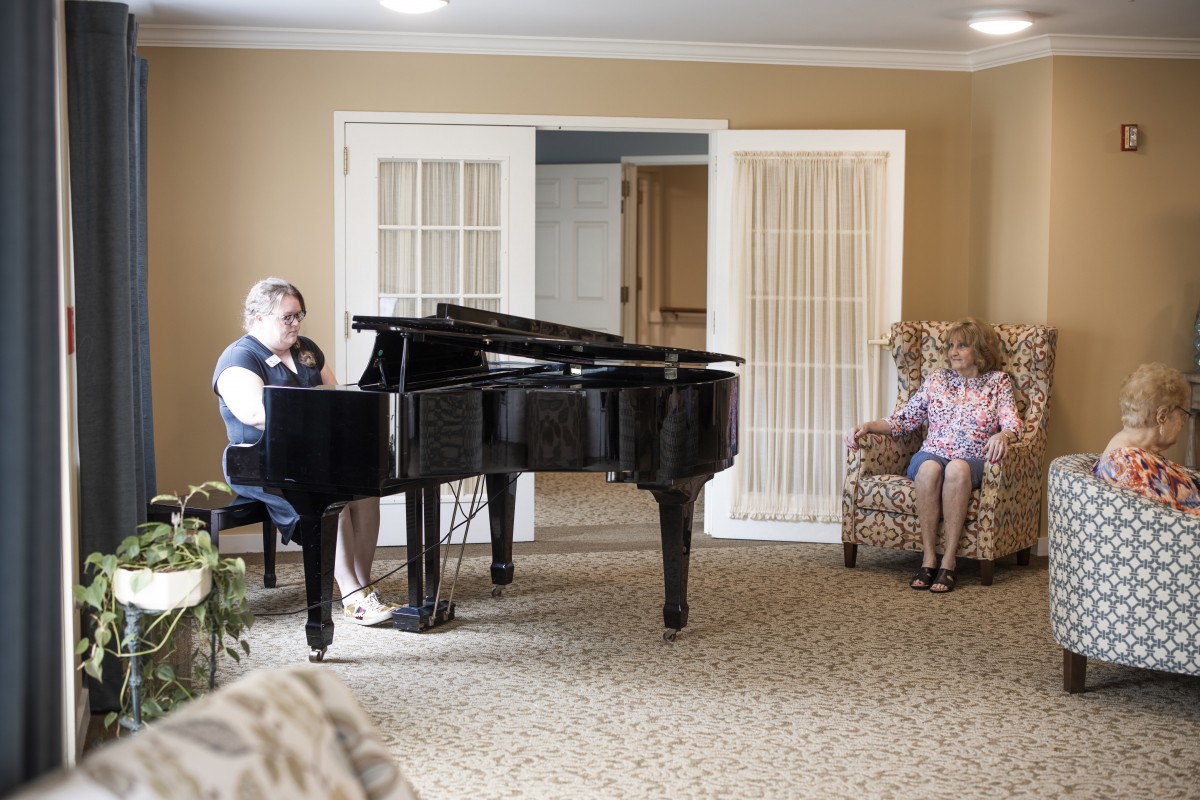
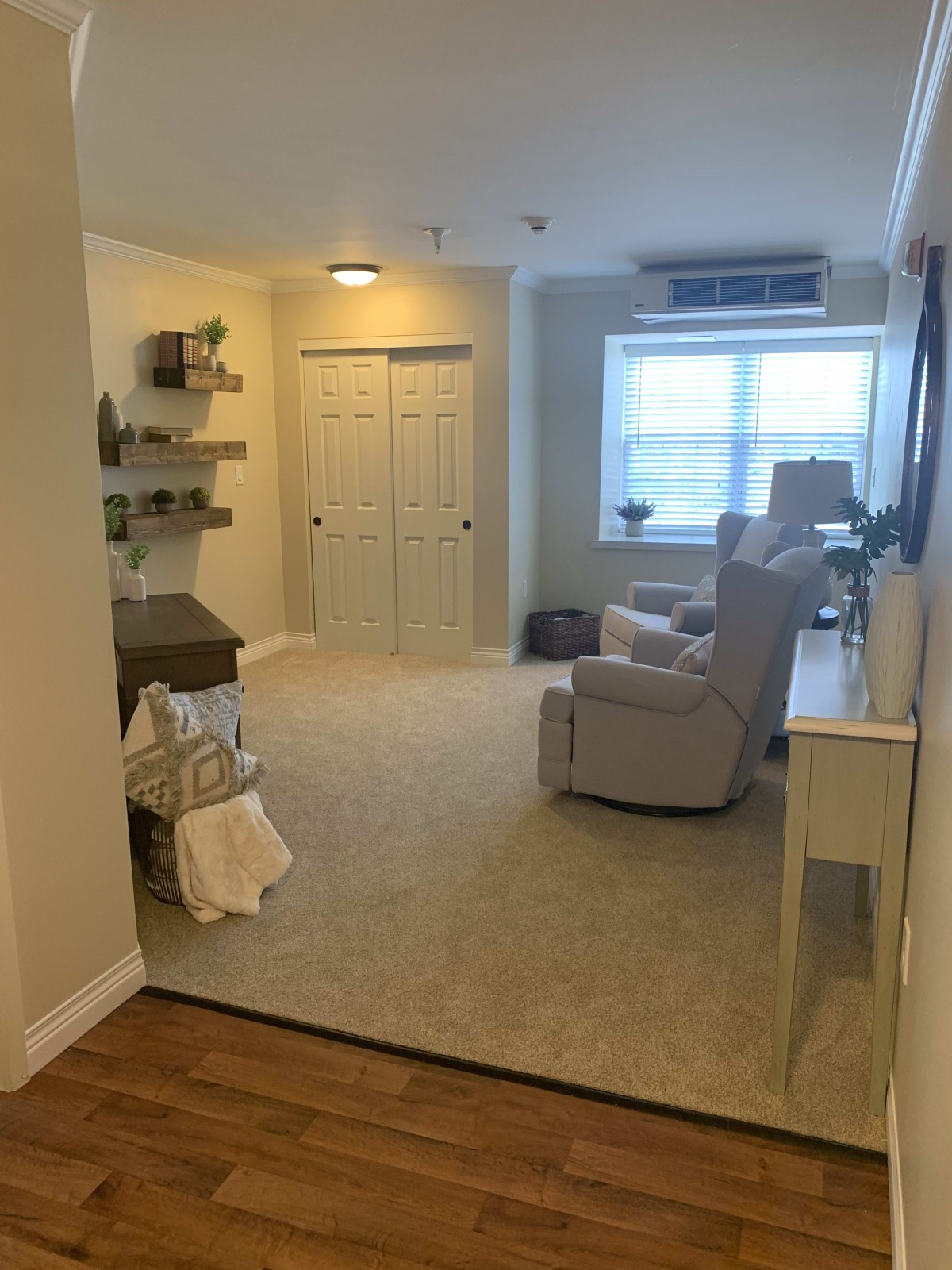
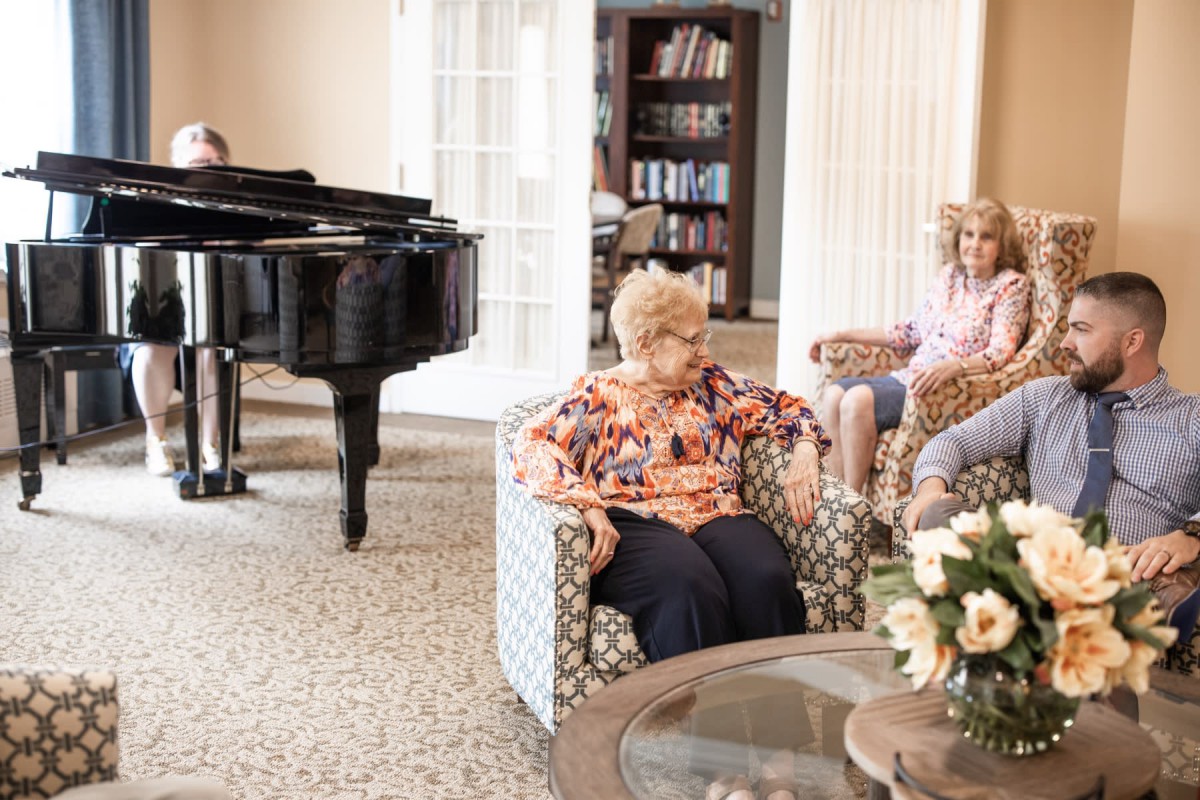
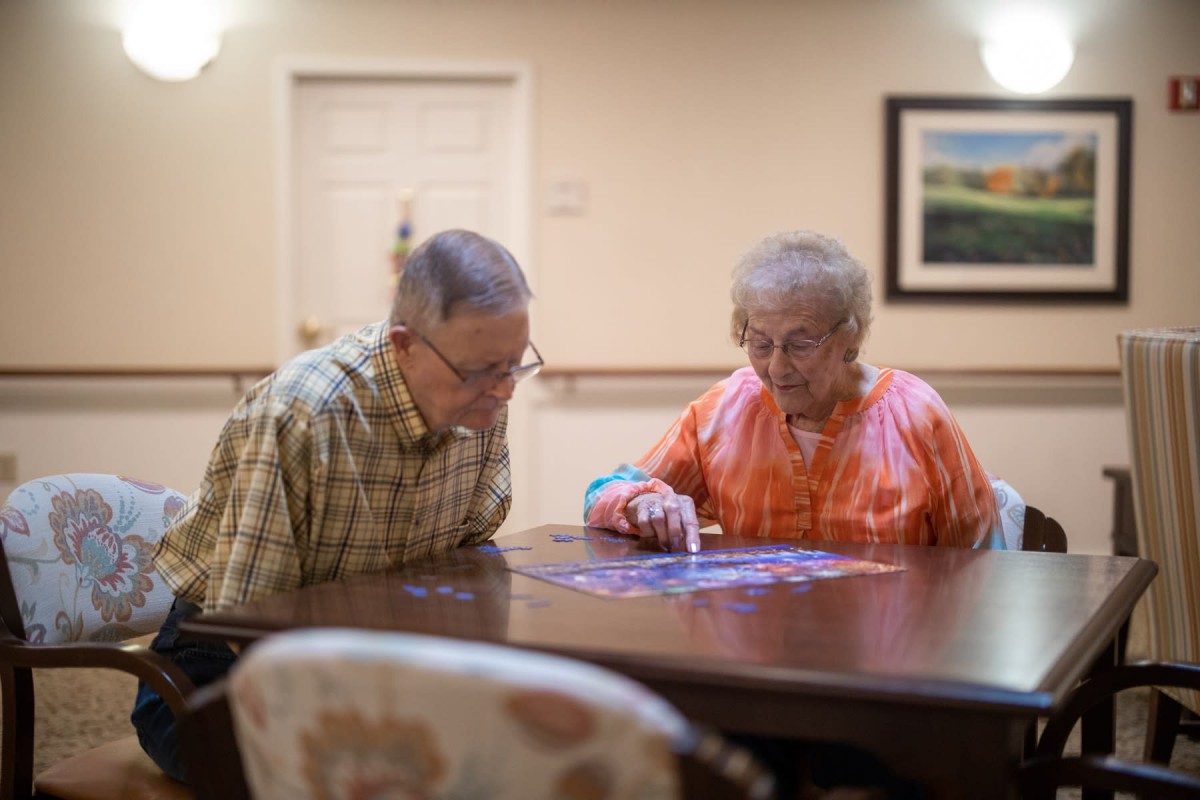
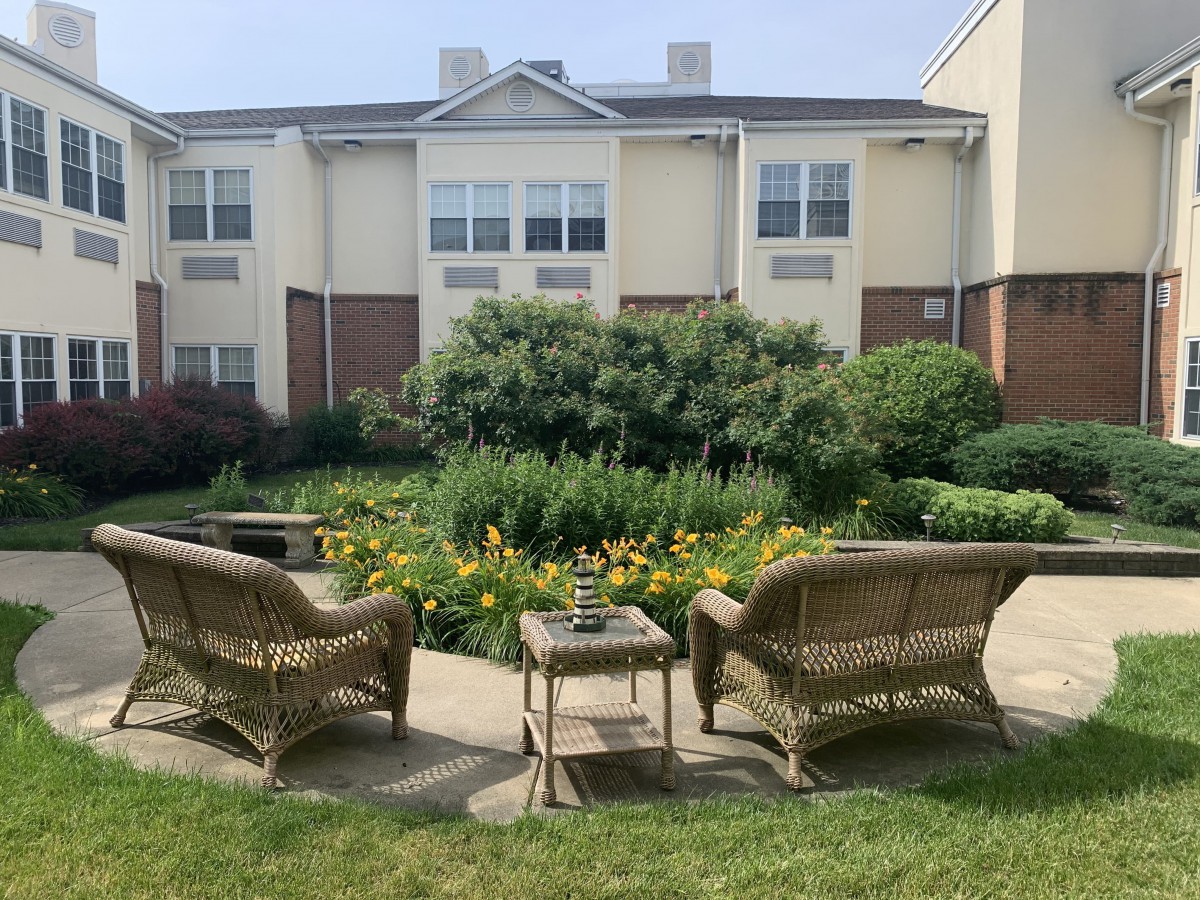
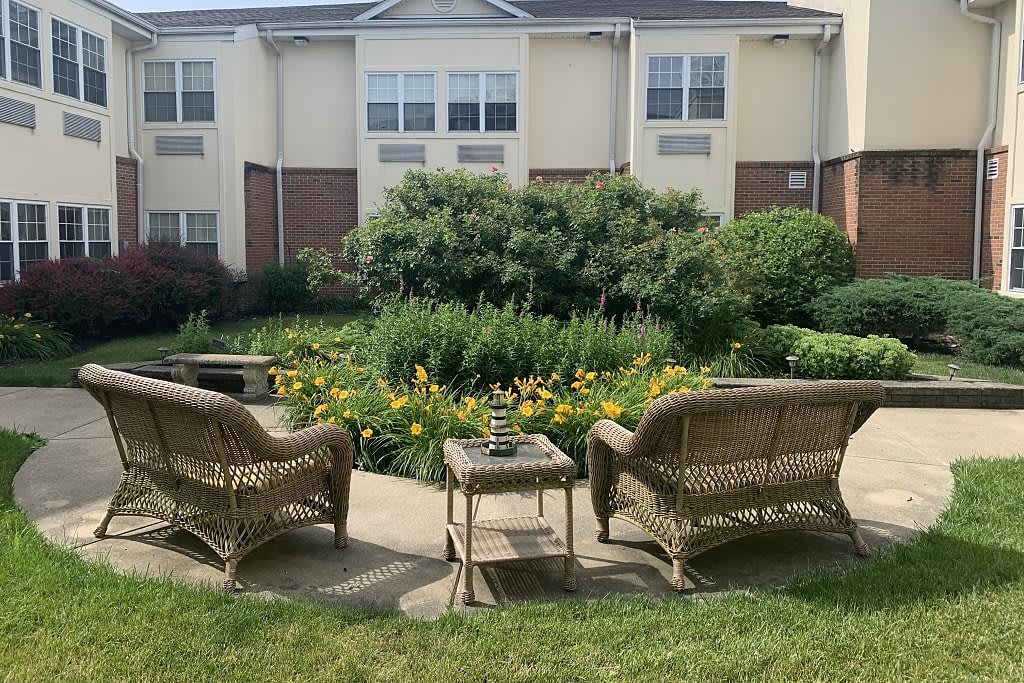
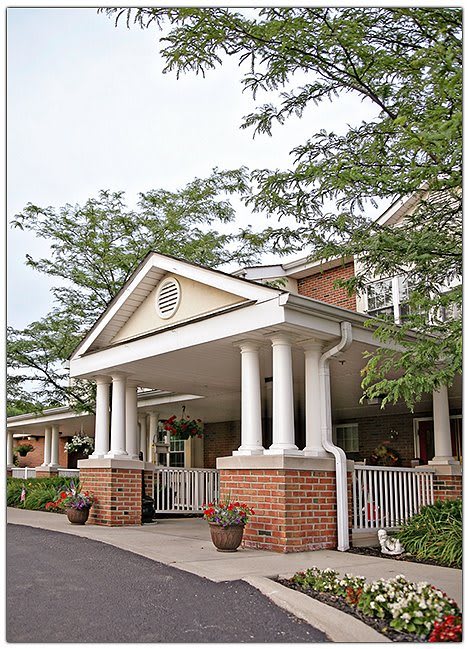
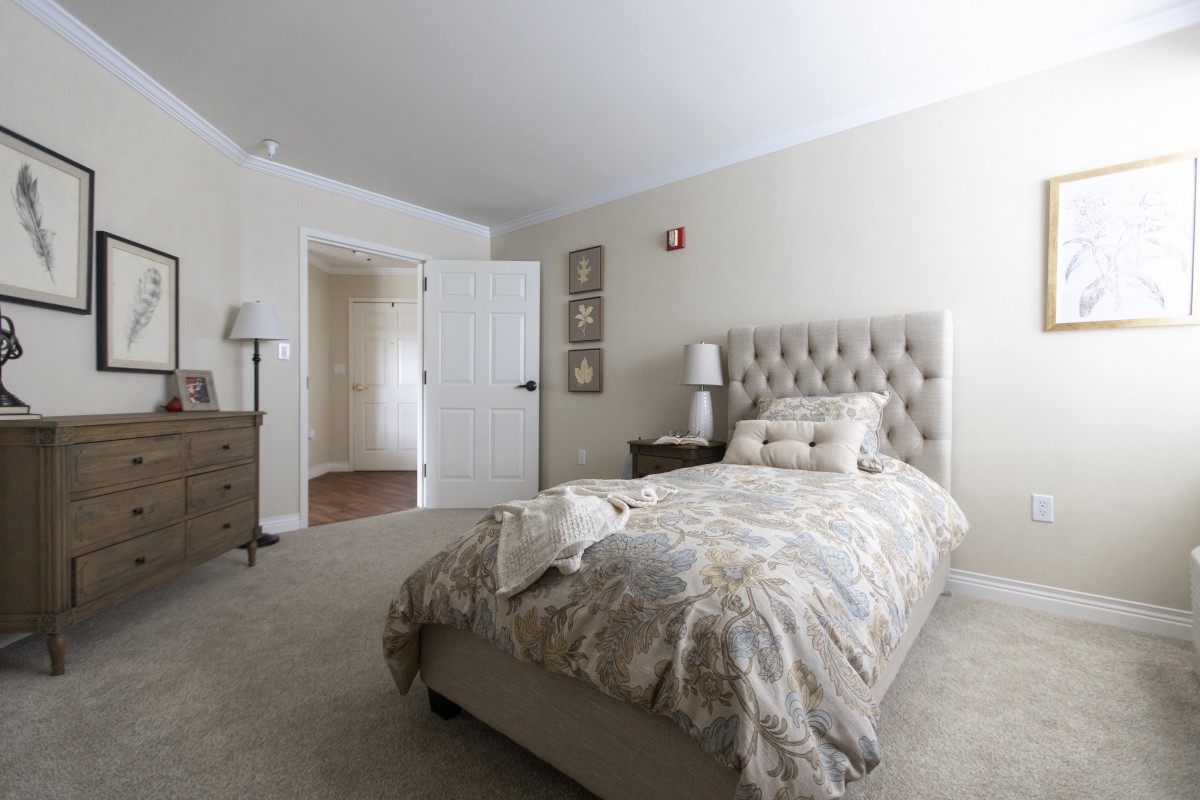
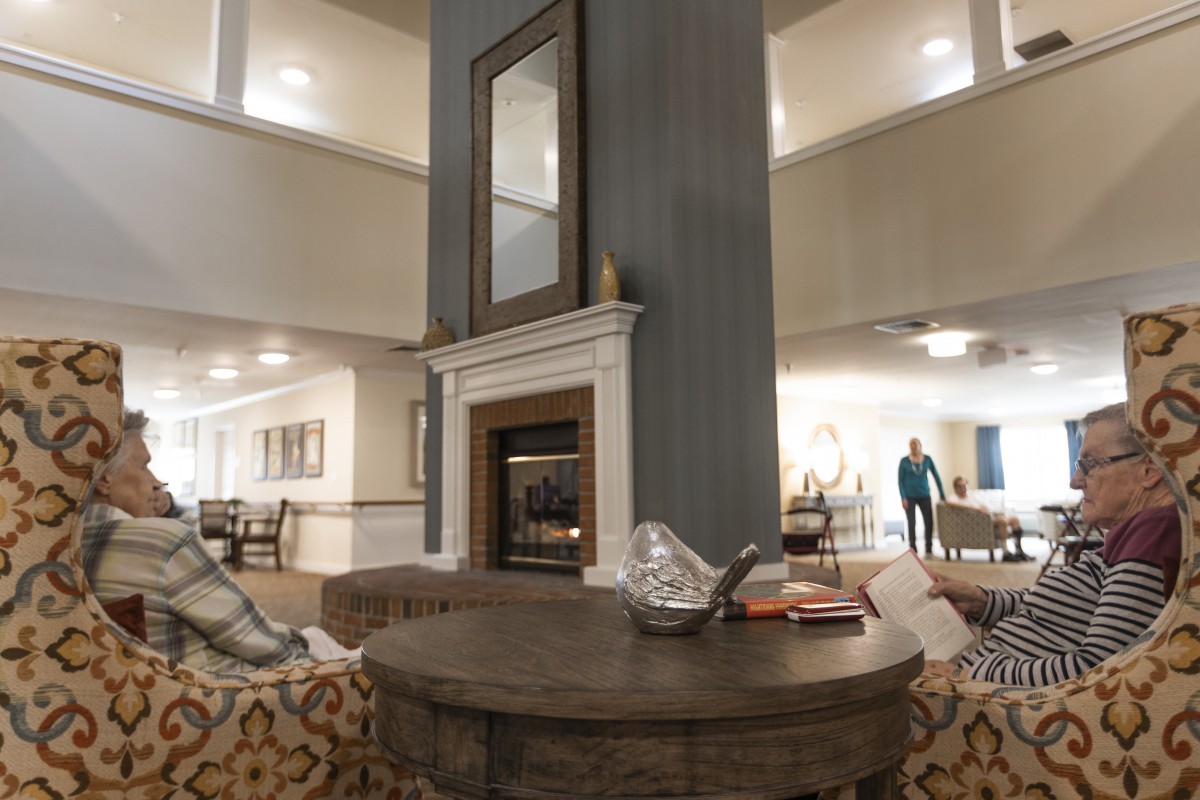
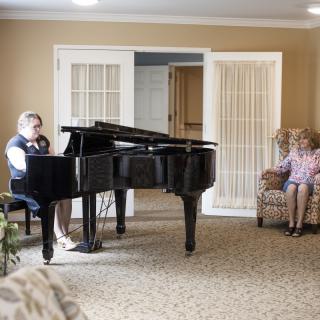
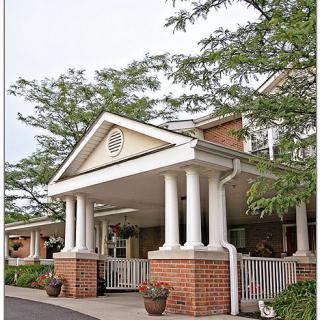
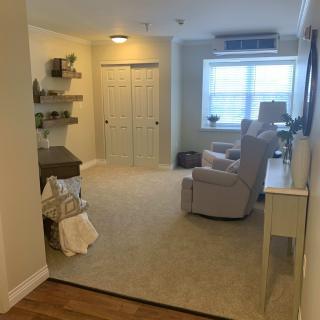
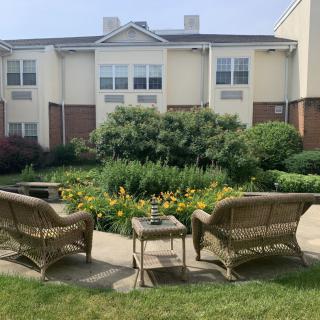
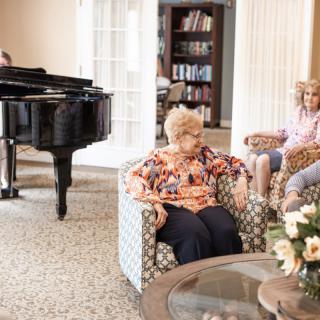
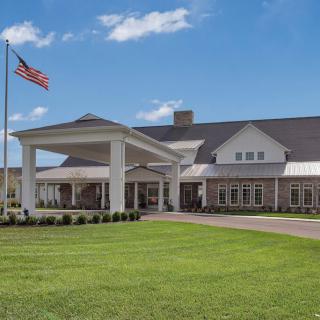
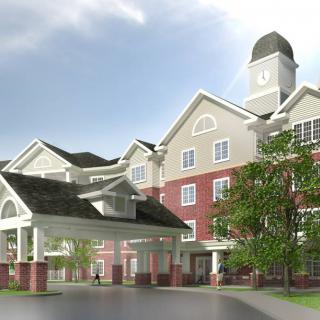
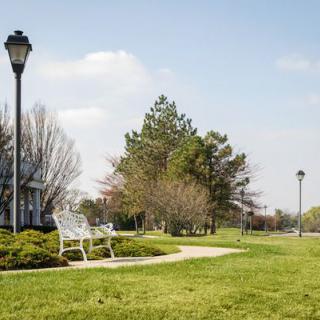
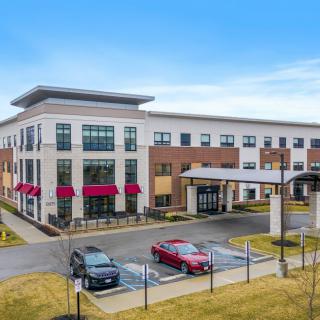
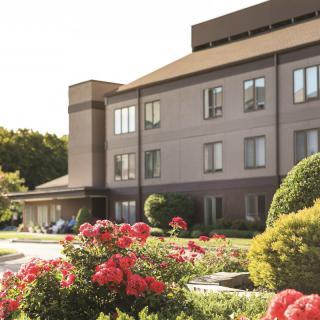
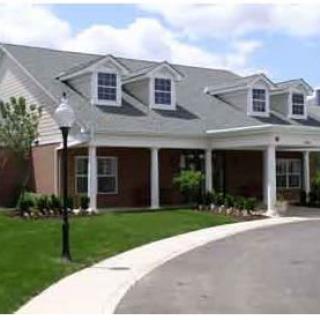
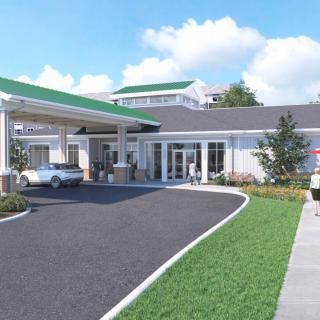
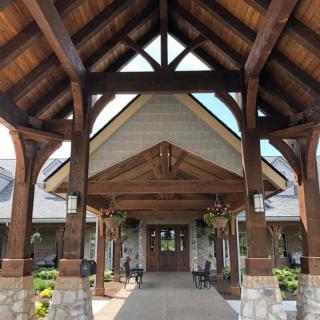
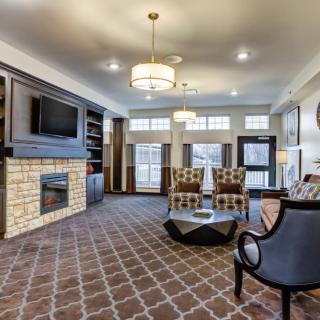
Carriage Court - Hilliard on seniors.fyi includes 15 photos including images showing interior, living room, building, landscaping, garden, dining, patio, piano, and more.
Nearby Communities
Carriage Court Senior Living
Hilliard, OH
4.3 from 99 reviews
Clean, well-maintained facility with attentive staff and engaging activities.
The Ashford at Sturbridge
Hilliard, OH
4.2 from 85 reviews
$3,545 to $4,280 / month
Friendly staff and clean, well-maintained surroundings with engaging activities.
The Laurels Of Hilliard
Hilliard, OH
3.2 from 16 reviews
Comprehensive amenities and 24/7 care, including transport, dining, wellness, and activities.
Wellington Village
Hilliard, OH
4.1 from 97 reviews
$951 to $1,141 / month
Spacious, clean apartments with friendly staff and an active community.
Verena at Hilliard
Hilliard, OH
4.6 from 51 reviews
$2,999 to $4,099 / month
Strong sense of community with friendly staff, engaging activities, and high-quality dining.
Life Glow Care, LLC
Columbus, OH
5 from 3 reviews
Strong access to nearby amenities and services (cafes, restaurants, parks, healthcare, worship, theatre).
Inn at Library Way
Hilliard, OH
4.5 from 55 reviews
$3,150 to $4,950 / month
Beautiful, clean, one-floor community with friendly staff and engaging activities.
Norwich Springs Health Campus
Hilliard, OH
3.9 from 73 reviews
Modern, brand-new campus with exceptional cleanliness, attentive staff, well-appointed rooms, and refined dining.
Hilliard Assisted Living & Memory Care
Hilliard, OH
4.2 from 49 reviews
$3,650 to $5,665 / month
Friendly, caring staff with engaging activities and good dining.
Dementia encompasses a range of cognitive impairments characterized by types such as Alzheimer's and vascular dementia, and follows a seven-stage progression model known as the Global Deterioration Scale (GDS), highlighting varying symptoms and decline timelines. Early detection allows for lifestyle adjustments to potentially slow progression, while caregivers need support and resources to manage the challenges involved in caring for affected individuals.
The article presents eight strategies for preserving cognitive health and memory in older adults, emphasizing a nutrient-rich diet, regular exercise, intellectually stimulating activities, adequate sleep, social connections, stress management techniques, limiting harmful substances, and regular medical checkups to mitigate age-related memory decline.
Activities of Daily Living (ADLs) are fundamental tasks vital for an individual's independence, particularly in older adults over 85, and include functions like bathing and dressing; assessing ADLs alongside Instrumental Activities of Daily Living (IADLs) helps determine the level of required assistance due to age-related health challenges. Tailored support plans, involving family and community resources, are essential for maintaining dignity and autonomy in assisted living environments.
Get PricingAsk A QuestionSchedule A TourContact Senior Advisor
By clicking submit, you agree to our Partner's Terms of Use. You
also consent to receive calls and texts, which may be autodialed, from our Partner. Your consent is not a condition to
using our Partner's service. Please visit our Partner's Privacy Policy for information about their privacy practices.






 Assisted Living
 Memory Care
 Cats allowed
 Dogs allowed
 Activities off-site
 Air-conditioning
 Beautician on-site
 Cable or satellite TV
 Devotional services off-site
 Ground floor units
 Handicap accessible
 Indoor common areas
 Kitchenette
 Outdoor common areas
 Private bathrooms
 Respite or short term stays offered
 Wheelchair accessible showers
 Wi-Fi/high-speed internet available
 John Glenn Columbus International Airport (14 miles away)
 Diabetic care
 High acuity care
 Incontinence care
 Medication management
 Anytime dining
 Art classes
 Catholic services
 Cooking classes
 Day trips and outings
 Educational speakers / life long learning
 Karaoke
 Live well programs
 Wine tasting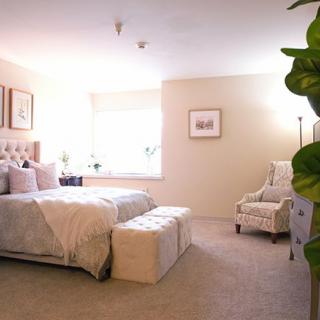
 Clean, well-maintained facility with attentive staff and engaging activities.


 Understanding Dementia Through Its Seven Stages: A Comprehensive Look at Progression and Expectations
 Safeguarding Your Memory Through the Golden Years: Eight Ways to Preserve Cognitive Health
 Comprehensive Insights into Activities of Daily Living (ADLs) and Their Assessment