Kensington Place presents a compelling value proposition in terms of monthly living costs compared to its counterparts in Franklin County and the broader state of Ohio. For semi-private accommodations, residents will find an attractive rate of $2,238, significantly lower than both the county average of $4,507 and the state average of $3,965. When considering one-bedroom units, Kensington's pricing at $3,935 is competitive, slightly above the county's average of $3,645 but still within reach compared to the state's average of $3,712. However, the two-bedroom option at Kensington Place stands out with a cost of $4,880 - higher than both Franklin County's rate of $3,237 and Ohio's average of $3,501. Overall, Kensington Place offers a range of options that cater to various budget considerations while maintaining a focus on quality care and comfortable living environments.
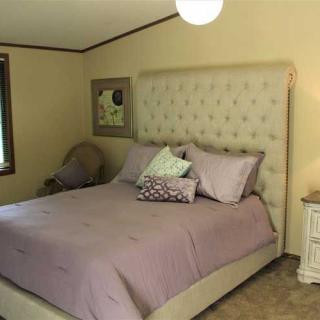
Floor plans
Kensington Place
Franklin County
Ohio
Semi-Private
$2,238
$4,507
$3,965
1 Bedroom
$3,935
$3,645
$3,712
2 Bedrooms
$4,880
$3,237
$3,501
Memory care communities with a similar price nearby
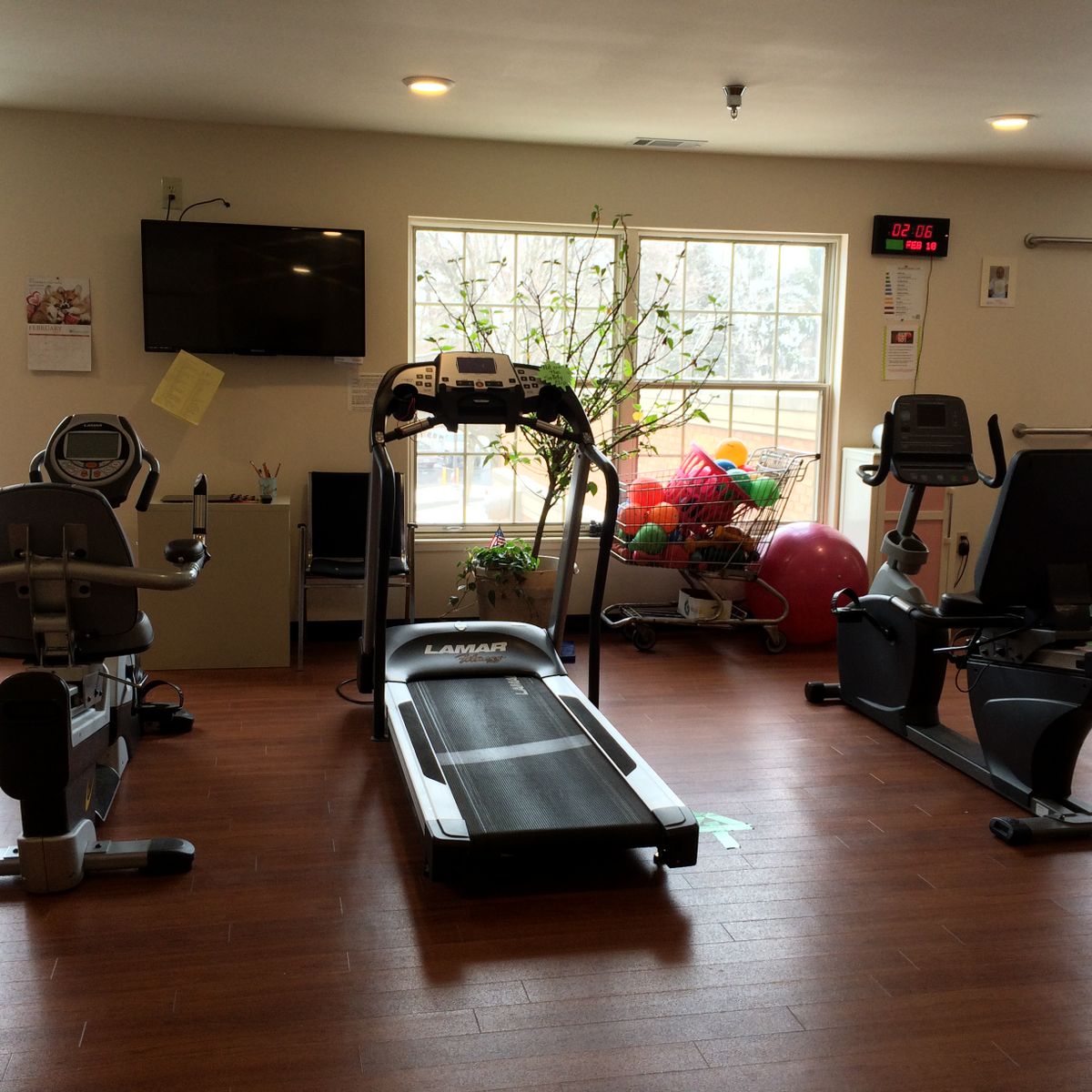
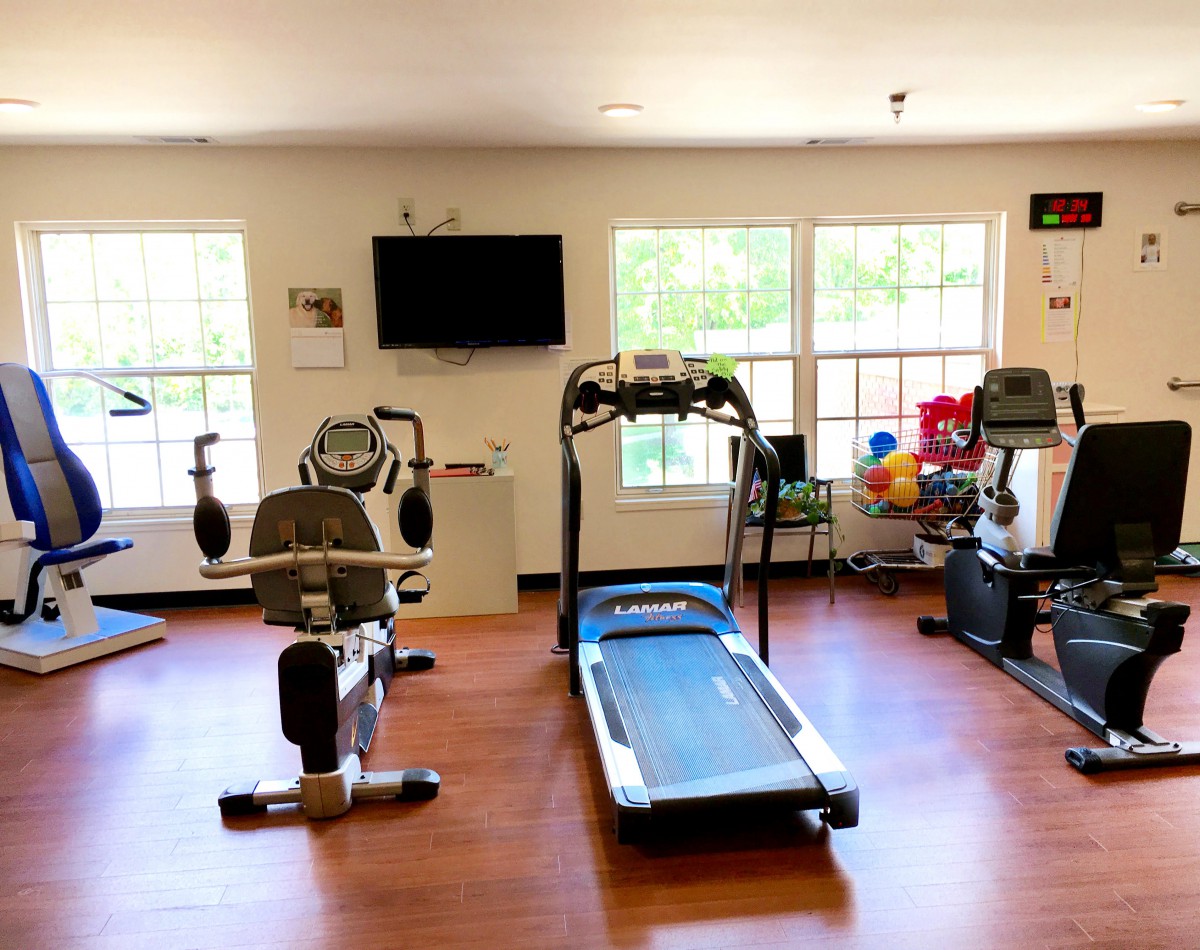
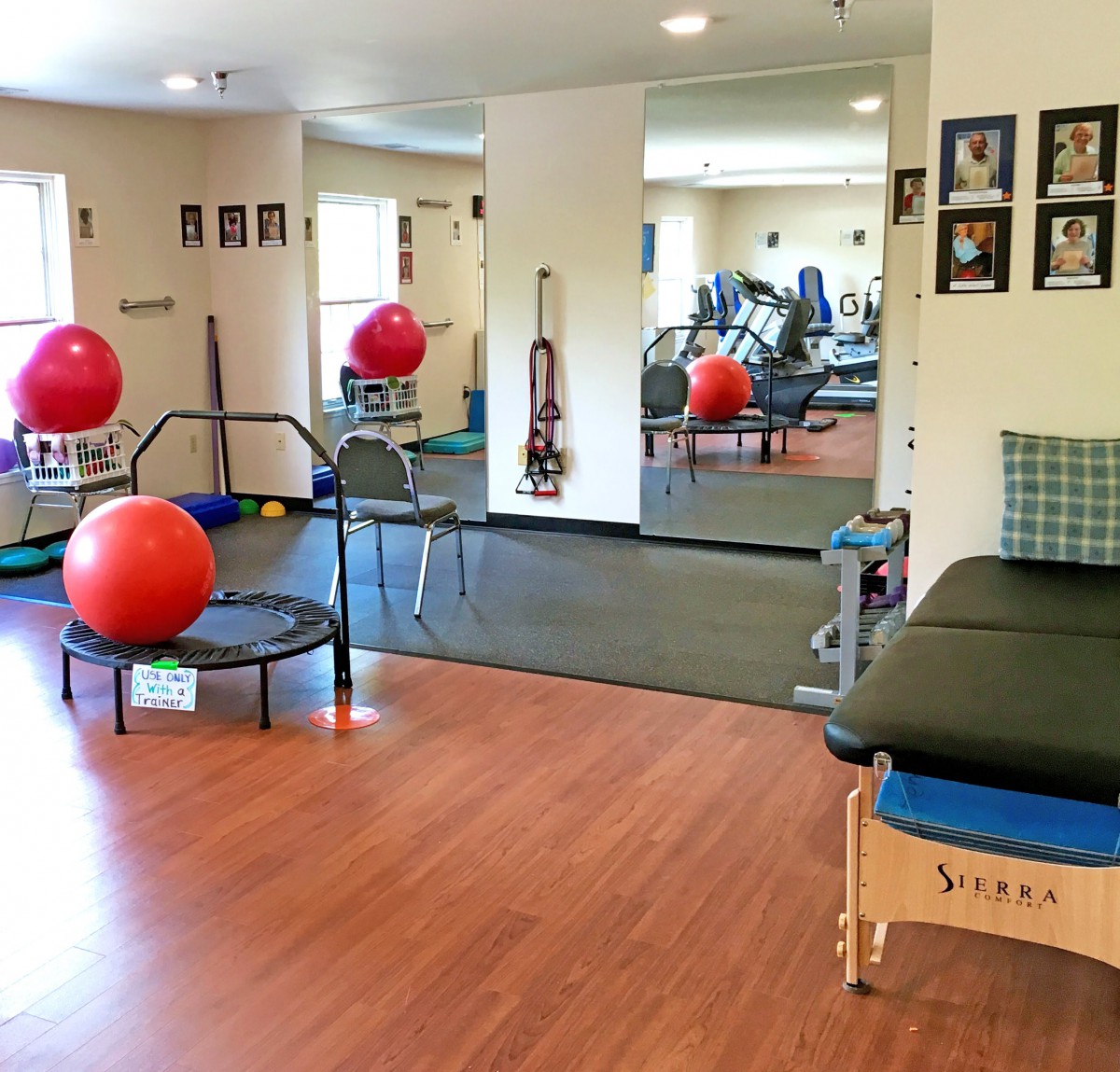
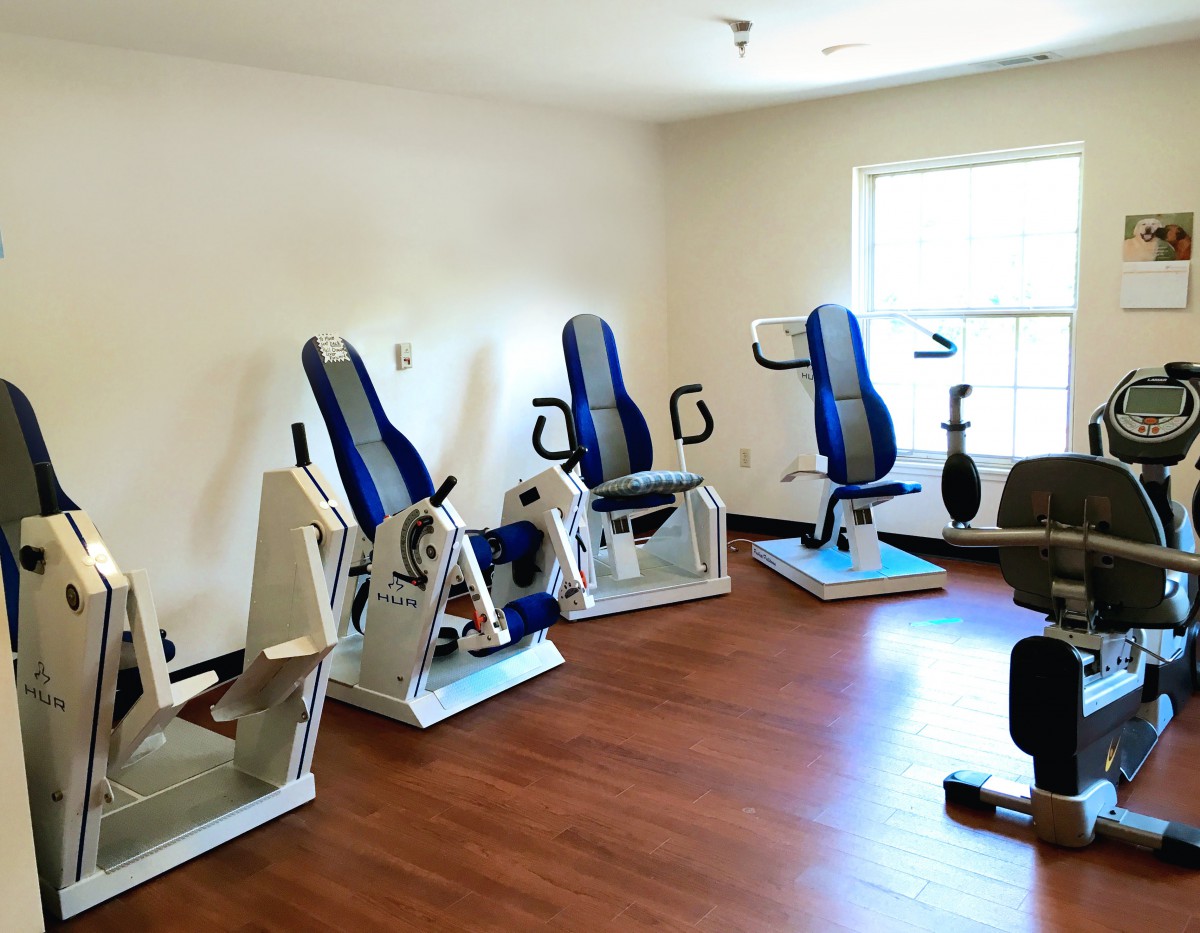
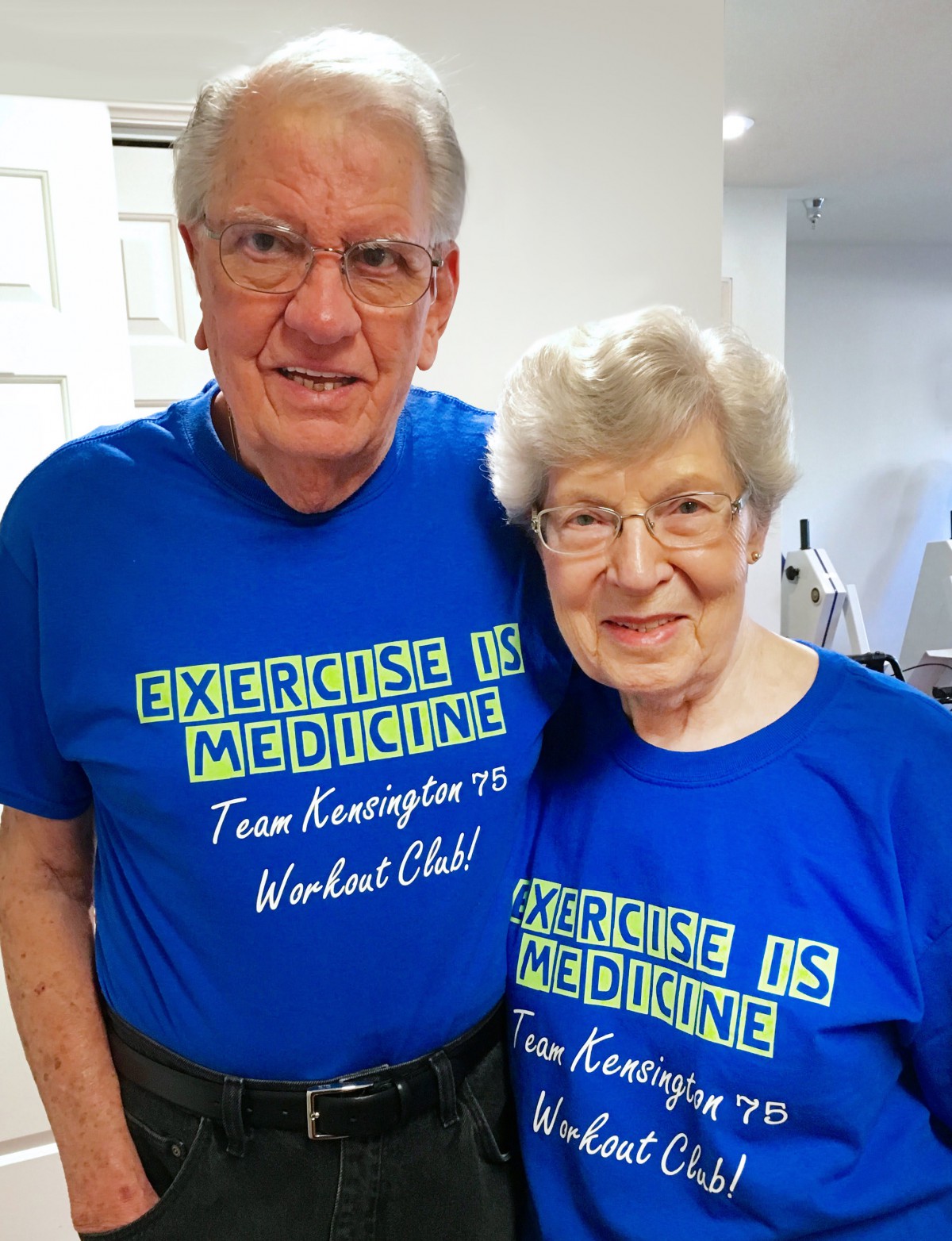
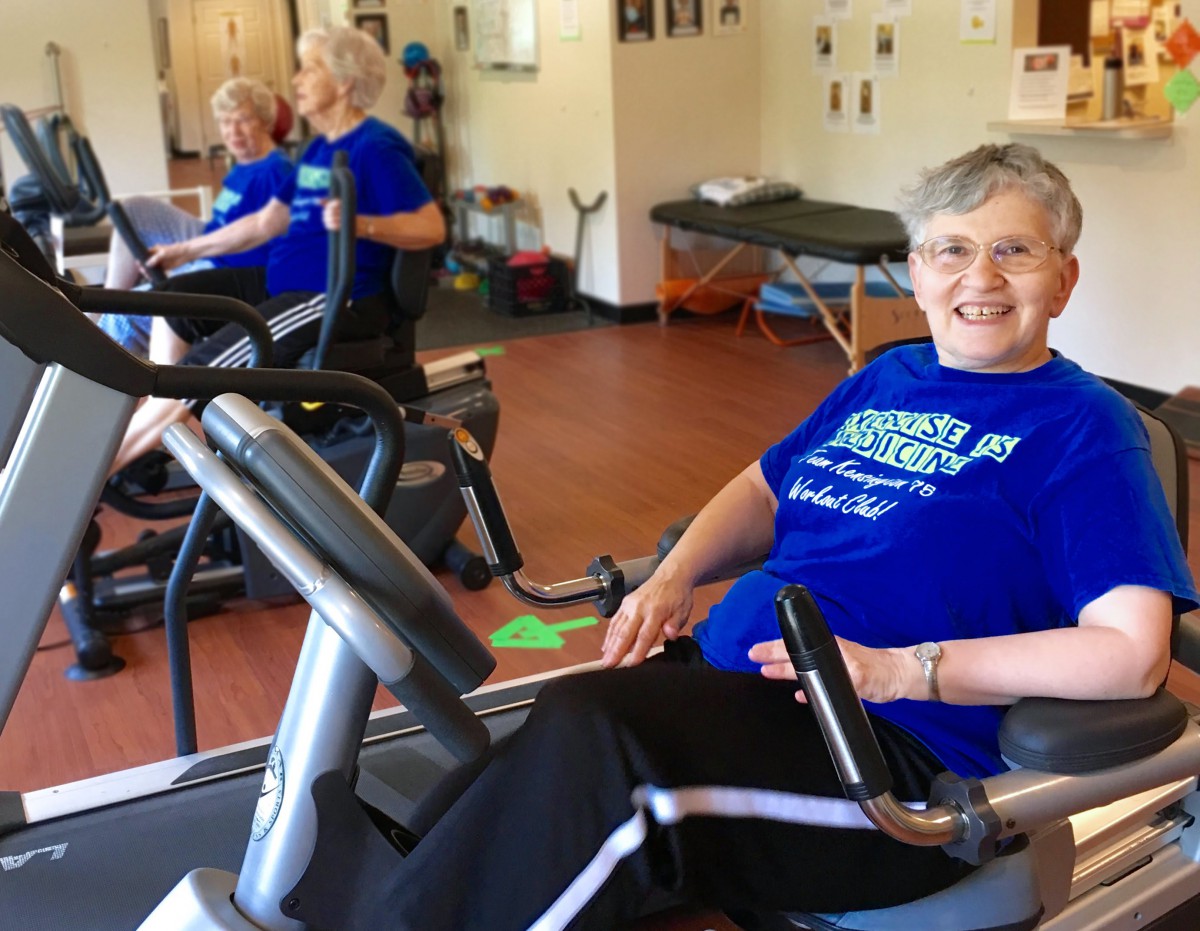
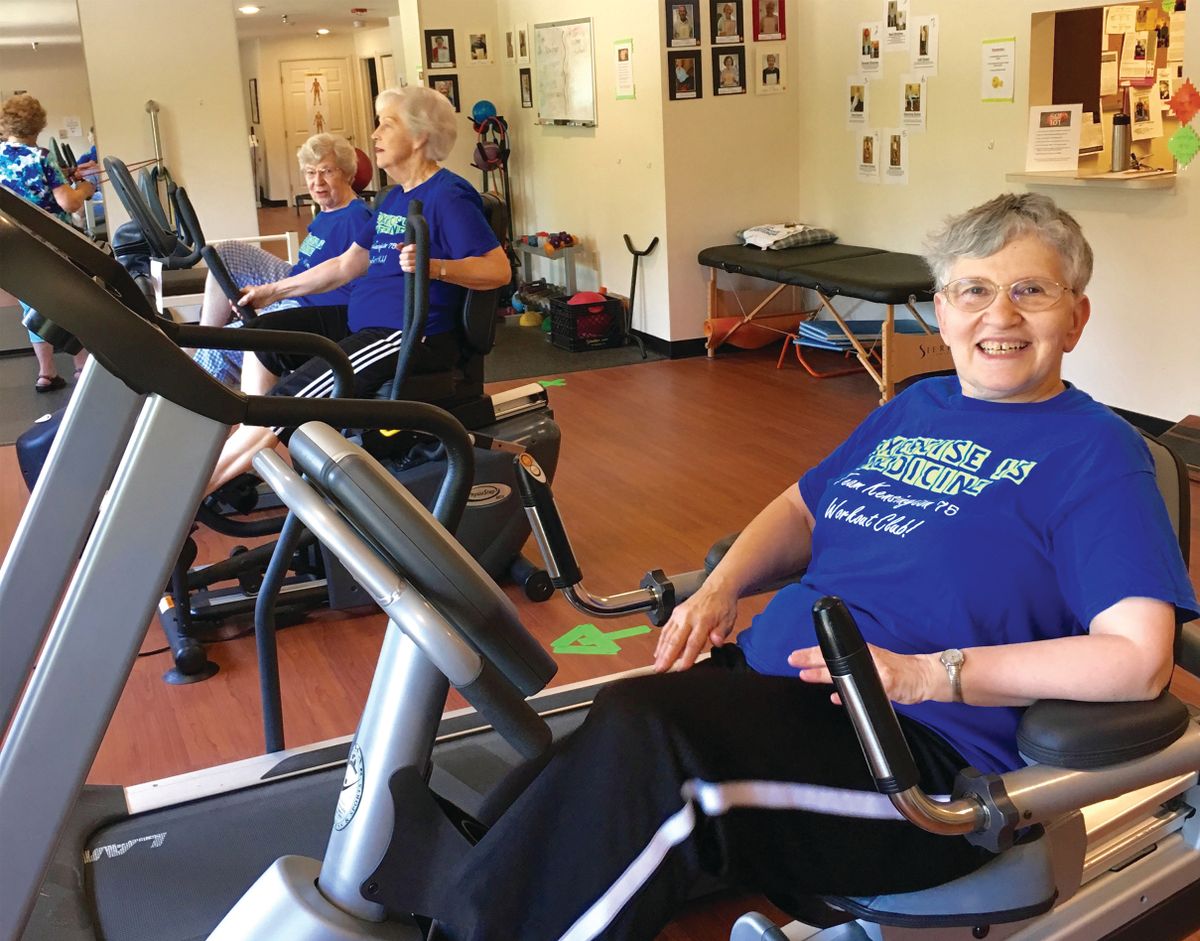
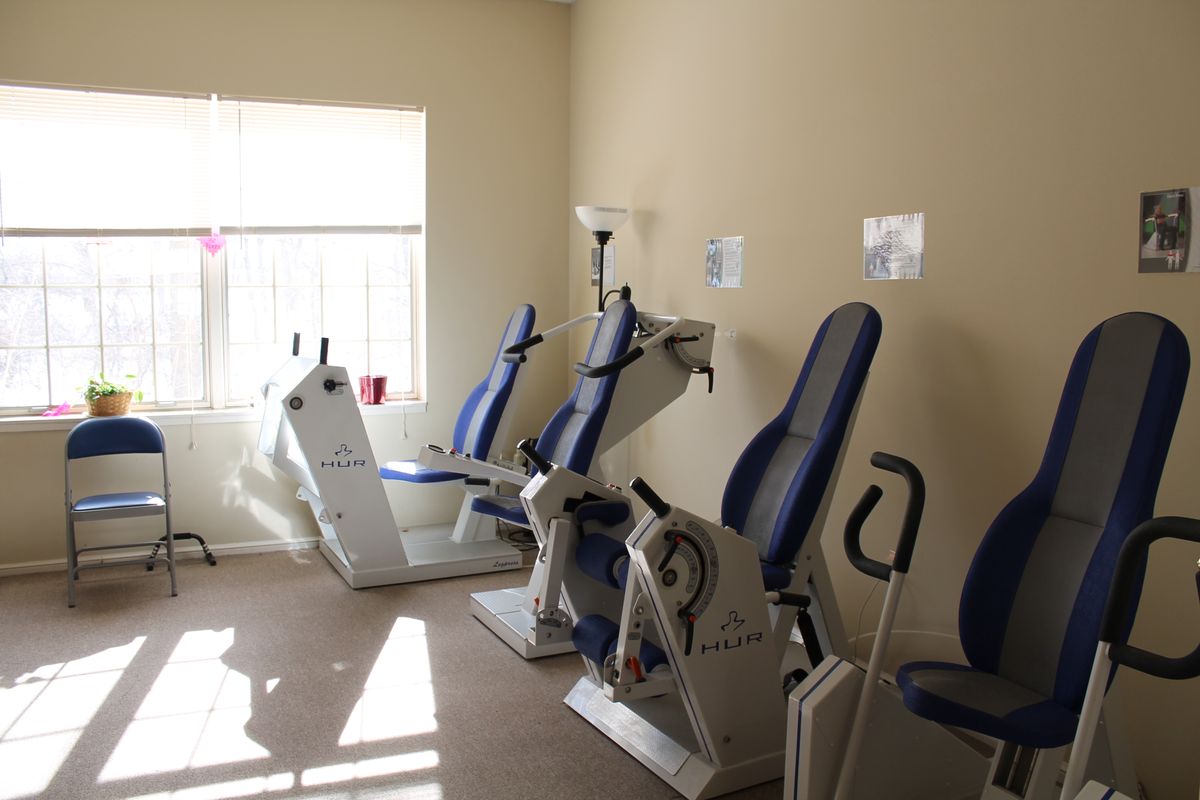
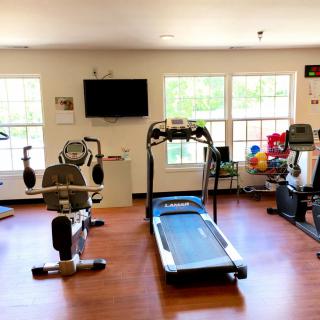
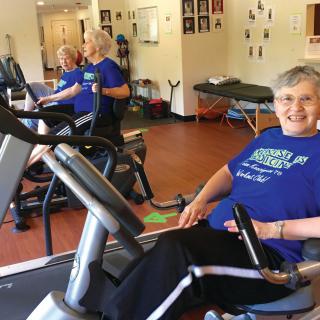
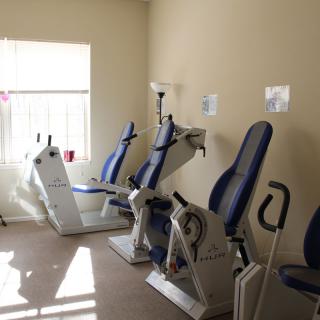
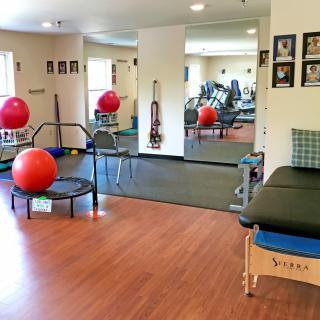
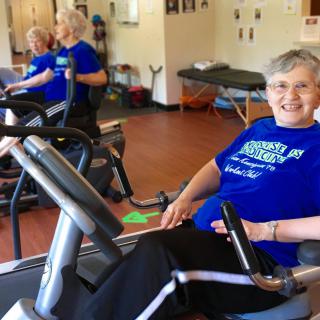
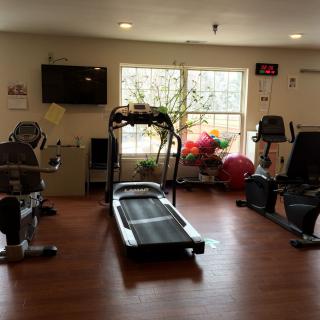
Residents get support through the on-site SeniorFit fitness center.
One review highlights a dedicated SeniorFit Center with trainers who help set up a personalized program. Another describes the fitness manager’s work on mobility, balance, strength, and flexibility, framed as hands-on assistance to seniors.
common2 reviews mention this
Transportation for appointments helps
The appointment-transport process is described as coordinated and easy.
A visitor described being impressed with transportation staff who arranged a trip to a doctor’s appointment, with communication between the resident and driver described as easy. Another review says the community provides transportation for doctor’s appointments as part of daily life support and convenience.
common2 reviews mention this
Outdoor views feel relaxing
Outdoor landscaping and views are described as calming.
One resident specifically calls out the outdoor landscape as very relaxing. Another review mentions a view from the living room window as part of what they like about the setting.
caveat2 reviews mention this
Communication problems after changes
Several reviewers report trouble getting callbacks from the front office.
Some reviews tie a downturn to recent ownership and report that phone calls from loved ones were not returned. In the same set of concerns, one reviewer also says phone and emergency-button related services were not working for a period of time, adding to frustration for families.
How we summarize
Counts show how many written reviews mention each theme; a review can touch several themes, and only frequently mentioned themes are displayed.
Features
Housing
187 resident community capacity
Types of Care
Assisted Living
Independent Living
Memory Care
Pets
Cats allowed
Dogs allowed
Amenities
Activities off-site
Activities on-site
Air-conditioning
Bath tubs
Beautician on-site
Beauty salon
Cable or satellite TV
Computer center
Devotional services off-site
Devotional services on-site
Dining room
Fitness room
Full kitchen
Fully furnished
Gaming room
Garden
Ground floor units
Handicap accessible
Housekeeping services
Indoor common areas
Kitchenette
Located close to restaurants
Located close to shopping centers
Move-in coordination
Outdoor common areas
Outdoor patio
Outdoor space
Pet friendly
Private bathrooms
Respite or short term stays offered
Restaurant-style dining
Small library
Telephone
Wellness center
Wheelchair accessible showers
Wi-Fi/high-speed internet available
Transportation
John Glenn Columbus International Airport (2 miles away)
Community operated transportation
Transportation arrangement
Transportation arrangement (non-medical)
Transportation to doctors appointments
Care Services
12-16 hour nursing
24-hour call system
24-hour supervision
Activities of daily living assistance
Ambulatory care
Assistance with bathing
Assistance with dressing
Assistance with transfers
Diabetes diet
Diabetic care
High acuity care
Incontinence care
Meal preparation and service
Medication management
Mental wellness program
Mild cognitive impairment
Special dietary restrictions
Specialized memory care programming
Dining
Diabetes diet
Guest meals
Meals provided
Professional chef
Restaurant style dining
Room service
Special dietary restrictions
Special dining programs
Vegetarian
Activities
Art classes
Catholic services
Community-sponsored activities
Concierge services
Cooking classes
Devotional activities offsite
Devotional activities on-site
Educational speakers / life long learning
Fitness programs
Jewish services
Other religious services
Planned day trips
Protestant services
Resident-run activities
Scheduled daily activities
Visiting Rabbi
Visiting chaplain or priest
Videos
Nearby Places of Interest
This part of Columbus, Ohio is a vibrant and convenient area with a variety of amenities to offer. With several restaurants such as McDonald's, Block's Bagels, and The Top Steakhouse nearby, residents have plenty of dining options. There are also hospitals like Ohio State University Hospital East and Nationwide Children's Hospital in close proximity for medical needs. Places of worship like St Catharine Church and Trinity Evangelical Lutheran Church provide spiritual support, while cafes such as Starbucks and Northstar Cafe offer great spots for socializing. Pharmacies like CVS and Walgreens are easily accessible for medication needs, and John Glenn Columbus International Airport provides convenient transportation options. For healthcare services, there are physicians offices like Equitas Health King-Lincoln Medical Center and Stefanie Spielman Comprehensive Breast Center nearby. Parks like Goodale Park and Schiller Park offer green spaces for relaxation, while theaters like Dreamscape at AMC Easton Town Center provide entertainment options. Overall, this area combines convenience, healthcare facilities, dining choices, shopping options, and recreational opportunities making it a desirable location for senior living in Columbus.
Restaurants
McDonald's (0.7 miles)
Block's Bagels, Bakery & Deli (1.5 miles)
McDonald's (2.2 miles)
Royal Fish Shrimp & Chicken (2.5 miles)
The Top Steakhouse (2.5 miles)
Chili's Too (2.7 miles)
Eddie George's Grille (2.8 miles)
Hospitals
Ohio State University Hospital East (2 miles)
Nationwide Children's Hospital (3.4 miles)
Select Specialty Hospital (3.9 miles)
Richard M Ross Heart Hospital (4.4 miles)
OSU Harding Hospital (4.5 miles)
Mount Carmel East (5 miles)
Ohio Health (5.6 miles)
Places of Worship
St Catharine Church (2.2 miles)
Faith Ministries Church (2.4 miles)
Holy Name Church (4 miles)
Trinity Evangelical Lutheran Church (4.1 miles)
Cafes
Starbucks (2.3 miles)
Starbucks (2.9 miles)
Fox in the Snow Cafe (3.4 miles)
Northstar Cafe (4.2 miles)
One Line Coffee (4.7 miles)
Starbucks (4.8 miles)
Starbucks (5.4 miles)
Pharmacies
CVS Pharmacy (2.3 miles)
CVS Pharmacy (3.1 miles)
CVS Pharmacy (3.2 miles)
Walgreens (3.2 miles)
CVS Pharmacy (3.4 miles)
CVS Pharmacy (3.7 miles)
CVS Pharmacy (3.9 miles)
Transportation
John Glenn Columbus International Airport (CMH) (2.6 miles)
Concourse C (2.7 miles)
TSA Security Checkpoint A (2.7 miles)
CMH Passenger Drop-off / Pick-up (2.7 miles)
TSA Security Checkpoint B (2.8 miles)
TSA Pre-Check B (2.8 miles)
Concourse B (2.9 miles)
Physicians
Equitas Health King-Lincoln Medical Center (2.9 miles)
Nationwide Children's Hospital Livingston Ambulatory Center (3.8 miles)
Grant Family Medicine/Eastside Surgery Center (4.2 miles)
The Eye Center of Columbus (4.3 miles)
Us Healthworks (4.3 miles)
Stefanie Spielman Comprehensive Breast Center (4.7 miles)
Kensington Place presents a compelling value proposition in terms of monthly living costs compared to its counterparts in Franklin County and the broader state of Ohio. For semi-private accommodations, residents will find an attractive rate of $2,238, significantly lower than both the county average of $4,507 and the state average of $3,965. When considering one-bedroom units, Kensington's pricing at $3,935 is competitive, slightly above the county's average of $3,645 but still within reach compared to the state's average of $3,712. However, the two-bedroom option at Kensington Place stands out with a cost of $4,880 - higher than both Franklin County's rate of $3,237 and Ohio's average of $3,501. Overall, Kensington Place offers a range of options that cater to various budget considerations while maintaining a focus on quality care and comfortable living environments.
Kensington Place's features are designed to create a supportive environment for residents with dementia or Alzheimer's, ensuring their safety, dignity, and overall well-being. The provision of 24-hour supervision allows staff to respond promptly to the needs of residents, reducing anxiety and potential risks associated with wandering or disorientation. Assistance with activities of daily living, such as bathing and dressing, not only promotes personal hygiene but also fosters independence and self-esteem. Care in transfers is vital for preventing falls, while incontinence care ensures comfort and maintains dignity. Meal preparation and service are tailored to meet dietary needs, which is crucial for physical health and enjoyment. Medication management is essential for maintaining proper health protocols, minimizing the risk of complications from missed doses. Moreover, programs focused on mental wellness address cognitive stimulation through engaging activities that enhance mood and cognitive function. Specialized memory care programming targets distinct challenges faced by those with mild cognitive impairment or advanced stages of dementia, providing structured support tailored to individual needs. This comprehensive approach helps residents maintain a sense of purpose and connection while navigating their conditions.
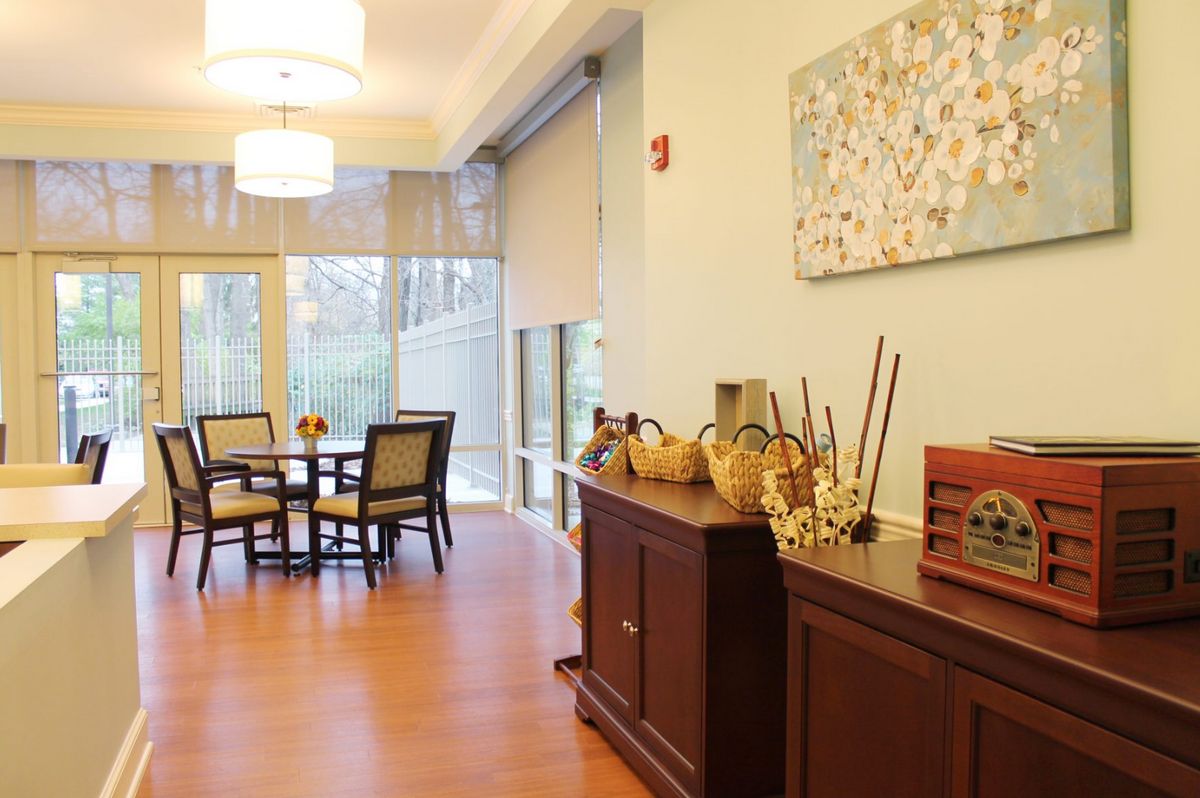
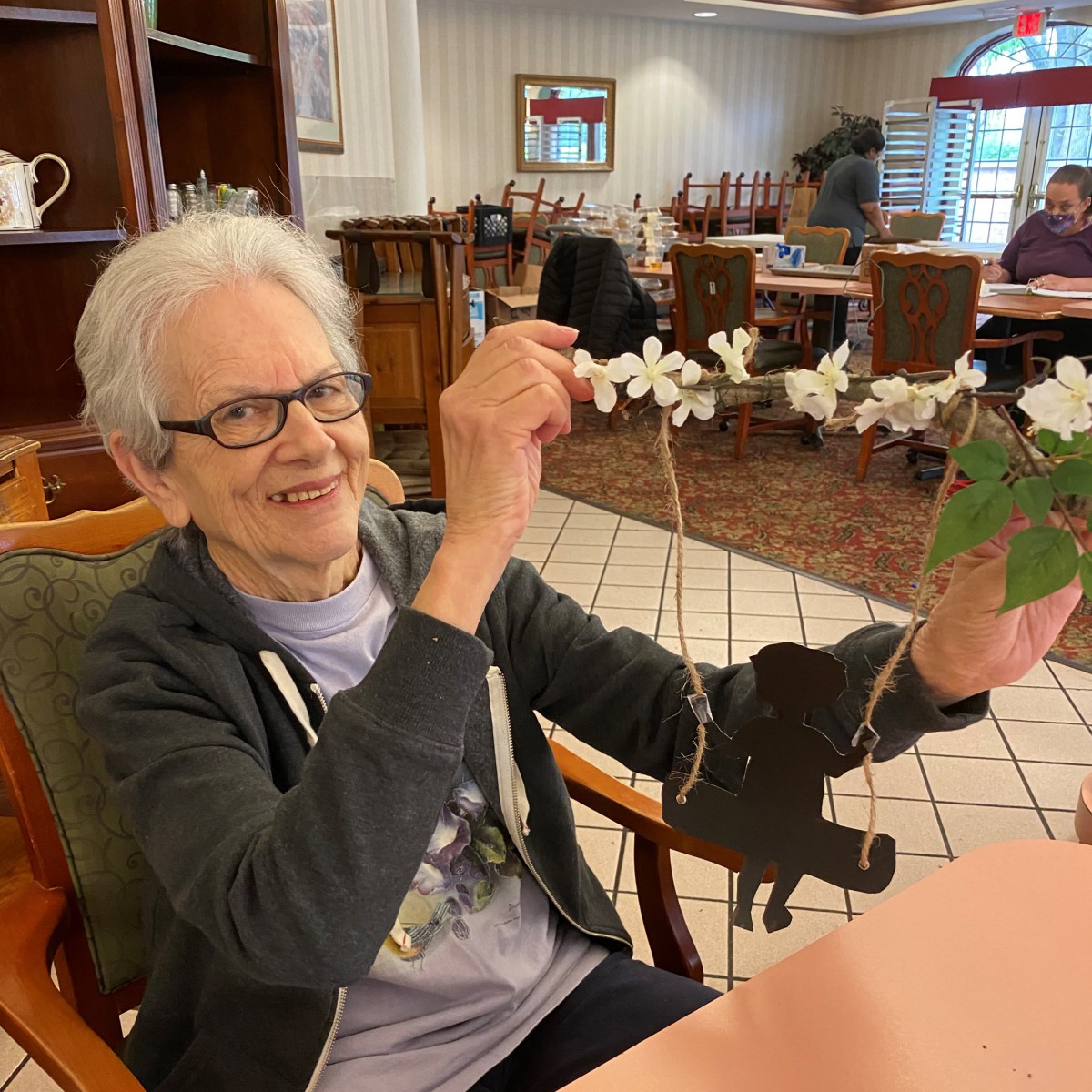
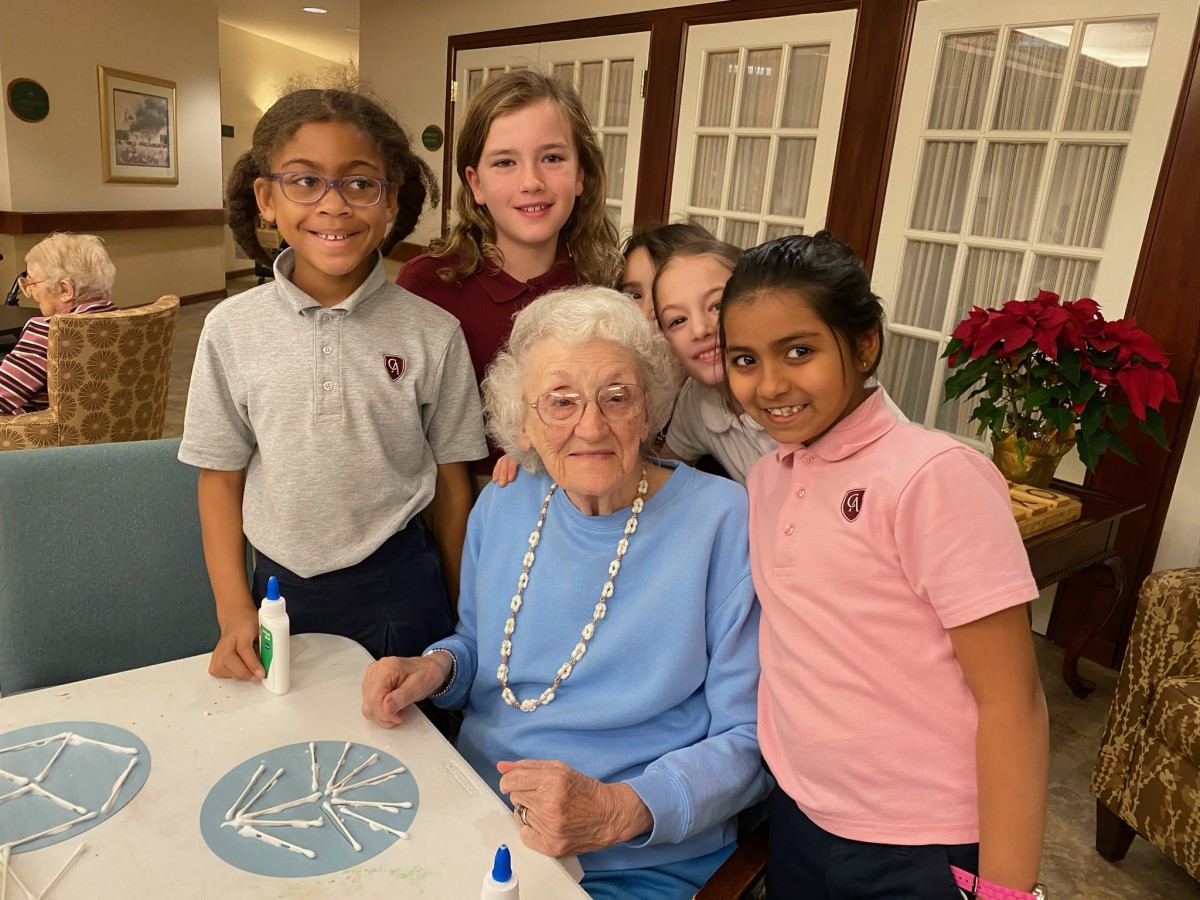
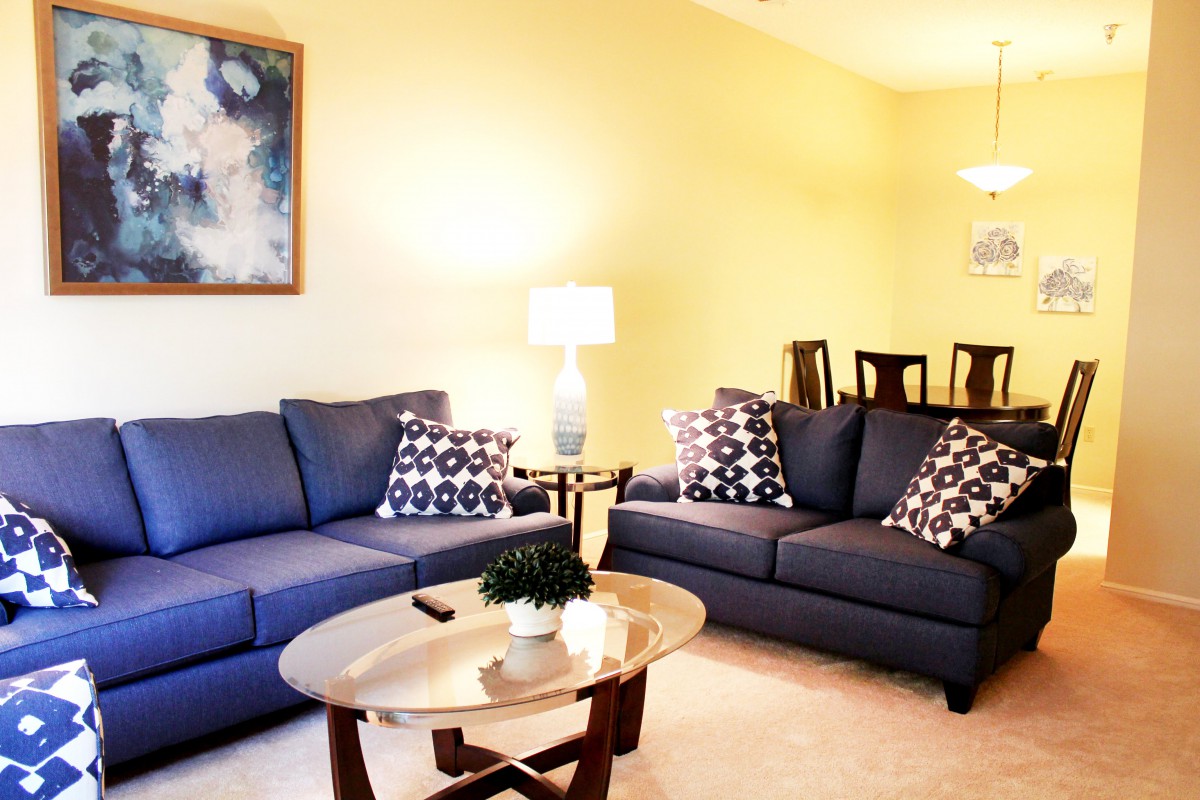
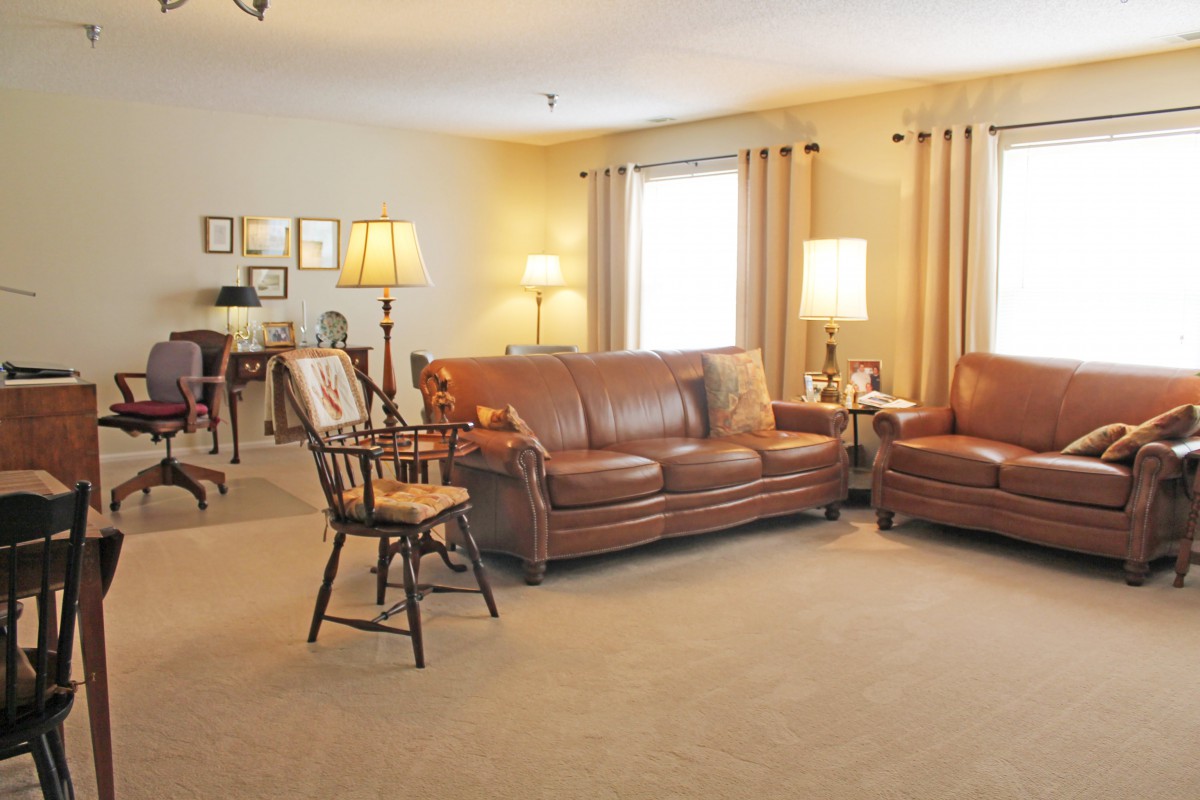
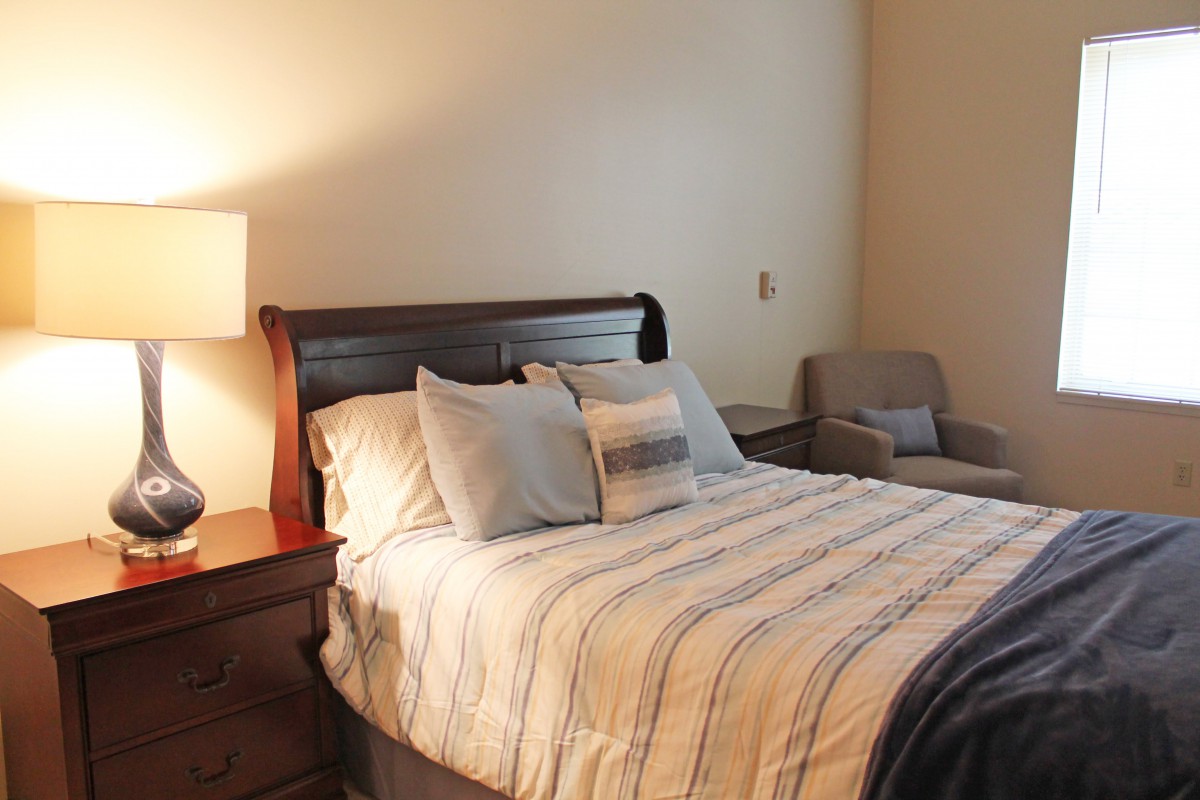
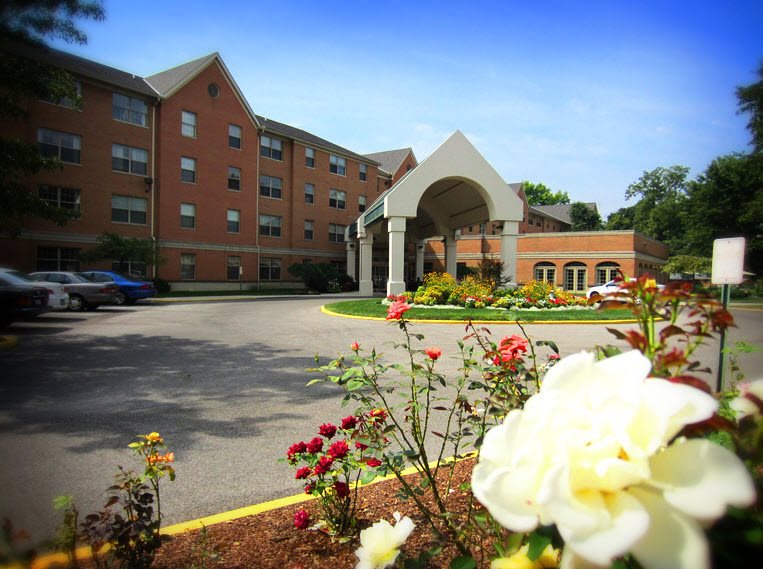
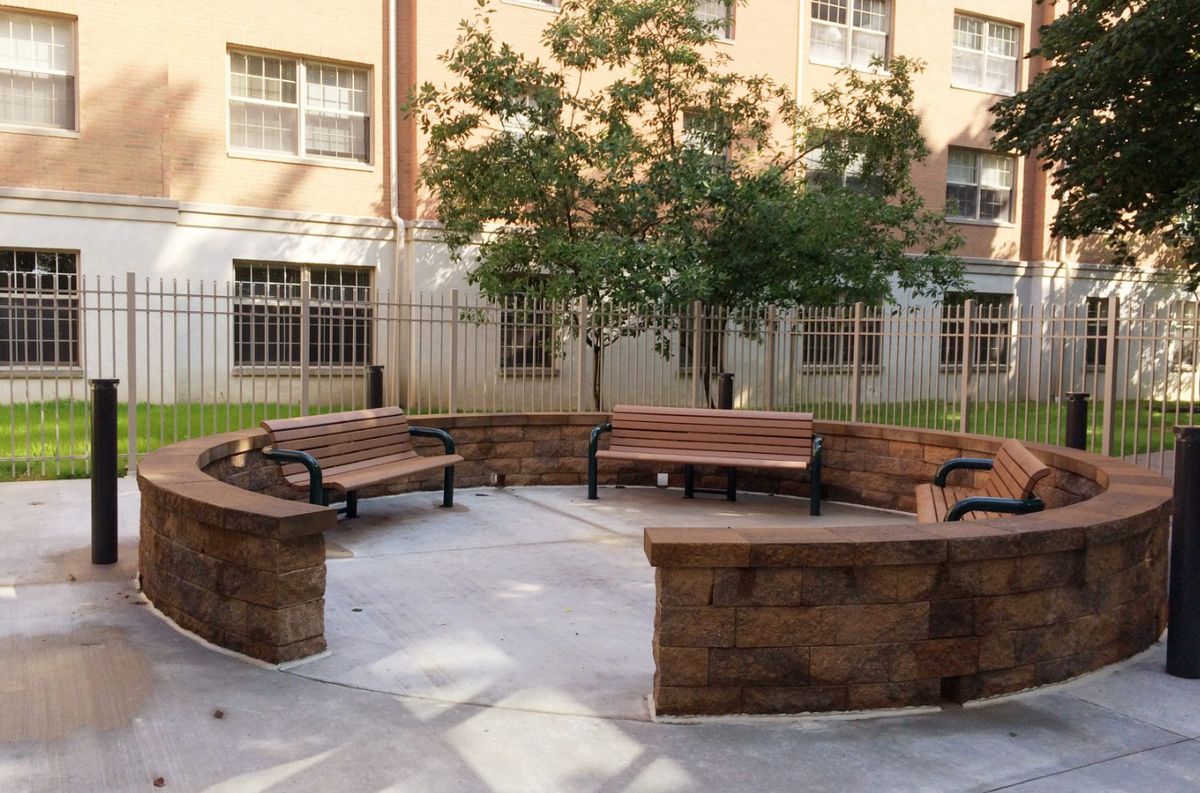
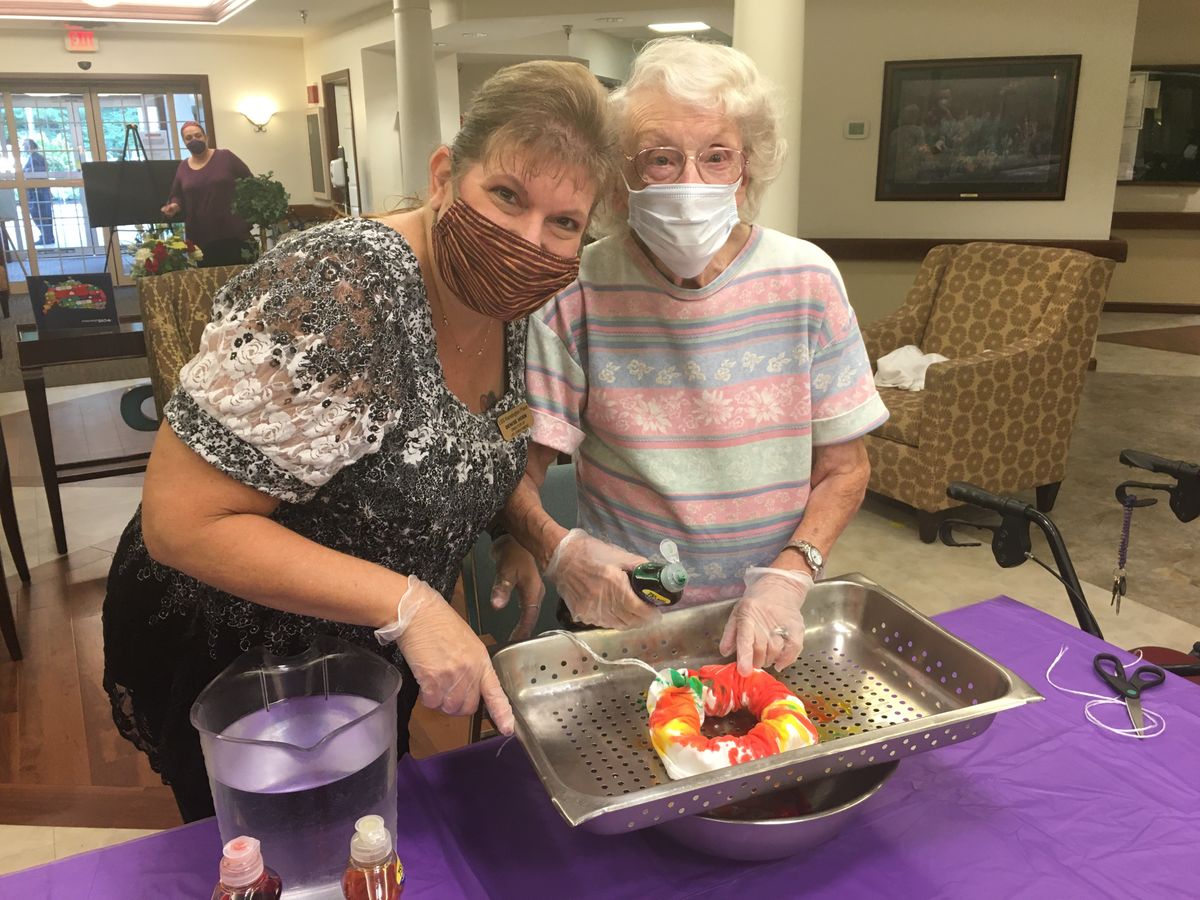
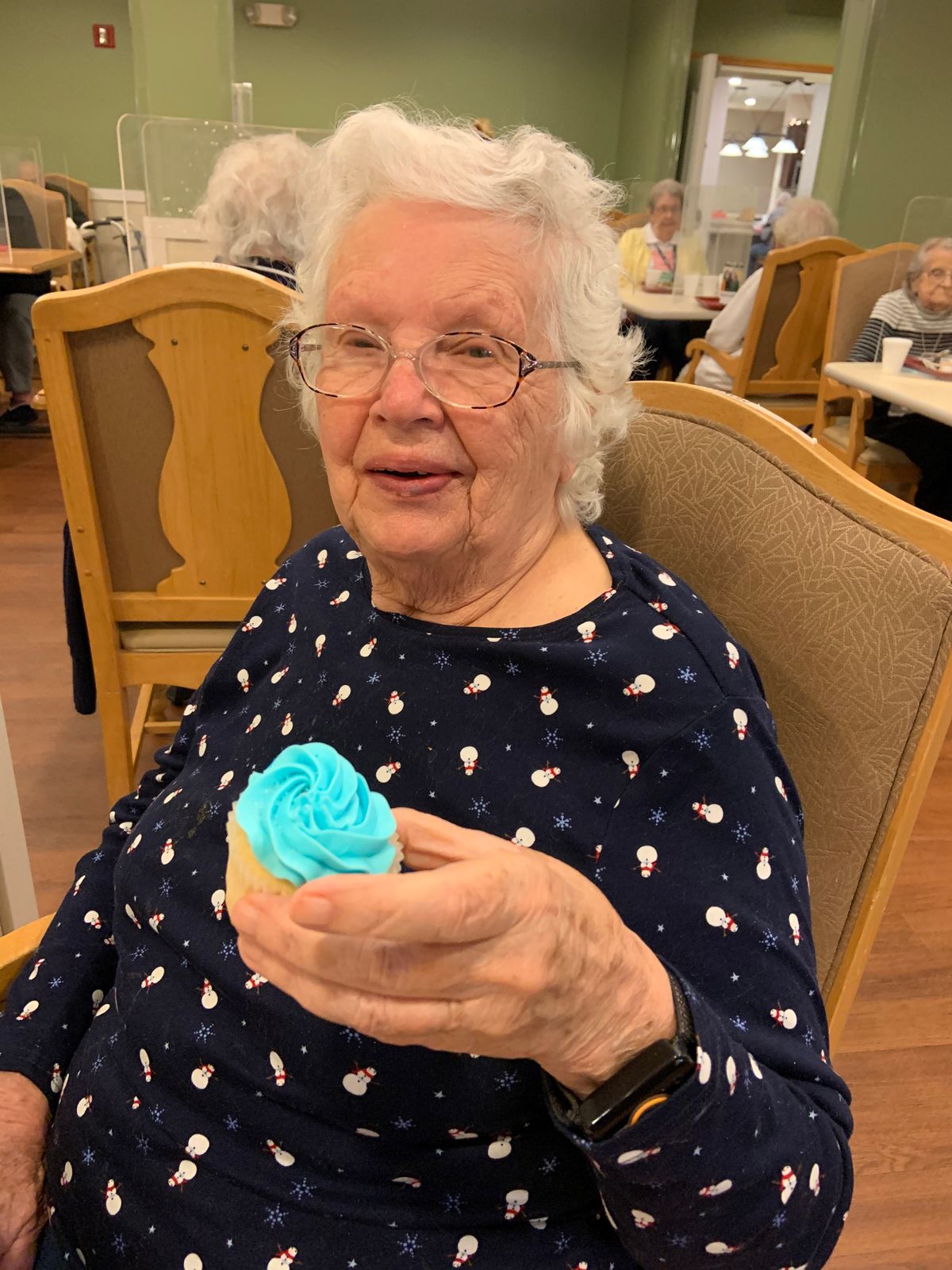
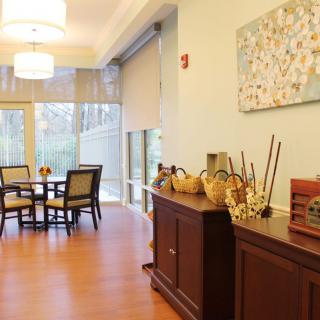
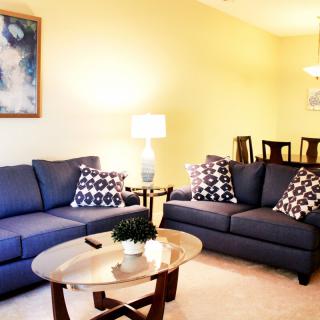
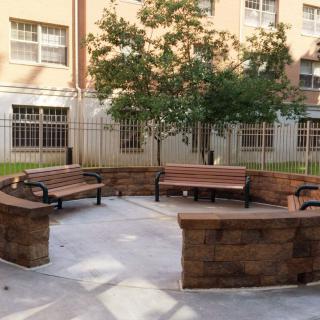
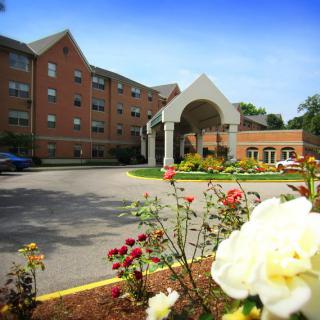
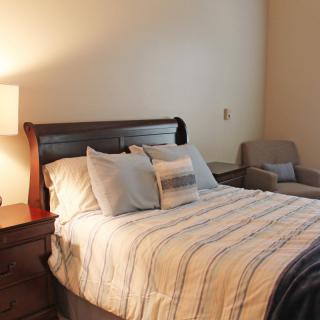
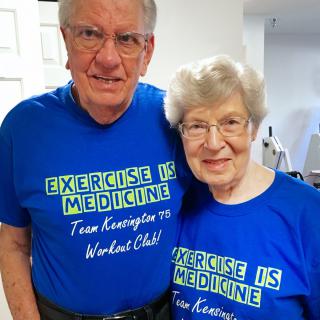
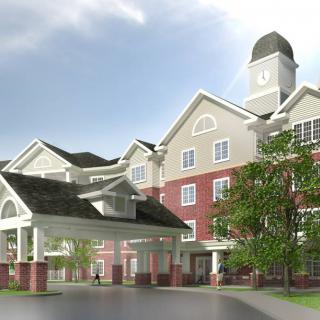
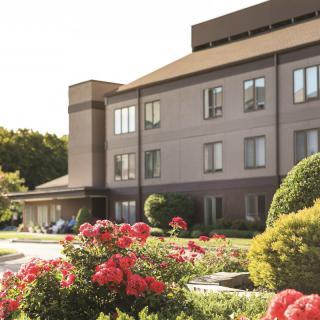
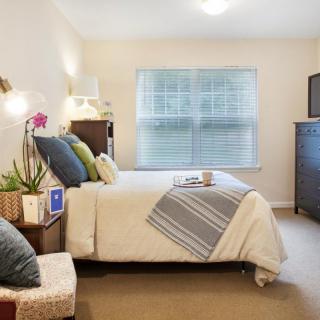
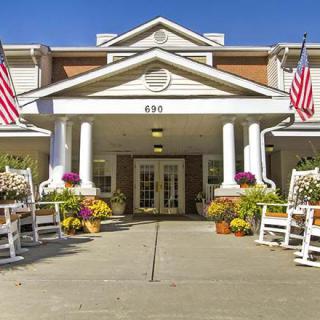
Kensington Place on seniors.fyi includes 20 photos including images showing interior, exercise equipment, gym, decor, treadmill, exercise, fitness room, building, and more.
Nearby Communities
Solivita of Summit's Trace
Columbus, OH
3.1 from 69 reviews
$3,200 / month
Friendly staff and a pleasant, amenity-rich setting.
Mohun Health Care Center
Columbus, OH
3 from 2 reviews
Extensive on-site amenities and 24/7 care support.
Atrium Centers, LLC
Columbus, OH
2.6 from 5 reviews
Extensive nearby amenities and easy access to pharmacies, hospitals, and transportation.
Bexley House
Columbus, OH
4.5 from 103 reviews
$1,000 / month
Friendly, professional staff and inviting atmosphere.
Bon-Ing Rest Home
Columbus, OH
5 from 3 reviews
Excellent proximity to dining, parks, pharmacies, and healthcare services nearby.
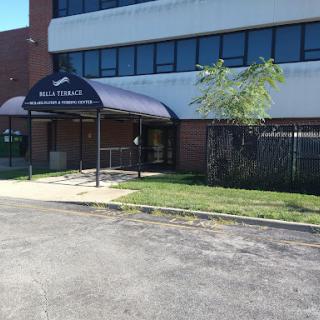
Bella Terrace Rehabilitation And Nursing Center
Columbus, OH
1.8 from 30 reviews
Caring staff in a clean, homey environment.
Wexner Heritage Village
Columbus, OH
3.4 from 99 reviews
Creekside At The Village
Columbus, OH
3.7 from 38 reviews
$3,400 to $6,100 / month
Responsive Director of Nursing and friendly, engaged staff; engaging activities and well-maintained, comfortable apartments with on-site dining and services.
Nazareth Towers
Columbus, OH
3.7 from 71 reviews
Excellent proximity to cafes, parks, pharmacies, physicians, restaurants, places of worship, and hospitals.
Dementia, influenced by aging and certain medications, may be exacerbated by drug classes such as anticholinergics, benzodiazepines, and antipsychotics, which are associated with cognitive impairment. Regular medication reviews by healthcare professionals are crucial for older adults to manage risks and optimize cognitive health.
Dementia often results in disrupted sleep patterns, leading to excessive daytime sleeping due to factors like brain damage affecting circadian rhythms, medication side effects, and lack of structure in daily activities. Caregivers must monitor these changes closely, as oversleeping can increase risks such as malnutrition or dehydration, and provide necessary support and routines to enhance patient engagement and well-being.
The transition from assisted living to skilled nursing care is often prompted by complex medical needs that assisted living cannot meet, with key indicators including frequent health declines, increased falls, severe memory issues, and caregiver burnout. Families should recognize these signs early to discuss options with healthcare providers and prepare for the emotional and logistical aspects of moving to a facility that offers comprehensive medical support.
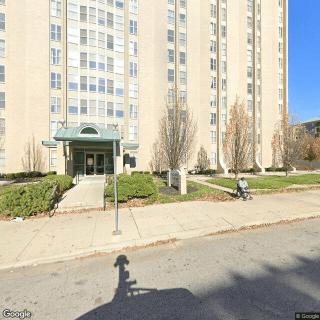
Trees, Outdoor Seating, Courtyard, Fence, and Urban
Artwork
Television
Exercise Equipment
Painting
Gym
Rehabilitation, Physical Therapy, and Mirrors
Fitness
Exercise
Treadmill
Fitness Center
Workout Space
Fitness Room
Art
Cooking
Get PricingAsk A QuestionSchedule A TourContact Senior Advisor
By clicking submit, you agree to our Partner's Terms of Use. You
also consent to receive calls and texts, which may be autodialed, from our Partner. Your consent is not a condition to
using our Partner's service. Please visit our Partner's Privacy Policy for information about their privacy practices.


 187 resident community capacity
 Assisted Living
 Independent Living
 Memory Care
 Cats allowed
 Dogs allowed
 Activities off-site
 Air-conditioning
 Bath tubs
 Beautician on-site
 Cable or satellite TV
 Computer center
 Devotional services off-site
 Dining room
 Fitness room
 Full kitchen
 Fully furnished
 Gaming room
 Garden
 Ground floor units
 Handicap accessible
 Housekeeping services
 Indoor common areas
 Located close to restaurants
 Located close to shopping centers
 Move-in coordination
 Outdoor common areas
 Outdoor patio
 Pet friendly
 Private bathrooms
 Respite or short term stays offered
 Restaurant-style dining
 Small library
 Telephone
 Wellness center
 Wheelchair accessible showers
 Wi-Fi/high-speed internet available
 John Glenn Columbus International Airport (2 miles away)
 Community operated transportation
 12-16 hour nursing
 24-hour call system
 Ambulatory care
 Assistance with bathing
 Assistance with dressing
 Assistance with transfers
 Diabetes diet
 Diabetic care
 High acuity care
 Incontinence care
 Medication management
 Mental wellness program
 Special dietary restrictions
 Art classes
 Catholic services
 Concierge services
 Cooking classes
 Educational speakers / life long learning
 Jewish services
 Planned day trips
 Friendly staff and a pleasant, amenity-rich setting.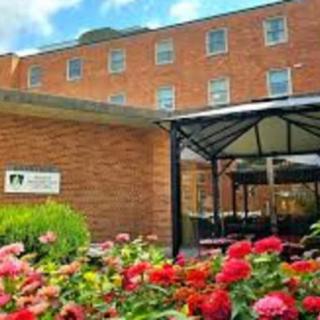
 A Thorough Discussion of Medications Potentially Linked to Dementia Risk
 Why Do Dementia Patients Sleep So Much? Understanding Oversleeping, Stages, and Care Approaches
 8 Key Indicators That Suggest It May Be Time to Transition from Assisted Living to Skilled Nursing Care