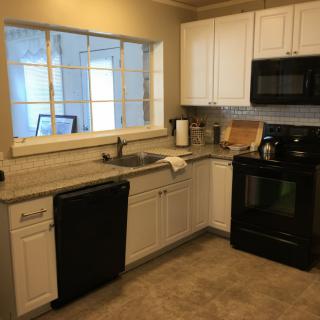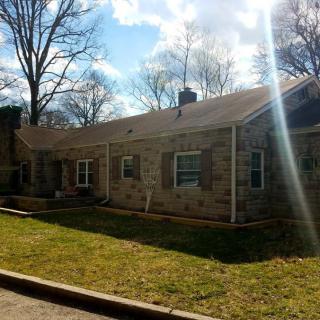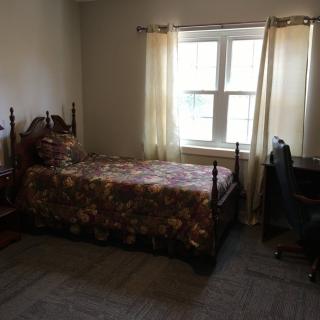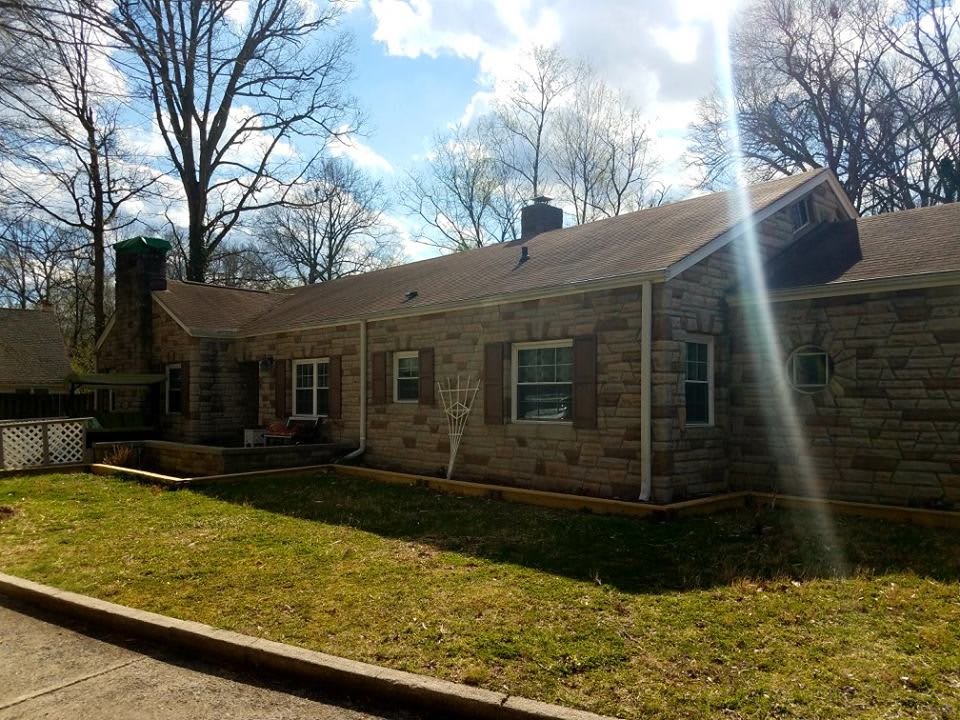
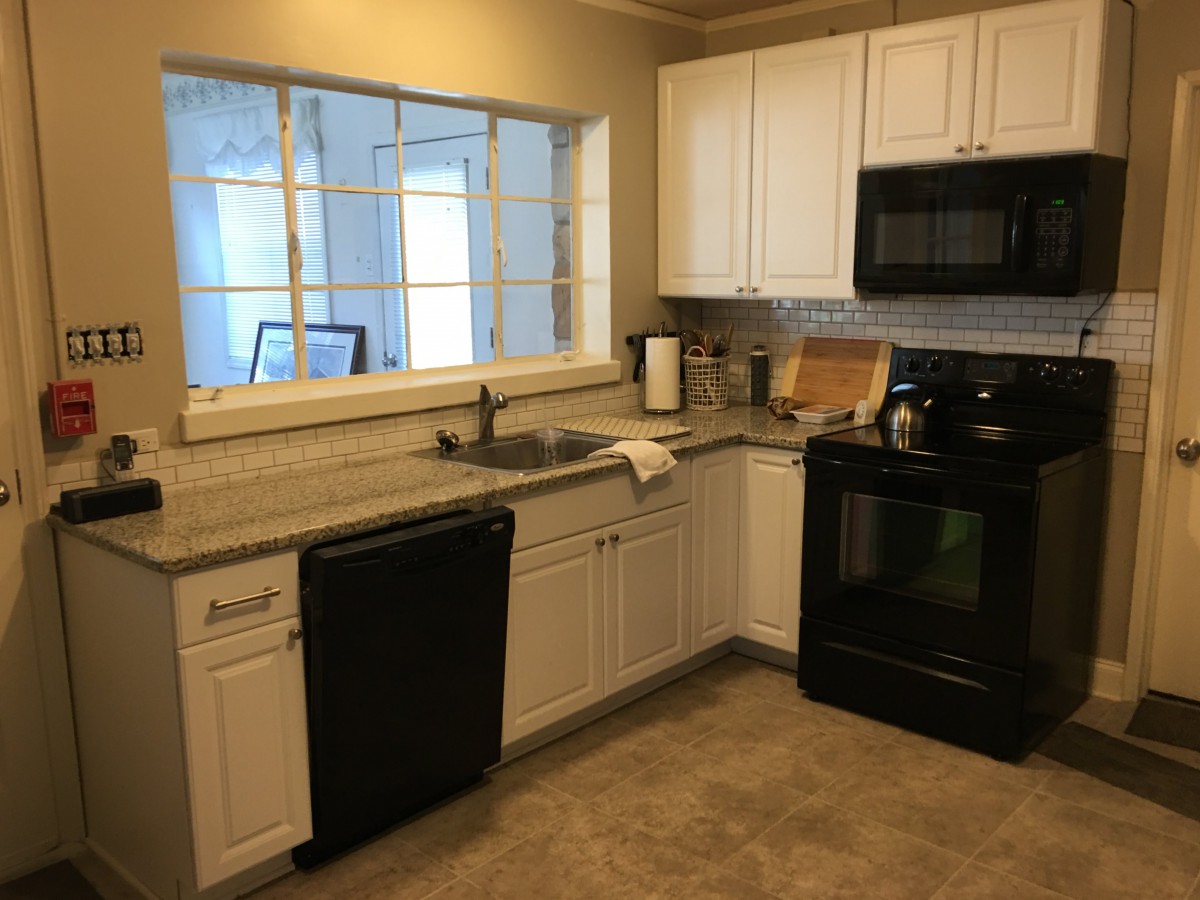
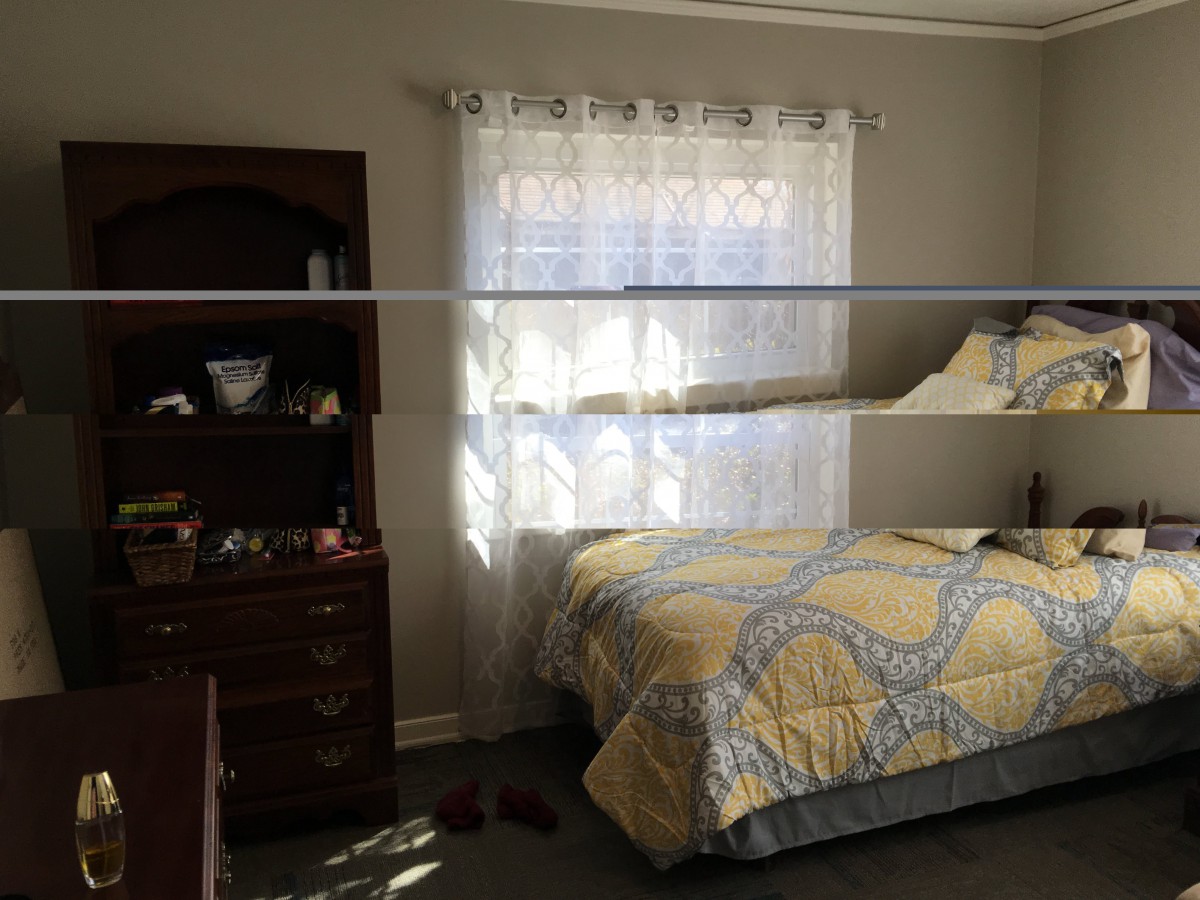
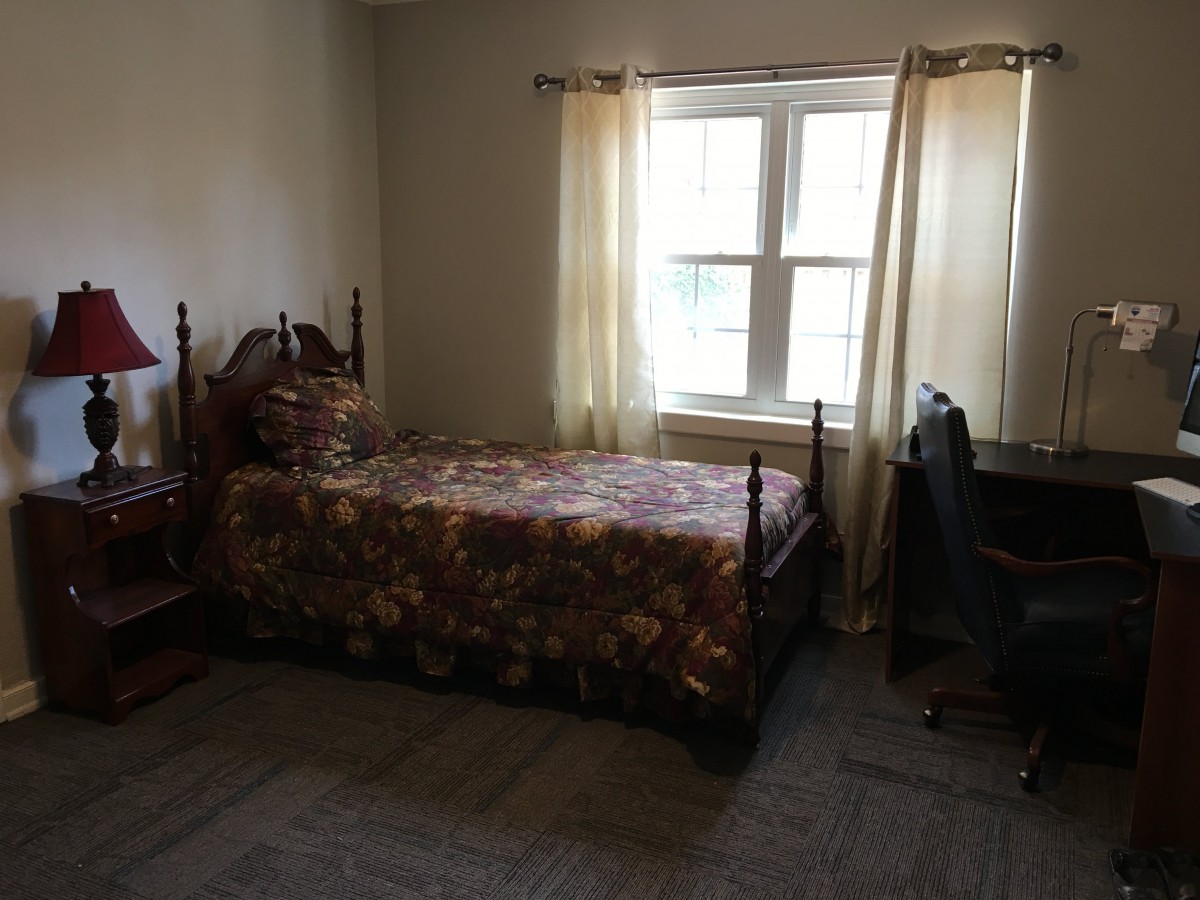
910 Maplewood Court, Winston Salem, NC 27103
For more information about senior living options: (866) 208-4318
Quality Care Homes Costs & Pricing
Quality Care Homes offers competitively priced accommodations with a monthly cost of $4,400 for private rooms, positioning it slightly below the average for Forsyth County at $4,564 and just above the overall state average of $4,425. This pricing reflects not only the quality of care provided but also the facility's commitment to delivering value in a supportive environment. It's clear that Quality Care Homes strives to maintain affordability while ensuring residents receive exceptional services tailored to their needs, making it an attractive option for families seeking quality care in North Carolina.
| Floor plans | Quality Care Homes | Forsyth County | North Carolina |
|---|---|---|---|
| Private | $4,400 | $4,564 | $4,425 |
Overall Review of Quality Care Homes
Pros
 It is a great place to live.
- The administrator is very compassionate about giving good care to seniors.
Cons
 It is a horrible place to work.
Review
Quality Care Homes in Winston-Salem, NC is best suited for seniors who value a small, intimate setting with a clearly compassionate leadership voice guiding daily care. This community likely attracts residents who prefer a home-like atmosphere over a larger, impersonal campus and who want direct access to administrators and caregivers. The strongest signal here is leadership that appears genuinely committed to good resident care, suggesting that residents can expect attentive, individualized support when the environment is calm and well-staffed. In short, it serves those who prioritize personal attention and a warm, present management presence over flashy amenities or expansive programming.
That said, families should explicitly consider alternatives if stability in staffing and consistency of care are non-negotiable. Larger assisted living communities or established continuing care neighborhoods often offer higher staff-to-resident ratios, more structured activity calendars, and ongoing supervision that mitigates the risk of disruption. For residents with higher medical or memory-care needs, or for those seeking long-term reliability in staffing, exploring options with a broader corporate footprint or more robust on-site resources may yield greater peace of mind. Memory-care specialization or facilities with fail-safe backup staffing are examples of alternatives worth comparing.
The most credible positives here center on leadership and resident-focused care. The administrator’s demonstrated compassion toward good care signals that decision-makers understand how to translate concern into practical, day-to-day support for residents. A resident or family member might notice that care planning, communication, and responsiveness can be strong when management is engaged and visible. An environment described as “great to live in” by one reviewer reinforces that when the team is aligned around resident comfort and dignity, daily life can feel rewarding and secure for those who value a calmer, more personal setting.
However, the most significant caveat comes from the other side of the ledger: a distinctly negative perspective about the work environment. Describing the place as a “horrible” workplace raises flags about staffing stability, morale, and turnover. When caregivers are unsettled or overextended, even well-intentioned leadership can struggle to keep routines consistent, calls for help answered promptly, and assistance delivered with the same reliability every day. The risk here is that resident care quality fluctuates with staff cycles, leaving families uncertain about what to expect from week to week.
These dynamics must be weighed carefully. The advantages of compassionate leadership and resident-centered care can offset the cons if the facility can demonstrate steady staffing and transparent operations: low caregiver turnover, predictable schedules, and proactive communication about care changes. If the administration remains hands-on, fosters a collaborative culture with direct input from residents and families, and maintains adequate staffing levels, the experience for residents can stay solid. Without those conditions, however, the same strengths may struggle to counterbalance the underlying risk of inconsistency and burnout that the negative reviewer highlights.
To make a well-informed decision, prospective families should approach with a practical checklist. Request to meet the administrator and spend time talking with direct caregivers to gauge stability and morale. Observe staffing during meals and in the evenings, and ask about turnover rates, shift coverage, and the cadence of routine care tasks. Inquire about posted staffing ratios, call-bell response times, and the availability of on-site supervision after hours. Review recent state inspection results and speak with current residents or family members about real-time experiences. If these indicators align with solid, steady operations and a caring leadership style, Quality Care Homes becomes a compelling match for a resident who wants a warm, personalized setting without sacrificing essential reliability. If they do not align, wider market options offer stronger guarantees of consistency and long-term footing.
 6 resident community capacity
 Assisted Living
 Board and Care Home
 Activities off-site
 Air-conditioning
 Bath tubs
 Cable or satellite TV
 Devotional services off-site
 Dining room
 Fully furnished
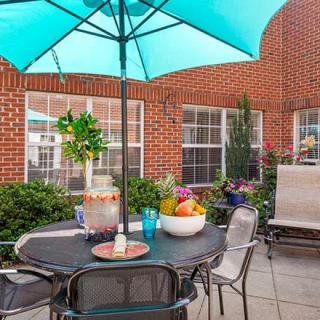
 Garden
 Housekeeping services
 Indoor common areas
 Move-in coordination
 Outdoor common areas
 Private
 Private bathrooms
 Respite or short term stays offered
 Telephone
 Wi-Fi/high-speed internet available
 Piedmont Triad International (20 miles away)
 24-hour supervision
 Ambulatory care
 Assistance with bathing
 Assistance with dressing
 Assistance with transfers
 Diabetes diet
 Diabetic care
 Incontinence care
 Meal preparation and service
 Medication management
 Special dietary restrictions
 Transportation arrangement (medical)
 Transportation to doctors appointments
 Day trips and outings
 Educational speakers / life long learning
 Live musical performances
 Live well programs
 Protestant services
 Wii bowling


 Understanding Medicaid Coverage for Assisted Living: A Comprehensive Guide
 How and When Medicaid May Cover Assisted Living Costs
 A Detailed Exploration of Assisted Living Medicaid Waivers Across the United States