Homestead Hills offers competitive pricing for its accommodations compared to the broader market in Forsyth County and North Carolina. For instance, a one-bedroom unit is priced at $1,925, significantly lower than the county's average of $3,909 and the state's average of $4,055. Similarly, two-bedroom apartments are available at $1,955, again undercutting both Forsyth County's rate of $4,352 and North Carolina's average of $4,245. Even studio options present a favorable comparison; at $2,850 they are more appealing than the county's price of $3,951 and the state's $4,020. The semi-private rooms also demonstrate an advantage with a cost of $3,175 against Forsyth County's figure of $3,863 and North Carolina's average of $3,584. Overall, Homestead Hills stands out as an affordable choice while maintaining quality living standards in both county and state contexts.
Floor plans
Homestead Hills
Forsyth County
North Carolina
1 Bedroom
$1,925
$3,909
$4,055
2 Bedrooms
$1,955
$4,352
$4,245
Studio
$2,850
$3,951
$4,020
Semi-Private
$3,175
$3,863
$3,584
Assisted Living communities with a similar price nearby
Some reviews describe serious breakdowns in skilled nursing rehab.
A couple of reviews for rehabilitation describe missed basic care steps and problems during recovery, including delays starting therapy. One account also describes medical complications toward the end of a stay and states they would not use the facility again. These are the main negative stories tied to short-term rehab experiences, rather than everyday assisted living.
caveat2 reviews mention this
Sanitation and environment issues mentioned
Some reviews raise concerns about cleanliness and ventilation.
Two reviews explicitly describe unclean facilities or sanitation problems, including dirty linens and inadequate waste management. Another also mentions stuffy air quality in shared spaces. Other reviews do say the building is clean and well maintained, but these specific hygiene complaints stand out.
caveat4 reviews mention this
Dining quality and service complaints
Dining is a mixed picture, with recurring frustration reported.
Some residents say they are happy with the dining experience, but several reviews focus on problems like slow service and dissatisfaction with the quality of “fine dining.” One review also criticizes food pricing and meal wait times in the main dining room. Another mentions food portions being slim and needing requests for snacks, while a separate review compares assisted living food unfavorably to independent living.
caveat2 reviews mention this
Costs are a recurring concern
A few reviews say the community feels expensive for the experience.
One detailed review argues that meal prices have increased substantially and criticizes how food costs factor into what residents pay. Another review calls out that dining feels overpriced, including comments about portion size. At the same time, the listing pricing information shows rates far below county and state benchmarks across unit types.
common4 reviews mention this
Location is convenient to care
Residents value the community’s close access to hospitals and everyday needs.
Multiple reviews describe Homestead Hills as close to major hospitals and medical offices, and convenient for errands like shopping and dining. This location theme also pairs with residents’ emphasis on having supportive services available on campus. Nearby options in the area include physician offices and popular restaurants at around a few tenths to about one mile away.
How we summarize
Counts show how many written reviews mention each theme; a review can touch several themes, and only frequently mentioned themes are displayed.
Features
Housing
66 resident community capacity
1-bedroom apartments
2-bedroom apartments
3-bedroom apartments
Detached homes
Studio apartments
Types of Care
Active Adult Communities (55+)
Assisted Living
Independent Living
Memory Care
Skilled Nursing Facility
Pets
Cats allowed
Dogs allowed
Amenities
Activities on-site
Air-conditioning
Beauty salon
Cable or satellite TV
Computer center
Devotional services off-site
Dining room
Fitness room
Fully furnished
Gaming room
Garden
Housekeeping services
Indoor common areas
Kitchenette
Move-in coordination
Outdoor space
Private bathrooms
Respite or short term stays offered
Restaurant-style dining
Small library
Telephone
Wellness center
Wi-Fi/high-speed internet available
Transportation
Piedmont Triad International (21 miles away)
Community operated transportation
Transportation arrangement
Transportation arrangement (non-medical)
Transportation to doctors appointments
Care Services
12-16 hour nursing
24-hour call system
24-hour supervision
Activities of daily living assistance
Ambulatory care
Assistance with bathing
Assistance with dressing
Assistance with transfers
Coordination with health care providers
Dementia waiver
Diabetes diet
Diabetic care
Hospice waiver
Meal preparation and service
Medication management
Mental wellness program
Mild cognitive impairment
Special dietary restrictions
Specialized memory care programming
Transportation arrangement (medical)
Transportation to doctors appointments
Dining
Diabetes diet
Meals provided
Special dietary restrictions
Activities
Activities off-site
Activities on-site
Community-sponsored activities
Concierge services
Devotional activities offsite
Fitness programs
Planned day trips
Resident-run activities
Scheduled daily activities
Nearby Places of Interest
This part of Winston Salem, North Carolina, offers a convenient and well-equipped location for senior living. With a variety of physicians, pharmacies, and hospitals in close proximity, residents can easily access medical care and services. The area also features several cafes and restaurants for leisurely dining options, as well as theaters for entertainment. Parks such as Miller Park provide opportunities for outdoor activities and relaxation. Overall, this neighborhood offers a balanced mix of amenities and services that cater to the needs of older adults looking for a comfortable and convenient living environment.
Physicians
Forsyth Endocrine Consultants (0.3 miles)
Wake Forest Baptist Health - Internal Medicine - Highland Oaks (0.3 miles)
Nephrology Associates (0.3 miles)
Cumadin Clinic (0.4 miles)
Brookview Hills Internal Medicine (0.4 miles)
Orthocarolina (0.4 miles)
Center For Clinical Research (0.5 miles)
Cafes
Starbucks (0.3 miles)
Starbucks (2 miles)
Starbucks (2.1 miles)
Krankies Coffee (4.6 miles)
Panera Bread (19.1 miles)
Starbucks (22.9 miles)
Starbucks (23.6 miles)
Pharmacies
CVS Pharmacy (0.4 miles)
South Park Family Pharmacy (2.9 miles)
CVS Revco D.S. (2.9 miles)
Walgreens (3 miles)
Walgreens (4.7 miles)
Walgreens (7.3 miles)
Express Scripts Holding Co. (8.6 miles)
Restaurants
Chick-Fil-A (0.7 miles)
Olive Garden (0.7 miles)
Jason's Deli (0.8 miles)
TinTin (0.9 miles)
McDonald's (1 miles)
K&W Cafeteria (1.2 miles)
Cheddar's Scratch Kitchen (1.4 miles)
Places of Worship
St John's Lutheran School (1.6 miles)
Immaculate Heart of Mary Catholic Church (16.3 miles)
Homestead Hills offers competitive pricing for its accommodations compared to the broader market in Forsyth County and North Carolina. For instance, a one-bedroom unit is priced at $1,925, significantly lower than the county's average of $3,909 and the state's average of $4,055. Similarly, two-bedroom apartments are available at $1,955, again undercutting both Forsyth County's rate of $4,352 and North Carolina's average of $4,245. Even studio options present a favorable comparison; at $2,850 they are more appealing than the county's price of $3,951 and the state's $4,020. The semi-private rooms also demonstrate an advantage with a cost of $3,175 against Forsyth County's figure of $3,863 and North Carolina's average of $3,584. Overall, Homestead Hills stands out as an affordable choice while maintaining quality living standards in both county and state contexts.
Homestead Hills offers a comprehensive suite of services designed to support residents with dementia or Alzheimer's disease at various stages. The 24-hour supervision ensures that residents are always monitored, providing safety and immediate assistance when needed. Personalized help with activities of daily living, including bathing, dressing, and transfers, fosters autonomy while addressing the challenges these individuals face in everyday tasks. Coordination with healthcare providers allows for seamless communication and management of medical needs. Meal preparation and service tailored to dietary requirements ensure proper nutrition, while medication management minimizes the risks associated with forgetting doses or mismanagement. Specialized memory care programming caters specifically to cognitive impairment by implementing engaging activities that stimulate mental wellness. Additionally, transportation arrangements for medical appointments remove barriers to accessing essential healthcare services, further promoting overall well-being and maintaining a high quality of life for residents.
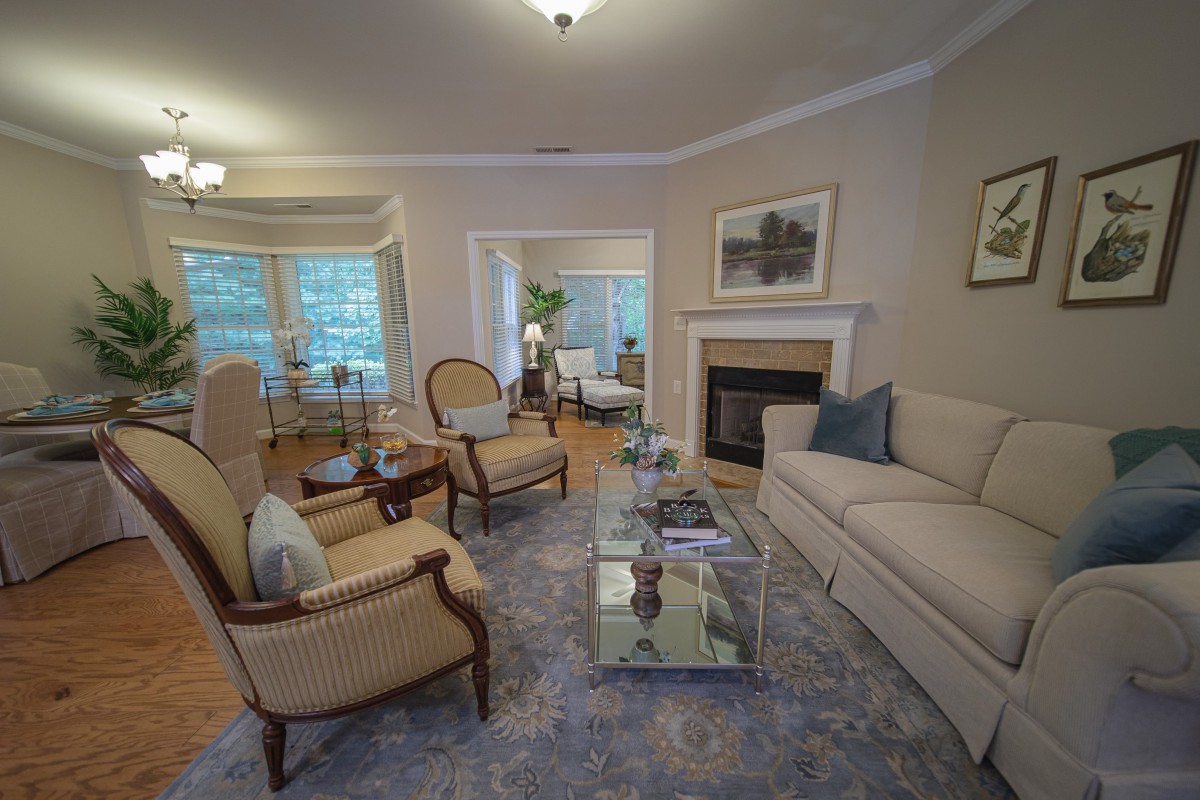
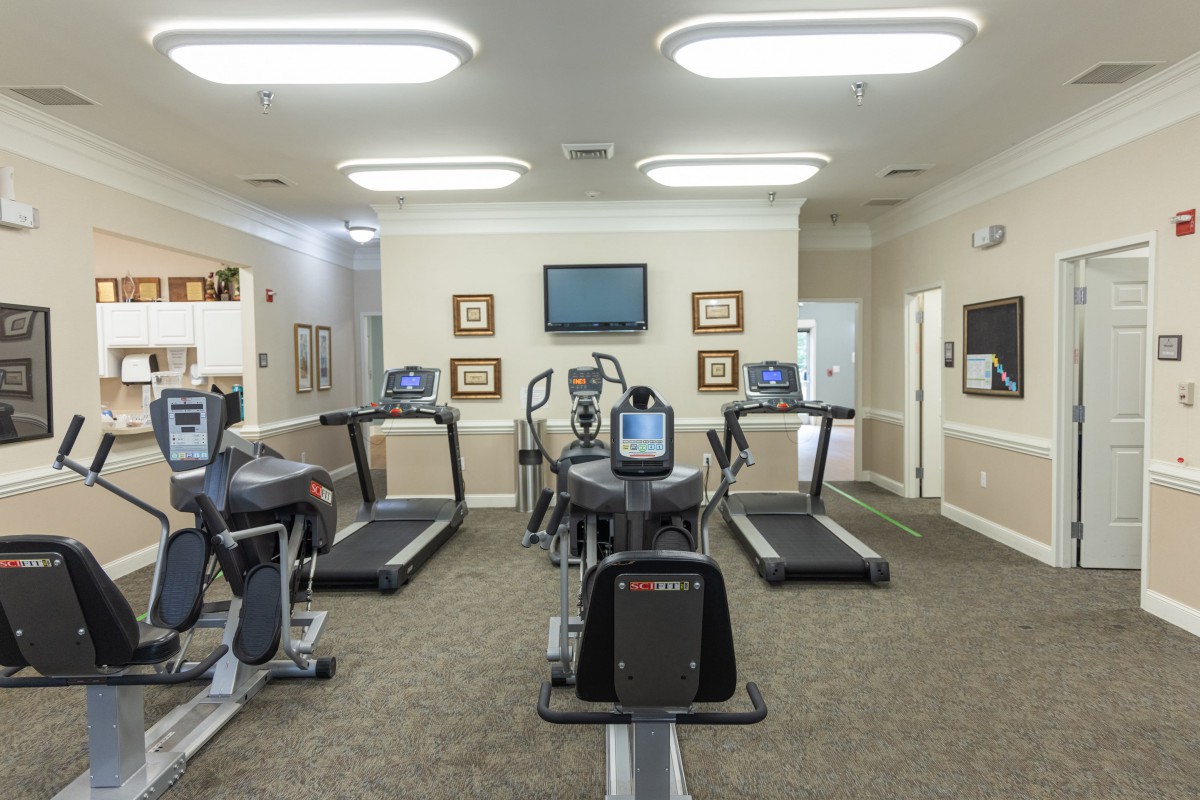
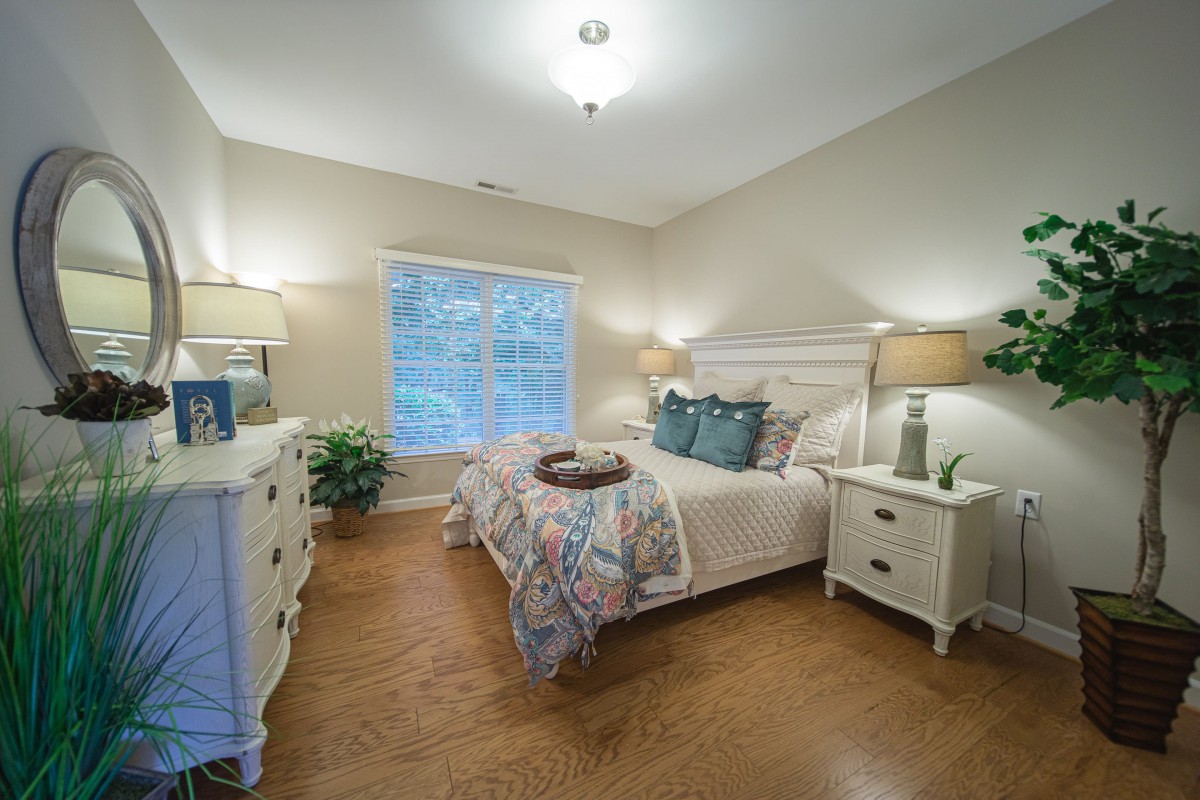
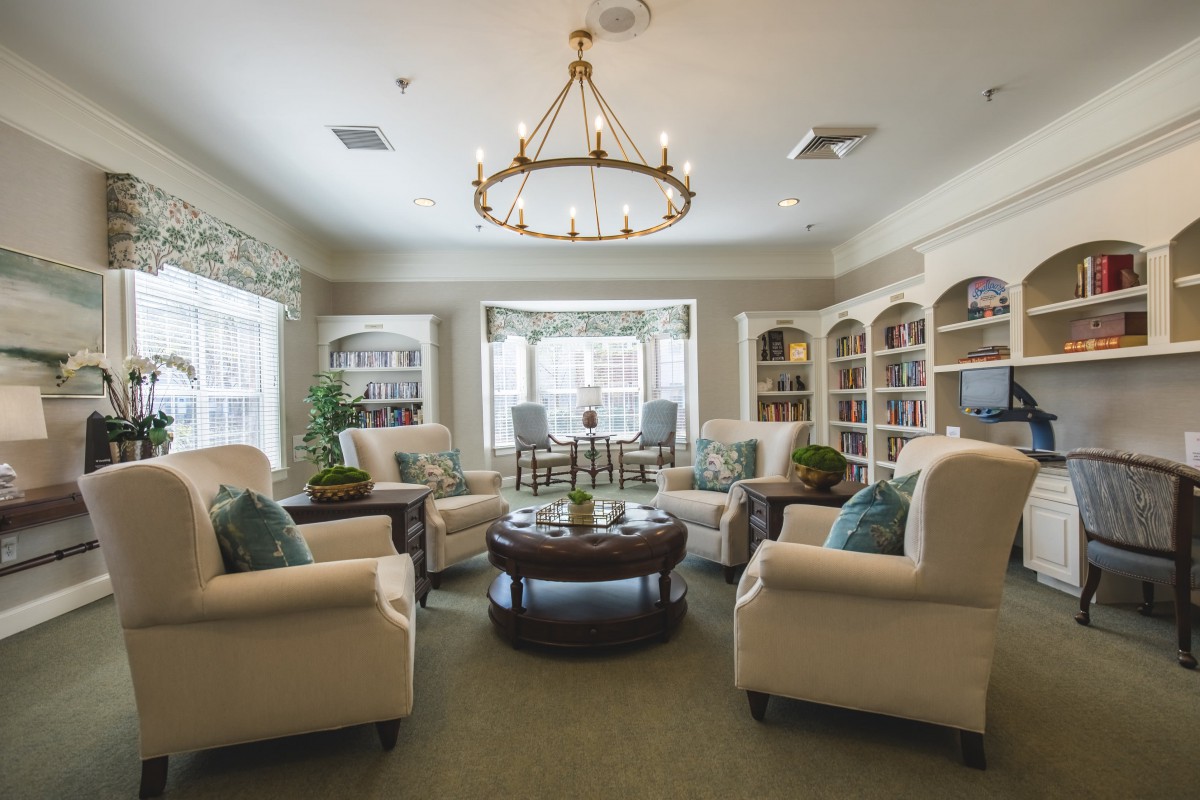
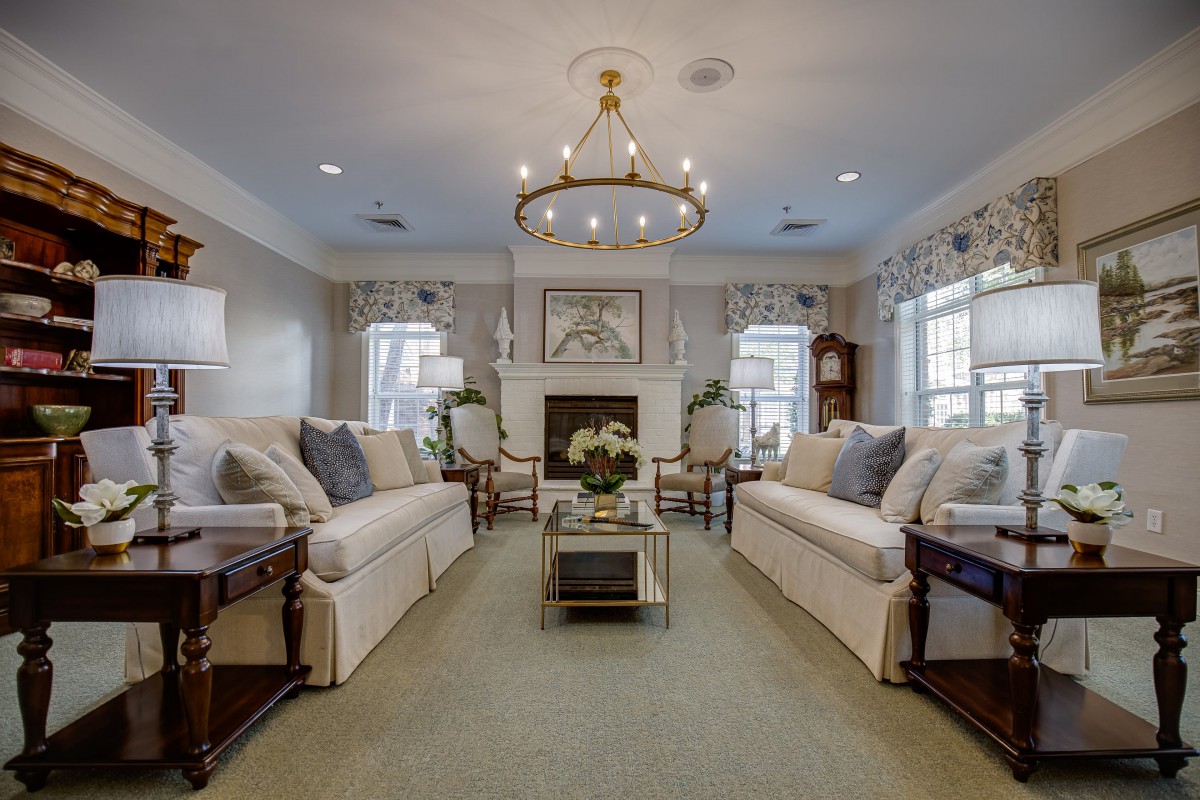
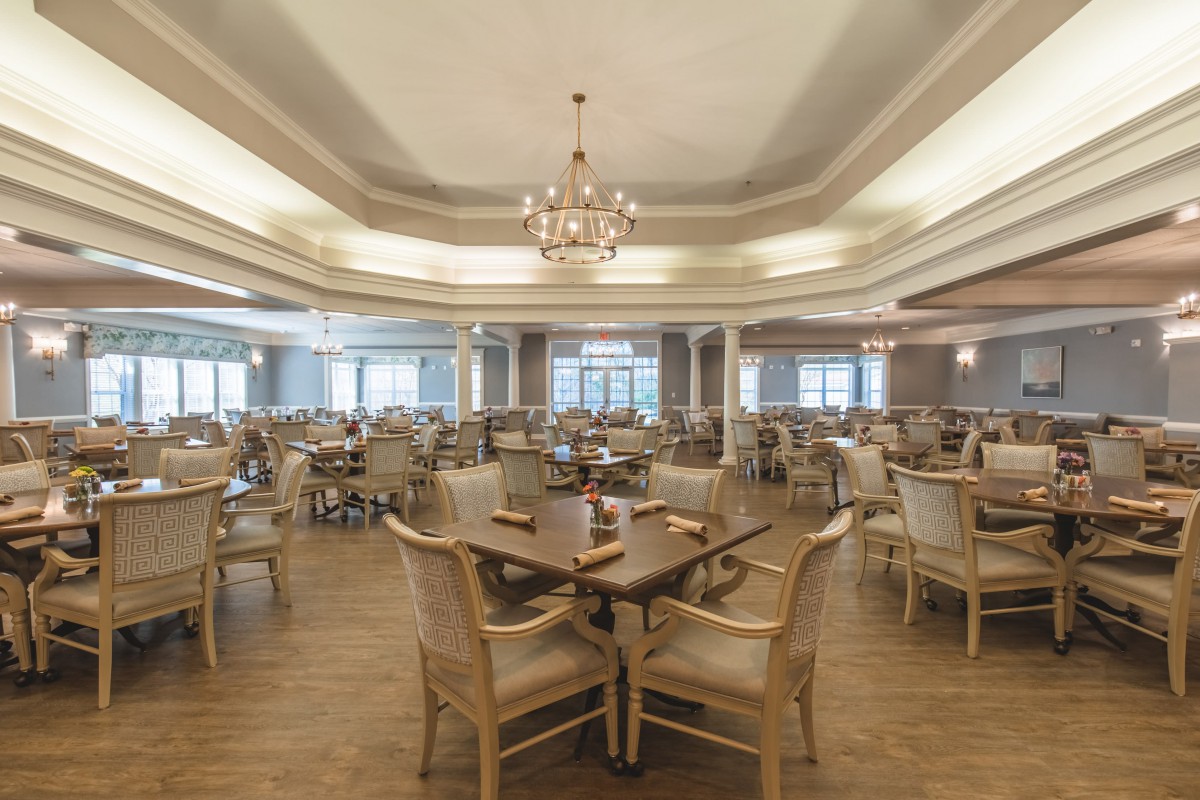
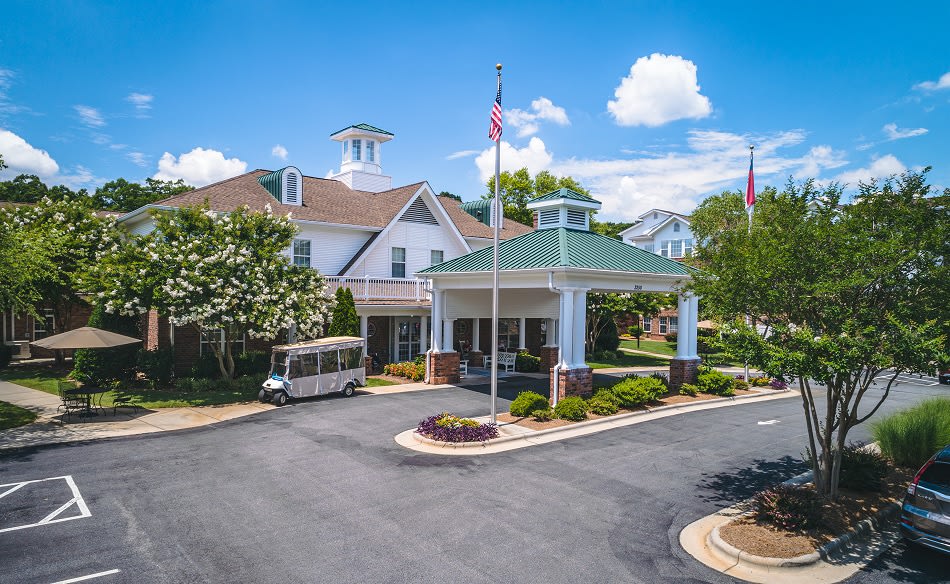
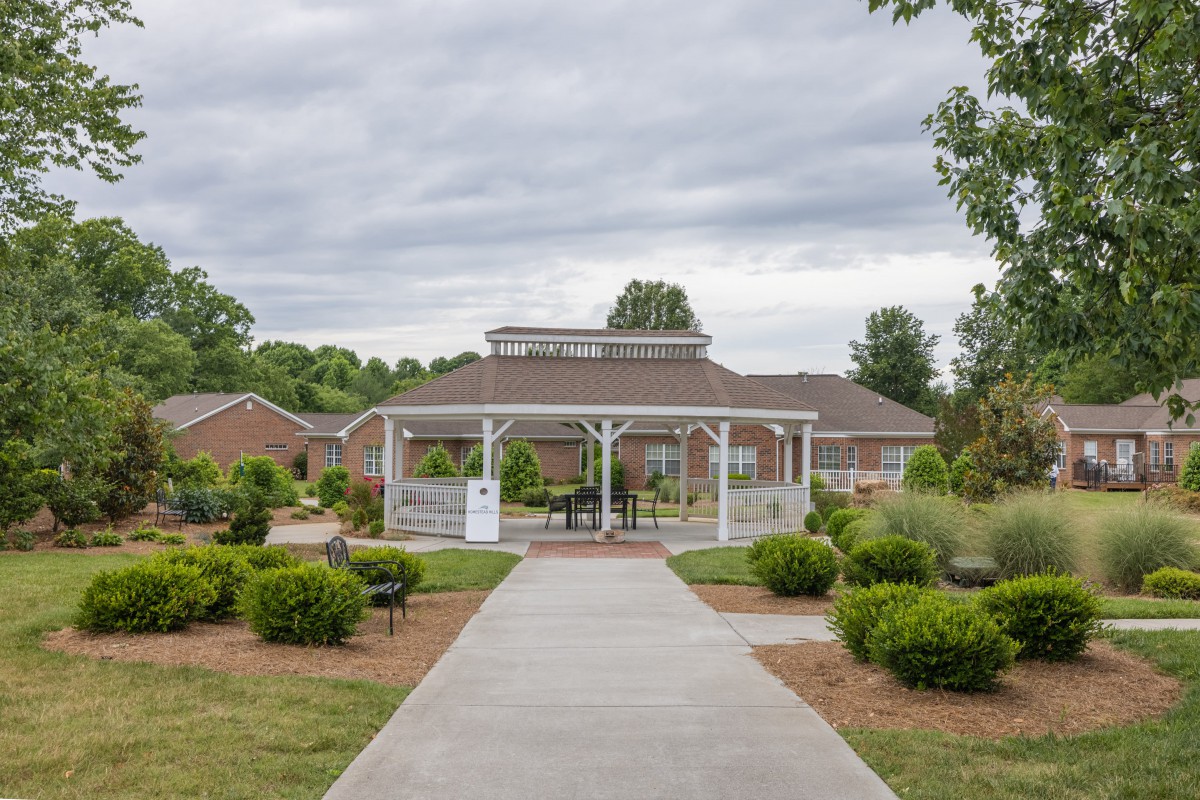
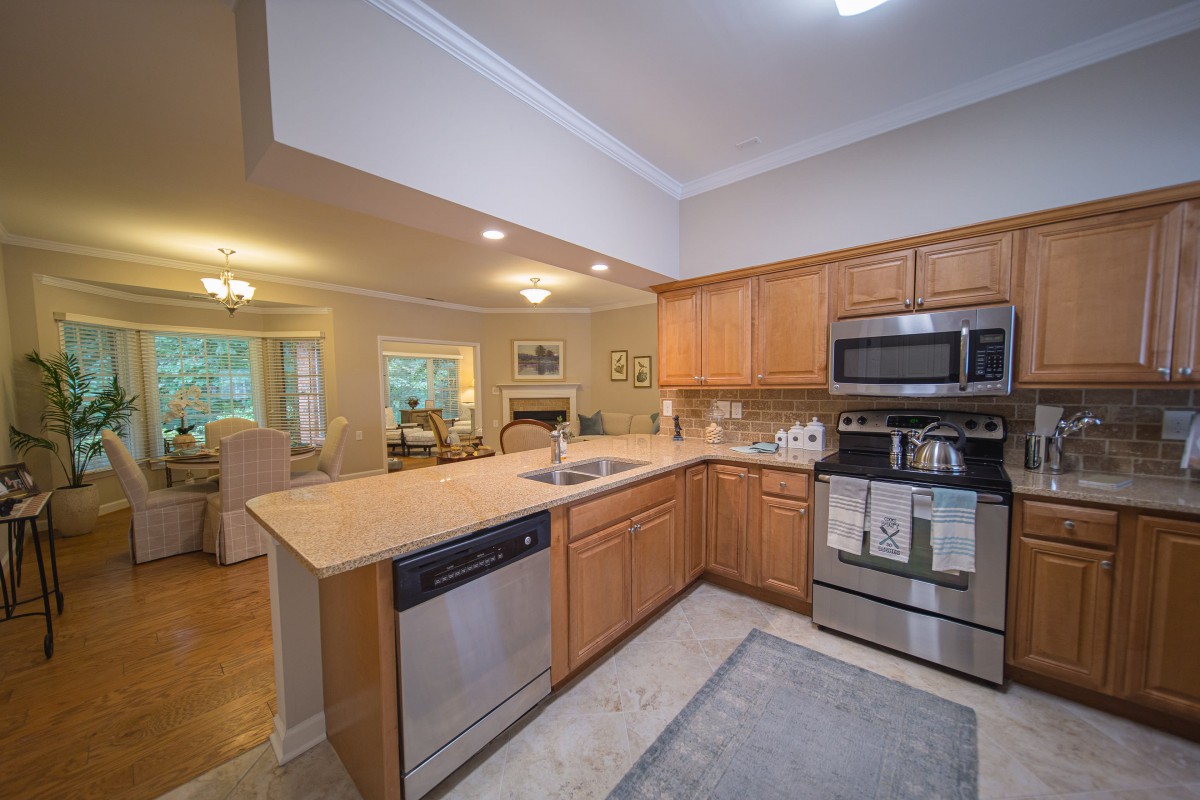
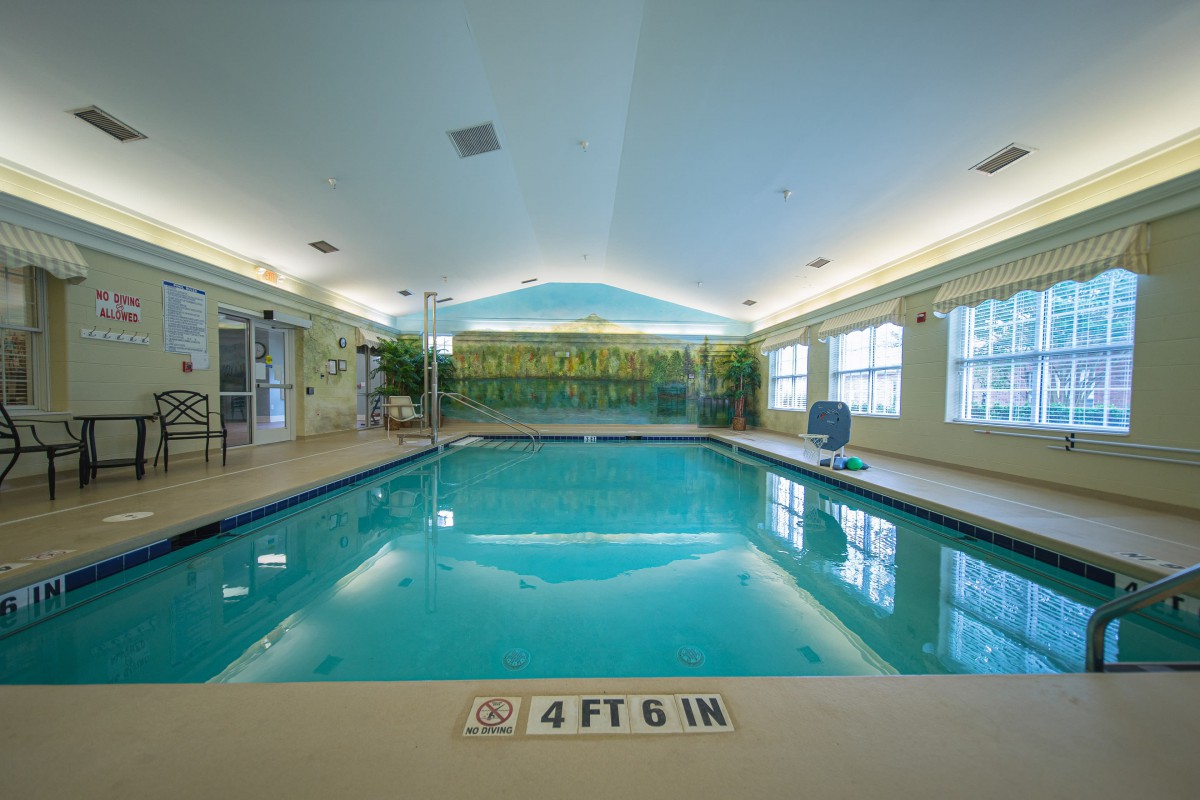
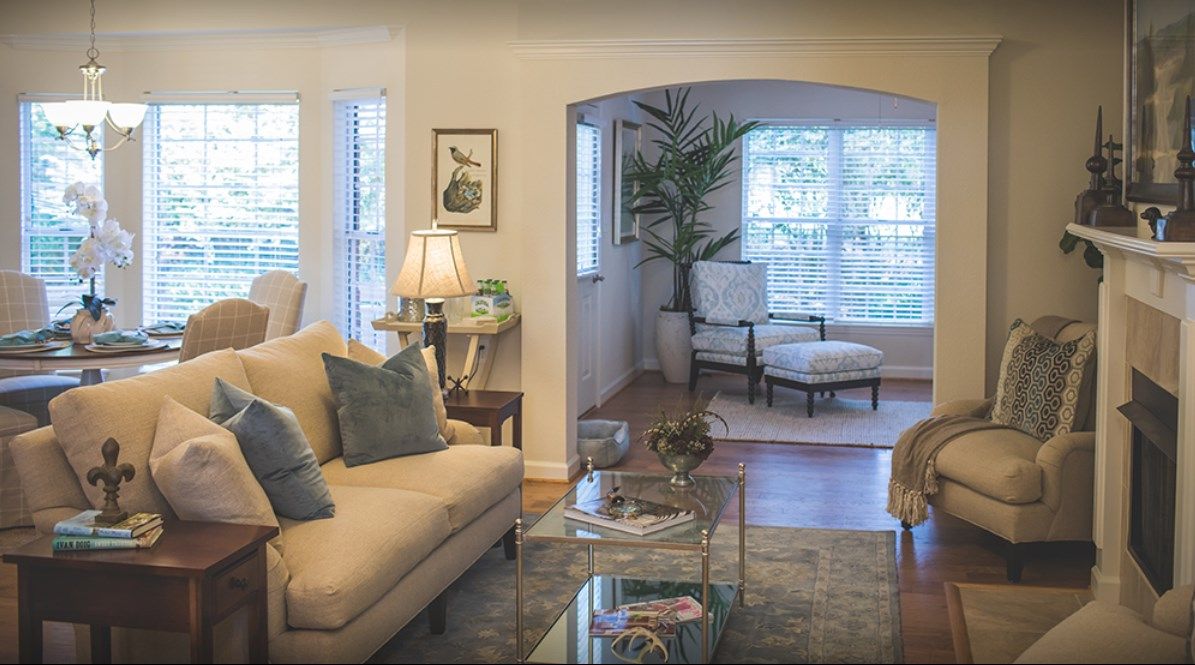
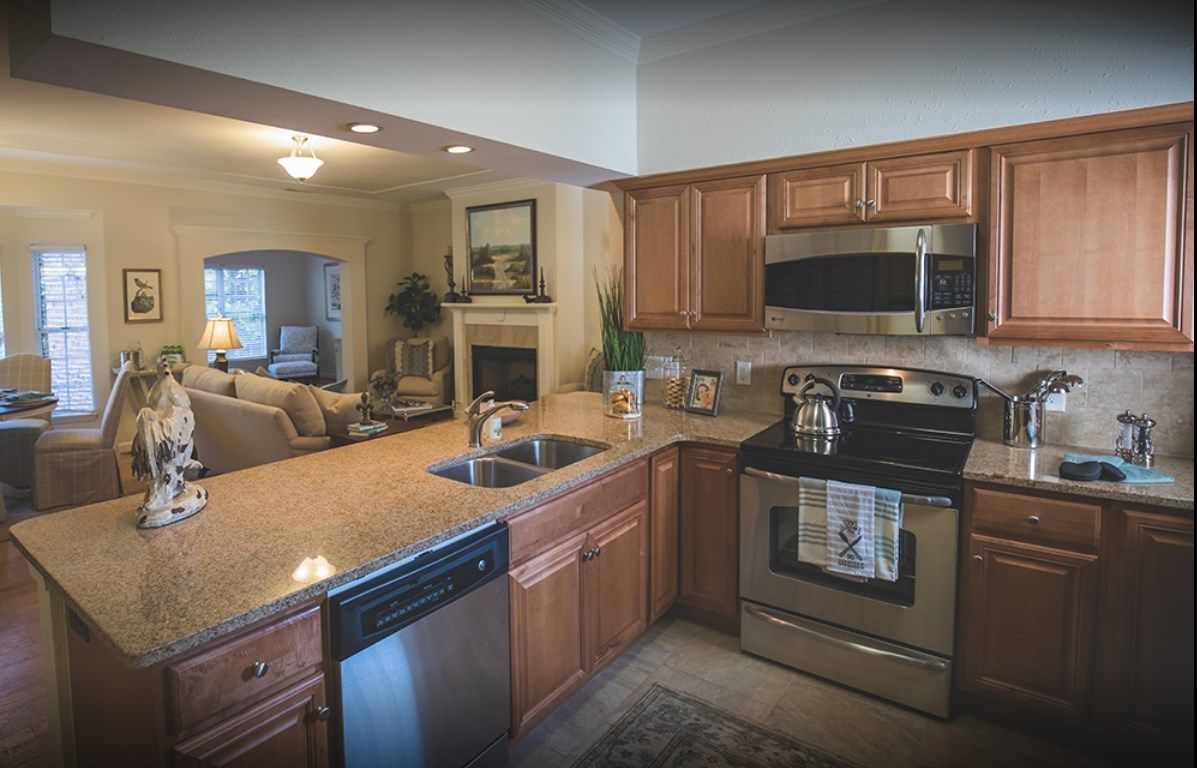
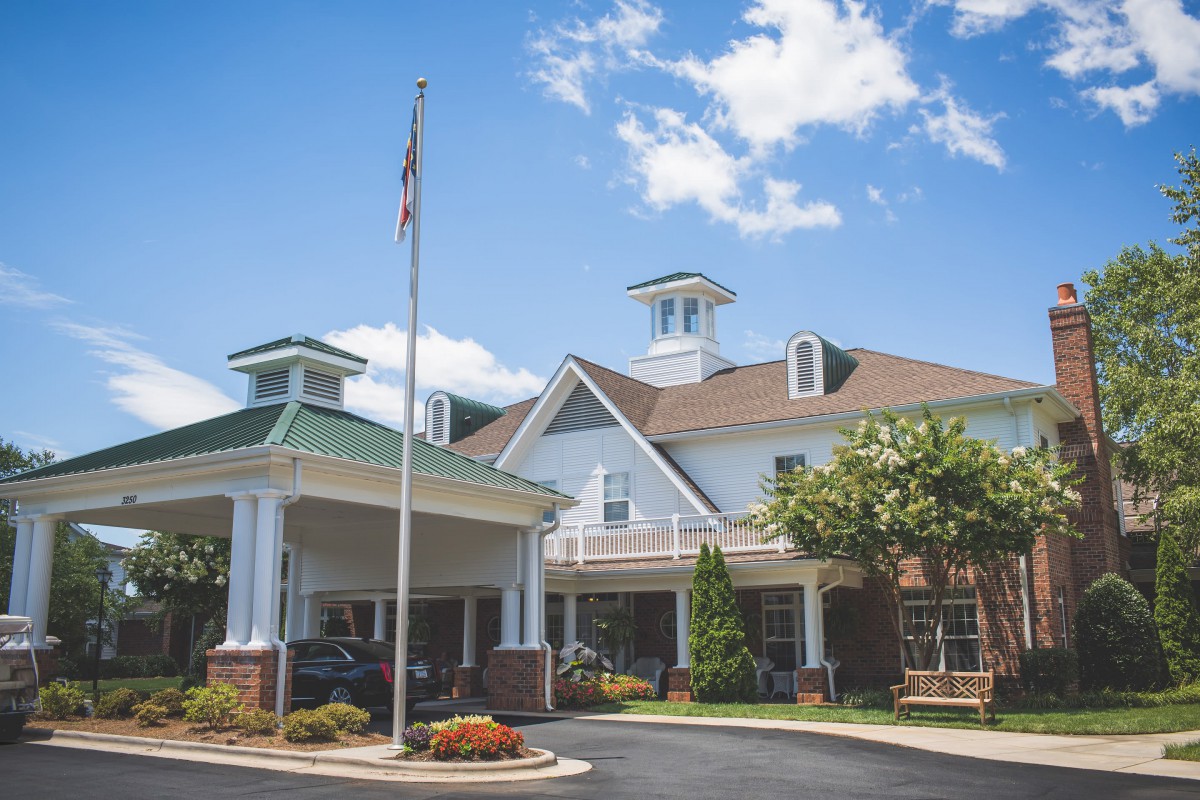
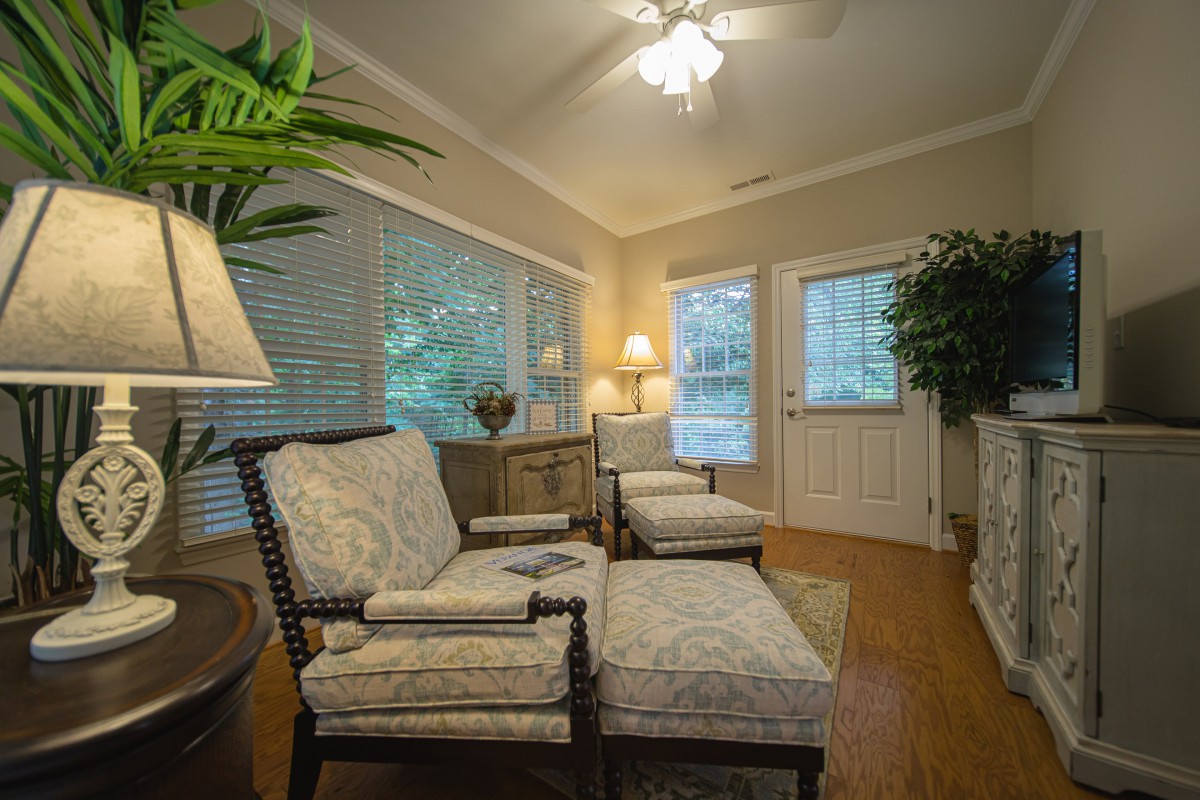
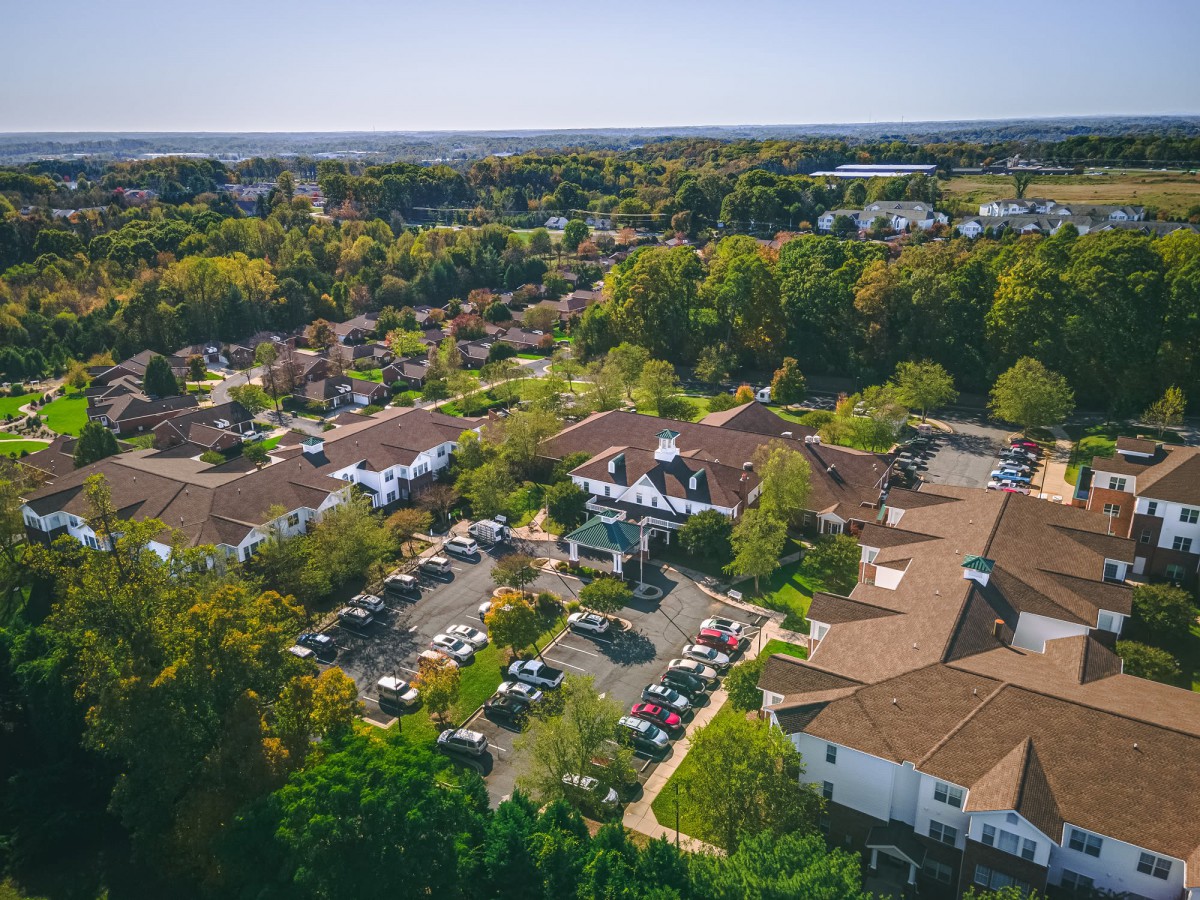
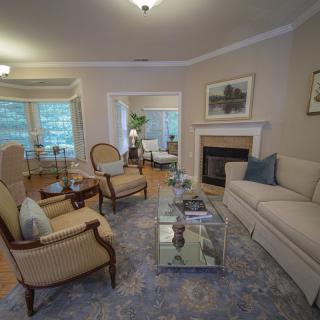
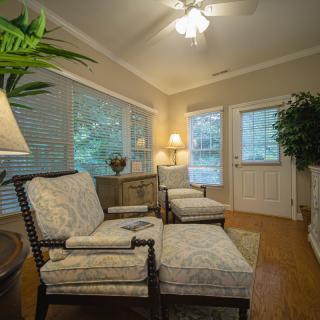
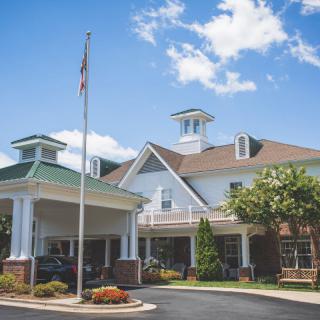
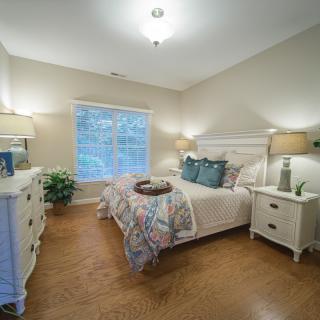
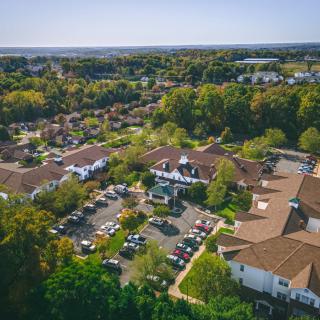
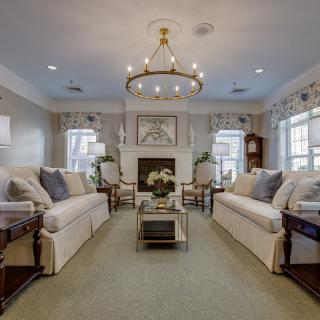
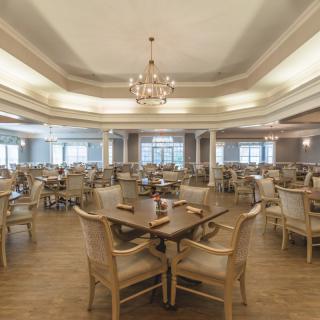
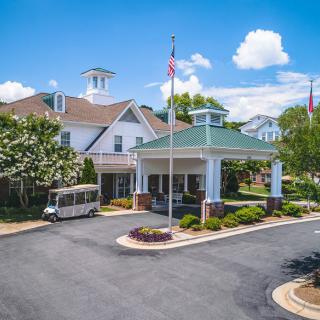
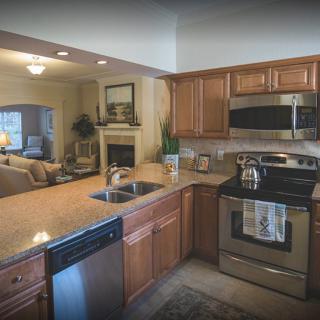
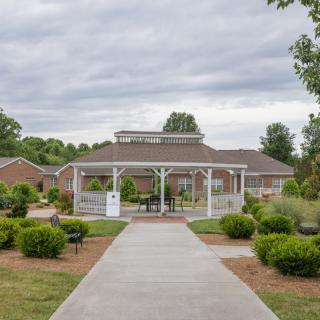
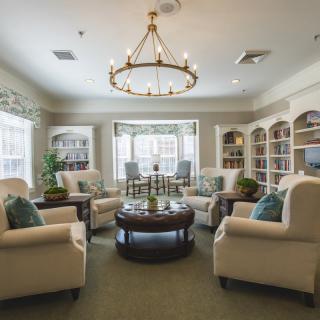
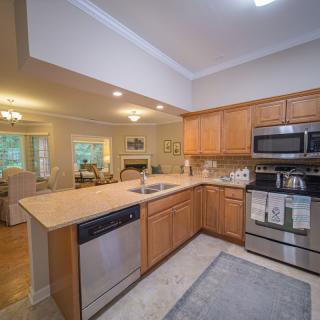
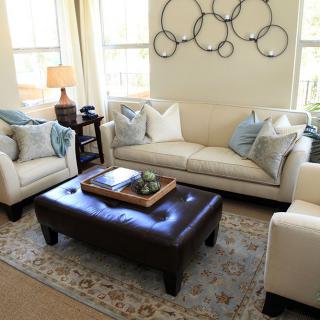
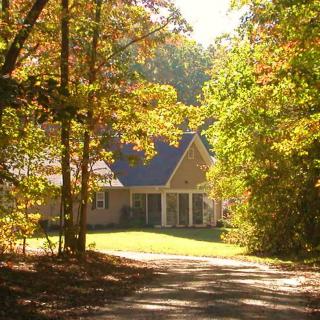
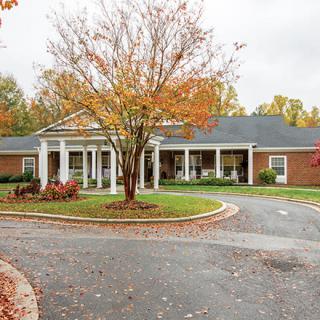
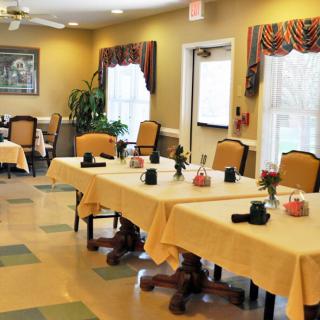
Homestead Hills on seniors.fyi includes 16 photos including images showing interior, living room, decor, landscaping, windows, chandelier, building, fireplace, and more.
Nearby Communities
Millhaven Landing
Winston Salem, NC
5 from 2 reviews
Small, personalized community with tailored meals and medication management.
Bayada Nurses
Winston-Salem, NC
4 from 1 review
Improved service quality with a strong local presence and transparent pricing.
Home Again Senior Living Communities
Winston Salem, NC
4.9 from 13 reviews
Very personalized, compassionate in-home care with flexible 30-minute intervals.
ProVision Home Care Agency LLC
Winston-Salem, NC
4.1 from 9 reviews
Personalized care with engaging activities and nearby dining, healthcare, parks, and cultural venues.
Heritage Woods
Winston Salem, NC
4.5 from 155 reviews
$2,095 to $3,295 / month
Friendly, caring staff and a welcoming, family-like community with engaging activities and clean, spacious spaces.
Helping Hands of America LLC
Winston Salem, NC
Excellent access to dining, healthcare, and social activities.
Holiday Creekside Terrace
Winston Salem, NC
4.3 from 163 reviews
$2,539 to $4,349 / month
Friendly, resident-focused leadership and well-kept grounds with engaging activities.
Southfork Assisted Living
Winston Salem, NC
4 from 27 reviews
$1,975 to $2,950 / month
Clean facility with good dining and specialized memory care support.
Brookdale Winston-Salem
Winston Salem, NC
3.7 from 63 reviews
$5,375 to $6,550 / month
Compassionate staff in a warm, smaller community with good resident engagement.
At-home dementia care expenses vary widely based on care levels, location, and caregiver expertise, with monthly costs for home health aides exceeding $4,500 and specialized care potentially surpassing $100,000 annually. While families favor in-home care for its comfort and personalized attention, they must consider financial planning and the challenges of caregiver fatigue.
The article discusses the late stages of dementia, detailing the progression from mild to severe impairment and highlighting key characteristics such as profound cognitive decline and dependency in daily activities. It emphasizes care strategies focused on comfort and dignity, the importance of advance directives, and the emotional support needed for family caregivers facing this challenging journey.
The article examines the link between certain medications and increased dementia risk, particularly in older adults, emphasizing that long-term or high-dose use of anticholinergics, benzodiazepines, and other drug classes can exacerbate cognitive impairment. It calls for careful medication evaluation and shared decision-making to mitigate these risks while managing treatment efficacy.
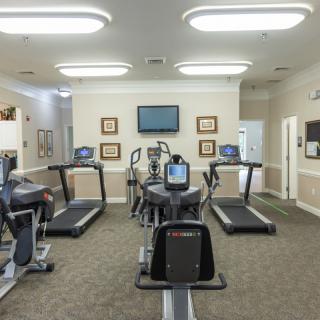
Exercise Equipment, Gym, Fitness Center, and Treadmills
Flag and Clouds
Plant
Swimming Pool, Recreation, Indoor Pool, and Water
Rug
Stove
Dishwasher
Get PricingAsk A QuestionSchedule A TourContact Senior Advisor
By clicking submit, you agree to our Partner's Terms of Use. You
also consent to receive calls and texts, which may be autodialed, from our Partner. Your consent is not a condition to
using our Partner's service. Please visit our Partner's Privacy Policy for information about their privacy practices.

 66 resident community capacity
 1-bedroom apartments
 Detached homes
 Active Adult Communities (55+)
 Assisted Living
 Independent Living
 Memory Care
 Skilled Nursing Facility
 Cats allowed
 Dogs allowed
 Activities on-site
 Air-conditioning
 Beauty salon
 Cable or satellite TV
 Computer center
 Devotional services off-site
 Dining room
 Fitness room
 Fully furnished
 Gaming room
 Garden
 Housekeeping services
 Indoor common areas
 Kitchenette
 Move-in coordination
 Outdoor space
 Private bathrooms
 Respite or short term stays offered
 Restaurant-style dining
 Small library
 Telephone
 Wellness center
 Wi-Fi/high-speed internet available
 Piedmont Triad International (21 miles away)
 Community operated transportation
 12-16 hour nursing
 24-hour call system
 Ambulatory care
 Assistance with bathing
 Assistance with dressing
 Assistance with transfers
 Diabetes diet
 Diabetic care
 Hospice waiver
 Medication management
 Mental wellness program
 Special dietary restrictions
 Transportation arrangement (medical)
 Concierge services
 Planned day trips
 Small, personalized community with tailored meals and medication management.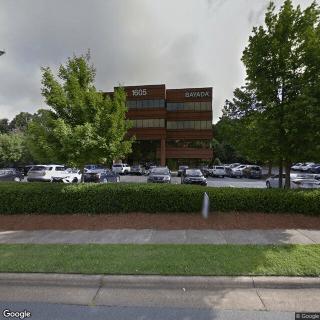
 Estimating the Expenses of At-Home Dementia Care: A Detailed Exploration
 Comprehensive Insights on the Late Stages of Dementia: What to Expect and How to Provide Care
 Medications Associated with Dementia Risk: A Comprehensive Overview