
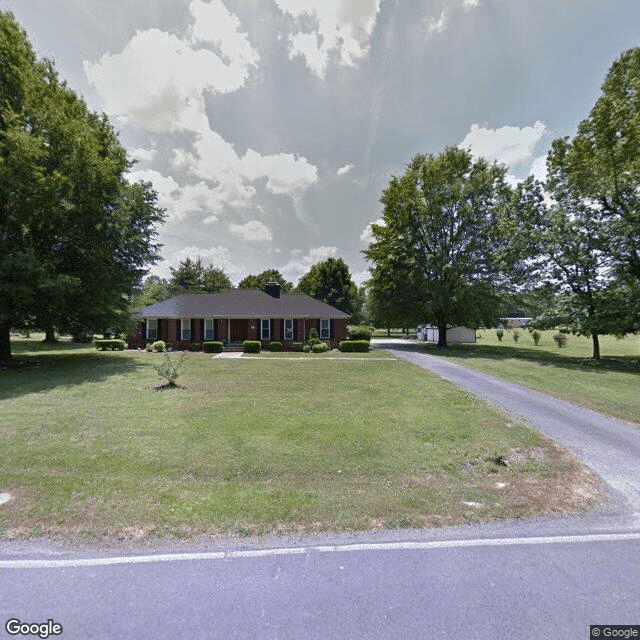
111 Maye Street, Wingate, NC 28174
For more information about senior living options: (866) 208-4318
Avendelle Assisted Living Costs & Pricing
Avendelle Assisted Living offers a range of room options that cater to diverse needs while positioning itself competitively within Union County and the broader North Carolina market. The monthly cost for a semi-private room at Avendelle is $3,900, which is slightly higher than the county average of $3,730 but remains below the state average of $3,584. For those seeking more privacy, a private room at Avendelle is available for $4,100; this price falls notably beneath the county's average of $4,918 and aligns closely with the state's average of $4,425. Additionally, their studio option is priced at $4,400 - higher than both the county's average of $4,789 and significantly above the state's lower figure of $4,020. Overall, Avendelle provides a balanced approach in its pricing strategy, offering quality care while still remaining competitive within its local context.
| Floor plans | Avendelle Assisted Living | Union County | North Carolina |
|---|---|---|---|
| Semi-Private | $3,900 | $3,730 | $3,584 |
| Private | $4,100 | $4,918 | $4,425 |
| Studio | $4,400 | $4,789 | $4,020 |
Memory care communities with a similar price nearby
-
from -$400 / mo
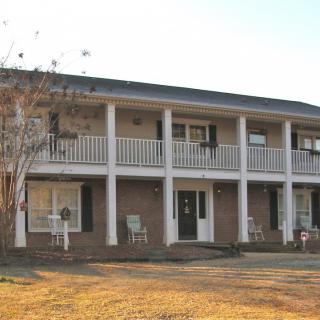
Liberty Family Care
$3,500 to $5,500 / month18.1 miles away -
from -$400 / mo

Karizma Infinities Residential Care Home
$3,500 to $6,000 / month10.8 miles away -
from -$300 / mo
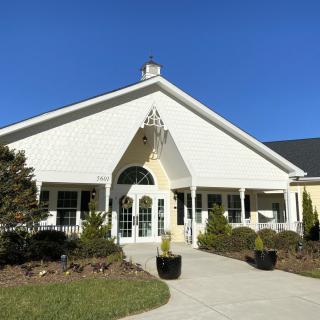
Cadence at Mint Hill
$3,600 to $6,775 / month19.1 miles away -
from +$200 / mo
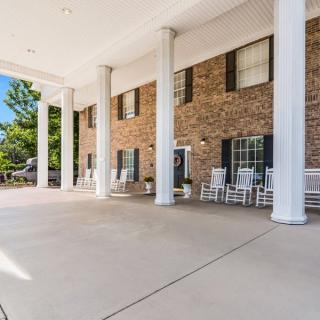
TerraBella Little Avenue
$4,100 to $5,275 / month23.4 miles away -
About the same
Legacy Heights
$3,990 / month21.2 miles away
Overall Review of Avendelle Assisted Living
Pros
 The Haven at Wingate lives up to its name as a true haven for residents.
- The staff are loving, caring, and place residents’ dignity as a top priority.
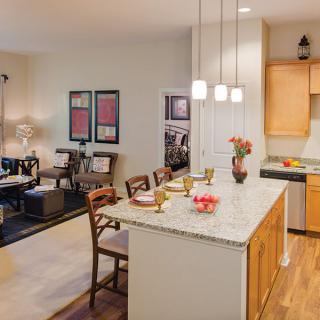
- Each room is theme-decorated, bright, and comfortable.
- The facility offers a warm, country-home atmosphere rather than a traditional nursing home.
- The care team maintains a 3:1 resident-to-staff ratio, with safety monitors in place.
- Staff attend to residents with personal care and gentleness, making them feel cared for and valued.
Cons
 The Haven at Wingate has room for only six residents, which could be seen as restrictive.
 - There are monitors and bed alarms, plus cameras in each room to watch residents, potentially invading privacy.
- The emphasis on grooming and daily baths (nails done, makeup, etc.) might feel superficial or overly regimented to some.
- The small scale (four bedrooms, with one having two beds) could limit social variety and opportunities.
Review
This Wingate community is best suited for seniors who crave a truly intimate, home-like environment where dignity and personalized attention are the running standard. It excels for residents who thrive on consistency, gentle routines, and a strong sense of being cared for as individuals. Families seeking a calm, predictable setting with highly attentive staff will find this model compelling. It is less ideal for those who expect a bustling social calendar, a wide range of on-site activities, or robust medical oversight in a larger campus. For residents with complex medical needs or a desire for a broad community life, alternatives with bigger programs may serve better.
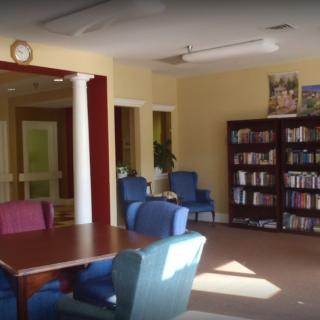
The strongest points revolve around atmosphere, staffing, and daily care. The rooms are light-filled and theme-decorated, creating an inviting, comfortable ambiance that eases the transition to assisted living. The staff are not only well-trained but demonstrably caring, with a clear emphasis on preserving residents’ dignity. Personal grooming and daily routines, nails, makeup, baths, and comforting touches, receive consistent attention, reinforcing a sense of self-worth and normalcy. The setting is explicitly designed to feel like a country home rather than a hospital, which reduces anxiety and promotes a sense of belonging. A remarkable staff-to-resident ratio of roughly 3:1 ensures that attention isn’t rushed and needs are met promptly.
Safety features and proximity to the care team further distinguish the experience. The facility’s design supports independence while maintaining watchfulness: accessible ramps and updated bathrooms make mobility less of a barrier, and the presence of room monitors contributes to safety without sacrificing warmth. The use of bed alarms helps prevent risky, unsupervised movements, which can be a crucial safety net for residents who still value their morning privacy or the pleasure of moving about with confidence. The overall culture, caregivers who “care,” not just perform tasks, contributes to lower stress for residents and families who fear decline or loneliness.
These benefits, however, sit beside a few meaningful constraints. The most conspicuous is scale: a setting that can accommodate only six residents naturally limits social options and the breadth of programming. For some elders, a smaller circle is perfect; for others, the limited number of peers may feel isolating over time, especially if interests diverge or if companionship is a primary driver of daily life. Privacy considerations around monitored spaces are another factor to weigh. While cameras and alarms support safety, they may feel intrusive to families or residents who prize complete privacy. Finally, the intimate model may not deliver the depth of medical oversight, specialty programs, or diversified activities that larger campuses routinely offer.
The key pros offset the cons for the right match. The intimate, dignified care and consistently warm staff foster a sense of security and belonging that can slow the emotional toll of aging or discomfort with change. The high staff ratio and daily routine support meaningful engagement with residents’ preferences, which translates into steadier moods and better overall well-being. The home-like ambiance, combined with practical safety measures, makes transitions smoother and care more predictable, particularly for residents who do not require complex medical interventions. For families prioritizing emotional comfort, consistent caregiving, and a peaceful daily rhythm, these advantages can more than compensate for a smaller social arena and limited medical depth.
For families weighing alternatives, the guidance is straightforward: if the priority is a vibrant social network, a broad menu of activities, and robust on-site medical capabilities, seek larger communities or facilities known for memory care programs and advanced nursing staff. If the resident prizes personal connection, a feeling of being truly known, and a calm, intimate setting, the Wingate option described here is exceptionally strong. Prospective movers should schedule a tour focused on everyday routines, meet several caregivers, and observe how staff interact with residents across meals, activities, and quiet moments. Confirm care plans for specific needs, clarify what stays constant during transitions, and verify the facility’s ability to scale if acuity increases.
In practical terms, this Wingate community delivers a compelling choice for the right resident: a warm, respectful, and deeply attentive living environment where quality of life is prioritized through human connection and careful daily care. It is not a fit for every senior, but for those who value dignity, familiarity, and a high-touch caregiving culture in a compact setting, the decision is clear. Families should treat a visit as a test drive, evaluate the pace of the day, the responsiveness of staff, and whether the intimate model aligns with the resident’s social needs, medical expectations, and personal preferences. The verdict is practical: this model excels where warmth, consistent attention, and a home atmosphere matter most.
 6 resident community capacity
 Assisted Living
 Board and Care Home
 Memory Care
 Activities on-site
 Beautician on-site
 Cable or satellite TV
 Dining room
 Fully furnished
 Garden
 Housekeeping services
 Indoor common areas
 Laundry
 Move-in coordination
 Outdoor common areas
 Party space
 Private
 Resident parking
 Telephone
 Wi-Fi/high-speed internet available
 24-hour supervision
 Assistance with bathing
 Assistance with dressing
 Assistance with transfers
 Diabetes diet
 Diabetic care
 High acuity care
 Incontinence care
 Meal preparation and service
 Medication management
 Special dietary restrictions
 Transportation arrangement (medical)
 Transportation to doctors appointments
 Art classes
 Cooking club
 Day trips and outings
 Educational speakers / life long learning
 Fitness programs
 Games
Games Live musical performances
 Religious services
 Stories
 Stretching classes
 Trivia games



 Are Dementia and Alzheimer's Disease Lethal? A Comprehensive Exploration
 Exploring the Power of Reminiscence Therapy for Individuals With Dementia
 An In-Depth Look at Reminiscence Therapy in Dementia Care