204 Old Highway 74 East, Monroe, NC 28112
For more information about senior living options: (866) 208-4318
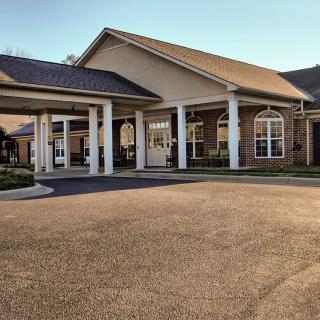
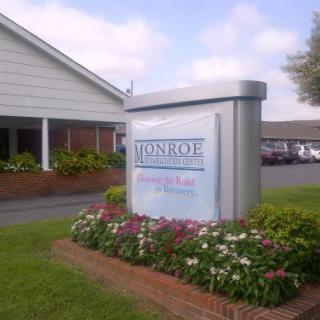
Overall Review of Accordius Health At Monroe
Pros
 The staff are wonderful and treat residents as if they were their own family.
- The food is above average and contributes to the patient’s health.
- The physical therapy team goes out of their way to provide excellent care, contributing to health improvement and earlier discharge.
- The reviewer would recommend the facility to others.
- The dietitian spends thorough time with residents to ensure the best nutritional options.
- The Brian Center’s staff are friendly and caring.
- The rehab center provides the needed rehab and nursing care, helping patients return home within the expected timeframe.
- The facility has been a good fit for residents, allowing them to stay in their hometown.
Cons
 The staff doesn't care and responds defensively to concerns.
- They promise the moon but deliver the sewer.
- The level of care is terrible and some workers should be fired.
- The facility provides substandard and negligent care.
- After a fall, timely care was not provided, resulting in a fractured hip and delayed treatment.
- Laundry services misplace gowns and fail to remove stains properly.
- Meals are served cold and residents do not receive adequate care during meals.
- Requests for bathroom assistance are ignored.
Review
This community is best suited for families prioritizing focused rehabilitation and nursing support in a setting where staff warmth and individualized attention have repeatedly shown meaningful impact. Several accounts highlight aggressive physical therapy, attentive wound care, and coordinated nutrition planning that can drive measurable improvement and even a discharge home sooner than expected. When a resident’s goal is to regain function and resume life at home, Accordius Health At Monroe can deliver the necessary clinical momentum, especially if the family can partner closely with the care team and monitor progress through regular updates.
At the same time, potential residents and their families should consider alternatives if dependable, around-the-clock responsiveness is non-negotiable. A significant portion of the feedback points to inconsistent or delayed assistance, difficulty getting help when needed, and lapses in daily personal care. There are also multiple reports of hygiene and laundry management gaps, as well as instances where critical changes in a resident’s condition were not communicated promptly. For families balancing dementia care or high compliance needs, these reliability concerns can translate into real safety risks.
The strongest pros, hands-on rehab, a proactive approach to wound management, and nutrition oversight, often offset the negatives when the patient is actively engaged in recovery and when the goal is a home discharge. Positive testimonials emphasize the value of therapists who tailor plans, nurses who coordinate with specialists, and a dining team that supports weight gain and nutrition. Cleanliness and a responsive administrator presence emerge in several favorable stories, reinforcing that the facility can deliver solid therapeutic outcomes and everyday comfort when staffing is aligned with resident needs.
However, the risk profile shifts if daily oversight and rapid response times are a priority. The negative experiences describe rushed or inattentive care, missed calls during emergencies, and even serious incidents that were not resolved with timely interventions. For residents with higher dependency, frequent incontinence management, or complex medical monitoring, these gaps can erode trust and trigger avoidable distress for families and residents alike. In such contexts, the inconsistencies threaten the very benefits the rehab-focused programs are designed to provide.
To navigate the decision, prospective families should tactically evaluate staffing patterns, response times, and care coordination during visits. Request to meet the rehabilitation team and front-line caregivers, review the facility’s protocols for urgent issues, and ask to see recent wound care and infection-management procedures. Inquire about laundry, hygiene routines, and how daily assistance is allocated across shifts. If possible, speak with current residents and their families about what a typical day looks like and whether concerns are addressed promptly. A trial stay or a clearly defined care plan with milestones can help reveal whether the facility consistently meets expectations.
Bottom line: Accordius Health At Monroe can be an excellent fit for families seeking effective rehab and nutrition-driven care in a setting that has produced strong outcomes when staffing is aligned with resident needs. But the decision hinges on tolerance for variability in daily responsiveness and safety oversight. For families where constant, proactive assistance and impeccable daily care are nonnegotiable, exploring alternatives in Monroe with stronger, more consistent staffing and safety records is prudent. The right choice balances a clear rehab trajectory and family partnership with dependable day-to-day care and quick escalation of concerns.
 60 resident community capacity
 Skilled Nursing Facility
 Air-conditioning
 Beauty salon
 Cable or satellite TV
 Computer center
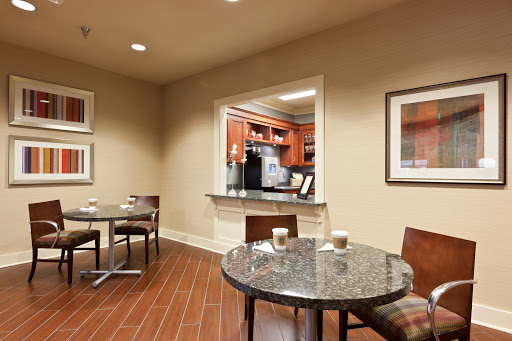
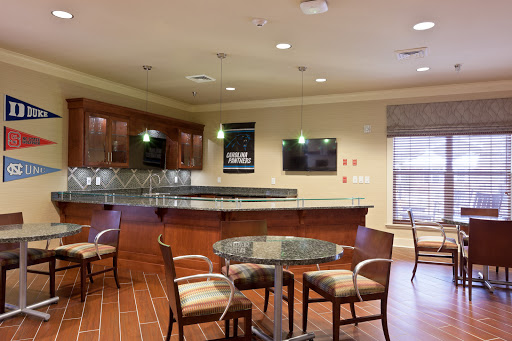
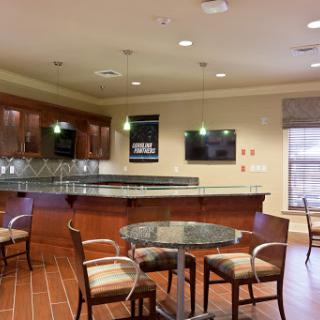
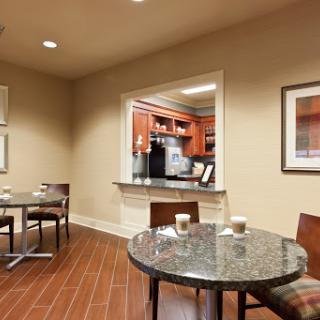
 Dining room
 Fitness room
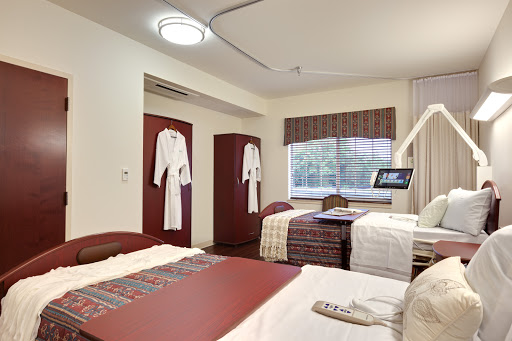
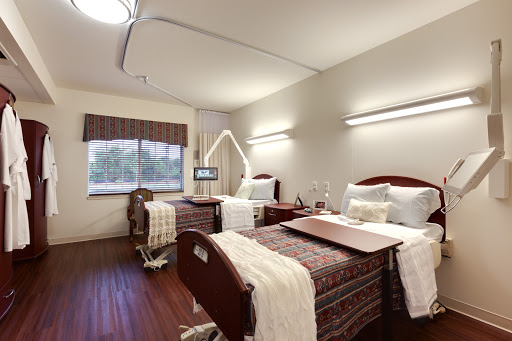
 Fully furnished
 Gaming room
 Garden
 Housekeeping services
 Kitchenette
 Move-in coordination
 Outdoor space
 Private bathrooms
 Restaurant-style dining
 Small library
 Telephone
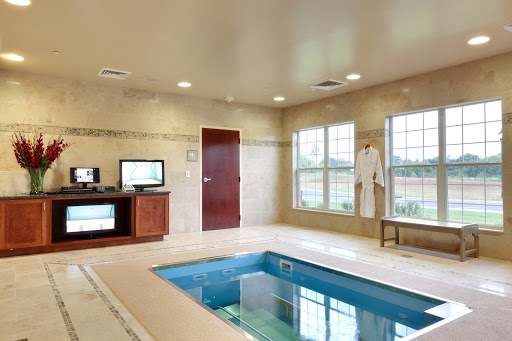
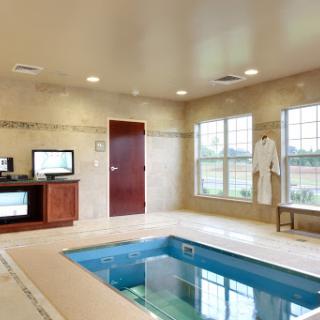
 Wellness center
 Wi-Fi/high-speed internet available
 Community operated transportation
 12-16 hour nursing
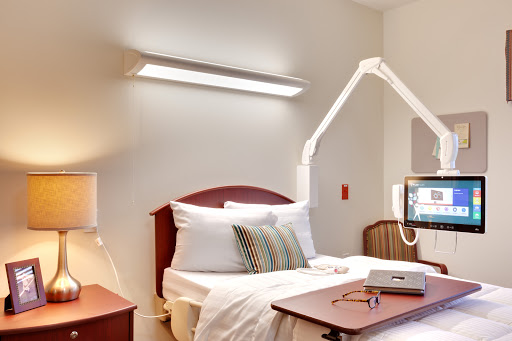
 24-hour call system
 Activities of daily living assistance
 Assistance with bathing
 Assistance with dressing
 Assistance with transfers
 Diabetes diet
 Medication management
 Mental wellness program
 Special dietary restrictions
 Concierge services
 Planned day trips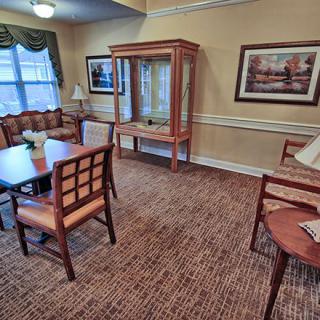



 Highly Beneficial Low-Impact Exercises for Senior Living Residents
 Is In-Home Healthcare Tax Deductible? Your Comprehensive Guide
 Nurturing Well-Being Through Gardening: A Detailed Guide for Senior Enthusiasts