Information last verified:
1411 Dove St, Monroe, NC 28112
For more information about senior living options: (844) 490-3973
Jesse Helms Nursing Center is best suited for families seeking a smaller, neighborly facility where rehab momentum can translate into tangible gains and where a stable, veteran leadership team tends to shape day-to-day care. The community leans into its Atrium Health affiliation and a consistent core of staff, with administrators, a director of nursing, and a dedicated social worker who have cultivated long-running relationships with residents and families. In practical terms, this means a facility where families can expect clean, orderly surroundings, regular programming, and a caregiving staff that appears to know residents by name and routine. For families prioritizing discharge planning, coordinated care transitions, and a rehab-focused track, Jesse Helms often delivers results that feel tangible and trustworthy.
Yet, several considerations point to alternatives for those who insist on ironclad accountability and uniformity in every shift. Multiple reviews raise red flags about leadership dynamics, accountability, and the consistency of response to concerns raised by residents and families. Reports ranging from perceived insensitivity to alleged mishandling of patient care and privacy incidents suggest that governance and culture can vary by day and by leader. Night-time staffing gaps, uneven communication, and allegations of mistreatment or neglect appear in some accounts, making it prudent for families with hypervigilant safety expectations or persistent trust issues to widen their search. In short, if governance transparency and predictable behavior from leadership are non-negotiable, alternatives merit serious consideration.
On the positive side, the facility’s strengths align strongly with rehab and short- to mid-term stabilization. Cleanliness and a calm, orderly environment are consistently highlighted, with residents and families attesting to a warm, attentive staff culture. The social worker, Jamie, is repeatedly credited with coordinating discharge planning and ensuring family questions are answered, which smooths transitions and reduces uncertainty for caregivers. Long-tenured leadership, an administrator and DON who have worked together for years, tends to translate into stable routines, reliable referrals, and a sense that the team knows how to mobilize resources when a resident’s recovery hinges on timely therapy, skilled nursing, and plant-based supports like activities designed to promote morale. The rehab team, particularly in hip or post-acute recovery cases, often earns praise for measurable progress and a practical focus on getting residents back on their feet.
Despite the positives, the cons must be weighed with equal gravity. Reports of inconsistent leadership conduct, insufficient follow-through on concerns, and episodes of delayed or absent communication can erode trust, especially for families navigating complex medical decisions. Instances cited in reviews touch on issues ranging from perceived punitive treatment to insufficient oversight during care transitions, which can leave families feeling uncertain about whether the facility’s culture will consistently honor resident autonomy and dignity. Physical plant concerns, rusting equipment, aging IV stands, and occasional safety worries, also surface in some critiques, underscoring the importance of rigorous maintenance and infection-control vigilance. Food quality and attentiveness to basic needs (such as timely assistance with personal care) appear as recurring pain points in several accounts, highlighting a potential mismatch for residents who require constant, unambiguous responsiveness.
The pros offset the cons most meaningfully for families prioritizing rehab momentum, discharge reliability, and a tight-knit care ecosystem. The combination of a smaller setting, stable leadership, and a culture that emphasizes discharge coordination can produce a smoother journey from hospital to home, or from acute care to longer-term living, for residents who benefit from consistent routines and familiar faces. A strong activity program and the presence of an experienced social worker can mitigate anxiety, support mental well-being, and maintain engagement, which in turn supports physical recovery. However, when risk tolerance for governance gaps or potential mistreatment is low, the weight of negative voices cannot be dismissed. In such cases, the rehab gains may be overshadowed by concerns about day-to-day safety, privacy, and staff accountability.
For families weighing a visit to Jesse Helms, the prudent approach is targeted and proactive. If rehabilitation and a smaller, intimate setting are the primary objectives, a structured tour focused on therapy availability, staffing models, and discharge planning processes can confirm whether the current strengths align with the resident’s needs. Engage directly with Jamie the social worker, the administrator, and the DON to hear how recent shifts have addressed past concerns and what safeguards exist to ensure consistent, respectful care across all shifts. Review the facility’s recent state inspections and speak with current residents or families about their day-to-day experiences, including responsiveness to call lights and basic care tasks. In parallel, compare with other Atrium Health–affiliated options and independent facilities in Union County and Southwest Charlotte, paying particular attention to governance culture, staffing stability, and transparent grievance handling. For residents who require near-constant supervision, or who prize unambiguous, consistently compassionate treatment, broader searching is advisable. In the end, Jesse Helms can be a strong choice for rehab-focused care and a personable, stable environment, but it is not the singular best fit for every long-term-care scenario. Families should enter with a clear list of non-negotiables and a plan to verify, in person, that those standards are met on every shift.
The Jesse Helms Nursing Center in Monroe, NC is an assisted living community that provides exceptional care and support for senior individuals. This center offers a comfortable and safe environment where residents can enjoy a high quality of life.
At the Jesse Helms Nursing Center, residents receive personalized assistance with daily activities such as bathing, dressing, medication management, and meal preparation. The dedicated staff members are trained professionals who prioritize the physical and emotional well-being of each resident.
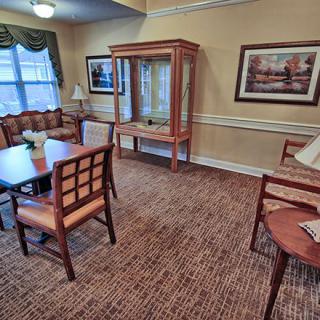
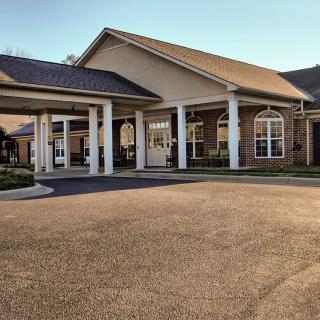
This assisted living community prides itself on offering various amenities to enhance the overall experience for its residents. There are spacious common areas where individuals can socialize, relax, and engage in recreational activities. The center also features beautifully landscaped outdoor spaces that allow residents to enjoy some fresh air and nature.
One notable feature of the Jesse Helms Nursing Center is its close proximity to parks. This allows residents to easily access nearby green spaces where they can take leisurely walks, participate in outdoor exercises or simply appreciate the serene surroundings.
Additionally, the community promotes an active lifestyle by organizing various events and programs designed to stimulate both mind and body. These may include fitness classes, educational workshops, arts and crafts sessions, games, outings to local attractions, and more.
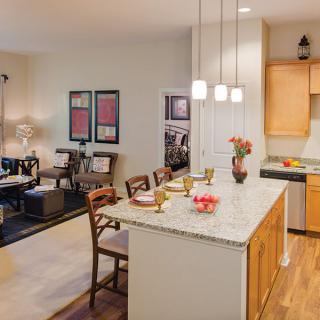
Overall, the Jesse Helms Nursing Center strives to provide a warm and caring environment where seniors can maintain their independence while receiving necessary assistance. With its dedicated staff members, comfortable living spaces, engaging activities, and convenient access to parks nearby for recreational opportunities – this assisted living community offers a fulfilling lifestyle for all its residents.
Jesse Helms Nursing Center is located at 1411 Dove St, Monroe, NC 28112 in Union County, North Carolina
Understanding Home Health Care: A Comprehensive Guide

Home health care has become essential for supporting independence among the aging population, offering diverse services such as skilled nursing and rehabilitation in familiar environments, while also incorporating technology for personalized care. Despite its benefits, including improved recovery rates and emotional well-being, challenges like safety, staff availability, and insurance navigation must be managed for effective implementation.
Home Health Care Demystified: A Comprehensive Guide for Families and Caregivers

Home health care offers a range of clinical services provided in a patient's home, including nursing and therapy, tailored to individual needs, particularly for aging seniors with chronic conditions. This approach enhances patient independence, promotes better disease management, and utilizes technology for real-time monitoring while fostering collaboration among healthcare providers and family members.
Seniors and Modern Transportation: Exploring Uber, Lyft, and Other Ride-Hailing Options
Seniors benefit from ride-hailing services like Uber and Lyft, which provide convenient and accessible transportation options that promote independence and social engagement, while addressing mobility challenges. These platforms have adapted to meet senior needs with user-friendly features and safety measures, although costs can be a concern; community programs may help subsidize rides for older adults.