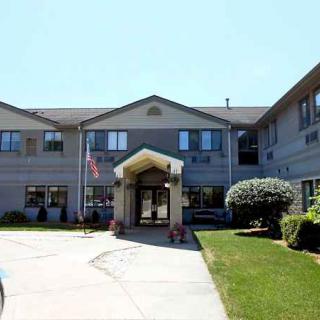
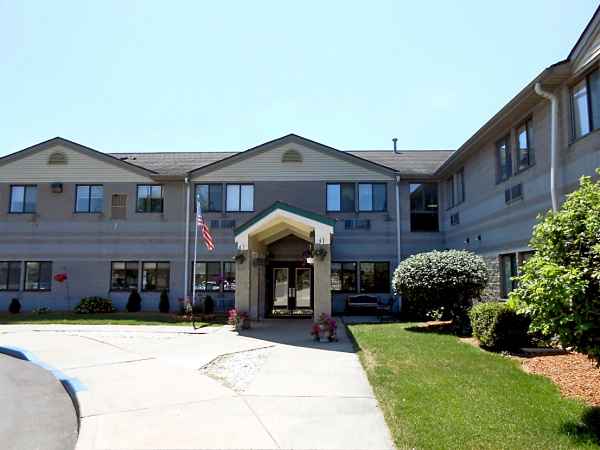
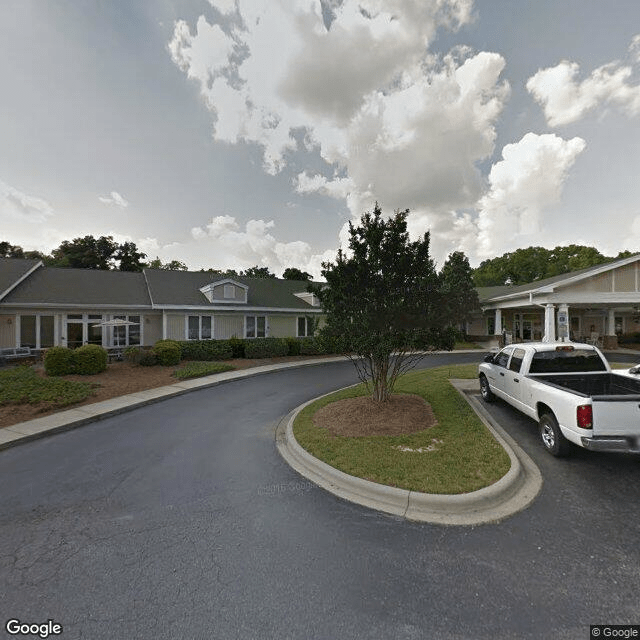
2515 Fowler Secrest Road, Monroe, NC 28110
To contact a resident: (704) 225-0011
For more information about senior living options: (866) 208-4318
Woodridge Costs & Pricing
Woodridge offers competitive pricing for its accommodations compared to both Union County and the broader North Carolina region. For a semi-private room, Woodridge's rate is $3,190, which is notably lower than the county's average of $3,730 and also more affordable than the state average of $3,584. Similarly, when it comes to one-bedroom options, Woodridge remains attractive at $4,400 per month. This is significantly less than the county's average of $5,193 while still being in line with North Carolina's overall rate of $4,055. These cost advantages position Woodridge as an appealing choice for those seeking quality housing without straining their budgets.
| Floor plans | Woodridge | Union County | North Carolina |
|---|---|---|---|
| Semi-Private | $3,190 | $3,730 | $3,584 |
| 1 Bedroom | $4,400 | $5,193 | $4,055 |
Overall Review of Woodridge
Pros
 Woodridge offers better value for money than Willow Grove.
- The staff at Woodridge are friendly and always willing to help.
- Woodridge is a safe, secure facility with staff available 24/7.
- Residents are cared for by trained medical professionals and regularly seen by doctors or nurse practitioners.
- The food served at Woodridge is good.
- The rooms and public areas at Woodridge are clean and well maintained.
- The staff at Woodridge truly care for residents and go beyond the call to assist, including those with Alzheimer's/dementia.
- Woodridge provides transportation to events, shopping, and medical appointments.
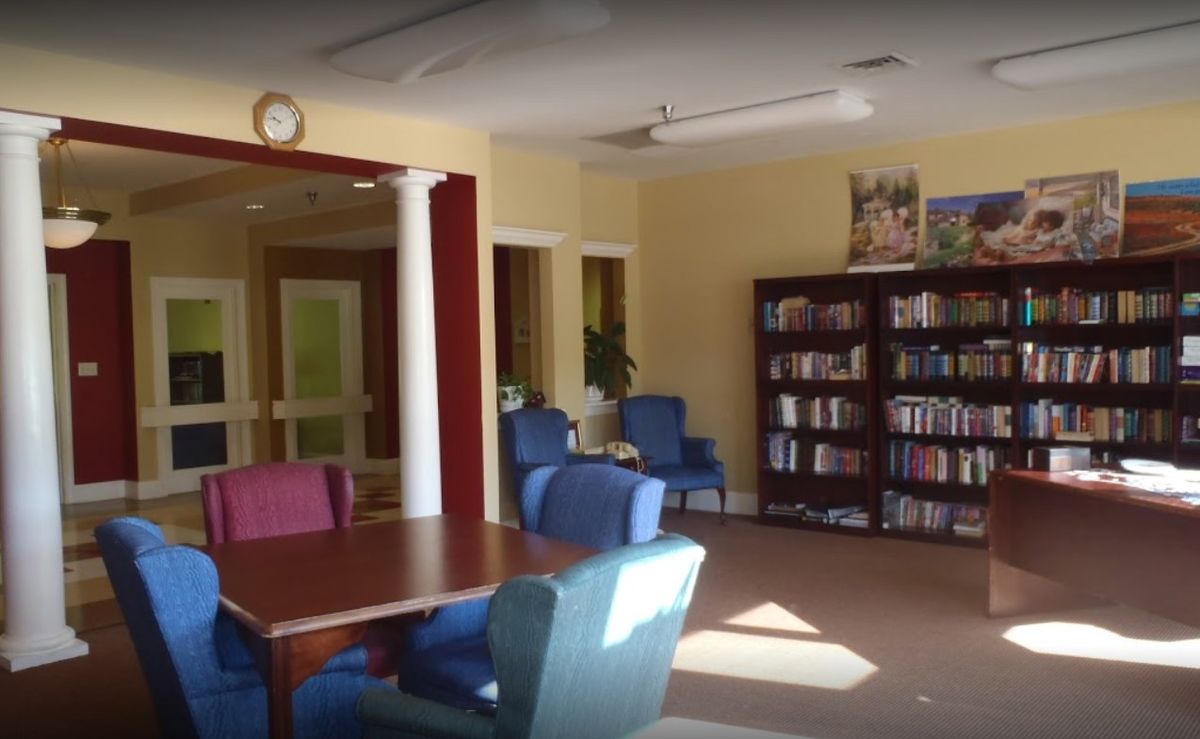
- Woodridge has a nice clubhouse and frequent activities, including music and religious services.
- The facilities (buildings and grounds) are well kept and pleasant.
Cons
 Willow Grove housekeeping staff were hardly ever around, leaving the rooms and public areas not very clean.
 - Willow Grove shut down and no one was reachable after 7pm.
- The experience at Woodridge was the worst.
- During his six days at Woodridge, the father ended up in the emergency room twice due to overmedication.
- The sister was treated with unbelievable disrespect when collecting their father's belongings at Woodridge.
- The memory care unit at Woodridge would not be recommended by the reviewer.
- The staff were described as irresponsible and rude, and the rooms were small and not cleaned well.
Review
Woodridge in Monroe, NC is best suited for families seeking value without sacrificing essential medical oversight and safety. The community stacks independent living townhomes with assisted living and memory care, offering meals, transportation, and regular access to a physician or nurse practitioner. The 24/7 staffing and secure entry system reinforce peace of mind for relatives who cannot be on-site around the clock. Residents benefit from responsive, friendly staff and a campus that prioritizes maintenance, accessibility, and predictable routines. For families prioritizing medical oversight and a continuum of care that preserves a sense of independence, Woodridge delivers a practical, cost-conscious package that keeps a loved one near essential services.
This community may not be optimal for every profile. Those who prize pristine housekeeping and consistently robust social programming, particularly within memory care, may want alternatives with stronger emphasis on daily engagement and cleanliness. A history of distress with staff or concerns about after-hours responsiveness should raise red flags, given mixed experiences documented at comparable facilities elsewhere. If a higher level of medication scrutiny or more aggressive post-ER oversight is desired, families should verify that Woodridge’s medical management translates into safer, well-documented protocols. For families seeking the most stringent post-acute or palliative care, or for those who demand the most pristine housekeeping standards, facilities such as Brookdale or other nearby options may be a better fit. Willow Grove is a reference point in this quadrant: it’s generally lower-cost but has drawn criticism for housekeeping lapses and limited after-hours reachability that some families want to avoid by choosing alternatives.
The strengths at Woodridge intersect meaningfully with the major concerns many families bring to senior living. The elevated level of medical oversight, regular physician or nurse practitioner contact, reduces the probability that health issues go unnoticed and provides a framework for safer medication management when properly monitored. Transportation services alleviate scheduling and transportation burdens for appointments and activities, while round-the-clock staffing and a secure environment address safety and accessibility. In memory care, trained staff respond with dedication, and the program includes meaningful engagement such as games, music, and religious services. These positives collectively counterbalance common drawbacks in the sector by delivering reliability, continuity of care, and opportunities for purposeful activity.
Security and daily operations further anchor the decision. Woodridge uses controlled access with signature entry and buzz-in doors, creating a safer setting for residents who require monitoring or have wandering tendencies. The facility’s 24/7 staffing model means help is never far away, a feature repeatedly highlighted by families as essential. Memory care teams are described as well-prepared to handle dementia-related needs, and the campus atmosphere, well-kept grounds, pleasant common spaces, and a clear separation of living options, supports dignity and routine. This combination of security, accessibility, and trained care staff provides a concrete platform for families who value predictability and a calm, structured daily life.
From a value perspective, Woodridge generally outperforms Willow Grove on several fronts, particularly in medical oversight and overall safety. The townhomes offer independent living with nearby support and meals, while the assisted living wing delivers around-the-clock care and a robust activity calendar. Memory care receives specialized attention, and transportation to events, errands, and doctor visits is readily available. The campus also features a clubhouse, volunteer-driven programming, and faith-based services that enrich daily life. The trade-off lies in the memory care pace and the inevitable need for ongoing monitoring of medication practices; however, the overall package sits as a solid mid-market option for families comfortable with the care continuum Woodridge provides.
When moving forward, the prudent approach is to conduct a thorough on-site assessment. Prospective families should scrutinize the facility’s medication management protocols, request detailed care plans for memory care residents, and speak directly with the nurse or medical director about past incidents and current safeguards. Tours should cover both independent living townhomes and the memory care wing to gauge activity levels, staff engagement, and the degree of social interaction. Compare not only base rates but what is included, meals, transportation, therapies, to ensure alignment with expectations and budget. If the fit checks these boxes, Woodridge offers a practical, safety-forward environment with genuine staff dedication and a clear path across care levels. If priorities center on hyper-detailed housekeeping, exceptionally active memory programming, or a history of negative medication experiences, exploring alternatives without delay is wise.
 80 resident community capacity
 Studio apartments
 Assisted Living
 Memory Care
 Activities on-site
 Air-conditioning
 Beautician on-site
 Cable or satellite TV
 Computer center
 Devotional services off-site
 Dining room
 Fitness room
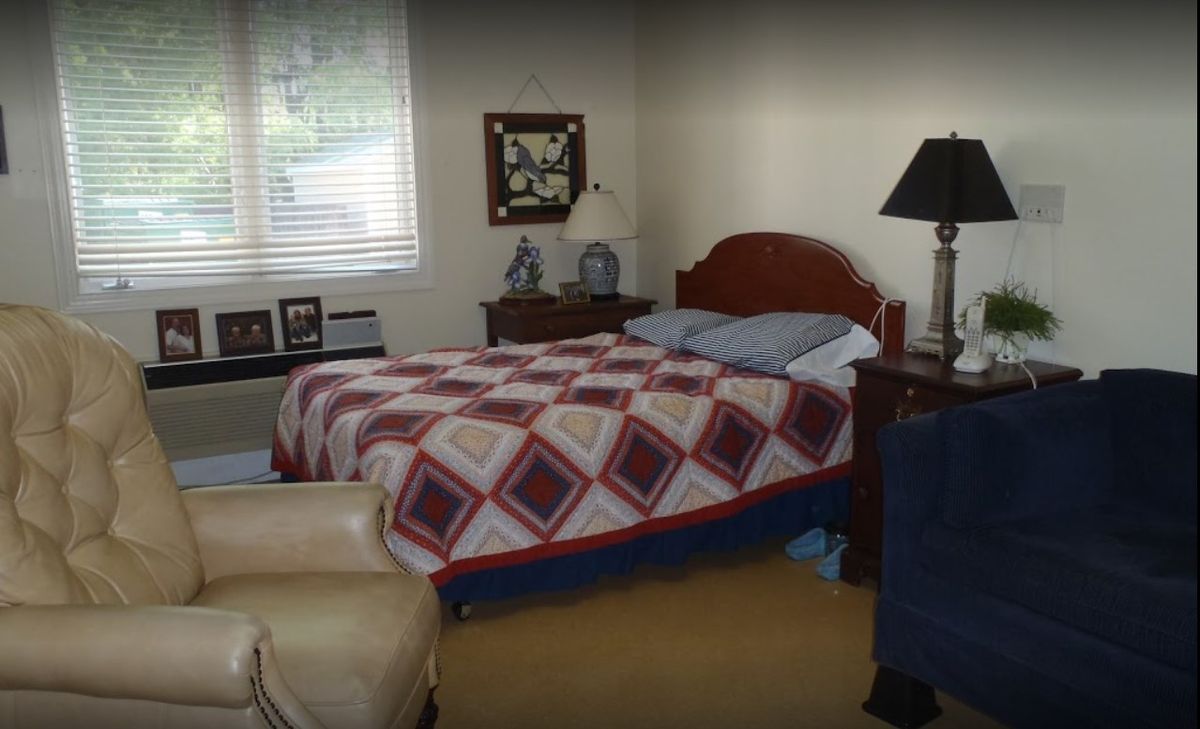
 Fully furnished
 Gaming room
 Garden
 Housekeeping services
 Indoor common areas
 Kitchenette
 Laundry
 Move-in coordination
 Outdoor space
 Private bathrooms
 Restaurant-style dining
 Small library
 Telephone
 Wellness center
 Wi-Fi/high-speed internet available
 Charlotte Douglas International (24 miles away)
 Community operated transportation
 12-16 hour nursing
 24-hour call system
 Ambulatory care
 Assistance with bathing
 Assistance with dressing
 Assistance with transfers
 Diabetes diet
 Diabetic care
 Incontinence care
 Medication management
 Mental wellness program
 Special dietary restrictions
 Concierge services
 Planned day trips
 English





 Dementia, Paranoia, and Caregiver Guidance: Understanding the Connection
 Engaging Memory Care Activities That Enhance Quality of Life
 When to Transition from Assisted Living to Memory Care: Key Indicators, Steps, and Finding the Right Community