The Addison of Indian Trail offers a range of accommodation options with pricing that reflects its commitment to providing quality senior living. For semi-private rooms, the cost is $3,800 per month, slightly above the Union County average of $3,730 but below the state average of $3,584. Studio apartments are available for $4,250, which positions them competitively against both county and state averages - $4,789 and $4,020 respectively. The one-bedroom option is priced at $5,595, exceeding both the county's average of $5,193 and the state average of $4,055. Finally, for those needing more space, two-bedroom units are offered at $6,400; this rate is notably higher than Union County's average of $5,240 and North Carolina's average of $4,245. Overall, while The Addison tends to be priced above local and state averages in specific categories like one and two-bedroom units, it provides an appealing mix of amenities and services that may justify these costs for prospective residents seeking a welcoming community environment.
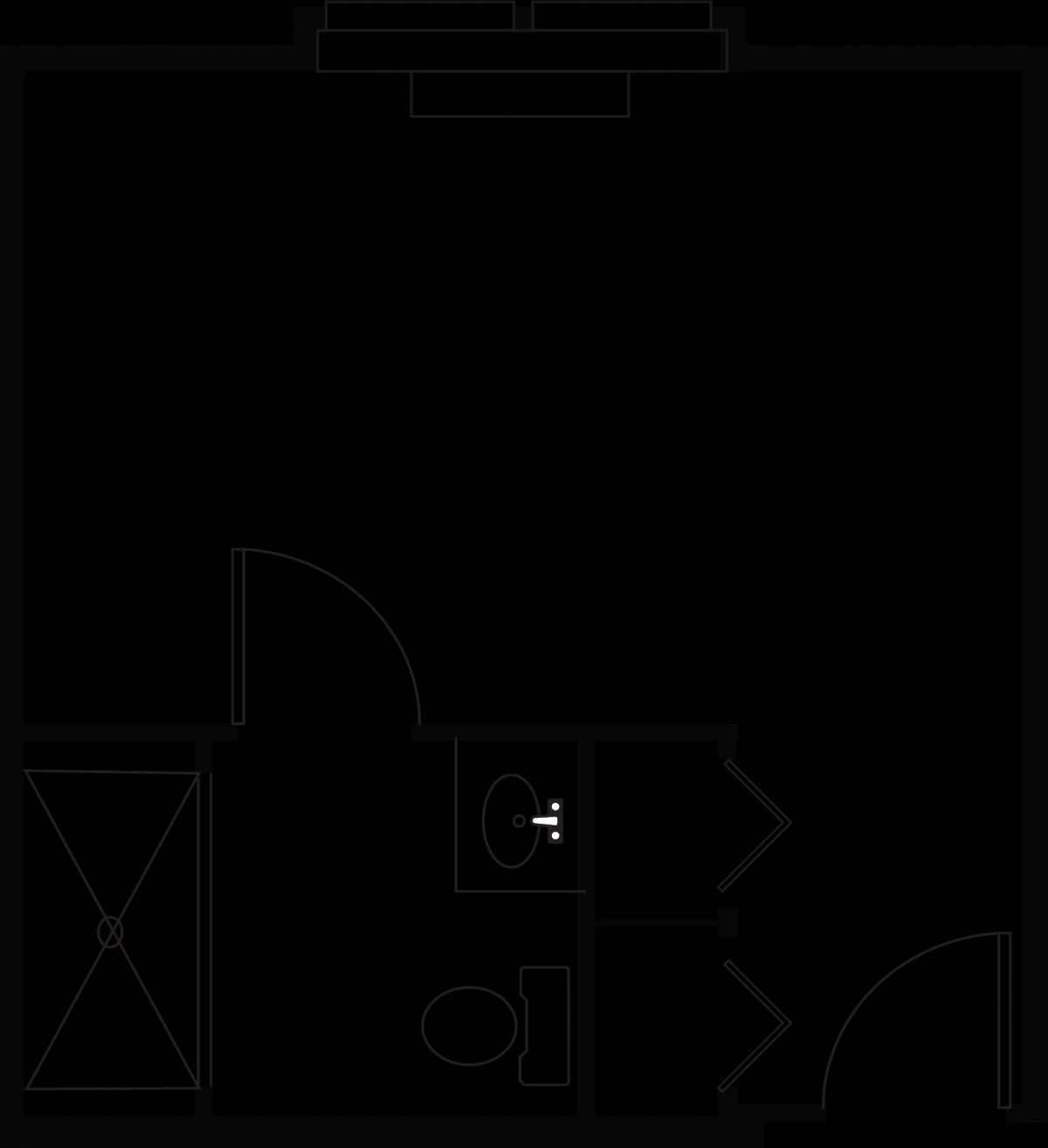
Floor plans
The Addison Of Indian Trail
Union County
North Carolina
Semi-Private
$3,800
$3,730
$3,584
Studio
$4,250
$4,789
$4,020
1 Bedroom
$5,595
$5,193
$4,055
2 Bedrooms
$6,400
$5,240
$4,245
Memory care communities with a similar price nearby
Residents’ families describe staff as responsive and easy to work with.
Several reviewers highlight that the staff is responsive and straightforward to coordinate with. In addition to being easy to work with, these reviewers also say the team goes beyond what they expected to help residents.
caveat3 reviews mention this
Cleanliness is a mixed picture
Cleanliness comments range from very clean to carpet that looks dirty.
Some reviewers praise how clean and well maintained the facility feels, including the overall condition of the building. Others describe carpet in common areas and memory care areas as dirty or unappealing, saying it did not match what they expected from the tour.
Overall, cleanliness appears to be a point families notice quickly—especially the condition of carpeting.
common2 reviews mention this
Activities and social time
Residents are described as having daily activities and opportunities to stay social.
Multiple reviewers mention activities as part of daily life, including group activities and time for residents to be engaged. Some reviewers also point to religious or church-related activities and say their loved ones look forward to getting out and participating.
caveat2 reviews mention this
Care communication can be frustrating
Families describe trouble getting answers and consistent communication.
A number of reviewers raise concerns about communication, including difficulty reaching the right people and getting timely follow-ups. At least one reviewer also describes frustration with changing expectations during a move-in period and not getting requested information.
caveat2 reviews mention this
Some medical safety concerns
Some families report serious concerns about emergency response and medical documentation.
Some reviews describe failures they believe affected resident safety, including issues with an emergency alert system and delayed responses to an emergency. Other negative reviews also mention concerns about medical documentation and care accuracy, framed as leading to worse outcomes.
Because these issues are described by multiple families, safety and care processes appear to be an important concern for those reviewers.
caveat2 reviews mention this
Pricing feels expensive or changes
Several reviewers raise concerns about cost and price increases.
Families mention that costs can rise and describe uncertainty around where pricing lands during or after move-in. This aligns with the community’s posted price range, which spans from the low $3,800s to the low $6,400s across unit types.
Reviewers also note that additional care needs may affect what families ultimately pay.
How we summarize
Counts show how many written reviews mention each theme; a review can touch several themes, and only frequently mentioned themes are displayed.
Features
Housing
96 resident community capacity
Studio apartments
Types of Care
Assisted Living
Memory Care
Amenities
Activities on-site
Air-conditioning
Beauty salon
Cable or satellite TV
Computer center
Devotional services off-site
Dining room
Fitness room
Fully furnished
Gaming room
Garden
Housekeeping services
Indoor common areas
Kitchenette
Laundry
Move-in coordination
Outdoor patio
Outdoor space
Private bathrooms
Restaurant-style dining
Small library
Telephone
Wellness center
Wi-Fi/high-speed internet available
Transportation
Charlotte Douglas International (22 miles away)
Community operated transportation
Transportation arrangement
Transportation arrangement (non-medical)
Transportation to doctors appointments
Care Services
12-16 hour nursing
24-hour call system
24-hour supervision
Activities of daily living assistance
Ambulatory care
Assistance with bathing
Assistance with dressing
Assistance with transfers
Coordination with health care providers
Diabetes diet
Diabetic care
Meal preparation and service
Medication management
Mental wellness program
Mild cognitive impairment
Special dietary restrictions
Specialized memory care programming
Transportation arrangement (medical)
Transportation to doctors appointments
Dining
Diabetes diet
Meals provided
Special dietary restrictions
Activities
Activities on-site
Community-sponsored activities
Concierge services
Devotional activities offsite
Fitness programs
Planned day trips
Resident-run activities
Scheduled daily activities
Languages Spoken
English
Nearby Places of Interest
This area of Monroe, North Carolina offers a variety of amenities that cater to senior living. With multiple family practice physicians nearby, including Lake Park Family Practice and Sun Valley Family Physicians, medical care is easily accessible. There are also several pharmacies in the vicinity such as Walgreens and CVS Pharmacy for convenient medication pickup. In terms of dining options, there are fast food establishments like McDonald's and Chick-Fil-A, as well as sit-down restaurants like Metro Diner and Lam's Kitchen. Places of worship such as Idlewild Baptist Church and Carmel Baptist Church provide spiritual support for seniors, while parks like Blakney Park offer opportunities for outdoor recreation. Additionally, the presence of theaters like Regal Stonecrest at Piper Glen and Redstone 14 provide entertainment options for seniors looking to enjoy a movie. Overall, this part of Monroe provides a well-rounded environment for senior living with access to essential services and leisure activities.
Physicians
Lake Park Family Practice (2.7 miles)
Sun Valley Family Physicians (3.2 miles)
Center For Wellness (8.1 miles)
Kanelos Dino P MD (9.6 miles)
Arboretum Pediatrics (10.6 miles)
Piedmont Plastic Surgery & Dermatology (12 miles)
Waxhaw Family Physicians & Sports Medicine Center (12 miles)
Restaurants
McDonald's (3.2 miles)
Chick-Fil-A (3.8 miles)
Chick-Fil-A (6.9 miles)
Metro Diner (7.7 miles)
Lam's Kitchen 祖家小厨 (7.8 miles)
Mac's Speed Shop (7.9 miles)
Showmars (8.3 miles)
Pharmacies
Walgreens (3.9 miles)
CVS Pharmacy (7 miles)
Walgreens (7.2 miles)
CVS Pharmacy (7.2 miles)
CVS Pharmacy (7.5 miles)
CVS Pharmacy (7.9 miles)
Walgreens (8 miles)
Cafes
The Collective Cafe (7.2 miles)
Panera Bread (7.6 miles)
Starbucks (9.7 miles)
Panera Bread (9.7 miles)
Starbucks (12 miles)
Starbucks (14.4 miles)
Starbucks (14.5 miles)
Places of Worship
Idlewild Baptist Church (7.4 miles)
Carmel Baptist Church (9.5 miles)
Providence Presbyterian Church (9.9 miles)
Greater Grace Community Missionary Baptist Church (11.3 miles)
The Addison of Indian Trail offers a range of accommodation options with pricing that reflects its commitment to providing quality senior living. For semi-private rooms, the cost is $3,800 per month, slightly above the Union County average of $3,730 but below the state average of $3,584. Studio apartments are available for $4,250, which positions them competitively against both county and state averages - $4,789 and $4,020 respectively. The one-bedroom option is priced at $5,595, exceeding both the county's average of $5,193 and the state average of $4,055. Finally, for those needing more space, two-bedroom units are offered at $6,400; this rate is notably higher than Union County's average of $5,240 and North Carolina's average of $4,245. Overall, while The Addison tends to be priced above local and state averages in specific categories like one and two-bedroom units, it provides an appealing mix of amenities and services that may justify these costs for prospective residents seeking a welcoming community environment.
The Addison Of Indian Trail offers 24-hour supervision, ensuring that residents receive continuous monitoring and immediate assistance when needed, which is crucial for those with memory impairments. Assistance with activities of daily living--including bathing, dressing, and transfers--promotes dignity and independence while addressing the practical challenges faced by individuals with dementia. Coordination with health care providers ensures that medical needs are met promptly, enhancing overall well-being. Nutritious meal preparation and service cater to dietary restrictions and preferences, while medication management helps to maintain adherence to prescribed treatments. The mental wellness program engages residents in stimulating activities tailored for mild cognitive impairment, fostering cognitive abilities. Additionally, specialized memory care programming provides structured support designed specifically for those experiencing memory loss. Finally, transportation arrangements for medical visits alleviate logistical burdens on families and ensure residents have access to necessary healthcare services.
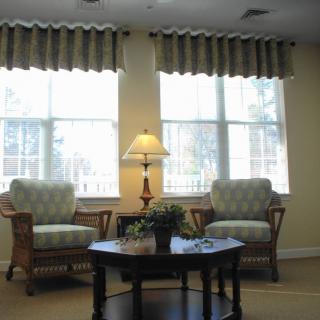
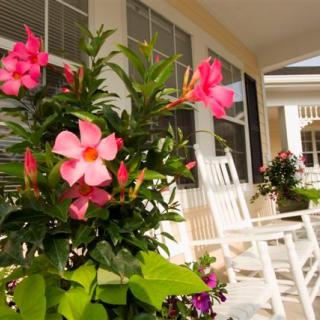
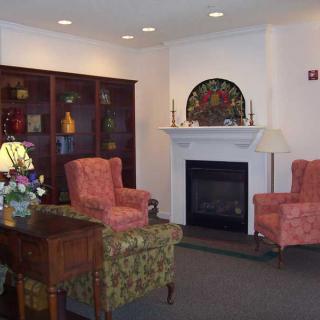
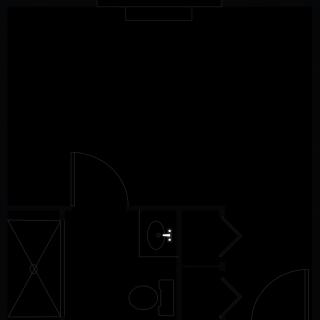
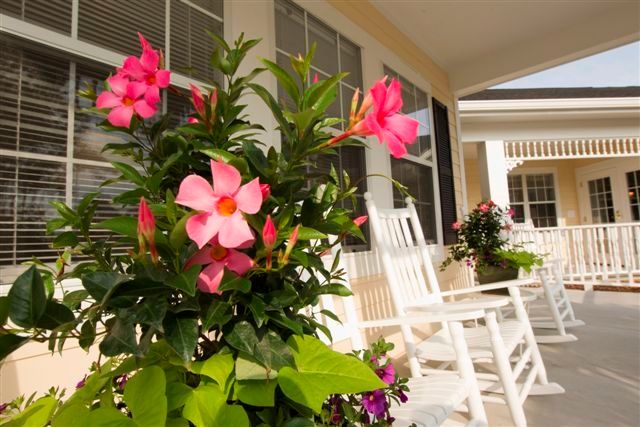
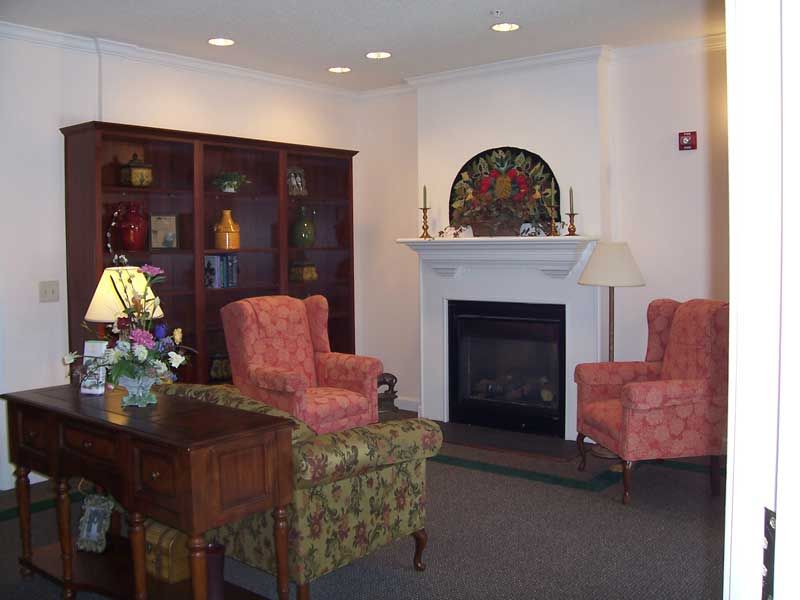
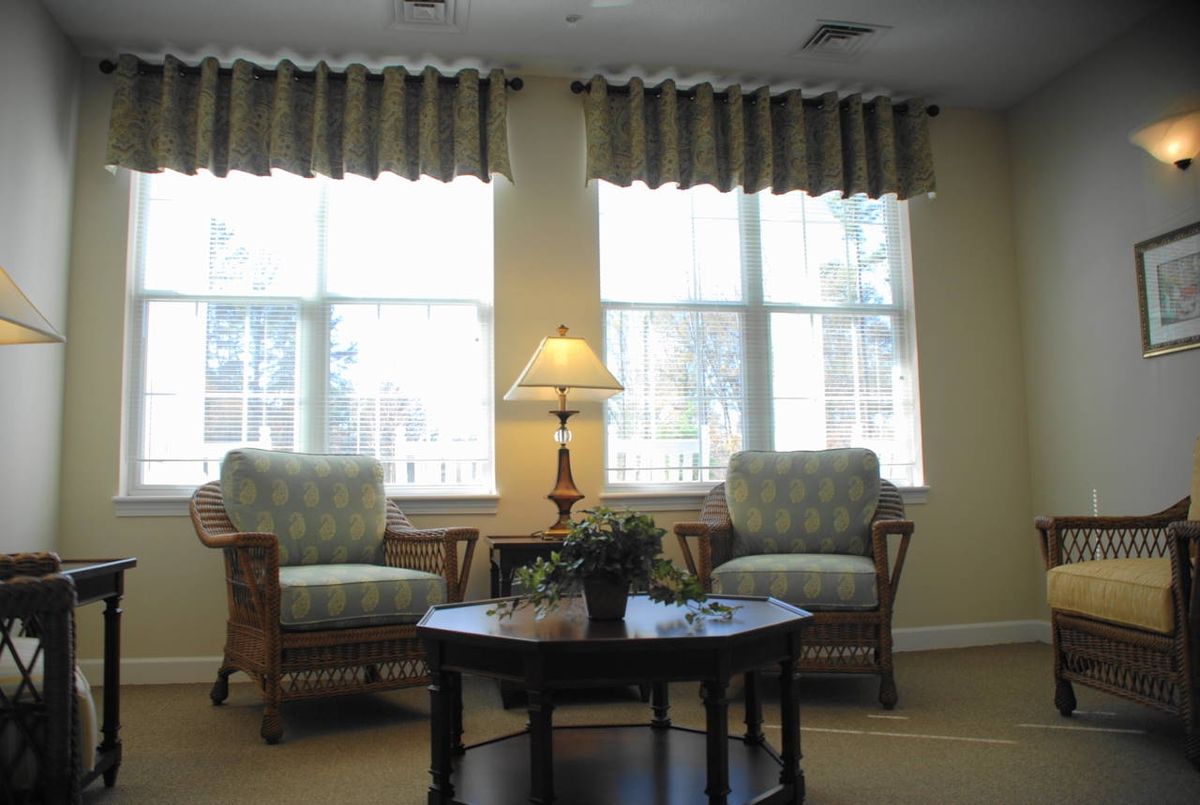
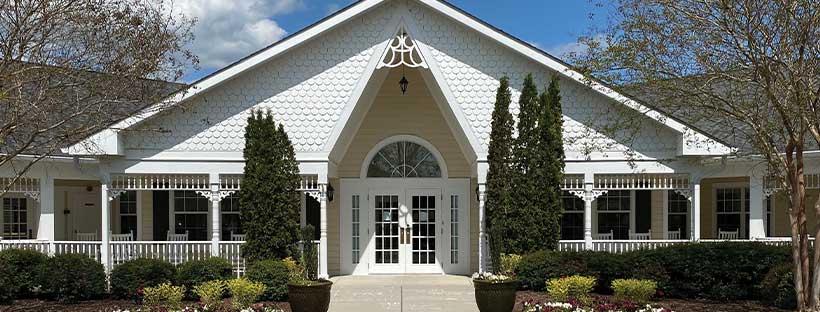
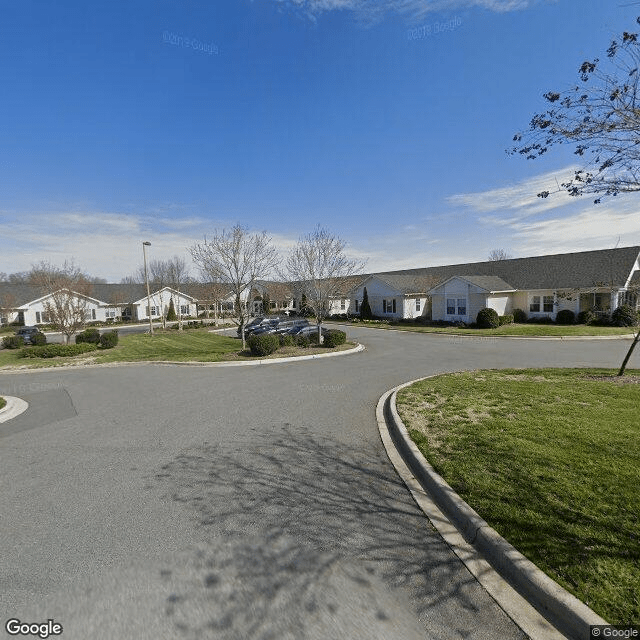
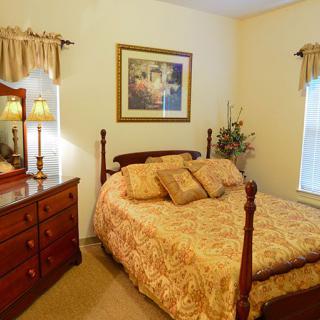
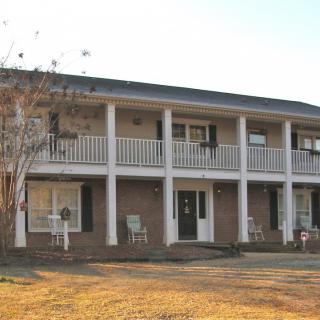
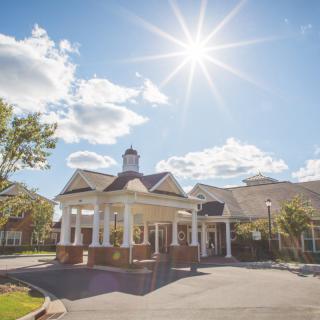
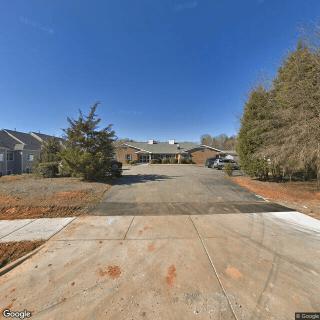
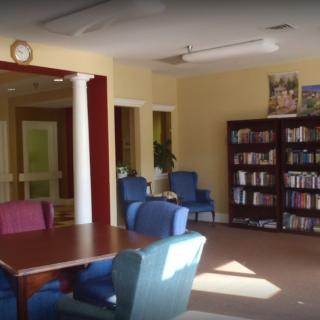
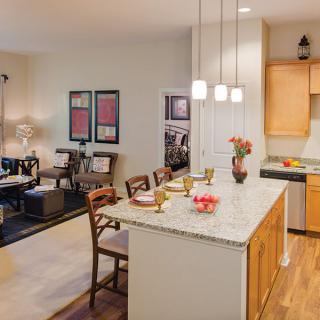
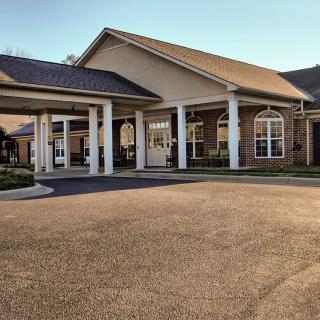
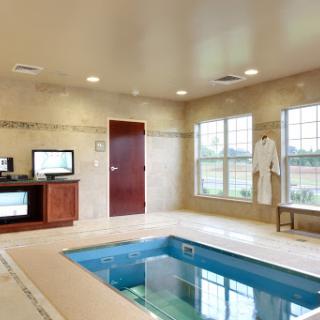
The Addison Of Indian Trail on seniors.fyi includes 7 photos including images showing floor plan, architecture, interior, living room, windows, fireplace, decor, building, and more.
Nearby Communities
Poplin Terrace
Indian Trail, NC
3 from 6 reviews
$2,500 to $4,000 / month
Small, intimate setting with attentive staff and good meals.
Karizma Infinities Residential Care Home
Indian Trail, NC
4.8 from 17 reviews
$3,500 to $6,000 / month
Clean, welcoming environment with compassionate staff and engaging activities.
Pruitthealth-Union Pointe
Monroe, NC
3.3 from 114 reviews
Extensive amenities and care (24-hour supervision, medication management, transportation, dining, fitness).
Woodridge
Monroe, NC
3.6 from 11 reviews
Friendly, attentive staff with regular medical oversight and clean, secure facilities.
Knox's House
Monroe, NC
Comprehensive care with 24/7 supervision and transportation.
Lake Park Nursing And Rehabilitation Center
Indian Trail, NC
3.4 from 60 reviews
Extensive on-site amenities and comprehensive care services.
Windsor Run
Matthews, NC
4.4 from 7 reviews
Beautiful, modern facility with extensive amenities and friendly staff.
Brookdale Union Park
Monroe, NC
3.9 from 67 reviews
$3,500 to $4,710 / month
Friendly, attentive staff with solid care and well-maintained facilities.
Accordius Health At Monroe
Monroe, NC
3.3 from 10 reviews
Extensive amenities and comprehensive care services.
Dementia is characterized by cognitive decline, with nutrition playing a vital role in brain health; while no specific diet can prevent or reverse it, a nutrient-dense diet rich in antioxidants and healthy fats may support cognitive function. The MIND diet, which emphasizes beneficial foods and limits processed items, along with proper hydration and individualized meal strategies, can enhance the well-being of dementia patients.
Dementia affects memory and cognitive function in older adults, presenting challenges for caregivers due to behavioral changes such as confusion and mood swings. Compassionate, person-centered care that considers individual history and preferences, along with effective communication and environmental modifications, is essential for supporting both patients and their caregivers.
Dementia leads to cognitive impairment and can cause emotional and behavioral changes, including aggression that arises from frustration, confusion, or fear. Effective coping strategies for caregivers include understanding dementia's nature, recognizing triggers, using empathetic communication, and employing non-pharmacological interventions like music and art therapy.
Get PricingAsk A QuestionSchedule A TourContact Senior Advisor
By clicking submit, you agree to our Partner's Terms of Use. You
also consent to receive calls and texts, which may be autodialed, from our Partner. Your consent is not a condition to
using our Partner's service. Please visit our Partner's Privacy Policy for information about their privacy practices.


 96 resident community capacity
 Studio apartments
 Assisted Living
 Memory Care
 Activities on-site
 Air-conditioning
 Beauty salon
 Cable or satellite TV
 Computer center
 Devotional services off-site
 Dining room
 Fitness room
 Fully furnished
 Gaming room
 Garden
 Housekeeping services
 Indoor common areas
 Kitchenette
 Laundry
 Move-in coordination
 Outdoor patio
 Outdoor space
 Private bathrooms
 Restaurant-style dining
 Small library
 Telephone
 Wellness center
 Wi-Fi/high-speed internet available
 Charlotte Douglas International (22 miles away)
 Community operated transportation
 12-16 hour nursing
 24-hour call system
 Ambulatory care
 Assistance with bathing
 Assistance with dressing
 Assistance with transfers
 Diabetes diet
 Diabetic care
 Medication management
 Mental wellness program
 Special dietary restrictions
 Transportation arrangement (medical)
 Concierge services
 Planned day trips
 English
 Small, intimate setting with attentive staff and good meals.


 Nourishing the Mind: Essential Dietary Approaches for Dementia
 Understanding Dementia Behaviors: Practical Insights and Strategies for Caregivers
 When Dementia Sparks Anger and Aggression: Understanding the Connection and Ways to Cope