



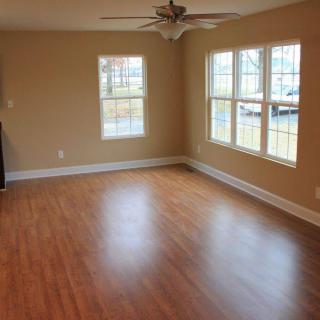


5601 Poplin Road, Indian Trail, NC 28079
For more information about senior living options: (866) 208-4318
Poplin Terrace Costs & Pricing
At Poplin Terrace, the monthly costs for accommodations are notably competitive compared to both Union County and the broader state of North Carolina. The facility offers a semi-private room at $2,500, which is significantly lower than the county average of $3,730 and also below the state average of $3,584. For those seeking more privacy, a one-bedroom unit is available for $4,000 per month, again presenting a favorable alternative to the regional market; this rate contrasts with Union County's average of $5,193 while remaining on par with the state's average of $4,055. Overall, Poplin Terrace provides an appealing value for residents in need of quality care without compromising on affordability.
| Floor plans | Poplin Terrace | Union County | North Carolina |
|---|---|---|---|
| Semi-Private | $2,500 | $3,730 | $3,584 |
| 1 Bedroom | $4,000 | $5,193 | $4,055 |
Memory care communities with a similar price nearby
-
from +$430 / mo
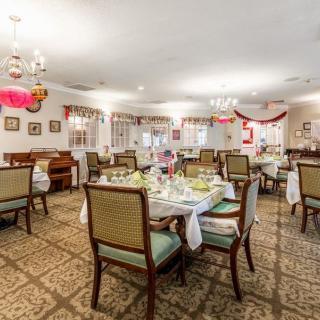
TerraBella Harrisburg
$2,930 to $5,550 / month16.9 miles away -
from +$295 / mo
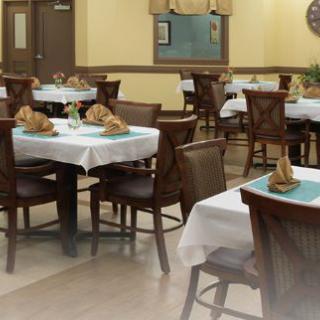
Wickshire Steele Creek
$2,795 to $3,495 / month22.5 miles away -
from -$400 / mo
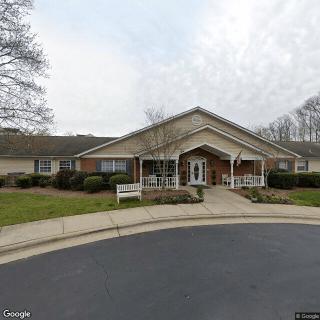
Rosewood Estates
$2,100 to $2,940 / month14.8 miles away
Overall Review of Poplin Terrace
Pros
 The staff are wonderful, helpful, and informative.
- The meals are tasty and snacks are nutritious.
- The home is immaculate, beautifully decorated, and smells very pretty.
- Residents are happy, clean, and active.
- The place is fantastic.
- The staff are totally hands-on and always there.
- It is smaller, with only six residents.
- The food is good.
Cons
 This is a horrible place to have a loved one.
- They sleep 3rd shift; no supervision at night.
- 2100 dollars for 5 miserable nights. What a rip-off.
- There is currently too much clutter in the house.
Review
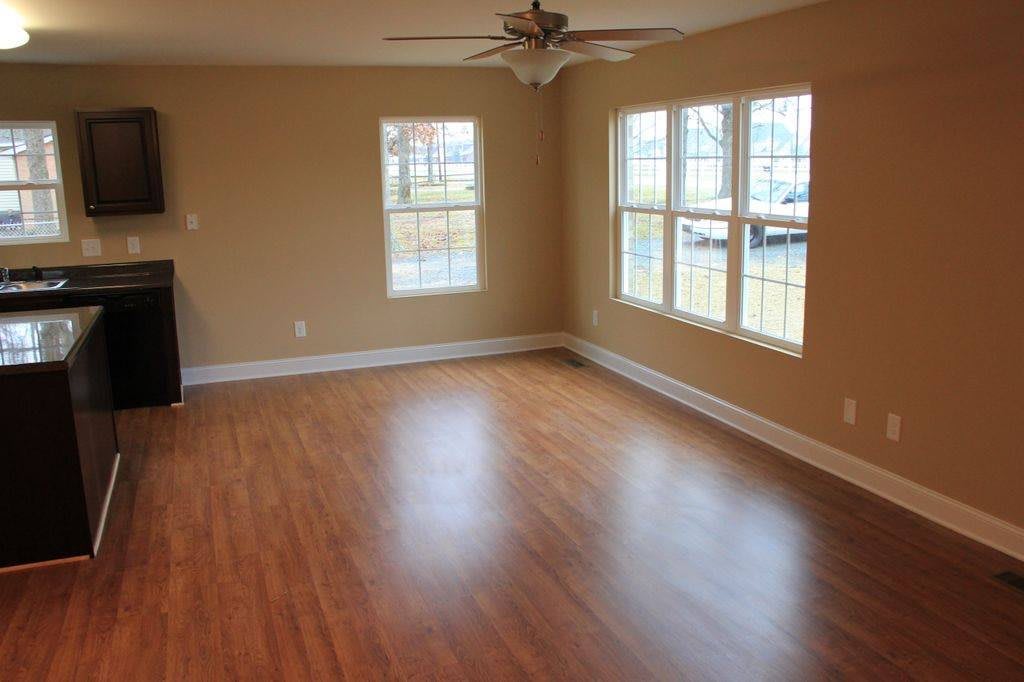
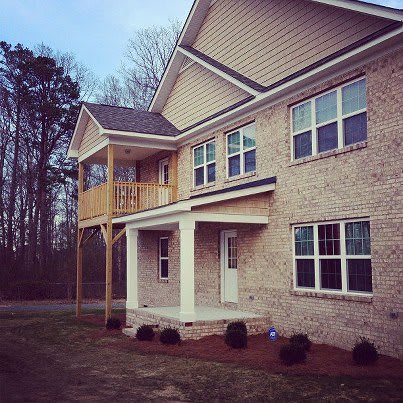
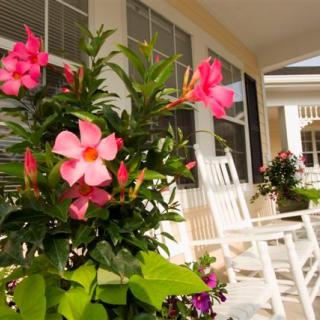
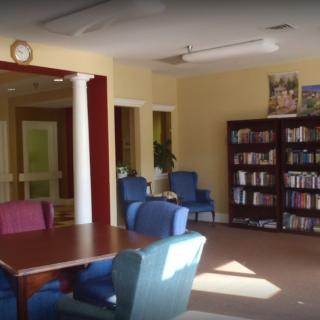
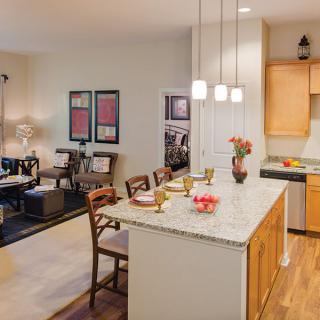
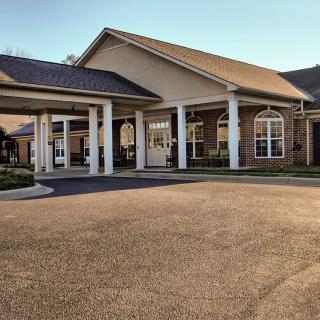
Poplin Terrace in Indian Trail is best suited for families seeking a truly intimate, home-like assisted living experience. This is a setting where a handful of residents translates into personalized attention, predictable routines, and a calmer pace than larger campuses offer. For elders who value warmth over formality, the environment tends to be clean, tastefully decorated, and well maintained, with staff that appears attuned to individual preferences. The small-scale layout supports easy communication with caregivers and a sense that someone is looking out for a loved one without the anonymity of a bigger facility. In short, it serves those who want comfort, clarity, and a strong sense of belonging.
On balance, several positives matter in daily life: responsive, helpful staff; meals that are tasty and include nutritious snacks; and a homey atmosphere where residents appear happy, clean, and active. The staff is described as hands-on and consistently accessible, with lines of communication that stay open. The combination of a smaller setting and a focused care team can translate into quicker problem resolution, more individualized activity planning, and a sense that routines won’t be disrupted by turnover or impersonal processes.
Yet the picture is not uniform. A pair of reviews delivers a blunt warning about safety and value: overnight supervision on third shift is reportedly lacking, and substantial overnight costs are charged, about $2,100 for five nights. Allegations of mismanagement or neglect, including claims that staff were unavailable or “took the money,” color the decision with caution. The presence of these criticisms, alongside a middling overall rating, should prompt families to scrutinize how care planning, supervision, and billing are actually structured and documented before committing.
Those who prioritize intimacy and hands-on contact can find meaningful offsets to the drawbacks. The small footprint means fewer residents to miss cues from staff, more timely medication reminders if applicable, and a higher likelihood that caregivers know a resident’s preferences. For many families, the ability to reach someone reliably and receive timely updates without navigating a labyrinth of departments is a real advantage. The emphasis on a home-like, comfortable environment also supports emotional well-being, which can be as important as medical oversight for many seniors.
However, the cons are not trivial. Overnight supervision is a safety-critical concern, and the price point for a short stay raises questions about value and affordability in the long run. The conflicting feedback, one review praising attentiveness and another alleging neglect, underscores the need for due diligence: inquire about the exact nightly staffing schedule, what care services are included, and how care levels are adjusted as needs change. Without transparent policies, the upside of intimacy may not compensate for perceived risk when the night shift goes unmonitored.
Ultimately, Poplin Terrace is a strong fit for those who want a tightly knit, home-like environment with highly accessible staff and solid dining. It is not the best choice for families that require guaranteed overnight supervision, absolute consistency in care, or clear, predictable pricing without questions. Prospective residents should arrange a multi-hour tour that includes evening and night observations, request current staffing rosters, and speak with current families for candid insight. If these checks align with the loved one’s priorities, Poplin Terrace offers a compelling option; if not, explore alternatives with larger footprints, 24/7 coverage, and transparent, straightforward pricing.
 6 resident community capacity
 Assisted Living
 Board and Care Home
 Memory Care
 Activities off-site
 Bath tubs
 Beautician on-site
 Cable or satellite TV
 Devotional services off-site
 Dining room
 Fully furnished
 Garden
 Housekeeping services
 Indoor common areas
 Move-in coordination
 Outdoor common areas
 Private bathrooms
 Respite or short term stays offered
 Telephone
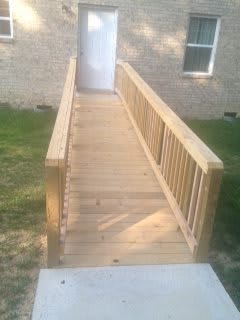
 Wheelchair accessible showers
 Wi-Fi/high-speed internet available
 Charlotte Douglas International (21 miles away)
 24-hour supervision
 Ambulatory care
 Assistance with bathing
 Assistance with dressing
 Assistance with transfers
 Diabetes diet
 Diabetic care
 High acuity care
 Incontinence care
 Meal preparation and service
 Medication management
 Special dietary restrictions
 Transportation arrangement (medical)
 Transportation to doctors appointments




 Guiding Your Journey: Understanding Power of Attorney for Elderly Parents
 22 Remarkable Caregiver Support Groups Available Online and In-Person
 Understanding Medicaid Coverage for Assisted Living: A Comprehensive Guide