West Winds Assisted Living

1241 Goins Road, Pembroke, NC 28372

For more information about senior living options: (844) 490-3973

1.9 from 9 reviews
5 stars
0
4 stars
1
3 stars
2
2 stars
1
1 stars
5

Assisted Living Board and Care Home

Overall Review of West Winds Assisted Living

Pros

  • pro The employees here work hard for their residents and strive to make it as safe and comfortable as possible.
  • pro The community and churches would be encouraged to embrace this location and the lovely folks living and working there.
  • pro The grandmother stated that the staff were very nice to her and treated her well.

Cons

  • pro The staff could care less about the residents, even their own family.
  • pro The reviewer warned others not to send their family to this place.
  • pro The reviewer's wife was bitten by bedbugs in one of the buildings and she complained about how nasty it is.
  • pro It looked abandoned, with people walking around and outside doors left open.
  • pro The grandmother stated that her sister passed away there and they did not inform her.

Review

A batch of scattered but connected experiences paints a complicated picture of a care facility that sits at the crossroads of care, concern, and controversy. One account vividly anchors the conversation in a 2008 experience that feels personal and pointed: "they could care less about the people living there, even their own family! #RIPWesleyJacobs." That line carries a weight of grief and accusation, suggesting that at least in this case, the level of attention and respect paid to residents and their families fell far short of what was hoped. The reference to a RIP memorial adds a solemn tone, implying real loss and perceived neglect that can accompany such places when warnings go unheeded.

Against that sharp critique, another set of comments acknowledges effort on the ground. "The employees here work hard for their residents and try and make it as safe and comfortable as possible," one voice asserts. This perspective shifts the focus to the people who are on-site, doing what they can within the constraints of the environment. It carries a sense of respect for the labor and intention of staff, even while it maybe doesn't erase the deeper concerns raised by others. The speaker also adds a forward-looking note: a wish for the broader community and churches to embrace the location and the folks who live and work there, underscoring a belief that external support could make a meaningful difference.

There is a contrasting plea that is as direct as it is urgent: "Please don't let your family go to this place." This line stands apart as a blunt warning, underscoring fear about safety, quality of care, or overall well-being for residents. The testimony broadens into a concrete grievance - the speaker's wife, who worked there, was bitten by bedbugs. The claim of a serious sanitation issue - bedbugs - taps into a long-standing fear that infestations in care facilities can undermine both comfort and health. The accompanying complaint that the place felt "nasty" adds a layer of sensory distress to the narrative, suggesting concerns that go beyond administrative or emotional worries and into the realm of daily hygiene and resident dignity.

Another fragment of the shared experience resembles a scene from afar but feels vivid in its details. The place, according to the account, "looks abandoned," with doors reportedly left open and people visible outside. Amid this backdrop, a personal memory enters: a grandmother who was there, who wanted to go home and whose sister had died while in the facility but - crucially - was not informed. The omission of family communication in that moment amplifies the emotional stakes and trust issues, turning an ordinary day into a reminder of how crucial timely information is in elder care settings.

Despite that painful moment, the grandmother's own testimony also contains a note of kindness. The same account says the grandmother "stated they was very nice to her and treated her well," ending with thanks to Morning Star. That line preserves a thread of warmth and appreciation for care or behavior that felt respectful in some interactions, even if other parts of the experience felt flawed or neglectful. It suggests a mixed reality on-the-ground: moments of courtesy and humanity coexisting with problems that patients and families fear could have more serious consequences.

Taken together, these voices sketch a place that inspires strong feelings - both protective and punitive - among those who know it best. Some staff are praised for hard work and attempts to create safety and comfort, while others warn of dangerous lapses that compromise health and dignity. The stories about communication gaps with families - especially around serious events like a resident's death - underline a core expectation in elder care: timely, transparent, compassionate communication is as vital as any medical or physical care.

What emerges from this compilation is not a single verdict but a chorus of experiences that demand attention. For residents and their families, the quality of daily life hinges on clean conditions, prompt responses to concerns, and honest updates when critical events occur. For the community at large, there is a call to rally support - through churches or other organizations - to strengthen oversight, help with resources, and create a culture where care is visible, accountable, and consistently humane. And for the staff who labor within these walls, the messages imply there is room to shine more fully, to reduce fear and confusion, and to build trust with families who rely on them.

In the end, the collection of statements presents a facility that is at once inhabited by people who work hard and care in meaningful ways and haunted by serious worries about safety, cleanliness, and communication. It highlights the importance of oversight, community involvement, and a shared commitment to every resident's well-being. The stories - some painful, some hopeful, some contradictory - call for a careful, compassionate response: address the bedbug concerns and sanitation issues, improve transparency with families, foster deeper community engagement, and celebrate the moments when residents and staff alike experience genuine dignity and kindness within Morning Star.

Features

Housing

  • 6 resident community capacity 6 resident community capacity

Types of Care

  • Assisted Living Assisted LivingAssisted living facilities provide crucial support and care for seniors who may need help with daily tasks such as medication management, bathing, and meal preparation. These communities offer a safe and comfortable environment where seniors can maintain their independence while receiving the assistance they need to thrive in their golden years.
  • Board and Care Home Board and Care HomeBoard and care homes provide a smaller, more intimate setting for seniors who require assistance with daily tasks but do not need the level of care offered by a nursing home. They offer personalized care, meals, and social activities in a homelike environment, ensuring that seniors receive individualized attention and support in their golden years.

Amenities

  • Cable or satellite TV Cable or satellite TVCable or satellite TV is important for seniors because it provides entertainment, news, and companionship, helping to combat loneliness and boredom. It also offers a wide range of programming options tailored to different interests and preferences.
  • Dining room Dining roomDining rooms are important for seniors as they provide a space for socialization, connection, and nutritious meals. They offer opportunities for residents to bond over shared meals, foster a sense of community, and promote healthy eating habits. Dining rooms also ensure that seniors have access to well-balanced meals tailored to their dietary needs and preferences.
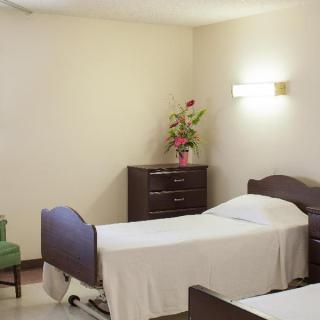
  • Fully furnished Fully furnishedFully furnished senior living communities are important for seniors because they provide convenience, comfort, and a hassle-free moving experience. Seniors can easily settle into their new living space without the stress of having to buy and move furniture. This allows them to focus on enjoying their new home and community.
  • Garden GardenGardens are important for seniors as they provide a peaceful and therapeutic environment for relaxation, physical activity, and socialization. Being in nature has been shown to reduce stress, improve mood, and promote overall well-being. Gardens also offer opportunities for seniors to engage in gardening activities, which can improve mobility, flexibility, and cognitive function. Additionally, gardens create a sense of community and connection with others who share a passion for plants and outdoor spaces.
  • Housekeeping services Housekeeping servicesHousekeeping services are important for seniors because they help maintain a clean and safe living environment, promote independence, and reduce the risk of accidents or illnesses. Additionally, having assistance with household chores can alleviate physical strain and allow seniors to focus on other aspects of their well-being.
  • Move-in coordination Move-in coordinationMove-in coordination is important for seniors because it helps ease the transition into their new living environment. It ensures that all logistics, such as packing, organizing movers, and setting up utilities are taken care of, allowing seniors to focus on settling in and adjusting to their new home. Having a smooth move-in process can alleviate stress and anxiety, making the transition smoother and more enjoyable for seniors.
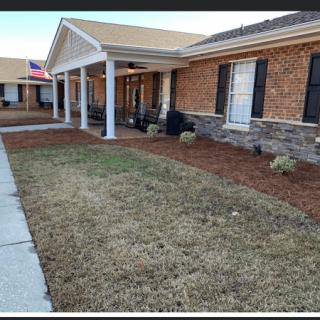
  • Outdoor space Outdoor spaceOutdoor spaces are important for seniors as they provide opportunities for physical activity, social interaction, exposure to natural light and fresh air, and a sense of connection to nature. Having access to outdoor spaces can improve overall well-being and quality of life for older adults living in senior communities.
  • Telephone TelephoneTelephones are important for seniors as they provide a lifeline for communication with loved ones, emergency services, and healthcare providers. They offer a sense of security and independence, enabling seniors to stay connected and access assistance when needed.
  • Wi-Fi/high-speed internet available Wi-Fi/high-speed internet availableWi-Fi/high-speed internet is important for seniors to stay connected with loved ones, access online resources, and participate in virtual activities to combat feelings of loneliness and isolation. It also allows them to easily manage healthcare needs, access entertainment, and engage in lifelong learning opportunities.

Care Services

  • 24-hour supervision 24-hour supervision24-hour supervision is important for seniors to ensure their safety, well-being, and access to immediate assistance in case of emergencies or health issues. This constant support provides peace of mind for both seniors and their loved ones, allowing them to age in place with dignity and security.
  • Activities of daily living assistance Activities of daily living assistanceActivities of daily living assistance are important for seniors because they provide essential support with tasks such as eating, bathing, dressing, and mobility. This assistance helps seniors maintain their independence, dignity, and overall quality of life as they age.
  • Assistance with bathing Assistance with bathingAssistance with bathing is crucial for seniors as it helps maintain personal hygiene, prevents infections, and ensures their overall well-being and comfort. It also provides a sense of dignity and independence for seniors who may struggle with this task on their own.
  • Assistance with dressing Assistance with dressingAssistance with dressing is important for seniors because it helps maintain their independence, promotes personal hygiene, prevents accidents and injuries, and improves overall quality of life. This service ensures that seniors can continue to dress comfortably and confidently, despite any physical limitations they may have.
  • Assistance with transfers Assistance with transfersAssistance with transfers is crucial for seniors as it helps prevent falls and injuries, maintains their independence, and ensures they can safely navigate their living environment. It also provides peace of mind for both seniors and their loved ones.
  • Coordination with health care providers Coordination with health care providersCoordination with health care providers is crucial for seniors to ensure proper medical care, medication management, and overall well-being. This collaboration helps prevent overlapping treatments, track progress more effectively, and provide comprehensive support tailored to individual needs.
  • Diabetes diet Diabetes dietA diabetes diet is crucial for seniors as it helps manage blood sugar levels, reduce risks of complications, and improve overall health and well-being. By following a balanced and nutritious diet tailored to their specific needs, seniors can better control their diabetes and enhance their quality of life.
  • Meal preparation and service Meal preparation and serviceMeal preparation and service are crucial for seniors as they may have limited mobility or energy to cook nutritious meals. Having access to healthy and convenient food options can ensure they are getting the proper nutrition needed to maintain their overall health and well-being.
  • Medication management Medication managementMedication management is crucial for seniors to ensure they are taking the right medications at the correct dosages and times. This helps prevent adverse drug interactions, reduces the risk of medication errors, and promotes overall health and well-being. Proactive management also allows for adjustments as needed based on changing health conditions or new prescriptions.
  • Special dietary restrictions Special dietary restrictionsSpecial dietary restrictions are important for seniors because age-related changes in metabolism and health conditions can make it difficult for their bodies to process certain foods. By following a diet tailored to their specific needs, seniors can maintain their overall health and well-being, manage chronic conditions, and reduce the risk of complications such as malnutrition or food interactions with medications.
  • Transportation arrangement (medical) Transportation arrangement (medical)Transportation arrangements for medical purposes are essential for seniors as they may have difficulty driving themselves to appointments or accessing public transportation. Having reliable and safe transportation options ensures that seniors can receive timely medical care and maintain their health and well-being.
  • Transportation to doctors appointments Transportation to doctors appointmentsTransportation to doctors' appointments is crucial for seniors as it ensures they have access to necessary medical care and support for their health needs. Without reliable transportation, seniors may struggle to attend important appointments, leading to potential delays in treatment and health complications. Providing transportation services helps seniors maintain their overall well-being and quality of life.

Dining

  • Diabetes diet Diabetes dietA diabetes diet is crucial for seniors as it helps manage blood sugar levels, reduce risks of complications, and improve overall health and well-being. By following a balanced and nutritious diet tailored to their specific needs, seniors can better control their diabetes and enhance their quality of life.
  • Special dietary restrictions Special dietary restrictionsSpecial dietary restrictions are important for seniors because age-related changes in metabolism and health conditions can make it difficult for their bodies to process certain foods. By following a diet tailored to their specific needs, seniors can maintain their overall health and well-being, manage chronic conditions, and reduce the risk of complications such as malnutrition or food interactions with medications.

Activities

  • Community-sponsored activities Community-sponsored activitiesCommunity-sponsored activities are important for seniors as they provide opportunities for social interaction, mental stimulation, and physical activity. These activities can help improve overall well-being, combat loneliness and isolation, and promote a sense of belonging and purpose among older adults.
  • Scheduled daily activities Scheduled daily activitiesScheduled daily activities are important for seniors because they provide structure, socialization, mental stimulation, and physical activity. Engaging in regular activities can improve overall well-being and quality of life for seniors living in a community setting.

Description

West Winds Assisted Living in Pembroke, NC is a welcoming and comfortable board and care home that offers exceptional care services to seniors in need of support with their daily activities. Our community provides a homely atmosphere where residents can enjoy a fulfilling and independent lifestyle.

At West Winds Assisted Living, we understand the importance of providing well-rounded care for our residents. Our dedicated staff is trained to assist with activities of daily living, such as bathing, dressing, and transfers, ensuring that our residents feel comfortable and supported throughout their day.

We also prioritize the coordination of health care services for our residents. Our team works closely with healthcare providers to ensure that residents receive the necessary medical attention they require. Whether it's medication management or transportation arrangements for medical appointments, we are committed to meeting the unique needs of each resident.

Nutrition plays a vital role in maintaining good health. At West Winds Assisted Living, we offer tailored meal preparation and service to accommodate special dietary restrictions, including diabetes diets. Our dining room provides a cozy setting for residents to enjoy delicious and nutritious meals.

Engaging in social activities is an important aspect of living at West Winds Assisted Living. We provide scheduled daily activities designed to promote physical fitness, cognitive stimulation, and social interaction among our residents. These activities contribute to a vibrant community where friendships can flourish.

Residents will find comfort in our fully furnished accommodations and can take advantage of amenities such as outdoor spaces and Wi-Fi/high-speed internet access. Housekeeping services ensure that living spaces remain clean and tidy without adding any additional burdens on our residents.

At West Winds Assisted Living in Pembroke, NC, we strive to create an environment where seniors feel at ease while receiving the care they need. Contact us today to learn more about how we can support you or your loved one on this journey towards enhanced quality of life.

Nearby Places of Interest

Places of Worship

  • Fairpoint Free Will Baptist Church (16.6 miles)
  • Church of Jesus Christ of Latter Day Saints (17 miles)
  • Cbm Ministries (17 miles)
  • Church of the Nazarene (17.1 miles)
  • Trinity Preschool-After School (17.4 miles)
  • First Baptist Church-Mac Dnld (17.5 miles)
  • Saint Johns Ame Church (17.5 miles)

Restaurants

  • Jerry's (16.8 miles)
  • Hot Tamale (17.8 miles)
  • Dale's Seafood (17.8 miles)
  • South of the Border (17.9 miles)
  • The Peddler Steakhouse (17.9 miles)
  • Mamie's Drive Inn (20.3 miles)
  • Burger King (22.9 miles)

Pharmacies

  • Webster's Pharmacy (17.5 miles)
  • CVS Pharmacy (23.5 miles)
  • Walgreens (23.5 miles)
  • Pee Dee Home Medical Supply (24.1 miles)

Parks

  • Pedros Dog Area (17.8 miles)
  • Harmon Field (24.2 miles)

Hospitals

  • Robeson Health Care Corporation (18.3 miles)
  • Saint Eugene Medical Center (24 miles)
  • McLeod OB/GYN Dillon (24 miles)
  • Mcleod Hospital Dillion Sc (24.1 miles)

Cafes

  • Starbucks (23.1 miles)

Physicians

  • Caresouth Carolina (23.8 miles)
  • Emergency Department, McLeod Health - McLeod Health Dillon (24 miles)
  • McLeod Ob/Gyn Dillon (24 miles)
  • McLeod Pediatrics Dillon (24 miles)

Frequently Asked Questions

Where is West Winds Assisted Living?

Nearby Communities

Related Resources

  • assisted living vs skilled nursingExploring the Contrasts Between Assisted Living and Skilled Nursing

    The article compares assisted living and skilled nursing facilities, detailing their differing levels of assistance, medical support, cost structures, and day-to-day experiences. It emphasizes that assisted living is for those needing help with daily activities while maintaining independence, whereas skilled nursing facilities provide intensive medical care with 24-hour staff supervision.

  • when to move from assisted living to nursing home8 Key Indicators That Suggest It May Be Time to Transition from Assisted Living to Skilled Nursing Care

    The transition from assisted living to skilled nursing care is often prompted by complex medical needs that assisted living cannot meet, with key indicators including frequent health declines, increased falls, severe memory issues, and caregiver burnout. Families should recognize these signs early to discuss options with healthcare providers and prepare for the emotional and logistical aspects of moving to a facility that offers comprehensive medical support.

  • active senior livingVibrant Senior Living: A Comprehensive Guide for Active Older Adults

    Vibrant Senior Living emphasizes active senior living communities that promote independence and engagement through diverse amenities and activities, fostering wellness and social interaction among older adults. These communities range from independent to assisted living, with a focus on personal growth, family involvement, financial planning, and leveraging technology to enhance residents' experiences.