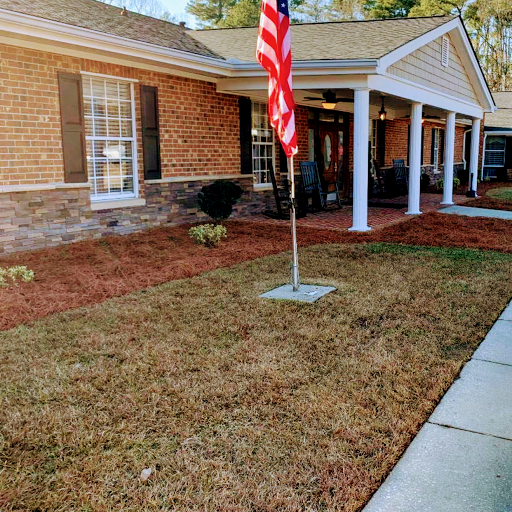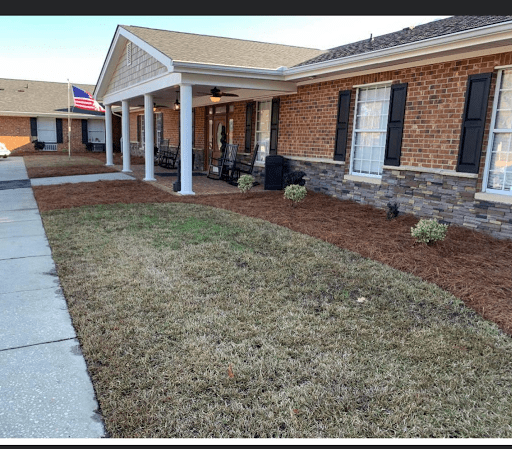
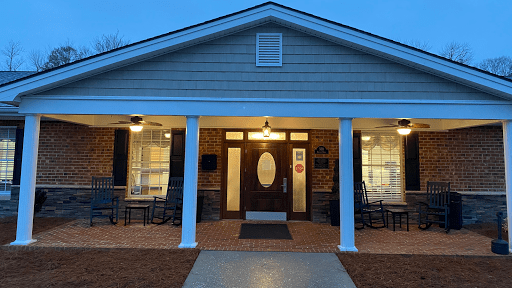
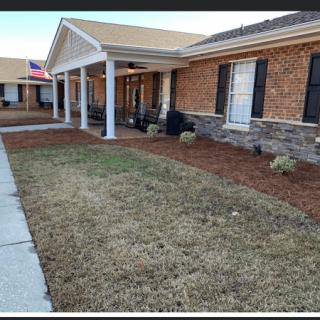
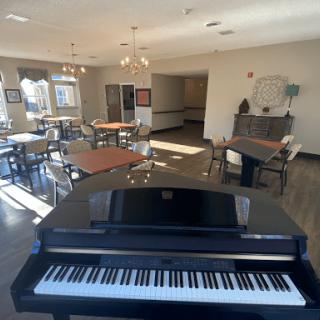

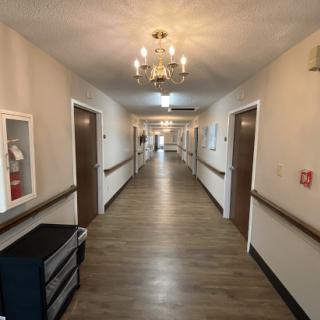
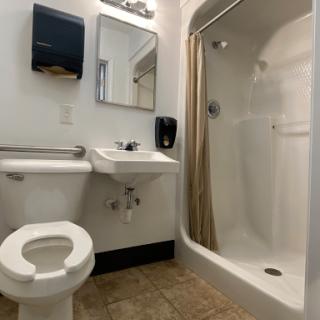
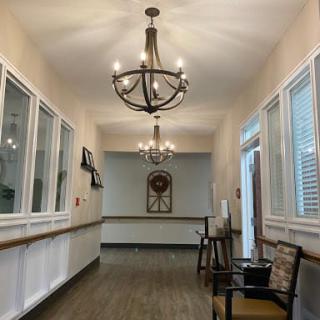
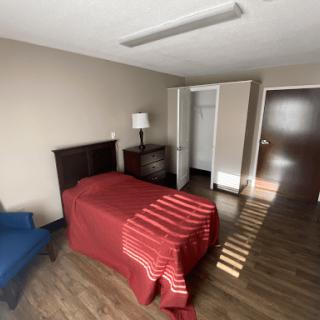
550 Bailey Road, Lumberton, NC 28358
To contact a resident: (910) 738-7281
For more information about senior living options: (866) 208-4318
Rivers Edge of Lumberton Costs & Pricing
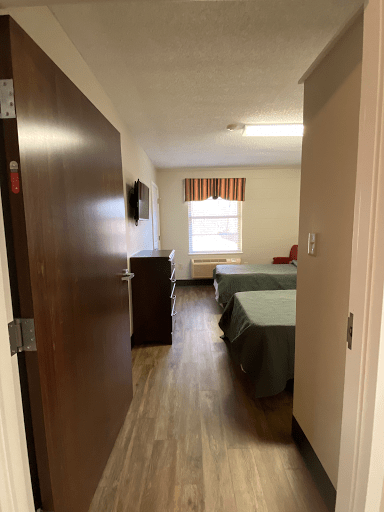
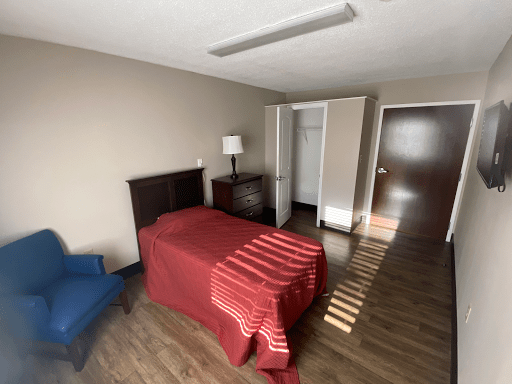
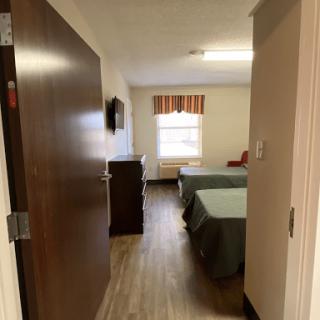
At Rivers Edge of Lumberton, the monthly costs for living accommodations reflect a competitive pricing structure within both Robeson County and the broader North Carolina market. For a semi-private room, residents can expect to pay $3,000 per month, which is notably lower than the county average of $3,123 and significantly less than the state average of $3,584. However, for those opting for a studio unit, the cost rises to $4,500 per month. This rate surpasses both the county's average of $3,768 and aligns with the state average of $4,020. Overall, Rivers Edge offers attractive pricing in certain room types while maintaining quality care and services tailored to its residents' needs.
| Floor plans | Rivers Edge of Lumberton | Robeson County | North Carolina |
|---|---|---|---|
| Semi-Private | $3,000 | $3,123 | $3,584 |
| Studio | $4,500 | $3,768 | $4,020 |
Memory care communities with a similar price nearby
-
from -$505 / mo
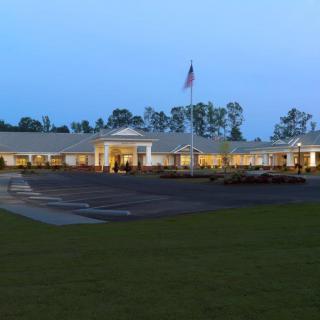
Wesley Pines Retirement Community
$2,495 / month0.6 miles away -
from +$245 / mo

Harmony at Hope Mills
$3,245 to $5,545 / month22.4 miles away
Overall Review of Rivers Edge of Lumberton
Pros
 The administrator Ms. Tomeka is described as excellent, and the staff are wonderful to residents.
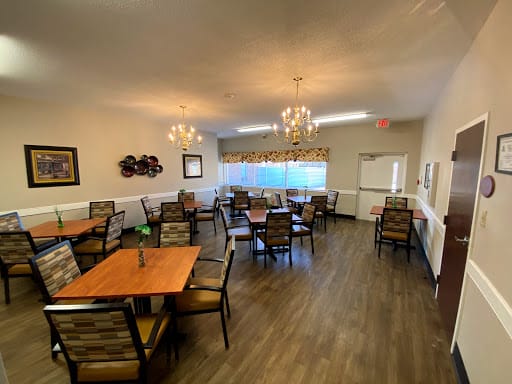
- The food is reported to be wonderful.
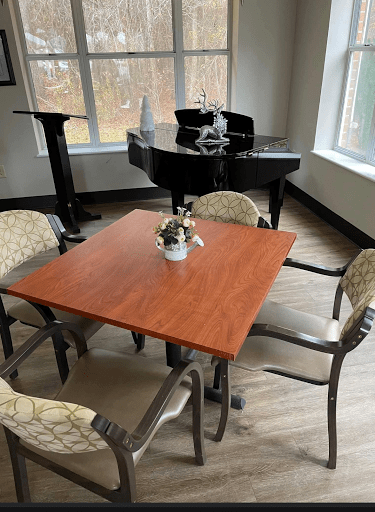
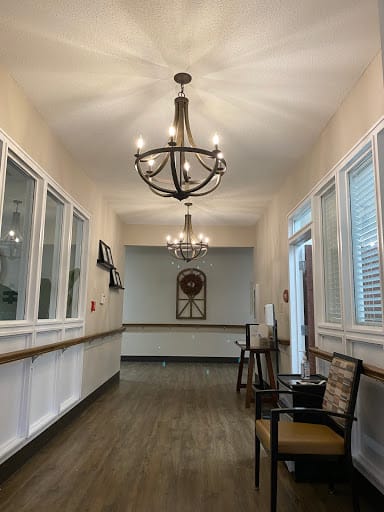
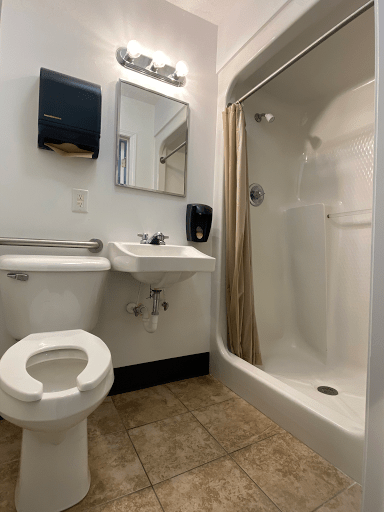
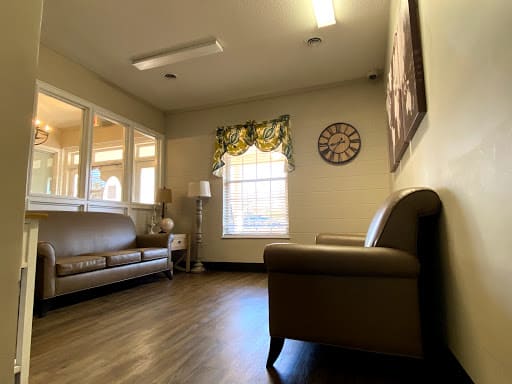
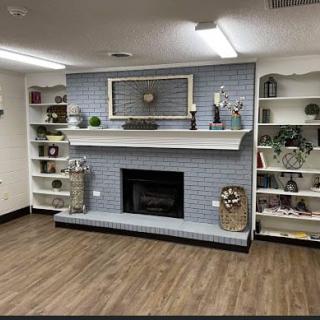
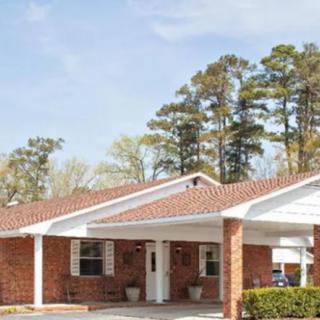
- The facility is described as nice looking and clean.
- The staff are kind and do their best to care for residents.
- Torrey is a phenomenal owner/operator who cares deeply for residents.
- The new ownership is said to care deeply for residents and has helped improve the culture.
Cons
 The facility is dirty and has a pervasive urine odor.
- There are not enough real nurses on staff, and patient care is neglected.
- The administrator is abusive and disregards rules and regulations.
- Residents are often dehydrated and not given adequate fluids.
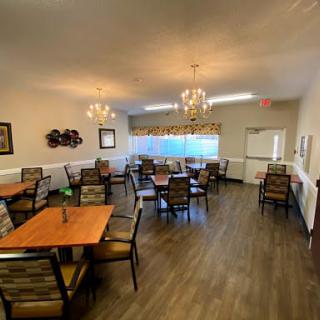
- Meals are served cold or are otherwise poorly prepared, with insufficient nourishment.
- The building and rooms are not clean; roaches and ongoing sanitation issues are reported.
- Personal items go missing or are stolen from residents.
- Staff are underpaid and overworked, leading to high turnover and inadequate care.
- Families are urged not to send loved ones here, with calls to shut the facility down.
Review
Rivers Edge of Lumberton is best suited for families that must balance cost with a willingness to supervise day-to-day care closely. The community has a troubled track record in parts of its history, including turnover, cleanliness concerns, and inconsistent clinical oversight. When circumstances align, newer leadership in some accounts and staff making earnest efforts, there are glimpses of responsive care and attentiveness. This is not a hands-off option; the experience hinges on active family involvement and persistent follow-through. For families prepared to visit often, ask pointed questions, and monitor routines, Rivers Edge can be a workable choice in the right moment. For others, the risk of recurring issues makes alternatives a safer bet.
Those weighing alternatives should be especially mindful of residents who require reliable on-site medical management, regular nursing oversight, and dependable transportation. The reviews consistently flag the absence of real, on-site RNs or LPNs, with care often falling to med techs and CNAs. That structure can work only if staffing remains stable and supervisory leadership is consistently present. Transportation problems and meals that come up short further amplify the risk for anyone with higher care needs, memory support requirements, or a need for predictable daily routines. In short, families dealing with complex medical needs, frequent hydration checks, or strict monitoring of medications should look for communities with verifiable clinical staffing and stronger operational systems.
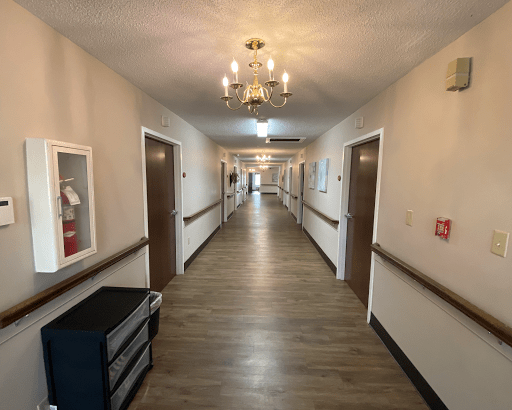
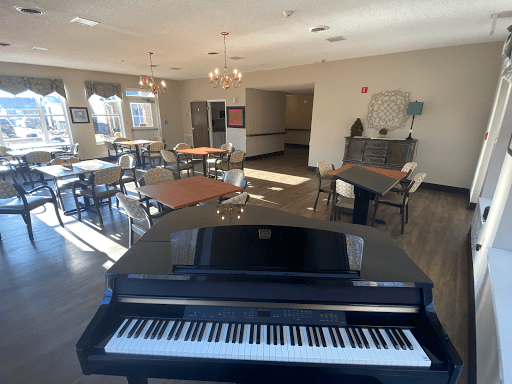
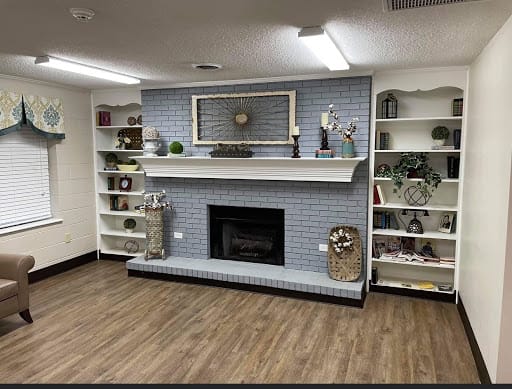
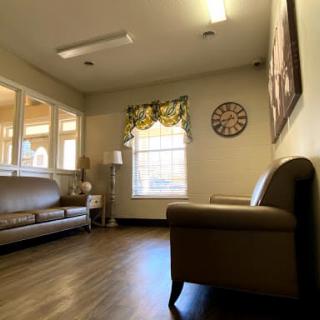
On the positive side, some residents and families report that staff can be caring and responsive when leadership is engaged. The facility’s size allows for a homey feel and accessible memory care and assisted living options, and there are accounts where administrators address concerns promptly and residents are treated with warmth. A handful of visitors have praised clean environments and attentive caregivers, particularly when observed during times of active family involvement. These redeeming factors offer a counterweight to the frustrations that recur in other comments. In such moments, Rivers Edge demonstrates what it could be when resource constraints are less corrosive and when leadership sets clear expectations for staff accountability and resident dignity.
Yet the cons are consistently serious and cannot be minimized. A pervasive odor of urine, uneven cleaning, and reports of floors not being mopped raise immediate red flags about basic living conditions. The lack of a stable nursing presence is a core issue, with many days relying on med techs and CNAs rather than licensed clinicians to supervise medications and respond to medical needs. Staffing levels appear to oscillate, producing gaps in care during evenings and weekends that leave residents in distress or physically uncomfortable. Food service inconsistencies, foods served cold or without requisite accompaniments, shortages of utensils, and occasional shortages of staples, compound the vulnerability of residents who already depend on routine nutrition and hydration. Reports of theft, arguments over basic items, and insufficient housekeeping amplify safety concerns and erode trust for families.
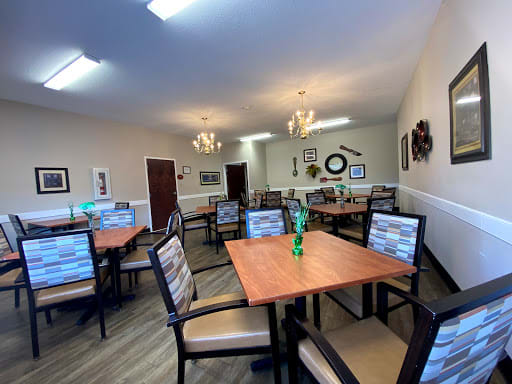
For families evaluating options, concrete diligence matters most: request verification of current staffing patterns and on-site licensed nursing coverage, observe a meal service and dining routines, ask to see recent inspection or compliance records, and tour during a typical shift to gauge responsiveness. Probe whether transportation is reliable, whether there is an active activities program, and how the facility handles hydration and infection control in practice. Seek candid responses about turnover, wage levels, and whether the administration maintains a visible daily presence. Inquire about safety practices, incident reporting, and how families are kept informed about significant events. Given the mixed history, these inquiries should be paired with a trial visit and follow-up reviews to determine if the current leadership and staff can sustain improvements over time.
The closing judgment is practical and clear: Rivers Edge of Lumberton offers potential for families who can tolerate, and actively manage, significant operational risk in exchange for affordability and a chance at a warmer, more personalized care environment when the administration is engaged. For those with higher expectations for consistent clinical oversight, perfect cleanliness, and fully staffed services, alternatives should be pursued. Memory care and assisted living programs at the facility may be appealing to some, but the weight of staffing instability, cleanliness gaps, and care gaps pushes families toward communities with proven RN/LPN presence, steadier staffing ratios, and stronger day-to-day operational controls. In short, Rivers Edge is not a universal solution; it is a choice that rewards hands-on involvement and careful, ongoing verification, while demanding careful consideration of whether the benefits truly outweigh the chronic concerns.
 Assisted Living
 Memory Care
 Activities off-site
 Devotional services off-site
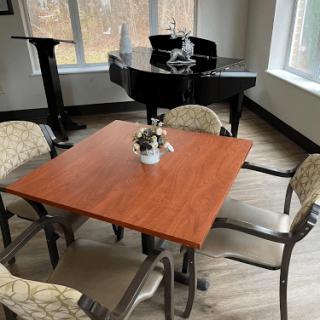
 Indoor common areas
 Outdoor common areas
 Respite or short term stays offered
 Wheelchair accessible showers
 Fayetteville Municipal (24 miles away)
 Ambulatory care
 Diabetic care
 Incontinence care
 Medication management
 Kosher
 BBQs or picnics
 Birthday parties



 Nourishing the Mind: Essential Dietary Approaches for Dementia
 Understanding Dementia Behaviors: Practical Insights and Strategies for Caregivers
 When Dementia Sparks Anger and Aggression: Understanding the Connection and Ways to Cope