Morning Star Al 2

941 Goins Road, Pembroke, NC 28372

For more information about senior living options: (844) 490-3973

1.9 from 9 reviews
5 stars
0
4 stars
1
3 stars
2
2 stars
1
1 stars
5

Assisted Living Board and Care Home Respite Care

Overall Review of Morning Star Al 2

Pros

  • pro The employees here work hard for their residents and strive to make it as safe and comfortable as possible.
  • pro People would love for the community and churches to embrace this location and the lovely folks living and working there.
  • pro The staff were very nice to residents and treated them well.

Cons

  • pro They claim staff could care less about the residents and their families.
  • pro They warn others not to let their family go to this place.
  • pro They report that a spouse who worked there was bitten by bedbugs and that the place is nasty.
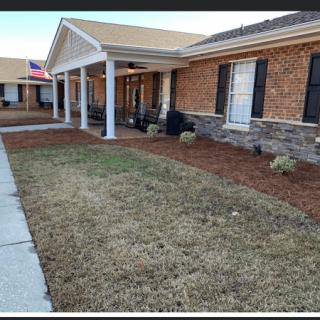
  • pro They describe the facility as looking abandoned, with people walking around and outside doors left open.
  • pro They say no family members were contacted after a relative died while there.

Review

From a 2008 vantage point, the impressions of this place read like a troubling mix of neglect and longing. One reviewer casts a harsh verdict, saying that the powers that be "could care less about the people living there, even their own family," a sentiment that frames the facility as a place where residents and their relatives are not valued. The tone is urgent and accusatory, as if the deeper fear is that the needs and dignity of those inside are easily overlooked or dismissed.

Yet the same set of experiences also acknowledges real effort inside the walls. A different voice notes that "the employees here work hard for their residents and try and make it as safe and comfortable as possible." This perspective emphasizes dedication from the staff, even as it sits alongside allegations of broader neglect. It's a reminder that care work can be sincere and rigorous even when the environment or systemic issues create troubling conditions at the same time.

There's a clear plea that resonates beyond individual anecdotes: a wish for the wider community and local churches to embrace the location and its residents and staff. The call to engagement is framed as an invitation to bring warmth, connection, and tangible support to a place that houses people who deserve attention and respect. In that sense, the reviews express not only complaints but also a longing for solidarity and stewardship from the surrounding community.

Against the plea for care, there is a stark warning to potential visitors or families: "Please don't let your family go to this place." The admonition carries weight, suggesting that for some, the risks or negatives outweigh any perceived benefits. The warning is not merely about discomfort; it's presented as a protective measure, urging families to scrutinize the facility carefully and to consider the safety, cleanliness, and communication practices before making decisions about where a loved one should be cared for.

There are specific, jarring incidents that sharpen the concerns. One account describes a wife who worked at the facility and was bitten by bedbugs, accompanied by a blunt report that she "would complain about how nasty it is." The mention of bedbugs isn't treated as a minor nuisance; it's framed as a sign of inadequate conditions that affect the health and well-being of staff and residents alike. The combination of personal harm and discomfort adds a painful dimension to the broader criticisms about the site.

Other details paint a picture of a space that sometimes feels unsettled and mismanaged. A reviewer says it "looks abandoned," with people wandering near doors left open. This image evokes insecurity and neglect, suggesting lapses in supervision and maintenance that would understandably alarm families. The narrative also includes a painful episode from the reviewer's grandmother's experience: she stated she wanted to go home, yet there was no contact with family members; her sister passed away while she was there, and she was not informed. That absence of timely, compassionate communication compounds the sense of disconnect and sorrow.

In contrast to the darker scenes, there is a final strand of complexity: the grandmother herself is described as being treated nicely and well by some staff. The closing sentiment - "they was very nice to her and treated her well" and the thanks to Morning Star - introduces a counterpoint to the harsher assessments. It suggests that care can coexist with neglect, kindness with indifference, and that individual experiences may vary within the same facility. The gratitude toward Morning Star hints at a source of support or a personal acknowledgment of particular caregivers who stood out in a positive way, even amid broader concerns.

Taken together, the collection of remarks presents a difficult, multifaceted portrait. On one hand, there are loud warnings about safety, cleanliness, and communication failures that could weigh heavily on families making critical decisions. On the other, there are recognitions of effort and glimpses of genuine kindness from some staff members who strive to protect and comfort residents. The narrative invites a call to action for the community to engage more deeply, improve conditions, and ensure that residents are treated with the respect and care they deserve, while also acknowledging that real care can emerge in the midst of serious challenges.

Features

Housing

  • 12 resident community capacity 12 resident community capacity

Types of Care

  • Assisted Living Assisted LivingAssisted living facilities provide crucial support and care for seniors who may need help with daily tasks such as medication management, bathing, and meal preparation. These communities offer a safe and comfortable environment where seniors can maintain their independence while receiving the assistance they need to thrive in their golden years.
  • Board and Care Home Board and Care HomeBoard and care homes provide a smaller, more intimate setting for seniors who require assistance with daily tasks but do not need the level of care offered by a nursing home. They offer personalized care, meals, and social activities in a homelike environment, ensuring that seniors receive individualized attention and support in their golden years.
  • Respite Care Respite CareRespite care provides temporary relief for caregivers, allowing them to recharge and attend to their own needs. It also gives seniors the opportunity to socialize, receive professional care, and experience a change of scenery, promoting overall well-being and reducing feelings of isolation.

Amenities

  • Cable or satellite TV Cable or satellite TVCable or satellite TV is important for seniors because it provides entertainment, news, and companionship, helping to combat loneliness and boredom. It also offers a wide range of programming options tailored to different interests and preferences.
  • Dining room Dining roomDining rooms are important for seniors as they provide a space for socialization, connection, and nutritious meals. They offer opportunities for residents to bond over shared meals, foster a sense of community, and promote healthy eating habits. Dining rooms also ensure that seniors have access to well-balanced meals tailored to their dietary needs and preferences.
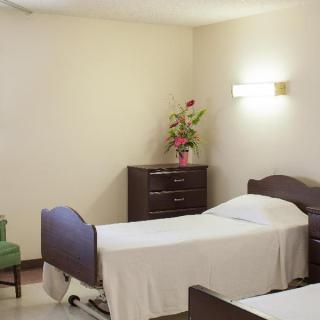
  • Fully furnished Fully furnishedFully furnished senior living communities are important for seniors because they provide convenience, comfort, and a hassle-free moving experience. Seniors can easily settle into their new living space without the stress of having to buy and move furniture. This allows them to focus on enjoying their new home and community.
  • Garden GardenGardens are important for seniors as they provide a peaceful and therapeutic environment for relaxation, physical activity, and socialization. Being in nature has been shown to reduce stress, improve mood, and promote overall well-being. Gardens also offer opportunities for seniors to engage in gardening activities, which can improve mobility, flexibility, and cognitive function. Additionally, gardens create a sense of community and connection with others who share a passion for plants and outdoor spaces.
  • Housekeeping services Housekeeping servicesHousekeeping services are important for seniors because they help maintain a clean and safe living environment, promote independence, and reduce the risk of accidents or illnesses. Additionally, having assistance with household chores can alleviate physical strain and allow seniors to focus on other aspects of their well-being.
  • Move-in coordination Move-in coordinationMove-in coordination is important for seniors because it helps ease the transition into their new living environment. It ensures that all logistics, such as packing, organizing movers, and setting up utilities are taken care of, allowing seniors to focus on settling in and adjusting to their new home. Having a smooth move-in process can alleviate stress and anxiety, making the transition smoother and more enjoyable for seniors.
  • Outdoor space Outdoor spaceOutdoor spaces are important for seniors as they provide opportunities for physical activity, social interaction, exposure to natural light and fresh air, and a sense of connection to nature. Having access to outdoor spaces can improve overall well-being and quality of life for older adults living in senior communities.
  • Telephone TelephoneTelephones are important for seniors as they provide a lifeline for communication with loved ones, emergency services, and healthcare providers. They offer a sense of security and independence, enabling seniors to stay connected and access assistance when needed.
  • Wi-Fi/high-speed internet available Wi-Fi/high-speed internet availableWi-Fi/high-speed internet is important for seniors to stay connected with loved ones, access online resources, and participate in virtual activities to combat feelings of loneliness and isolation. It also allows them to easily manage healthcare needs, access entertainment, and engage in lifelong learning opportunities.

Care Services

  • 24-hour supervision 24-hour supervision24-hour supervision is important for seniors to ensure their safety, well-being, and access to immediate assistance in case of emergencies or health issues. This constant support provides peace of mind for both seniors and their loved ones, allowing them to age in place with dignity and security.
  • Activities of daily living assistance Activities of daily living assistanceActivities of daily living assistance are important for seniors because they provide essential support with tasks such as eating, bathing, dressing, and mobility. This assistance helps seniors maintain their independence, dignity, and overall quality of life as they age.
  • Assistance with bathing Assistance with bathingAssistance with bathing is crucial for seniors as it helps maintain personal hygiene, prevents infections, and ensures their overall well-being and comfort. It also provides a sense of dignity and independence for seniors who may struggle with this task on their own.
  • Assistance with dressing Assistance with dressingAssistance with dressing is important for seniors because it helps maintain their independence, promotes personal hygiene, prevents accidents and injuries, and improves overall quality of life. This service ensures that seniors can continue to dress comfortably and confidently, despite any physical limitations they may have.
  • Assistance with transfers Assistance with transfersAssistance with transfers is crucial for seniors as it helps prevent falls and injuries, maintains their independence, and ensures they can safely navigate their living environment. It also provides peace of mind for both seniors and their loved ones.
  • Coordination with health care providers Coordination with health care providersCoordination with health care providers is crucial for seniors to ensure proper medical care, medication management, and overall well-being. This collaboration helps prevent overlapping treatments, track progress more effectively, and provide comprehensive support tailored to individual needs.
  • Diabetes diet Diabetes dietA diabetes diet is crucial for seniors as it helps manage blood sugar levels, reduce risks of complications, and improve overall health and well-being. By following a balanced and nutritious diet tailored to their specific needs, seniors can better control their diabetes and enhance their quality of life.
  • Meal preparation and service Meal preparation and serviceMeal preparation and service are crucial for seniors as they may have limited mobility or energy to cook nutritious meals. Having access to healthy and convenient food options can ensure they are getting the proper nutrition needed to maintain their overall health and well-being.
  • Medication management Medication managementMedication management is crucial for seniors to ensure they are taking the right medications at the correct dosages and times. This helps prevent adverse drug interactions, reduces the risk of medication errors, and promotes overall health and well-being. Proactive management also allows for adjustments as needed based on changing health conditions or new prescriptions.
  • Special dietary restrictions Special dietary restrictionsSpecial dietary restrictions are important for seniors because age-related changes in metabolism and health conditions can make it difficult for their bodies to process certain foods. By following a diet tailored to their specific needs, seniors can maintain their overall health and well-being, manage chronic conditions, and reduce the risk of complications such as malnutrition or food interactions with medications.
  • Transportation arrangement (medical) Transportation arrangement (medical)Transportation arrangements for medical purposes are essential for seniors as they may have difficulty driving themselves to appointments or accessing public transportation. Having reliable and safe transportation options ensures that seniors can receive timely medical care and maintain their health and well-being.
  • Transportation to doctors appointments Transportation to doctors appointmentsTransportation to doctors' appointments is crucial for seniors as it ensures they have access to necessary medical care and support for their health needs. Without reliable transportation, seniors may struggle to attend important appointments, leading to potential delays in treatment and health complications. Providing transportation services helps seniors maintain their overall well-being and quality of life.

Dining

  • Diabetes diet Diabetes dietA diabetes diet is crucial for seniors as it helps manage blood sugar levels, reduce risks of complications, and improve overall health and well-being. By following a balanced and nutritious diet tailored to their specific needs, seniors can better control their diabetes and enhance their quality of life.
  • Special dietary restrictions Special dietary restrictionsSpecial dietary restrictions are important for seniors because age-related changes in metabolism and health conditions can make it difficult for their bodies to process certain foods. By following a diet tailored to their specific needs, seniors can maintain their overall health and well-being, manage chronic conditions, and reduce the risk of complications such as malnutrition or food interactions with medications.

Activities

  • Community-sponsored activities Community-sponsored activitiesCommunity-sponsored activities are important for seniors as they provide opportunities for social interaction, mental stimulation, and physical activity. These activities can help improve overall well-being, combat loneliness and isolation, and promote a sense of belonging and purpose among older adults.
  • Scheduled daily activities Scheduled daily activitiesScheduled daily activities are important for seniors because they provide structure, socialization, mental stimulation, and physical activity. Engaging in regular activities can improve overall well-being and quality of life for seniors living in a community setting.

Description

Morning Star Al 2 in Pembroke, NC is an assisted living community that offers a warm and inviting environment for seniors who require extra care and support. Our board and care home provides a comfortable setting where residents can receive the assistance they need while enjoying a fulfilling lifestyle.

Our dedicated staff is trained to provide activities of daily living assistance, including bathing, dressing, and transfers. We also coordinate with healthcare providers to ensure that each resident's medical needs are met. With our medication management services, residents can rest assured that their medications are taken on time and as prescribed.

At Morning Star Al 2, we understand the importance of maintaining a healthy diet. That's why we offer diabetes diets and cater to special dietary restrictions. Our experienced kitchen staff prepares delicious meals that are served in our dining room, providing an opportunity for socialization among residents.

To ensure the comfort and convenience of our residents, we provide fully furnished accommodations. Housekeeping services are included to keep the living spaces clean and tidy. For those who enjoy spending time outdoors, our community features a garden and outdoor space where residents can relax and enjoy some fresh air.

We understand that transportation is often essential for seniors, especially when it comes to medical appointments. That's why we offer transportation arrangement services for medical needs as well as transportation to doctors' appointments.

Residents at Morning Star Al 2 can take part in scheduled daily activities designed to promote social engagement and enhance quality of life. Whether it's arts and crafts, exercise classes, or other recreational activities, there is always something for everyone to enjoy.

With amenities such as Wi-Fi/high-speed internet and telephone services available throughout the community, residents can stay connected with their loved ones easily.

If you or your loved one is in need of respite care or long-term care in Pembroke, NC area, Morning Star Al 2 provides comprehensive care services along with a nurturing environment where seniors can thrive.

Nearby Places of Interest

Places of Worship

  • Fairpoint Free Will Baptist Church (16.7 miles)
  • Church of Jesus Christ of Latter Day Saints (16.9 miles)
  • Cbm Ministries (17 miles)
  • Church of the Nazarene (17.1 miles)
  • Trinity Preschool-After School (17.4 miles)
  • First Baptist Church-Mac Dnld (17.6 miles)
  • Saint Johns Ame Church (17.6 miles)

Restaurants

  • Jerry's (16.7 miles)
  • Hot Tamale (17.8 miles)
  • Dale's Seafood (17.8 miles)
  • South of the Border (17.9 miles)
  • The Peddler Steakhouse (17.9 miles)
  • Mamie's Drive Inn (20.2 miles)
  • Burger King (22.9 miles)

Pharmacies

  • Webster's Pharmacy (17.5 miles)
  • CVS Pharmacy (23.5 miles)
  • Walgreens (23.5 miles)
  • Pee Dee Home Medical Supply (24.1 miles)

Parks

  • Pedros Dog Area (17.8 miles)
  • Harmon Field (24.2 miles)

Hospitals

  • Robeson Health Care Corporation (18.3 miles)
  • Saint Eugene Medical Center (24 miles)
  • McLeod OB/GYN Dillon (24 miles)
  • Mcleod Hospital Dillion Sc (24.1 miles)

Cafes

  • Starbucks (23 miles)

Physicians

  • Caresouth Carolina (23.8 miles)
  • Emergency Department, McLeod Health - McLeod Health Dillon (24 miles)
  • McLeod Ob/Gyn Dillon (24 miles)
  • McLeod Pediatrics Dillon (24 miles)

Frequently Asked Questions

Where is Morning Star Al 2?

Nearby Communities

Related Resources

  • assisted living activitiesBeyond the Bingo Hall: 50+ Enriching Activities for Seniors in Assisted Living

    Assisted living communities offer diverse activities beyond traditional games to enhance seniors' physical health, cognitive well-being, emotional enrichment, and social connections, including fitness classes, creative expression, and intergenerational interactions. These enriching programs foster community bonds and support residents' independence and happiness.

  • assisted living vs memory careUnderstanding the Distinctions: Assisted Living and Memory Care Explained

    The article differentiates between assisted living and memory care, explaining that assisted living supports seniors with daily activities while promoting independence, whereas memory care provides specialized services for individuals with dementia, focusing on secure environments and cognitive support. It also addresses staff training, safety considerations, costs, family involvement, and transition strategies for families navigating these care options.

  • elderly parent refuses assisted livingGuiding Elderly Parents Who Refuse Assisted Living: 6 Practical Steps

    Family caregivers face emotional, legal, and practical challenges when elderly parents refuse assisted living, often due to fears of losing autonomy. Open conversations and professional assessments can help address these concerns while exploring alternatives and ensuring safety, potentially leading to legal guardianship if necessary.