
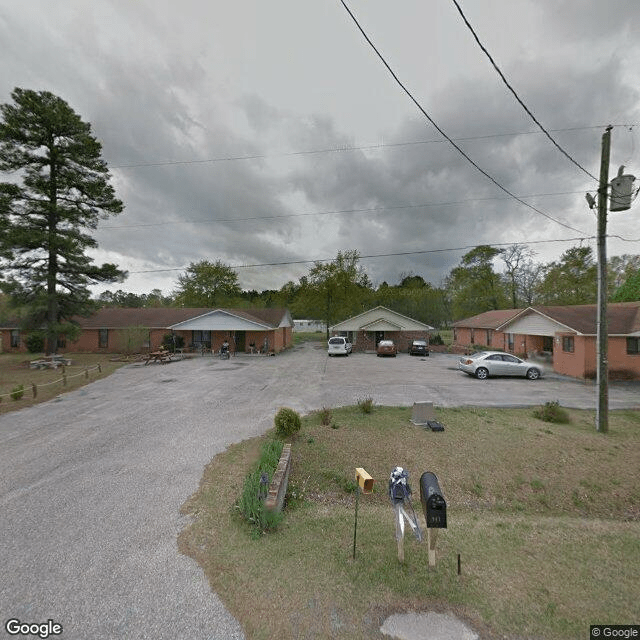
941 Goins Rd, Pembroke, NC 28372
To contact a resident: (910) 521-0040
For more information about senior living options: (866) 208-4318
Overall Review of Morning Star AL
Pros
 The employees here work hard for their residents and strive to make it as safe and comfortable as possible.
- The community and churches could embrace this location and the lovely folks living and working there.
- Morning Star staff are described as very nice to residents and as treating them well.
Cons
 The staff are described as not caring about the residents or their own families.
- The review warns not to bring one's family to this place.
- A spouse reportedly was bitten by bedbugs and the facility was described as nasty.
- It looks abandoned, with doors left open.
- Relatives were not contacted when a family member died.
- The grandmother stated she wanted to go home and that her sister's death was not communicated to her.
Review
Morning Star Assisted Living in Pembroke is best suited for families that want a hands-on staff presence and are prepared to stay actively involved in oversight. This community appears to work best for residents whose families are ready to push for transparent communication, frequent updates, and aggressive attention to safety and cleanliness. It is not the right fit for those who need consistently pristine environments, proactive problem-solving, and dependable, timely family contact. For families seeking a polished, tightly run operation with a strong track record of steady housekeeping and clear, proactive communication, alternatives should be seriously considered.
The strongest thread in these reviews is the commendable effort and dedication of the front-line staff. Descriptions consistently point to employees who work hard to safeguard residents and to maintain a sense of safety and comfort within the constraints of the setting. Some reviewers emphasize that the people living there are “lovely” and that staff members genuinely care, and that the community could benefit from broader support from churches and the local network. In practice, that goodwill matters, and it can create a more compassionate day-to-day experience when staff are able to stay engaged and responsive.
Yet the positives are dramatically undercut by repeated, high-stakes red flags. Several accounts portray a facility environment that feels neglected or neglected-looking, “abandoned” in appearance, with doors left open and maintenance questions left unaddressed. The most troubling notes involve infestations and cleanliness issues, including a resident’s wife reporting bedbugs, and complaints about general nastiness. These concerns aren’t cosmetic; they strike at basic health and comfort, and they create ongoing risk for residents who may already be vulnerable. When combined with charges that communication with families is inconsistent or delayed, such as not being informed about a relative’s passing, the core trust necessary for senior living communities is deeply strained.
In practical terms, the ability of the staff to offset these major concerns is limited. The care team’s hard work and intent to maintain safety can help, but they cannot fully compensate for environmental hygiene problems, pest management issues, or fragile lines of communication with families. The overall impression is a facility that operates under pressure, where positive interactions with residents may occur alongside moments of neglected infrastructure and unsettling lapses in information sharing. Families must weigh whether a vigilantly monitored, proactive approach can realistically compensate for conditions that jeopardize basic well-being and peace of mind.
For families considering Morning Star, a disciplined due-diligence process is essential. Plan multiple, varied visits to observe daytime and evening routines; request up-to-date pest control logs, housekeeping schedules, and maintenance records; ask to review staff-to-resident ratios and recent turnover trends. Probe directly about how family notifications are handled, especially in emergencies or sensitive events, and request concrete examples of how requests are followed up. Speak with current residents if possible, and listen for consistency in care plans and responses. If any red flags persist after investigation, or if the facility cannot demonstrate transparent, reliable communication and a clean, secure environment, alternatives become the prudent path.
Bottom line: Morning Star presents a split equation. On one side, there is visible care and dedication from staff who strive to protect residents and create a supportive atmosphere. On the other, persistent concerns about cleanliness, safety, and family communication dominate the landscape and carry serious consequences for resident well-being. For families with resources and the capacity to supervise closely, there may be a path to a workable arrangement, provided improvements are demonstrable and sustained. For most families prioritizing reliable environment, prompt communication, and defensible infection control, exploring other options with stronger safety and maintenance records is the wiser course.
 Board and Care Home


 Managing Nursing Home Expenses After Medicare Coverage Ends
 Is a Geriatric Care Manager the Right Choice for Your Family?
 Compassionate Conversations: How to Comfort Someone Who Is Grieving