
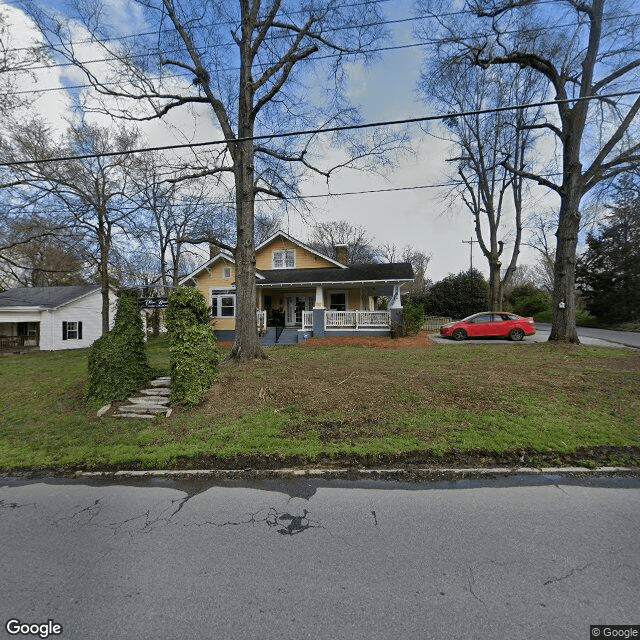
502 N Elm Street, Marshville, NC 28103
To contact a resident: (704) 327-4010
For more information about senior living options: (866) 208-4318
Overall Review of Olive Branch Family Care Homes Of Union County
Pros
 The mom has been well cared for here for years.
- The staff and owner are caring and genuine.
- The family has peace of mind and no longer worries about the mom’s daily well-being.
- The home is great.
Cons
 None found.
Review
Olive Branch Family Care Homes Of Union County in Marshville, NC is best suited for seniors who want a small, home-like setting with highly attentive caregivers and an owner who is directly involved in daily care. This community appeals to families that value steady, personal attention over the breadth of services offered by larger campuses. The most compelling takeaway is the trust that emerges from consistent, hands-on caregiving, residents appear well cared for over time, and relatives report real peace of mind knowing someone is always watching daily well-being.
Those with substantial medical needs or a requirement for formal memory-care programs should consider alternatives. A large assisted-living campus, a dedicated memory-care facility, or a community with on-site nursing staff and a broader schedule of clinical services may be more appropriate for residents who require frequent clinical oversight, intensive rehabilitation, or a wide array of structured activities. The Marshville location, while intimate, is not positioned as a medical hub, which makes it less suitable for families prioritizing rapid access to higher-level healthcare or highly specialized dementia support.
The strongest positives, caregiver genuineness, owner involvement, and long-standing, dependable attention, carry real weight in offsetting potential downsides. The reviews highlight a caring and authentic team, with a sense that the caregiver network genuinely treats residents like family. This translates into dependable daily oversight, quicker problem detection, and a rhythm of routines that feel natural rather than institutional. For families, the upside is clear: fewer daily worries about whether someone is paying attention, and more confidence that a loved one is known and valued by the people delivering care.
Yet the realities of a small, family-operated setting inevitably raise questions about capacity and scope. Prospective residents should anticipate that medical oversight may be limited compared to larger facilities, with fewer on-site nurses or medical programs. Activity calendars, transportation to appointments, and access to rehabilitation services may also be more modest. The absence of explicit information about memory-care resources, emergency medical protocols, or highly specialized support means careful due diligence is essential. The intimate scale that stabilizes trust can also translate into tighter staffing bands, which may stretch during holidays or staff shortages.
From a decision-making perspective, evidence-based next steps are clear. Schedule a first-hand visit to observe interactions among staff, residents, and families. Inquire about staff-to-resident ratios by shift, the process for daily care planning, medication administration, and how emergencies are managed outside clinic hours. Ask about memory-care capabilities, if applicable, and whether the home can accommodate evolving needs within a single setting or if transfers become necessary. Request sample menus, daily activity ideas, and transportation options, along with transparent discussions about pricing, contracts, and any trial stay opportunities. A written care plan and a clear escalation pathway should accompany any serious consideration.
Bottom line: Olive Branch Family Care Homes Of Union County offers a compelling option for families prioritizing warmth, continuity, and a personal touch in daily care. It represents a practical, value-driven choice for seniors who thrive in a homey atmosphere and for whom the strongest determinant is the reliability and empathy of the staff, plus the owner’s direct leadership. For those whose loved one requires extensive medical oversight, rapid access to specialized dementia services, or a busier program of activities, alternatives with larger clinical staffing and more robust on-site resources should be pursued. A thoughtful, in-person evaluation will reveal not just the fit, but the true alignment of daily life with expectations.
 Assisted Living
 Activities on-site
 Devotional services off-site
 Indoor common areas
 Ambulatory care
 Diabetic care
 Meals provided




 Assisted Living Support for Veterans: A Complete and Detailed Overview
 Exploring the Contrasts Between Assisted Living and Skilled Nursing
 8 Key Indicators That Suggest It May Be Time to Transition from Assisted Living to Skilled Nursing Care