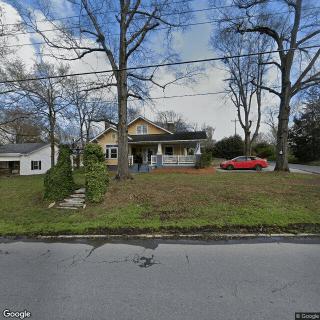
Olive Branch Family Care Home in Marshville, NC

502 North Elm Street, Marshville, NC 28103

For more information about senior living options: (844) 490-3973

4.8 from 5 reviews
5 stars
4
4 stars
1
3 stars
0
2 stars
0
1 stars
0

Assisted Living Board and Care Home

Overall Review of Olive Branch Family Care Home

Pros

  • pro The staff and owner are caring and genuine.
  • pro The home feels like a warm, family-like environment where residents are well cared for.
  • pro Families have peace of mind knowing their loved ones are supported every day.
  • pro The rooms are clean, pretty, and smell fresh, contributing to a welcoming atmosphere.
  • pro Meals are home-cooked and residents can offer meal suggestions, creating a participatory dining experience.
  • pro The atmosphere is laid-back and homey, with daily activities and regular outings that residents look forward to.
  • pro There is a strong sense of family among the residents, with welcoming common spaces for socializing.

Cons

  • pro The reviewer felt Olive Branch would not be suitable for their mother because it looked dark and depressing in the late afternoon.
  • pro They concluded that their mother would likely not be happy there.
  • pro There was only one bathroom shared by four residents, which could be inconvenient.
  • pro There was no availability for their mother at that time.

Review

Olive Branch Family Care Home in Marshville is best suited for seniors who want a true home-like setting where care feels personal, steady, and unhurried. This community works best for families seeking peace of mind from a caregiver-owned operation that treats residents like part of a extended family, rather than as anonymous tenants in a large campus. The atmosphere is intimate, with semi-private rooms, home-cooked meals, and daily routines that resemble living in a family home. For residents who value warmth, consistent daily contact with staff who feel more like relatives, and a calendar of small-group activities, Olive Branch delivers a compassionate, hands-on approach that makes daily life feel manageable and familiar.

Those who may want to consider alternatives are seniors who require a higher level of clinical oversight or more privacy and autonomy. If medical complexity, frequent need for skilled nursing services, or highly structured, regimented programming is essential, a larger facility with a more formal staffing model could be a better fit. Prospective residents who prioritize private accommodations over the homey, communal vibe should also evaluate other options. Availability is another practical concern; the community can fill up, and the timing of a move may hinge on whether a semi-private or temporarily unoccupied unit is open.

The strongest advantages come directly from the heart of the operation: the staff and owner's genuine care. Residents are described as receiving more personal attention in a family-like setting, with the sense that attendants know them well and notice subtle changes in daily wellbeing. The home atmosphere, with holiday decorations, cheerful social interaction, and a relaxed, "at-home" pace, translates into real peace of mind for families. Meals are crafted in a home kitchen, with residents able to influence menus, which enhances satisfaction and fosters a sense of agency. The social fabric - daily activities, monthly outings, a common TV area for shared experiences, and the option of a personal room TV - supports meaningful engagement without the impersonality of a large campus.

Yet several notable caveats temper those strong points. Privacy is a real trade-off in this model: semi-private rooms and shared bathrooms mean less personal space and potential scheduling friction, especially when multiple residents must share a single bathroom. One reviewer pointed to a late-afternoon atmosphere that could feel dark or depressing, underscoring that mood and lighting can color the experience and influence how well a resident adapts to life there. Availability can also be unpredictable; visits that occur when space is tight may not reflect the caregiver-to-resident ratio once a placement is secured. These factors matter for families balancing dignity, independence, and a steady routine with broader privacy expectations.

The pros do offset the cons in meaningful, practical ways - but with careful navigation. The intimate, family-style culture reduces loneliness and drives higher perceived quality of daily care, especially for residents who thrive on regular social touchpoints and a predictable rhythm. Home-cooked meals with resident input soften the sense of loss that can accompany moves into care, and the cadence of daily activities plus monthly outings creates structured opportunities for socialization without overwhelming the resident. The visible warmth from the staff can compensate for some privacy compromises, and the openness to drop by without notice demonstrates a level of accessibility that many families value deeply. Still, for anyone who cannot tolerate shared spaces or who needs consistent, formal medical oversight, these strengths may not fully compensate for the limitations.

In practical decision terms, Olive Branch is a strong match for families prioritizing a warm, low-key, home-like environment where care feels personalized and continuous. It is a particularly good fit for seniors who value companionship and autonomy within a small, closely watched setting, and for families seeking reassurance that daily life is governed by familiar faces who treat residents like kin. Prospective residents should explicitly verify space availability, understand the specifics of any private-room options, and discuss how meals and activities adapt to changing needs. It is wise to visit at different times of day to gauge lighting, mood, and potential crowding, and to inquire about how medical needs are managed on a day-to-day basis. For those whose priorities include strong privacy, more extensive clinical services, or larger-scale programming, alternatives in the Marshville area may deliver a better fit. When alignment exists between a family's values and Olive Branch's intimate, family-driven model, this community stands out as a thoughtful, reliable choice.

Features

Housing

  • 6 resident community capacity 6 resident community capacity

Types of Care

  • Assisted Living Assisted LivingAssisted living facilities provide crucial support and care for seniors who may need help with daily tasks such as medication management, bathing, and meal preparation. These communities offer a safe and comfortable environment where seniors can maintain their independence while receiving the assistance they need to thrive in their golden years.
  • Board and Care Home Board and Care HomeBoard and care homes provide a smaller, more intimate setting for seniors who require assistance with daily tasks but do not need the level of care offered by a nursing home. They offer personalized care, meals, and social activities in a homelike environment, ensuring that seniors receive individualized attention and support in their golden years.

Amenities

  • Cable or satellite TV Cable or satellite TVCable or satellite TV is important for seniors because it provides entertainment, news, and companionship, helping to combat loneliness and boredom. It also offers a wide range of programming options tailored to different interests and preferences.
  • Dining room Dining roomDining rooms are important for seniors as they provide a space for socialization, connection, and nutritious meals. They offer opportunities for residents to bond over shared meals, foster a sense of community, and promote healthy eating habits. Dining rooms also ensure that seniors have access to well-balanced meals tailored to their dietary needs and preferences.
  • Fully furnished Fully furnishedFully furnished senior living communities are important for seniors because they provide convenience, comfort, and a hassle-free moving experience. Seniors can easily settle into their new living space without the stress of having to buy and move furniture. This allows them to focus on enjoying their new home and community.
  • Garden GardenGardens are important for seniors as they provide a peaceful and therapeutic environment for relaxation, physical activity, and socialization. Being in nature has been shown to reduce stress, improve mood, and promote overall well-being. Gardens also offer opportunities for seniors to engage in gardening activities, which can improve mobility, flexibility, and cognitive function. Additionally, gardens create a sense of community and connection with others who share a passion for plants and outdoor spaces.
  • Housekeeping services Housekeeping servicesHousekeeping services are important for seniors because they help maintain a clean and safe living environment, promote independence, and reduce the risk of accidents or illnesses. Additionally, having assistance with household chores can alleviate physical strain and allow seniors to focus on other aspects of their well-being.
  • Move-in coordination Move-in coordinationMove-in coordination is important for seniors because it helps ease the transition into their new living environment. It ensures that all logistics, such as packing, organizing movers, and setting up utilities are taken care of, allowing seniors to focus on settling in and adjusting to their new home. Having a smooth move-in process can alleviate stress and anxiety, making the transition smoother and more enjoyable for seniors.
  • Outdoor space Outdoor spaceOutdoor spaces are important for seniors as they provide opportunities for physical activity, social interaction, exposure to natural light and fresh air, and a sense of connection to nature. Having access to outdoor spaces can improve overall well-being and quality of life for older adults living in senior communities.
  • Telephone TelephoneTelephones are important for seniors as they provide a lifeline for communication with loved ones, emergency services, and healthcare providers. They offer a sense of security and independence, enabling seniors to stay connected and access assistance when needed.
  • Wi-Fi/high-speed internet available Wi-Fi/high-speed internet availableWi-Fi/high-speed internet is important for seniors to stay connected with loved ones, access online resources, and participate in virtual activities to combat feelings of loneliness and isolation. It also allows them to easily manage healthcare needs, access entertainment, and engage in lifelong learning opportunities.

Care Services

  • 24-hour supervision 24-hour supervision24-hour supervision is important for seniors to ensure their safety, well-being, and access to immediate assistance in case of emergencies or health issues. This constant support provides peace of mind for both seniors and their loved ones, allowing them to age in place with dignity and security.
  • Activities of daily living assistance Activities of daily living assistanceActivities of daily living assistance are important for seniors because they provide essential support with tasks such as eating, bathing, dressing, and mobility. This assistance helps seniors maintain their independence, dignity, and overall quality of life as they age.
  • Assistance with bathing Assistance with bathingAssistance with bathing is crucial for seniors as it helps maintain personal hygiene, prevents infections, and ensures their overall well-being and comfort. It also provides a sense of dignity and independence for seniors who may struggle with this task on their own.
  • Assistance with dressing Assistance with dressingAssistance with dressing is important for seniors because it helps maintain their independence, promotes personal hygiene, prevents accidents and injuries, and improves overall quality of life. This service ensures that seniors can continue to dress comfortably and confidently, despite any physical limitations they may have.
  • Assistance with transfers Assistance with transfersAssistance with transfers is crucial for seniors as it helps prevent falls and injuries, maintains their independence, and ensures they can safely navigate their living environment. It also provides peace of mind for both seniors and their loved ones.
  • Coordination with health care providers Coordination with health care providersCoordination with health care providers is crucial for seniors to ensure proper medical care, medication management, and overall well-being. This collaboration helps prevent overlapping treatments, track progress more effectively, and provide comprehensive support tailored to individual needs.
  • Diabetes diet Diabetes dietA diabetes diet is crucial for seniors as it helps manage blood sugar levels, reduce risks of complications, and improve overall health and well-being. By following a balanced and nutritious diet tailored to their specific needs, seniors can better control their diabetes and enhance their quality of life.
  • Meal preparation and service Meal preparation and serviceMeal preparation and service are crucial for seniors as they may have limited mobility or energy to cook nutritious meals. Having access to healthy and convenient food options can ensure they are getting the proper nutrition needed to maintain their overall health and well-being.
  • Medication management Medication managementMedication management is crucial for seniors to ensure they are taking the right medications at the correct dosages and times. This helps prevent adverse drug interactions, reduces the risk of medication errors, and promotes overall health and well-being. Proactive management also allows for adjustments as needed based on changing health conditions or new prescriptions.
  • Special dietary restrictions Special dietary restrictionsSpecial dietary restrictions are important for seniors because age-related changes in metabolism and health conditions can make it difficult for their bodies to process certain foods. By following a diet tailored to their specific needs, seniors can maintain their overall health and well-being, manage chronic conditions, and reduce the risk of complications such as malnutrition or food interactions with medications.
  • Transportation arrangement (medical) Transportation arrangement (medical)Transportation arrangements for medical purposes are essential for seniors as they may have difficulty driving themselves to appointments or accessing public transportation. Having reliable and safe transportation options ensures that seniors can receive timely medical care and maintain their health and well-being.
  • Transportation to doctors appointments Transportation to doctors appointmentsTransportation to doctors' appointments is crucial for seniors as it ensures they have access to necessary medical care and support for their health needs. Without reliable transportation, seniors may struggle to attend important appointments, leading to potential delays in treatment and health complications. Providing transportation services helps seniors maintain their overall well-being and quality of life.
Dining

  • Diabetes diet Diabetes dietA diabetes diet is crucial for seniors as it helps manage blood sugar levels, reduce risks of complications, and improve overall health and well-being. By following a balanced and nutritious diet tailored to their specific needs, seniors can better control their diabetes and enhance their quality of life.
  • Special dietary restrictions Special dietary restrictionsSpecial dietary restrictions are important for seniors because age-related changes in metabolism and health conditions can make it difficult for their bodies to process certain foods. By following a diet tailored to their specific needs, seniors can maintain their overall health and well-being, manage chronic conditions, and reduce the risk of complications such as malnutrition or food interactions with medications.

Activities

  • Community-sponsored activities Community-sponsored activitiesCommunity-sponsored activities are important for seniors as they provide opportunities for social interaction, mental stimulation, and physical activity. These activities can help improve overall well-being, combat loneliness and isolation, and promote a sense of belonging and purpose among older adults.
  • Scheduled daily activities Scheduled daily activitiesScheduled daily activities are important for seniors because they provide structure, socialization, mental stimulation, and physical activity. Engaging in regular activities can improve overall well-being and quality of life for seniors living in a community setting.

Description

The Olive Branch Family Care Home in Marshville, NC is a warm and inviting assisted living community that offers board and care home services. With a range of amenities and care services, residents can enjoy a comfortable and supportive environment.

The community features a beautiful dining room where residents can enjoy delicious meals prepared by the caring staff. The fully furnished accommodations provide a cozy and home-like atmosphere for residents to relax and unwind. Outdoor spaces such as gardens offer opportunities for fresh air and nature walks.

Housekeeping services ensure that common areas and individual rooms are clean and well-maintained. Move-in coordination is provided to assist new residents with their transition into the community.

For convenience, telephone access is available along with Wi-Fi/high-speed internet connectivity so that residents can stay connected with loved ones or engage in online activities.

The highly trained staff at Olive Branch Family Care Home provides assistance with activities of daily living, including bathing, dressing, transfers, and medication management. They also coordinate with healthcare providers to ensure that each resident's individual needs are met. Special dietary restrictions such as diabetes diets are accommodated for meal preparation and service.

Transportation arrangements are available for medical appointments, ensuring that residents have access to necessary healthcare services. Additionally, there are three pharmacies located nearby to fulfill medication needs. The proximity of one physicians' office further enhances the accessibility of medical care.

Residents can also benefit from scheduled daily activities designed to promote socialization and engagement within the community. Furthermore, there are two places of worship conveniently situated close by for spiritual fulfillment.

At Olive Branch Family Care Home, residents will find compassionate care in a homely environment supported by various amenities and services to enhance their quality of life.

Nearby Places of Interest

Pharmacies

  • CVS Pharmacy (0.3 miles)
  • Marshville Pharmacy & Surgical Supply (0.4 miles)
  • Epic Pharmacies (0.4 miles)
  • CVS Pharmacy (14.9 miles)
  • Pageland Family Pharmacy (15.2 miles)
  • Walgreens (17.8 miles)
  • CVS Pharmacy (18.6 miles)

Physicians

  • Community Medical PA (0.6 miles)
  • Americare Health Family Medical Center (14.4 miles)
  • Atrium Health Pageland Family Medicine (14.9 miles)
  • DaVita Pageland Dialysis (15.6 miles)
  • Sun Valley Family Physicians (16.4 miles)
  • Lake Park Family Practice (16.4 miles)
  • Center For Wellness (21.8 miles)

Places of Worship

  • Greater Grace Community Missionary Baptist Church (3.7 miles)
  • Mount Carmel (4.9 miles)
  • Galilee Baptist Church (9.4 miles)
  • Beulah Presbyterian Church (11.7 miles)
  • Mount Moriah Church (12.3 miles)
  • Grace Baptist Church (14.6 miles)
  • Oro United Methodist Church (14.8 miles)

Cafes

  • Bobbie's Community Store (9.2 miles)
  • Lynn's Cafe (15.2 miles)
  • The Collective Cafe (21 miles)
  • Panera Bread (21.3 miles)
  • Panera Bread (23 miles)
  • Starbucks (23.1 miles)

Parks

  • Why Not An American Ark (9.3 miles)
  • Jefferson Park (23.6 miles)

Transportation

  • Southern Swines Outfitters (14.6 miles)

Restaurants

  • Bojangles' Famous Chicken 'n Biscuits (15.1 miles)
  • McDonald's (15.1 miles)
  • Kountry Korner (16 miles)
  • McDonald's (17.1 miles)
  • Chick-Fil-A (17.7 miles)
  • Chick-Fil-A (18.5 miles)
  • Metro Diner (21.4 miles)

Hospitals

  • Chesterfield General Hospital (23.7 miles)

Frequently Asked Questions

Where is Olive Branch Family Care Home?

Nearby Communities

  • Olive Branch Family Care Homes Of Union County

    Olive Branch Family Care Homes Of Union County

    Marshville, NC


    pro Specialized diabetic care with round-the-clock staff in a nurturing community.

  • Autumn Care Of Marshville

    Autumn Care Of Marshville

    Marshville, NC

    4.4 from 99 reviews
     

    pro Clean and well-maintained facility with responsive staff and good dining.

  • Avendelle Assisted Living

    Avendelle Assisted Living

    Wingate, NC

    5 from 4 reviews
    $3,900 to $4,400 / month

    pro Intimate, home-like setting with personalized care (6 residents; 3:1 staff ratio).

  • Fairfield Manor

    Fairfield Manor

    Marshville, NC


    pro Personalized, homelike care with comprehensive services (ADLs, meds, meals, and transport).

  • Accordius Health At Monroe

    Accordius Health At Monroe

    Monroe, NC

    3.3 from 10 reviews
     

    pro Extensive amenities and comprehensive care services.

  • Jesse Helms Nursing Center

    Jesse Helms Nursing Center

    Monroe, NC

    2.8 from 26 reviews
     

    pro High-quality rehabilitation services with a pristine, aesthetically pleasing environment.

  • Brookdale Union Park

    Brookdale Union Park

    Monroe, NC

    4 from 65 reviews
    $3,500 to $4,710 / month

    pro Friendly, attentive staff with solid care and well-maintained facilities.

  • Woodridge

    Woodridge

    Monroe, NC

    3.9 from 10 reviews
     

    pro Friendly, attentive staff with regular medical oversight and clean, secure facilities.

  • The Addison Of Indian Trail

    The Addison Of Indian Trail

    Monroe, NC

    3.2 from 85 reviews
    $3,800 to $6,400 / month

    pro Some staff are caring and engaged; move-in process is smooth; dining area and activities praised in parts.

Related Resources

  • activities of daily livingComprehensive Insights into Activities of Daily Living (ADLs) and Their Assessment

    Activities of Daily Living (ADLs) are fundamental tasks vital for an individual's independence, particularly in older adults over 85, and include functions like bathing and dressing; assessing ADLs alongside Instrumental Activities of Daily Living (IADLs) helps determine the level of required assistance due to age-related health challenges. Tailored support plans, involving family and community resources, are essential for maintaining dignity and autonomy in assisted living environments.

  • elderly parent refuses assisted livingGuiding Elderly Parents Who Refuse Assisted Living: 6 Practical Steps

    Family caregivers face emotional, legal, and practical challenges when elderly parents refuse assisted living, often due to fears of losing autonomy. Open conversations and professional assessments can help address these concerns while exploring alternatives and ensuring safety, potentially leading to legal guardianship if necessary.

  • luxury assisted livingYour Comprehensive Guide to Luxury Assisted Living: Elevated Facilities, Amenities, and Costs

    Luxury assisted living offers high-quality senior care in a resort-like environment that combines essential medical support, gourmet dining, and personalized services to enhance residents' independence and well-being. These upscale facilities emphasize holistic health and community-building through customized care plans and social activities, catering to the growing demand for enriched senior living experiences despite higher costs.