
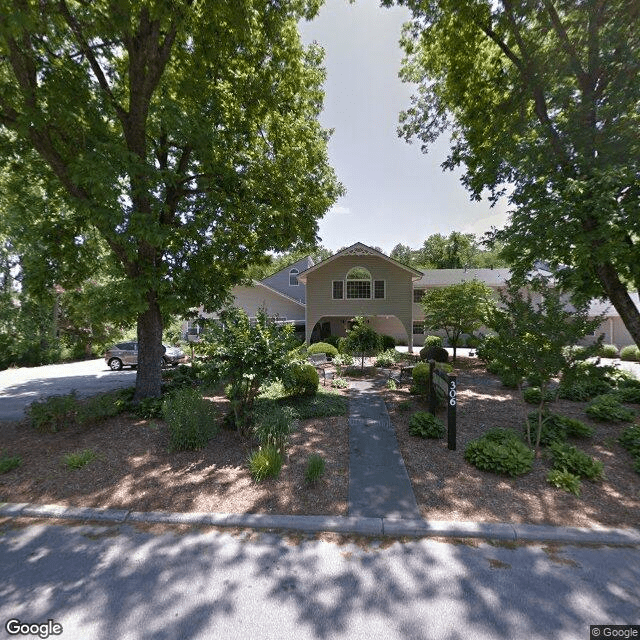
306 Spring St, Hendersonville, NC 28739
To contact a resident: (828) 693-5417
For more information about senior living options: (866) 208-4318
Sunnybrook Assisted Living Costs & Pricing
Sunnybrook Assisted Living offers competitive pricing for its residents compared to the broader market in Transylvania County and the state of North Carolina. For a studio apartment, Sunnybrook's monthly cost is $2,900, significantly lower than the county average of $3,654 and even more so compared to the state average of $4,020. Similarly, for those considering semi-private accommodations, Sunnybrook's rate of $3,600 is quite favorable when juxtaposed with the local average of $3,826 and the state's average of $3,584. This strategic pricing not only makes Sunnybrook an appealing choice for potential residents but also underscores its commitment to providing accessible assisted living options without compromising on quality or care.
| Floor plans | Sunnybrook Assisted Living | Transylvania County | North Carolina |
|---|---|---|---|
| Studio | $2,900 | $3,654 | $4,020 |
| Semi-Private | $3,600 | $3,826 | $3,584 |
Skilled Nursing Facilities with a similar price nearby
-
from -$503 / mo
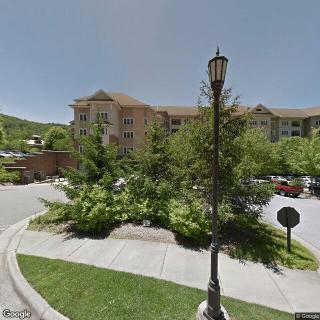
Givens Highland Farms
$2,397 to $5,640 / month13.8 miles away -
from -$170 / mo
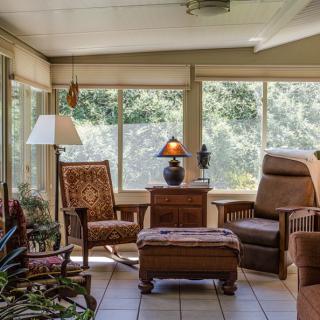
Pisgah Valley Retirement Community
$2,730 to $4,020 / month21.3 miles away -
from -$350 / mo

The Laurels of Summit Ridge
$2,550 to $5,520 / month19.4 miles away -
from -$385 / mo
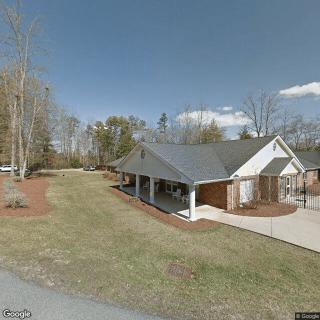
The Oaks Brevard
$2,515 to $3,728 / month14.3 miles away
Overall Review of Sunnybrook Assisted Living
Pros
 The staff are great, and the environment is very family‑oriented and pleasant.
- The staff were like family—kind and hardworking.
- Sunnybrook Assisted Living provided exceptional care for his grandfather.
- The staff were compassionate, communicative, and transparent about his care.
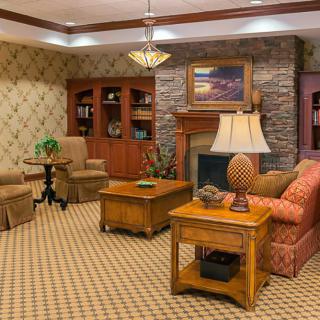
- The facility was spotless and felt like a home rather than a nursing facility.
- The pricing was fair with clear, detailed invoices.
- They worked seamlessly with Four Seasons Hospice to ensure his comfort.
- The meals were delicious and tailored to dietary needs.
- From day one, the staff were kind, friendly, and offered excellent care.
- They made a world of difference for the family.
- The facility is smaller and family-owned, with an all-inclusive room rate.
- Rooms are clean, well organized, and include furnishings like a hospital bed at no extra charge.
Cons
 They warned that sending a loved one there would be a mistake.
- They claimed negligence led to a grandmother's death.
- They noted that the facility was not licensed.
- They observed the front door was left wide open and the place did not seem secure.
- They felt there was insufficient stimulation for residents with memory care needs.
- They noted that some rooms were very small.
- They stated they would give zero stars.
Review
Sunnybrook Assisted Living in Hendersonville, NC is best suited for families seeking a small, family-owned, home-like setting where residents are treated as part of a one-on-one, caregiving culture. It shines for older adults who want warmth, personal attention, and straightforward pricing in a intimate, house-like environment rather than a large, impersonal campus. This community is most appealing to those who prioritize staff consistency, a sense of belonging, and meals that feel tailored to individual needs. It is less appropriate for residents who require a highly secure, lock-down environment or robust memory-care programming, or who need the kind of clinical oversight that typically comes with larger corporate facilities. In practical terms, Sunnybrook is a strong fit for families prioritizing continuity of care, transparent billing, and a genuinely welcoming atmosphere over the amenities of a bigger operation.
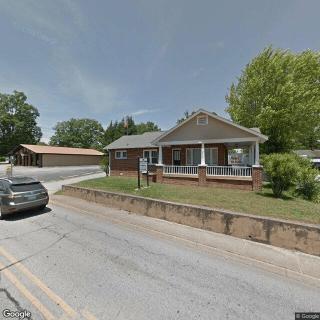
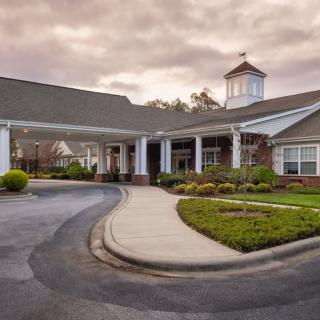
The strongest positives are visible in the day-to-day care and culture. Reviews converge on a staff that is described as compassionate, attentive, and deeply family-oriented, with caregivers who seem to know residents by name and attend to personal preferences. Families consistently praise the atmosphere as home-like, and many note the facility feels clean, organized, and comfortable, not sterile or clinical. Pricing is framed as fair and predictable, with invoices that clearly spell out charges, and the all-inclusive approach to room rates means there aren’t endless “add-ons” for basic assistance. The smaller size, roughly 49 residents, fosters direct connections with caregivers, and the setting is enhanced by thoughtful touches like a generous front porch, a historic neighborhood vibe, and furnishings provided for some rooms. For families seeking a genuine sense of belonging and reliable daily support, these elements can offset the ordinary stresses of senior care.
However, significant cautions run through the feedback. A number of reviews flag security concerns, the front door is not consistently locked, raising questions about controlled access and resident safety. That nuance matters greatly for families where safety and wandering control are top priorities, especially for residents with memory impairment. There is also a palpable tension around licensure: some reviewers contend the facility is not state-licensed, even while registered, which raises a red flag for formal oversight and consistent compliance that some families equate with peace of mind. In addition, the community does not offer a dedicated memory-care program, and some residents with cognitive challenges may require environments with more stimulation and structured programming designed specifically for memory care. A few accounts allege negligence, which is a painful reminder that any facility can fall short, and that potential red flags deserve careful, independent verification.
When weighing the pros against these cons, the offset depends on what a family needs. The personal touch, predictable pricing, and home-like ambiance can significantly ease the transition into assisted living, and for many, those advantages counterbalance the absence of formal memory care and the more controlled security environment. Yet for families with a loved one who has dementia or high-security needs, the lack of a locked-access model and the absence of a dedicated memory-care pathway can erode confidence in long-term suitability. Similarly, the conflicting licensure narratives mean due diligence is essential: confirm the current license status with state authorities, ask for the most recent compliance reports, and request a clear written statement of what protections and oversight exist in practice. Without solid answers on these fronts, the decision becomes a risk calculus rather than a confidence-building choice.
To guide a decisive choice, those considering Sunnybrook should reserve judgment until verifying a few practical details. Prospective families should request a tour with questions tailored to memory care, even if it is not offered, so the staff can explain how residents with cognitive needs are managed day-to-day. Inspect room sizes and layouts, and specifically evaluate whether current residents feel comfortable and whether there is adequate space for assistive devices and personal belongings. Ask about safety features beyond the front entrance, such as corridor design, lighting, and emergency call systems, and review how staff responds to wandering or agitation. Finally, obtain a current, written statement about licensure and any recent regulatory actions, and request recent meal plans and activity calendars to assess stimulation levels. Sunnybrook remains a compelling option for a home-like, family-supported living environment, but the best path forward requires disciplined verification of safety, licensure, and dementia-specific care capabilities.
 1-bedroom apartments
 Assisted Living
 Memory Care
 Skilled Nursing Facility
 Activities on-site
 Beautician on-site
 Cable or satellite TV
 Devotional services off-site
 Dining room
 Full kitchen
 Hiking trails
 Housekeeping services
 Indoor common areas
 Laundry
 Resident parking
 Asheville Regional (10 miles away)
 Transportation & parking
 Ambulatory care
 Assistance with bathing
 Assistance with dressing
 Diabetic care
 Hospice care
 Meal preparation and service
 Medication management
 Physical therapy
 Diabetes diet
 Special dietary restrictions
 Arts and crafts
 Fitness programs
 Live musical performances
 English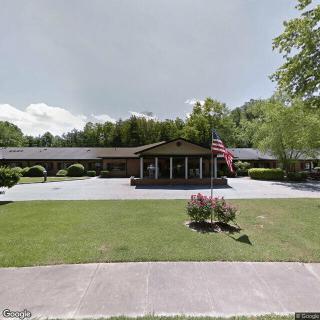

 Illuminating Insights About Alzheimer's Disease: Ten Crucial Realities
 A Thorough Discussion of Medications Potentially Linked to Dementia Risk
 Why Do Dementia Patients Sleep So Much? Understanding Oversleeping, Stages, and Care Approaches