
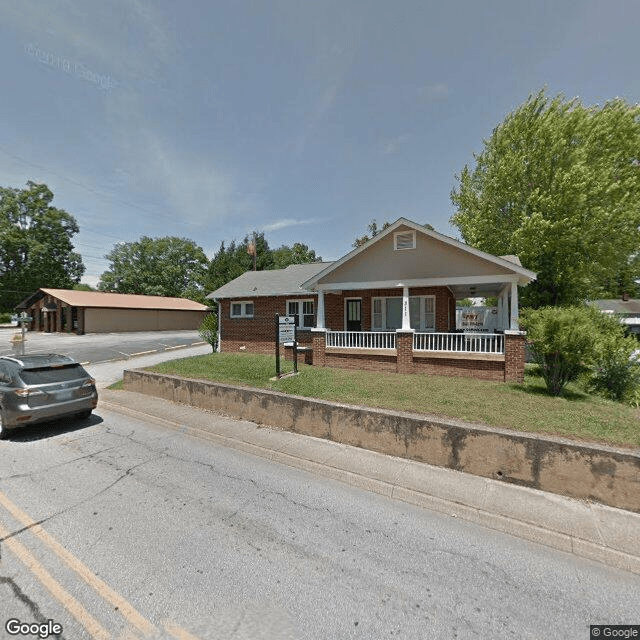
311 A White Street, Hendersonville, NC 28739
To contact a resident: (828) 694-0000
For more information about senior living options: (866) 208-4318
Overall Review of Home Helpers
Pros
 Steve is very helpful in arranging home care for clients and their families.
- He is flexible with the chores the helper provides and communicates with the family when concerns arise.
- He calls the family whenever the client acts out.
- The reviewer would recommend the service.
Cons
 She acts out.
Review
Home Helpers in Hendersonville, NC is best suited for families seeking to keep a loved one with dementia living at home with practical, flexible support. This agency-centered approach targets seniors who can function with assistance in daily tasks but still benefit from a familiar residence, rather than moving into an assisted living setting. It works well for situations where the care plan can be tailored around mild to moderate functional limitations, safety needs, and the emotional comfort of staying in a known neighborhood. The core value is enabling ongoing at-home life while leveraging caregiver oversight to manage routines, errands, and basic supervision.
Those whose priority is constant, medically intensive supervision or a structured social program may want to consider alternatives. A setting with licensed nurses on site around the clock, medical equipment, and scheduled activities in a campus environment often serves needs beyond what optional home care can reliably provide. If the dementia progresses to the point where wandering risks escalate or complex behaviors demand constant, specialized intervention, a memory-care or assisted-living facility could be a better match. In short, this option excels for at-home continuity but may fall short as medical complexity grows.
From a practical standpoint, the strongest selling points are immediate accessibility and responsiveness. The testimonial highlights a caregiver, Steve, who helped secure home care, which minimizes family stress at a difficult moment. Flexibility with the chores means the plan can adapt to changing daily demands, from meal preparation to light housekeeping to transportation errands. Most importantly, the provider calls the family whenever the loved one acts out, delivering timely updates that empower swift safety decisions. That level of proactive communication and adaptability helps families preserve autonomy for the senior without surrendering control to a distant facility.
Where caveats emerge, they tend to revolve around scope, not intent. In-home care relies on available caregivers, meaning scheduling can shift and coverage may require careful contingency planning. As dementia advances, the need for around-the-clock vigilance or specialized memory strategies may outpace what at-home support can deliver, triggering a transition to a more structured setting. Costs can rise as services scale up, and coordination with medical teams becomes essential to avoid care gaps. Families should verify what level of medical oversight is included and what backup arrangements exist when a primary caregiver is unavailable.
This option aligns with families prioritizing continuity, comfort, and responsive, personalized care. It is particularly compelling when the loved one is still relatively independent but benefits from regular help with daily activities and behavior management, without the upheaval of moving. For those facing rapid dementia progression, safety concerns, or a desire for on-site clinical oversight, alternatives that provide 24/7 supervision or specialized memory programming may be preferable. The key is to stage the care plan to the trajectory of need, and to ensure the chosen path allows escalation or a smooth transition if the situation changes.
Prospective clients should begin with a candid care-needs assessment that maps daily routines, safety risks, and behavioral management needs. Ask for a written plan that specifies who provides care, how often, and what backup coverage exists. Inquire about dementia-focused training for caregivers, supervision protocols, and how changes in condition trigger a care-level adjustment. Check licensing, insurance compatibility, and any out-of-pocket expectations, plus references from other families. When these elements are aligned, Home Helpers represents a practical, grounded choice for preserving home life while addressing the realities of progressive cognitive decline.
 Asheville Regional (10 miles away)



 In-Depth Look at the VA Aid and Attendance Program
 Nurturing Our Loved Ones: A Daughter's Journey in Caring for Her Mother
 Nurturing Our Elders: Linda's Journey of Supporting Her Mother