
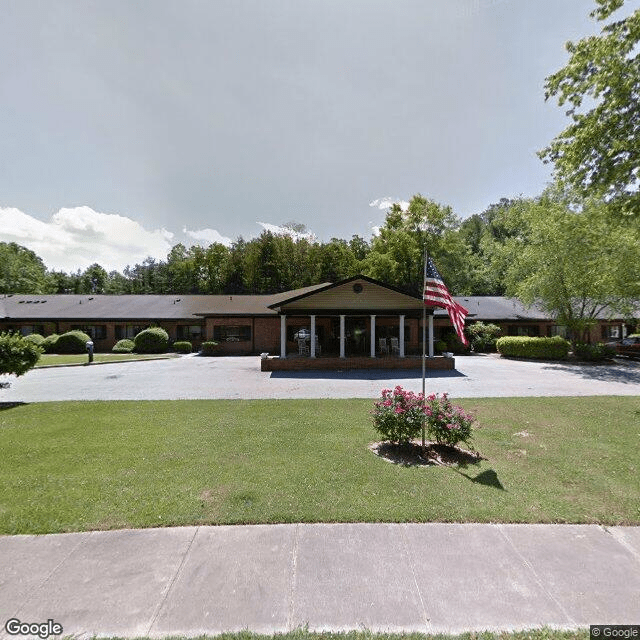
1000 W Allen St, Hendersonville, NC 28739
To contact a resident: (828) 693-3388
For more information about senior living options: (866) 208-4318
Overall Review of The Gardens of Hendersonville
Pros
 The facility has a great community with compassionate staff.
- The staff took amazing care of the grandmother until the end; they were wonderful.
- The staff are great to residents and staff, and the residents are happy; the staff are amazing.
- The place is described as the best kept secret in Hendersonville, with loving and caring staff.
- Cardinal Care is recommended for those seeking an assisted living facility.
Cons
 The staff in July 2025 were worthless and got paid for a job they didn’t do.
- They are allowing a homeless camp to be set up on their property along Ecusta Trail.
- The experience with the staff, including the director, has been very frustrating.
- The staff rudely snaps at him, stating they cannot provide health updates without his father's permission.
- The reviewer suggests not placing loved ones there, saying the staff are focused on doing as little as possible.
- April displayed no compassion or empathy, laughed at concerns, and dismissed the family.
Review
This community is best suited for families that want a warm, resident-centered environment where caregivers forge close, affectionate bonds with residents and families are prepared to stay actively involved in oversight and advocacy. It can work well for those who prioritize personal attention, daily kindness from staff, and end-of-life care when needed. However, it is not a universal fit: families requiring highly consistent medical updates, transparent communication, and steady administrative reliability may want to consider alternatives.
On the plus side, several accounts highlight genuine warmth and compassion among caregivers. Residents are described as well cared for and agreeable, with notes of a welcoming atmosphere and staff who genuinely engage with residents. End-of-life care is singled out as a strength in at least one testimonial, where staff provided thoughtful support through a difficult period. When leadership is praised, it is for being attentive to residents and fostering a positive, loving environment. For families who can visit often and want a nurturing day-to-day experience, these factors can make a real difference.
Yet the downsides are substantial enough to demand caution. A significant portion of feedback points to inconsistent staff performance and frustrated communications, especially around requesting health updates or sensitive information about a loved one. Several reviewers describe management and the director as difficult to work with, with encounters characterized as unhelpful or even curt. One strong critique urges prospective families not to place a loved one here, citing a pattern of minimal effort and poor responsiveness. Another account recounts a staff member’s dismissive, unsympathetic behavior when families sought basic reassurance. Taken together, these experiences suggest a volatile baseline of service quality.
The pros can offset the cons only to a degree. For families that can combine frequent visits, hands-on involvement, and steady advocacy, the affectionate, resident-focused care may soften the impact of occasional communication gaps. However, when critical needs arise, health status updates, timely responses to concerns, or consistent staffing, these flaws can erode trust quickly. For residents with higher medical needs or dementia care, the risk of inconsistent updates and uneven staff reliability becomes a decisive factor, potentially outweighing the perceived warmth in day-to-day interactions.
Altogether, this facility warrants careful comparison with alternatives that emphasize governance, transparency, and reliable family communication. Families evaluating options should weigh the clear value of compassionate day-to-day care against the risk of inconsistent administrative follow-through. Those who prioritize predictable updates, strong leadership, and a proactive approach to care planning may find preferable matches elsewhere. For families still considering this community, a structured evaluation plan is essential.
If this community is on the short list, implement a disciplined due-diligence process. Schedule multiple stay-and-see visits at different times and days to observe how staff interact with residents and handle questions. Request a meeting with the administrator and a care director to review care plans, incident logs, medication administration records, and the facility’s process for family updates. Verify licensure status and recent survey results through state resources. Ask families of current residents about consistency of communication and any patterns of turnover or leadership changes. In the end, the decision should hinge on whether a loved one can receive steady, compassionate care with reliable, transparent communication, or whether a more consistently managed setting is the safer, calmer choice.
 Assisted Living
 Cats allowed
 Dogs allowed
 Activities on-site
 Devotional services off-site
 Indoor common areas
 Asheville Regional (10 miles away)
 Ambulatory care
 Diabetic care
 Meals provided


 When to Transition from Assisted Living to Memory Care: Key Indicators, Steps, and Finding the Right Community
 Assisted Living and Memory Care: Understanding Their Core Differences
 Beyond the Bingo Hall: 50+ Enriching Activities for Seniors in Assisted Living