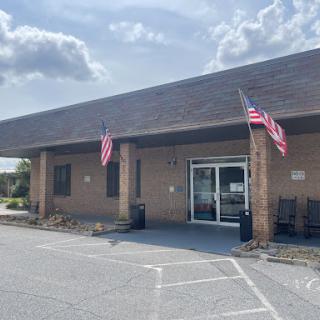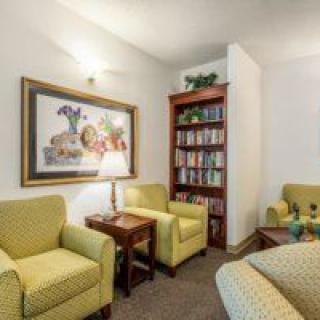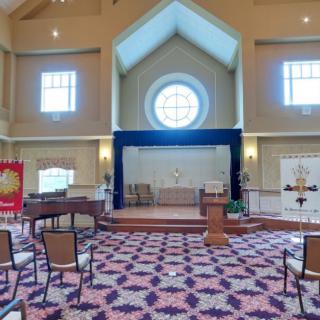
Austin Adult Care in Conover, NC

Save
Austin Adult Care

Austin Adult Care in Conover, NC

Information last verified:

511 Bumgarner Industrial Drive, Conover, NC 28613

For more information about senior living options: (844) 490-3973

1.5 from 11 reviews
5 stars
0
4 stars
1
3 stars
0
2 stars
2
1 stars
8

Overall Review of Austin Adult Care

Pros

  • pro The staff is friendly and helpful.
  • pro There are no foul odors.
  • pro The food is better than anywhere else he has stayed, and they can have seconds if they want.
  • pro The food smelled good when the reviewer was there.
  • pro Most of the residents are up and about, and there is a friendly atmosphere.
  • pro The reviewer would recommend this home.

Cons

  • pro The facility charges more than a resident’s full income for meals, with poop on the floors from wheelchair tracks, implying gross negligence.
  • pro The place is disgusting and smells like urine, with a dirty mop bucket left in the hallway.
  • pro The staff are accused of feeding residents drugs, mistreating them, and stealing from them.
  • pro The staff are accused of lying, echoing what other reviewers say.
  • pro The place allegedly takes residents’ SSI and ejects them.
  • pro The facility cheats residents out of their money whenever possible.
  • pro The owner is deceptive; the facility smells foul, residents exhibit abnormal behaviors, staff are disrespectful, and admission traps residents for 72 hours.
  • pro The staff do not feed residents well, do not administer medications on time, and do not change diapers regularly.

Review

Austin Adult Care in Conover is best suited for families that feel there are no satisfactory alternatives left and that must accept a high level of family oversight to compensate for weak day-to-day care. The reviews paint a pattern of serious safety and quality concerns, from persistent cleanliness problems to questionable care practices. In practical terms, this community should only be considered when a senior’s needs are modest, oversight is frequent and hands-on, and the family is prepared to intervene quickly if problems arise. For most seniors who require reliable supervision, consistent med administration, respectful staff, and a sanitary living environment, this option rarely meets expectations.

Those families who may want to consider alternatives are advised to look elsewhere if mobility issues, cognitive needs, or behavioral challenges are present. A facility with frequent reports of foul odors, unclean floors, and irregular diaper changes signals risks that can escalate quickly for residents who already require assistance with basic activities. If a move is being contemplated for someone who relies on timely meals, protection against theft, or dignity in daily routines, then exploring other licensed communities or in-home care arrangements is prudent. In short, this is not a fit for anyone seeking dependable, high-quality care; it is a decision best deferred until safer, better-staffed options are exhausted.

From a narrowly defined positives perspective, there are occasional glimpses of a functioning, friendly staff and acceptable meals when conditions are described as calm. A review that visited briefly and found pleasant interactions with staff and a favorable impression of food quality suggests that positive, attentive caregivers can exist within the facility. Another account describes a social, upbeat milieu where residents are up and about and the atmosphere feels approachable. However, these favorable notes are fragile and inconsistent against a backdrop of repeated complaints about odor, disarray, and disrespectful behavior from staff. The limited, scattered positives do not meaningfully offset the dominant risks, especially when major safety and hygiene failures are the baseline.

The most troubling themes across reviews concern cleanliness and safety: strong and persistent odors, dirty hallways, and inadequate sanitation practices. Instances of urine smells and a dirty mop bucket set a tone that is simply incompatible with dignified senior living. More alarming are reports of neglect in essential caregiving tasks, delayed or incorrect medication administration and improper diaper changes, that directly jeopardize residents’ health and comfort. Stories of residents being exposed to food mismanagement, theft, or physical and verbal mistreatment undermine trust in the staff and management. A particularly alarming anecdote describes a 72-hour hold that prevents timely departure, signaling autonomy violations that should never occur in a legitimate, well-run community. Taken together, the pattern suggests a facility with systemic gaps in staffing, supervision, and accountability.

In weighing the limited positives against the overwhelming concerns, the cons clearly far outweigh any apparent advantages. The risk to safety, dignity, and overall well-being is not momentary or anecdotal; it is supported by a cluster of independent reviews that converge on similar issues. For families needing consistent care and a secure, clean environment, the evidence suggests exploring more reliable options rather than accepting the status quo. The occasional friendly staff or acceptable meal cannot compensate for persistent odor, erratic caregiving, and reports of mistreatment or neglect. The prudent decision is to deprioritize this community in favor of facilities with transparent staffing, robust hygiene standards, actionable quality metrics, and established processes that protect residents’ rights.

Actionable next steps are clear. Conduct a rigorous on-site tour focusing on cleanliness, odor, and how staff respond to common caregiving tasks; request to observe a medication pass and a diaper-change routine; ask for a current staff-to-resident ratio and for the administrator to provide recent state inspection findings and any corrective action plans. Speak directly with residents and families during visits to gauge consistency of care and safety. Verify licensure status and review history with the state health department or ombudsman, paying particular attention to any open complaints or long-standing deficiencies. Compare with nearby licensed assisted living communities that offer higher staffing levels, better hygiene records, and transparent governance. If family members choose to stay with this option despite concerns, establish a formal, written care plan with regular progress reviews and guaranteed escalation channels to address any new issues promptly.

Features

Housing

  • 29 resident community capacity 29 resident community capacity

Types of Care

  • Assisted Living Assisted LivingAssisted living facilities provide crucial support and care for seniors who may need help with daily tasks such as medication management, bathing, and meal preparation. These communities offer a safe and comfortable environment where seniors can maintain their independence while receiving the assistance they need to thrive in their golden years.

Amenities

  • Activities on-site Activities on-siteActivities on-site are important for seniors because they provide opportunities for socialization, mental stimulation, physical activity, and overall well-being. Engaging in activities can help seniors stay active, maintain their independence, and improve their quality of life.
  • Beauty salon Beauty salonBeauty salons are important for seniors because they provide a space for them to feel pampered, socialize, and maintain their personal grooming and hygiene. Regular visits to a beauty salon can help boost seniors' self-esteem and overall well-being.
  • Cable or satellite TV Cable or satellite TVCable or satellite TV is important for seniors because it provides entertainment, news, and companionship, helping to combat loneliness and boredom. It also offers a wide range of programming options tailored to different interests and preferences.
  • Devotional services off-site Devotional services off-siteDevotional services off-site are important for seniors as they provide spiritual nourishment, social engagement, and a sense of community outside of the senior living facility. This can enhance overall well-being and help combat feelings of isolation and loneliness often experienced by older adults.
  • Dining room Dining roomDining rooms are important for seniors as they provide a space for socialization, connection, and nutritious meals. They offer opportunities for residents to bond over shared meals, foster a sense of community, and promote healthy eating habits. Dining rooms also ensure that seniors have access to well-balanced meals tailored to their dietary needs and preferences.
  • Fully furnished Fully furnishedFully furnished senior living communities are important for seniors because they provide convenience, comfort, and a hassle-free moving experience. Seniors can easily settle into their new living space without the stress of having to buy and move furniture. This allows them to focus on enjoying their new home and community.
  • Garden GardenGardens are important for seniors as they provide a peaceful and therapeutic environment for relaxation, physical activity, and socialization. Being in nature has been shown to reduce stress, improve mood, and promote overall well-being. Gardens also offer opportunities for seniors to engage in gardening activities, which can improve mobility, flexibility, and cognitive function. Additionally, gardens create a sense of community and connection with others who share a passion for plants and outdoor spaces.
  • Housekeeping services Housekeeping servicesHousekeeping services are important for seniors because they help maintain a clean and safe living environment, promote independence, and reduce the risk of accidents or illnesses. Additionally, having assistance with household chores can alleviate physical strain and allow seniors to focus on other aspects of their well-being.
  • Indoor common areas Indoor common areasIndoor common areas are crucial for seniors as they provide a space for socialization, recreation, and community engagement, promoting overall well-being and reducing feelings of isolation and loneliness.
  • Kitchenette KitchenetteKitchenettes are important for seniors living in senior living communities because they provide the convenience and independence of being able to prepare simple meals and snacks in the comfort of their own living space. This can help promote a sense of autonomy and well-being for seniors, allowing them to maintain some level of control over their dietary choices and daily routines.
  • Move-in coordination Move-in coordinationMove-in coordination is important for seniors because it helps ease the transition into their new living environment. It ensures that all logistics, such as packing, organizing movers, and setting up utilities are taken care of, allowing seniors to focus on settling in and adjusting to their new home. Having a smooth move-in process can alleviate stress and anxiety, making the transition smoother and more enjoyable for seniors.
  • Outdoor space Outdoor spaceOutdoor spaces are important for seniors as they provide opportunities for physical activity, social interaction, exposure to natural light and fresh air, and a sense of connection to nature. Having access to outdoor spaces can improve overall well-being and quality of life for older adults living in senior communities.
  • Restaurant-style dining Restaurant-style diningRestaurant-style dining is important for seniors because it allows them to enjoy delicious, nutritious meals in a social and upscale setting. This enhances their dining experience, promotes healthy eating habits, and fosters socialization with fellow residents, ultimately contributing to their overall well-being and quality of life.
  • Small library Small librarySmall libraries are important for seniors as they provide access to a variety of reading materials, including books, newspapers, and magazines. This can help stimulate their minds, keep them engaged, and provide a sense of community through book clubs and other social activities. Additionally, reading has been shown to improve cognitive function and overall mental well-being in older adults.
  • Telephone TelephoneTelephones are important for seniors as they provide a lifeline for communication with loved ones, emergency services, and healthcare providers. They offer a sense of security and independence, enabling seniors to stay connected and access assistance when needed.
  • Wi-Fi/high-speed internet available Wi-Fi/high-speed internet availableWi-Fi/high-speed internet is important for seniors to stay connected with loved ones, access online resources, and participate in virtual activities to combat feelings of loneliness and isolation. It also allows them to easily manage healthcare needs, access entertainment, and engage in lifelong learning opportunities.

Care Services

  • 24-hour call system 24-hour call system24-hour call systems are important for seniors because they provide peace of mind and immediate assistance in case of emergencies. This technology ensures that help is always available, promoting safety and security for elderly individuals living alone or in assisted living facilities.
  • 24-hour supervision 24-hour supervision24-hour supervision is important for seniors to ensure their safety, well-being, and access to immediate assistance in case of emergencies or health issues. This constant support provides peace of mind for both seniors and their loved ones, allowing them to age in place with dignity and security.
  • Activities of daily living assistance Activities of daily living assistanceActivities of daily living assistance are important for seniors because they provide essential support with tasks such as eating, bathing, dressing, and mobility. This assistance helps seniors maintain their independence, dignity, and overall quality of life as they age.
  • Ambulatory care Ambulatory care"Ambulatory care services provide essential medical support and treatment to seniors without requiring hospitalization, allowing them to maintain their independence and quality of life while managing chronic conditions or receiving routine medical care."
  • Assistance with bathing Assistance with bathingAssistance with bathing is crucial for seniors as it helps maintain personal hygiene, prevents infections, and ensures their overall well-being and comfort. It also provides a sense of dignity and independence for seniors who may struggle with this task on their own.
  • Assistance with dressing Assistance with dressingAssistance with dressing is important for seniors because it helps maintain their independence, promotes personal hygiene, prevents accidents and injuries, and improves overall quality of life. This service ensures that seniors can continue to dress comfortably and confidently, despite any physical limitations they may have.
  • Assistance with transfers Assistance with transfersAssistance with transfers is crucial for seniors as it helps prevent falls and injuries, maintains their independence, and ensures they can safely navigate their living environment. It also provides peace of mind for both seniors and their loved ones.
  • Diabetes diet Diabetes dietA diabetes diet is crucial for seniors as it helps manage blood sugar levels, reduce risks of complications, and improve overall health and well-being. By following a balanced and nutritious diet tailored to their specific needs, seniors can better control their diabetes and enhance their quality of life.
  • Diabetic care Diabetic careDiabetic care is crucial for seniors as they are more susceptible to developing diabetes due to aging and other health conditions. Proper management of diabetes can help prevent complications such as heart disease, vision loss, and nerve damage, improving the overall quality of life for seniors in senior living communities.
  • Meal preparation and service Meal preparation and serviceMeal preparation and service are crucial for seniors as they may have limited mobility or energy to cook nutritious meals. Having access to healthy and convenient food options can ensure they are getting the proper nutrition needed to maintain their overall health and well-being.
  • Medication management Medication managementMedication management is crucial for seniors to ensure they are taking the right medications at the correct dosages and times. This helps prevent adverse drug interactions, reduces the risk of medication errors, and promotes overall health and well-being. Proactive management also allows for adjustments as needed based on changing health conditions or new prescriptions.
  • Mental wellness program Mental wellness programMental wellness programs are essential for seniors as they promote cognitive stimulation, emotional support, and social engagement. These programs help prevent isolation, depression, and cognitive decline, ultimately enhancing the overall quality of life for older adults.
  • Special dietary restrictions Special dietary restrictionsSpecial dietary restrictions are important for seniors because age-related changes in metabolism and health conditions can make it difficult for their bodies to process certain foods. By following a diet tailored to their specific needs, seniors can maintain their overall health and well-being, manage chronic conditions, and reduce the risk of complications such as malnutrition or food interactions with medications.
Dining

  • Diabetes diet Diabetes dietA diabetes diet is crucial for seniors as it helps manage blood sugar levels, reduce risks of complications, and improve overall health and well-being. By following a balanced and nutritious diet tailored to their specific needs, seniors can better control their diabetes and enhance their quality of life.
  • Meals provided Meals provided"Meals provided" are crucial for seniors in assisted living communities as it ensures they have access to nutritious, balanced meals without the stress of meal planning and preparation. This can help promote overall health and well-being for seniors who may have limited mobility or cognitive abilities.
  • Special dietary restrictions Special dietary restrictionsSpecial dietary restrictions are important for seniors because age-related changes in metabolism and health conditions can make it difficult for their bodies to process certain foods. By following a diet tailored to their specific needs, seniors can maintain their overall health and well-being, manage chronic conditions, and reduce the risk of complications such as malnutrition or food interactions with medications.

Activities

  • Activities on-site Activities on-siteActivities on-site are important for seniors because they provide opportunities for socialization, mental stimulation, physical activity, and overall well-being. Engaging in activities can help seniors stay active, maintain their independence, and improve their quality of life.
  • Community-sponsored activities Community-sponsored activitiesCommunity-sponsored activities are important for seniors as they provide opportunities for social interaction, mental stimulation, and physical activity. These activities can help improve overall well-being, combat loneliness and isolation, and promote a sense of belonging and purpose among older adults.
  • Devotional activities offsite Devotional activities offsiteDevotional activities offsite are important for seniors because they provide social engagement, spiritual growth, and a sense of community outside of their living environment. This can improve overall well-being, mental health, and combat feelings of isolation or loneliness.
  • Resident-run activities Resident-run activitiesResident-run activities are important for seniors as they encourage social interaction, creativity, and a sense of autonomy. These activities empower seniors to stay engaged and active in their community while fostering meaningful connections with their peers.
  • Scheduled daily activities Scheduled daily activitiesScheduled daily activities are important for seniors because they provide structure, socialization, mental stimulation, and physical activity. Engaging in regular activities can improve overall well-being and quality of life for seniors living in a community setting.

Description

Austin Adult Care in Conover, NC is an assisted living community that provides a comfortable and supportive environment for seniors. Our community offers a variety of amenities to enhance the quality of life for our residents.

Residents can pamper themselves at our beauty salon, relax and enjoy their favorite shows with cable or satellite TV, and engage in devotional services off-site to nourish their spiritual well-being. Our dining room offers delicious meals prepared by our skilled chefs, providing a restaurant-style dining experience for our residents.

Living spaces are fully furnished, ensuring that residents have everything they need to feel at home. Indoor common areas are available for socializing with fellow residents, while outdoor spaces allow residents to enjoy the fresh air and beautiful surroundings.

We understand the importance of maintaining independence, which is why we offer 24-hour supervision and assistance with activities of daily living such as bathing, dressing, and transfers. Our dedicated staff also provides specialized care such as diabetic care and medication management to ensure the health and well-being of our residents.

At Austin Adult Care, we prioritize mental wellness by offering a mental wellness program designed to cater to the unique needs of each resident. Additionally, personalized meal preparation and service is provided based on individual dietary restrictions.

Our community encourages an active lifestyle through a range of activities. Residents can participate in community-sponsored events as well as resident-run activities tailored to their interests. Daily scheduled activities provide structure and opportunities for engagement within the community.

We strive to create a welcoming and supportive environment for seniors at Austin Adult Care in Conover, NC. With extensive care services, convenient amenities, delicious meals, and engaging activities, our assisted living community promotes an enriching lifestyle for all residents.

Nearby Places of Interest

This area of Conover, North Carolina offers a variety of amenities for seniors looking to settle in the area. With several dining options ranging from Mexican cuisine at Taco and Tequila to classic American fare at Waffle House and McDonald's, there is something for everyone's taste. Nearby medical facilities like Primary Care Associates and Novant Health Lakeside Family Physicians provide convenient access to healthcare services. Various pharmacies are also situated within a reasonable distance for medication needs. For leisure activities, residents can enjoy a peaceful visit to Lake Norman State Park or catch a movie at the AmStar 14 - Mooresville Theatre. Places of worship such as Riverview Baptist Church and St Therese Catholic Church offer spiritual community connections. Overall, this part of Conover provides a mix of necessities and entertainment options making it a desirable location for senior living.

Restaurants

  • Taco and Tequila Mexican Restaurant (14.1 miles)
  • Waffle House (15.4 miles)
  • McDonald's (21.4 miles)
  • Kickback Jack's (21.8 miles)
  • Hickory Tavern (21.9 miles)
  • Bojangles' Famous Chicken 'n Biscuits (22.1 miles)
  • Casa Garcia Cantina Gr (22.2 miles)

Physicians

  • Primary Care Associates (14.2 miles)
  • PHC Sailview Family Medicine (22 miles)
  • Novant Health Lakeside Family Physicians (22.1 miles)
  • Northshore Orthopedics & Sports Medicine (22.2 miles)
  • Piedmont Healthcare (22.5 miles)
  • Piedmont Plastic Surgery & Dermatology (22.6 miles)
  • Lincoln Pediatrics Clinic (22.6 miles)

Pharmacies

  • CVS Pharmacy (14.2 miles)
  • Walgreens (21.3 miles)
  • CVS Pharmacy (22.3 miles)
  • Walgreens (22.4 miles)
  • Walgreens (22.4 miles)
  • Crp USA (23.3 miles)

Cafes

  • Starbucks (15.5 miles)
  • Clutch Coffee Bar (23.9 miles)
  • Starbucks (24.2 miles)

Parks

  • Lake Norman State Park (17.4 miles)

Places of Worship

  • Riverview Baptist Church (18.5 miles)
  • St Therese Catholic Church (23.8 miles)
  • Cove Church (25 miles)

Theaters

  • AmStar 14 - Mooresville Theatre (23.2 miles)

Frequently Asked Questions

Where is Austin Adult Care?

Nearby Communities

  • Conover Nursing And Rehab Center

    Conover Nursing And Rehab Center

    Conover, NC

    3.5 from 32 reviews
     

    pro Clean facility with engaging activities and varied dining options.

  • The Alberta House

    The Alberta House

    Conover, NC

    4 from 1 review
     

    pro Small, personalized care with 24/7 supervision and broad amenities.

  • Heritage Care Of Conover

    Heritage Care Of Conover

    Conover, NC

    3.7 from 11 reviews
    $1,900 to $3,800 / month

    pro Caring, long-tenured staff and a family-like atmosphere with personalized resident attention.

  • Professional Family Care

    Professional Family Care

    Conover, NC

    2 from 2 reviews
     

    pro Small, home-like setting with personalized care and comprehensive daily support.

  • Brian Center Health & Rehabi Hick

    Brian Center Health & Rehabi Hick

    Hickory, NC

    3.9 from 35 reviews
     

    pro Extensive amenities and comprehensive care services (dining, transportation, wellness programs, beauty salon, fitness, social activities).

  • TerraBella Newton

    TerraBella Newton

    Newton, NC

    4 from 97 reviews
    $2,725 to $4,225 / month

    pro Beautiful, well-kept facility with restaurant-style dining and engaging activities.

  • Piedmont Village At Newton

    Piedmont Village At Newton

    Newton, NC

    2 from 6 reviews
    $1,800 to $7,000 / month

    pro Competitive pricing with on-site amenities and comprehensive care.

  • Springs Of Catawba

    Springs Of Catawba

    Hickory, NC

    4.4 from 61 reviews
     

    pro Specialized memory care with comprehensive amenities and personalized care

  • Abernethy Laurels

    Abernethy Laurels

    Newton, NC

    3.6 from 85 reviews
     

    pro Caring, experienced staff in a clean, welcoming facility with comprehensive services.

Related Resources

  • assisted living vs skilled nursingExploring the Contrasts Between Assisted Living and Skilled Nursing

    The article compares assisted living and skilled nursing facilities, detailing their differing levels of assistance, medical support, cost structures, and day-to-day experiences. It emphasizes that assisted living is for those needing help with daily activities while maintaining independence, whereas skilled nursing facilities provide intensive medical care with 24-hour staff supervision.

  • when to move from assisted living to nursing home8 Key Indicators That Suggest It May Be Time to Transition from Assisted Living to Skilled Nursing Care

    The transition from assisted living to skilled nursing care is often prompted by complex medical needs that assisted living cannot meet, with key indicators including frequent health declines, increased falls, severe memory issues, and caregiver burnout. Families should recognize these signs early to discuss options with healthcare providers and prepare for the emotional and logistical aspects of moving to a facility that offers comprehensive medical support.

  • active senior livingVibrant Senior Living: A Comprehensive Guide for Active Older Adults

    Vibrant Senior Living emphasizes active senior living communities that promote independence and engagement through diverse amenities and activities, fostering wellness and social interaction among older adults. These communities range from independent to assisted living, with a focus on personal growth, family involvement, financial planning, and leveraging technology to enhance residents' experiences.