Abernethy Laurels

Save

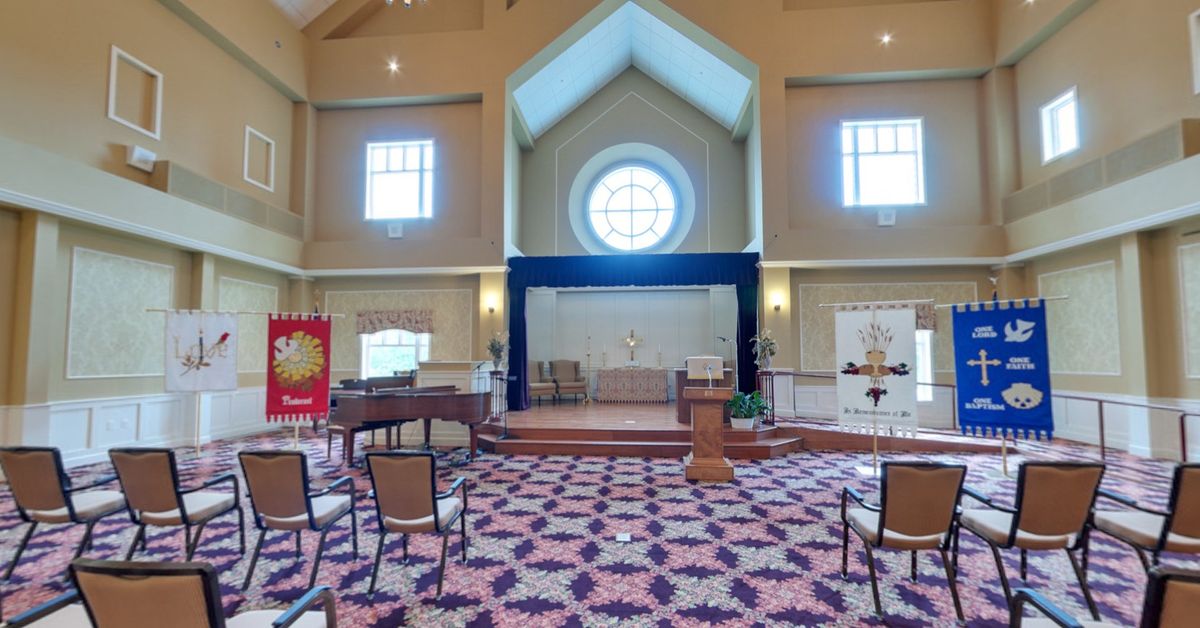
  • Interior

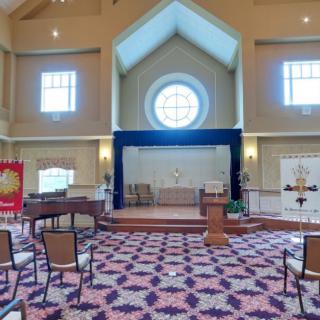
    Interior view of a church with an altar, chairs, and large windows.
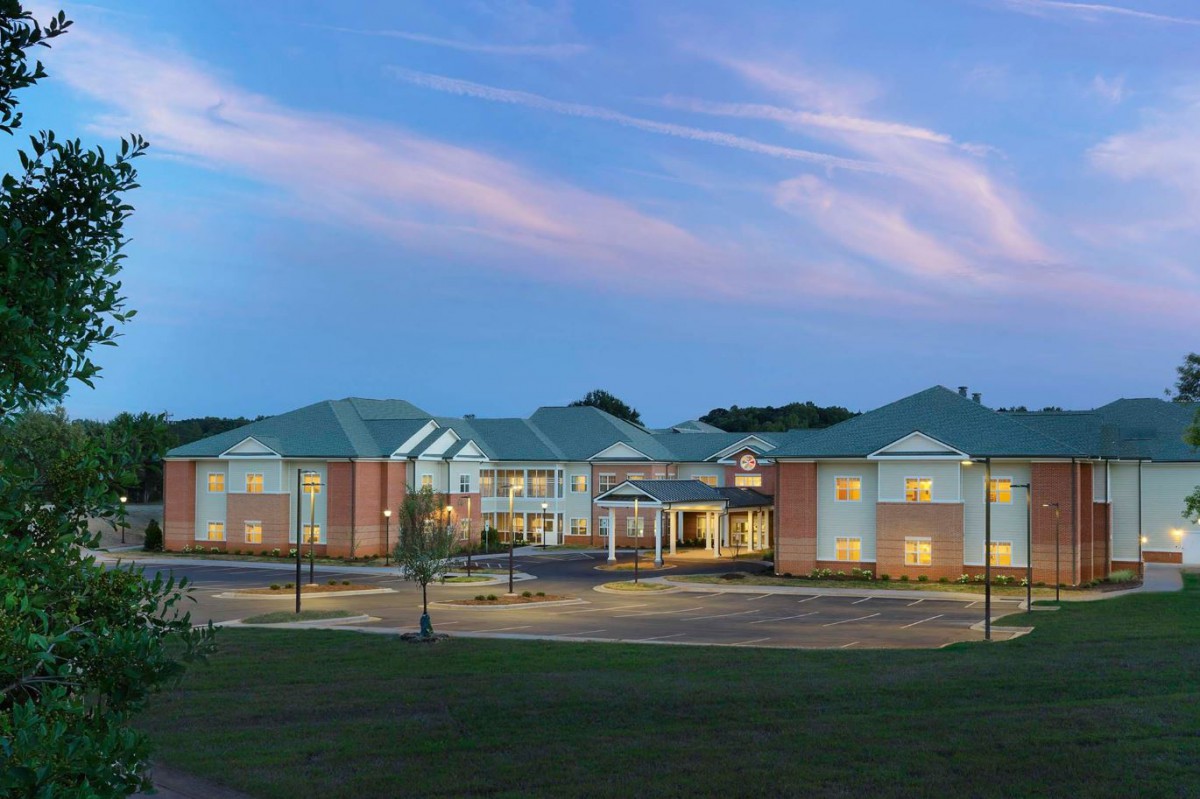
  • Building

    A view of a modern building during the evening with a picturesque sky.
  • Architecture

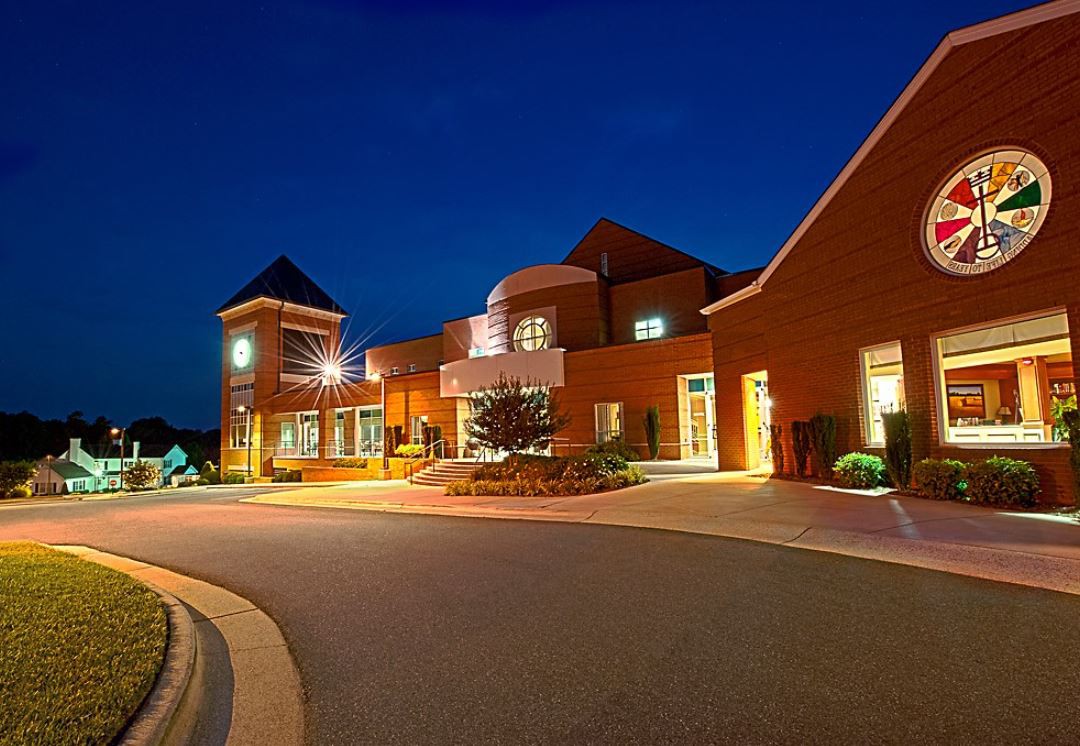
    A well-lit modern building at night with distinctive architectural features.
  • Windows

    A cozy patio area with tables and chairs, featuring plants and a ceiling fan.
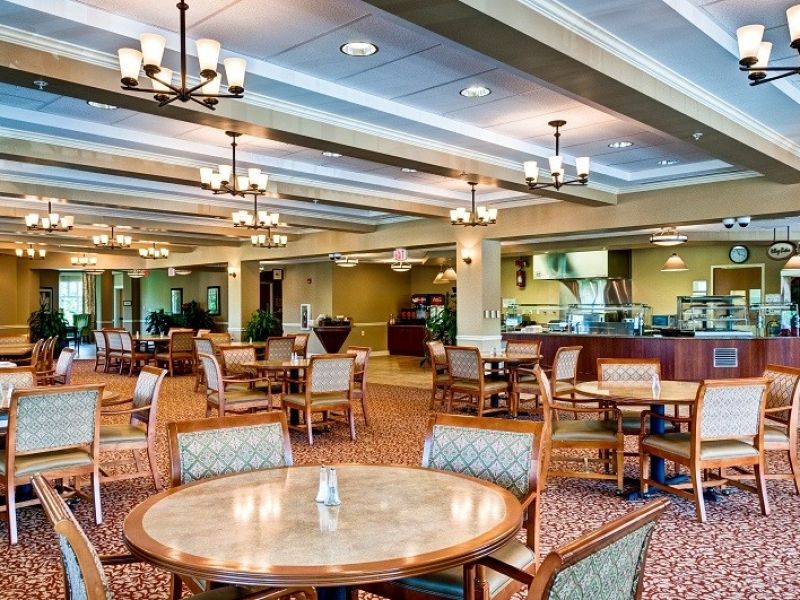
  • Dining

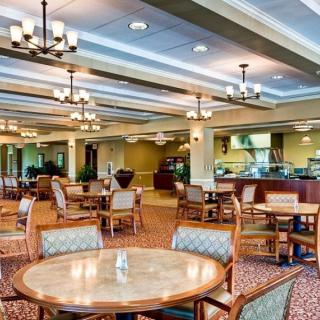
    A spacious dining area with elegant chandeliers, featuring neatly arranged tables and chairs on a carpeted floor.
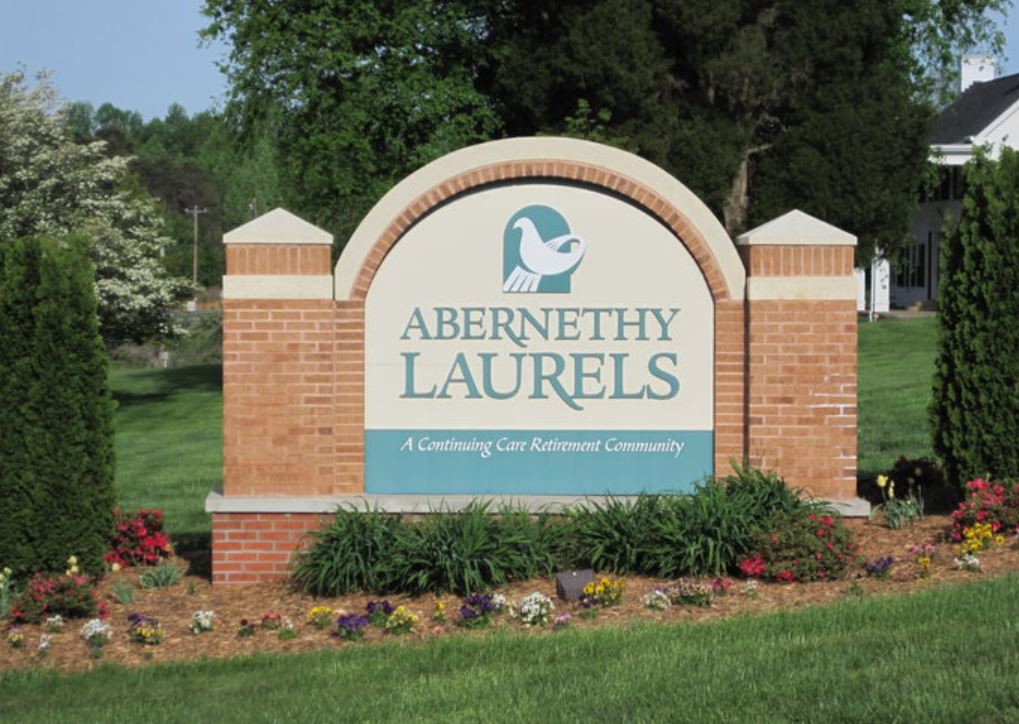
  • Landscaping

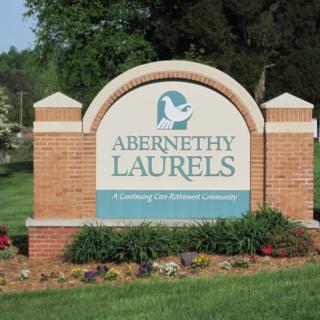
    Entrance sign for Abernethy Laurels featuring a brick structure surrounded by landscaped greenery.
  • Aerial View

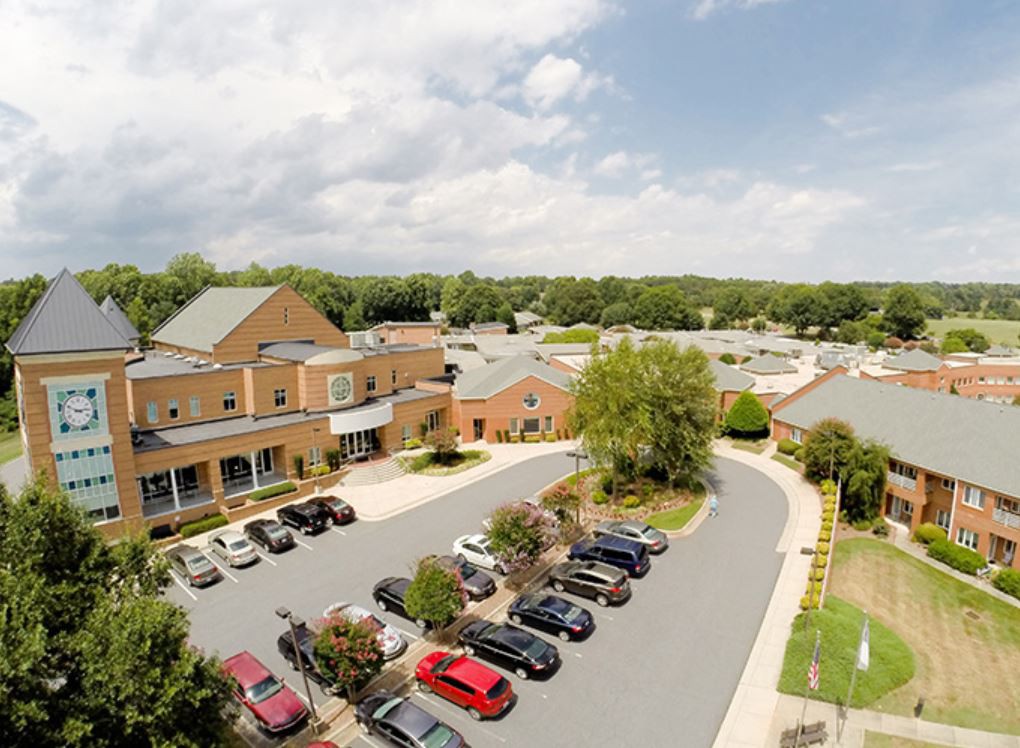
    An aerial view of a suburban area with a building and parking lot surrounded by greenery under a cloudy sky.

Abernethy Laurels

102 Leonard Avenue, Newton, NC 28658

For more information about senior living options: (844) 490-3973

3.7 from 83 reviews
5 stars
50
4 stars
6
3 stars
1
2 stars
1
1 stars
25

Assisted Living Continuing Care Retirement Community (CCRC) Independent Living Memory Care Skilled Nursing Facility

Overall Review of Abernethy Laurels

Pros

  • pro Reviewers praised the staff for caring and treating residents like family.
  • pro The facility is described as clean, safe, and welcoming with attentive nursing care.
  • pro Rehabilitation services (PT/OT) are excellent and help residents transition to home care.
  • pro Families express peace of mind knowing their loved ones are in a secure environment.
  • pro End-of-life care is compassionate, with staff who graciously say goodbye.
  • pro The dining program is good, with options and staff checking satisfaction.
  • pro A range of amenities and activities fosters engagement and quality of life.

Cons

  • pro The facility is described as deeply troubled with mismanagement, understaffing, and over-medication of residents.
  • pro Residents are mishandled, resulting in bruises and falls.
  • pro The leadership is problematic; Amber M is described as detached and ineffective, with complaints met by hostility.
  • pro The billing manager Nita H is said to be unresponsive, rude, and to overcharge for services not rendered.
  • pro Lisa U lures families in with promises but delivers consistently poor and impersonal service.
  • pro The Director of Nursing Sundee is portrayed as underqualified, causing chaotic care on second and third shifts.
  • pro The hospice service Carolina Care is deemed inadequate and contributed to decline.
  • pro There is a culture of secrecy and dishonesty, with upcharges hidden from families.
  • pro A mother is said to have died under their care due to lapses in staffing, care practices, and medication management.
  • pro Some reviews state "Absolutely horrible experience" and advise that people should not send their loved ones there.

Review

The collection of reviews surrounding Abernethy Laurels paints a complex and at times contradictory portrait of the facility. A substantial number of friends and family members speak warmly of the care their loved ones received, highlighting a sense of family, dedication, and attentive nursing and therapy services. In these accounts, the staff are described as compassionate, responsive, and genuinely invested in their residents' well?being. Families repeatedly emphasize that their loved ones were treated with dignity, that the environment felt safe and secure, and that the facility was clean and well organized. Some reviewers credit the nursing and CNA teams with excellent day?to?day care, and they note that staff members routinely go above and beyond to address concerns, maintain open lines of communication, and advocate for patients during transitions, discharge planning, and post?acute needs.

Several reviews emphasize positive, long?term relationships with Abernethy Laurels' care teams. Families of residents in memory care or in rehabilitation after surgery describe a sense of peace and trust that their loved ones were in capable hands. The facility is repeatedly portrayed as a place where residents become part of a close-knit community, with staff who know them personally, help them maintain routines, and involve families in care decisions. The rehab experiences, in particular, are praised by many - physical and occupational therapy programs are presented as thorough and goal?oriented, focused on getting patients ready to return home, and the staff members who coordinate these services are often singled out for their competence. Positive comments extend beyond clinical care to everyday amenities - cleanliness, the availability of various activity options, and even aspects like pet?friendliness and straightforward discharge logistics - contributing to a sense of well?being for residents and their families.

Within these favorable accounts, there are numerous anecdotes that speak to a family?like atmosphere. Families recount that their loved ones were treated with kindness and respect, that staff made an ongoing effort to contact them with updates, and that administrators and frontline workers alike showed personal investment in patients' happiness and comfort. There are recognitions of specific staff members, including comments that a particular nurse or administrator helped secure a bed or ensured that a transition plan aligned with the resident's needs. Some reviewers describe moments that felt especially meaningful - staff coming to say goodbye when a parent passed, or professionals who helped coordinate equipment and services with Medicare to facilitate a safe home transition. Taken together, these optimistic narratives sketch a portrait of a facility that many residents and families found to be a caring and capable place to receive care.

Yet the overall picture is far from uniform. A substantial portion of the reviews recount troubling experiences that contrast sharply with the positive ones. One reviewer recounts a highly negative rehab stay in which clothing was not changed, bathing and diaper care were neglected, and the resident refused meals because the food was described as nasty. Allegations included missed prescriptions, unreturned calls, and a perception of indifferent or even hostile responses from staff when concerns were raised. This account explicitly advises readers not to trust the facility with a loved one, highlighting a perceived failure in basic caregiving tasks and communication.

Other reviewers document ongoing systemic issues that color their perception of the facility. Complaints range from administrative and operational concerns - such as changes in gym memberships, unexpectedly high monthly fees, and delayed repairs of amenities like hot tubs and pools - to more direct criticisms of care quality, including inadequate bathing and feeding, insufficient attention to medical needs, and a sense that medications or treatments were not properly managed. A reviewer describes a lack of responsiveness to concerns and a sense that certain problems persisted for years without resolution, including references to deliberate or systemic mismanagement that affected residents' daily lives.

The most severe and disturbing claims center on the care of a mother or parent who ultimately died while under Abernethy Laurels' care. This account alleges repeated injuries, inadequate bathing and feeding, and a lack of appropriate monitoring and medical oversight. The reviewer accuses the staff of careless medication management, resulting in overdoses and the need for Narcan, as well as a fall that caused a broken bone. Billing practices are described as opaque or deceptive, with upcharges and disputed charges that went uncorrected. The hospice service, described as Carolina Care in this narrative, is portrayed as insufficient and contributing to a decline in the resident's condition. The administrator and several named staff members are cited as failing to provide transparent communication or constructive support, though one activities director is acknowledged for displaying genuine care. This account frames the administration as detached, blaming staffing shortages rather than addressing the fundamental problems in care quality, with a social worker who seemingly grew disillusioned as well.

Despite the grave concerns raised by this review, there is recognition that not all staff and experiences fit the negative mold. A few reviewers point to individuals within the team - such as particular nurses, activities personnel, or therapy staff - whose compassion, expertise, and professionalism stood out even amid broader dissatisfaction. These comments underscore a recurring theme: the level of care and resident experience at Abernethy Laurels appears to be highly variable, depending on shifts, departments, and individual caregivers. The juxtaposition of praise and severe critique suggests that while some residents and families feel well cared for and supported, others experience neglect or mismanagement that deeply affects trust and satisfaction.

In sum, the narratives around Abernethy Laurels are mixed and multifaceted. For some families, the facility represents a dependable, family?oriented environment with strong rehab services, attentive nurses, clean grounds, and a sense of security that provides peace of mind during difficult seasons. For others, the experience ranges from disappointing to distressing, marked by perceived neglect, administrative opacity, and serious questions about medication management and overall quality of care. Prospective families considering Abernethy Laurels are advised to conduct thorough, on?site observations, engage directly with leadership and frontline staff, request a detailed care plan, and closely monitor ongoing care and billing practices. The reports together suggest that while many residents benefit from skilled, compassionate care, there remains a need for heightened oversight, consistency across shifts, and a steadfast commitment to the fundamentals of safe, person?centered care.

Features

Housing

  • 22 resident community capacity 22 resident community capacity

Types of Care

  • Assisted Living Assisted LivingAssisted living facilities provide crucial support and care for seniors who may need help with daily tasks such as medication management, bathing, and meal preparation. These communities offer a safe and comfortable environment where seniors can maintain their independence while receiving the assistance they need to thrive in their golden years.
  • Continuing Care Retirement Community (CCRC) Continuing Care Retirement Community (CCRC)Continuing Care Retirement Communities (CCRCs) are important for seniors because they provide a range of housing options and care services all in one location. This allows seniors to age in place and receive the level of care they need as their health changes, without having to move to a new facility. CCRCs provide a sense of security and peace of mind for seniors and their families, knowing that they will be taken care of no matter what the future holds.
  • Independent Living Independent LivingIndependent living communities are important for seniors because they offer a safe and supportive environment where older adults can live independently while still having access to amenities and services that enhance their quality of life. These communities provide social opportunities, recreational activities, and assistance with daily tasks, promoting overall well-being and allowing seniors to maintain their independence for as long as possible.
  • Memory Care Memory CareMemory care is crucial for seniors as it provides specialized support and services for individuals with dementia or Alzheimer's disease. These programs offer a safe and secure environment where residents receive personalized care, cognitive stimulation, and help with daily activities. Memory care helps seniors maintain their independence, quality of life, and dignity while also providing peace of mind for their families.
  • Skilled Nursing Facility Skilled Nursing FacilitySkilled Nursing Facilities are crucial for seniors as they provide round-the-clock medical care, rehabilitation services, and assistance with daily activities. These facilities ensure that seniors receive the specialized care they need to maintain their health and well-being as they age.

Amenities

  • Beauty salon Beauty salonBeauty salons are important for seniors because they provide a space for them to feel pampered, socialize, and maintain their personal grooming and hygiene. Regular visits to a beauty salon can help boost seniors' self-esteem and overall well-being.
  • Cable or satellite TV Cable or satellite TVCable or satellite TV is important for seniors because it provides entertainment, news, and companionship, helping to combat loneliness and boredom. It also offers a wide range of programming options tailored to different interests and preferences.
  • Fully furnished Fully furnishedFully furnished senior living communities are important for seniors because they provide convenience, comfort, and a hassle-free moving experience. Seniors can easily settle into their new living space without the stress of having to buy and move furniture. This allows them to focus on enjoying their new home and community.
  • Garden GardenGardens are important for seniors as they provide a peaceful and therapeutic environment for relaxation, physical activity, and socialization. Being in nature has been shown to reduce stress, improve mood, and promote overall well-being. Gardens also offer opportunities for seniors to engage in gardening activities, which can improve mobility, flexibility, and cognitive function. Additionally, gardens create a sense of community and connection with others who share a passion for plants and outdoor spaces.
  • Housekeeping services Housekeeping servicesHousekeeping services are important for seniors because they help maintain a clean and safe living environment, promote independence, and reduce the risk of accidents or illnesses. Additionally, having assistance with household chores can alleviate physical strain and allow seniors to focus on other aspects of their well-being.
  • Kitchenette KitchenetteKitchenettes are important for seniors living in senior living communities because they provide the convenience and independence of being able to prepare simple meals and snacks in the comfort of their own living space. This can help promote a sense of autonomy and well-being for seniors, allowing them to maintain some level of control over their dietary choices and daily routines.
  • Move-in coordination Move-in coordinationMove-in coordination is important for seniors because it helps ease the transition into their new living environment. It ensures that all logistics, such as packing, organizing movers, and setting up utilities are taken care of, allowing seniors to focus on settling in and adjusting to their new home. Having a smooth move-in process can alleviate stress and anxiety, making the transition smoother and more enjoyable for seniors.
  • Outdoor space Outdoor spaceOutdoor spaces are important for seniors as they provide opportunities for physical activity, social interaction, exposure to natural light and fresh air, and a sense of connection to nature. Having access to outdoor spaces can improve overall well-being and quality of life for older adults living in senior communities.
  • Private bathrooms Private bathroomsPrivate bathrooms are important for seniors in senior living communities because they provide independence, dignity, and comfort. Having a private bathroom allows seniors to maintain their personal hygiene routines without the need for assistance, promoting a sense of autonomy and privacy. Additionally, private bathrooms help prevent the spread of infections and provide a safe and clean environment for seniors to navigate safely.
  • Wi-Fi/high-speed internet available Wi-Fi/high-speed internet availableWi-Fi/high-speed internet is important for seniors to stay connected with loved ones, access online resources, and participate in virtual activities to combat feelings of loneliness and isolation. It also allows them to easily manage healthcare needs, access entertainment, and engage in lifelong learning opportunities.

Transportation

  • Community operated transportation Community operated transportationCommunity operated transportation is crucial for seniors as it provides them with the means to access essential services, social activities, and medical appointments. It allows seniors to maintain their independence and quality of life by ensuring they can participate in activities outside of their homes. Additionally, community-operated transportation services offer a safe and reliable way for seniors to travel without having to rely on family or friends for assistance.
  • Transportation arrangement Transportation arrangementTransportation arrangements are crucial for seniors as they may face challenges with driving, mobility, or access to public transportation. Having reliable transportation services ensures that seniors can easily attend appointments, social activities, and maintain their independence and quality of life.
  • Transportation arrangement (non-medical) Transportation arrangement (non-medical)Transportation arrangements are essential for seniors as they provide access to essential services, activities, and social interactions outside the home. This service helps maintain independence, mobility, and overall well-being for seniors who may have limited transportation options.

Care Services

  • 24-hour call system 24-hour call system24-hour call systems are important for seniors because they provide peace of mind and immediate assistance in case of emergencies. This technology ensures that help is always available, promoting safety and security for elderly individuals living alone or in assisted living facilities.
  • 24-hour supervision 24-hour supervision24-hour supervision is important for seniors to ensure their safety, well-being, and access to immediate assistance in case of emergencies or health issues. This constant support provides peace of mind for both seniors and their loved ones, allowing them to age in place with dignity and security.
  • Activities of daily living assistance Activities of daily living assistanceActivities of daily living assistance are important for seniors because they provide essential support with tasks such as eating, bathing, dressing, and mobility. This assistance helps seniors maintain their independence, dignity, and overall quality of life as they age.
  • Assistance with bathing Assistance with bathingAssistance with bathing is crucial for seniors as it helps maintain personal hygiene, prevents infections, and ensures their overall well-being and comfort. It also provides a sense of dignity and independence for seniors who may struggle with this task on their own.
  • Assistance with dressing Assistance with dressingAssistance with dressing is important for seniors because it helps maintain their independence, promotes personal hygiene, prevents accidents and injuries, and improves overall quality of life. This service ensures that seniors can continue to dress comfortably and confidently, despite any physical limitations they may have.
  • Assistance with transfers Assistance with transfersAssistance with transfers is crucial for seniors as it helps prevent falls and injuries, maintains their independence, and ensures they can safely navigate their living environment. It also provides peace of mind for both seniors and their loved ones.
  • Diabetes diet Diabetes dietA diabetes diet is crucial for seniors as it helps manage blood sugar levels, reduce risks of complications, and improve overall health and well-being. By following a balanced and nutritious diet tailored to their specific needs, seniors can better control their diabetes and enhance their quality of life.
  • Meal preparation and service Meal preparation and serviceMeal preparation and service are crucial for seniors as they may have limited mobility or energy to cook nutritious meals. Having access to healthy and convenient food options can ensure they are getting the proper nutrition needed to maintain their overall health and well-being.
  • Medication management Medication managementMedication management is crucial for seniors to ensure they are taking the right medications at the correct dosages and times. This helps prevent adverse drug interactions, reduces the risk of medication errors, and promotes overall health and well-being. Proactive management also allows for adjustments as needed based on changing health conditions or new prescriptions.
  • Special dietary restrictions Special dietary restrictionsSpecial dietary restrictions are important for seniors because age-related changes in metabolism and health conditions can make it difficult for their bodies to process certain foods. By following a diet tailored to their specific needs, seniors can maintain their overall health and well-being, manage chronic conditions, and reduce the risk of complications such as malnutrition or food interactions with medications.

Dining

  • Diabetes diet Diabetes dietA diabetes diet is crucial for seniors as it helps manage blood sugar levels, reduce risks of complications, and improve overall health and well-being. By following a balanced and nutritious diet tailored to their specific needs, seniors can better control their diabetes and enhance their quality of life.
  • Special dietary restrictions Special dietary restrictionsSpecial dietary restrictions are important for seniors because age-related changes in metabolism and health conditions can make it difficult for their bodies to process certain foods. By following a diet tailored to their specific needs, seniors can maintain their overall health and well-being, manage chronic conditions, and reduce the risk of complications such as malnutrition or food interactions with medications.

Activities

  • Community-sponsored activities Community-sponsored activitiesCommunity-sponsored activities are important for seniors as they provide opportunities for social interaction, mental stimulation, and physical activity. These activities can help improve overall well-being, combat loneliness and isolation, and promote a sense of belonging and purpose among older adults.
  • Fitness programs Fitness programsFitness programs are crucial for seniors as they help improve strength, flexibility, balance, and overall well-being. Staying active can reduce the risk of chronic diseases, improve mental health, and enhance quality of life in older adults.
  • Resident-run activities Resident-run activitiesResident-run activities are important for seniors as they encourage social interaction, creativity, and a sense of autonomy. These activities empower seniors to stay engaged and active in their community while fostering meaningful connections with their peers.
  • Scheduled daily activities Scheduled daily activitiesScheduled daily activities are important for seniors because they provide structure, socialization, mental stimulation, and physical activity. Engaging in regular activities can improve overall well-being and quality of life for seniors living in a community setting.

Description

Abernethy Laurels in Newton, NC is a vibrant assisted living community offering a range of care services and amenities to support the well-being and independence of its residents. As a Continuing Care Retirement Community (CCRC), it provides various levels of care to meet changing needs over time.

For those seeking to live independently, the community offers comfortable and fully furnished homes with amenities such as cable or satellite TV, Wi-Fi/high-speed internet, and private bathrooms. Community-operated transportation is available for residents who prefer not to drive, ensuring they can easily access local services and activities.

Residents benefit from housekeeping services, move-in coordination, and outdoor spaces where they can relax and enjoy nature. The dedicated kitchenettes allow individuals to prepare their meals if desired while also having the option for meal preparation and service provided by the community.

The caring staff at Abernethy Laurels are trained in providing 24-hour supervision and assistance with activities of daily living such as bathing, dressing, and transfers. Those with special dietary restrictions or diabetes diets will have their nutritional needs taken care of. Medication management ensures that residents receive their prescribed medications in a timely manner.

To promote an active lifestyle, fitness programs are offered to help residents stay physically fit. Resident-run activities encourage engagement within the community while scheduled daily activities provide opportunities for social interaction and enjoyment.

With its comprehensive range of care services, amenities catering to residents' needs, and a diverse selection of engaging activities, Abernethy Laurels in Newton, NC is an exceptional assisted living community focused on enhancing the quality of life for all its residents.

Nearby Places of Interest

Physicians

  • Primary Care Associates (9 miles)
  • Piedmont Plastic Surgery & Dermatology (17.3 miles)
  • Lincoln Pediatrics Clinic (17.4 miles)
  • PHC Sailview Family Medicine (17.6 miles)
  • Novant Health Lakeside Family Physicians (17.7 miles)
  • Northshore Orthopedics & Sports Medicine (17.8 miles)
  • Piedmont Healthcare (18 miles)

Pharmacies

  • CVS Pharmacy (9 miles)
  • Walgreens (16.6 miles)
  • Walgreens (17.1 miles)
  • CVS Pharmacy (18 miles)
  • Walgreens (18.1 miles)
  • Crp USA (19.1 miles)
  • Walgreens (20 miles)

Restaurants

  • Taco and Tequila Mexican Restaurant (10.7 miles)
  • Waffle House (11.8 miles)
  • McDonald's (16.7 miles)
  • Casa Garcia Cantina Gr (17 miles)
  • Showmars (17 miles)
  • Kickback Jack's (17.5 miles)
  • Sports Page (17.5 miles)

Cafes

  • Starbucks (11.9 miles)
  • Starbucks (19.5 miles)
  • Clutch Coffee Bar (19.6 miles)
  • Urban Grind Roasters - Artisan Coffee (21.2 miles)

Parks

  • Lake Norman State Park (13.8 miles)
  • Blythe Landing Park (21.3 miles)
  • Glen Oak Green Park (22.1 miles)

Places of Worship

  • Riverview Baptist Church (15.2 miles)
  • St Therese Catholic Church (19.3 miles)
  • Cove Church (20.2 miles)
  • First Presbyterian Church (21.2 miles)
  • Liberty Baptist Church (23.5 miles)

Theaters

  • AmStar 14 - Mooresville Theatre (18.8 miles)

Frequently Asked Questions

Where is Abernethy Laurels?
Does Abernethy Laurels provide care for residents with dementia or Alzheimer's disease?
What photos are available for Abernethy Laurels in Newton, North Carolina?

Nearby Communities

Related Resources

  • in home dementia care costsEstimating the Expenses of At-Home Dementia Care: A Detailed Exploration

    At-home dementia care expenses vary widely based on care levels, location, and caregiver expertise, with monthly costs for home health aides exceeding $4,500 and specialized care potentially surpassing $100,000 annually. While families favor in-home care for its comfort and personalized attention, they must consider financial planning and the challenges of caregiver fatigue.

  • end stage dementiaComprehensive Insights on the Late Stages of Dementia: What to Expect and How to Provide Care

    The article discusses the late stages of dementia, detailing the progression from mild to severe impairment and highlighting key characteristics such as profound cognitive decline and dependency in daily activities. It emphasizes care strategies focused on comfort and dignity, the importance of advance directives, and the emotional support needed for family caregivers facing this challenging journey.

  • list of drugs linked to dementiaMedications Associated with Dementia Risk: A Comprehensive Overview

    The article examines the link between certain medications and increased dementia risk, particularly in older adults, emphasizing that long-term or high-dose use of anticholinergics, benzodiazepines, and other drug classes can exacerbate cognitive impairment. It calls for careful medication evaluation and shared decision-making to mitigate these risks while managing treatment efficacy.