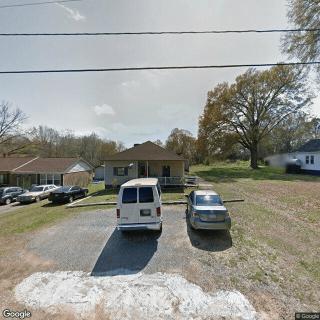
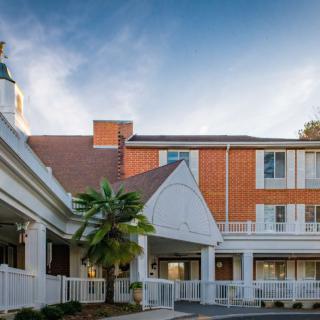
Catawba Valley Living At Rock Barn in Claremont, NC

4174 Shook Road, Claremont, NC 28610

For more information about senior living options: (844) 490-3973

3.9 from 25 reviews
5 stars
18
4 stars
0
3 stars
0
2 stars
0
1 stars
7

Assisted Living

Catawba Valley Living At Rock Barn Costs & Pricing

Catawba Valley Living at Rock Barn offers competitive pricing for its residential options, making it an attractive choice compared to both Catawba County and the broader North Carolina market. For instance, the semi-private room is priced at $2,100, which is notably lower than the county average of $2,225 and significantly more economical than the state average of $3,584. The studio option follows suit at $2,800 versus $3,021 for Catawba County and $4,020 statewide. Similarly, the one-bedroom unit is offered at $3,200 compared to the county's $3,744 and North Carolina's $4,055. Even for two-bedroom accommodations, Catawba Valley Living stands out with a cost of $4,200 against a county rate of $4,374 and a state average of $4,245. These figures suggest that residents can enjoy quality living arrangements at Catawba Valley Living at Rock Barn without straining their budgets excessively when compared to surrounding areas.

Floor plansCatawba Valley Living At Rock BarnCatawba CountyNorth Carolina
Semi-Private$2,100$2,225$3,584
Studio$2,800$3,021$4,020
1 Bedroom$3,200$3,744$4,055
2 Bedrooms$4,200$4,374$4,245

What level of care are you interested in?

Assisted Living

Memory Care

Independent Living

Skilled Nursing Facility

Continuing Care Retirement Community (CCRC)CCRC

Other


Request a tour at Catawba Valley Living At Rock Barn

    Overall Review of Catawba Valley Living At Rock Barn

    Pros

    • pro The mother appreciates the accommodating nature of the facility, even for last-minute arrangements.
    • pro Residents enjoy engaging activities that keep their minds active and foster interaction with staff and other residents.
    • pro A long-term resident loved the friendly staff and clean environment, contributing to her happiness at the facility.
    • pro Many families have had positive experiences over the years, with good food and overall satisfaction for their loved ones living there.

    Cons

    • pro The food in the assisted living community is awful, leading to complaints from residents.
    • pro Some residents were seen screaming for help in the hall due to insufficient staff support.
    • pro The air conditioning on 200 hall has been broken for about three weeks, resulting in uncomfortable temperatures.
    • pro The facility has noticeably declined in quality over the past year.
    • pro A visitor feels that potential new residents should thoroughly explore other options before choosing this community.

    Review

    The experiences of individuals with assisted living communities can vary significantly, as illustrated by the contrasting reviews regarding one particular facility. On one hand, a caregiver described a positive experience for her mother, who utilizes the facility for respite stays. This caregiver expressed appreciation for the accommodating nature of the staff, who were willing to make last-minute arrangements when necessary. The mother's enjoyment was evident; she thrived on the interaction with both staff and residents, benefiting from various activities designed to keep her mind engaged. Despite encountering negative reviews online about this facility, this caregiver's experience has been overwhelmingly positive, highlighting that personal experiences may differ widely.

    Conversely, another review paints a starkly different picture of life within an assisted living community. A visitor recounting their experience while supporting a friend detailed alarming conditions that they witnessed during their visit. Complaints emerged regarding the food quality; according to this reviewer, it left much to be desired. The situation escalated as several residents were heard screaming for help in the hallways, signaling distress and perhaps neglect within the facility. The staff appeared overwhelmed due to insufficient personnel to manage such emergencies effectively and care for residents adequately. This visitor noted that staff members were doing their best under difficult circumstances but ultimately indicated concern regarding the overall well-being of those residing there.

    Adding further context to this troubling scenario was the mention of malfunctioning air conditioning in one section of the building—specifically on "200 Hall." This critical issue had persisted for approximately three weeks, resulting in uncomfortable temperatures soaring to 85 degrees Fahrenheit in communal areas. The reviewer expressed disbelief at how residents could endure such conditions day after day and suggested that these problems contributed significantly to an environment that has seemingly deteriorated over time.

    Amidst these concerning observations from visitors seeking assistance for their friends or family members are accounts from families who have found satisfaction within similar facilities. For instance, another family shared their long-term positive experiences with this same assisted living community where they had placed a loved one for several years before relocating her closer to relatives. They emphasized cleanliness as a constant presence within the community and praised friendly interactions between staff and residents alike. Moreover, they expressed contentment with meal options available at the facility and affirmed that their loved one was genuinely happy there.

    It is essential to recognize this dichotomy; while some families find solace in knowing their loved ones receive excellent care in a nurturing environment replete with engaging activities and supportive staff interactions, other visitors witness struggling conditions fraught with distress signals from residents likely indicative of systematic failures within care provision models.

    Ultimately, these narratives serve as vital feedback mechanisms not only for potential new residents or caregivers considering placement options but also for facility management teams striving toward improvement and accountability in caregiving practices–an industry deeply rooted in compassion yet challenged by operational barriers occasionally neglected amid rising demands on resources and personnel. Thus emerges a clear call-to-action: prospective newcomers should diligently explore multiple options available while fostering open communication with existing residents or their families to better understand what life truly resembles inside these communities before making significant decisions affecting the lives of vulnerable seniors.

    Features

    Housing

    • 80 resident community capacity 80 resident community capacity

    Types of Care

    • Assisted Living Assisted LivingAssisted living facilities provide crucial support and care for seniors who may need help with daily tasks such as medication management, bathing, and meal preparation. These communities offer a safe and comfortable environment where seniors can maintain their independence while receiving the assistance they need to thrive in their golden years.

    Amenities

    • Activities off-site Activities off-siteEngaging in off-site activities is crucial for seniors to maintain social connections, stay active, and stimulate their minds. It promotes overall well-being and helps combat feelings of isolation and loneliness.
    • Activities on-site Activities on-siteActivities on-site are important for seniors because they provide opportunities for socialization, mental stimulation, physical activity, and overall well-being. Engaging in activities can help seniors stay active, maintain their independence, and improve their quality of life.
    • Air-conditioning Air-conditioningAir conditioning is important for seniors as they are more vulnerable to heat-related illnesses and may have underlying health conditions that make it difficult for them to regulate their body temperature. It helps to keep them comfortable, safe, and healthy in hot weather.
    • Bath tubs Bath tubsBath tubs are important for seniors because they provide a safe and relaxing way to bathe, helping to prevent slips and falls while promoting independence and overall well-being.
    • Beautician on-site Beautician on-siteHaving a beautician on-site at a senior living community is important for seniors as it allows them to easily access grooming and personal care services, boosting their self-esteem and overall well-being. It also provides convenience and helps seniors maintain their sense of independence and personal style.
    • Beauty salon Beauty salonBeauty salons are important for seniors because they provide a space for them to feel pampered, socialize, and maintain their personal grooming and hygiene. Regular visits to a beauty salon can help boost seniors' self-esteem and overall well-being.
    • Cable or satellite TV Cable or satellite TVCable or satellite TV is important for seniors because it provides entertainment, news, and companionship, helping to combat loneliness and boredom. It also offers a wide range of programming options tailored to different interests and preferences.
    • Computer center Computer centerA computer center is essential for seniors as it provides access to technology, communication tools, and resources that can enhance their daily lives. It allows them to stay connected with loved ones, engage in online activities, and learn new skills, ultimately promoting socialization and mental stimulation.
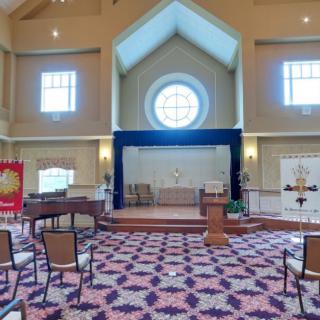
    • Devotional services on-site Devotional services on-siteDevotional services on-site provide seniors with spiritual support and a sense of community, as well as an opportunity for reflection and guidance during their senior living experience. This can promote emotional well-being and connection to others, leading to a more fulfilling and enriching lifestyle in their later years.
    • Dining room Dining roomDining rooms are important for seniors as they provide a space for socialization, connection, and nutritious meals. They offer opportunities for residents to bond over shared meals, foster a sense of community, and promote healthy eating habits. Dining rooms also ensure that seniors have access to well-balanced meals tailored to their dietary needs and preferences.
    • Fitness room Fitness roomHaving a fitness room in a senior living community is essential for seniors to stay active, maintain their physical health, and improve their overall well-being. Regular exercise can help prevent falls, reduce the risk of chronic diseases, and promote mental sharpness. It also provides social opportunities for residents to connect with others and enjoy a sense of community.
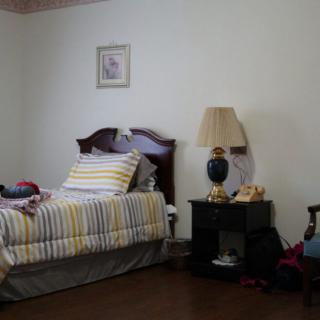
    • Fully furnished Fully furnishedFully furnished senior living communities are important for seniors because they provide convenience, comfort, and a hassle-free moving experience. Seniors can easily settle into their new living space without the stress of having to buy and move furniture. This allows them to focus on enjoying their new home and community.
    • Gaming room Gaming roomGaming rooms are important for seniors as they provide a fun and engaging environment for socializing, cognitive stimulation, and physical activity. Games can improve memory, problem-solving skills, and overall mental well-being while fostering friendships and reducing feelings of isolation.
    • Garden GardenGardens are important for seniors as they provide a peaceful and therapeutic environment for relaxation, physical activity, and socialization. Being in nature has been shown to reduce stress, improve mood, and promote overall well-being. Gardens also offer opportunities for seniors to engage in gardening activities, which can improve mobility, flexibility, and cognitive function. Additionally, gardens create a sense of community and connection with others who share a passion for plants and outdoor spaces.
    • Housekeeping services Housekeeping servicesHousekeeping services are important for seniors because they help maintain a clean and safe living environment, promote independence, and reduce the risk of accidents or illnesses. Additionally, having assistance with household chores can alleviate physical strain and allow seniors to focus on other aspects of their well-being.
    • Indoor common areas Indoor common areasIndoor common areas are crucial for seniors as they provide a space for socialization, recreation, and community engagement, promoting overall well-being and reducing feelings of isolation and loneliness.
    • Kitchenette KitchenetteKitchenettes are important for seniors living in senior living communities because they provide the convenience and independence of being able to prepare simple meals and snacks in the comfort of their own living space. This can help promote a sense of autonomy and well-being for seniors, allowing them to maintain some level of control over their dietary choices and daily routines.
    • Move-in coordination Move-in coordinationMove-in coordination is important for seniors because it helps ease the transition into their new living environment. It ensures that all logistics, such as packing, organizing movers, and setting up utilities are taken care of, allowing seniors to focus on settling in and adjusting to their new home. Having a smooth move-in process can alleviate stress and anxiety, making the transition smoother and more enjoyable for seniors.
    • Outdoor common areas Outdoor common areasOutdoor common areas are important for seniors as they provide a space for socialization, physical activity, and relaxation. Being outside in nature can improve mood and overall well-being, while also encouraging movement and engagement with others. These spaces can help combat feelings of isolation and promote a sense of community among residents.
    • Outdoor space Outdoor spaceOutdoor spaces are important for seniors as they provide opportunities for physical activity, social interaction, exposure to natural light and fresh air, and a sense of connection to nature. Having access to outdoor spaces can improve overall well-being and quality of life for older adults living in senior communities.
    • Private bathrooms Private bathroomsPrivate bathrooms are important for seniors in senior living communities because they provide independence, dignity, and comfort. Having a private bathroom allows seniors to maintain their personal hygiene routines without the need for assistance, promoting a sense of autonomy and privacy. Additionally, private bathrooms help prevent the spread of infections and provide a safe and clean environment for seniors to navigate safely.
    • Respite or short term stays offered Respite or short term stays offeredRespite or short term stays provide seniors with a temporary solution when their regular caregiver is unavailable, offering them the opportunity to receive additional care and support during times of need, while also giving caregivers a chance to rest and recharge.
    • Restaurant-style dining Restaurant-style diningRestaurant-style dining is important for seniors because it allows them to enjoy delicious, nutritious meals in a social and upscale setting. This enhances their dining experience, promotes healthy eating habits, and fosters socialization with fellow residents, ultimately contributing to their overall well-being and quality of life.
    • Small library Small librarySmall libraries are important for seniors as they provide access to a variety of reading materials, including books, newspapers, and magazines. This can help stimulate their minds, keep them engaged, and provide a sense of community through book clubs and other social activities. Additionally, reading has been shown to improve cognitive function and overall mental well-being in older adults.
    • Swimming pool / hot tub Swimming pool / hot tubSwimming pools and hot tubs are important for seniors as they provide a safe and enjoyable way to stay active, improve mobility, reduce joint pain, and promote relaxation. Regular use of these amenities can contribute to overall well-being and quality of life for older adults living in senior communities.
    • Telephone TelephoneTelephones are important for seniors as they provide a lifeline for communication with loved ones, emergency services, and healthcare providers. They offer a sense of security and independence, enabling seniors to stay connected and access assistance when needed.
    • Wellness center Wellness centerWellness centers are important for seniors because they offer a variety of programs and services that promote physical, mental, and emotional well-being. These centers provide opportunities for exercise, socialization, education, and relaxation, helping seniors maintain their overall health and quality of life.
    • Wheelchair accessible showers Wheelchair accessible showersWheelchair accessible showers are crucial for seniors as they provide a safe and independent bathing option for those with mobility challenges. These showers help prevent falls and allow seniors to maintain their dignity and autonomy while ensuring they can bathe comfortably.
    • Wi-Fi/high-speed internet available Wi-Fi/high-speed internet availableWi-Fi/high-speed internet is important for seniors to stay connected with loved ones, access online resources, and participate in virtual activities to combat feelings of loneliness and isolation. It also allows them to easily manage healthcare needs, access entertainment, and engage in lifelong learning opportunities.

    Transportation

    • Community operated transportation Community operated transportationCommunity operated transportation is crucial for seniors as it provides them with the means to access essential services, social activities, and medical appointments. It allows seniors to maintain their independence and quality of life by ensuring they can participate in activities outside of their homes. Additionally, community-operated transportation services offer a safe and reliable way for seniors to travel without having to rely on family or friends for assistance.
    • Transportation arrangement Transportation arrangementTransportation arrangements are crucial for seniors as they may face challenges with driving, mobility, or access to public transportation. Having reliable transportation services ensures that seniors can easily attend appointments, social activities, and maintain their independence and quality of life.
    • Transportation arrangement (non-medical) Transportation arrangement (non-medical)Transportation arrangements are essential for seniors as they provide access to essential services, activities, and social interactions outside the home. This service helps maintain independence, mobility, and overall well-being for seniors who may have limited transportation options.
    • Transportation to doctors appointments Transportation to doctors appointmentsTransportation to doctors appointments is crucial for seniors as it ensures they have access to necessary medical care and support, promoting their health and well-being. It allows them to receive timely treatment, monitor existing conditions, and address any new health concerns efficiently. Additionally, transportation services can help seniors maintain their independence and quality of life by enabling them to stay connected with their healthcare providers.

    Care Services

    • 12-16 hour nursing 12-16 hour nursing12-16 hour nursing care is crucial for seniors in order to ensure around-the-clock monitoring, timely medication administration, and prompt response to any health concerns or emergencies. This level of care helps to promote the overall well-being and safety of seniors living in senior living communities.
    • 24-hour call system 24-hour call system24-hour call systems are important for seniors because they provide peace of mind and immediate assistance in case of emergencies. This technology ensures that help is always available, promoting safety and security for elderly individuals living alone or in assisted living facilities.
    • 24-hour supervision 24-hour supervision24-hour supervision is important for seniors to ensure their safety, well-being, and access to immediate assistance in case of emergencies or health issues. This constant support provides peace of mind for both seniors and their loved ones, allowing them to age in place with dignity and security.
    • Activities of daily living assistance Activities of daily living assistanceActivities of daily living assistance are important for seniors because they provide essential support with tasks such as eating, bathing, dressing, and mobility. This assistance helps seniors maintain their independence, dignity, and overall quality of life as they age.
    • Ambulatory care Ambulatory care"Ambulatory care services provide essential medical support and treatment to seniors without requiring hospitalization, allowing them to maintain their independence and quality of life while managing chronic conditions or receiving routine medical care."
    • Assistance with bathing Assistance with bathingAssistance with bathing is crucial for seniors as it helps maintain personal hygiene, prevents infections, and ensures their overall well-being and comfort. It also provides a sense of dignity and independence for seniors who may struggle with this task on their own.
    • Assistance with dressing Assistance with dressingAssistance with dressing is important for seniors because it helps maintain their independence, promotes personal hygiene, prevents accidents and injuries, and improves overall quality of life. This service ensures that seniors can continue to dress comfortably and confidently, despite any physical limitations they may have.
    • Assistance with transfers Assistance with transfersAssistance with transfers is crucial for seniors as it helps prevent falls and injuries, maintains their independence, and ensures they can safely navigate their living environment. It also provides peace of mind for both seniors and their loved ones.
    • Diabetes diet Diabetes dietA diabetes diet is crucial for seniors as it helps manage blood sugar levels, reduce risks of complications, and improve overall health and well-being. By following a balanced and nutritious diet tailored to their specific needs, seniors can better control their diabetes and enhance their quality of life.
    • Diabetic care Diabetic careDiabetic care is crucial for seniors as they are more susceptible to developing diabetes due to aging and other health conditions. Proper management of diabetes can help prevent complications such as heart disease, vision loss, and nerve damage, improving the overall quality of life for seniors in senior living communities.
    • Meal preparation and service Meal preparation and serviceMeal preparation and service are crucial for seniors as they may have limited mobility or energy to cook nutritious meals. Having access to healthy and convenient food options can ensure they are getting the proper nutrition needed to maintain their overall health and well-being.
    • Medication management Medication managementMedication management is crucial for seniors to ensure they are taking the right medications at the correct dosages and times. This helps prevent adverse drug interactions, reduces the risk of medication errors, and promotes overall health and well-being. Proactive management also allows for adjustments as needed based on changing health conditions or new prescriptions.
    • Mental wellness program Mental wellness programMental wellness programs are essential for seniors as they promote cognitive stimulation, emotional support, and social engagement. These programs help prevent isolation, depression, and cognitive decline, ultimately enhancing the overall quality of life for older adults.
    • Special dietary restrictions Special dietary restrictionsSpecial dietary restrictions are important for seniors because age-related changes in metabolism and health conditions can make it difficult for their bodies to process certain foods. By following a diet tailored to their specific needs, seniors can maintain their overall health and well-being, manage chronic conditions, and reduce the risk of complications such as malnutrition or food interactions with medications.

    Dining

    • Diabetes diet Diabetes dietA diabetes diet is crucial for seniors as it helps manage blood sugar levels, reduce risks of complications, and improve overall health and well-being. By following a balanced and nutritious diet tailored to their specific needs, seniors can better control their diabetes and enhance their quality of life.
    • Meals provided Meals provided"Meals provided" are crucial for seniors in assisted living communities as it ensures they have access to nutritious, balanced meals without the stress of meal planning and preparation. This can help promote overall health and well-being for seniors who may have limited mobility or cognitive abilities.
    • Special dietary restrictions Special dietary restrictionsSpecial dietary restrictions are important for seniors because age-related changes in metabolism and health conditions can make it difficult for their bodies to process certain foods. By following a diet tailored to their specific needs, seniors can maintain their overall health and well-being, manage chronic conditions, and reduce the risk of complications such as malnutrition or food interactions with medications.
    • Vegetarian VegetarianA vegetarian diet is important for seniors because it can help lower the risk of chronic diseases, maintain a healthy weight, and provide essential nutrients needed for aging bodies. Additionally, plant-based diets are often easier on digestive systems and can contribute to overall well-being in older adults.

    Activities

    • Activities off-site Activities off-siteEngaging in off-site activities is crucial for seniors to maintain social connections, stay active, and stimulate their minds. It promotes overall well-being and helps combat feelings of isolation and loneliness.
    • Activities on-site Activities on-siteActivities on-site are important for seniors because they provide opportunities for socialization, mental stimulation, physical activity, and overall well-being. Engaging in activities can help seniors stay active, maintain their independence, and improve their quality of life.
    • Community-sponsored activities Community-sponsored activitiesCommunity-sponsored activities are important for seniors as they provide opportunities for social interaction, mental stimulation, and physical activity. These activities can help improve overall well-being, combat loneliness and isolation, and promote a sense of belonging and purpose among older adults.
    • Concierge services Concierge servicesConcierge services are essential for seniors as they provide assistance with daily tasks and errands, enhance their quality of life by offering convenience and personalized care, and promote a sense of safety and security.
    • Devotional activities on-site Devotional activities on-siteDevotional activities on-site provide seniors with a sense of community, spiritual fulfillment, and emotional support, promoting overall well-being and a positive sense of purpose in their lives.
    • Fitness programs Fitness programsFitness programs are crucial for seniors as they help improve strength, flexibility, balance, and overall well-being. Staying active can reduce the risk of chronic diseases, improve mental health, and enhance quality of life in older adults.
    • Planned day trips Planned day tripsPlanned day trips are important for seniors because they offer opportunities for socialization, mental stimulation, and physical activity. They provide a change of scenery and help seniors stay engaged and connected to their community, promoting overall well-being and quality of life.
    • Resident-run activities Resident-run activitiesResident-run activities are important for seniors as they encourage social interaction, creativity, and a sense of autonomy. These activities empower seniors to stay engaged and active in their community while fostering meaningful connections with their peers.
    • Scheduled daily activities Scheduled daily activitiesScheduled daily activities are important for seniors because they provide structure, socialization, mental stimulation, and physical activity. Engaging in regular activities can improve overall well-being and quality of life for seniors living in a community setting.

    Description

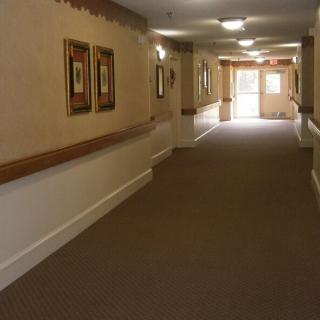
    Catawba Valley Living At Rock Barn in Claremont, NC is a premier assisted living community that offers a wide range of amenities and care services to enhance the quality of life for its residents. With an array of activities and services available on-site, residents can enjoy fulfilling and active lifestyles.

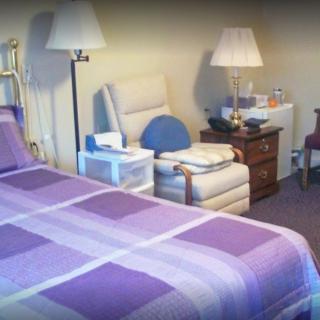
    The community boasts spacious and fully furnished apartments with modern amenities such as air-conditioning, cable or satellite TV, and Wi-Fi/high-speed internet. Residents can relax in their private bathrooms with bath tubs or take advantage of the communal outdoor spaces, including a beautiful garden and swimming pool/hot tub area.

    Catawba Valley Living At Rock Barn takes pride in providing exceptional care services to its residents. A 24-hour call system and supervision ensure that help is always readily available. Assistance with daily activities such as bathing, dressing, and transfers is provided by dedicated staff members. The community also offers specialized care for diabetes management, including diabetic diets and medication management.

    Residents can enjoy delicious meals prepared by the community's talented chefs in the elegant dining room, which offers restaurant-style dining options. Special dietary restrictions are accommodated, including vegetarian diets.

    Engaging activities are an integral part of life at Catawba Valley Living At Rock Barn. From on-site activities such as gaming rooms, fitness programs, and small library access to planned day trips organized by the community or resident-run activities, there is always something fun to do. Devotional services and mental wellness programs contribute to the overall well-being of residents.

    To ensure convenience and ease of transportation, the community offers community-operated transportation as well as assistance with arranging non-medical transportation to doctors' appointments. Move-in coordination is provided for those interested in joining the vibrant assisted living community.

    With its extensive amenities, exceptional care services, and enriching activities program, Catawba Valley Living At Rock Barn provides a warm and welcoming environment where seniors can feel at home while receiving the support they need.

    Nearby Places of Interest

    Parks

    • Lake Norman State Park (14.2 miles)

    Physicians

    • Primary Care Associates (14.7 miles)
    • PHC Sailview Family Medicine (19.9 miles)
    • Novant Health Lakeside Family Physicians (20 miles)
    • Northshore Orthopedics & Sports Medicine (20 miles)
    • Piedmont Healthcare (20.4 miles)
    • Shuping George DDS MS PA (20.7 miles)
    • Lake Norman Internal Medicine (21 miles)

    Pharmacies

    • CVS Pharmacy (14.8 miles)
    • Walgreens (19.6 miles)
    • CVS Pharmacy (20.1 miles)
    • Walgreens (20.1 miles)
    • Crp USA (20.8 miles)
    • CVS Pharmacy (23.3 miles)
    • Walgreens (23.3 miles)

    Restaurants

    • Taco and Tequila Mexican Restaurant (18.3 miles)
    • Bojangles' Famous Chicken 'n Biscuits (18.6 miles)
    • Waffle House (19.5 miles)
    • Kickback Jack's (19.6 miles)
    • Hickory Tavern (19.7 miles)
    • McDonald's (19.7 miles)
    • Duckworth's Grill & Taphouse Mooresville (20 miles)

    Cafes

    • Starbucks (19.6 miles)
    • Clutch Coffee Bar (21.6 miles)
    • Starbucks (22.4 miles)
    • Urban Grind Roasters - Artisan Coffee (23.1 miles)

    Theaters

    • AmStar 14 - Mooresville Theatre (20.9 miles)

    Places of Worship

    • St Therese Catholic Church (21.7 miles)
    • Riverview Baptist Church (22.8 miles)
    • First Presbyterian Church (23.1 miles)
    • Cove Church (23.5 miles)

    Frequently Asked Questions

    How much does it cost to live at Catawba Valley Living At Rock Barn in Claremont, NC?
    Where is Catawba Valley Living At Rock Barn?

    Nearby Communities

    • Professional Family Care

      Professional Family Care

      Conover, NC

      2 from 2 reviews
       

      pro Small, home-like setting with personalized care and comprehensive daily support.

    • The Alberta House

      The Alberta House

      Conover, NC

      4 from 1 review
       

      pro Small, personalized care with 24/7 supervision and broad amenities.

    • Heritage Care Of Conover

      Heritage Care Of Conover

      Conover, NC

      3.7 from 11 reviews
      $1,900 to $3,800 / month

      pro Caring, long-tenured staff and a family-like atmosphere with personalized resident attention.

    • Conover Nursing And Rehab Center

      Conover Nursing And Rehab Center

      Conover, NC

      3.6 from 30 reviews
       

      pro Clean facility with engaging activities and varied dining options.

    • Austin Adult Care

      Austin Adult Care

      Conover, NC

      1.5 from 10 reviews
       

      pro Friendly staff and a welcoming atmosphere with positive dining feedback from some visitors.

    • Piedmont Village At Newton

      Piedmont Village At Newton

      Newton, NC

      2 from 6 reviews
      $1,800 to $7,000 / month

      pro Competitive pricing with on-site amenities and comprehensive care.

    • Springs Of Catawba

      Springs Of Catawba

      Hickory, NC

      4.4 from 61 reviews
       

      pro Specialized memory care with comprehensive amenities and personalized care

    • Abernethy Laurels

      Abernethy Laurels

      Newton, NC

      3.7 from 83 reviews
       

      pro Caring, experienced staff in a clean, welcoming facility with comprehensive services.

    • Kingston Residence of Hickory

      Kingston Residence of Hickory

      Hickory, NC

      4.7 from 51 reviews
      $1,525 to $2,725 / month

      pro Attentive staff in a clean, spacious environment with engaging activities.

    Related Resources

    • when to move from assisted living to memory careWhen to Transition from Assisted Living to Memory Care: Key Indicators, Steps, and Finding the Right Community

      Transitioning from assisted living to memory care is driven by an individual's cognitive decline and specific needs, requiring careful evaluation of indicators like increased confusion and wandering. The process involves consulting medical professionals, researching suitable communities, considering financial and legal aspects, and ensuring effective communication for personalized care plans.

    • assisted living vs memory careAssisted Living and Memory Care: Understanding Their Core Differences

      Assisted living provides moderate support for seniors seeking independence, while memory care offers specialized support for individuals with dementia or cognitive impairments through structured routines and trained staff. Key differences include care approaches, environment security measures, staff training levels, activity types, and cost considerations.

    • assisted living activitiesBeyond the Bingo Hall: 50+ Enriching Activities for Seniors in Assisted Living

      Assisted living communities offer diverse activities beyond traditional games to enhance seniors' physical health, cognitive well-being, emotional enrichment, and social connections, including fitness classes, creative expression, and intergenerational interactions. These enriching programs foster community bonds and support residents' independence and happiness.


    Get Pricing Ask A Question Schedule A Tour Contact Senior Advisor