
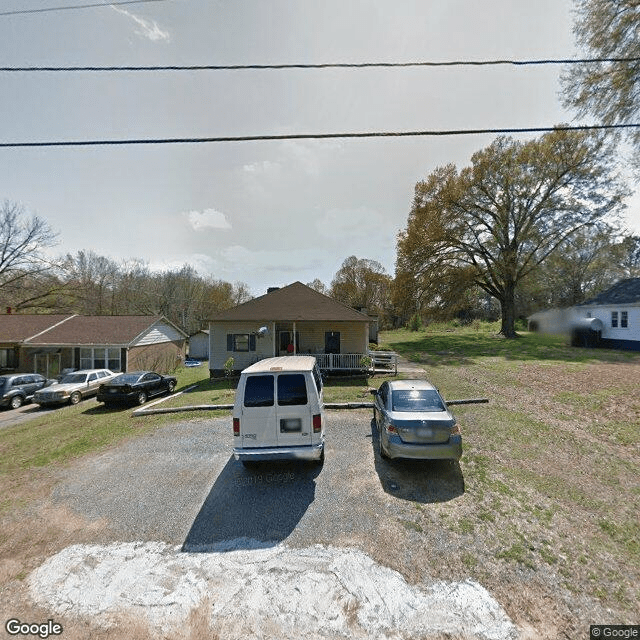
906 3rd Street SE, Conover, NC 28613
For more information about senior living options: (866) 208-4318
Overall Review of Professional Family Care
Cons
 They say professional family care no longer exists on Google because it was bought out.
- They note that one of the two houses is always noisy, except when it's raining.
Review
This community in Conover, NC is best suited for families seeking a small, home-like assisted living option where personal attention may outperform a larger campus atmosphere, provided there is up-to-date clarity on who currently manages the operation. The two-house footprint implies a more intimate setting, which can translate into closer caregiver relationships and a less clinical feel. That upside, however, rides on current ownership and governance being clearly established and stable. If the family’s priority is a predictable, well-documented management structure as part of the care plan, this facility should not be the default choice without confirming who runs it today and what services are actually being delivered.
Those who should consider alternatives are families that prize transparent branding, consistent leadership, and a liner-notes-style assurance of continuity. The blunt note that “they were bought out” points to potential brand confusion and leadership turnover, realities that can ripple into staffing stability, policy changes, and the reliability of routines residents depend on. For seniors with complex medical needs, memory support, or a schedule that requires predictable staffing and documented care protocols, options with clear ownership histories and steady management are typically safer bets. In short, if certainty matters now, prospective residents should look elsewhere until ownership and operation are fully clarified.
The pros of a smaller, house-based environment can be appealing in theory: easier access to caregivers, a warmer living space, and a less formal atmosphere that can foster a sense of belonging. Yet these advantages are easily overwhelmed by the most salient cons here: uncertainty about who is actually running the place and how long that leadership will stay in place, plus a tangible issue with noise that disrupts daily living. The existence of one or more houses suggests potential for individualized attention, but without stable governance, the expected care consistency may not materialize. In this calculus, the absence of a clear operator and the unsettled branding undermine the value of a homier setting.
The specific negative signal about noise cannot be dismissed. A resident living diagonally across notes that one of the two houses is “always noisy except when it’s raining.” For seniors, persistent ambient noise can aggravate sleep disturbances, elevate stress, and complicate conditions such as dementia or hearing impairment. Even if staff are attentive and compassionate, a noisy external environment erodes the quality of rest and recovery, which are central to ongoing health and safety. When the primary advantage, an intimate, home-like environment, collides with audible disruption, the net benefit collapses unless concrete noise-mitigation measures are demonstrated and maintained.
To move forward with confidence, families should pursue a disciplined evaluation process. Verify the current ownership and management structure with the local licensing authority and the operator’s corporate entity, and request written confirmation of who is operating day-to-day. Schedule on-site tours at different times to observe staff interactions, resident activity, and how the two-house configuration functions in practice. Ask for recent inspection reports, staff-to-resident ratios, and a clear list of services offered (medication management, daily living assistance, and any memory care supports). Speak with current residents or families privately to gauge stability, communication, and whether policies have changed recently. Finally, obtain a written, up-to-date contract that spells out services, pricing, and termination terms to prevent future surprises.
In the end, the recommendation is pragmatic and decisive: if stability, transparent branding, and predictable care are priorities, steer toward alternatives with clear ownership and proven continuity. If the appeal rests on a small, home-like setting and the ownership question can be resolved with definitive, current information and visible steps toward stabilizing management, a careful, informed visit is warranted. Until those assurances are provided, proceed with caution, treating this community as a potential option only after thorough verification that the current operator is known, accountable, and actively maintaining a quiet, safe living environment for residents.
 6 resident community capacity
 Assisted Living
 Board and Care Home
 Cable or satellite TV
 Dining room
 Fully furnished
 Garden
 Housekeeping services
 Move-in coordination
 Outdoor space
 Telephone
 Wi-Fi/high-speed internet available
 24-hour supervision
 Activities of daily living assistance
 Assistance with bathing
 Assistance with dressing
 Assistance with transfers
 Diabetes diet
 Meal preparation and service
 Medication management
 Special dietary restrictions
 Transportation arrangement (medical)
 Transportation to doctors appointments
 Small, personalized care with 24/7 supervision and broad amenities.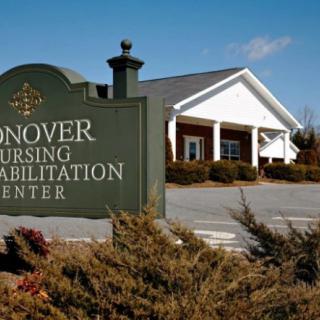



 An Extensive Exploration of the VA Aid and Attendance Benefit
 Senior Transition Services: Understanding Their Role, Cost, and Importance
 Exploring the Path to Senior Living: A Comprehensive Look at Independent Living and Assisted Living