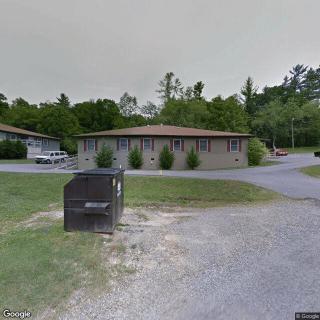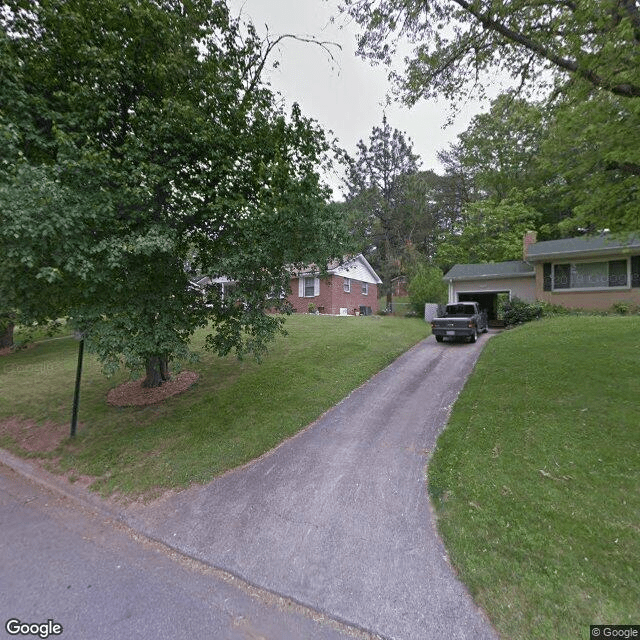
Angel House VI in Asheville, NC

Save
Angel House VI

Angel House VI in Asheville, NC

Information last verified:

60-F Hornot Circle, Asheville, NC 28806

For more information about senior living options: (844) 490-3973

2.5 from 8 reviews
5 stars
3
4 stars
0
3 stars
0
2 stars
0
1 stars
5

Overall Review of Angel House VI

Pros

  • pro The sister received very good care at Angel House.
  • pro The staff are very nice and the admin does everything she can to help.
  • pro The facility is clean and there are friendly staff, with not too many per house.
  • pro They would definitely recommend it to Asheville families.
  • pro The admin seems really nice.

Cons

  • pro The facility is very unsanitary.
  • pro The caretakers are abusive and fail to meet residents' special needs, including diabetes care.
  • pro There are HIV-positive residents and staff take no precautions.
  • pro There are illegal paperwork practices and non-compliance with state regulations.
  • pro It is not safe to send a loved one there; it is an unfit place to live.
  • pro Patricia at House A is described as very rude.
  • pro The staff are extremely disrespectful and unprofessional, including disconnecting or ignoring urgent phone calls.

Review

Angel House VI in Asheville is best understood as a small, house-based option that will appeal to families who want a very intimate, home-like setting and are prepared to supervise care closely. It is not well suited for seniors who rely on dependable medical oversight or who have complex health needs. Several reviews allege unsanitary conditions, abusive caregiver behavior, and inadequate medical support, including questions about diabetes and HIV care in residents. For families prioritizing safety, consistent care, and regulatory compliance, alternatives should be on the top of the list.

Explicitly, those who need guaranteed medical management or cannot tolerate potential noncompliance or unanswered communications should consider other options. Review patterns include reports of poor phone responsiveness and communication gaps, and at least one note of a state-board inquiry or non-compliance concerns. In short, the risk profile is sufficiently high that a conservative family would move toward other communities that offer stronger oversight and clearer accountability.

On the positive side, a minority of accounts describe a clean environment, a setting that isn’t overcrowded, and staff who are friendly, with an administrator who appears willing to help. These points can translate into a welcoming daily routine for residents whose needs are relatively straightforward and who do not require intensive medical management. The small-house format can provide privacy and a sense of routine familiarity that larger campuses may not match. Yet these seemingly minor positives do not reliably counter the most serious concerns raised by other reviewers.

Families evaluating Angel House VI should demand concrete assurances before making any move. Seek out state inspection reports and any corrective actions taken, and request details on staff training, background checks, and the facility’s medication management protocols. Insist on a written, resident-specific care plan for diabetes, infection control, and other chronic conditions, and observe interactions between caregivers and residents during a visit. Test the responsiveness of the administration by calling at different times of day and asking to speak with multiple staff members and residents. A transparent, proactive communication pattern is essential to offset the facility’s red flags.

Alternatives should be considered for anyone with even modest safety nonnegotiables. Look for Asheville-area communities with strong licensing histories, clear policies on resident rights, consistent staff-to-resident ratios, and stable leadership. Compare how facilities handle medical needs, emergency procedures, and family updates; schedule visits, talk with current residents and families, and verify there are formal processes for escalating concerns. A facility with a documented culture of compliance and reliable, respectful care will typically outperform Angel House VI on both safety and day-to-day quality of life.

The bottom line is clear: Angel House VI carries notable safety and compliance risks that cannot be dismissed. It may be a choice for families who can tolerate ongoing oversight, have no alternative, and are prepared to intervene quickly if problems arise. For most seniors, especially those with medical needs or who require consistent, respectful care, other Asheville options are strongly advised. A careful, structured due diligence process is essential, and if red flags persist, the prudent move is onward to a community with demonstrable safety, clear communication, and dependable care.

Features

Housing

  • 6 resident community capacity 6 resident community capacity

Types of Care

  • Assisted Living Assisted LivingAssisted living facilities provide crucial support and care for seniors who may need help with daily tasks such as medication management, bathing, and meal preparation. These communities offer a safe and comfortable environment where seniors can maintain their independence while receiving the assistance they need to thrive in their golden years.
  • Board and Care Home Board and Care HomeBoard and care homes provide a smaller, more intimate setting for seniors who require assistance with daily tasks but do not need the level of care offered by a nursing home. They offer personalized care, meals, and social activities in a homelike environment, ensuring that seniors receive individualized attention and support in their golden years.

Amenities

  • Activities on-site Activities on-siteActivities on-site are important for seniors because they provide opportunities for socialization, mental stimulation, physical activity, and overall well-being. Engaging in activities can help seniors stay active, maintain their independence, and improve their quality of life.
  • Cable or satellite TV Cable or satellite TVCable or satellite TV is important for seniors because it provides entertainment, news, and companionship, helping to combat loneliness and boredom. It also offers a wide range of programming options tailored to different interests and preferences.
  • Devotional services off-site Devotional services off-siteDevotional services off-site are important for seniors as they provide spiritual nourishment, social engagement, and a sense of community outside of the senior living facility. This can enhance overall well-being and help combat feelings of isolation and loneliness often experienced by older adults.
  • Dining room Dining roomDining rooms are important for seniors as they provide a space for socialization, connection, and nutritious meals. They offer opportunities for residents to bond over shared meals, foster a sense of community, and promote healthy eating habits. Dining rooms also ensure that seniors have access to well-balanced meals tailored to their dietary needs and preferences.
  • Fully furnished Fully furnishedFully furnished senior living communities are important for seniors because they provide convenience, comfort, and a hassle-free moving experience. Seniors can easily settle into their new living space without the stress of having to buy and move furniture. This allows them to focus on enjoying their new home and community.
  • Garden GardenGardens are important for seniors as they provide a peaceful and therapeutic environment for relaxation, physical activity, and socialization. Being in nature has been shown to reduce stress, improve mood, and promote overall well-being. Gardens also offer opportunities for seniors to engage in gardening activities, which can improve mobility, flexibility, and cognitive function. Additionally, gardens create a sense of community and connection with others who share a passion for plants and outdoor spaces.
  • Housekeeping services Housekeeping servicesHousekeeping services are important for seniors because they help maintain a clean and safe living environment, promote independence, and reduce the risk of accidents or illnesses. Additionally, having assistance with household chores can alleviate physical strain and allow seniors to focus on other aspects of their well-being.
  • Indoor common areas Indoor common areasIndoor common areas are crucial for seniors as they provide a space for socialization, recreation, and community engagement, promoting overall well-being and reducing feelings of isolation and loneliness.
  • Move-in coordination Move-in coordinationMove-in coordination is important for seniors because it helps ease the transition into their new living environment. It ensures that all logistics, such as packing, organizing movers, and setting up utilities are taken care of, allowing seniors to focus on settling in and adjusting to their new home. Having a smooth move-in process can alleviate stress and anxiety, making the transition smoother and more enjoyable for seniors.
  • Outdoor space Outdoor spaceOutdoor spaces are important for seniors as they provide opportunities for physical activity, social interaction, exposure to natural light and fresh air, and a sense of connection to nature. Having access to outdoor spaces can improve overall well-being and quality of life for older adults living in senior communities.
  • Telephone TelephoneTelephones are important for seniors as they provide a lifeline for communication with loved ones, emergency services, and healthcare providers. They offer a sense of security and independence, enabling seniors to stay connected and access assistance when needed.
  • Wi-Fi/high-speed internet available Wi-Fi/high-speed internet availableWi-Fi/high-speed internet is important for seniors to stay connected with loved ones, access online resources, and participate in virtual activities to combat feelings of loneliness and isolation. It also allows them to easily manage healthcare needs, access entertainment, and engage in lifelong learning opportunities.

Transportation

  • Asheville Regional (13 miles away) Asheville Regional (13 miles away)

Care Services

  • 24-hour supervision 24-hour supervision24-hour supervision is important for seniors to ensure their safety, well-being, and access to immediate assistance in case of emergencies or health issues. This constant support provides peace of mind for both seniors and their loved ones, allowing them to age in place with dignity and security.
  • Activities of daily living assistance Activities of daily living assistanceActivities of daily living assistance are important for seniors because they provide essential support with tasks such as eating, bathing, dressing, and mobility. This assistance helps seniors maintain their independence, dignity, and overall quality of life as they age.
  • Ambulatory care Ambulatory care"Ambulatory care services provide essential medical support and treatment to seniors without requiring hospitalization, allowing them to maintain their independence and quality of life while managing chronic conditions or receiving routine medical care."
  • Assistance with bathing Assistance with bathingAssistance with bathing is crucial for seniors as it helps maintain personal hygiene, prevents infections, and ensures their overall well-being and comfort. It also provides a sense of dignity and independence for seniors who may struggle with this task on their own.
  • Assistance with dressing Assistance with dressingAssistance with dressing is important for seniors because it helps maintain their independence, promotes personal hygiene, prevents accidents and injuries, and improves overall quality of life. This service ensures that seniors can continue to dress comfortably and confidently, despite any physical limitations they may have.
  • Assistance with transfers Assistance with transfersAssistance with transfers is crucial for seniors as it helps prevent falls and injuries, maintains their independence, and ensures they can safely navigate their living environment. It also provides peace of mind for both seniors and their loved ones.
  • Coordination with health care providers Coordination with health care providersCoordination with health care providers is crucial for seniors to ensure proper medical care, medication management, and overall well-being. This collaboration helps prevent overlapping treatments, track progress more effectively, and provide comprehensive support tailored to individual needs.
  • Diabetes diet Diabetes dietA diabetes diet is crucial for seniors as it helps manage blood sugar levels, reduce risks of complications, and improve overall health and well-being. By following a balanced and nutritious diet tailored to their specific needs, seniors can better control their diabetes and enhance their quality of life.
  • Diabetic care Diabetic careDiabetic care is crucial for seniors as they are more susceptible to developing diabetes due to aging and other health conditions. Proper management of diabetes can help prevent complications such as heart disease, vision loss, and nerve damage, improving the overall quality of life for seniors in senior living communities.
  • Meal preparation and service Meal preparation and serviceMeal preparation and service are crucial for seniors as they may have limited mobility or energy to cook nutritious meals. Having access to healthy and convenient food options can ensure they are getting the proper nutrition needed to maintain their overall health and well-being.
  • Medication management Medication managementMedication management is crucial for seniors to ensure they are taking the right medications at the correct dosages and times. This helps prevent adverse drug interactions, reduces the risk of medication errors, and promotes overall health and well-being. Proactive management also allows for adjustments as needed based on changing health conditions or new prescriptions.
  • Special dietary restrictions Special dietary restrictionsSpecial dietary restrictions are important for seniors because age-related changes in metabolism and health conditions can make it difficult for their bodies to process certain foods. By following a diet tailored to their specific needs, seniors can maintain their overall health and well-being, manage chronic conditions, and reduce the risk of complications such as malnutrition or food interactions with medications.
  • Transportation arrangement (medical) Transportation arrangement (medical)Transportation arrangements for medical purposes are essential for seniors as they may have difficulty driving themselves to appointments or accessing public transportation. Having reliable and safe transportation options ensures that seniors can receive timely medical care and maintain their health and well-being.
  • Transportation to doctors appointments Transportation to doctors appointmentsTransportation to doctors' appointments is crucial for seniors as it ensures they have access to necessary medical care and support for their health needs. Without reliable transportation, seniors may struggle to attend important appointments, leading to potential delays in treatment and health complications. Providing transportation services helps seniors maintain their overall well-being and quality of life.

Dining

  • Diabetes diet Diabetes dietA diabetes diet is crucial for seniors as it helps manage blood sugar levels, reduce risks of complications, and improve overall health and well-being. By following a balanced and nutritious diet tailored to their specific needs, seniors can better control their diabetes and enhance their quality of life.
  • Meals provided Meals provided"Meals provided" are crucial for seniors in assisted living communities as it ensures they have access to nutritious, balanced meals without the stress of meal planning and preparation. This can help promote overall health and well-being for seniors who may have limited mobility or cognitive abilities.
  • Special dietary restrictions Special dietary restrictionsSpecial dietary restrictions are important for seniors because age-related changes in metabolism and health conditions can make it difficult for their bodies to process certain foods. By following a diet tailored to their specific needs, seniors can maintain their overall health and well-being, manage chronic conditions, and reduce the risk of complications such as malnutrition or food interactions with medications.

Activities

  • Activities on-site Activities on-siteActivities on-site are important for seniors because they provide opportunities for socialization, mental stimulation, physical activity, and overall well-being. Engaging in activities can help seniors stay active, maintain their independence, and improve their quality of life.
  • Community-sponsored activities Community-sponsored activitiesCommunity-sponsored activities are important for seniors as they provide opportunities for social interaction, mental stimulation, and physical activity. These activities can help improve overall well-being, combat loneliness and isolation, and promote a sense of belonging and purpose among older adults.
  • Devotional activities offsite Devotional activities offsiteDevotional activities offsite are important for seniors because they provide social engagement, spiritual growth, and a sense of community outside of their living environment. This can improve overall well-being, mental health, and combat feelings of isolation or loneliness.
  • Scheduled daily activities Scheduled daily activitiesScheduled daily activities are important for seniors because they provide structure, socialization, mental stimulation, and physical activity. Engaging in regular activities can improve overall well-being and quality of life for seniors living in a community setting.

Description

Angel House VI is a board and care home located in Asheville, NC. This warm and inviting community offers a range of amenities and care services to meet the needs of its residents.

Residents can enjoy their favorite shows and programs with cable or satellite TV in the comfort of their fully furnished rooms. They also have the opportunity to participate in devotional services off-site for spiritual enrichment.

Meals are provided in a spacious dining room, with special dietary restrictions accommodated. Housekeeping services ensure that the living spaces are always clean and well-maintained.

Indoor common areas provide a cozy space for socializing and engaging in community-sponsored activities. Residents can also relax outdoors in the garden or take advantage of the available outdoor space for some fresh air.

The staff at Angel House VI are dedicated to providing personalized care to each resident. They assist with activities of daily living, such as bathing, dressing, and transfers. Regular coordination with health care providers ensures that each resident's medical needs are met, including diabetes care and medication management.

Transportation arrangements can be made for medical appointments, ensuring that residents have convenient access to healthcare services when needed.

In addition to the amenities and care services offered, Angel House VI is conveniently located near various cafes, parks, pharmacies, physicians' offices, restaurants, places of worship, and hospitals. This provides residents with easy access to everyday conveniences and recreational opportunities.

Overall, Angel House VI is an assisted living community that strives to provide a comfortable and enriching environment where residents can receive quality care while enjoying a variety of amenities and nearby attractions.

Nearby Places of Interest

This area of Asheville, North Carolina offers a diverse range of amenities within close proximity. With various dining options such as Zillicoah Beer Company, Salvage Station, and Whit's Frozen Custard nearby, residents can enjoy a variety of culinary experiences. Additionally, there are several healthcare facilities including Pisgah Institute and MAHEC Family Health Center at Newbridge for convenient medical care. For leisure activities, Memorial Stadium and Tanbark Ridge Overlook provide opportunities to enjoy outdoor spaces. Places of worship such as St John's Episcopal Church and St Joan of Arc Roman Catholic Church offer spiritual support for those seeking a community connection. Overall, this area boasts a mix of services and recreational opportunities that could appeal to seniors looking for a vibrant and convenient living environment in Asheville.

Restaurants

  • Zillicoah Beer Company (0.4 miles)
  • Salvage Station (1.6 miles)
  • Whit's Frozen Custard (1.7 miles)
  • McDonald's (1.7 miles)
  • River Duck (1.8 miles)
  • Avenue M (1.8 miles)
  • Five Points Restaurant (1.8 miles)

Physicians

  • Pisgah Institute (0.9 miles)
  • MAHEC Family Health Center at Newbridge (1.4 miles)
  • Dedman Karen MD (1.8 miles)
  • Jody S Harrison (2.2 miles)
  • Dermatology of North Asheville (2.2 miles)
  • The Eye Center (2.2 miles)
  • Anthony Weisenberger, MD (2.4 miles)

Hospitals

  • Highland Hospital (1 miles)
  • Mission Hospital Operating Room (3.5 miles)
  • Mission St Joseph's (6.1 miles)

Pharmacies

  • CVS Pharmacy (1.6 miles)
  • Walgreens (1.9 miles)
  • Ingles Market (2 miles)
  • Walgreens (2.3 miles)
  • Genoa Healthcare (2.7 miles)
  • Walgreens (2.8 miles)
  • Good Neighbor Pharmacy (2.8 miles)

Cafes

  • Starbucks (2.2 miles)
  • Pollen (2.3 miles)
  • High Five Coffee (2.3 miles)
  • Green Sage Cafe Downtown (2.3 miles)
  • Vortex Doughnuts (2.6 miles)
  • Taco Billy (2.7 miles)
  • BattleCat Coffee Bar (2.8 miles)

Parks

  • Memorial Stadium (2.9 miles)
  • Tanbark Ridge Overlook (6 miles)

Places of Worship

  • St John's Episcopal Church (4.5 miles)
  • St Joan of Arc Roman Catholic Church (6.3 miles)

Frequently Asked Questions

Where is Angel House VI?

Nearby Communities

  • Angel House III

    Angel House III

    Asheville, NC

    2.5 from 8 reviews
     

    pro Fully furnished rooms with meals, housekeeping, activities, and personalized care in a small, community-focused setting.

  • Angel House V

    Angel House V

    Asheville, NC

    2.3 from 9 reviews
     

    pro Some staff provide appropriate care and paperwork is filed promptly.

  • Angel House VII

    Angel House VII

    Asheville, NC

    2.5 from 8 reviews
     

    pro Small, intimate board-and-care with comprehensive care and on-site amenities.

  • Angel House 1

    Angel House 1

    Asheville, NC

    2.5 from 8 reviews
     

    pro Intimate 6-bed board-and-care with personalized care and comprehensive daily living support.

  • Angel House IV

    Angel House IV

    Asheville, NC

    2.5 from 8 reviews
     

    pro Fully furnished rooms with 24-hour supervision and ADL assistance.

  • Angel House 2

    Angel House 2

    Asheville, NC

    2.5 from 8 reviews
     

    pro Small 6-bed board-and-care with personalized meals, medication management, 24-hour supervision, and engaging activities.

  • Richmond Hill

    Richmond Hill

    Asheville, NC

     
    $3,000 / month

    pro Personalized diabetic care with affordable $3,000/month pricing

  • Harmony At Reynolds Mountain

    Harmony At Reynolds Mountain

    Asheville, NC

    4.1 from 173 reviews
    $4,340 to $6,000 / month

    pro Beautiful views, spacious rooms, and caring staff with active social programs.

  • Emerald Ridge

    Emerald Ridge

    Asheville, NC

    2.8 from 56 reviews
     

    pro Compassionate staff (e.g., Erica) and helpful admissions team (Ginger J.) with therapy dogs.

Related Resources

  • active senior livingVibrant Senior Living: A Comprehensive Guide for Active Older Adults

    Vibrant Senior Living emphasizes active senior living communities that promote independence and engagement through diverse amenities and activities, fostering wellness and social interaction among older adults. These communities range from independent to assisted living, with a focus on personal growth, family involvement, financial planning, and leveraging technology to enhance residents' experiences.

  • when to move from assisted living to memory careWhen to Transition from Assisted Living to Memory Care: Key Indicators, Steps, and Finding the Right Community

    Transitioning from assisted living to memory care is driven by an individual's cognitive decline and specific needs, requiring careful evaluation of indicators like increased confusion and wandering. The process involves consulting medical professionals, researching suitable communities, considering financial and legal aspects, and ensuring effective communication for personalized care plans.

  • assisted living vs memory careAssisted Living and Memory Care: Understanding Their Core Differences

    Assisted living provides moderate support for seniors seeking independence, while memory care offers specialized support for individuals with dementia or cognitive impairments through structured routines and trained staff. Key differences include care approaches, environment security measures, staff training levels, activity types, and cost considerations.