
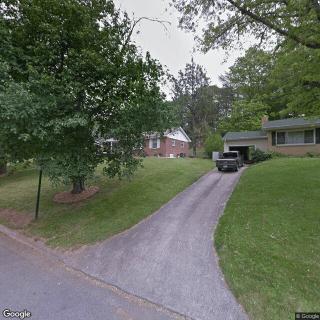
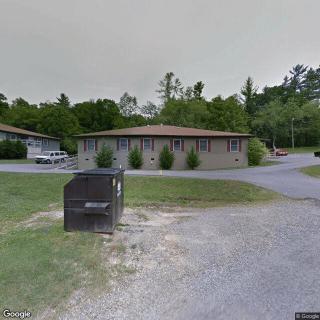
60 G Hornot Circle, Asheville, NC 28806
For more information about senior living options: (866) 208-4318
Overall Review of Angel House 2
Pros
 The sister received very good care at Angel House.
- The facility is clean with friendly staff, not too many per house.
- The admin seems really nice and helpful.
- They would definitely recommend Angel House to Asheville families.
Cons
 The facility is described as unsanitary with abusive caretakers who fail to adequately care for residents with diabetes or HIV.
- Illegal paperwork practices and non-compliance with standards were reported to the State board.
- It is advised not to send a loved one there, described as an unfit place to live.
- Patricia at House A is described as very rude.
- The place is characterized as terrible, with staff who care nothing about residents or the neighborhood, and a call for it to be shut down.
- The staff are described as extremely disrespectful and unprofessional, including disconnecting urgent calls.
- Urgent matters are alleged to have been ignored, with phone lines left busy for extended periods.
Review
This community is best suited for families seeking a small, home-like setting where direct access to a hands-on administrator creates a sense of personal attention. Angel House 2 operates in a house-style model that appeals to residents who prefer quiet pathways, fewer residents per living space, and a daily rhythm that feels intimate rather than institutional. The strongest case for suitability rests on the perceived warmth of some staff and the impression that care can feel personal when oversight is tight. For families comfortable with active engagement and ongoing observation, the setting can deliver meaningful everyday support. It is not likely to satisfy those who need robust medical management, formal clinical protocols, or unwavering consistency across all shifts.
Yet this community carries substantial risk signals. Multiple accounts describe unsanitary conditions and abusive caretakers, with one review warning that the facility is unfit for any loved one. Allegations include inadequate handling of chronic conditions like diabetes, and even HIV-positive residents treated without appropriate precautions or safeguards. Reports of illegal paperwork practices and non-compliance with state requirements surface repeatedly, undermining trust in governance and safety. The combination of regulatory concerns and pervasive communication issues creates a backdrop where safety and accountability feel unreliable, especially for families counting on consistent, respectful care.
On the upside, there are glimpses of reliability that can matter in real life. Some residents benefit from genuinely friendly staff, clean spaces during visits, and an administrator who appears to take action when engaged. Reviews from long-tenured residents suggest moments of stable routine and approachable leadership, with small-house dynamics that keep care personal. These positives show that when conditions are right, the operation can deliver the kind of attentive, intimate care that families want. The obstacle is whether these favorable conditions are the norm or the exception. When serious red flags exist, disputes about ethics, mismanagement, or unresponsiveness, the favorable moments lose their credibility as a reliable baseline.
Families evaluating options should compare this community to facilities with proven safety records and regulator-facing transparency. If the risk profile in Angel House 2 feels too volatile, it's prudent to look elsewhere, particularly for residents with complex medical needs or those requiring strict documentation. In any consideration of Angel House 2, insist on clear policies for managing chronic diseases, verification of staff qualifications, and a guaranteed, written channel for urgent concerns. Consider third-party care management or a trial period with frequent visits before committing. In short, seek places where governance, safety, and caregiver accountability are verifiable and consistent.
To decide with confidence, perform due diligence beyond a tour. Check the latest licensing and inspection history, request recent incident logs, and talk with a supervisor about how problems are tracked and resolved. Observe day-to-day operations discreetly: meal service, hygiene, medication rounds, and how staff interact with residents. Ask for current references from families with similar needs and verify staff training specifically for chronic conditions. Confirm after-hours support and a clear escalation path. Document commitments in writing, and verify their implementation before any move.
Bottom line: Angel House 2 demands cautious optimism. For families prioritizing safety, predictable care, and regulatory confidence, stronger options exist where governance is transparent and outcomes are consistent. Only explore this community if thorough, independent verification confirms that the positives can be reliably replicated and that serious red flags are absent or fully addressed. Otherwise, steer toward facilities with stronger compliance records and a track record of steady, compassionate care, ensuring loved ones receive not just attention, but accountable, high-quality care at every shift.
 6 resident community capacity
 Assisted Living
 Board and Care Home
 Cable or satellite TV
 Dining room
 Fully furnished
 Garden
 Housekeeping services
 Move-in coordination
 Outdoor space
 Telephone
 Wi-Fi/high-speed internet available
 Asheville Regional (13 miles away)
 24-hour supervision
 Activities of daily living assistance
 Assistance with bathing
 Assistance with dressing
 Assistance with transfers
 Diabetes diet
 Meal preparation and service
 Medication management
 Special dietary restrictions
 Transportation arrangement (medical)
 Transportation to doctors appointments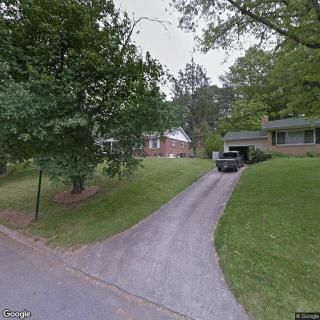


 Senior Transition Services: Understanding Their Role, Cost, and Importance
 Exploring the Path to Senior Living: A Comprehensive Look at Independent Living and Assisted Living
 Is Assisted Living Deductible on Your Taxes? Understanding the Complexities of Assisted Living Expenses and Deductions