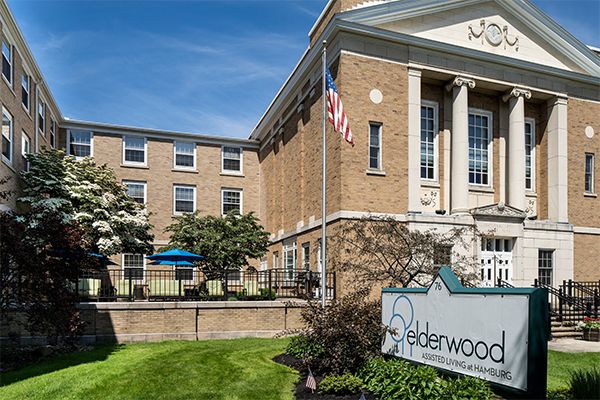
Elderwood Assisted Living At Hamburg Costs & Pricing
Elderwood Assisted Living At Hamburg offers a range of pricing options that reflect both the amenities provided and the local market conditions. For a studio apartment, residents can expect to pay approximately $4,293 per month, slightly above the average cost in Erie County at $4,223 but below the state average of $4,532. The one-bedroom units are priced at $4,671, which significantly exceeds the county's average of $2,855 and remains competitive with New York State's average cost of $4,307. Lastly, for those seeking more space, the two-bedroom option stands at $5,025 - again higher than Erie County's average of $2,736 but aligned with New York's statewide average of $4,786. These figures suggest that while Elderwood Assisted Living At Hamburg is positioned slightly above local averages for certain unit types, it remains a viable choice within the broader context of assisted living costs in New York.
| Floor plans | Elderwood Assisted Living At Hamburg | Erie County | New York |
|---|
| Studio | $4,293 | $4,223 | $4,532 |
| 1 Bedroom | $4,671 | $2,855 | $4,307 |
| 2 Bedrooms | $5,025 | $2,736 | $4,786 |
Skilled Nursing Facilities with a similar price nearby
-
from -$843 / mo
Tennyson Court
$3,450 to $4,950 / month
18.7 miles away
-
About the same
Elderwood Assisted Living At Cheektowaga
$4,170 to $4,860 / month
12.5 miles away
-
from +$707 / mo

Brothers Of Mercy Nursing & Rehabilitation Center
$5,000 / month
20.9 miles away
Overall Review of Elderwood Assisted Living At Hamburg
differentiator
13 reviews mention this
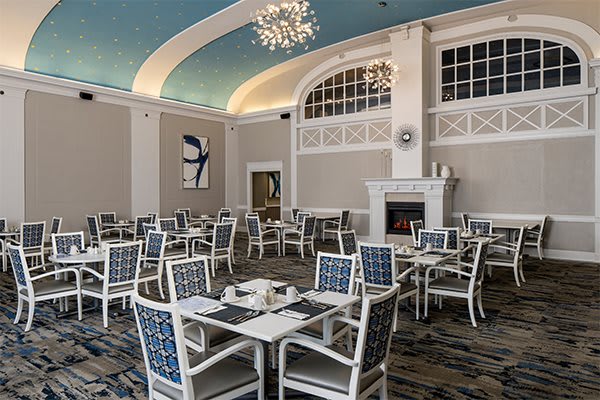
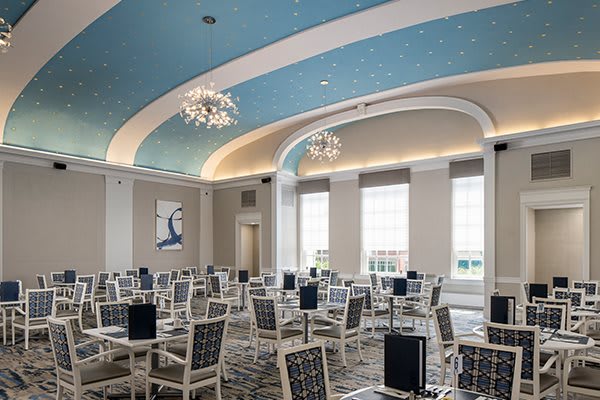
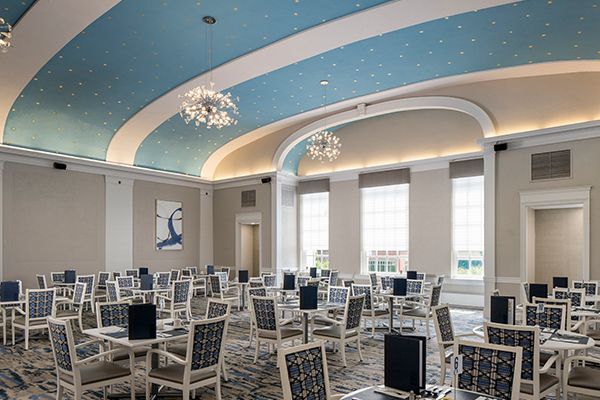
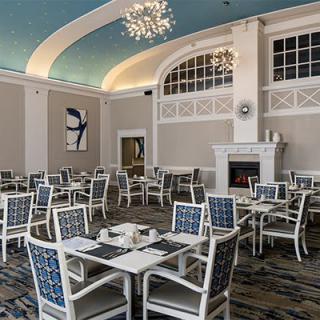
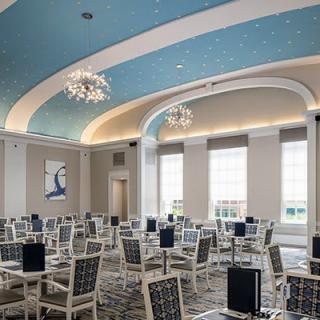
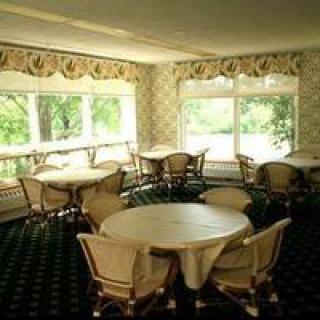
Restaurant-style dining stands out
Dining is a frequent highlight, with residents praising meals and the dining room experience.
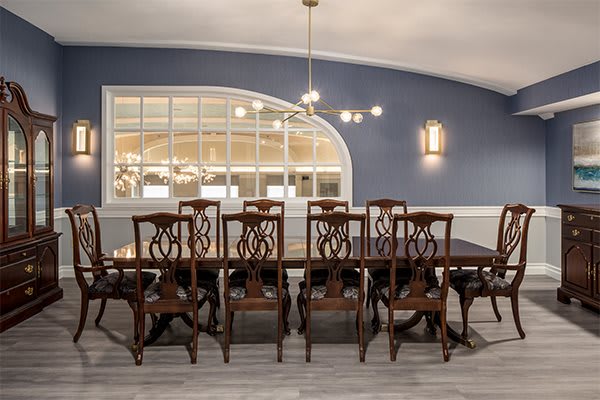
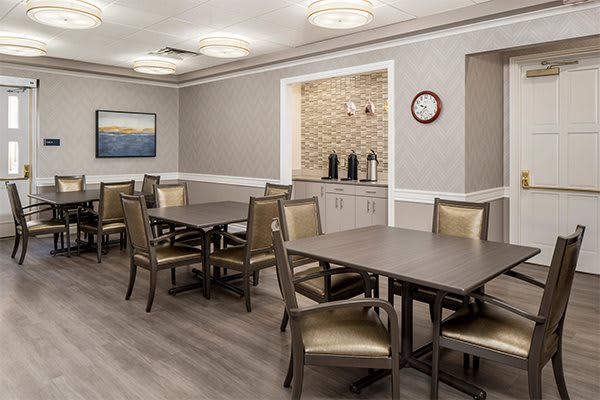
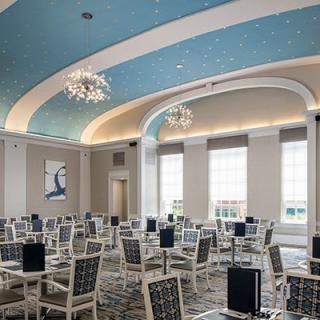
Dining comes up often, and many residents describe the food positively, including wait staff and meals served in the dining room. A few also reference specific dietary experiences or preferences, and one resident mentions enjoying home-cooking-style meals. Not everyone is fully satisfied—some describe the food as bland or mediocre. The community also offers restaurant-style dining and room service, which aligns with residents discussing the overall meal experience rather than just snacks.
common
28 reviews mention this
Staff are friendly and attentive
Residents and families repeatedly describe staff as friendly, helpful, and responsive.
Across reviews, residents and families say staff are kind, friendly, and attentive, with particular praise for front-desk help and ongoing support. Many mention staff being thorough during tours or transitions, and several describe receiving help with day-to-day needs and care. There are also a few sharper notes, including one complaint about poor communication with family and concerns about professionalism. Still, the dominant pattern is that residents feel comfortable because staff are available and supportive when questions come up.
common
10 reviews mention this
Activities keep residents engaged
Activities and outings are consistently offered, and many residents participate.
Residents and families describe a full calendar of activities, including both on-site events and off-site options like day trips. Some reviews mention structured social time such as bingo and group activities, and others point to live performances or classes as part of what’s available. A couple of notes suggest participation can vary by circumstance, but the overall feedback is that there are options to engage residents. The community also supports scheduled activities and community-sponsored events, which fits with residents talking about what’s happening day-to-day.
common
9 reviews mention this
Cleanliness is repeatedly praised
Clean, comfortable spaces are a common reason people feel good about the community.
Several reviews explicitly call out the facility as clean and comfortable, including clean rooms, bright dining areas, and the overall environment. Some families also mention cleanliness in the context of choosing the community for a fresh, well-kept feel. At the same time, there are a few negative reviews focused on cleaning depth and housekeeping consistency. Even with those complaints, cleanliness remains one of the most consistently cited positives in the feedback.
caveat
3 reviews mention this
Cost rises, including small rooms
Pricing comes with cautions, including mentions of higher cost after ownership changes.
A few families raise cost as a concern, including comments that the community can be expensive and that a room may feel small. One review also mentions an increase in cost after a change in ownership. While other residents describe value as part of why they chose the community, the recurring caution is that affordability may not fit everyone’s expectations.
caveat
2 reviews mention this
Medication handling concerns appear
Some families express serious concerns about medication handling and oversight.
Two long-form reviews raise medication-related issues, describing medications being left out near the resident and questioning whether they were actually taken, as well as instances of wrong medicines being given. Both of these reviews also connect the problem to a broader lack of attentive oversight and follow-through. On the other hand, one separate review mentions medication management as something they feel reassures families, so experiences may vary by situation. The takeaway from residents’ accounts is to ask detailed questions about medication routines and who checks ingestion.
How we summarize
Counts show how many written reviews mention each theme; a review can touch several themes, and only frequently mentioned themes are displayed.

 103 resident community capacity
 1-bedroom apartments
 Assisted Living
 Memory Care
 Respite Care
 Skilled Nursing Facility
 Cats allowed
 Dogs allowed
 Activities off-site
 Air-conditioning
 Beautician on-site
 Cable or satellite TV
 Cafe
Cafe Computer center
 Devotional services off-site
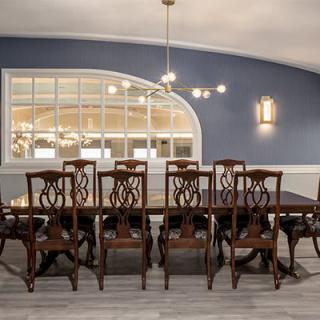
 Dining room
 Fitness room
 Fully furnished
 Gaming room
 Garden
 Ground floor units
 Guest parking
 Housekeeping services
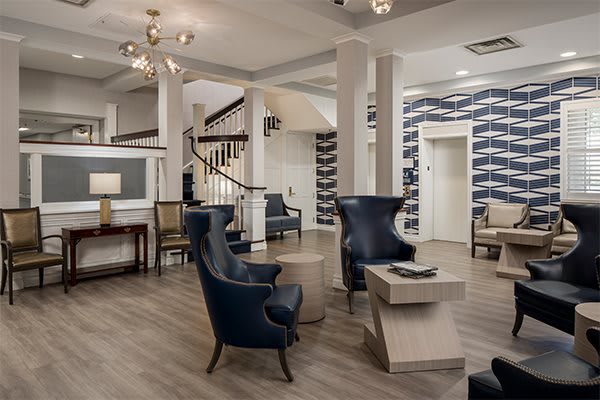
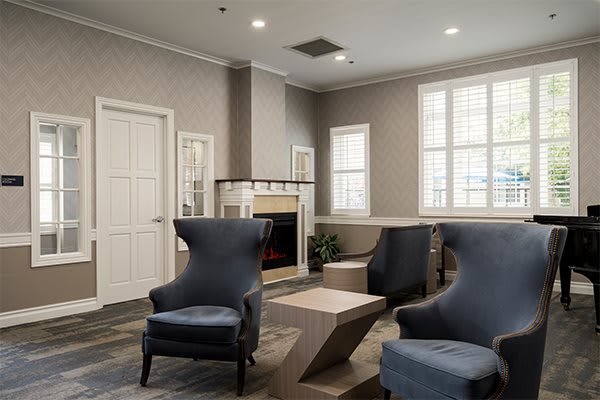
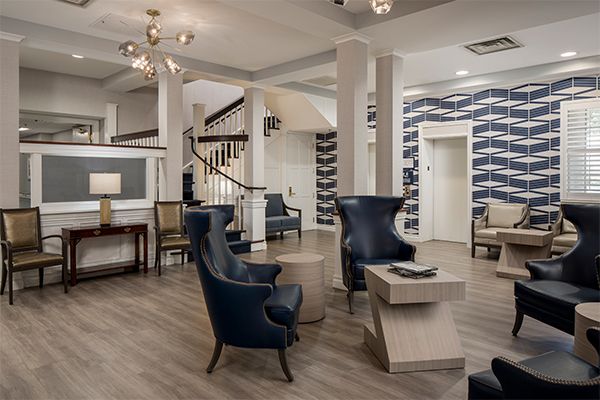
 Indoor common areas
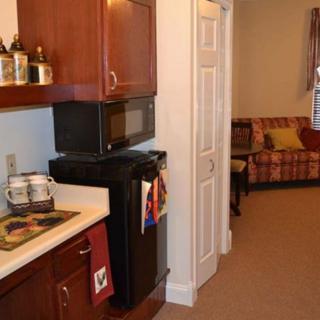
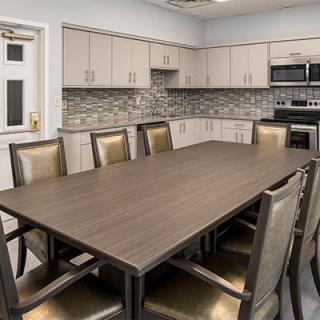
 Kitchenette
 Laundry
 Move-in coordination
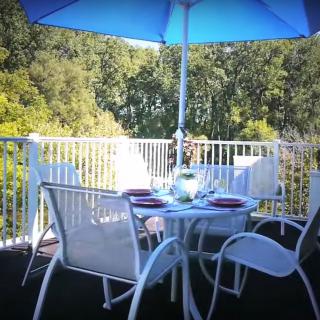
 Outdoor common areas
 Overnight guests
 Party space
 Private bathrooms
 Restaurant-style dining
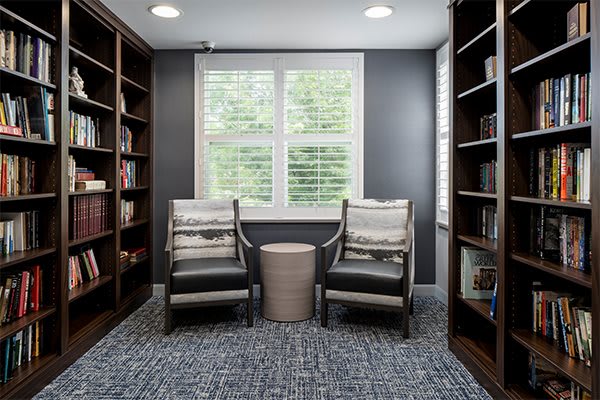
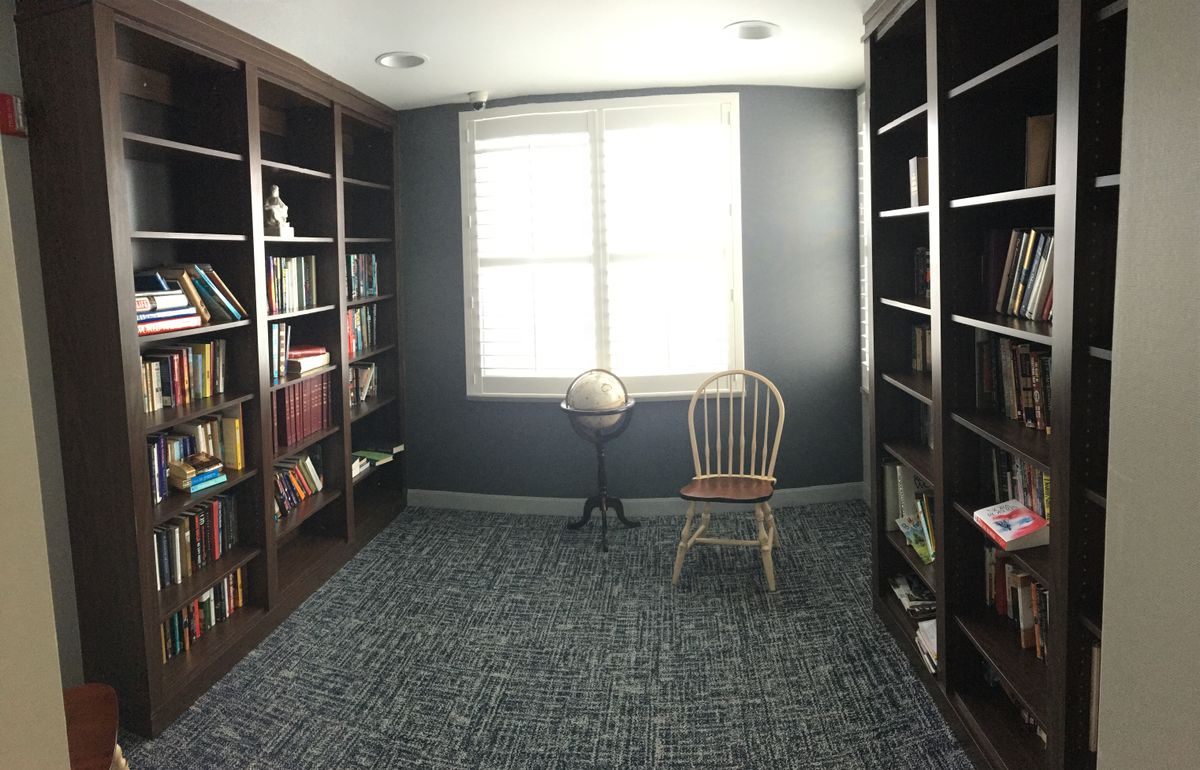
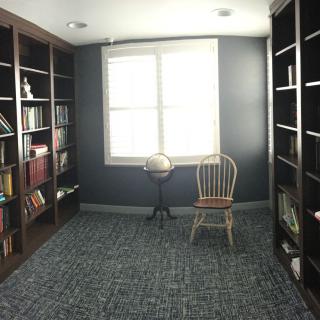
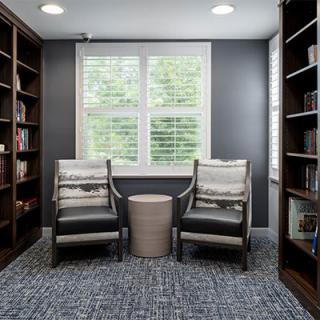
 Small library
 Telephone
 VA Benefits Consultation
 Wellness center
 Wheelchair accessible showers
 Wi-Fi/high-speed internet available
 Buffalo Niagara International (16 miles away)
 Community operated transportation
 12-16 hour nursing
 24-hour call system
 Ambulatory care
 Assistance with bathing
 Assistance with dressing
 Assistance with transfers
 Diabetes diet
 Diabetic care
 Hospice care
 Incontinence care
 Medication management
 Mental wellness program
 Physical therapy
 Psychiatric care
 Special dietary restrictions
 Art classes
 Book club
 Concierge services
 Cooking classes
 Day trips and outings
 Educational speakers / life long learning
 Games
Games Happy hour
 Live musical performances
 Visiting chaplain or priest
 Wii bowling
 English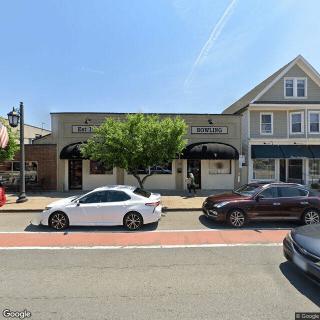
 Near cafes, parks, pharmacies, doctors, restaurants, and worship.
 When Dementia Sparks Anger and Aggression: Understanding the Connection and Ways to Cope
 Dementia Behaviors: In-Depth Understanding and Effective Coping Strategies
 5 Early Indicators of Dementia and What You Can Do