Tennyson Court offers competitive pricing for its accommodations, particularly when compared to both Erie County and the broader New York state averages. For a semi-private room, Tennyson Court's monthly cost of $3,450 significantly undercuts the county average of $5,015 and state average of $4,389. This makes it an appealing option for those seeking affordability without compromising quality. Meanwhile, the studio option at Tennyson Court is priced at $4,950, which is slightly higher than Erie County's average of $4,223 but still remains within a reasonable range compared to the state average of $4,532. Overall, Tennyson Court presents a compelling value proposition for prospective residents looking for comfortable living arrangements in this region.
Floor plans
Tennyson Court
Erie County
New York
Semi-Private
$3,450
$5,015
$4,389
Studio
$4,950
$4,223
$4,532
Skilled Nursing Facilities with a similar price nearby
Residents and families consistently describe staff who are kind and responsive to concerns.
Across many reviews, families say the staff is friendly, caring, and attentive, with regular follow-through on questions and requests. Several reviewers also mention communication and updates from administration or caregivers, which helped reduce worry. A few negative reviews criticize training, staffing, or how concerns are handled, but the dominant theme is steady personal attention.
common
Food and dining are consistently praised
Dining is a frequent bright spot, with meals described as enjoyable and well handled.
Multiple reviews highlight food quality, describing meals as good, enjoyable, and something residents look forward to. Some families also mention support with eating—like staff making sure residents get what they need—along with variety on the menu. The community also offers restaurant-style dining and supports special dietary needs in its day-to-day meal planning.
common
Activities keep residents engaged
Residents are kept busy with frequent activities and group events.
Reviews commonly describe a busy schedule of activities, from concerts and celebrations to trivia, movie nights, and outings. Families also mention that activities help with social engagement and provide stimulation, including for memory care residents. The community’s offering includes both on-site and off-site options, plus resident-run and community-sponsored programming.
differentiator
Memory care receives dedicated support
Families describe memory care as carefully supported, with staff focused on residents’ day-to-day needs.
Several reviews specifically address memory care, praising care provided to residents with Alzheimer’s or dementia and the way staff understands changes over time. Families also mention structured routines and activities that seem designed to stimulate residents rather than leave them idle. The community offers memory care programming and includes medication management, mental wellness support, and assistance with daily living.
caveat
Care intensity can vary by experience
Some families report problems with medical care and responsiveness when needs increase.
While many reviews are positive about care and safety, a smaller number raise concerns about medical attention, neglect, or delays when problems came up. Other negative comments point to issues like understaffing, insufficient training, and difficulty getting appropriate help. These concerns stand out because the community is positioned to support higher needs, including assisted living, memory care, and skilled nursing.
caveat
Pricing is above average for flexibility
Multiple reviewers say pricing runs on the higher side for what’s included.
Several reviews describe the cost as above average or out of range, even while others say they chose the community because it covered many needs in one place. The pricing shown for studio and semi-private options runs within a defined range, and the published deltas indicate pricing below county and state averages across unit types. Families appear split: some felt the value justified the expense, while others felt it did not match the care they expected.
How we summarize
We summarize when many written reviews mention each theme; a review can touch several themes, and only frequently mentioned themes are displayed.
Features
Housing
93 resident community capacity
Condos / townhomes
Studio apartments
Types of Care
Assisted Living
Memory Care
Respite Care
Skilled Nursing Facility
Pets
Cats allowed
Dogs allowed
Amenities
Activities off-site
Activities on-site
Air-conditioning
Beautician on-site
Beauty salon
Cable or satellite TV
Computer center
Devotional services off-site
Devotional services on-site
Dining room
Fitness room
Fully furnished
Gaming room
Garden
Ground floor units
Guasts at mealtime
Handicap accessible
Housekeeping services
Indoor common areas
Kitchenette
Laundry
Move-in coordination
Outdoor common areas
Outdoor space
Private bathrooms
Resident parking
Respite or short term stays offered
Restaurant-style dining
Security gate
Small library
Telephone
Wellness center
Wheelchair accessible showers
Wi-Fi/high-speed internet available
Transportation
Buffalo Niagara International (3 miles away)
Community operated transportation
Transportation & parking
Transportation arrangement
Transportation arrangement (non-medical)
Transportation to doctors appointments
Care Services
12-16 hour nursing
24-hour call system
24-hour supervision
Activities of daily living assistance
Ambulatory care
Assistance with bathing
Assistance with dressing
Assistance with transfers
Blood work
Diabetes diet
Diabetic care
Incontinence care
Meal preparation and service
Medication management
Mental wellness program
Mild cognitive impairment
Special dietary restrictions
Specialized memory care programming
Dining
Diabetes diet
Gluten-free
Guest meals
Low / no sodium
Meals provided
No Sugar
Restaurant style dining
Special dietary restrictions
Special dining programs
Vegan
Vegetarian
Activities
Activities off-site
Art classes
Bible study group
Catholic services
Community-sponsored activities
Concierge services
Cooking classes
Devotional activities offsite
Devotional activities on-site
Educational speakers / life long learning
Fitness programs
Other religious services
Planned day trips
Protestant services
Religious services
Resident-run activities
Scheduled daily activities
Visiting chaplain or priest
Languages Spoken
English
Videos
Nearby Places of Interest
This area of Buffalo, New York offers a variety of amenities and services that cater to individuals looking for a comfortable and convenient living environment. With a selection of popular restaurants, cafes, pharmacies, hospitals, and parks all within close proximity, residents have easy access to essential needs and recreational activities. The presence of reputable physicians and healthcare facilities ensures quality medical care is readily available. Additionally, the nearby theaters provide entertainment options for leisurely outings. The convenient transportation options, including the nearby airport and train station, make traveling accessible for residents who may need to visit family or explore new destinations. For those seeking spiritual fulfillment, there are places of worship in the vicinity as well. Overall, this area provides a well-rounded community with diverse offerings that would suit seniors looking for a vibrant yet peaceful lifestyle in Buffalo.
Restaurants
Duff's Famous Wings (0.2 miles)
Pizza Plant Italian Pub (0.6 miles)
Tavern at Windsor Park (1.8 miles)
Creekview Restaurant (2.3 miles)
The Irishman Pub & Eatery (2.4 miles)
Glen Park Tavern (2.5 miles)
The Oak Stave Drinkery & Eatery (2.7 miles)
Physicians
Dr. Nagy & Dr. Pizzuto (0.8 miles)
Dr David J. Altman, MD (1 miles)
Windsong Radiology Group (1 miles)
Western New York Dermatology (1.2 miles)
Town & Village Pediatrics (1.5 miles)
Brain and Spine Center (1.6 miles)
University Orthopaedics (4.3 miles)
Theaters
Regal Transit Center & IMAX (1.2 miles)
Regal Walden Galleria 4Dx & RPX (5 miles)
AMC Maple Ridge 8 (5.6 miles)
Cafes
Starbucks (1.2 miles)
Panera Bread (1.4 miles)
Starbucks (1.8 miles)
Tim Hortons (2.7 miles)
Starbucks (3.1 miles)
Wegmans Food Markets (4 miles)
Starbucks (4.2 miles)
Pharmacies
Walgreens (1.3 miles)
Wegmans (1.5 miles)
Rite Aid (1.9 miles)
Wegmans (2 miles)
Rite Aid (2.1 miles)
Rite Aid (2.7 miles)
Walgreens (2.9 miles)
Hospitals
Millard Fillmore Suburban Hospital (2.2 miles)
Millard Fillmore Suburban NICU (2.2 miles)
Parks
Glen Park (2.4 miles)
Island Park (2.4 miles)
South Long Park (2.9 miles)
Meadowlakes (3.5 miles)
Keysa Town Park (4.7 miles)
Como Lake Park (6 miles)
Westwood Park (6.3 miles)
Transportation
Buffalo Niagara International Airport (BUF) (3 miles)
TSA Pre-️Lane (3 miles)
Southwest Airlines Co. (3.1 miles)
Amtrak - Buffalo, NY Depew Station (BUF) (4.6 miles)
Tennyson Court offers competitive pricing for its accommodations, particularly when compared to both Erie County and the broader New York state averages. For a semi-private room, Tennyson Court's monthly cost of $3,450 significantly undercuts the county average of $5,015 and state average of $4,389. This makes it an appealing option for those seeking affordability without compromising quality. Meanwhile, the studio option at Tennyson Court is priced at $4,950, which is slightly higher than Erie County's average of $4,223 but still remains within a reasonable range compared to the state average of $4,532. Overall, Tennyson Court presents a compelling value proposition for prospective residents looking for comfortable living arrangements in this region.
The array of features at Tennyson Court significantly enhances the quality of care for residents with dementia or Alzheimer's disease. With 24-hour supervision, residents benefit from constant oversight that ensures their safety and security. Activities of daily living assistance, including help with bathing, dressing, and transfers, fosters independence while addressing the challenges associated with cognitive decline. Incontinence care and meal preparation tailored to individual dietary needs not only promote dignity but also enhance physical well-being. Medication management is crucial in ensuring that residents adhere to their prescribed treatments, which can stabilize cognitive functions. Engagement in a mental wellness program and specialized memory care programming helps maintain cognitive abilities and provides meaningful social interaction, contributing to overall emotional health for those experiencing mild cognitive impairment or more advanced stages of dementia.
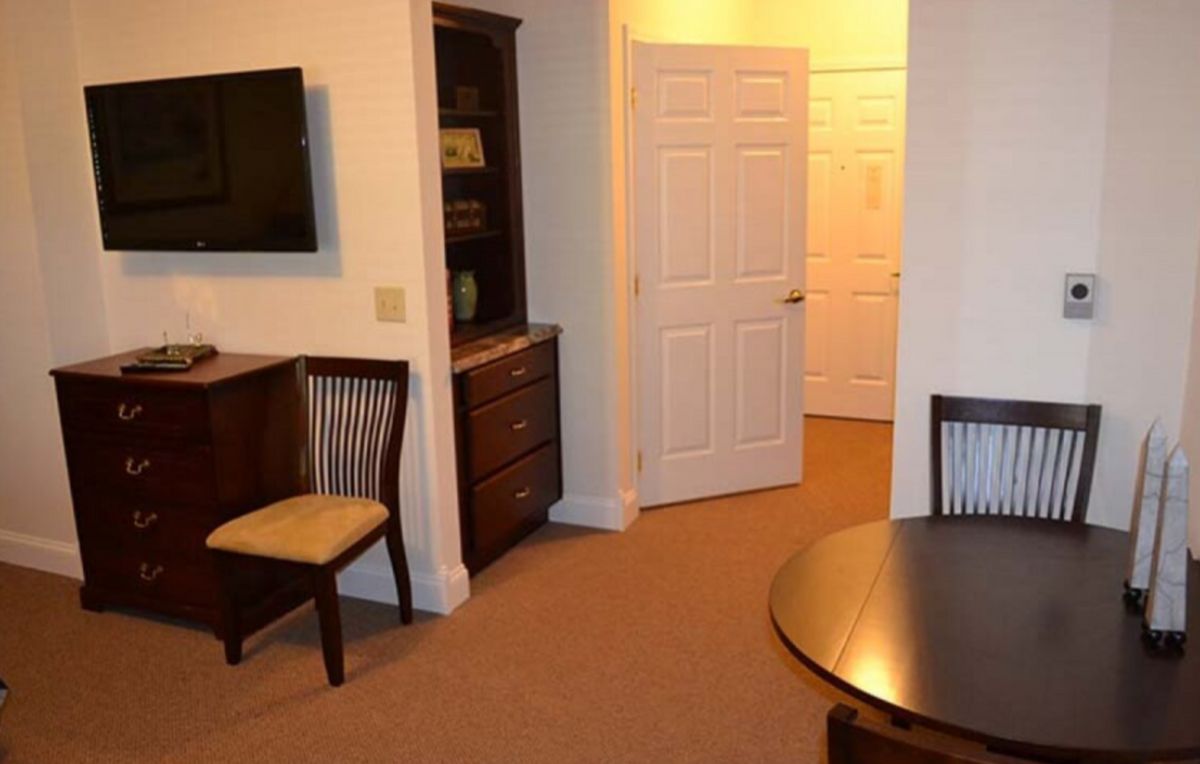
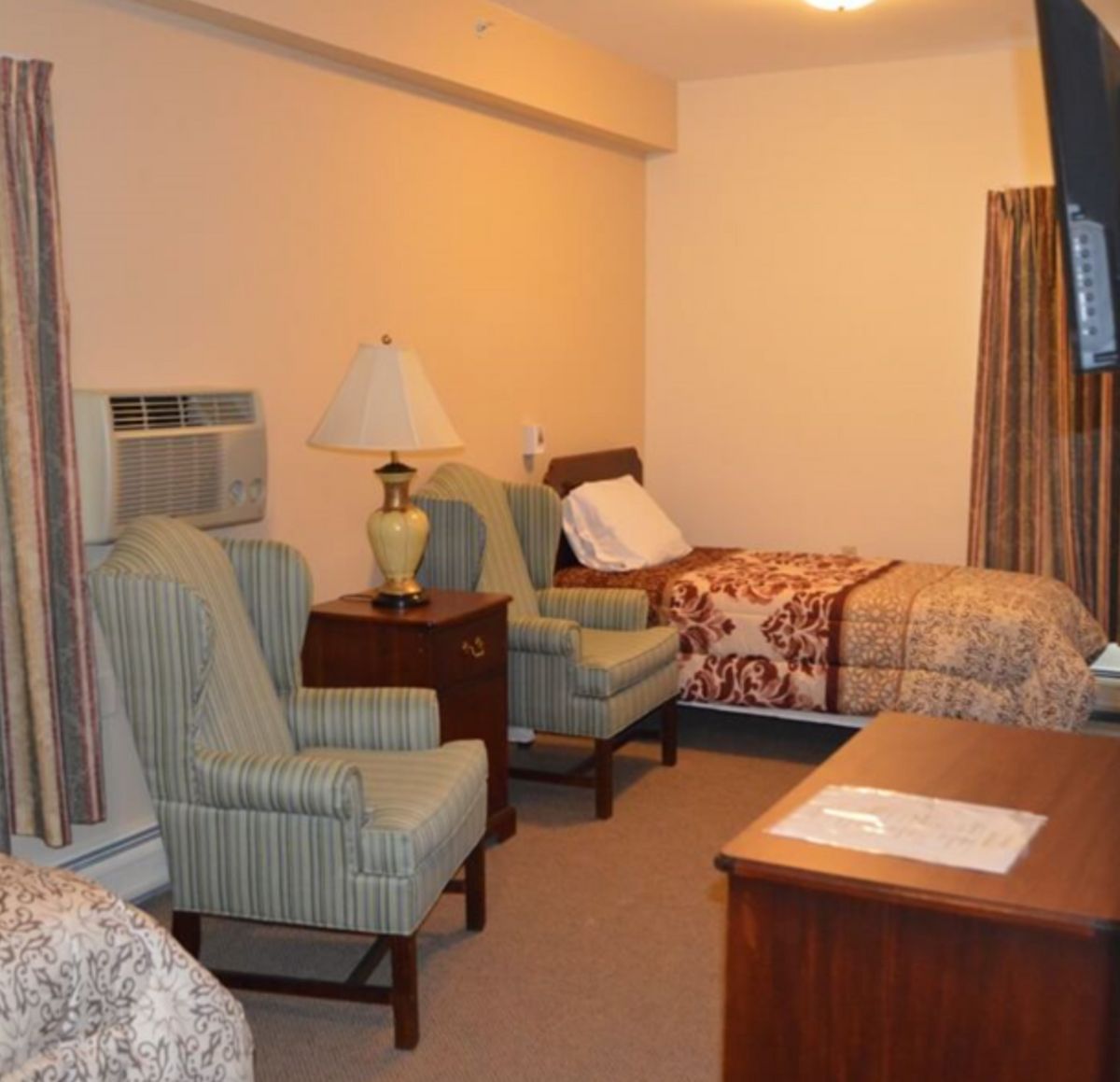
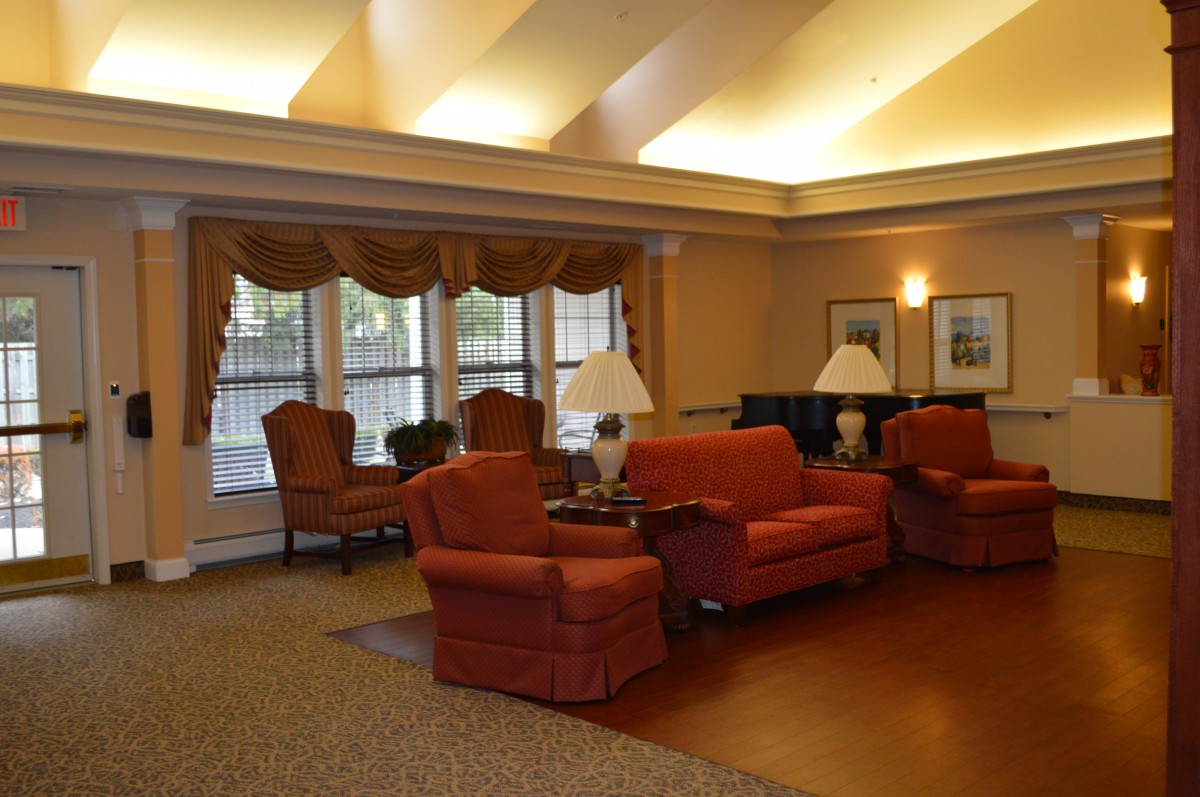
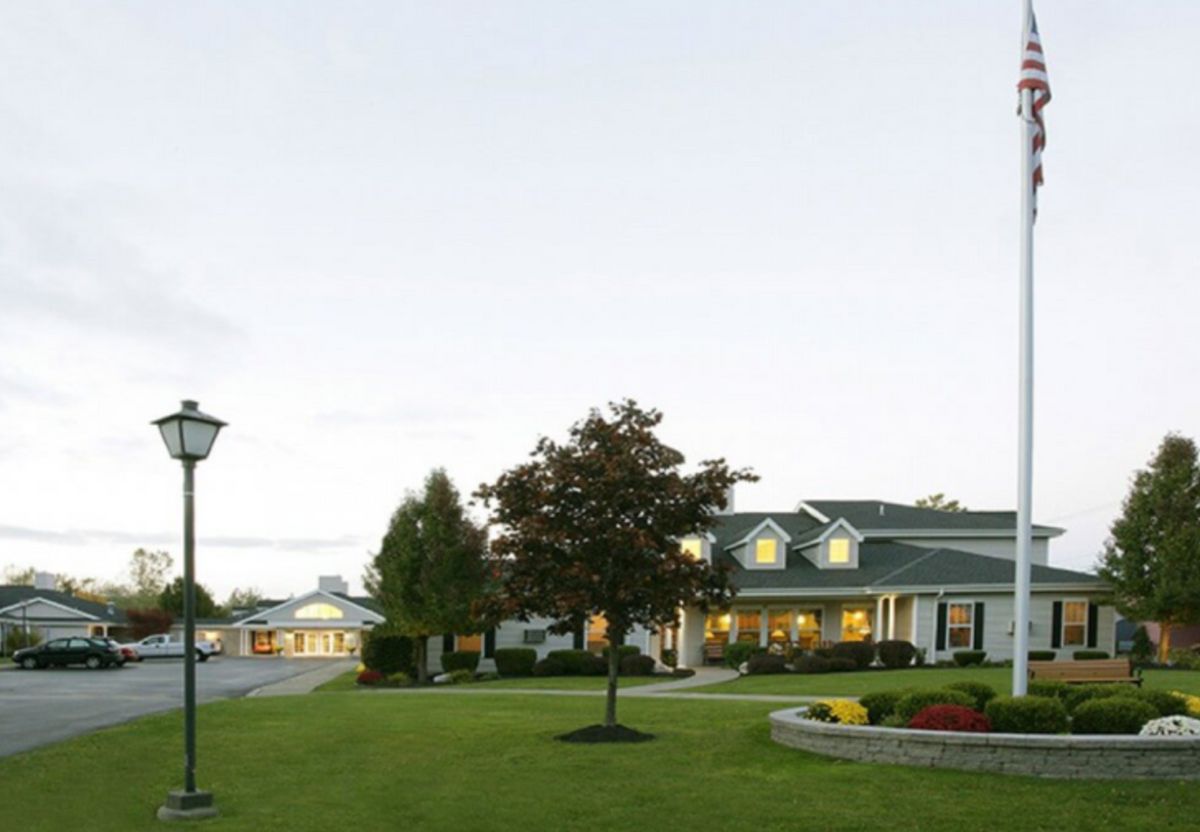
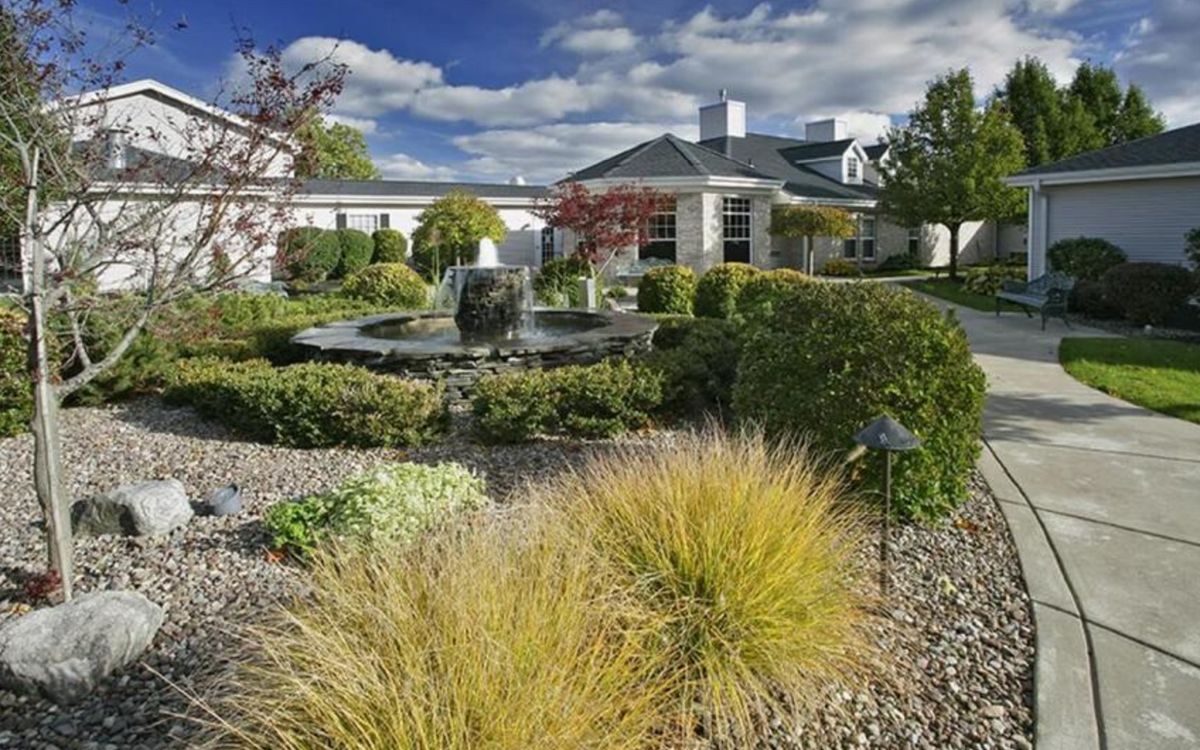
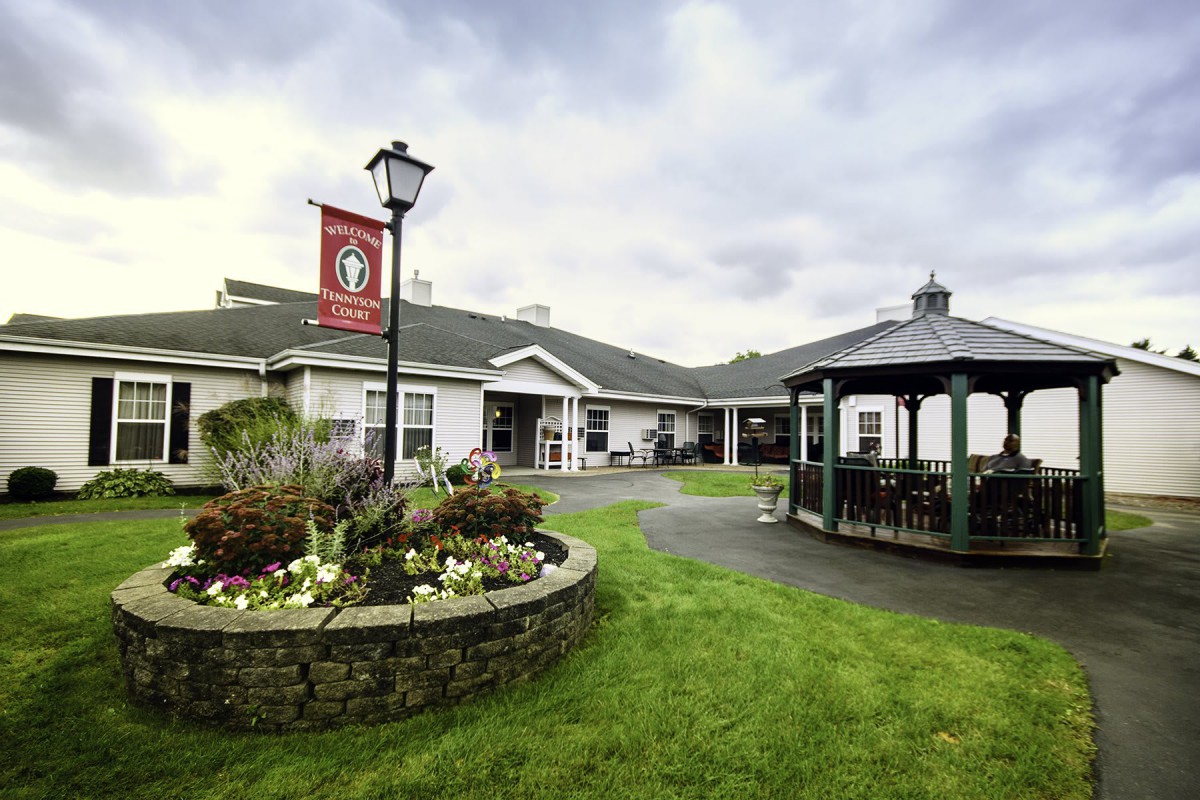
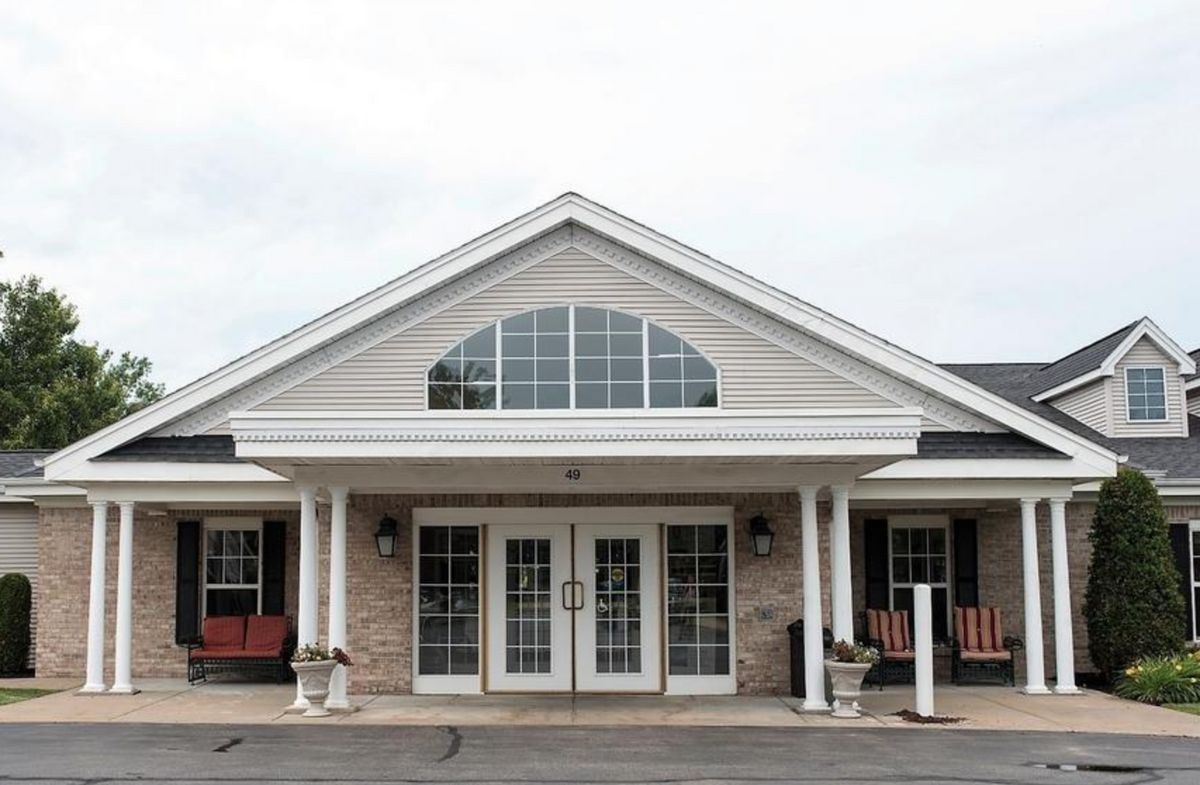
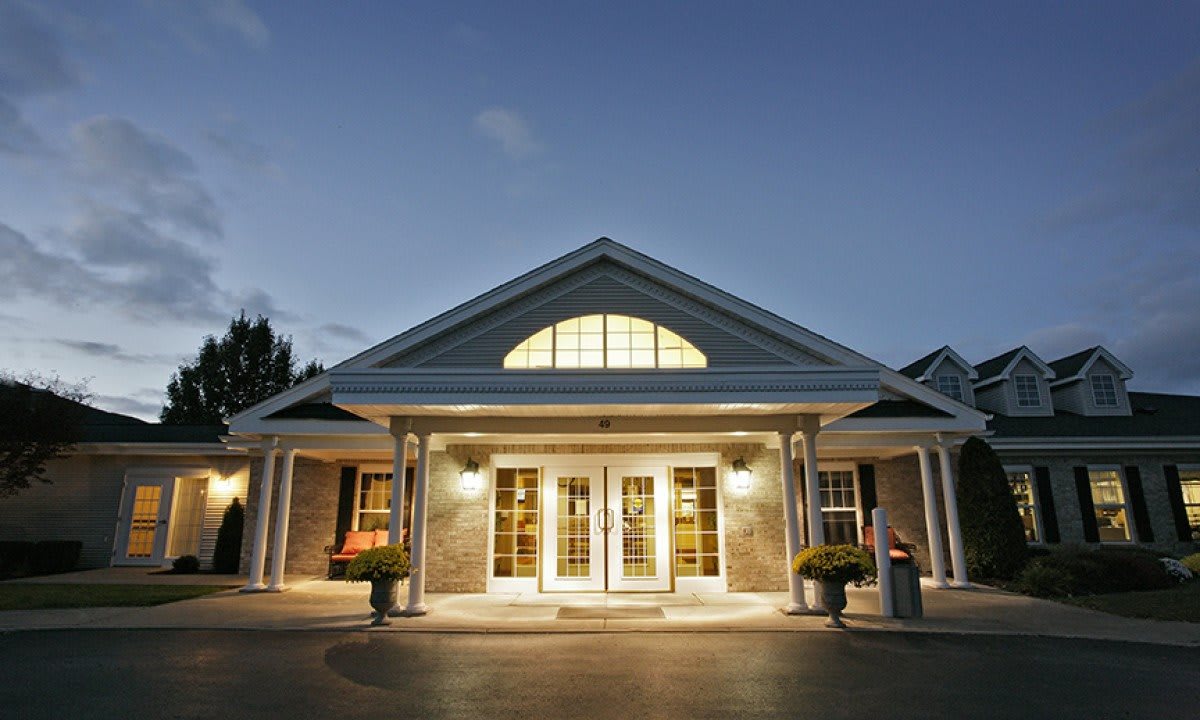
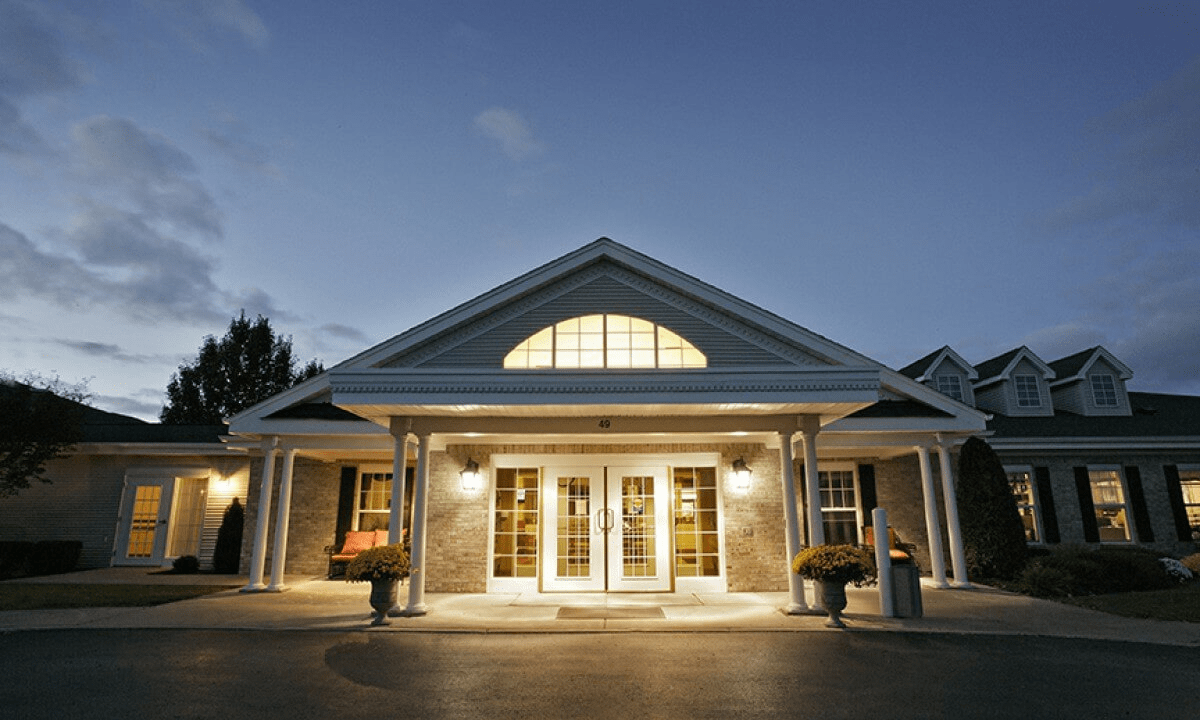
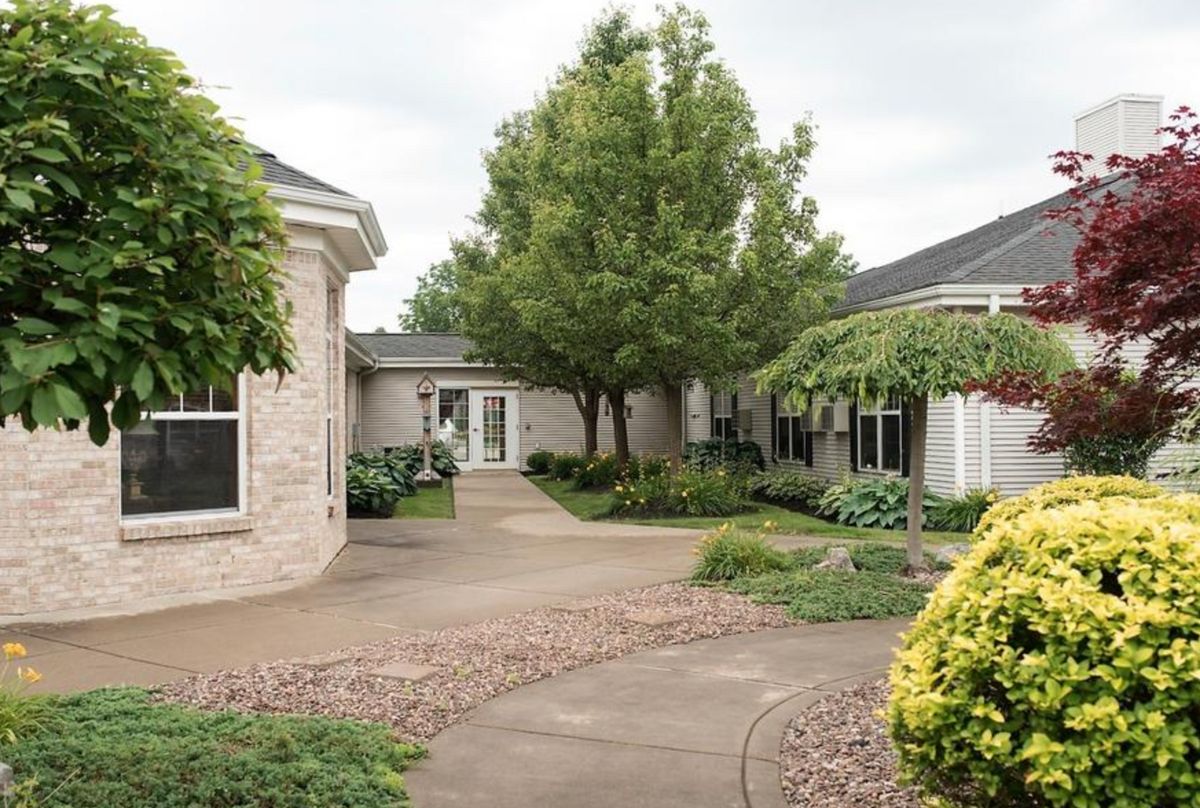
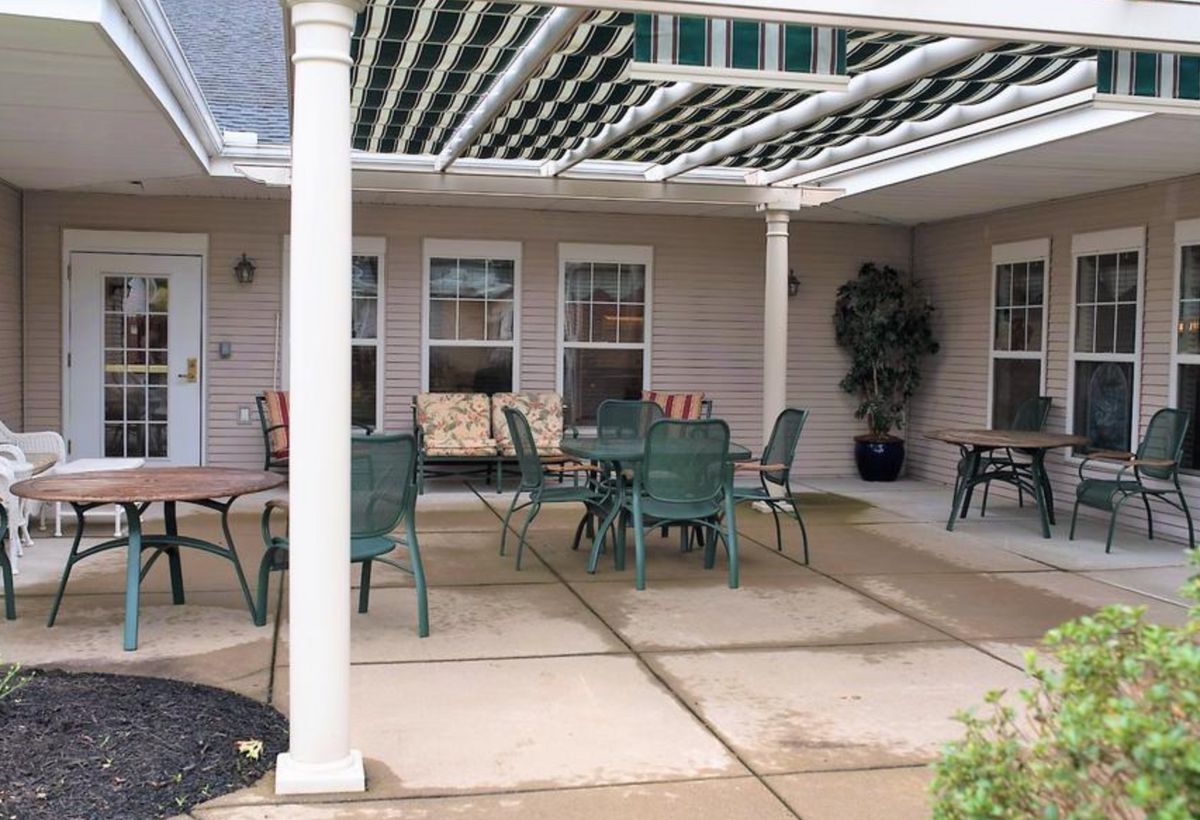
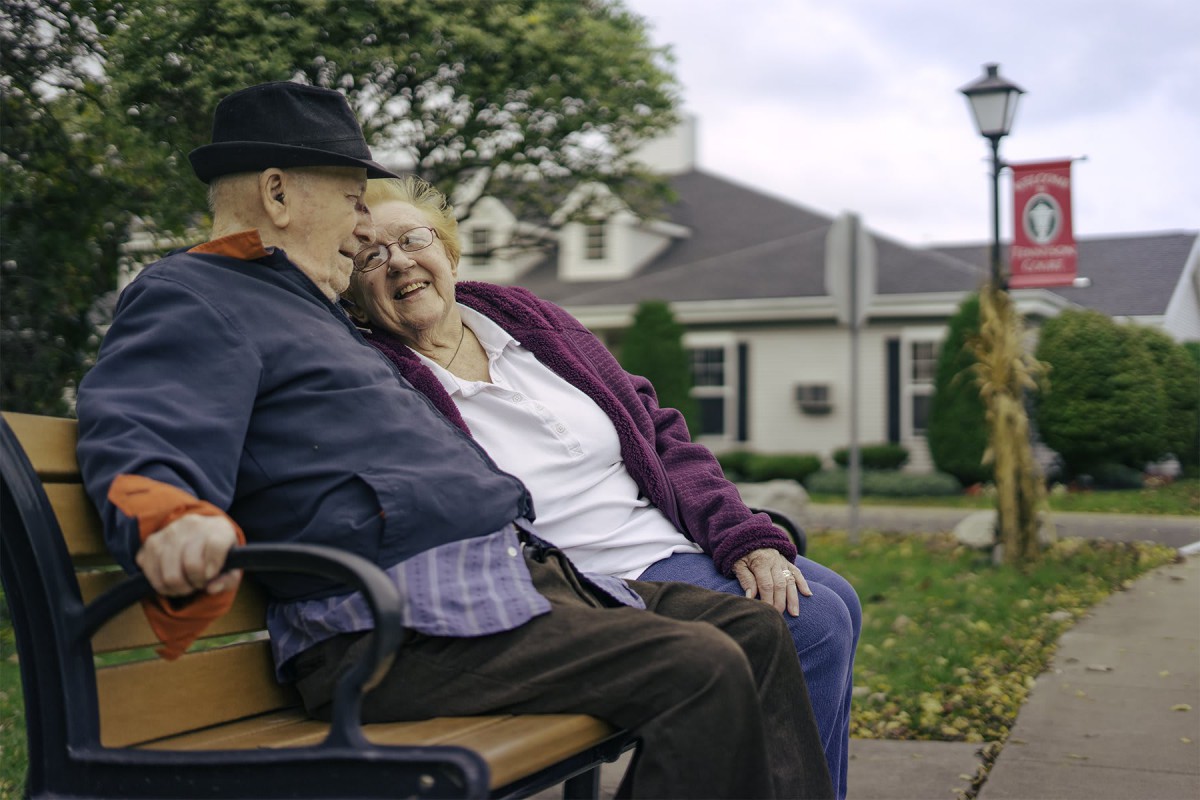
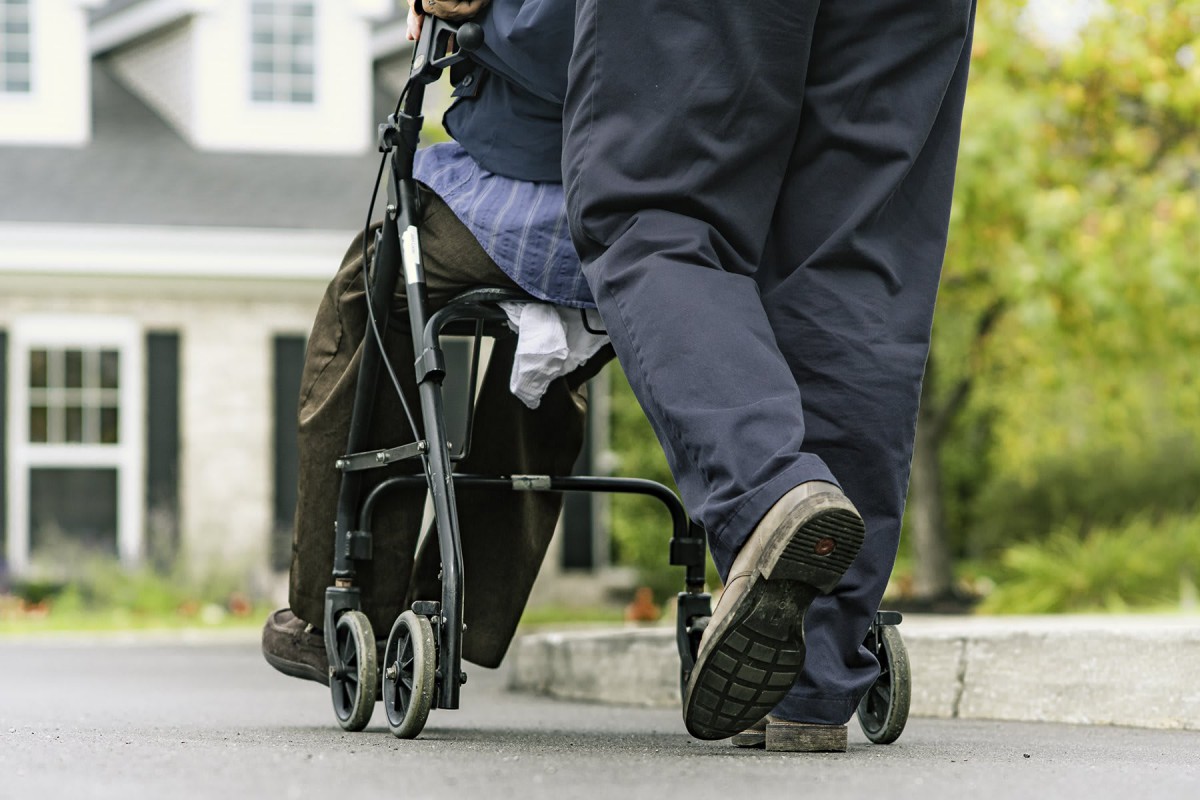
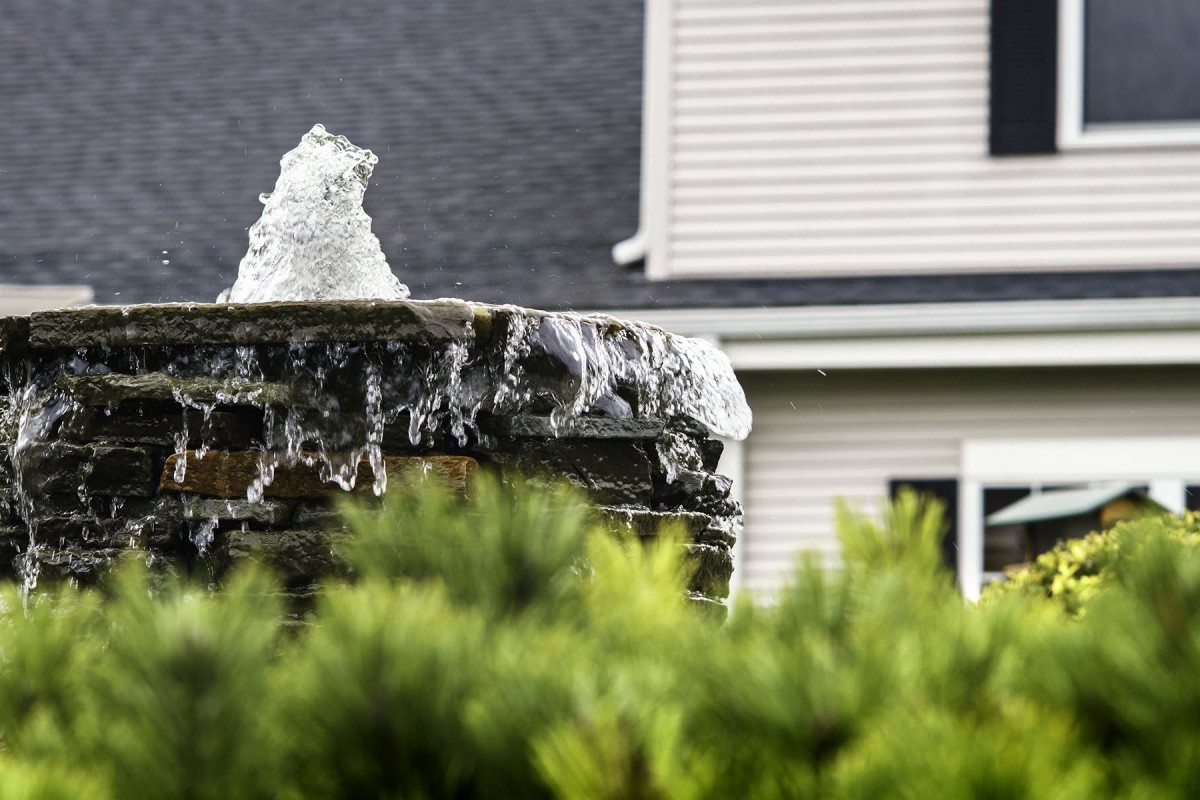
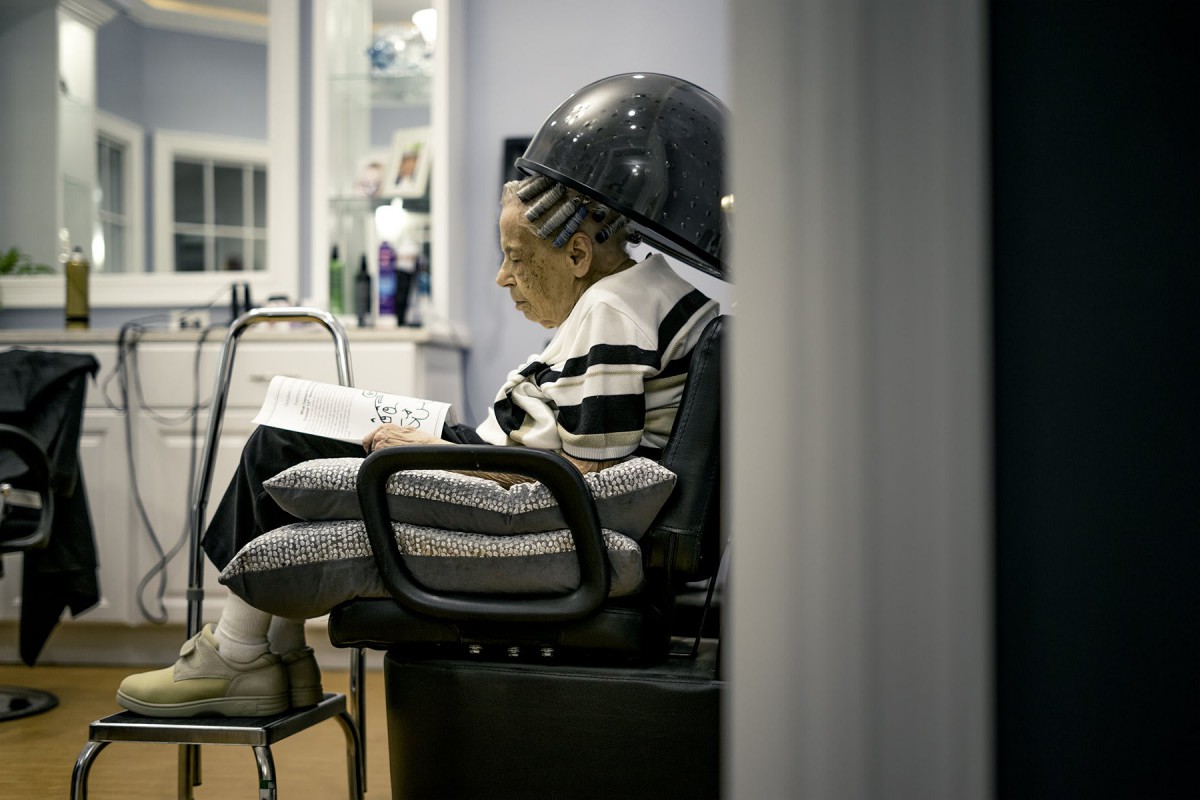
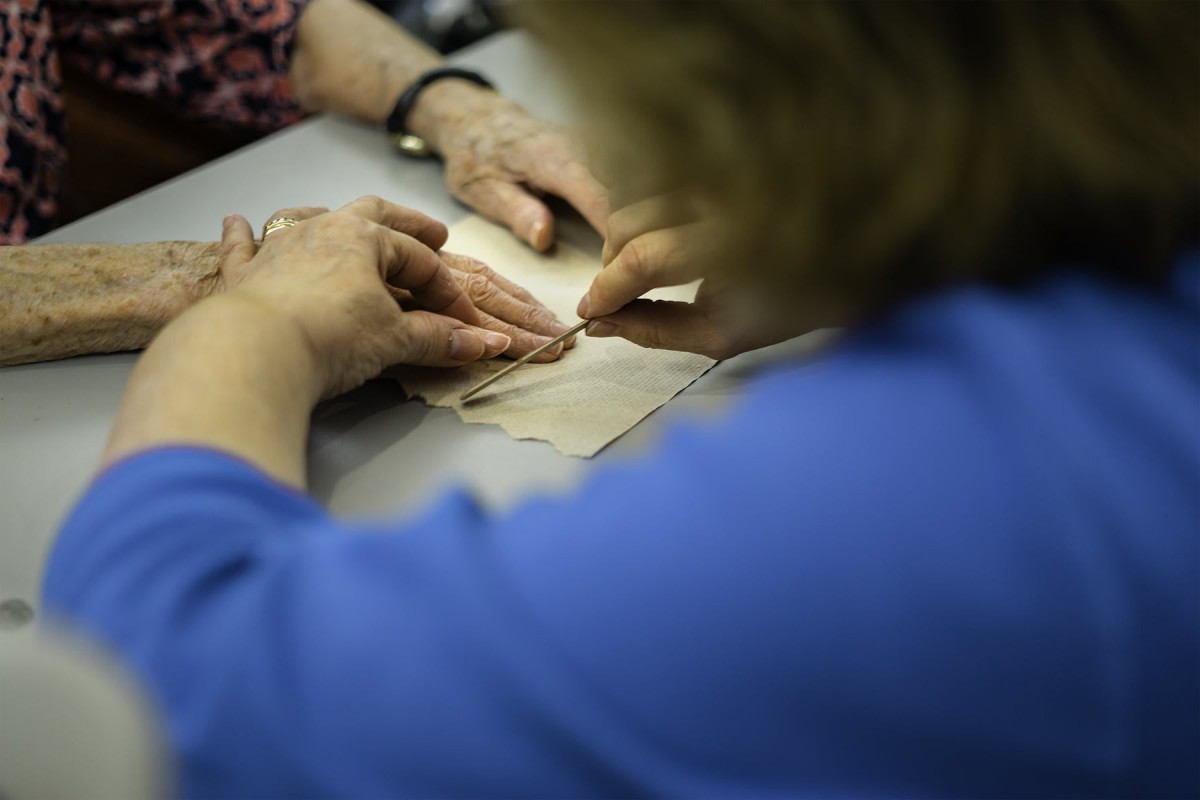
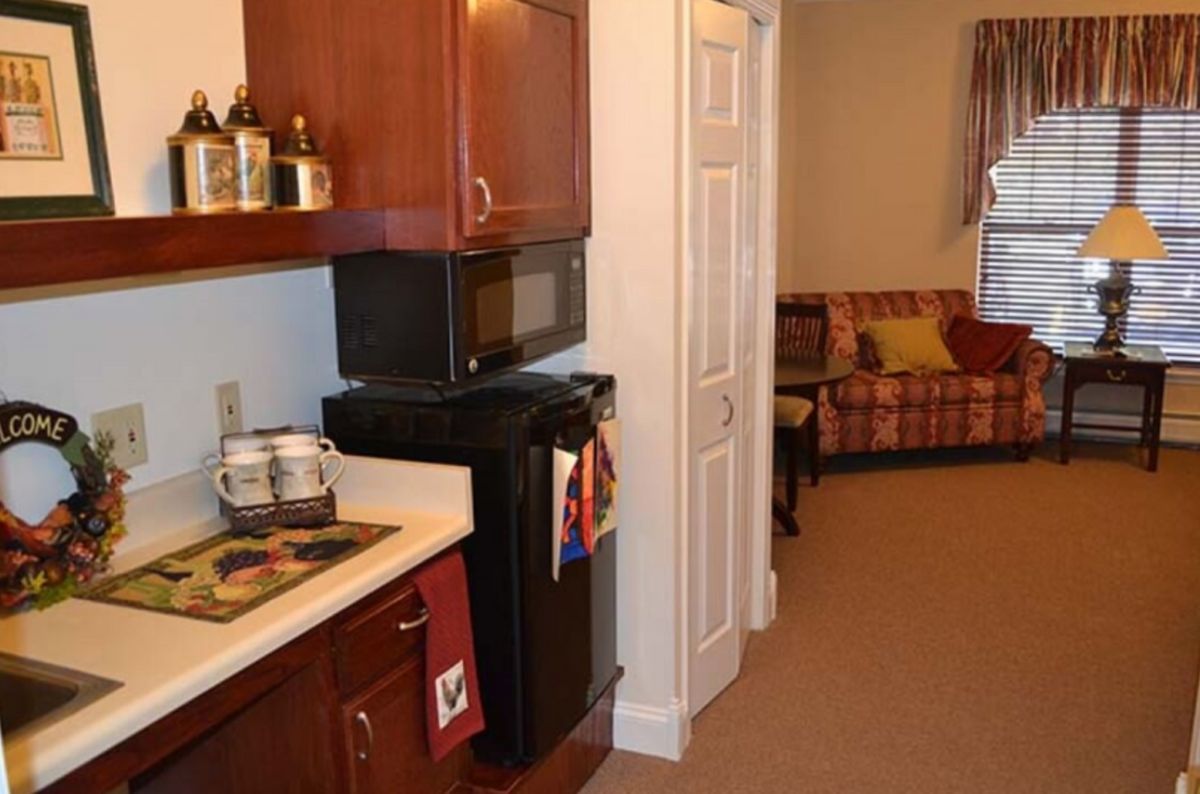
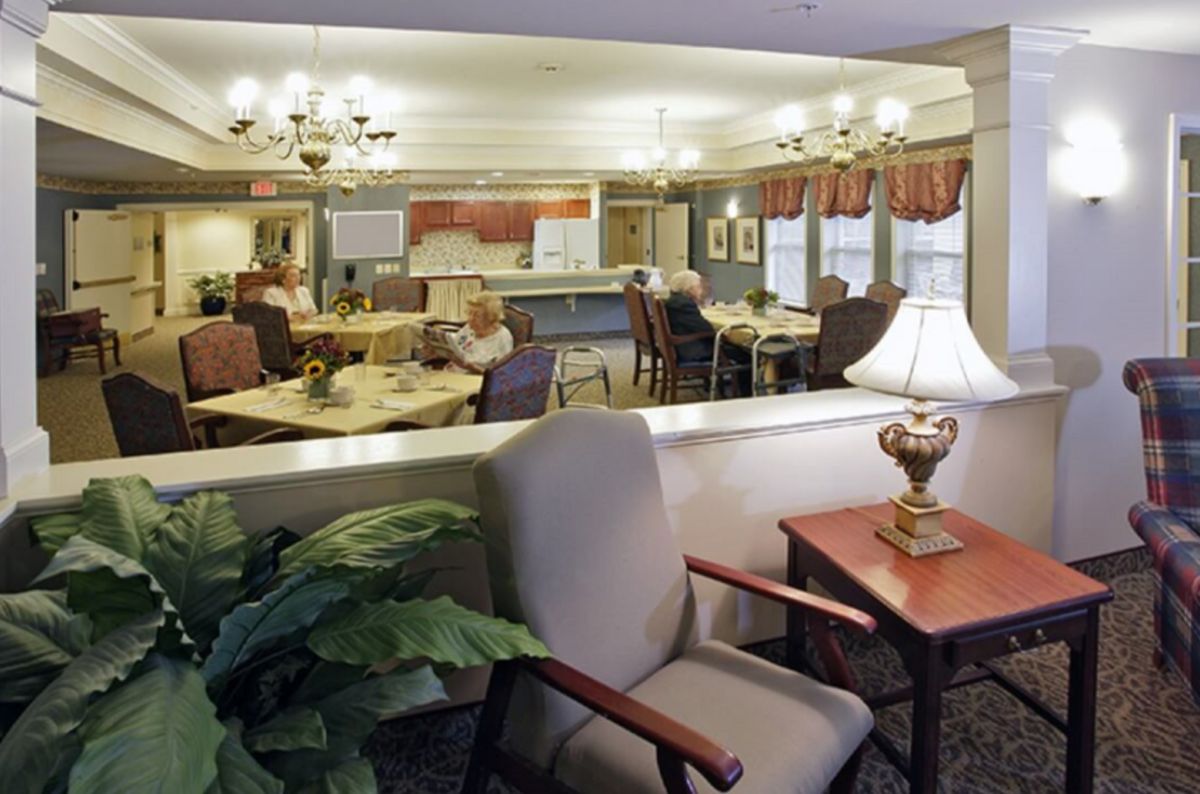
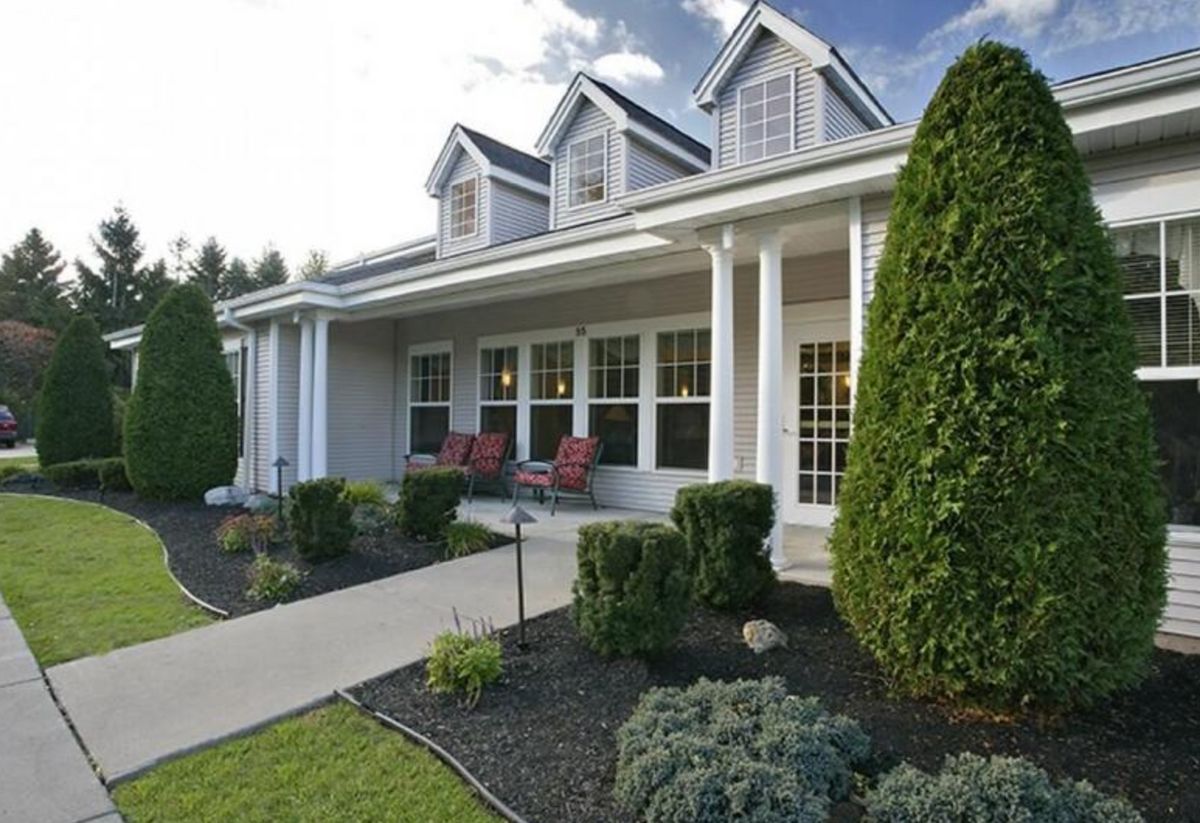
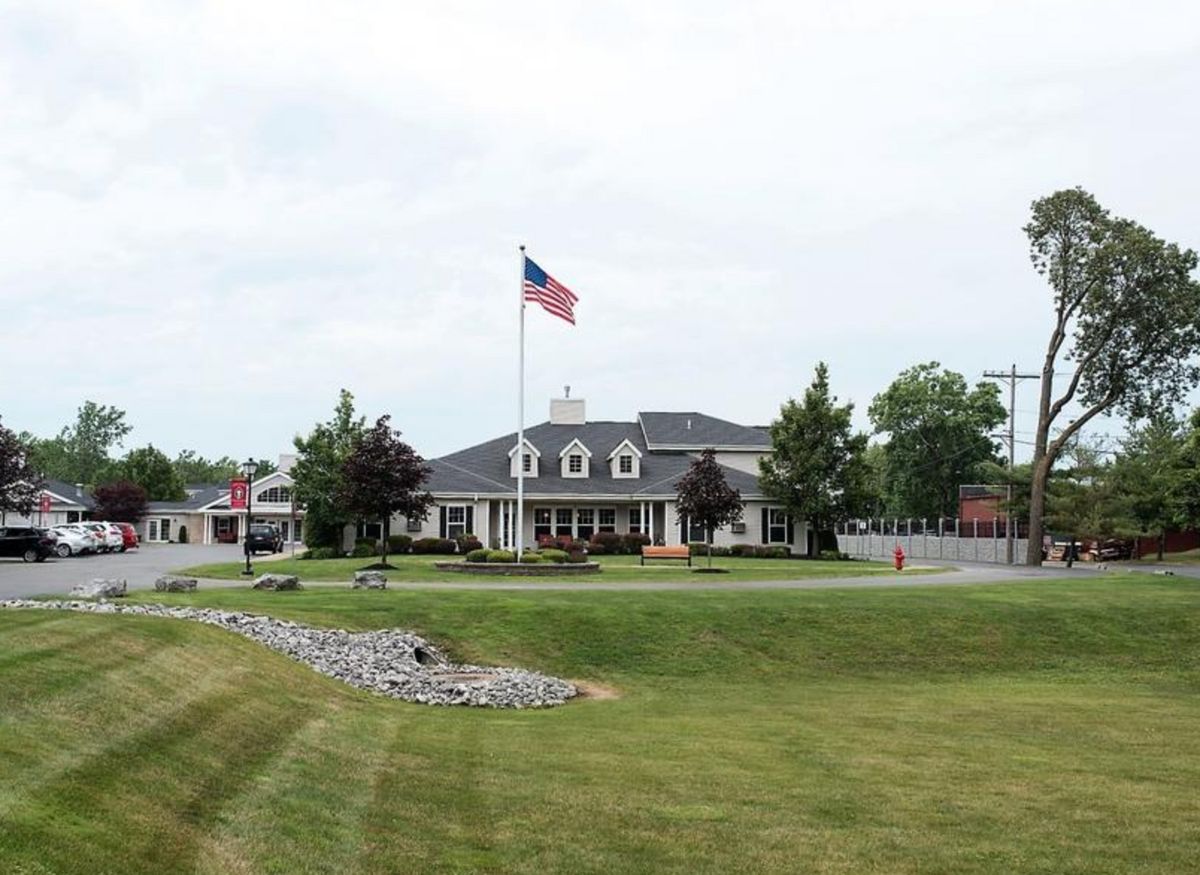
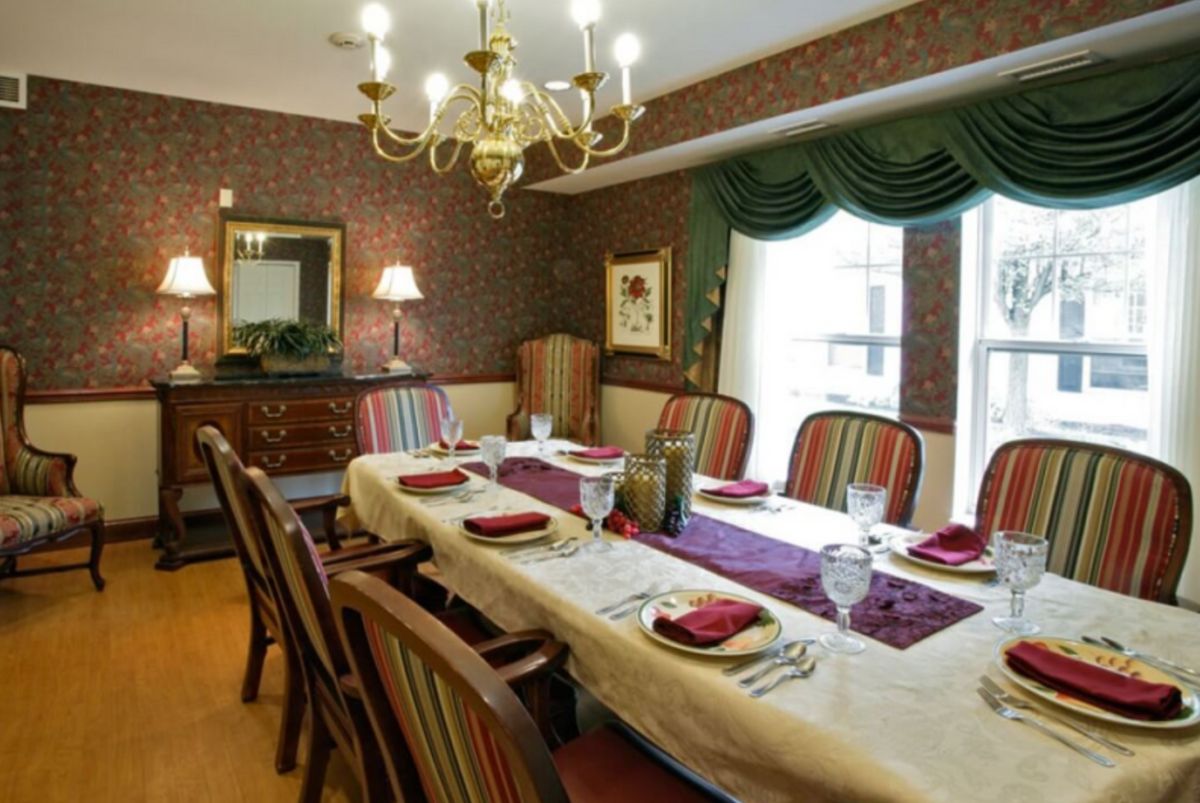
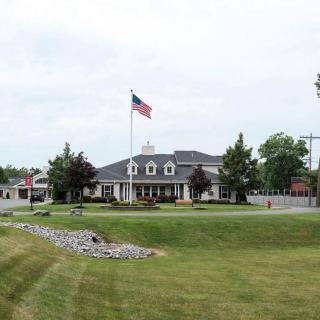
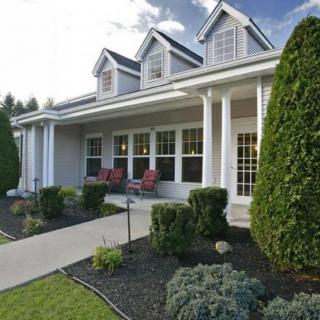
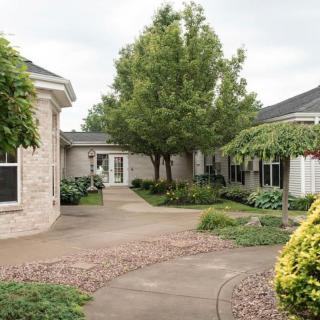
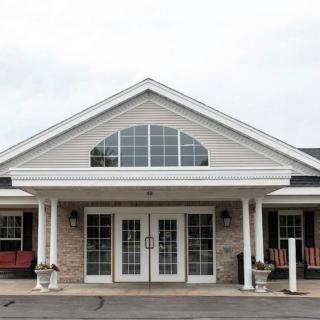
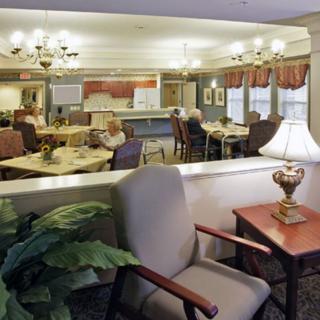
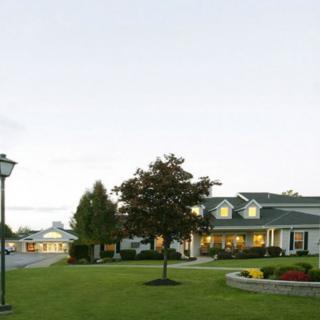
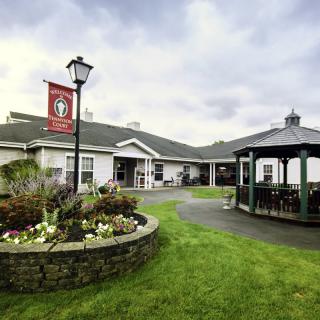
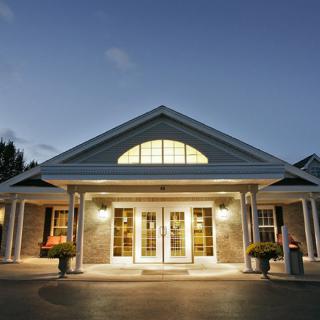
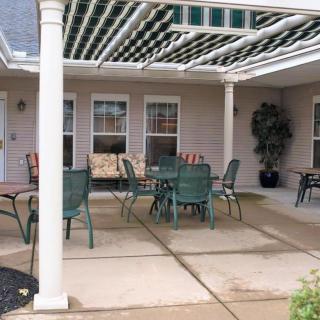
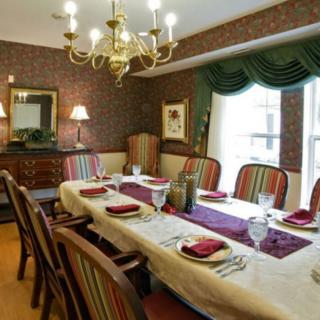
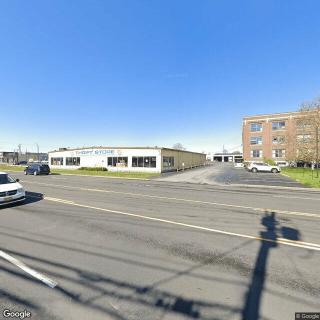
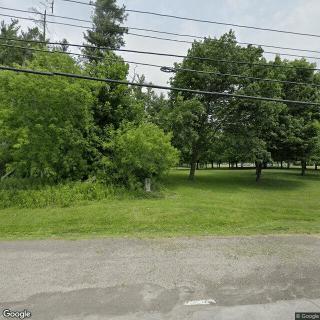
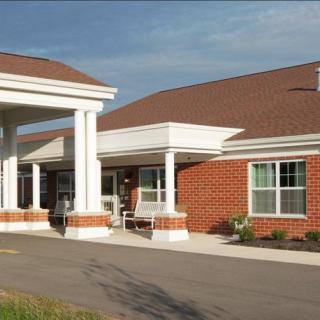
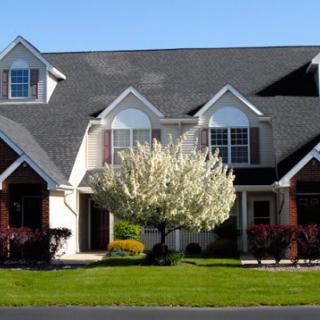
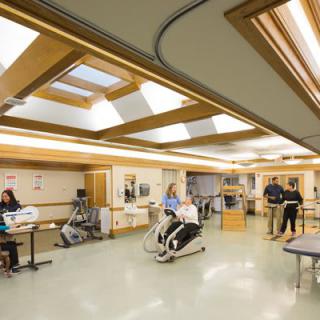
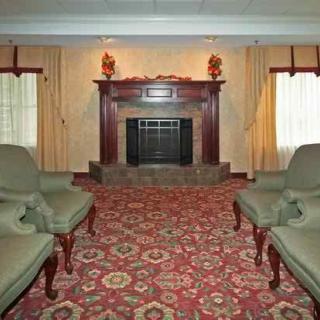
Tennyson Court on seniors.fyi includes 24 photos including images showing building, landscaping, interior, architecture, trees, outdoors, living room, dining, and more.
Nearby Communities
Presbyterian Homes
Williamsville, NY
4.9 from 12 reviews
Welcoming, supportive community with exceptional care.
FirstLight Home Care
Williamsville, NY
4 from 6 reviews
Patient, capable caregivers and reliable 24/7 support.
Brompton Heights
Buffalo, NY
3.7 from 89 reviews
$1,775 to $4,800 / month
Compassionate staff with broad care options and extensive on-site amenities.
StoneGate of Clarence
Williamsville, NY
4.9 from 23 reviews
$1,412 to $1,557 / month
Well-maintained grounds, a quiet community, and responsive maintenance with friendly staff.
Harris Hill Nursing Facility
Williamsville, NY
3.5 from 166 reviews
Friendly, professional staff and effective physical therapy, with comfortable rooms.
The Amberleigh
Williamsville, NY
4.4 from 253 reviews
$2,450 to $4,750 / month
Friendly staff, engaging activities, and clean, spacious apartments.
Heathwood Assisted Living & Memory Care
Williamsville, NY
4.2 from 43 reviews
$4,450 to $6,500 / month
Friendly staff, excellent dining, and a welcoming, home-like environment.
Canterbury Woods
Williamsville, NY
4.1 from 88 reviews
Luxurious community with broad care options (CCRC, independent, memory care, skilled nursing) and extensive on-site amenities.
Elderwood At Williamsville
Williamsville, NY
2.4 from 45 reviews
Compassionate staff, clean facility, and engaging activities.
Dementia leads to cognitive impairment and can cause emotional and behavioral changes, including aggression that arises from frustration, confusion, or fear. Effective coping strategies for caregivers include understanding dementia's nature, recognizing triggers, using empathetic communication, and employing non-pharmacological interventions like music and art therapy.
Dementia causes cognitive decline and challenging behaviors that caregivers must manage, necessitating an understanding of the neurological basis of these issues. Effective strategies and self-care for caregivers can enhance support for those with dementia and improve their daily lives.
The content outlines five key early indicators of dementia, including significant memory loss and confusion about time and place, while emphasizing the need for professional evaluation and emotional support for both individuals showing symptoms and their caregivers. It encourages family members to monitor these signs closely and use online quizzes for initial awareness.
Get PricingAsk A QuestionSchedule A TourContact Senior Advisor
By clicking submit, you agree to our Partner's Terms of Use. You
also consent to receive calls and texts, which may be autodialed, from our Partner. Your consent is not a condition to
using our Partner's service. Please visit our Partner's Privacy Policy for information about their privacy practices.


 93 resident community capacity
 Condos / townhomes
 Studio apartments
 Assisted Living
 Memory Care
 Respite Care
 Skilled Nursing Facility
 Cats allowed
 Dogs allowed
 Activities off-site
 Air-conditioning
 Beautician on-site
 Cable or satellite TV
 Computer center
 Devotional services off-site
 Dining room
 Fitness room
 Fully furnished
 Gaming room
 Garden
 Ground floor units
 Handicap accessible
 Housekeeping services
 Indoor common areas
 Kitchenette
 Laundry
 Move-in coordination
 Outdoor common areas
 Private bathrooms
 Resident parking
 Restaurant-style dining
 Security gate
 Small library
 Telephone
 Wellness center
 Wheelchair accessible showers
 Wi-Fi/high-speed internet available
 Buffalo Niagara International (3 miles away)
 Community operated transportation
 12-16 hour nursing
 24-hour call system
 Ambulatory care
 Assistance with bathing
 Assistance with dressing
 Assistance with transfers
 Blood work
 Diabetes diet
 Diabetic care
 Incontinence care
 Medication management
 Mental wellness program
 Special dietary restrictions
 Art classes
 Bible study group
 Concierge services
 Cooking classes
 Educational speakers / life long learning
 Planned day trips
 English
 Welcoming, supportive community with exceptional care.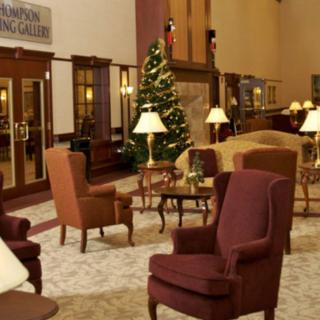
 When Dementia Sparks Anger and Aggression: Understanding the Connection and Ways to Cope
 Dementia Behaviors: In-Depth Understanding and Effective Coping Strategies
 5 Early Indicators of Dementia and What You Can Do