The Queens Adult Care Center offers competitive pricing for its room types when compared to both Queens County and the broader New York state averages. With studio and semi-private rooms each priced at $1,313 per month, residents benefit from significantly lower costs than the county's average of $4,515 for a studio and $3,901 for a semi-private room. This affordability positions the center as an appealing option for individuals seeking quality adult care within a budget-conscious framework. Compared to state averages that hover around $4,532 for studios and $4,389 for semi-private accommodations, the Queens Adult Care Center stands out as a cost-effective alternative without compromising on the quality of care provided.
Floor plans
Queens Adult Care Center
Queens County
New York
Studio
$1,313
$4,515
$4,532
Semi-Private
$1,313
$3,901
$4,389
Skilled Nursing Facilities with a similar price nearby
Care support shows up repeatedly in residents’ day-to-day experiences.
Residents and families describe regular help with daily needs, including meals and medication support, and they mention on-site healthcare and therapies. The community’s care services also include structured assistance like bathing, dressing, transfers, incontinence care, and medication management, plus ambulatory care and support for special dietary needs. In short, reviews portray hands-on care alongside practical service routines.
differentiator16 reviews mention this
Case management helps during transitions
Case management and communication are frequent themes in reviews.
Many reviewers highlight a named admissions/case manager and describe ongoing responsiveness once someone is enrolled, including smooth coordination for moving in and keeping families informed. That lines up with the way the community is set up to support move-in coordination and transportation arrangement. Reviews also connect the communication to reduced stress for families during placement and discharge periods.
common9 reviews mention this
Dining and meal support matter
Meals and meal options are a point of pride for families.
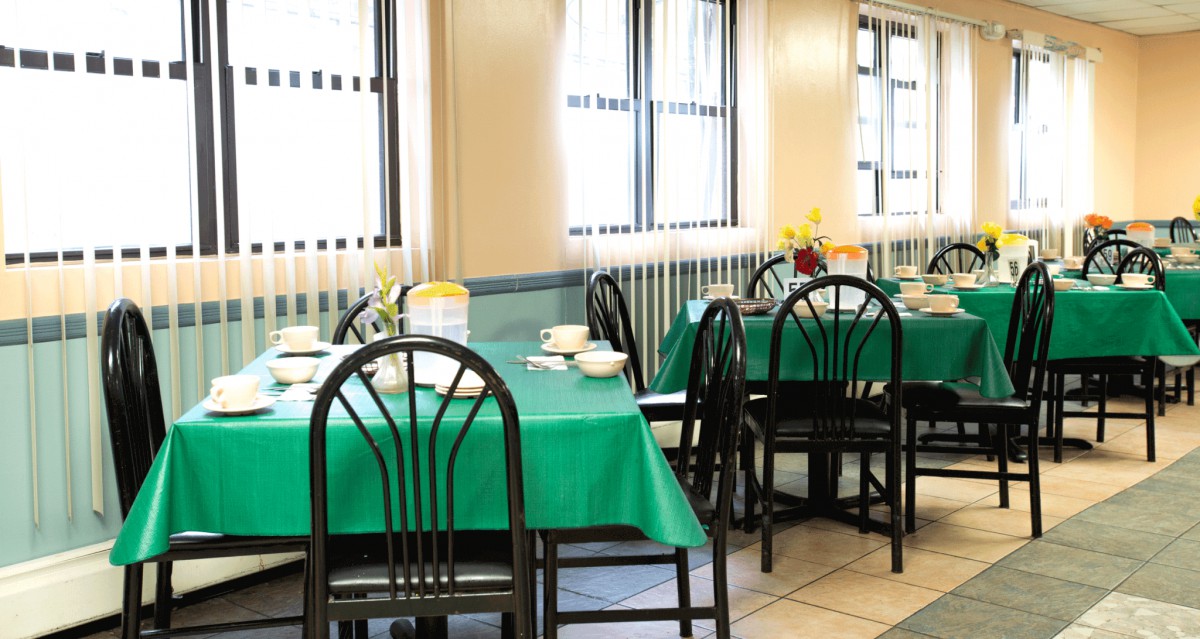
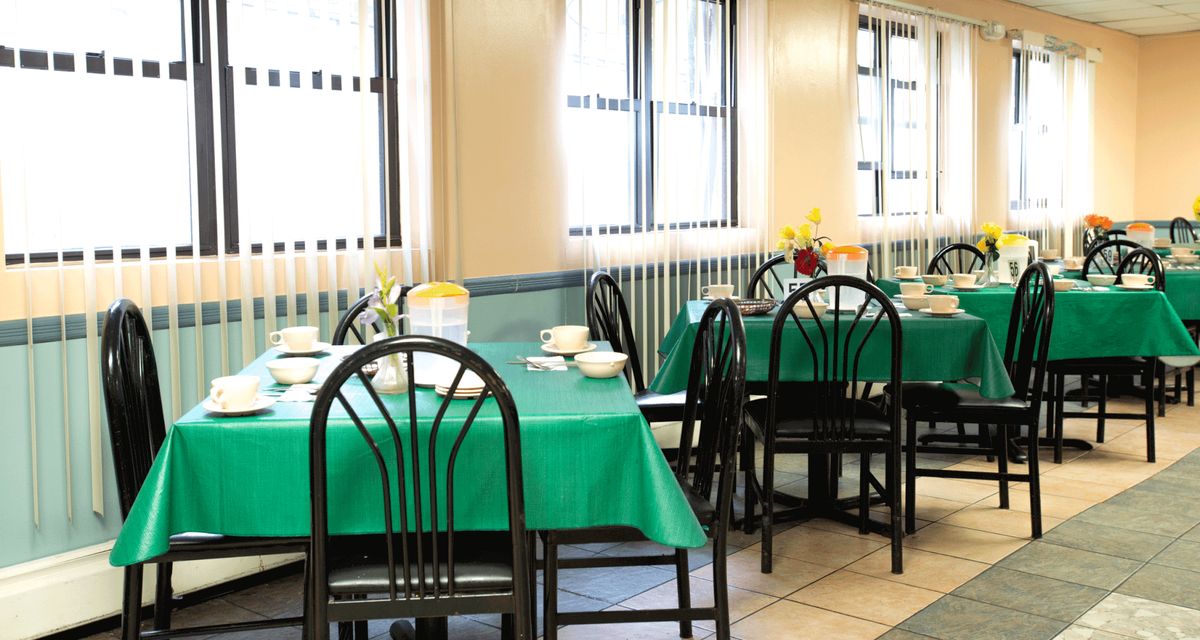
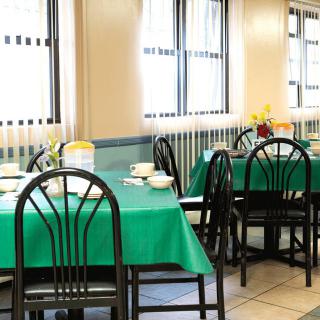
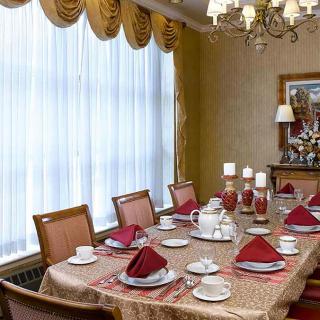
Multiple reviews mention enjoying the meals, praising the food, or noting that residents have enough variety at mealtimes. Others specifically call out meal choices and meal support, including that residents are not left without what they need. The community also offers restaurant-style dining and room service, and it supports special dietary restrictions and diabetes diet needs.
common8 reviews mention this
Activities keep residents engaged
Residents are described as having regular things to do.
Reviews commonly mention recreation services and an activities calendar that keeps people busy, with families observing engagement during visits. Some reviewers also describe a variety of structured daily activities and community-sponsored programming. The community similarly offers on-site and off-site activities, fitness programs, and resident-run or scheduled activities.
common17 reviews mention this
Cleanliness is praised, with some exceptions
The facility’s cleanliness is repeatedly mentioned in reviews.
Many reviewers describe the building as clean, orderly, and well maintained, including residents’ rooms and common areas. Families also mention a comfortable, homelike environment when they visit. A smaller set of reviews raises concerns about odors or other cleanliness-related issues, so experiences appear mixed.
caveat5 reviews mention this
Safety and supervision concerns appear
Some reviews raise concerns about safety and supervision.
While many reviews are positive, a few describe serious problems such as unsafe behavior, incidents involving residents, and concerns about staff training or response. Other critical comments mention rude interactions and inadequate care, and one review points to emergency activity at night. These comments don’t reflect everyone’s experience, but they are recurring enough to flag as a key area to verify.
How we summarize
Counts show how many written reviews mention each theme; a review can touch several themes, and only frequently mentioned themes are displayed.
Features
Housing
352 resident community capacity
Studio apartments
Types of Care
Assisted Living
Respite Care
Skilled Nursing Facility
Amenities
Activities off-site
Activities on-site
Air-conditioning
Bath tubs
Beautician on-site
Beauty salon
Cable or satellite TV
Computer center
Devotional services off-site
Devotional services on-site
Dining room
Fitness room
Fully furnished
Gaming room
Garden
Handicap accessible
Housekeeping services
Indoor common areas
Kitchenette
Laundry
Move-in coordination
Outdoor space
Party space
Private bathrooms
Restaurant-style dining
Small library
Telephone
Wellness center
Wi-Fi/high-speed internet available
Transportation
LaGuardia (3 miles away)
John F Kennedy International (9 miles away)
Newark International (15 miles away)
Westchester Cty (24 miles away)
Community operated transportation
Transportation & parking
Transportation arrangement
Transportation arrangement (non-medical)
Transportation to doctors appointments
Care Services
12-16 hour nursing
24-hour call system
24-hour supervision
Activities of daily living assistance
Ambulatory care
Assistance with bathing
Assistance with dressing
Assistance with transfers
Diabetes diet
Diabetic care
Incontinence care
Meal preparation and service
Medication management
Mental wellness program
Special dietary restrictions
Dining
Diabetes diet
Meals provided
Room service
Special dietary restrictions
Activities
Activities off-site
Activities on-site
Community-sponsored activities
Concierge services
Devotional activities offsite
Devotional activities on-site
Fitness programs
Jewish services
Other religious services
Planned day trips
Religious services
Resident-run activities
Scheduled daily activities
Visiting Rabbi
Visiting chaplain or priest
Languages Spoken
English
Nearby Places of Interest
Located in the vibrant neighborhood of Elmhurst, New York, this area offers convenient access to essential amenities such as pharmacies, transportation options, parks, restaurants, places of worship, physicians, cafes, hospitals, and theaters. With multiple pharmacies including Walgreens and CVS within a short distance, easy access to public transportation like the MTA Subway and LIRR Woodside Station, and various parks and restaurants nearby for leisure activities and dining options. Additionally, there are several reputable healthcare facilities in the vicinity such as Memorial Sloan Kettering Cancer Center and Bellevue Hospital Center for medical needs. The community also offers cultural experiences with theaters like AMC Kips Bay 15 just a short distance away. Overall, this part of Elmhurst provides a well-rounded environment suitable for senior living with its diverse range of services and attractions.
Pharmacies
Walgreens (0.3 miles)
Rite Aid (1.6 miles)
CVS Pharmacy (1.9 miles)
CVS Pharmacy (2 miles)
CVS Pharmacy (2.1 miles)
CVS Pharmacy (2.2 miles)
Rite Aid (2.5 miles)
Transportation
MTA Subway - 74th St/Roosevelt Ave/Jackson Hts (0.5 miles)
LIRR Woodside Station (1 miles)
National Car Rental (2.1 miles)
MTA - Mets-Willets Point Subway Station (2.2 miles)
LIRR - Mets-Willets Point Station (2.2 miles)
Terminal D (2.3 miles)
Rideshare Pick-up (2.3 miles)
Parks
Flushing Meadows Corona Park (2.1 miles)
Astoria Park (2.8 miles)
Rainey Park (3.3 miles)
Forest Park (3.3 miles)
McCarren Park (3.7 miles)
Gantry Plaza State Park (3.8 miles)
Carl Schurz Dog Run (3.9 miles)
Restaurants
Ikraveit Foods (2.6 miles)
Kimbap Lab (4.3 miles)
Taco Bell (4.9 miles)
The Loeb Boathouse (5 miles)
Sarabeth's (5 miles)
Le Pain Quotidien (5.2 miles)
La Grande Boucherie (5.3 miles)
Places of Worship
St Luke's Episcopal Church (2.8 miles)
St. Patrick's Cathedral (5 miles)
Physicians
David H. Koch Center for Cancer Care at Memorial Sloan Kettering Cancer Center (3.9 miles)
Memorial Sloan Kettering Cancer Center (4.1 miles)
The Queens Adult Care Center offers competitive pricing for its room types when compared to both Queens County and the broader New York state averages. With studio and semi-private rooms each priced at $1,313 per month, residents benefit from significantly lower costs than the county's average of $4,515 for a studio and $3,901 for a semi-private room. This affordability positions the center as an appealing option for individuals seeking quality adult care within a budget-conscious framework. Compared to state averages that hover around $4,532 for studios and $4,389 for semi-private accommodations, the Queens Adult Care Center stands out as a cost-effective alternative without compromising on the quality of care provided.
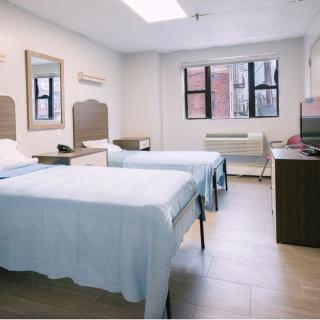
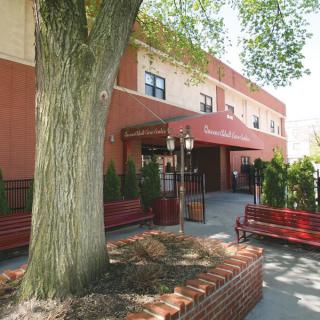
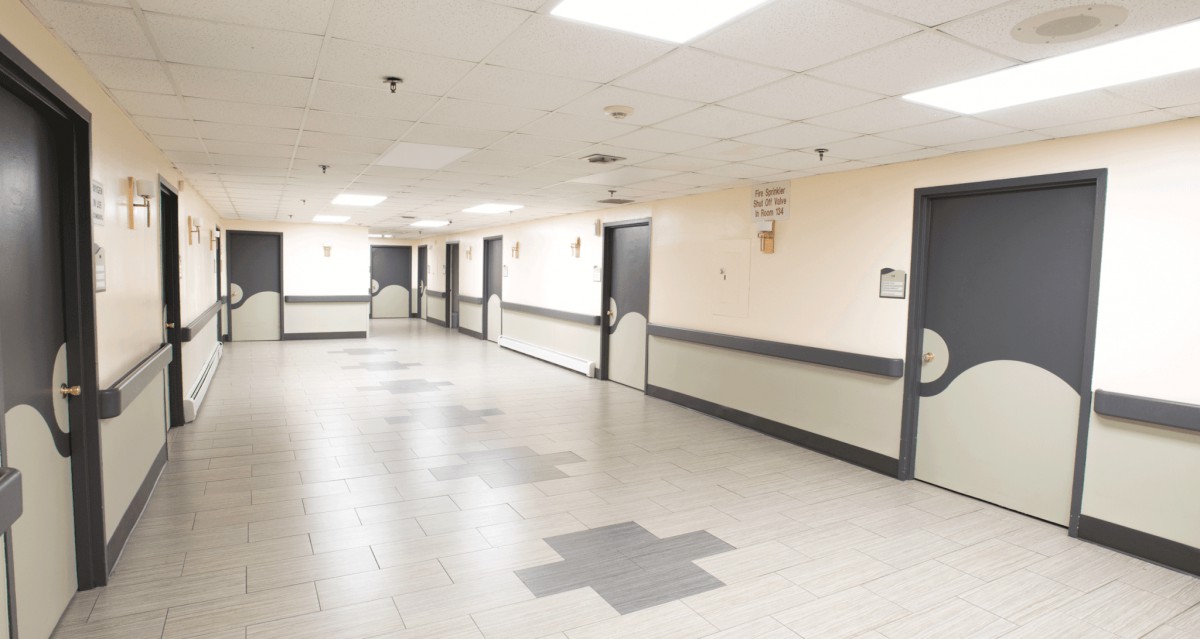
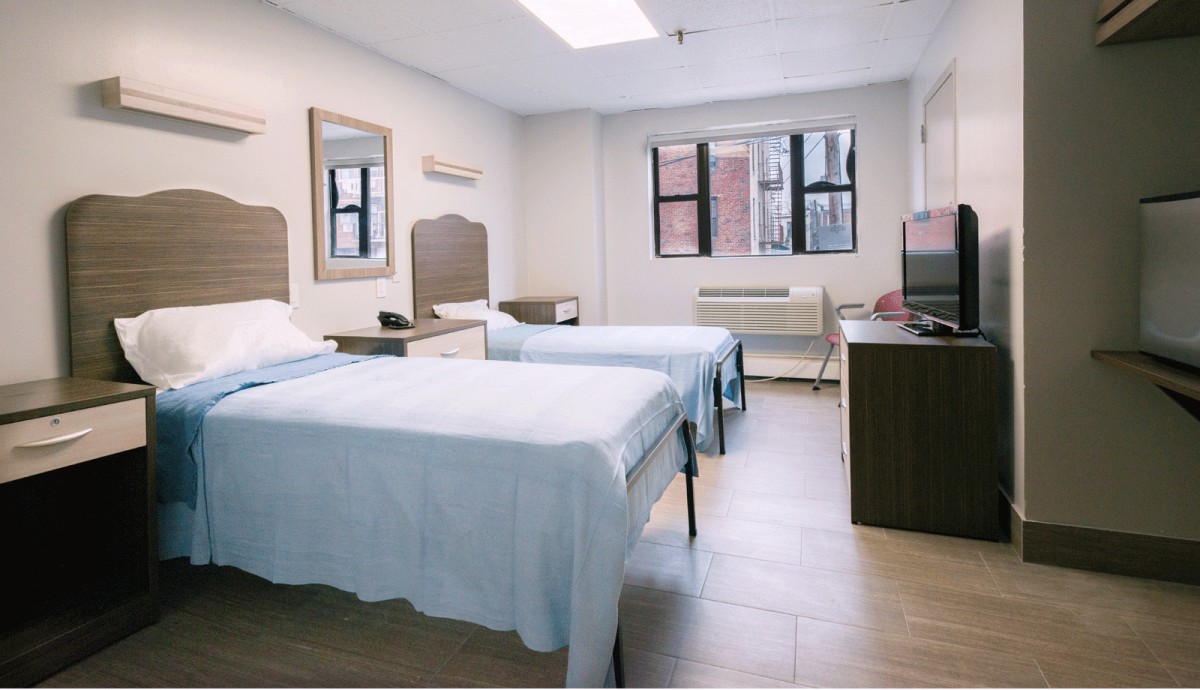
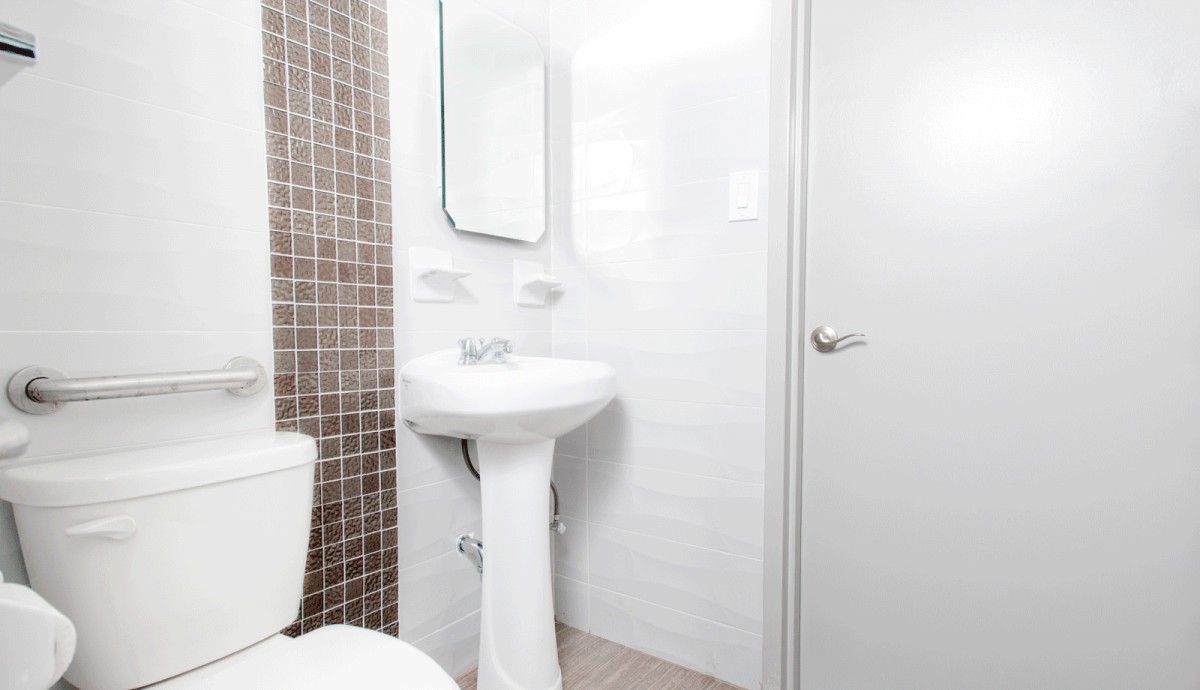
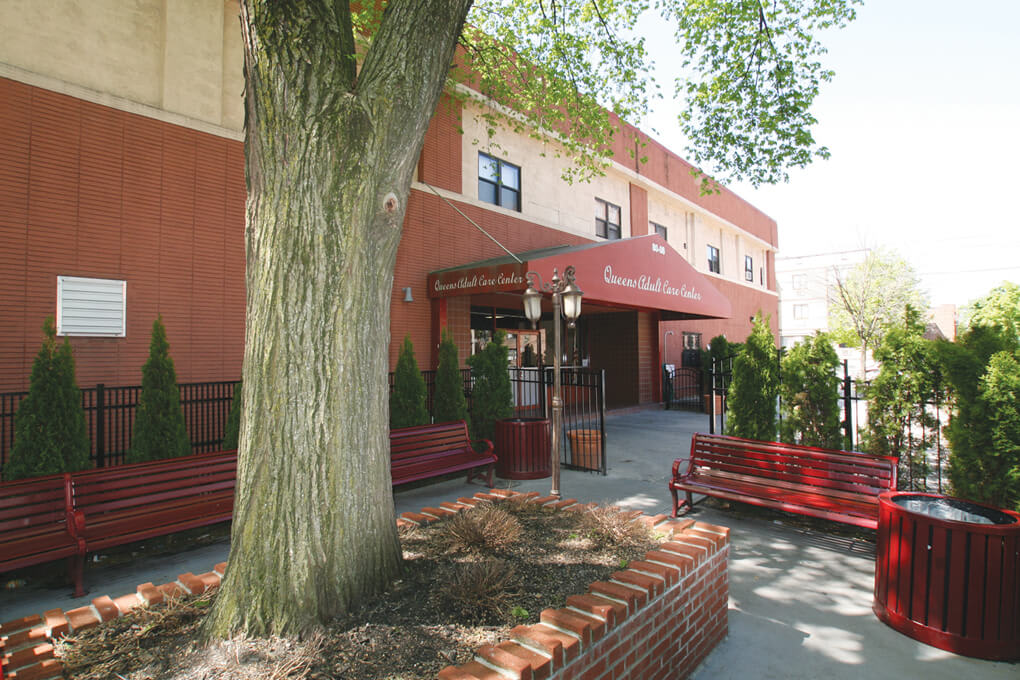
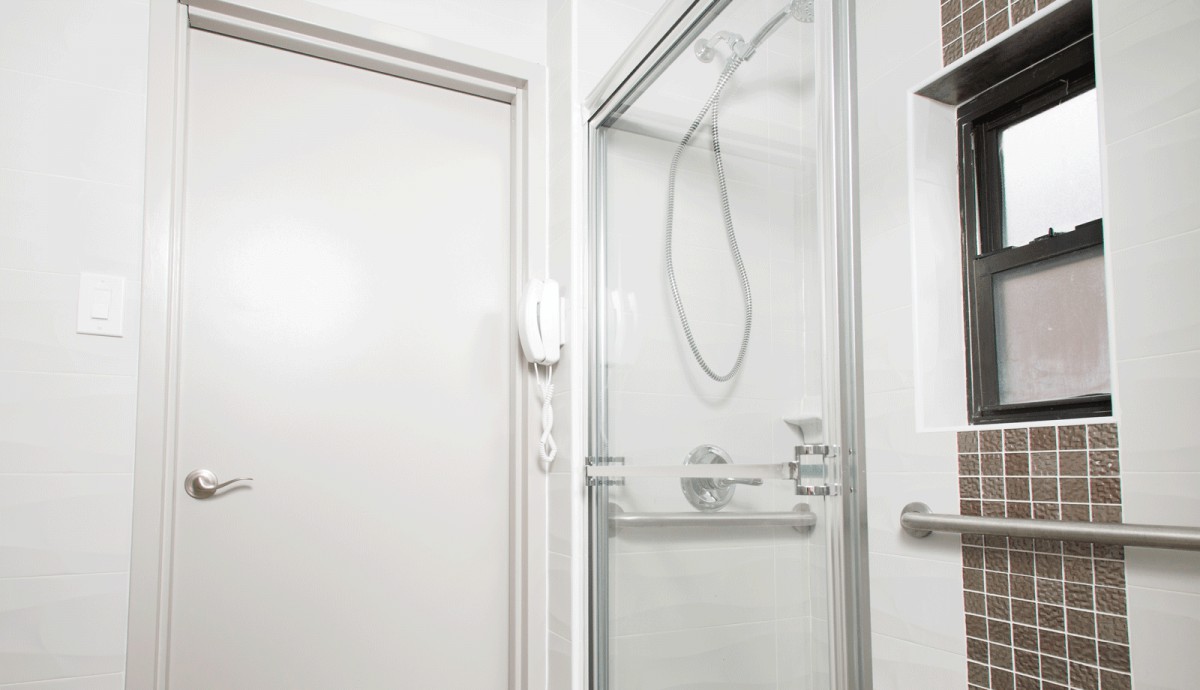
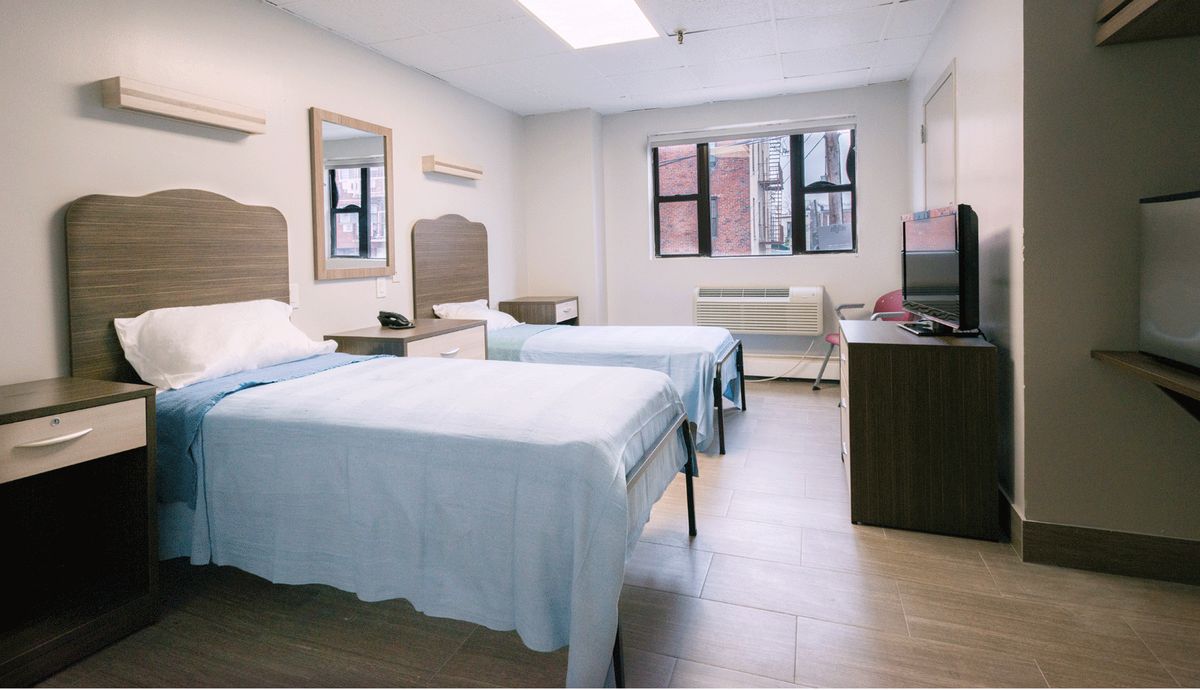
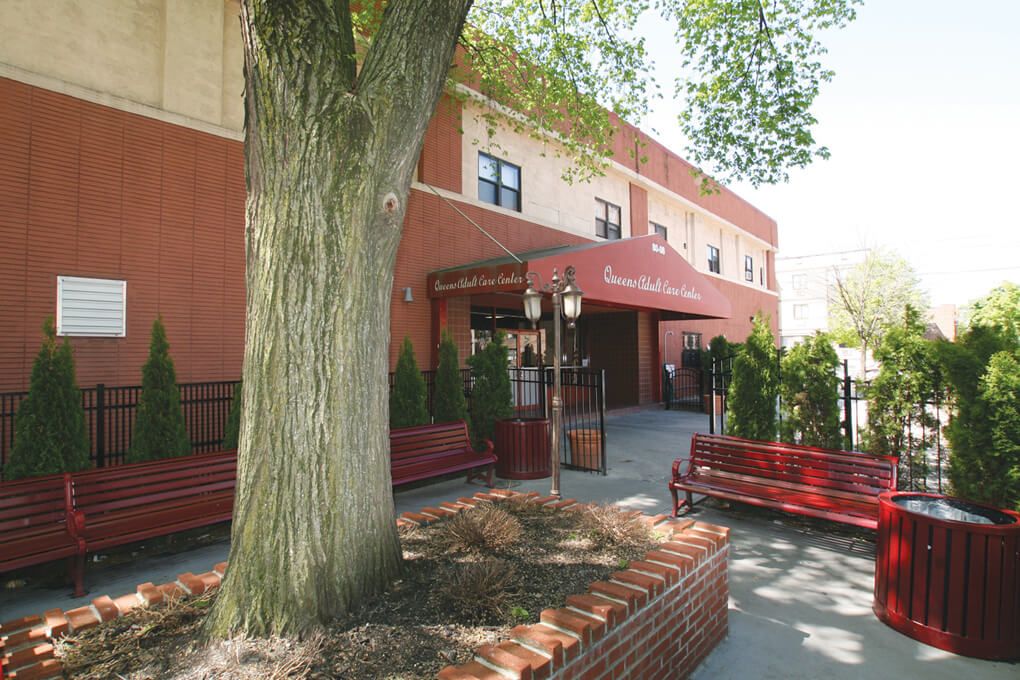
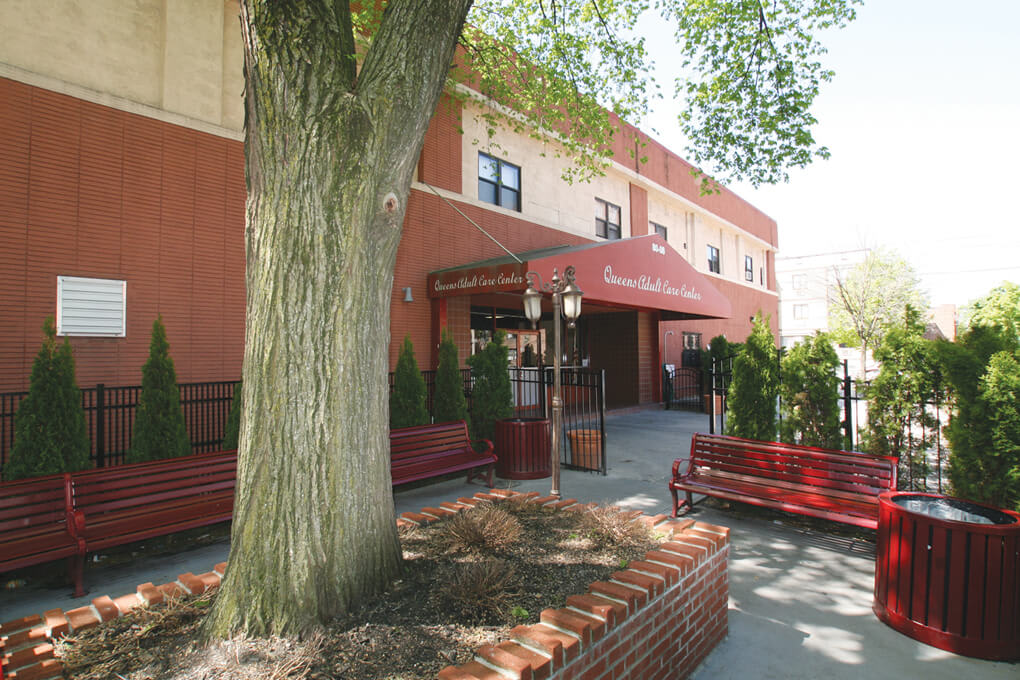
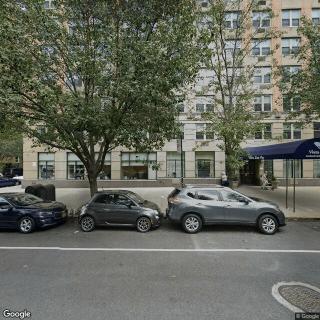
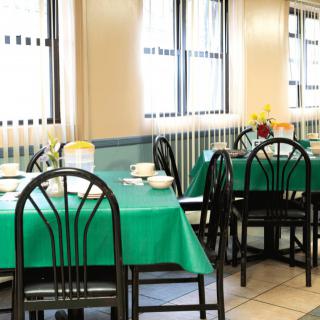
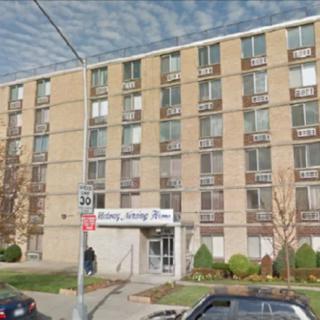
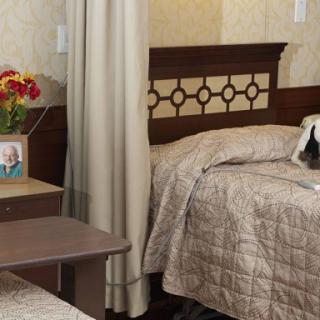
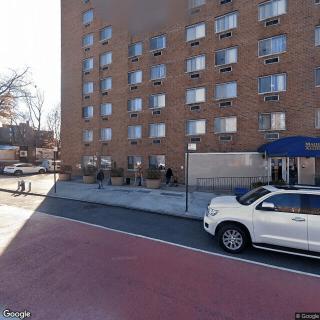
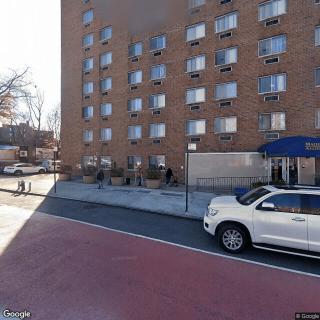
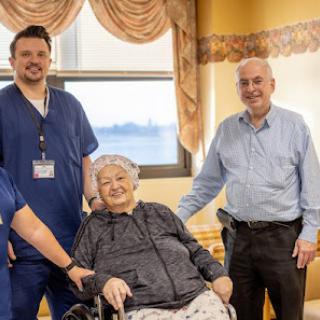
Queens Adult Care Center on seniors.fyi includes 13 photos including images showing interior, dining, bathroom, windows, building, tree, healthcare, entrance, and more.
Nearby Communities
Queens Boulevard Extended Care Facility
Woodside, NY
4.4 from 133 reviews
$4,500 / month
Comfortable rooms with engaging activities and generally welcoming staff.
Regal Heights Rehabilitation And Health Care Center
Jackson Heights, NY
4.6 from 120 reviews
$4,000 / month
Affordable private-room price with broad on-site amenities and 24-hour care.
Midway Nursing Home
Maspeth, NY
3.9 from 124 reviews
Caring staff in some departments and ongoing room renovations.
Dry Harbor Nursing Home
Middle Village, NY
4.4 from 196 reviews
Caring staff and engaging activities in a clean, home-like environment.
Madison York Assisted Living - Rego Park
Rego Park, NY
3.6 from 33 reviews
Specialized diabetic care and off-site devotional services.
Madison-York Home-Adults
Flushing, NY
3.5 from 27 reviews
Convenient location with abundant nearby amenities (cafes, parks, pharmacies, restaurants, and transportation).
Atria Forest Hills
Forest Hills, NY
4.7 from 170 reviews
$6,495 to $7,495 / month
Caring staff and a vibrant, hotel-like community.
Cliffside Rehab & Residential Health Care Center
Flushing, NY
4.1 from 128 reviews
Caring nursing staff with engaging activities and strong rehab support.
Sanford Home
Flushing, NY
3.9 from 15 reviews
$2,000 / month
Clean, safe environment with reliable medication management and transport to medical appointments.
The article discusses assisted living expenses, the importance of long-term care insurance in covering these costs, and various financing options, highlighting the need for careful policy review and early planning to address potential needs. It also clarifies common misconceptions about Medicare and private health insurance limitations regarding long-term care coverage.
Assisted living facilities offer crucial support for older adults needing help with daily activities but come with varying and significant costs, which can be financed through personal savings, government assistance programs, long-term care insurance, and home equity options. Professional guidance from experts can aid families in navigating these financial complexities to establish a sustainable budgeting approach for assisted living services.
Assisted living costs often exceed Social Security benefits, necessitating a combination of funding sources like state aid and Medicaid. Understanding the interaction between Social Security programs and available financial support is essential for affording such care.
Get PricingAsk A QuestionSchedule A TourContact Senior Advisor
By clicking submit, you agree to our Partner's Terms of Use. You
also consent to receive calls and texts, which may be autodialed, from our Partner. Your consent is not a condition to
using our Partner's service. Please visit our Partner's Privacy Policy for information about their privacy practices.


 352 resident community capacity
 Studio apartments
 Assisted Living
 Respite Care
 Skilled Nursing Facility
 Activities off-site
 Air-conditioning
 Bath tubs
 Beautician on-site
 Cable or satellite TV
 Computer center
 Devotional services off-site
 Dining room
 Fitness room
 Fully furnished
 Gaming room
 Garden
 Handicap accessible
 Housekeeping services
 Indoor common areas
 Kitchenette
 Laundry
 Move-in coordination
 Outdoor space
 Party space
 Private bathrooms
 Restaurant-style dining
 Small library
 Telephone
 Wellness center
 Wi-Fi/high-speed internet available
 LaGuardia (3 miles away)
 Community operated transportation
 12-16 hour nursing
 24-hour call system
 Ambulatory care
 Assistance with bathing
 Assistance with dressing
 Assistance with transfers
 Diabetes diet
 Diabetic care
 Incontinence care
 Medication management
 Mental wellness program
 Special dietary restrictions
 Concierge services
 Jewish services
 Planned day trips
 Visiting chaplain or priest
 English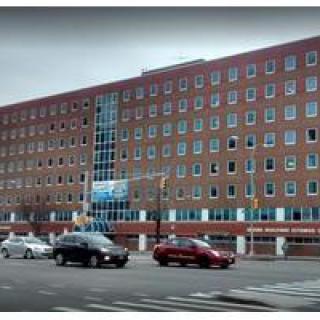
 Comfortable rooms with engaging activities and generally welcoming staff.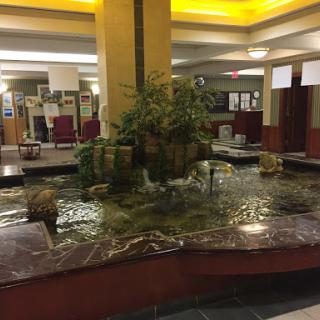
 Assisted Living Expenses and Long-Term Care Insurance: A Comprehensive Exploration
 Securing Financial Support for Assisted Living: A Comprehensive Overview
 Social Security Benefits and Assisted Living: Navigating Options Across the U.S.