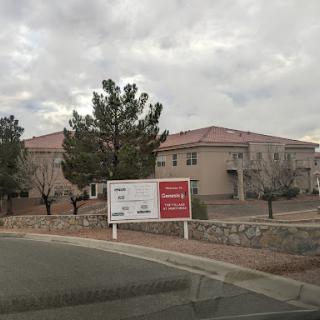
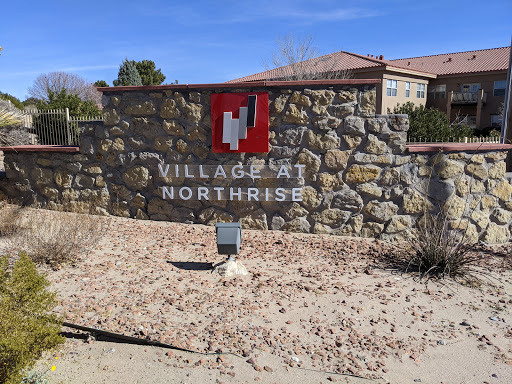
The Village at Northrise - Morningside

Save

The Village at Northrise - Morningside

2880 North Roadrunner Parkway, Las Cruces, NM 88011

For more information about senior living options: (844) 490-3973

3.9 from 53 reviews
5 stars
33
4 stars
6
3 stars
0
2 stars
2
1 stars
12

Assisted Living

Overall Review of The Village at Northrise - Morningside

Pros

  • pro The Village at Northrise staff provided excellent care for over 16 months, consistently going above and beyond expectations.
  • pro Bonnie Zeiler, the Nursing Director, regularly found time to answer questions and ease families through the process.
  • pro Nurses Tracy, Vanessa, and Laura were incredibly knowledgeable, helpful, and became trusted resources and friends.
  • pro The Enhanced Memory Care Unit, under Bonnie Zeiler's leadership, delivered compassionate, professional, and nurturing care.
  • pro Marcus offered clear guidance, and Becky greeted visitors with a friendly, welcoming smile.
  • pro Sylvia coordinated transportation and understood families' needs, helping Northrise residents and their loved ones immensely.
  • pro The Northrise Memory Care environment was described as welcoming, beautiful, and like a real home, with 24-hour safety and consistent caregivers.
  • pro Families expressed deep gratitude for Bonnie Zeiler and her staff for their unwavering support during transitions.
  • pro Northrise staff were described as caring, gentle, and attentive, treating residents with genuine kindness.
  • pro The staff at Northrise Therapy were helpful and saved families time and nerves through their diligent efforts.

Cons

  • pro The review states that the facility dropped a mutual patient off at the wrong facility multiple times and staff were unresponsive and unprofessional when contacted.
  • pro The case manager failed to arrange medical transport, blamed others for the oversight, and risked the patient's safety.
  • pro Bed checks were infrequent, with only meals and medications prompting checks, and injuries occurred under their care.
  • pro Desert Willow was described as the worst facility seen, with upset nursing staff, lack of assistance to patients, rooms filthy and misrepresented in photos, and concerns about putting patients' best interests first.
  • pro The phones were often unanswered, and there was no communication from the care team.
  • pro The facility was described as rundown with mold in the bathrooms.
  • pro A patient was released with a catheter without timely notification to the family or proper transport arrangements.
  • pro Staff were described as under-staffed and unwilling to perform patient care.

Review

Across these public reflections, a wide spectrum of elder-care experiences emerges, centered most vividly around The Village at Northrise in Morningside and spanning a few other local facilities. At its best, Northrise is held up as a haven of professional, compassionate care - especially in its Enhanced Memory Care Unit - where families describe warmth, steadiness, and a sense that their loved ones are in capable, kind hands. Several reviews highlight a care team that is accessible, patient, and deeply involved in the well-being of residents. In particular, Bonnie Zeiler, the Nursing Director, consistently stands out for taking time to answer questions, provide guidance, and ease families through challenging transitions. The memory-care team is praised for its stability and personal touch; caregivers like Tracy, Vanessa, Laura, and others are described as knowledgeable, resourceful, and rooted enough in their roles to build genuine relationships with residents and their families. The sense across these comments is that Northrise can feel like a real home, with staff who know the residents well and who go above and beyond to support both them and their families.

Those strong endorsements are mirrored in the more personal testimonies of families who say Northrise helped them weather extraordinarily difficult periods. One review emphasizes the long arc - more than 16 months - where the staff provided steady, compassionate care, and where the family felt supported at every turn. The appreciation is not abstract: families recount daily acts of kindness, consistent caregiving teams, and staff members who became friends to both residents and family members. In these recollections, the memory-care staff are not just caregivers but anchors during a time of life that is often filled with fear, confusion, and loss. The gratitude is expressed in repeated praise for Bonnie Zeiler and for the memory-care team's professional, patient, and emotional support, underscoring how important reliable communication and a sense of safety can be when a loved one is navigating the final chapters of life.

Yet, the collection of reviews also contains sharp cautions about other experiences within the same ecosystem of facilities. A strongly worded warning declares, "STEAR CLEAR FROM THIS FACILITY," recounting a troubling pattern of misdirected transport, dropped-off patients at the wrong facility, and phone calls left unanswered with staff saying, "I don't know where he is and I'm busy." The critique paints a picture of disorganization and insensitivity during a vulnerable time, with several concrete incidents: multiple instances where a patient was left at the wrong place, poor or nonexistent phone responsiveness, and a sense that accountability was lacking. In such accounts, safety and reliability - especially around transport and whereabouts - are framed as essential requirements that were not met, leading to lasting distrust and fear for families worried about a loved one's safety.

Other negative threads concern discharge planning and care coordination. In one narrative, a case manager named Michelle is described as having failed to arrange medical transport and then shifting blame to the family for what went wrong. The reviewer notes a lack of timely notice for transfers, criticism directed at family concerns, and ongoing risk to a sister who relied on transport that never arrived promptly. Additional complaints touch on the broader care environment, including insufficient bed checks (a suggestion of only meal and medication checks), and a troubling incident where a roommate was injured under the facility's care. The reviews underscore a call for more proactive safety measures and more transparent communication with families, especially during critical discharge moments and transitions of care.

Beyond Northrise, the reviews traverse other facilities with equally strong opinions. Desert Willow is described by one reviewer as "the absolute worst facility I have seen," with nursing staff portrayed as visibly upset about providing care, and with private rooms not matching promotional photos. Concerns extend to the physical state of the building - described as filthy and deteriorating, with mold in bathrooms - and to questions about ownership and the facility's regard for patients' best interests. Several reviewers speculate about the credibility of online ratings, urging prospective families to look beyond what they read online and to visit facilities in person to assess quality for themselves.

Another reviewer details a troubling transition: a loved one moved from Memorial Hospital to Desert Willow and then to ICU after experiences including oxygen equipment that did not function properly. This account emphasizes how lapses in care and equipment reliability can have life-threatening consequences, and it reinforces the urgent need for vigilant advocacy by families when a member is in a facility's care. Similarly, one family recounts a different facility experience related to a 90-year-old mother with dementia, where narcotics and other medications were administered together in a way that caused distressing side effects, followed by a discharge without family notification - a sequence that understandably raises concern about medication oversight and family communication.

Amidst these alarms, there are continued affirmations of Northrise's positive impact. In another thread, families express gratitude for Northrise's teamwork and the facility's ability to support a transition that would otherwise have been overwhelming. Names surface repeatedly in praise - Marcus, Becky, Sylvia, and Pablita - highlighted for their roles in transportation coordination, greet-and-support routines, and day-to-day assistance that helps residents feel known and cared for. The sense is that Northrise's staff, especially those connected with transportation and social work, can be a lifeline for families attempting to navigate complex medical and logistical challenges. Reviews describe Northrise as a place where residents are treated with dignity, and where families feel that dedicated caregivers are on the patients' side.

The memory-care stories at Northrise also carry a powerful weight of appreciation for Bonnie Zeiler. Families describe a deep sense of relief and gratitude for her steady presence, quick replies to calls, texts, and emails, and for her leadership in guiding staff through emotionally charged moments. One extended tribute emphasizes how Bonnie and her team helped the family navigate the final journey of a loved one with empathy, clarity, and reassurance - an experience that transformed what could have been the bleakest of transitions into a more manageable and compassionate process. In these recollections, Bonnie is not just an administrator but a trusted partner whose involvement makes a tangible difference in the family's ability to cope with loss and to celebrate a loved one's life.

Taken together, the reviews sketch a landscape of elder-care that is not monolithic. The Village at Northrise emerges as a beacon of praise in the memory-care and long-term-care space, valued for its dedicated staff, stable caregiving teams, and strong on-site leadership. At the same time, other facilities in the area are depicted with serious concerns about safety, communication, responsiveness, and infrastructure. For families seeking care for a loved one, the message that threads through these narratives is clear: investigate thoroughly, demand reliable transport and timely communication, and look beyond publicity to observe how staff interact with residents and families on a day-to-day basis. In this mosaic of experiences, the human elements - the kindness of individual caregivers, the steadiness of directors like Bonnie Zeiler, and the everyday realities of managing aging and health - are the factors most often cited as making the difference between fear and trust, between disengagement and partnership, and between a life lived with dignity and one compromised by systemic lapses.

Features

Housing

  • 21 resident community capacity 21 resident community capacity

Types of Care

  • Assisted Living Assisted LivingAssisted living facilities provide crucial support and care for seniors who may need help with daily tasks such as medication management, bathing, and meal preparation. These communities offer a safe and comfortable environment where seniors can maintain their independence while receiving the assistance they need to thrive in their golden years.

Amenities

  • Beauty salon Beauty salonBeauty salons are important for seniors because they provide a space for them to feel pampered, socialize, and maintain their personal grooming and hygiene. Regular visits to a beauty salon can help boost seniors' self-esteem and overall well-being.
  • Cable or satellite TV Cable or satellite TVCable or satellite TV is important for seniors because it provides entertainment, news, and companionship, helping to combat loneliness and boredom. It also offers a wide range of programming options tailored to different interests and preferences.
  • Dining room Dining roomDining rooms are important for seniors as they provide a space for socialization, connection, and nutritious meals. They offer opportunities for residents to bond over shared meals, foster a sense of community, and promote healthy eating habits. Dining rooms also ensure that seniors have access to well-balanced meals tailored to their dietary needs and preferences.
  • Fully furnished Fully furnishedFully furnished senior living communities are important for seniors because they provide convenience, comfort, and a hassle-free moving experience. Seniors can easily settle into their new living space without the stress of having to buy and move furniture. This allows them to focus on enjoying their new home and community.
  • Garden GardenGardens are important for seniors as they provide a peaceful and therapeutic environment for relaxation, physical activity, and socialization. Being in nature has been shown to reduce stress, improve mood, and promote overall well-being. Gardens also offer opportunities for seniors to engage in gardening activities, which can improve mobility, flexibility, and cognitive function. Additionally, gardens create a sense of community and connection with others who share a passion for plants and outdoor spaces.
  • Housekeeping services Housekeeping servicesHousekeeping services are important for seniors because they help maintain a clean and safe living environment, promote independence, and reduce the risk of accidents or illnesses. Additionally, having assistance with household chores can alleviate physical strain and allow seniors to focus on other aspects of their well-being.
  • Kitchenette KitchenetteKitchenettes are important for seniors living in senior living communities because they provide the convenience and independence of being able to prepare simple meals and snacks in the comfort of their own living space. This can help promote a sense of autonomy and well-being for seniors, allowing them to maintain some level of control over their dietary choices and daily routines.
  • Move-in coordination Move-in coordinationMove-in coordination is important for seniors because it helps ease the transition into their new living environment. It ensures that all logistics, such as packing, organizing movers, and setting up utilities are taken care of, allowing seniors to focus on settling in and adjusting to their new home. Having a smooth move-in process can alleviate stress and anxiety, making the transition smoother and more enjoyable for seniors.
  • Outdoor space Outdoor spaceOutdoor spaces are important for seniors as they provide opportunities for physical activity, social interaction, exposure to natural light and fresh air, and a sense of connection to nature. Having access to outdoor spaces can improve overall well-being and quality of life for older adults living in senior communities.
  • Telephone TelephoneTelephones are important for seniors as they provide a lifeline for communication with loved ones, emergency services, and healthcare providers. They offer a sense of security and independence, enabling seniors to stay connected and access assistance when needed.
  • Wi-Fi/high-speed internet available Wi-Fi/high-speed internet availableWi-Fi/high-speed internet is important for seniors to stay connected with loved ones, access online resources, and participate in virtual activities to combat feelings of loneliness and isolation. It also allows them to easily manage healthcare needs, access entertainment, and engage in lifelong learning opportunities.

Care Services

  • 24-hour call system 24-hour call system24-hour call systems are important for seniors because they provide peace of mind and immediate assistance in case of emergencies. This technology ensures that help is always available, promoting safety and security for elderly individuals living alone or in assisted living facilities.
  • 24-hour supervision 24-hour supervision24-hour supervision is important for seniors to ensure their safety, well-being, and access to immediate assistance in case of emergencies or health issues. This constant support provides peace of mind for both seniors and their loved ones, allowing them to age in place with dignity and security.
  • Activities of daily living assistance Activities of daily living assistanceActivities of daily living assistance are important for seniors because they provide essential support with tasks such as eating, bathing, dressing, and mobility. This assistance helps seniors maintain their independence, dignity, and overall quality of life as they age.
  • Assistance with bathing Assistance with bathingAssistance with bathing is crucial for seniors as it helps maintain personal hygiene, prevents infections, and ensures their overall well-being and comfort. It also provides a sense of dignity and independence for seniors who may struggle with this task on their own.
  • Assistance with dressing Assistance with dressingAssistance with dressing is important for seniors because it helps maintain their independence, promotes personal hygiene, prevents accidents and injuries, and improves overall quality of life. This service ensures that seniors can continue to dress comfortably and confidently, despite any physical limitations they may have.
  • Assistance with transfers Assistance with transfersAssistance with transfers is crucial for seniors as it helps prevent falls and injuries, maintains their independence, and ensures they can safely navigate their living environment. It also provides peace of mind for both seniors and their loved ones.
  • Coordination with health care providers Coordination with health care providersCoordination with health care providers is crucial for seniors to ensure proper medical care, medication management, and overall well-being. This collaboration helps prevent overlapping treatments, track progress more effectively, and provide comprehensive support tailored to individual needs.
  • Diabetes diet Diabetes dietA diabetes diet is crucial for seniors as it helps manage blood sugar levels, reduce risks of complications, and improve overall health and well-being. By following a balanced and nutritious diet tailored to their specific needs, seniors can better control their diabetes and enhance their quality of life.
  • Meal preparation and service Meal preparation and serviceMeal preparation and service are crucial for seniors as they may have limited mobility or energy to cook nutritious meals. Having access to healthy and convenient food options can ensure they are getting the proper nutrition needed to maintain their overall health and well-being.
  • Medication management Medication managementMedication management is crucial for seniors to ensure they are taking the right medications at the correct dosages and times. This helps prevent adverse drug interactions, reduces the risk of medication errors, and promotes overall health and well-being. Proactive management also allows for adjustments as needed based on changing health conditions or new prescriptions.
  • Mental wellness program Mental wellness programMental wellness programs are essential for seniors as they promote cognitive stimulation, emotional support, and social engagement. These programs help prevent isolation, depression, and cognitive decline, ultimately enhancing the overall quality of life for older adults.
  • Special dietary restrictions Special dietary restrictionsSpecial dietary restrictions are important for seniors because age-related changes in metabolism and health conditions can make it difficult for their bodies to process certain foods. By following a diet tailored to their specific needs, seniors can maintain their overall health and well-being, manage chronic conditions, and reduce the risk of complications such as malnutrition or food interactions with medications.
  • Transportation arrangement (medical) Transportation arrangement (medical)Transportation arrangements for medical purposes are essential for seniors as they may have difficulty driving themselves to appointments or accessing public transportation. Having reliable and safe transportation options ensures that seniors can receive timely medical care and maintain their health and well-being.
  • Transportation to doctors appointments Transportation to doctors appointmentsTransportation to doctors' appointments is crucial for seniors as it ensures they have access to necessary medical care and support for their health needs. Without reliable transportation, seniors may struggle to attend important appointments, leading to potential delays in treatment and health complications. Providing transportation services helps seniors maintain their overall well-being and quality of life.

Dining

  • Diabetes diet Diabetes dietA diabetes diet is crucial for seniors as it helps manage blood sugar levels, reduce risks of complications, and improve overall health and well-being. By following a balanced and nutritious diet tailored to their specific needs, seniors can better control their diabetes and enhance their quality of life.
  • Special dietary restrictions Special dietary restrictionsSpecial dietary restrictions are important for seniors because age-related changes in metabolism and health conditions can make it difficult for their bodies to process certain foods. By following a diet tailored to their specific needs, seniors can maintain their overall health and well-being, manage chronic conditions, and reduce the risk of complications such as malnutrition or food interactions with medications.

Activities

  • Community-sponsored activities Community-sponsored activitiesCommunity-sponsored activities are important for seniors as they provide opportunities for social interaction, mental stimulation, and physical activity. These activities can help improve overall well-being, combat loneliness and isolation, and promote a sense of belonging and purpose among older adults.
  • Scheduled daily activities Scheduled daily activitiesScheduled daily activities are important for seniors because they provide structure, socialization, mental stimulation, and physical activity. Engaging in regular activities can improve overall well-being and quality of life for seniors living in a community setting.

Description

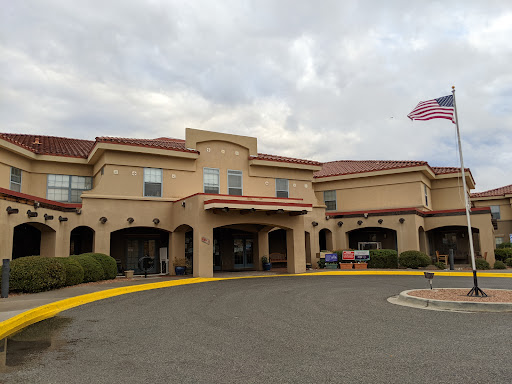
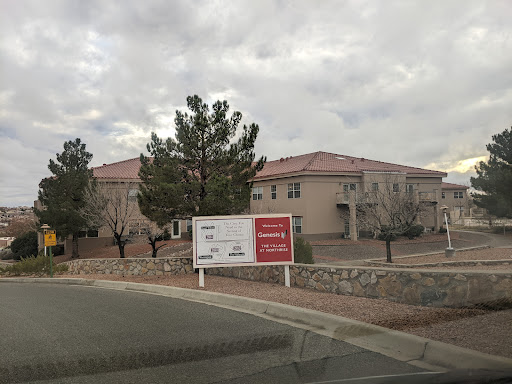
The Village at Northrise - Morningside is an assisted living community located in Las Cruces, NM. With a range of amenities and care services, our community provides a comfortable and supportive environment for seniors.

Our fully furnished apartments offer the convenience of cable or satellite TV, Wi-Fi/high-speed internet, a kitchenette, and telephone access. Residents can enjoy the beautiful outdoor space and garden, perfect for relaxation and socializing. Housekeeping services are also provided to ensure a clean and tidy living environment.

We understand the importance of personal care assistance, which is why our highly trained staff is available 24/7 to provide supervision and assist with activities of daily living such as bathing, dressing, and transfers. We also coordinate with healthcare providers to ensure that residents receive the necessary medical care.

Maintaining a healthy lifestyle is essential, and our community offers support in this area as well. Our experienced staff prepares delicious meals that cater to specific dietary needs, including diabetes diets and special dietary restrictions. Medication management services are also provided to ensure that residents take their medications properly.

We prioritize mental wellness by offering a mental wellness program that includes various activities aimed at promoting emotional well-being. Additionally, scheduled daily activities provide opportunities for socialization and engagement.

In terms of location, our community benefits from its proximity to numerous amenities. There are five cafes nearby for residents to enjoy outings or meet friends. Six parks provide opportunities for outdoor recreation, while ten pharmacies ensure easy access to medication needs. With 26 physicians nearby, residents have convenient access to healthcare professionals. In addition, there are plenty of restaurants for dining out options as well as places of worship and theaters for cultural experiences. Three hospitals are also within close proximity in case of medical emergencies.

At The Village at Northrise - Morningside in Las Cruces, NM, we strive to provide a comfortable living environment with comprehensive care services and convenient amenities that enhance the overall well-being of our residents.

Nearby Places of Interest

Pharmacies

  • Walgreens (0.5 miles)
  • Walgreens (1.6 miles)
  • Las Cruces Apothecary (2.5 miles)
  • Walmart Pharmacy (2.5 miles)
  • Compounding Specialists of The Southwest (2.7 miles)
  • Albertsons Pharmacy (2.8 miles)
  • Walgreens (2.9 miles)

Restaurants

  • Taco Bell (0.5 miles)
  • Wendy's (0.5 miles)
  • Panda Express (0.6 miles)
  • Arby's (0.6 miles)
  • IHOP (0.7 miles)
  • Santa Fe Grill Catering (0.7 miles)
  • The Game II (1.1 miles)

Cafes

  • Dutch Bros Coffee (0.6 miles)
  • Starbucks (1 miles)
  • Starbucks (1.3 miles)
  • Dutch Bros Coffee (1.7 miles)
  • Corner Bakery Cafe (3 miles)

Physicians

  • Jonathan Owens, MD (0.8 miles)
  • Rio Grande Ear, Nose And Throat (0.9 miles)
  • Matthew Don Gillihan (0.9 miles)
  • Eyes of the Southwest (0.9 miles)
  • Rio Grande Medical Group (1.8 miles)
  • Three Crosses Gynecology Las Cruces (2.1 miles)
  • Las Cruces Imaging (2.5 miles)

Theaters

  • Telshor 12 - Allen Theatres (0.9 miles)
  • Cineport 10 (3.3 miles)

Hospitals

  • Mesilla Valley Hospital (1.2 miles)
  • Davita Dialysis (2.8 miles)
  • MountainView Regional Home Health (2.9 miles)

Parks

  • Veterans Memorial Park (1.2 miles)
  • Sam Graft Park (1.4 miles)
  • Jade park (1.8 miles)
  • Hadley Dog Park (2.2 miles)
  • Metro Park and Splashpad (3.3 miles)
  • Pioneer Park (3.7 miles)

Places of Worship

  • St Genevieve's Catholic Church (3.3 miles)
  • Wellspring Church (3.4 miles)

Frequently Asked Questions

Where is The Village at Northrise - Morningside?
What photos are available for The Village at Northrise - Morningside in Las Cruces, New Mexico?

Nearby Communities

Related Resources

  • assisted living waiver programA Detailed Exploration of Assisted Living Medicaid Waivers Across the United States

    Medicaid waivers for assisted living services provide vital support for seniors and individuals with disabilities in need of long-term care, with varying state-specific eligibility criteria and benefits. These waivers cover personal care and case management but often do not fully cover room and board, leading to waiting lists for many applicants.

  • assisted living for disabled adultsComprehensive Residential Support and Assisted Living Solutions for Individuals with Disabilities

    The article examines the complexities of assisted living for individuals with disabilities, emphasizing the need for tailored care solutions that enhance quality of life and social inclusion, while addressing financial challenges and advocating for community integration. It discusses various housing options, the importance of financial assistance through public benefits, and highlights trends towards integrated and technology-driven solutions in disability-focused housing.

  • assisted living for disabled adultsComprehensive Supportive Living Arrangements for Adults with Disabilities


    Assisted living for adults with disabilities has transformed to provide personalized care and support services aimed at improving residents' quality of life while balancing independence and assistance. However, low-income individuals often face challenges in affording these services, requiring navigation of various financial resources and advocacy for better policies and solutions.