

2919 Spitz Street, Las Cruces, NM 88001
To contact a resident: (575) 936-9116
For more information about senior living options: (866) 208-4318
Casa Bella Residential Care Facility Costs & Pricing
Casa Bella Residential Care Facility offers competitive pricing for its services, with both semi-private and studio room types priced at $3,000 per month. This cost effectively positions Casa Bella below the average monthly rates in Dona Ana County, where semi-private accommodations average around $4,414 and studios are approximately $2,976. When compared to state-wide averages in New Mexico, which hover around $3,324 for semi-private rooms and $3,553 for studios, Casa Bella stands out as an affordable option without compromising quality. This strategic pricing makes it a viable choice for families seeking compassionate care within a budget-conscious framework.
| Floor plans | Casa Bella Residential Care Facility | Dona Ana County | New Mexico |
|---|---|---|---|
| Semi-Private | $3,000 | $4,414 | $3,324 |
| Studio | $3,000 | $2,976 | $3,553 |
Memory care communities with a similar price nearby
-
About the same
Preferred Assisted Living
$3,000 to $4,300 / month0.0 miles away
Overall Review of Casa Bella Residential Care Facility
Pros
 The food is great and the attendants are super helpful.
- The caregivers are nice, understanding, and helpful.
- The administrative staff are wonderful and supportive through the process.
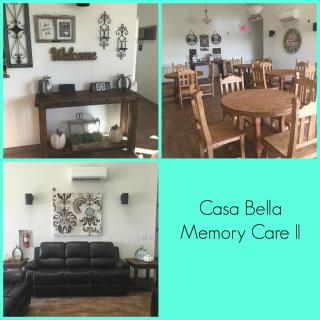
- The administrator welcomed them with a tour, and the facility is clean, comfortable, and beautifully decorated.
- The staff were attentive to his needs and treated him like family with dignity and compassion.
- The CNAs are top-notch—very kind, caring, and compassionate.
Cons
 The room and bathroom weren't as clean as promised by the administrator.
- There seemed to be only one staff member working, who had to cook, clean, do laundry, and tend to residents, indicating severe understaffing.
- After the family complained, the administrator became less friendly and effectively ignored the dad.
- The warmth shown when moving him in was later described as fake, implying the care was more about filling rooms than genuine concern.
- The administrator acted unprofessionally toward the family when they visited to collect belongings after their father's death.
Review
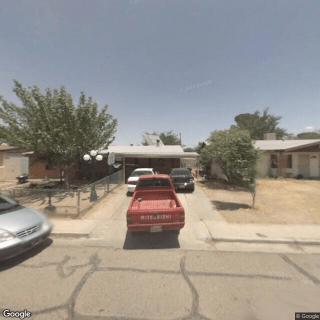
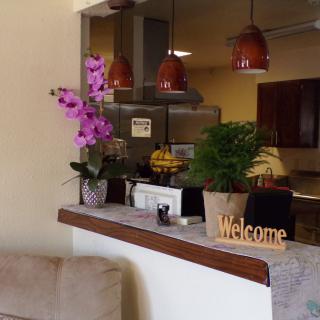
Casa Bella Residential Care Facility in Las Cruces is best suited for families seeking a warm, home-like environment where staff-centered care and social engagement are prioritized. It clearly serves residents who value daily interaction with attentive caregivers, good meals, and a sense of belonging, traits that many families associate with a smaller, intimate setting. The strongest fit is for couples or spouses who want to remain together in a nurturing, downstairs-to-bathroom flow of daily life, as several residents and family members emphasize how the staff connect with residents in meaningful, personal ways. The facility’s newer feel, clean lines, and pleasant decor further reinforce its suitability for those who want a modern, aesthetically comfortable residence with a strong emphasis on daily quality of life.
Those who may want to consider alternatives are those who require unusually rigorous administrative oversight, highly consistent executive engagement, or a 24/7 reliability on a single point of contact for every concern. The most notable caveat across the reviews concerns the administrator’s conduct after initial moving-in and during a challenging period, which suggests that a consistently proactive, compassionate leadership presence may not be guaranteed at all times. Families who prize a crystal-clear, uniformly responsive administrative relationship, especially during emergencies, transitions, or bereavement, will want to compare how other communities structure family communications, follow-up, and accountability. Additionally, the sense that a single caregiver may be juggling multiple tasks could be a red flag for those who need guaranteed, near-constant staffing attention to housekeeping and safety duties.
The core strengths, the food, the warmth of attendants, and the sense of being treated like family, offer a strong offset to the more variable administrative dynamics. The dining experience is repeatedly praised as a standout, and when meals are paired with attendants who are described as helpful, understanding, and genuinely caring, residents come to feel seen and valued. Caregivers, particularly CNAs, are commended for their patience, kindness, and engaged interactions, qualities that translate into meaningful moments for residents, from conversation to music and even dancing. Even when a resident’s health trajectory shifts, the staff’s compassionate approach and personalized attention remain a consistent lifeline for comfort and dignity. Those trade-offs matter: practical help with daily living, abundant social interaction, and a home-like atmosphere can substantially reduce loneliness and stress, even if administrative frictions surface occasionally.
Operational realities behind the scenes shed light on why the trade-offs exist. Reviews note a fairly small team with broad duties, including cooking, cleaning, laundry, and direct resident care, which can stretch resources thin. The result is that some non-care tasks, like room and bathroom cleaning, may not meet expectations during peak times. This context helps explain the mixed impressions of administrative performance, especially after concerns are raised. Yet the same staffing structure also means caregivers and activity programming are deeply integrated into daily life, producing the memorable moments that families seek for their loved ones. Prospective residents should verify the facility’s staffing plan, ask for real-time examples of how concerns are escalated, and confirm whether there are dedicated family liaisons or a formal process for follow-up when issues arise.
In practical terms, visits should center on testing the alignment between promises and daily reality. Prospective families should tour with specific questions: how quickly concerns are addressed, who is the point person for admissions and ongoing family communication, how housekeeping schedules are managed, and whether there is a predictable routine for bathroom and room cleanliness. Taste and variety in meals, opportunities for social engagement, and the degree of personalized interaction with staff should be observed firsthand. Speaking with current residents or families about how conflicts are resolved and how condolence or bereavement support is handled can reveal whether the administrative side has the same warmth as the caregiving team. These checks will help determine if Casa Bella’s strengths align with the family’s expectations for reliability and reassurance.
Overall, Casa Bella presents a compelling option for families prioritizing warmth, personal connection, and a modern, comfortable setting for daily living. It excels in creating a sense of family-like care, with staff who engage residents in meaningful ways and a dining environment that supports pleasure and nourishment. The decision hinges on tolerance for occasional administrative misfires and the reality of a leaner staffing model. For many families, the benefits, strong caregiver rapport, high-quality meals, and a welcoming, homey atmosphere, will outweigh the potential drawbacks. For those who require unwavering administrative consistency and a fully fault-tolerant operations pipeline, it is wise to compare a few alternatives before committing, and to insist on clear, written expectations about communication, housekeeping standards, and the handling of concerns from day one.
 Board and Care Home
 Memory Care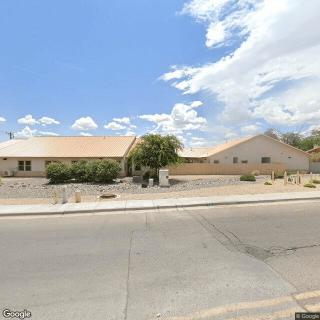


 Understanding Dementia Through Its Seven Stages: A Comprehensive Look at Progression and Expectations
 A Holistic Dementia Care Guide: Effective Strategies for Memory Support
 Comprehensive Insights into Activities of Daily Living (ADLs) and Their Assessment