
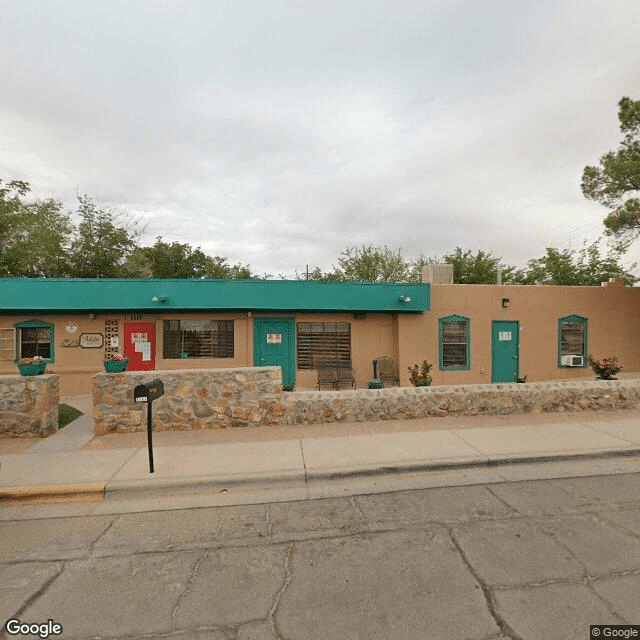
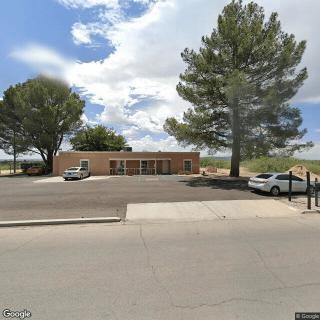
1111 E Mountain Ave, Las Cruces, NM 88001
To contact a resident: (575) 527-2795
For more information about senior living options: (866) 208-4318
The Adobe Costs & Pricing
At The Adobe, the monthly rental cost for a studio apartment is set at $1,785. This price is significantly more affordable compared to the average costs in Dona Ana County, where similar accommodations reach approximately $2,976. Additionally, when looking at the broader state of New Mexico, studio rents can soar even higher, averaging around $3,553. This positioning highlights The Adobe as an appealing option for those seeking quality housing without compromising their budget in a market that often exceeds these price points.
| Floor plans | The Adobe | Dona Ana County | New Mexico |
|---|---|---|---|
| Studio | $1,785 | $2,976 | $3,553 |
Memory care communities with a similar price nearby
-
from -$185 / mo

The Village at Northrise
$1,600 to $4,430 / month2.9 miles away
Overall Review of The Adobe
Pros
 Ray at The Adobe demonstrates enthusiasm and compassion for residents and their families.
- The family feels blessed that the mother receives care in an affordable and safe environment she likes.
- The Adobe’s staff are great and provide good care.
- The food at The Adobe is good, and residents are well fed with snacks when desired.
- The facility is clean.
- The father is happy at The Adobe.
- The community arranges weekly shopping trips and outings to movies, parks, and museums.
- The memory unit staff are very kind and caring, showing kindness and professionalism.
Cons
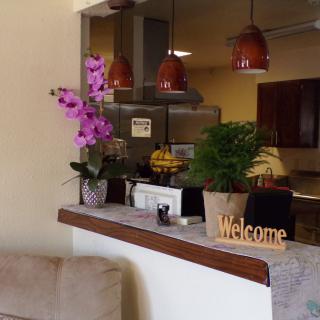
 The facility is old and needs updates.
- The clients were mostly sitting and staring unless they could do things on their own.
- The rooms were too close together, and there was only one bathroom visible, with no visible activities for residents.
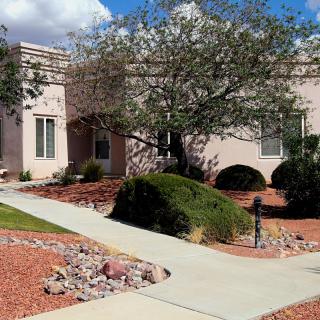
- The outside area was very small, there was no gym or pool, and the hallways were narrow.
- The hallways felt like a maze and were seen as unsuitable for dementia patients who often get lost.
- None of the family members cared for this facility.
Review
This community is best suited for families prioritizing dependable, affordable care and a trustworthy caregiving culture over upscale surroundings. The Adobe tends to work well for residents who require consistent supervision, especially those with special needs or memory-related care, when the priority is safety, predictable routines, and real staff relationships. Family accounts highlight responsive, compassionate leadership, most notably Ray, who appears to bring enthusiasm and steadiness to the floor, and they point to an environment where meals, snacks, and daily care meet expectations. In several reviews, residents were described as liking the place, and relatives felt they are getting what they pay for, with care that is perceived as affordable and caring. That combination can make stress-filled transitions more tolerable.
Those with a preference for modern aesthetics, expansive common areas, and design features tailored to memory impairment may want to look elsewhere. The Adobe shows its age in layout and finishes: narrow hallways, compact rooms, and a small exterior space that can feel claustrophobic. Tour observations by some visitors described a facility that looked more like a maze than a memory-support environment, with limited opportunities for structured activities visible to guests. For families seeking bright social programming, big activity rooms, or on-site amenities like a gym or pool, alternatives will typically deliver more visibly engaging environments and easier navigation for dementia care.
On the upside, care teams consistently earn favorable marks. The memory unit is staffed with kindness and professionalism, and the broader staff are described as attentive and dependable, earning trust from families who stop by at odd hours. Food is noted as good, the facility clean, and safety practices perceived as solid, contributing to a sense of security. Several relatives emphasize that their loved ones are well fed, have access to snacks, and receive regular outings, with some mention of prior outings to shops, movies, parks, and museums before the pandemic altered routines. These practical positives matter greatly when evaluating whether daily life can remain stable amid aging or memory decline.
The major drawbacks cluster around the physical plant. Old infrastructure translates into cramped spaces, compact bathrooms, and a layout that can feel confusing, especially for residents who wander or become disoriented. The outside area is small, with no on-site gym or pool, which limits opportunities for exercise and outdoor activity. Tours or informal assessments have left some families unimpressed, questioning whether the design truly supports dementia care or offers an engaging, stimulating daily routine. The perception of an aging building can dampen morale and may raise concerns for families who want a more uplifting environment for a loved one.
Pros and cons must be weighed through the lens of priorities. If affordability, safety, and reliable caregiving are the anchor concerns, The Adobe’s strengths can outweigh its architectural shortcomings. The combination of compassionate staff, a caring memory unit, and dependable daily care creates a solid footing for residents who need support without the burden of cost escalation. Conversely, if the expectation is a modern, activity-rich setting with spacious rooms and dementia-friendly design, these negatives are substantial, and alternatives should be evaluated more seriously. The decision hinges on whether the non-amenity aspects match the family’s tolerance for older design and limited on-site amenities.
Bottom-line guidance: visit with a plan, talk to current staff, ask about room sizes, confirm what programming is actually offered and visible, and verify staffing levels in the memory unit. Inspect the layout for walkability and fall risk, and request updated photos of renovations or future plans. If budget and a trusted caregiving team are the priority, The Adobe can be a good fit; if not, move toward other communities that combine modern design with robust dementia programming and larger shared spaces.
 Assisted Living
 Memory Care
 Activities on-site
 Devotional services off-site
 Indoor common areas
 Ambulatory care
 Diabetic care
 Meals provided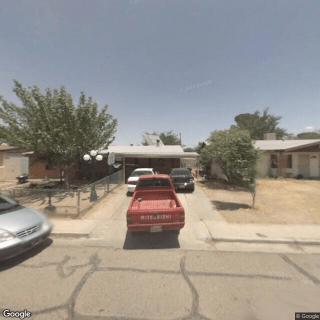



 8 Important Indicators That Memory Care May Be Necessary
 Delving into the Inner World of Dementia: Insights into Thoughts and Awareness
 Five Subtle Dementia Indicators to Observe: An In-Depth Guide to Understanding “Does My Mom Have Dementia?”