
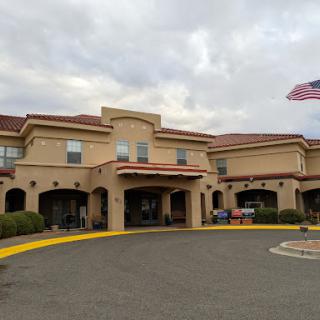
4844 Calle Bella Avenue, Las Cruces, NM 88012
For more information about senior living options: (866) 208-4318
Overall Review of Evershine Care - Las Cruces
Pros
 The facility is excellent for ICF/IDD.
- The management team is excellent.
- Excellent care is provided at Evershine.
- The workplace is nice.
- This ICF cares for its residents, with caring, professional, and clean staff, and residents seem very happy.
Cons
 They would not recommend going to Evershine Care; it is a crappy company and they don't care.
- They would not waste their time applying there.
Review
Evershine Care in Las Cruces is best suited for families seeking an IDD-focused environment where care is hands-on, supervision is visible, and routines are deliberate. The program’s emphasis on ICF/IDD signals a facility built around ongoing support, structured daily activities, and staff who regularly engage residents in meaningful interactions. Across multiple accounts, caregivers come across as attentive and professional, and the setting is described as clean and orderly. For residents who respond to predictable schedules, direct access to trained professionals, and a culture that prioritizes dignity, this community can translate daily life into greater stability and safety. In short, the core value lies in hands-on care delivered through a purpose-built framework, making it a practical anchor for families navigating complex IDD needs in a real-world setting.
Nevertheless, governance and organizational consistency are real variables. Some reviews harshly criticize the company, labeling it uncaring and urging prospective applicants to look elsewhere. Those voices raise legitimate questions about problem escalation, billing clarity, and how leadership follows through on commitments. For families demanding highly responsive, transparent management and timely updates, alternatives may offer stronger reassurance. The tension between warm front-line care and back-office reliability can create a mismatch, especially when care plans require rapid adjustments or disputes over costs arise. In such cases, the risk shifts from the quality of care on the floor to the steadiness of the system that supports it. That distinction matters deeply for long-term satisfaction, and it warrants careful comparison with other options before committing.
The strongest positives center on daily care quality. When staff are described as caring, professional, and thorough, and when residents appear content, it signals a care culture that treats dignity and routine with seriousness. Praise for management in some accounts suggests a capacity to train, supervise, and uphold standards in practice. Yet the negative feedback about organizational attitude and follow-through cannot be dismissed. If leadership behavior undermines family trust or if communication gaps widen, even excellent on-the-ground care can feel inconsistent. The result is a pragmatic picture: the care team may excel in hands-on support, while governance and responsiveness carry risk. For families prioritizing reliable, consistent operations, this tension is the critical factor to explore during visits and in conversations with both front-line staff and administrators.
Due diligence should be practical and pointed. Prospective families should demand candid conversations with the administrator and a front-line supervisor to hear how daily operations are coordinated. Request current care plans, clear explanations of billing practices, and a defined escalation path for issues, clinical or administrative. Probe the IDD-specific training, verify staff-to-resident ratios, and ask how care plans are updated as needs shift. Demand objective indicators such as staff turnover, incident reporting, and evidence of ongoing professional development beyond initial onboarding. On-site visits should include unfiltered conversations with direct caregivers about meals, activities, and supervision during routine tasks, not only glossy summaries from management. Tour logistics, safety features, and the engagement level of activities will reveal whether promises align with real-world practice and whether the environment supports sustained quality over time.
The decision hinges on whether governance reliability and family communication are negotiable or non-negotiable. If the resident benefits from a calm, well-structured, clean environment with devoted caregivers and a clear IDD program, Evershine represents a plausible match. If governance clarity and consistent family touchpoints are paramount, the evidence suggests a cautious approach and perhaps parallel observations elsewhere. The evaluation should involve multiple tours, requests for policy documents, and conversations with a cross-section of staff and families who have current experience. The aim is to determine whether care performance on the floor is matched by a governance framework capable of accountability, especially as needs and budgets evolve. Only when those pillars align can the community be recommended with confidence.
Ultimately, Evershine Care can be an excellent fit for residents who respond to dedicated caregivers and IDD-focused programs, provided governance concerns are resolved through vigilant oversight. The positive signals about care quality and staff devotion are meaningful, but the skeptical notes carry weight and deserve a rigorous verification process. With thorough due diligence, tours, references, policy clarity, and a candid read of how management handles issues, the choice becomes clearer: if governance reliability accompanies compassionate care, the Las Cruces community stands as a solid option. If not, broaden the search to facilities with demonstrated leadership stability and transparent operations. The goal is a setting where both care excellence and dependable administration come together, ensuring a sustainable, satisfying living arrangement for residents navigating IDD needs over the long term.
 21 resident community capacity
 Assisted Living
 Beauty salon
 Cable or satellite TV
 Dining room
 Fully furnished
 Garden
 Housekeeping services
 Kitchenette
 Move-in coordination
 Outdoor space
 Telephone
 Wi-Fi/high-speed internet available
 24-hour call system
 Activities of daily living assistance
 Assistance with bathing
 Assistance with dressing
 Assistance with transfers
 Diabetes diet
 Meal preparation and service
 Medication management
 Mental wellness program
 Special dietary restrictions
 Transportation arrangement (medical)
 Transportation to doctors appointments







 Understanding the True Cost of Assisted Living in 2025: A Comprehensive Guide
 Understanding Medicaid Coverage for Assisted Living: A Comprehensive Guide
 How and When Medicaid May Cover Assisted Living Costs