Bickford of Omaha - Blondo offers competitive pricing for its senior living accommodations, with monthly costs reflecting the quality of care and services provided. For a studio apartment, residents can expect to pay $3,802, which is slightly higher than the Douglas County average of $3,611 and aligns closely with the statewide rate of $3,728. The two-bedroom units are priced at $4,000, significantly above the county's lower average of $3,202 and also surpassing the state average of $3,627. Meanwhile, one-bedroom apartments are available for $4,106 - this is notably higher than both Douglas County's average of $2,803 and Nebraska's statewide figure of $3,167. Overall, Bickford of Omaha - Blondo positions itself as a premium option within its market segment while demonstrating value through its commitment to enhancing residents' lifestyles.
Floor plans
Bickford of Omaha - Blondo
Douglas County
Nebraska
Studio
$3,802
$3,611
$3,728
2 Bedrooms
$4,000
$3,202
$3,627
1 Bedroom
$4,106
$2,803
$3,167
Skilled Nursing Facilities with a similar price nearby
Dementia care is repeatedly described as a strong fit, with residents being engaged at their level.
Multiple families describe the community as well-suited for dementia, including beginning dementia and Alzheimer’s care. Residents are described as being engaged in activities appropriate to their dementia level, and one reviewer specifically points to staff training for handling dementia behaviors. Rooms are also described as private, and families say their loved one felt comfortable and safe after moving in.
common23 reviews mention this
Staff are attentive and kind
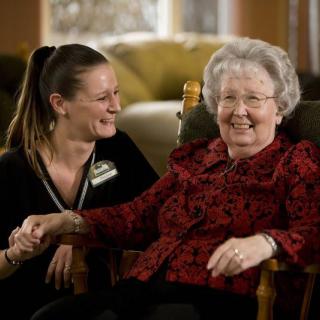
Staff are consistently described as attentive, kind, and responsive to concerns.
A large portion of reviews highlight warm, friendly staff and approachability from management when questions or concerns come up. Several reviewers say the day-to-day care feels supportive and family-like, with staff staying engaged and keeping residents comfortable. There are also a few negative experiences involving communication and care follow-through, but the majority of reviews remain positive about how staff show up for residents and families.
common13 reviews mention this
Meals get praised and tailored
Residents and families frequently mention good meals and workable dining choices.
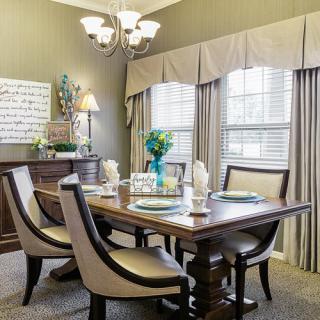
Many reviews describe meals as good, with variety and options at meals, and one reviewer emphasizes being able to pick what they want. Others mention homemade food and that dining helps residents feel at home. A smaller set of reviews raise dining issues, including missed meals and difficulty with how food was served or handled.
common7 reviews mention this
Activities keep residents engaged
Activities are a recurring reason families feel their loved ones stay engaged.
Reviews commonly mention an active schedule, with residents participating in games, exercises, music, and scheduled events. Several families also say the community works to get residents involved, including dementia-appropriate engagement. Even when tours were discussed more than daily life, reviewers still describe clear activity offerings and an activity plan shared during visits.
caveat3 reviews mention this
Care follow-through and cleanliness vary
Some reviews report serious lapses in care follow-through and cleanliness.
A few reviews describe problems that go beyond preferences, including missed meals, dirty clothing, and care that did not follow the resident’s plan. Other concerns include medication being delayed or running out, and issues tied to housekeeping and laundry. These negative experiences stand out compared with the more positive accounts, but they appear often enough to be taken seriously.
How we summarize
Counts show how many written reviews mention each theme; a review can touch several themes, and only frequently mentioned themes are displayed.
Features
Types of Care
Assisted Living
Memory Care
Skilled Nursing Facility
Pets
Cats allowed
Dogs allowed
Amenities
Activities off-site
Activities on-site
Bath tubs
Beautician on-site
Devotional services off-site
Devotional services on-site
Dining room
Guasts at mealtime
Indoor common areas
Kitchenette
Laundry
Outdoor common areas
Party space
Respite or short term stays offered
Wheelchair accessible showers
Transportation
Eppley Airfield (10 miles away)
Transportation & parking
Care Services
Ambulatory care
Diabetic care
Incontinence care
Meal preparation and service
Medication management
Walking wheelchair assistance
Dining
Diabetes diet
Meals provided
Vegetarian
Activities
Activities off-site
Activities on-site
Devotional activities offsite
Devotional activities on-site
Religious services
Languages Spoken
English
Nearby Places of Interest
This area of Omaha, Nebraska offers a variety of amenities and services that may be appealing for seniors looking to settle down in a convenient location. With multiple physicians, pharmacies, and hospitals within close proximity, residents can easily access medical care. There are also several parks nearby for outdoor relaxation and recreation. In terms of dining options, there is a mix of casual eateries such as The Cheesecake Factory and Chick-Fil-A as well as coffee shops like Scooter's Coffee and Starbucks. Additionally, there are places of worship like St Vincent De Paul Catholic Church and Westside Church for spiritual fulfillment. Overall, this neighborhood provides a balance of healthcare resources, recreational opportunities, dining choices, and spiritual support for seniors considering senior living in the area.
Physicians
Popp Cosmetic Surgery PC (0.6 miles)
Heart Consultants (0.9 miles)
Sancta Familia Medical Apostolate (1 miles)
Center Of Dermatology PC/Herschel E Stoller MD (1.1 miles)
Regency physicians clinic (1.4 miles)
Hutteger Gregory K Do Hutteger Gregory Do Omaha (1.4 miles)
Methodist Physicians Clinic (1.4 miles)
Parks
Hefflinger Park (0.6 miles)
Hefflinger Park (0.7 miles)
One Pacific Place Park (2.4 miles)
Keystone Park (3.1 miles)
Torrey Pines Park (3.4 miles)
Somerset Park (4 miles)
Memorial Park (4.6 miles)
Cafes
Scooter's Coffee (1 miles)
Panera Bread (3 miles)
Panera Bread (3.3 miles)
Starbucks (3.9 miles)
Starbucks (4.5 miles)
Restaurants
The Cheesecake Factory (1.4 miles)
Wayside Tavern (2.3 miles)
Casual Pint (2.9 miles)
Report In Pub (3.1 miles)
R Taco (3.2 miles)
Charleston's Restaurant (3.3 miles)
Chick-Fil-A (3.3 miles)
Pharmacies
Walgreens (1.8 miles)
Walgreens (1.9 miles)
CVS Pharmacy (1.9 miles)
Walmart Pharmacy (1.9 miles)
CVS Pharmacy (2 miles)
Walgreens (2.7 miles)
CVS Pharmacy (2.8 miles)
Places of Worship
St Vincent De Paul Catholic Church (2.6 miles)
Westside Church (3.4 miles)
Theaters
Majestic Cinema Of Omaha Omaha, Ne (2.7 miles)
Hospitals
Methodist Hospital 6 South (2.8 miles)
Davita Omaha Dialysis (2.8 miles)
Boys Town National Research Hospital (3 miles)
Omaha Surgical Center (4 miles)
Methodist Healthwest (4.1 miles)
Alegent Health Immanuel Medical Center (4.7 miles)
Bickford of Omaha - Blondo offers competitive pricing for its senior living accommodations, with monthly costs reflecting the quality of care and services provided. For a studio apartment, residents can expect to pay $3,802, which is slightly higher than the Douglas County average of $3,611 and aligns closely with the statewide rate of $3,728. The two-bedroom units are priced at $4,000, significantly above the county's lower average of $3,202 and also surpassing the state average of $3,627. Meanwhile, one-bedroom apartments are available for $4,106 - this is notably higher than both Douglas County's average of $2,803 and Nebraska's statewide figure of $3,167. Overall, Bickford of Omaha - Blondo positions itself as a premium option within its market segment while demonstrating value through its commitment to enhancing residents' lifestyles.
Bickford of Omaha - Blondo's features are meticulously designed to support residents with dementia or Alzheimer's disease, enhancing their overall well-being and comfort. Medication management ensures that individuals receive their prescribed medications consistently and on time, which is crucial for maintaining health stability and minimizing confusion. The meal preparation and service are tailored to meet dietary needs while providing familiar, comforting foods that can stimulate appetite and create a sense of normalcy. Additionally, incontinence care is handled with sensitivity and respect, promoting dignity while addressing a common challenge faced by those with cognitive impairments. Together, these services not only assist in daily living but also foster an environment where residents feel safe, cared for, and supported as they navigate the complexities of their conditions.
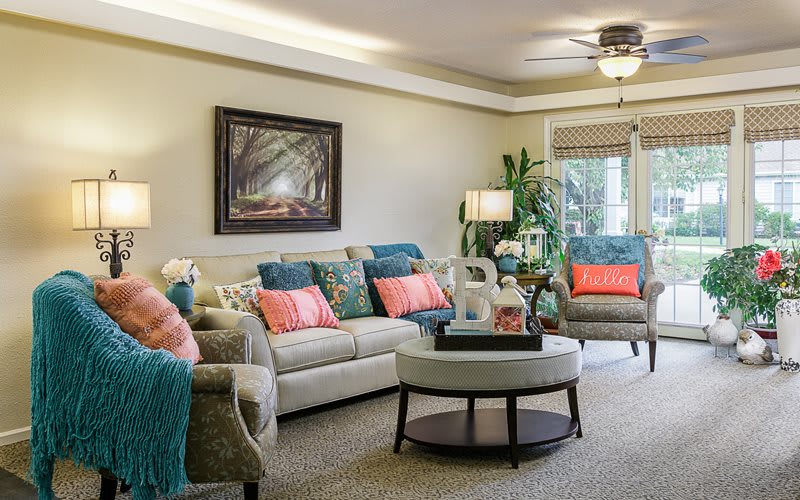
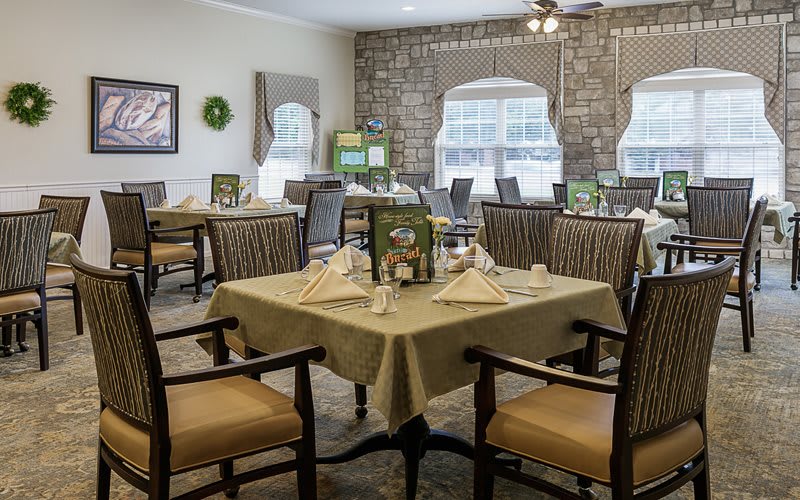
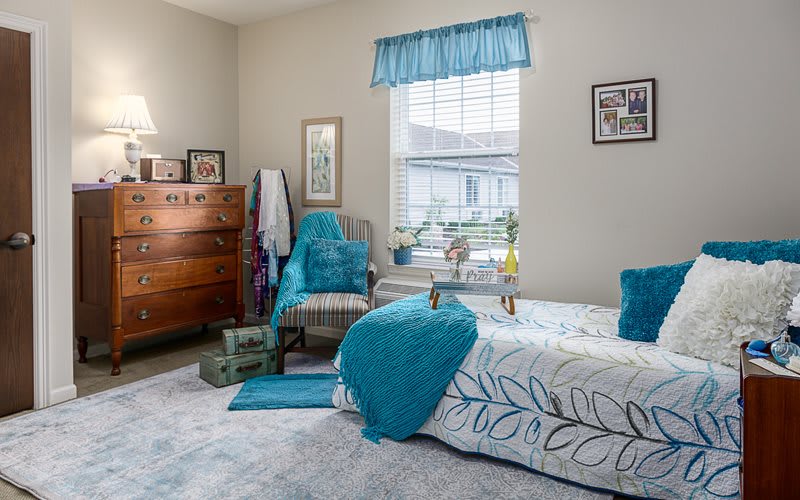
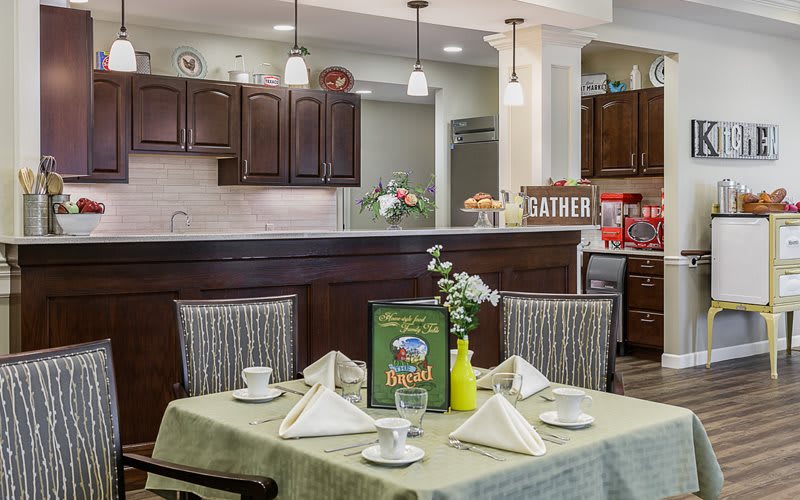
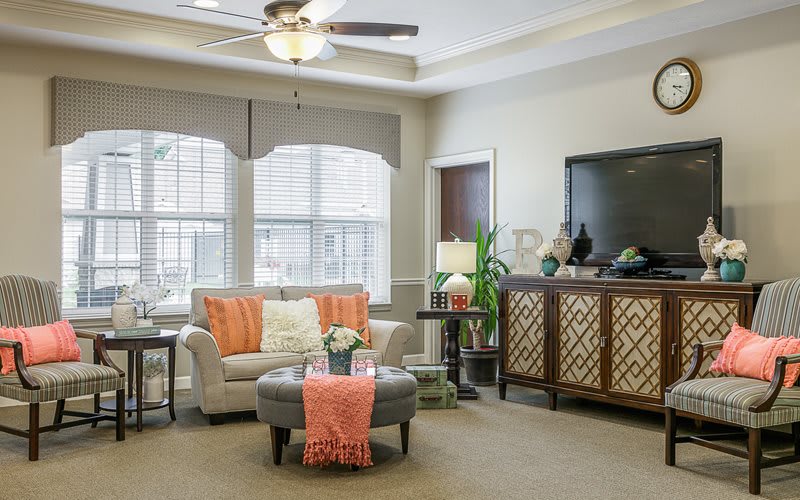
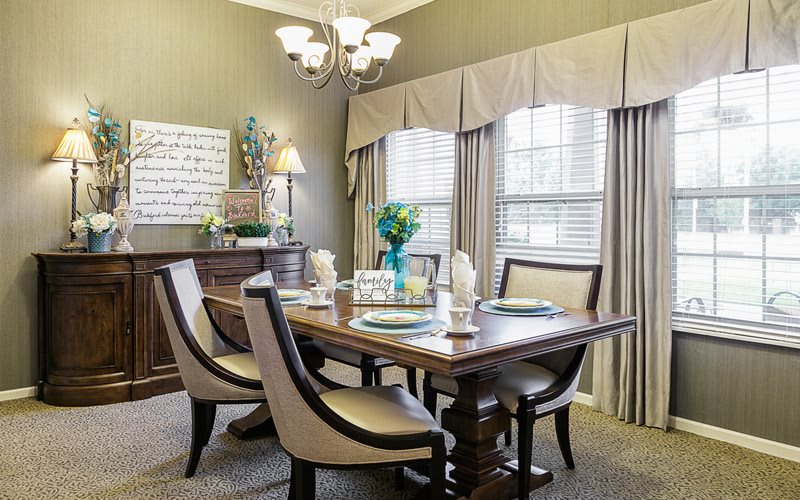
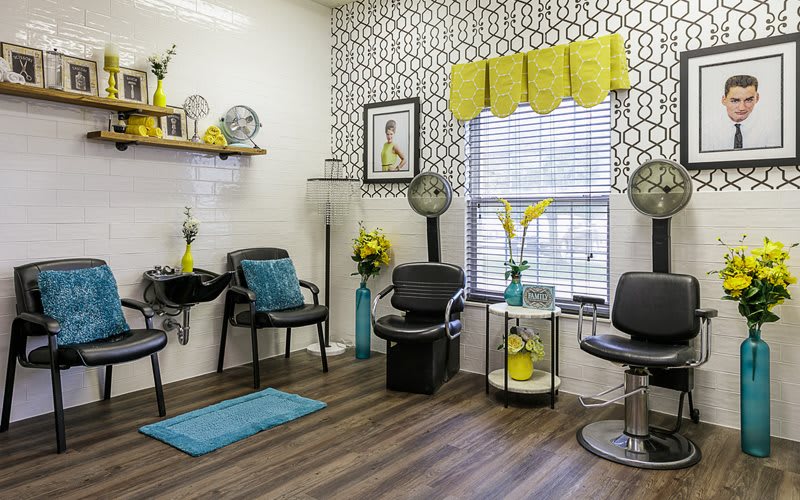
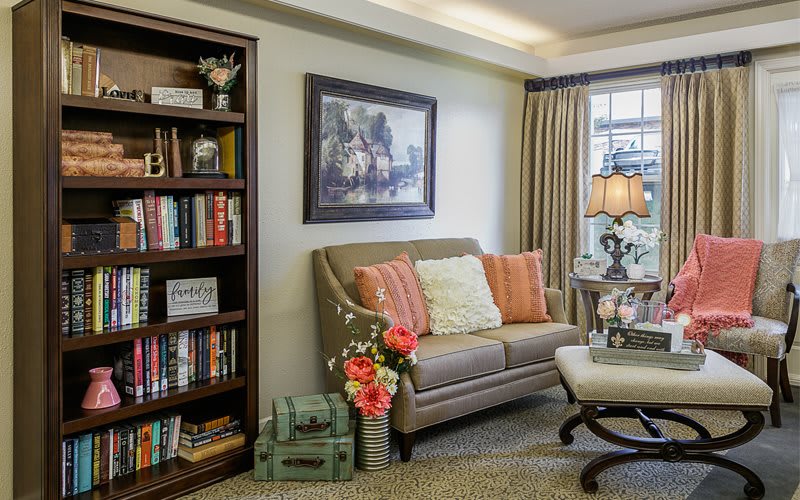
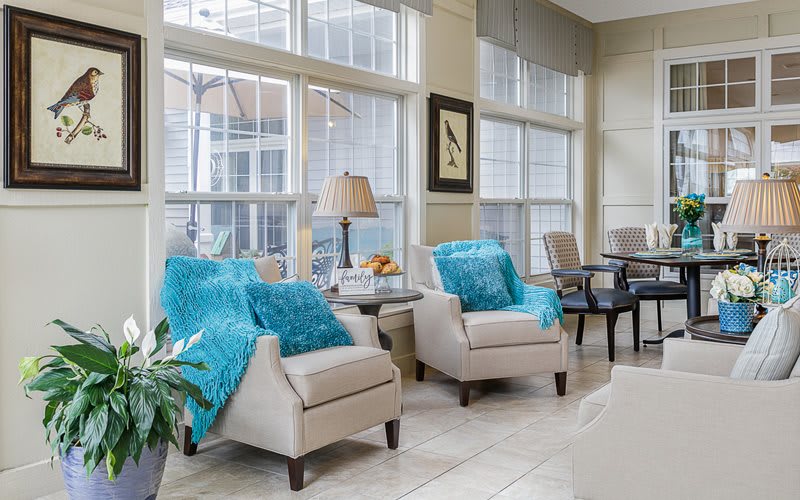
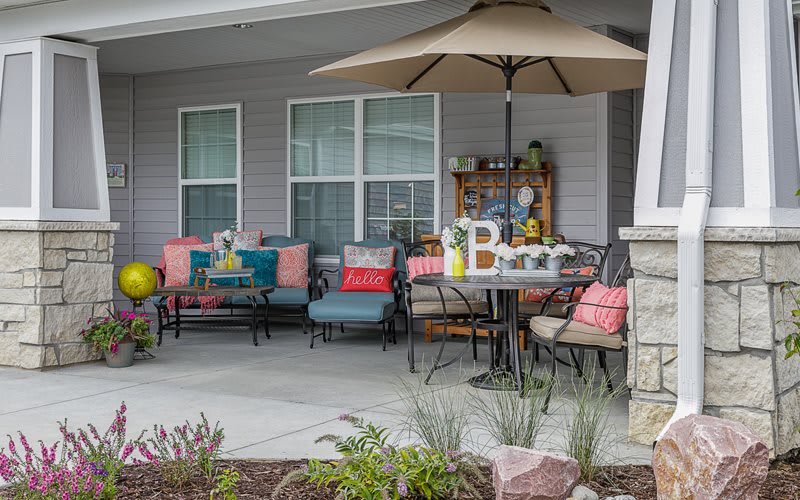
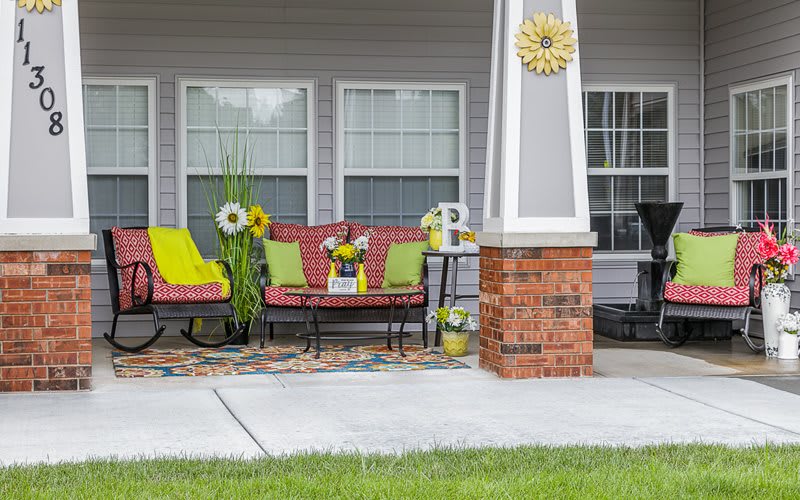
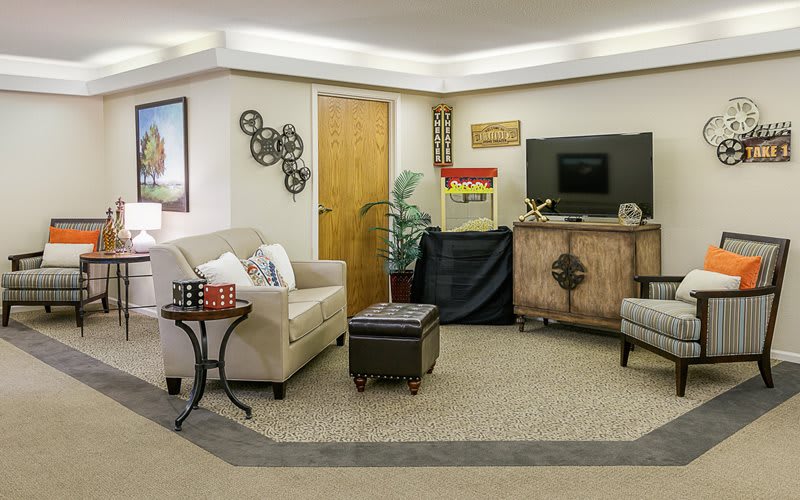
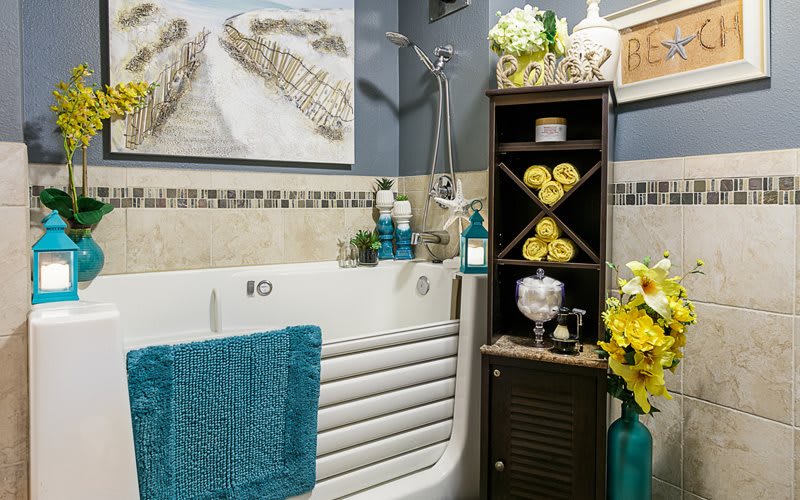
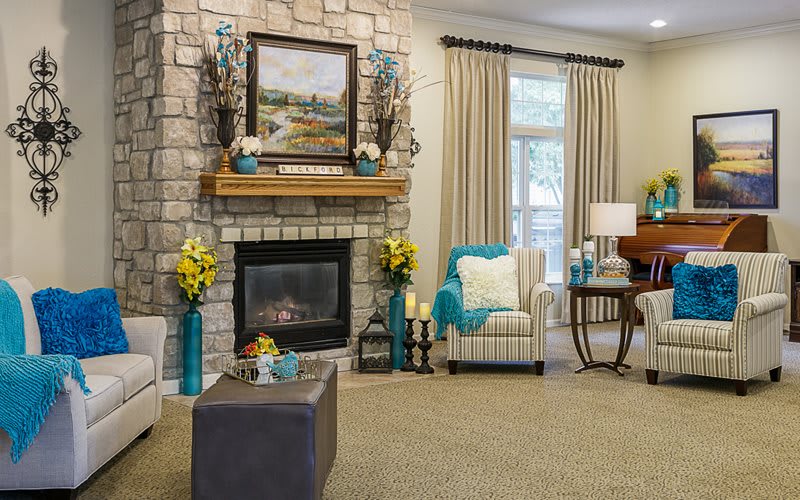
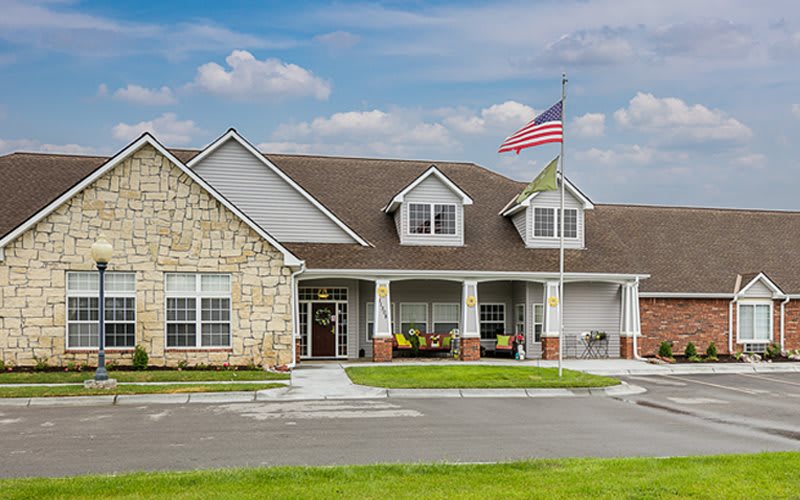
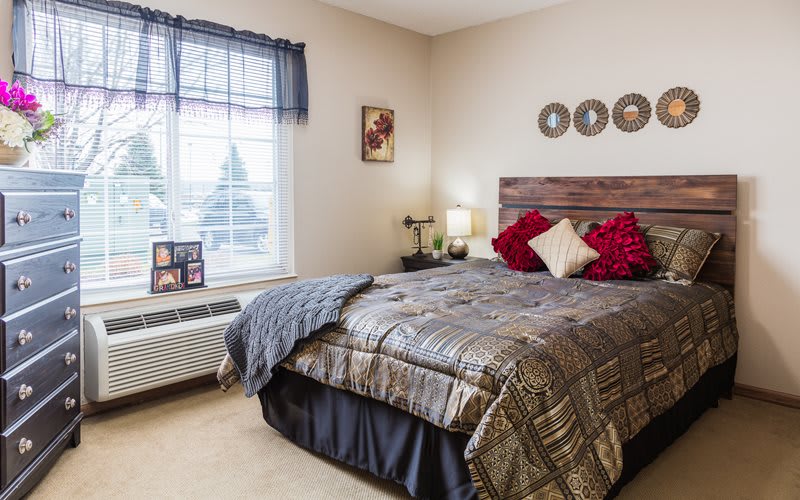
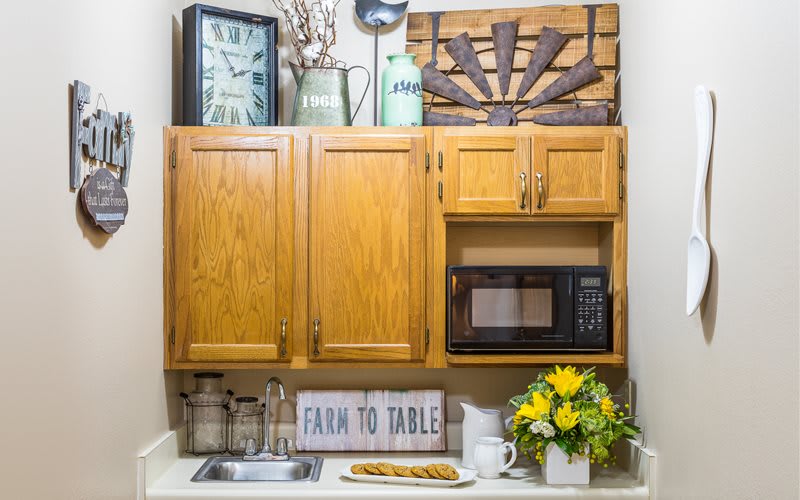
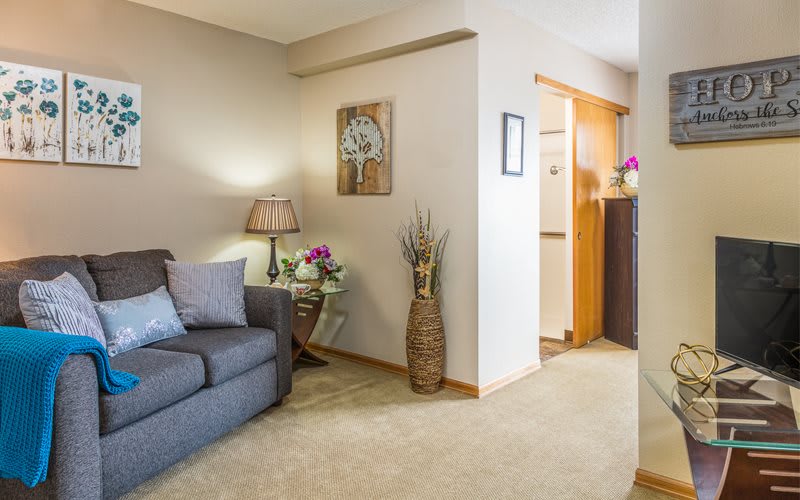
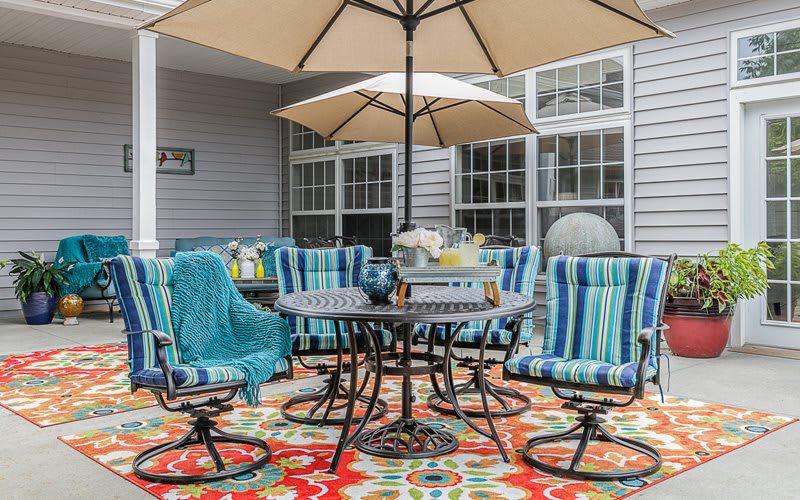
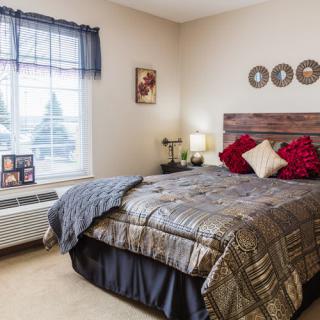
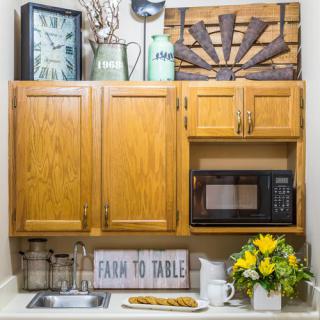
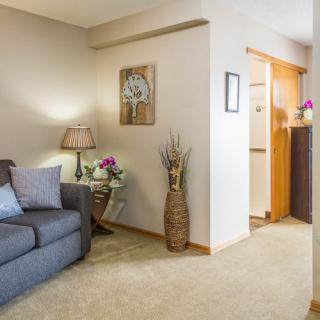
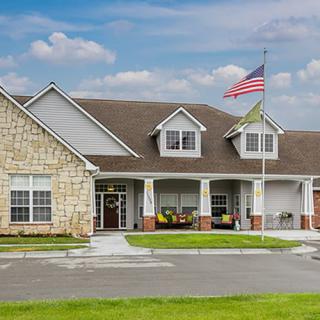
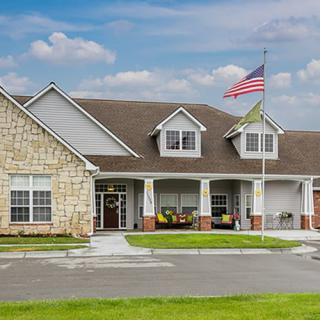
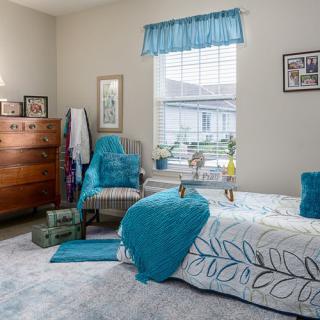
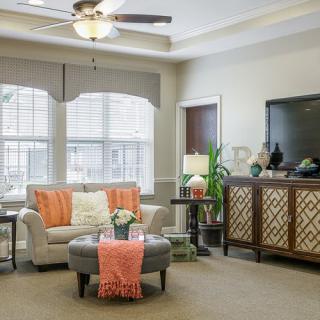
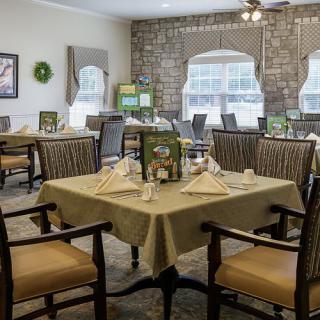
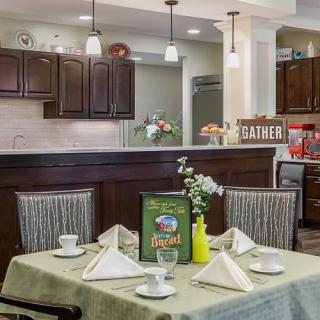
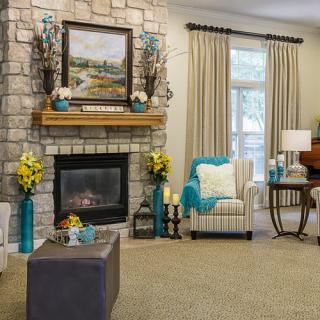
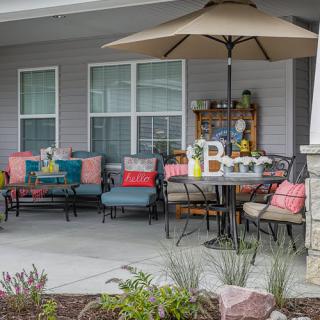
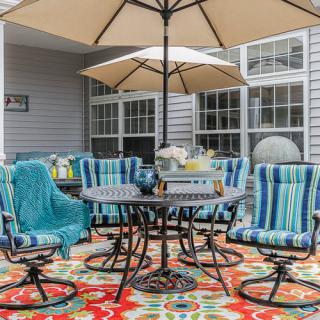
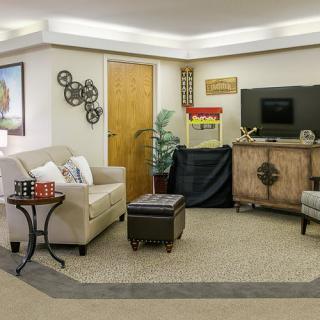
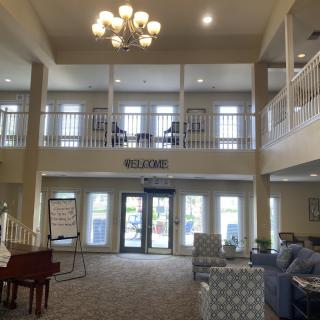
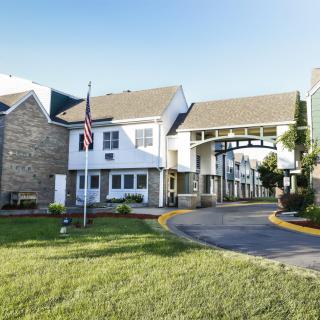
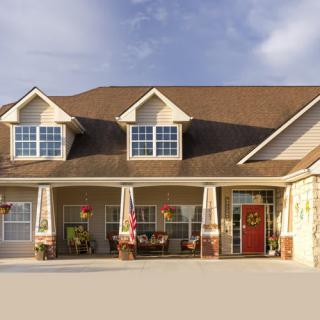
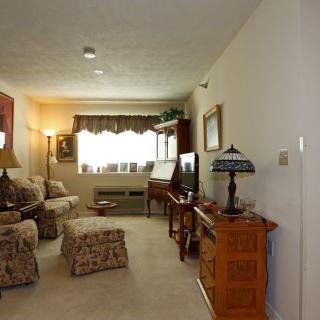
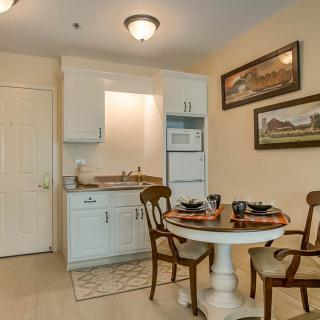
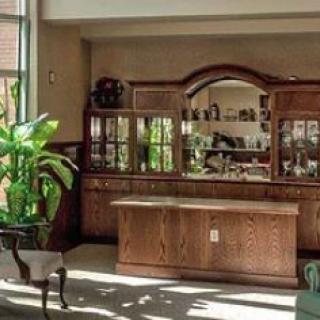
Bickford of Omaha - Blondo on seniors.fyi includes 21 photos including images showing decor, interior, living room, windows, dining, patio, bedroom, kitchen, and more.
Nearby Communities
Old Mill Rehabilitation (Omaha Tcu)
Omaha, NE
3.3 from 63 reviews
24/7 supervision, medication management, mental wellness program, and multiple dining options including diabetes and special dietary needs, plus social activities.
Dial Senior Management, Inc.
Omaha, NE
Caring Senior Service of Omaha
Omaha, NE
4.9 from 14 reviews
Compassionate, professional staff delivering high-quality in-home care.
Home Instead Senior Care
Omaha, NE
4.6 from 42 reviews
Excellent access to healthcare and nearby amenities.
Bailey Pointe at Miracle Hills
Omaha, NE
4.4 from 95 reviews
$3,995 to $5,160 / month
Friendly staff and a welcoming, home-like environment with engaging activities.
The Waterford At Miracle Hills
Omaha, NE
4.5 from 39 reviews
Extensive on-site amenities and comprehensive care services.
Remington Heights Retirement
Omaha, NE
4.6 from 87 reviews
$2,375 to $3,425 / month
Friendly, attentive staff; well-maintained community with excellent amenities and dining.
Ovation Heartwood Preserve
Omaha, NE
3.6 from 31 reviews
$3,600 to $4,527 / month
Immaculate cleanliness, friendly staff, solid dining and activity options, with convenient transport.
New Cassel Retirement Center
Omaha, NE
4.5 from 38 reviews
Beautiful, well-maintained facilities (cathedral-like chapel) with friendly staff and varied activities and meals.
Dementia leads to cognitive impairment and can cause emotional and behavioral changes, including aggression that arises from frustration, confusion, or fear. Effective coping strategies for caregivers include understanding dementia's nature, recognizing triggers, using empathetic communication, and employing non-pharmacological interventions like music and art therapy.
Dementia causes cognitive decline and challenging behaviors that caregivers must manage, necessitating an understanding of the neurological basis of these issues. Effective strategies and self-care for caregivers can enhance support for those with dementia and improve their daily lives.
The content outlines five key early indicators of dementia, including significant memory loss and confusion about time and place, while emphasizing the need for professional evaluation and emotional support for both individuals showing symptoms and their caregivers. It encourages family members to monitor these signs closely and use online quizzes for initial awareness.
Get PricingAsk A QuestionSchedule A TourContact Senior Advisor
By clicking submit, you agree to our Partner's Terms of Use. You
also consent to receive calls and texts, which may be autodialed, from our Partner. Your consent is not a condition to
using our Partner's service. Please visit our Partner's Privacy Policy for information about their privacy practices.



 Assisted Living
 Memory Care
 Skilled Nursing Facility
 Cats allowed
 Dogs allowed
 Activities off-site
 Bath tubs
 Beautician on-site
 Devotional services off-site
 Dining room
 Indoor common areas
 Kitchenette
 Laundry
 Outdoor common areas
 Party space
 Respite or short term stays offered
 Wheelchair accessible showers
 Eppley Airfield (10 miles away)
 Transportation & parking
 Ambulatory care
 Diabetic care
 Incontinence care
 Meal preparation and service
 Medication management
 Walking wheelchair assistance
 Diabetes diet
 English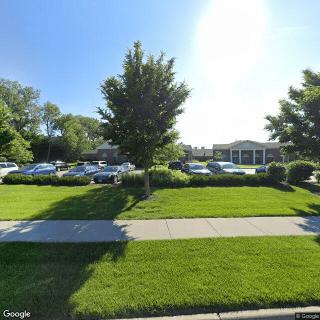
 24/7 supervision, medication management, mental wellness program, and multiple dining options including diabetes and special dietary needs, plus social activities.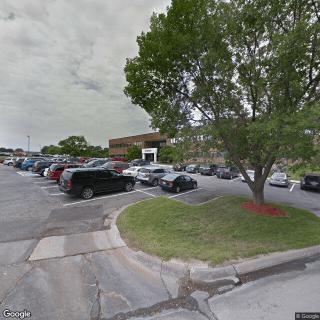
 When Dementia Sparks Anger and Aggression: Understanding the Connection and Ways to Cope
 Dementia Behaviors: In-Depth Understanding and Effective Coping Strategies
 5 Early Indicators of Dementia and What You Can Do